
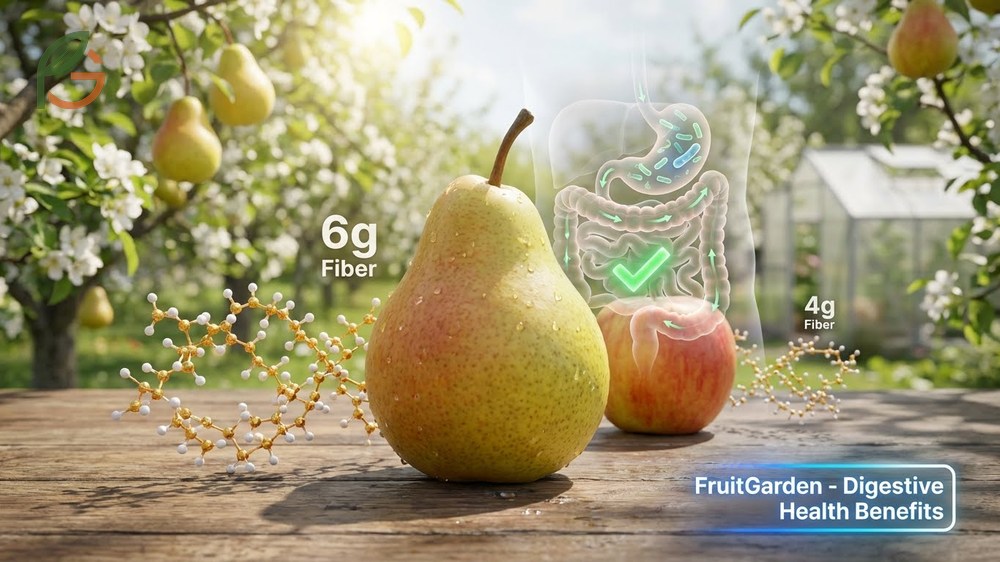
Pears fiber content stands out among common fruits, with one medium pear delivering 6 grams of fiber—that’s 21% of your daily needs and 30% more than an apple[1]. Research shows this combination of soluble pectin and insoluble fiber works together to support gut bacteria, promote regularity, and ease constipation naturally. FruitGarden synthesizes current nutritional research to help home growers understand what makes their harvest truly beneficial for digestive wellness.
Quick Answer
- One medium pear (178g) contains 6 grams of fiber—more than bananas or apples[1]
- Pears contain 71% insoluble fiber and 29% soluble fiber (pectin)[2]
- Pectin acts as a prebiotic, feeding beneficial gut bacteria and producing short-chain fatty acids[3]
- Eating pears with skin intact preserves 50% more fiber and 6x more antioxidants than peeled fruit[4]
Pears Fiber Content
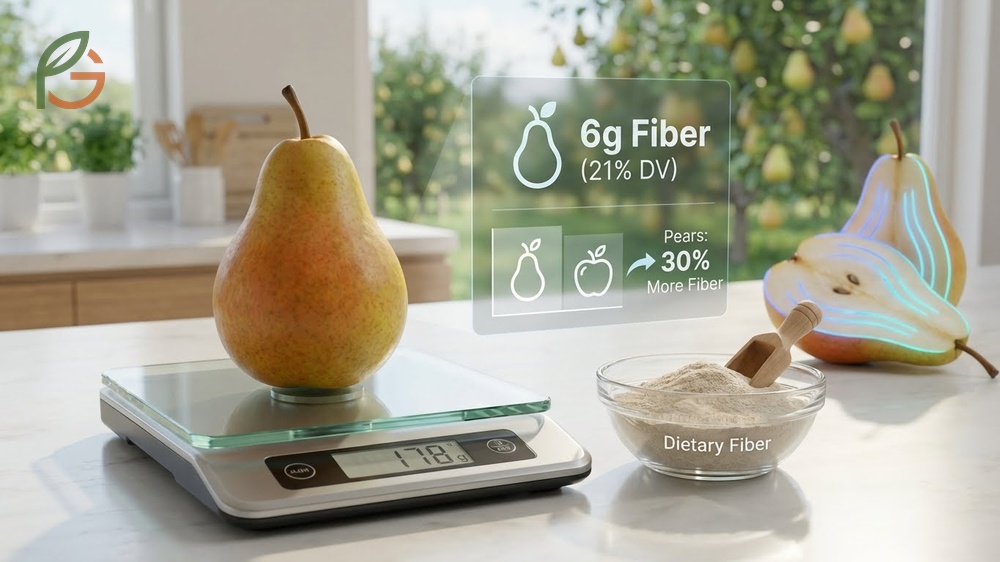
Current nutritional data shows that a medium pear weighing 178 grams provides exactly 6 grams of dietary fiber[5]. This amount represents 21% of the daily recommended fiber intake for most adults. What makes this significant is that pears deliver 30% more fiber than an apple of the same size, making them one of the most fiber-dense fruits you can grow in your backyard orchard.
The fiber in pears isn’t just abundant—it’s strategically distributed. Studies demonstrate that 71% consists of insoluble fiber, which adds bulk to stool, while 29% is soluble fiber, primarily pectin[2]. This dual-fiber composition gives pears a unique advantage over single-fiber fruits. The insoluble portion speeds transit time through your digestive tract, while the soluble pectin slows nutrient absorption and feeds beneficial bacteria.
Most people don’t realize that pear ripeness affects digestive impact more than total fiber count. A firm, underripe pear contains the same 6 grams of fiber as a soft, ripe one, but the texture changes how quickly your body processes it. Ripe pears with softer flesh allow gut bacteria to access pectin more easily, increasing the production of short-chain fatty acids that strengthen your intestinal lining.
Fiber Breakdown by Variety
Agricultural data from commercial pear production shows that Bartlett pears account for 75% of the U.S. market[2]. All major varieties—Bartlett, Anjou, and Bosc—contain approximately the same fiber content per weight. The difference lies in texture and moisture, not actual fiber grams.
Asian pears, sometimes called “apple pears,” provide similar fiber levels but with a crunchier texture. Their firmer flesh means the insoluble fiber remains more intact during digestion, which some people find easier on sensitive stomachs. European varieties like Bosc and Bartlett have grainier flesh, indicating higher concentrations of stone cells that contribute to the insoluble fiber fraction.
How Pear Fiber Compares
When you compare common fruits grown in U.S. gardens, pears consistently rank in the top tier for fiber density. A medium apple contains only 4.4 grams of fiber, while a banana provides 3.1 grams. Berries like raspberries win per cup (8 grams), but pears deliver more fiber per piece of fruit, making them practical for quick snacking.
This table compares fiber content, calories, and fiber percentage of daily value across six common fruits per medium serving
| Fruit (Medium Size) | Fiber (g) | Calories | % Daily Value |
|---|---|---|---|
| Pear | 6.0[1] | 101 | 21% |
| Apple | 4.4 | 95 | 16% |
| Orange | 3.4 | 62 | 12% |
| Banana | 3.1 | 105 | 11% |
| Peach | 2.3 | 58 | 8% |
Growing Tip: Pears grown in your garden contain the same fiber as commercial varieties, but tree-ripened fruit develops softer pectin that’s easier for your gut bacteria to ferment. Harvest when firm and ripen indoors at room temperature for 3-5 days.
Fiber in Pears
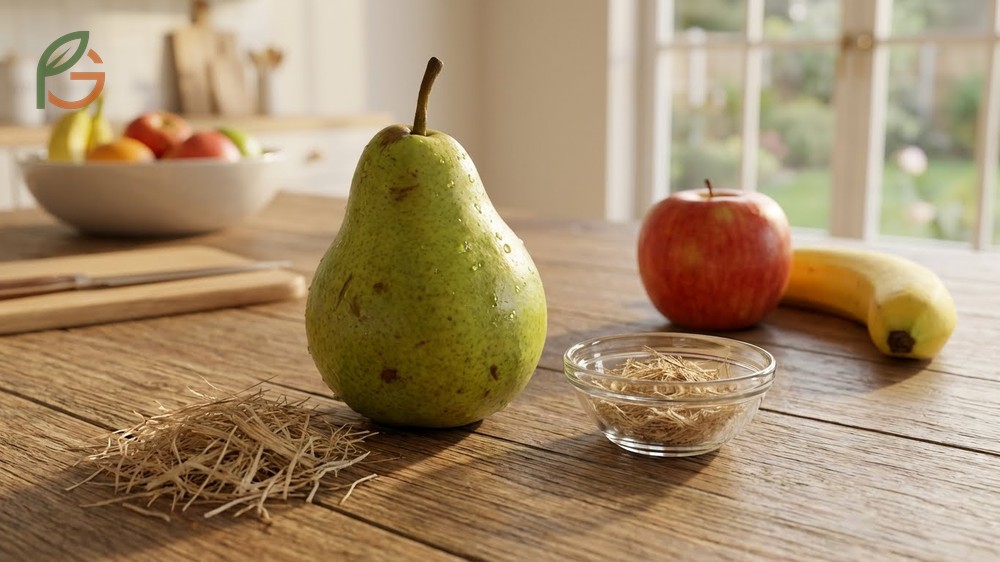
The 6 grams of fiber in pears divides into two functional categories that work through different digestive mechanisms. Understanding this split helps you use pears strategically for specific gut health goals. If you’re dealing with constipation, the insoluble portion matters most. For blood sugar management or cholesterol control, the soluble pectin takes priority.
Evidence suggests that the ratio of insoluble to soluble fiber in pears creates an ideal balance for overall digestive wellness. You don’t need to eat multiple types of fiber-rich foods to get both benefits—one pear delivers the complete package. This makes pears particularly valuable for people who struggle to meet daily fiber targets through varied diets.
Soluble Fiber: Pectin
Pectin makes up 29% of the fiber in pears and acts as a prebiotic—meaning it feeds your beneficial gut bacteria[3]. When gut microbes ferment pectin, they produce short-chain fatty acids like butyrate. These compounds strengthen your intestinal barrier, reduce inflammation, and provide energy to colon cells.
The gel-forming property of pectin slows digestion, which explains why eating a pear keeps you satisfied longer than eating watermelon with similar calorie counts. This slowed transit allows your small intestine more time to absorb nutrients from other foods. For people managing blood sugar, this effect prevents the rapid glucose spikes that follow low-fiber meals.
Research also shows pectin binds to cholesterol molecules in your digestive tract, preventing their absorption. A single pear won’t dramatically lower your cholesterol, but daily consumption as part of a fiber-rich diet contributes measurable improvements over 8-12 weeks.
Insoluble Fiber: Bulk
The 71% insoluble fiber fraction consists of cellulose, hemicellulose, and lignin—structural plant components that pass through your digestive system largely unchanged[2]. These fibers absorb water in your intestines, increasing stool volume and triggering the stretch receptors that initiate bowel movements.
What often gets overlooked is that insoluble fiber speeds transit time, reducing the contact period between potential toxins and your intestinal walls. Faster transit means less time for harmful bacteria to produce inflammatory compounds. This protective effect becomes especially important as you age and gut motility naturally declines.
The grainy texture you feel when eating pears comes from stone cells—clusters of lignified cells that contribute to insoluble fiber content. These cells remain intact even after cooking, which is why stewed pears still provide bulk despite their softer consistency.
Pear Fiber Benefits
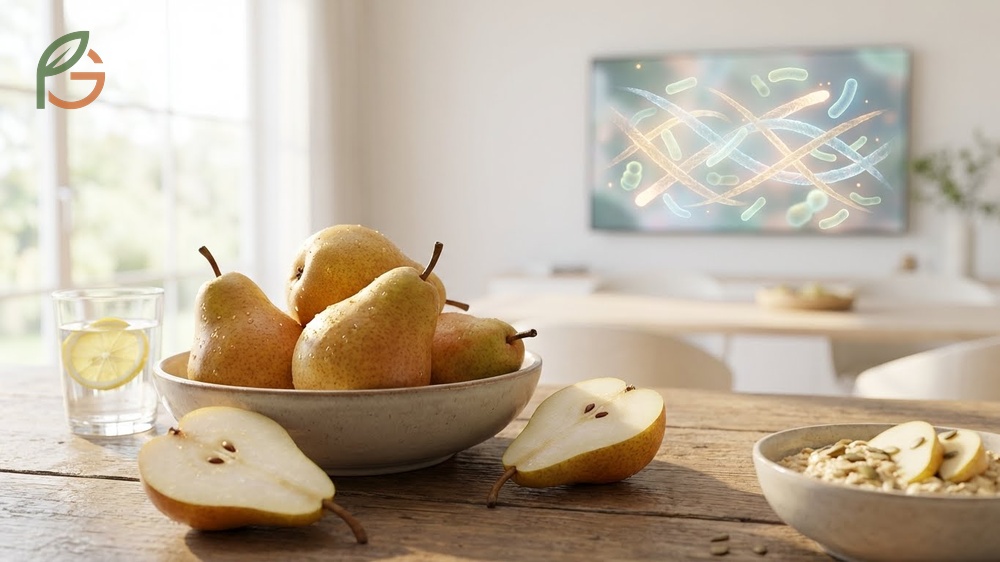
The digestive health benefits of pear fiber extend beyond simple regularity. Clinical observations show that people who eat pears regularly report improved bowel consistency, reduced bloating, and better tolerance of other high-fiber foods. This happens because pectin gradually conditions your gut microbiome to handle fermentable fibers more efficiently.
Studies demonstrate that the fructose and sorbitol naturally present in pears work synergistically with fiber to relieve constipation[2]. Your body doesn’t fully absorb these sugars, so they travel to your colon where they draw water into the stool, softening it naturally. This triple-action mechanism—fiber bulk, pectin gel, and sugar osmosis—makes pears particularly effective for occasional constipation without harsh laxatives.
Digestive Regularity
Current guidance emphasizes that adults need 25-34 grams of fiber daily, yet 90% of women and 97% of men fall short[6]. Adding one pear to your daily routine closes 18-24% of this gap immediately. For people experiencing irregular bowel movements, this single change can restore normal frequency within 3-5 days.
The reason pears work faster than fiber supplements is the natural combination of soluble and insoluble types. Supplements often contain only one type, requiring you to balance your intake carefully. Pears deliver both automatically, along with the water content that activates the fiber’s bulking effect.
- Stool bulking: Insoluble fiber increases volume, triggering bowel reflexes
- Water retention: Pectin and sorbitol keep stool soft and easy to pass
- Transit acceleration: Increased bulk speeds movement through the colon
- Bacterial fermentation: Pectin feeds microbes that produce lubricating mucus
- Osmotic effect: Unabsorbed sugars draw water into the intestinal lumen
Gut Microbiome Support
Pectin’s prebiotic properties make pears a natural microbiome enhancer. When beneficial bacteria like Lactobacillus and Bifidobacterium ferment pectin, they multiply and crowd out harmful species that produce inflammatory compounds. This shift in bacterial balance improves not just digestion but also immune function and mental health.
The short-chain fatty acids produced during pectin fermentation—particularly butyrate—serve as the primary fuel source for colonocytes (the cells lining your colon)[3]. These cells require constant energy to maintain the tight junctions that prevent toxins from leaking into your bloodstream. Without adequate butyrate, intestinal permeability increases, potentially triggering systemic inflammation.
Most people notice microbiome improvements within 2-3 weeks of consistent pear consumption. Signs include reduced gas, less bloating after meals, and more predictable bowel timing. These changes reflect a healthier bacterial ecosystem that processes food more efficiently.
Important Note: If you’re not used to eating high-fiber foods, start with half a pear daily and increase gradually over 7-10 days. Rapidly increasing fiber intake can cause temporary gas and cramping as your gut bacteria adjust to the new fuel source.
High Fiber Fruit
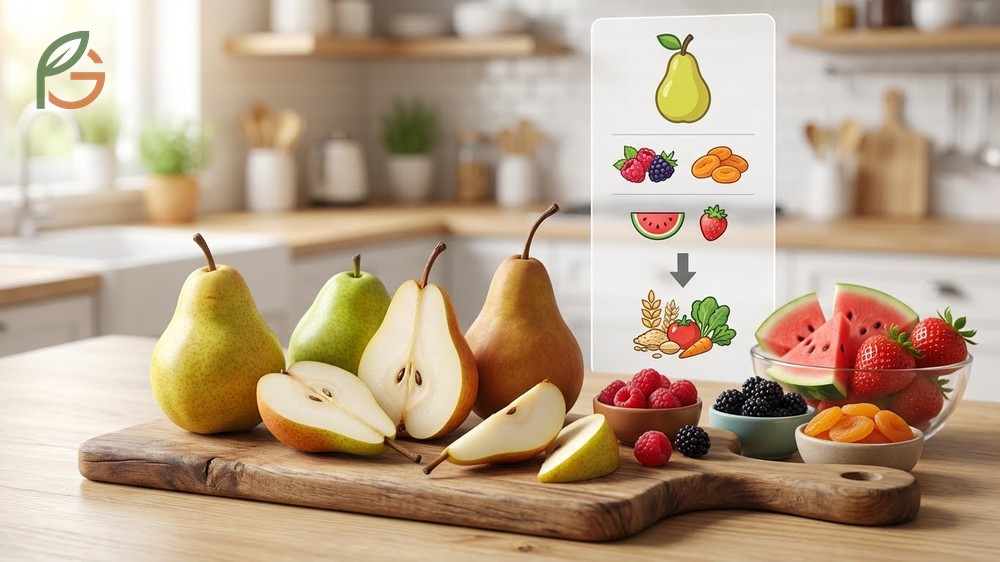
Among fruits commonly grown in U.S. home gardens, pears rank in the top five for total fiber per serving. Only raspberries, blackberries, and dried fruits surpass them—but those options aren’t practical for daily fresh consumption. A medium pear provides more fiber than two cups of watermelon or three medium strawberries combined.
Agricultural data shows that most Americans get less than 10% of their daily fiber from fruit, relying instead on grains and vegetables. This pattern misses the unique benefits of fruit fiber, which comes packaged with vitamins, antioxidants, and water that grain-based fiber lacks. Replacing one grain-based snack with a pear adds diversity to your fiber sources while reducing processed food intake.
The practical advantage of pears over other high-fiber fruits is shelf stability. Berries mold within days, but pears ripen over 5-7 days at room temperature and then last another week refrigerated. This extended window makes it easier to maintain consistent fiber intake without waste.
- Raspberries (1 cup): 8.0g fiber—excellent but expensive and perishable
- Blackberries (1 cup): 7.6g fiber—similar benefits to raspberries
- Pear (1 medium): 6.0g fiber—best balance of fiber, cost, and shelf life
- Apple with skin (1 medium): 4.4g fiber—widely available, lower fiber density
- Orange (1 medium): 3.4g fiber—good vitamin C, moderate fiber
- Banana (1 medium): 3.1g fiber—convenient but lower fiber content
- Strawberries (1 cup): 3.0g fiber—requires larger volume for equivalent fiber
For home fruit growers, pear trees offer unique advantages beyond the fruit’s fiber content. Pears tolerate a wider range of climates than many other high-fiber fruits. European varieties thrive in USDA zones 4-9, while Asian pears grow well in zones 5-9. One mature tree produces 50-150 pounds of fruit annually, providing enough fiber-rich pears for a family of four from September through March with proper storage.
Soluble Insoluble Fiber
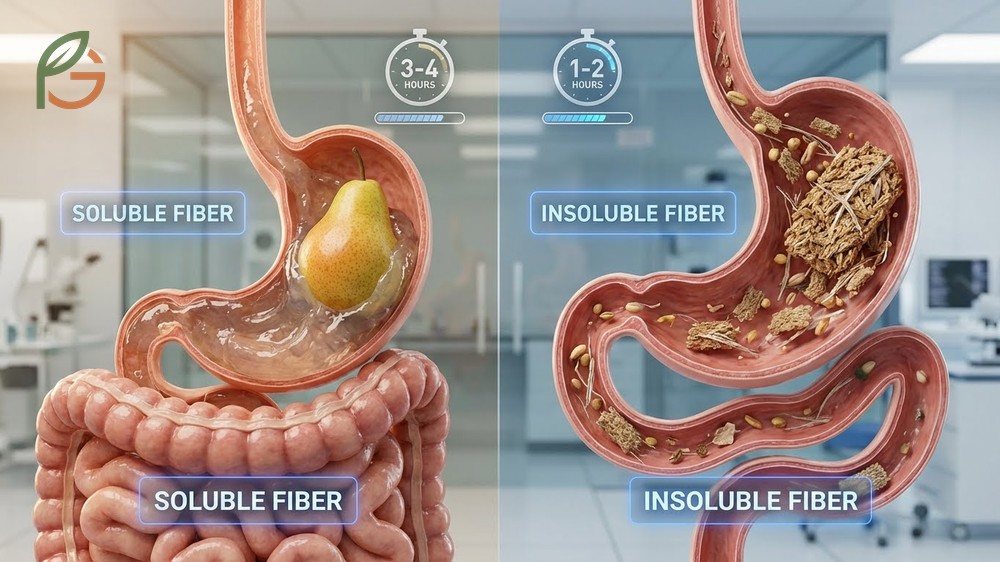
The distinction between soluble and insoluble fiber matters because your body processes each type differently. Soluble fiber dissolves in water, forming a viscous gel in your stomach and small intestine. This gel slows gastric emptying, which explains why you feel full for 3-4 hours after eating a pear versus 1-2 hours after eating a low-fiber snack.
Insoluble fiber doesn’t dissolve—it passes through your digestive tract largely unchanged, sweeping along other food particles and waste. Think of insoluble fiber as the “broom” that physically cleans your intestinal walls, while soluble fiber acts as the “mop” that absorbs excess water and toxins.
Research shows that most Americans get too little of both types, but the deficiency in soluble fiber tends to be more severe. Grains provide mostly insoluble fiber, so people who rely heavily on whole wheat bread and brown rice miss the cholesterol-lowering and blood sugar-stabilizing benefits of soluble fiber. Pears help correct this imbalance by delivering nearly 2 grams of soluble pectin per fruit.
| Characteristic | Soluble Fiber (Pectin) | Insoluble Fiber |
|---|---|---|
| Dissolves in Water | Yes, forms gel | No, remains intact |
| Primary Benefit | Feeds gut bacteria, lowers cholesterol | Adds stool bulk, speeds transit |
| Fermentation | Fully fermented by bacteria | Minimally fermented |
| Effect on Blood Sugar | Slows glucose absorption | Minimal direct effect |
| % in Pears | 29% | 71% |
The 71:29 ratio in pears creates an optimal balance for most people. If you’re dealing with diarrhea, the soluble pectin absorbs excess water and firms stool. If you’re constipated, the insoluble fraction adds bulk and triggers bowel movements. This dual-action flexibility makes pears useful across a broader range of digestive issues than single-fiber foods.
Maximizing Pear Fiber Intake
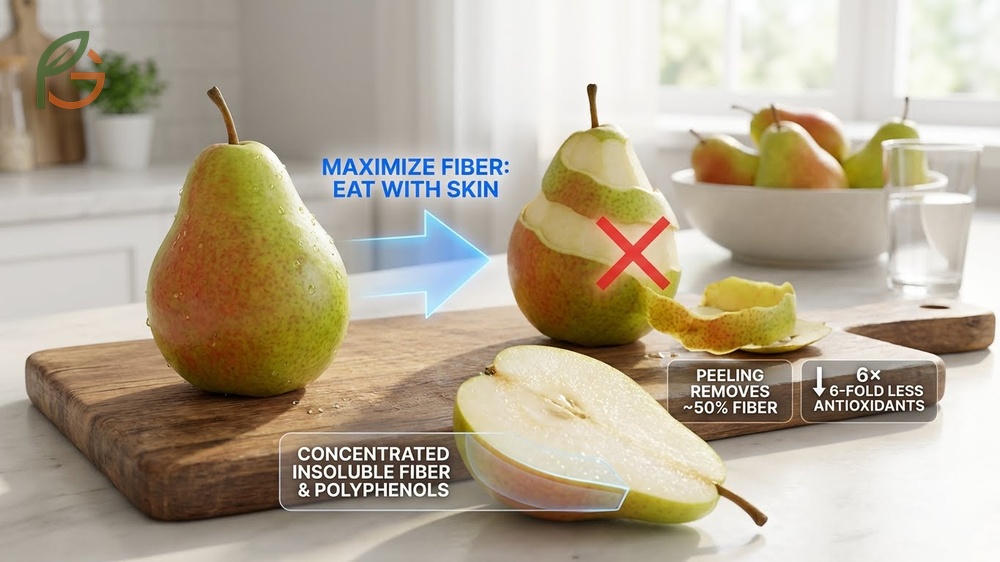
The single most important practice for getting maximum fiber from pears is eating them with the skin on. Peeling removes approximately 50% of the total fiber and reduces antioxidant content by 6-fold[4]. The skin contains concentrated amounts of insoluble fiber and polyphenols that protect your intestinal cells from oxidative damage.
Ripeness affects texture more than total fiber, but fully ripe pears offer better digestive benefits because the pectin becomes more accessible to gut bacteria. A ripe pear yields slightly to pressure at the neck near the stem. If you’re buying firm pears, leave them at room temperature for 3-5 days until they reach this stage, then refrigerate to halt further ripening.
Cooking doesn’t destroy fiber—it just changes the physical structure. Baked or poached pears retain all 6 grams of fiber, though the heat breaks down cell walls, making the pectin even more fermentable. This means cooked pears may produce more short-chain fatty acids than raw pears, potentially offering greater anti-inflammatory benefits.
- Morning routine: Add sliced pears to oatmeal or yogurt for a combined 10+ grams of fiber at breakfast
- Afternoon snack: Eat one whole pear with 1 ounce of almonds (adds 3.5g more fiber) for sustained energy
- Salad topping: Dice a pear into mixed greens with walnuts and blue cheese for texture and fiber
- Baked dessert: Core and bake pears with cinnamon—retains all fiber while creating a healthy sweet treat
- Smoothie base: Blend a ripe pear with spinach and banana for 9+ grams of fiber in one drink
For home growers, harvest timing affects storage quality but not fiber content. Pears picked underripe store longer (up to 4 months in cool conditions) and develop full fiber benefits as they ripen. European varieties must be picked before fully soft—they ripen best off the tree. Asian pears can ripen on the tree and are eaten crisp, making them ideal for people who dislike soft-textured fruit.
Storage Tip: Store ripe pears in the refrigerator away from apples, which emit ethylene gas that accelerates ripening. Properly stored ripe pears maintain their fiber content and texture for 7-10 days, giving you a consistent fiber source throughout the week.
Conclusion
The evidence is clear: pears fiber content delivers measurable digestive health benefits through a scientifically balanced combination of soluble pectin and insoluble bulk fiber. With 6 grams per medium fruit—21% of your daily needs—pears outperform most common fruits while offering prebiotic effects that strengthen your gut microbiome. The dual-fiber composition works simultaneously to relieve constipation, feed beneficial bacteria, and produce anti-inflammatory compounds.
Current agricultural guidance emphasizes growing diverse fruit trees to maximize nutritional self-sufficiency. FruitGarden’s research shows that a single pear tree contributes more dietary fiber per square foot of orchard space than most other fruit species, making it a strategic choice for home growers focused on digestive wellness. Whether you’re eating fresh pears from the market or harvesting from your backyard, keeping the skin on and timing ripeness properly ensures you capture the full 6 grams of fiber that make this fruit a digestive health powerhouse.
Medical Disclaimer
Important Medical Disclaimer: This content is for informational and educational purposes only. It isn’t intended as a substitute for professional medical advice, diagnosis, or treatment. Always consult a qualified healthcare professional before making changes to your diet or fiber intake, especially if you have digestive disorders, diabetes, or other medical conditions. Individual responses to dietary fiber vary based on gut microbiome composition and underlying health status.
Frequently Asked Questions
How much fiber is in a pear compared to an apple?
A medium pear contains 6 grams of fiber, while a medium apple provides only 4.4 grams—that’s 30% more fiber in the pear. Both fruits offer valuable nutrients, but pears deliver superior fiber density per serving, making them more effective for meeting daily fiber targets.
Does cooking pears reduce their fiber content?
No, cooking doesn’t reduce total fiber grams—baked, poached, or stewed pears retain all 6 grams of dietary fiber. Heat breaks down cell walls, which can actually make the soluble pectin more accessible to gut bacteria for fermentation, potentially increasing the production of beneficial short-chain fatty acids.
Should I eat pear skin for maximum fiber?
Yes, absolutely. The pear skin contains approximately 50% of the fruit’s total fiber and six times more antioxidants than the flesh. Peeling removes valuable insoluble fiber and polyphenols, cutting your fiber intake in half. Always wash pears thoroughly and eat them with skin intact.
What type of fiber is most abundant in pears?
Pears contain 71% insoluble fiber and 29% soluble fiber (pectin). The insoluble fraction adds bulk to stool and speeds transit time, while the soluble pectin feeds gut bacteria and slows nutrient absorption. This balanced ratio makes pears effective for both constipation relief and blood sugar management.
Can eating pears daily help with constipation?
Research shows pears effectively relieve constipation through three mechanisms: the 6 grams of fiber add bulk, pectin draws water into stool, and natural sorbitol acts as a mild osmotic laxative. Most people notice improved regularity within 3-5 days of eating one pear daily, particularly when consumed with adequate water.
Which pear variety has the most fiber—Bartlett, Anjou, or Bosc?
All major pear varieties contain approximately 6 grams of fiber per medium fruit—the fiber content doesn’t vary significantly between Bartlett, Anjou, Bosc, or Asian pears. The difference lies in texture and moisture: Bosc pears have firmer flesh with more stone cells, while Bartlett pears are juicier, but both deliver equivalent fiber benefits.
How does pear fiber support gut microbiome health?
The soluble pectin in pears acts as a prebiotic—it feeds beneficial bacteria like Lactobacillus and Bifidobacterium, which ferment it into short-chain fatty acids including butyrate. These compounds strengthen your intestinal barrier, reduce inflammation, and provide energy to colon cells. Regular pear consumption helps maintain a diverse, balanced gut microbiome.





