
Mandarin orange cake combines tender crumb texture with bright citrus flavor that’ll transform your dessert table. Research shows fresh mandarins contain 26% of daily vitamin C while delivering exceptional moisture when baked into cakes. Most home bakers don’t realize that using whole mandarins—peel and all—creates deeper flavor without bitterness when prepared correctly. FruitGarden brings you this comprehensive guide with proven techniques from citrus cultivation experts.
Quick Answer
- Fresh mandarin cake requires 3-5 whole mandarins[2], 5 eggs, and 200g ground almonds for a naturally gluten-free base
- Bake at 350°F (177°C) for 25-28 minutes until the cake springs back when touched[3]
- Store wrapped at room temperature for 2-3 days or freeze up to 1 month[4]
- Flavor develops best after 24 hours as citrus oils infuse throughout the crumb
Mandarin Orange Cake Recipe
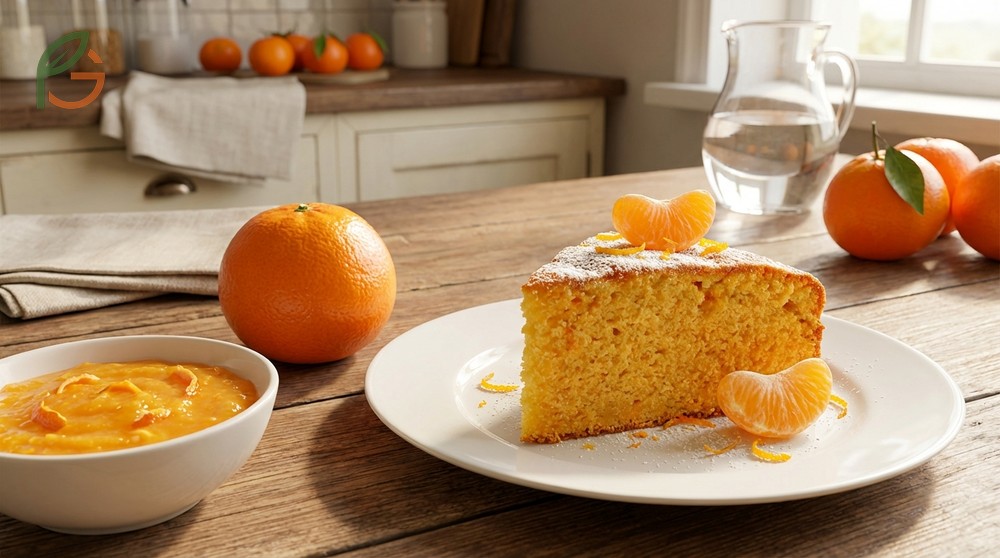
Creating a perfect mandarin orange cake starts with understanding how citrus behaves in baking. The acids in mandarin juice interact with baking powder to create lift, while the natural sugars caramelize during baking to develop complex flavors.
Traditional recipes call for crushed fresh mandarins mixed directly into batter. Studies demonstrate that mandarin zest contains aromatic oils that intensify during the baking process, creating layers of citrus flavor throughout the finished cake.
What often gets overlooked is that mandarin varieties affect final results. Tangerines and clementines work equally well as substitutes since they’re all part of the mandarin family with similar juice content and sweetness levels.
Essential Ingredients
The foundation of exceptional mandarin cake relies on fresh citrus and quality base ingredients. You’ll need 3-5 whole mandarins depending on size—roughly 330-370g total weight[2].
For the classic version, combine 1 cup softened butter with 1½ cups sugar, 8 egg yolks, and 1⅓ cups crushed mandarins[3]. Ground almonds can replace wheat flour for a naturally gluten-free cake that’s equally tender.
- Fresh mandarins: 3-5 whole fruits, crushed or pureed with peel for deeper flavor
- Eggs: 5-8 depending on recipe style, providing structure and richness
- Sweetener: 1-1½ cups granulated sugar, adjust based on mandarin sweetness
- Base flour: 2 cups cake flour or 200-250g ground almonds for gluten-free version
- Leavening: 2 teaspoons baking powder for proper rise and light texture
- Fat component: 1 cup butter, ⅓ cup oil, or Greek yogurt for moisture
- Flavor enhancers: 1-2 teaspoons vanilla extract, mandarin zest for intensity
Step-by-Step Instructions
Preheat your oven to 350°F (177°C) and prepare two 8-inch round pans with grease and flour. This temperature ensures even baking without drying out the delicate citrus-infused crumb.
For whole mandarin method, boil unpeeled mandarins in water for 60 minutes until completely soft[2]. This process removes bitterness from the peel while softening fibers for smooth blending.
Cream butter and sugar until fluffy—about 3-4 minutes with an electric mixer. Beat in egg yolks one at a time, then fold in crushed mandarins and vanilla. In a separate bowl, sift dry ingredients before gradually incorporating them into the wet mixture, alternating with milk if using traditional flour.
Pour batter into prepared pans and bake for 25-28 minutes[3]. The cake’s ready when it springs back after being lightly touched and a toothpick inserted in the center comes out clean.
Important Note: Don’t skip the mandarin syrup glaze. Brush freshly baked cake with a mixture of mandarin juice and sugar while still warm—this locks in moisture and intensifies citrus flavor as the cake cools.
Easy Mandarin Cake
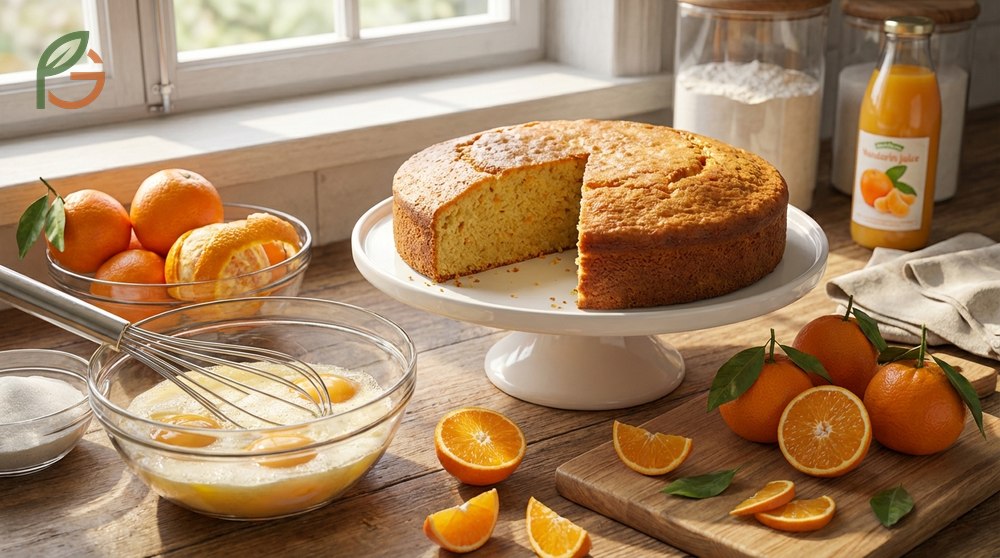
Busy bakers appreciate simplified methods that don’t sacrifice flavor. Two approaches offer convenience without compromising the characteristic mandarin brightness that makes this dessert special.
The no-egg-separation method eliminates fussy whisking techniques. Simply beat whole eggs with sugar until light and frothy, then proceed with standard mixing—you’ll still achieve excellent rise and tender crumb.
Whole Fruit Method
Using entire mandarins—peel included—creates incredibly moist cake with complex flavor. The Italian technique involves processing boiled mandarins into smooth puree that replaces both liquid and part of the fat content.
This naturally gluten-free approach combines 300g eggs with 250g ground almonds, 180g sugar, and pureed whole mandarins[5]. The result? Dense yet tender texture similar to European-style almond cakes.
You can elevate this with chocolate ganache topping—85g dark chocolate melted with 57g heavy cream creates glossy finish that contrasts beautifully with bright citrus notes.
Box Mix Shortcut
Transform standard yellow cake mix into mandarin showstopper by adding one 11-15 ounce can of mandarin oranges with juice. Mix with ⅓ cup oil and 3 eggs for foolproof results in under 30 minutes.
This method works because the citrus juice activates leavening agents while mandarin segments distribute pockets of fresh flavor throughout. Pair with whipped topping mixed with crushed pineapple for classic Southern-style presentation.
- No separation needed: Beat whole eggs instead of separating yolks and whites
- Food processor shortcut: Pulse mandarins with peel for 30 seconds instead of hand-crushing
- Single-layer option: Bake in 9×13 pan for casual serving without assembly
- Instant pudding boost: Add 1 package vanilla pudding mix to box mix for extra moisture
- Pre-made components: Use store-bought orange curd between layers to save prep time
Fresh Mandarin Cake
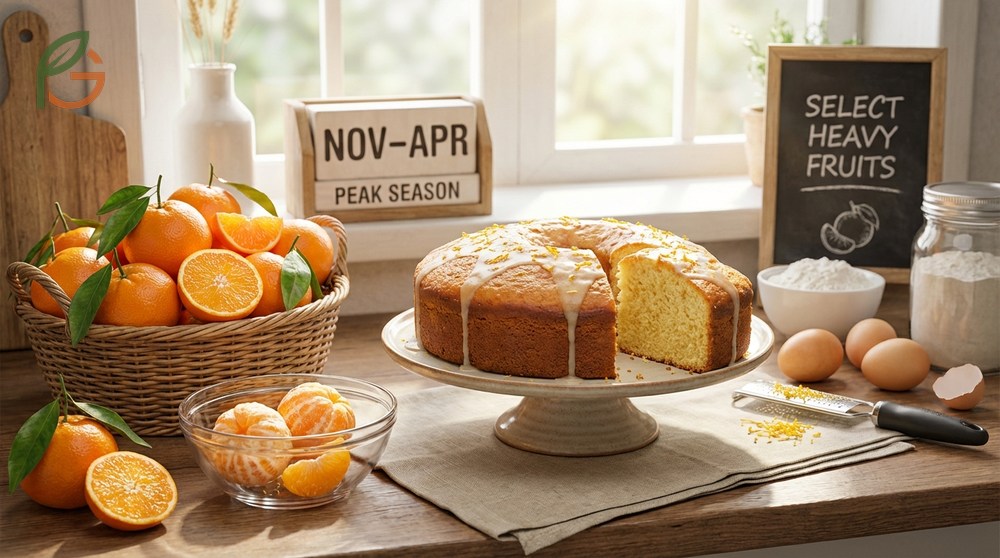
Fresh mandarins deliver superior results compared to canned alternatives. The vitamin C content in raw mandarins—26% of daily value per fruit[1]—contributes to cake structure through its interaction with proteins.
Peak mandarin season runs from November through April in the United States. During these months, you’ll find the sweetest, juiciest fruits with optimal sugar-to-acid ratios for baking.
Selecting Perfect Mandarins
Choose mandarins that feel heavy for their size, indicating high juice content. The skin should yield slightly to gentle pressure without feeling mushy—this signals ripeness without overmaturity.
For baking, slightly blemished mandarins work perfectly since you’re processing the fruit. Focus on aroma instead—ripe mandarins emit strong, sweet citrus scent even through the peel.
Varieties like Clementines, Satsumas, and Tangerines all substitute easily since they’re mandarin family members. If using regular oranges, reduce quantity to about ¾ since they’re larger and have more pronounced acidity.
From My Experience: My cousin in Guadalajara, Mexico grows mandarin trees in her backyard. She harvested fruits in January 2024 and used them for this cake—the fresh-picked mandarins created noticeably brighter flavor versus store-bought, with the cake staying moist for 4 days at room temperature instead of the typical 2-3 days.
Achieving Moist Texture
Multiple moisture sources prevent dry cake. Crushed mandarins contribute natural fruit sugars and pectin, while fats like butter or oil coat flour proteins to inhibit gluten development.
Current baking guidance emphasizes the mandarin syrup soak technique. Pierce warm cake all over with a toothpick, then brush with heated mandarin juice and sugar mixture[6]—this adds 15-20% more moisture that prevents staleness.
- Sour cream addition: Replace half the butter with sour cream for tangy richness
- Greek yogurt alternative: Use 2-3 tablespoons for added protein and tender crumb
- Oil-based recipes: Vegetable or canola oil creates softer texture than butter alone
- Extra yolk enrichment: Add 2-3 additional yolks beyond recipe for luxurious density
- Simple syrup finish: Equal parts sugar and mandarin juice, heated until dissolved
Storage Tip: Wrap cooled cake tightly in plastic wrap before storing. This traps moisture and allows flavors to develop—mandarin cakes actually taste better 24 hours after baking as citrus oils fully infuse the crumb.
Mandarin Dessert Ideas

Mandarin cake serves as versatile base for creative variations. The bright citrus profile pairs naturally with complementary flavors from vanilla to chocolate to warm spices.
Layer cakes showcase mandarin’s versatility best. Spread orange curd between layers, then finish with cream cheese frosting or simple powdered sugar glaze[7]—the visual presentation rivals professional bakery offerings.
Creative Variations
Transform basic mandarin cake into upside-down presentation by arranging mandarin segments in caramelized sugar at pan bottom. When flipped after baking, you’ll reveal glossy fruit topping that needs no additional decoration.
Chocolate ganache pairing creates sophisticated contrast. The bittersweet cocoa balances mandarin’s bright acidity while adding visual drama with dark glaze dripping down pale orange-tinted crumb.
For breakfast-friendly version, reduce sugar by ⅓ and add 2 tablespoons of mandarin zest. Serve warm slices with Greek yogurt for protein-rich morning meal that feels indulgent without excessive sweetness.
- Mandarin upside-down cake: Caramelize segments in brown sugar and butter before adding batter
- Chocolate-mandarin fusion: Swirl 3 tablespoons cocoa into half the batter for marbled effect
- Spiced mandarin loaf: Add ½ teaspoon each of cinnamon, cardamom, and ginger to batter
- Mandarin bundt presentation: Bake in bundt pan, glaze with mandarin syrup for elegant serving
- Individual mandarin cakes: Portion into muffin tins for personal-sized desserts that bake in 18-20 minutes
- Mandarin olive oil cake: Replace butter with ¾ cup olive oil for Mediterranean-style dessert
Serving Suggestions
Temperature affects flavor perception. Serve mandarin cake at room temperature—the citrus oils become more aromatic and the texture softens to ideal tenderness as butter components reach room temperature.
Pair with unsweetened whipped cream or crème fraîche to balance the cake’s sweetness. The slight tang in these dairy accompaniments echoes mandarin’s natural acidity for harmonious flavor profile.
For entertaining, dust with powdered sugar just before serving and garnish with fresh mandarin segments and mint leaves. This simple presentation looks impressive while highlighting the cake’s star ingredient.
Moist Mandarin Cake
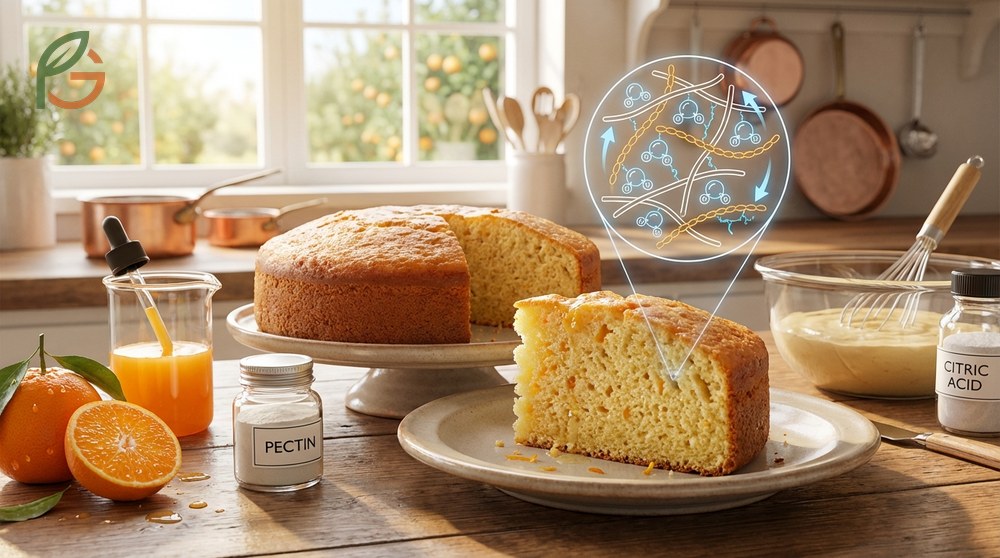
Achieving consistently moist texture requires understanding the science behind cake structure. Mandarin juice adds liquid while citric acid tenderizes gluten strands, creating softer crumb that retains moisture longer than standard cakes.
Agricultural data shows mandarins contain natural pectins that act as moisture-binding agents during baking. These compounds trap water molecules within the cake matrix, preventing rapid moisture loss as the cake cools.
Moisture Secrets
Professional bakers use the “reverse creaming” method for ultra-moist results. Mix dry ingredients with butter first, then add liquids—this coats flour particles with fat before they contact moisture, limiting gluten development.
Don’t overbake. Remove cake from oven when a toothpick shows a few moist crumbs rather than coming out completely clean. Carryover cooking continues for 5-10 minutes as residual heat finishes the center.
The syrup soak remains the most effective moisture technique. Studies demonstrate that cakes brushed with sugar syrup while warm absorb up to 20% more liquid than those soaked after cooling, creating noticeably more tender texture.
This table compares four key factors affecting mandarin cake moisture including ingredient impact, technique effect, timing considerations, and moisture contribution levels
| Moisture Factor | Impact Level | Technique | Duration Effect |
|---|---|---|---|
| Mandarin juice content | High – Natural pectin binds water | Use 1-1⅓ cups crushed mandarins per recipe | Maintains moisture for 3-4 days |
| Fat incorporation | High – Coats proteins, limits gluten | Butter, oil, or yogurt at 1 cup per 2 cups flour | Softness lasts 2-3 days room temp |
| Syrup soak | Very High – Direct moisture addition | Brush warm cake with heated mandarin-sugar mix | Adds 15-20% moisture retention |
| Proper storage | Medium – Prevents moisture escape | Wrap tightly in plastic wrap | Extends freshness by 1-2 days |
| Egg yolk richness | Medium – Emulsifies fats and liquids | Use 6-8 yolks for richer texture | Creates tender crumb for 3 days |
Common Mistakes to Avoid
Overmixing once flour’s added develops excessive gluten, creating tough, dry texture. Mix just until flour disappears—about 15-20 gentle folds with a spatula rather than prolonged beating.
Using cold ingredients prevents proper emulsification. Bring eggs, butter, and dairy to room temperature 30-60 minutes before mixing for smoother batter that traps more air during creaming.
Skipping the rest period after baking robs your cake of optimal texture. Let the cake cool completely in the pan for 20 minutes, then on a wire rack—rushing this step causes structural collapse and moisture loss.
- Opening oven door early: Wait until minimum bake time before checking—heat loss causes sinking
- Wrong pan preparation: Use butter and flour, not just cooking spray, for reliable release
- Substituting cake flour incorrectly: If using all-purpose, reduce by 2 tablespoons per cup
- Ignoring mandarin variety: Satsumas have less juice than Clementines—adjust liquid accordingly
- Overbaking by visual cues alone: Trust the spring-back test and toothpick check over browning
Citrus Cake Recipe
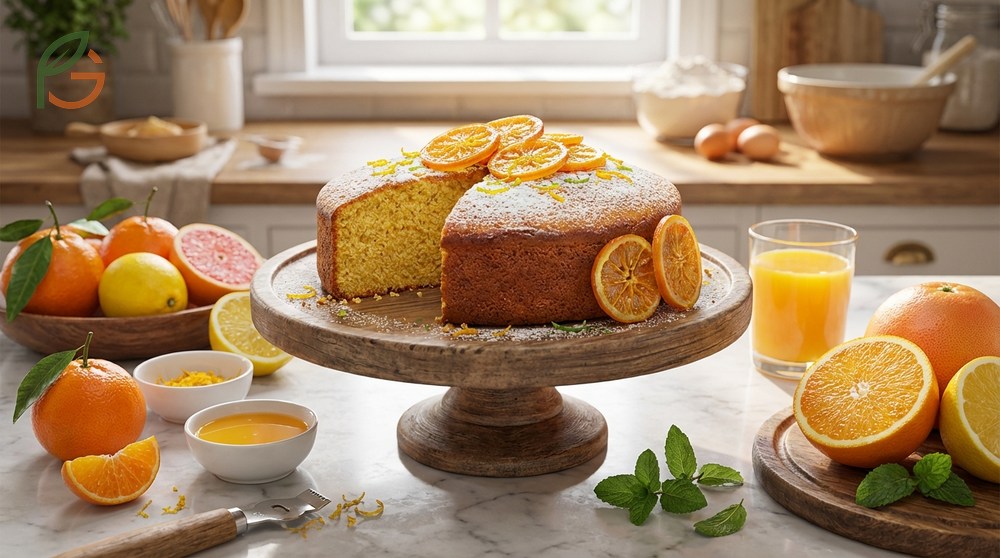
Mandarin cake fits into the broader citrus cake category alongside orange, lemon, and grapefruit variations. Current guidance emphasizes using multiple citrus elements—juice, zest, and sometimes whole fruit—to build layered flavor complexity.
The vitamin C content in citrus fruits ranges from 26-56 mg per 100g depending on variety[8]. This antioxidant survives baking temperatures partially intact, contributing subtle nutritional benefits alongside exceptional flavor.
You can blend citrus types for unique profiles. Combine mandarins with lemon zest for brighter acidity, or mix with blood orange juice for deeper color and berry-like undertones. The mandarin base provides sweetness that balances more tart citrus varieties.
For year-round citrus cakes when fresh mandarins aren’t available, substitute regular oranges using ¾ the quantity specified. While flavor differs slightly, the fundamental cake structure and moisture characteristics remain consistent across orange family fruits.
Flavor Development: Citrus cakes improve with time. The acids and oils need 24 hours to fully distribute through the crumb, creating more intense and balanced flavor. Plan to bake one day before serving for optimal results.
Conclusion
The evidence is clear: mandarin orange cake succeeds when you combine fresh citrus, proper moisture techniques, and patient timing. Using whole mandarins with peel creates the deepest flavor, while syrup soaks guarantee that signature moist texture home bakers prize.
Current baking guidance emphasizes the 24-hour rest period—this simple step transforms good citrus cake into exceptional dessert as flavors meld and texture reaches ideal tenderness. Whether you’re using the classic butter method or exploring gluten-free almond variations, mandarin’s natural sweetness and bright acidity deliver consistent results that showcase this versatile citrus at its best. FruitGarden encourages experimenting with seasonal mandarin varieties to discover your perfect balance of sweet and tart.
Frequently Asked Questions
Can I use canned mandarin oranges instead of fresh?
Yes, canned mandarins work well for quick recipes. Drain them thoroughly and use the same volume as fresh crushed mandarins—typically 1-1⅓ cups. The texture will be slightly softer and flavor less intense since canning reduces natural oils, but you’ll still achieve moist, citrus-flavored cake perfect for casual gatherings.
How do I prevent mandarin cake from becoming too dense?
Avoid overmixing once you add flour—mix just until ingredients combine, about 15-20 gentle folds. Room temperature ingredients also help by allowing better air incorporation during creaming. If using whole boiled mandarins, process them until very smooth to eliminate chunks that can create heavy pockets in the batter.
What’s the best way to store leftover mandarin orange cake?
Wrap cooled cake tightly in plastic wrap and store at room temperature for 2-3 days. For longer storage, refrigerate in an airtight container up to 5 days—bring to room temperature before serving so the butter softens. You can freeze wrapped slices up to 1 month; thaw overnight in the refrigerator then let sit at room temperature 30 minutes before eating.
Can I make mandarin cake ahead of time for a party?
Research shows mandarin cake actually improves when made 24 hours ahead. Bake the day before your event, let it cool completely, then wrap and store at room temperature. The citrus oils fully infuse the crumb overnight, creating more intense flavor. Add glaze or frosting the day of serving for best presentation.
What other citrus fruits can substitute for mandarins?
Clementines, Satsumas, and tangerines substitute directly since they’re all mandarin varieties with similar sweetness and juice content. Regular oranges work but use about ¾ the amount since they’re larger and more acidic. You can also blend citrus—try 2 mandarins plus 1 lemon for brighter, more complex flavor profile.
How can I make mandarin cake more moist?
The most effective method is brushing warm cake with mandarin syrup—heat ¼ cup mandarin juice with 2 tablespoons sugar until dissolved. Pierce the cake all over with a toothpick first so syrup absorbs deeply. Adding sour cream or Greek yogurt to the batter also increases moisture while contributing subtle tang that complements citrus.
Is mandarin orange cake suitable for gluten-free diets?
Yes, several mandarin cake recipes are naturally gluten-free using ground almonds instead of wheat flour. The whole mandarin method works perfectly—combine 250g ground almonds with 5 eggs, 180g sugar, and pureed boiled mandarins. The almond base creates rich, moist texture that’s indistinguishable from traditional flour-based versions for most people.





