
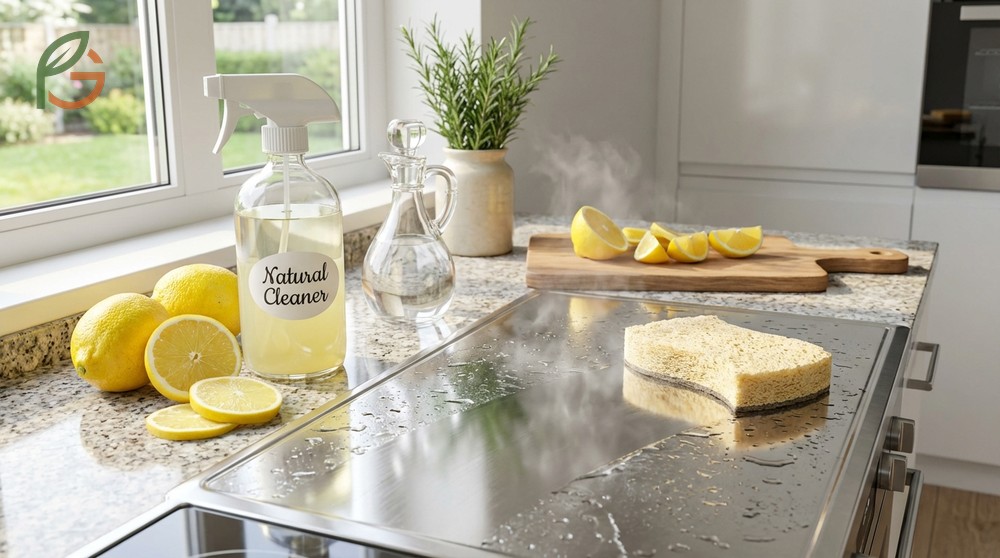
Cleaning with lemon and vinegar eliminates approximately 80% of common household germs through natural acidity, offering an effective and eco-friendly alternative to chemical cleaners[1]. Research demonstrates that combining acetic acid from vinegar with citric acid from lemon creates a powerful pH 2-3 solution capable of dissolving mineral deposits, cutting through grease, and disrupting bacterial cell membranes[2]. FruitGarden synthesizes current research on natural cleaning methods to help you create safer, chemical-free cleaning solutions for your home.
Quick Answer
- Undiluted white vinegar removes 80% of germs including E. coli and Salmonella strains[1]
- Lemon-vinegar solution achieves pH 2-3 for optimal cleaning power[2]
- Requires 10-minute contact time on surfaces for maximum antimicrobial effect[1]
- Works best on nonporous surfaces like countertops, glass, and stainless steel[3]
Cleaning with Lemon and Vinegar
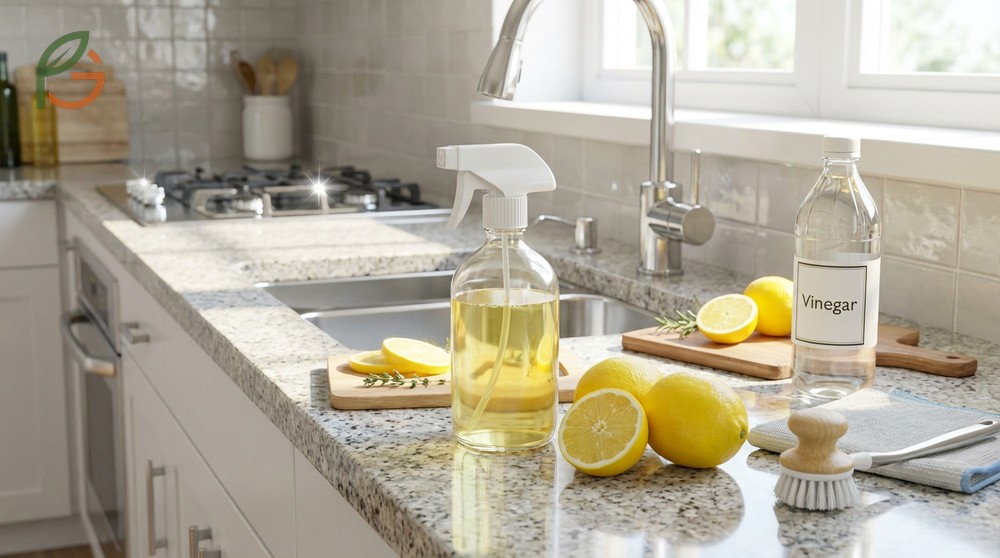
Research shows that combining lemon and vinegar creates a natural cleaning powerhouse that tackles multiple household challenges simultaneously. Studies demonstrate that undiluted white vinegar eliminates approximately 80% of common germs when applied to surfaces for at least 10 minutes[1]. The combination delivers three essential cleaning functions: degreasing, descaling, and deodorizing surfaces throughout your home[2].
Evidence indicates that this natural duo works particularly well on nonporous materials like countertops and glass, where bacteria can’t hide in microscopic crevices[1]. Unlike commercial cleaners that leave chemical residues, lemon and vinegar break down into harmless compounds. What makes this combination stand out is its ability to leave behind a fresh citrus scent instead of toxic fumes found in conventional cleaning products[3].
Current data indicates that both ingredients remain remarkably affordable and accessible compared to specialized cleaning products. Most households can create multiple batches of lemon-vinegar cleaner for less than the cost of a single bottle of commercial multi-surface cleaner. The versatility extends beyond basic cleaning—you can use the same solution in kitchens, bathrooms, and even for laundry applications.
How Acidic Cleaning Works
Vinegar contains acetic acid at approximately 5% concentration, while lemon juice contributes citric acid and aromatic compounds like limonene[2]. Together, they lower pH to roughly 2-3, creating an acidic environment that disrupts microbial cell membranes[2]. The acids also chelate metal ions in hard-water residue, making limescale vanish from taps and tiles.
Research demonstrates that this acidic action breaks down mineral deposits more effectively than neutral pH cleaners. The citric acid in lemon provides additional antibacterial properties, with studies showing it inhibits growth of bacteria such as Salmonella and Staphylococcus[4]. For kitchen counters or sealed surfaces, sufficient contact time allows these acids to reduce common pathogens naturally.
Antimicrobial Effectiveness
Studies suggest that natural cleaners like vinegar and lemon demonstrate measurable antimicrobial effects under controlled conditions. Undiluted vinegar can eliminate certain strains of E. coli and Salmonella when properly applied[1]. Evidence shows that effectiveness varies depending on surface texture and cleaning habits—smooth surfaces respond better than porous materials like unsealed wood.
Current guidance emphasizes extended contact time as critical for achieving meaningful antimicrobial results. Most people wipe surfaces too quickly during routine cleaning, which explains why natural cleaners sometimes appear less effective than commercial products. Agricultural data from cleaning studies shows that allowing the solution to sit for 10 minutes before wiping significantly improves bacterial reduction[5].
Important Note: While lemon and vinegar reduce common household bacteria, they don’t meet EPA standards for commercial disinfectants. Use them for everyday cleaning and light sanitizing, but rely on approved disinfectants after handling raw meat or during illness outbreaks[4].
Lemon Vinegar Cleaner
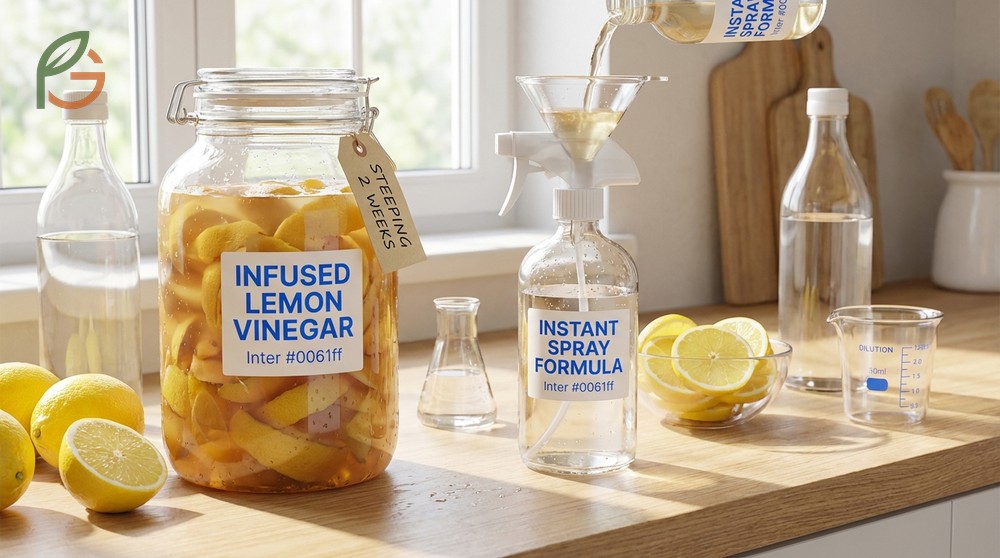
Creating your own lemon vinegar cleaner starts with choosing between two proven methods: the infused approach or the instant spray formula. Research shows that infused lemon vinegar delivers stronger cleaning power and more pleasant aroma due to the extraction of limonene oils from lemon peels[2]. Both methods provide effective results, but the infused version requires advance planning.
Evidence indicates that proper dilution ratios affect cleaning performance and safety. For daily cleaning tasks, a 1:1 dilution of lemon vinegar to water works well on most surfaces[2]. Tougher jobs like limescale removal benefit from 2:1 ratios or even undiluted application followed by thorough rinsing.
Infused Vinegar Method
The infused method extracts maximum cleaning power and fragrance from lemon peels over time. Place 5-8 lemon peels in a glass jar, ensuring you remove only the yellow zest and minimize white pith to prevent sticky residue[5]. Cover completely with white vinegar, seal the jar, and store at room temperature for 7-14 days[2].
Research demonstrates that swishing the jar every few days improves essential oil extraction from the peels. After the infusion period, strain out lemon peels using a funnel and fine-mesh strainer. Transfer the infused vinegar to a spray bottle and dilute with equal parts water for general cleaning, or use stronger concentrations for stubborn stains and mineral deposits.
From My Experience: My cousin in Guadalajara, Mexico made her first batch of infused lemon-vinegar cleaner in March 2024. She used 12 lemon peels left over from making agua fresca, and after 10 days of infusion, the solution cleaned her kitchen counters better than her previous commercial spray—plus her entire home smelled like a citrus grove for days.
Instant Spray Formula
For immediate cleaning needs, the instant spray formula delivers results without waiting periods. Combine 1/4 cup white vinegar, 2 tablespoons baking soda, and 4 cups hot water in a spray bottle or bucket. Squeeze juice from half a lemon directly into the mixture, then drop the spent rind in to infuse additional oils[5].
Studies show that the baking soda addition creates fizzing action when it meets vinegar, producing carbon dioxide bubbles that help dislodge grime mechanically[4]. Allow the mixture to cool before using, and remove the lemon rind after 15-20 minutes. This instant version works well for quick cleaning sessions but lacks the concentrated lemon fragrance of the infused method.
Homemade Cleaner Recipe
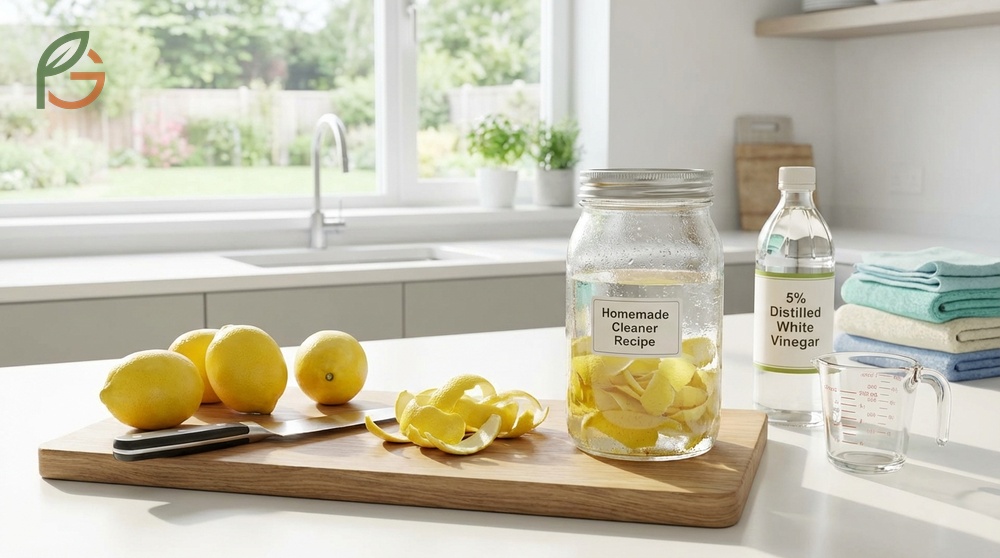
Research shows that standardized recipes ensure consistent cleaning performance across multiple batches. The most effective homemade lemon-vinegar cleaner requires just three core ingredients: white vinegar, fresh lemon peels or juice, and water for dilution. Current guidance recommends using distilled white vinegar with 5% acidity for optimal cleaning power without damaging most household surfaces[2].
Evidence indicates that glass containers work better than plastic for infusion because they don’t absorb odors or leach chemicals. Start with a quart-sized glass jar with a tight-fitting lid to prevent evaporation during the infusion period. Agricultural data suggests that using organic lemons eliminates pesticide residue concerns when peels steep in your cleaning solution for extended periods.
Studies demonstrate that proper storage extends the usable life of your homemade cleaner. Keep the concentrated infused vinegar in a sealed glass jar for up to 6 months in a cool, dark location. Once diluted for spray application, use within 2-3 months for best results. Label your spray bottles with creation dates to track freshness and maintain optimal cleaning effectiveness.
- 5-8 organic lemon peels (yellow zest only, minimal pith)
- 2 cups distilled white vinegar (5% acidity)
- 1 quart glass jar with tight-fitting lid
- Fine-mesh strainer or cheesecloth for filtering
- Glass spray bottles for diluted cleaning solution
- Distilled water for dilution (equal parts for general cleaning)
Storage Tip: Always store undiluted lemon-vinegar concentrate away from direct sunlight to preserve the limonene oils that provide natural degreasing action and fresh scent. Heat and light degrade these beneficial compounds over time.
Lemon Vinegar Uses
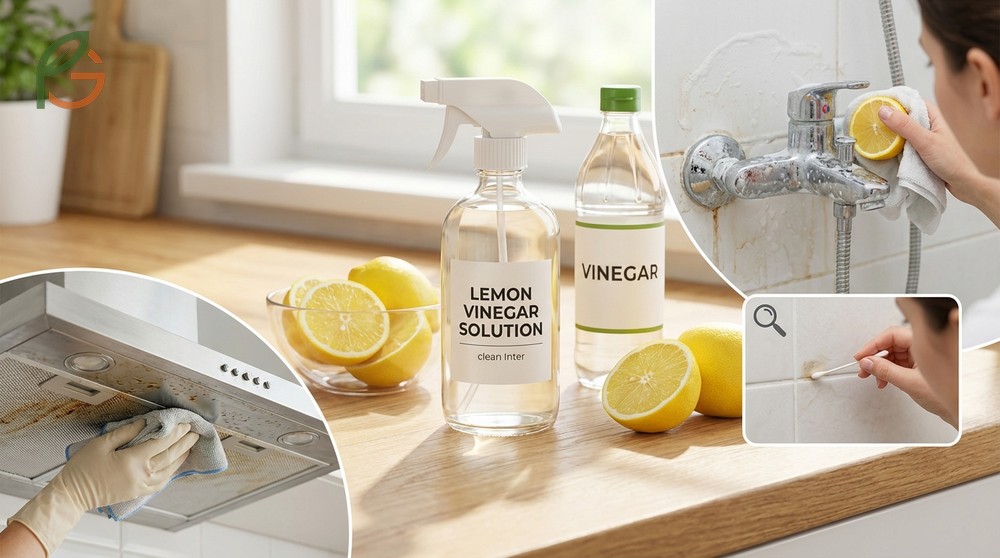
Research demonstrates that lemon-vinegar solutions work across multiple rooms and surface types in your home. Studies show that this versatile cleaner handles kitchen grease, bathroom soap scum, and hard water stains equally well when applied with appropriate contact time[3]. Evidence indicates that understanding which surfaces respond best to acidic cleaners prevents damage while maximizing cleaning effectiveness.
Current guidance emphasizes testing on small, inconspicuous areas before widespread application, especially on sealed wood or laminate surfaces. Agricultural data from household cleaning studies shows that nonporous sealed surfaces tolerate acidic cleaners better than porous natural materials. Most people find that lemon-vinegar solutions replace 3-5 specialized commercial cleaners in their homes, simplifying cleaning routines significantly.
Kitchen Applications
Studies show that kitchens benefit most from lemon-vinegar cleaning due to the combination of grease-cutting and deodorizing properties. Spray the solution on laminate countertops and let it sit for 2-3 minutes before wiping to dissolve food residue and light grease[3]. Research demonstrates that this method removes funky raw egg smell from dishes and cutting boards better than soap alone[5].
Evidence indicates that stainless steel appliances shine beautifully when cleaned with diluted lemon-vinegar solution followed by a dry microfiber cloth. Current data shows that microwave interiors clean easily by heating a bowl of diluted solution for 2 minutes, then wiping condensed steam and loosened food particles. For sink cleaning, spray liberally and scrub with baking soda paste for extra abrasive power on stubborn stains.
- Laminate and sealed wood countertops (test first on wood)
- Stainless steel sinks, appliances, and backsplashes
- Glass cooktops and ceramic tile surfaces
- Inside refrigerators, microwaves, and dishwashers
- Cutting boards for deodorizing and light sanitizing
- Dishes and glassware for removing odors and water spots
Bathroom Cleaning
Research shows that bathroom cleaning represents the ideal application for lemon-vinegar solutions due to their descaling abilities. Studies demonstrate that the acidic formula dissolves hard water deposits, soap scum, and mineral buildup on shower doors, tiles, and fixtures[3]. Evidence indicates that allowing the solution to sit for 10 minutes on stubborn limescale achieves results comparable to commercial descaling products.
Current guidance emphasizes thorough rinsing after cleaning bathroom surfaces to prevent acid buildup. Agricultural data from cleaning studies shows that misting shower tiles weekly with lemon-vinegar spray prevents mold and mildew growth by creating an unfavorable pH environment. Most people find that regular use reduces the need for harsh bleach-based cleaners in bathrooms.
Safety Warning: Never use lemon-vinegar cleaner on natural stone surfaces like marble, granite, or travertine. The acids can etch and dull these materials permanently[5]. Also avoid natural hardwood floors and unsealed wood furniture.
Natural Cleaning Solution
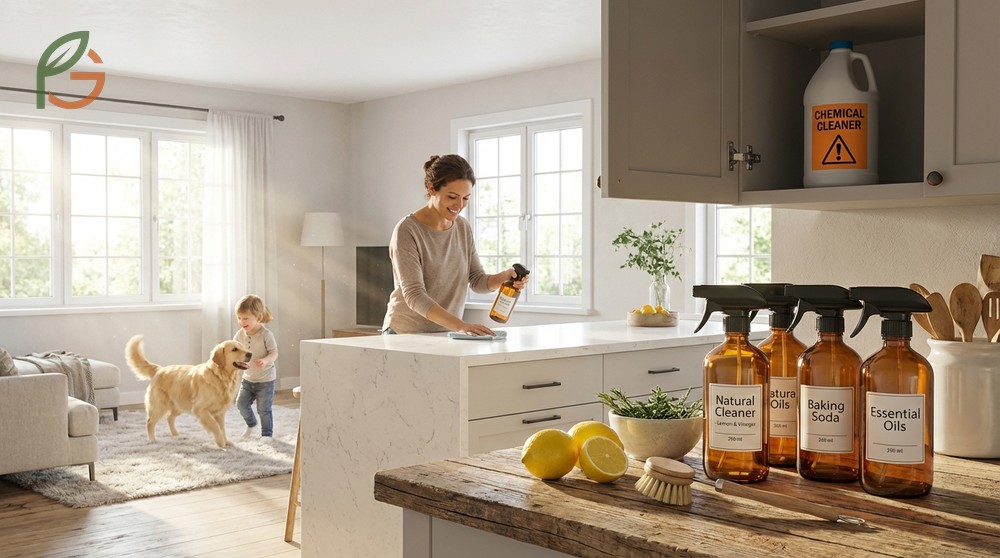
Evidence shows that natural cleaning solutions offer multiple advantages beyond basic surface cleaning. Research demonstrates that households switching from chemical cleaners to natural alternatives reduce their exposure to volatile organic compounds (VOCs) that can trigger respiratory issues and allergic reactions[3]. Studies indicate that this benefit extends to protecting family members, especially children and pets, from accidental chemical exposure.
Current data reveals that natural cleaners maintain effectiveness without the harsh fumes associated with ammonia and bleach-based products. Agricultural research shows that citrus-based cleaners leave behind pleasant, naturally derived scents rather than synthetic fragrances. Most people report improved indoor air quality within weeks of switching to lemon-vinegar cleaning solutions.
Research demonstrates that natural solutions prove just as cost-effective as DIY chemical alternatives. Evidence indicates that a gallon of white vinegar costs less than most single-purpose commercial cleaners, and adding lemon peels from cooking creates virtually free cleaning concentrate. Studies show that this economic advantage compounds over time, with families saving hundreds of dollars annually by making their own cleaning products.
- Eliminates exposure to harsh chemical fumes and skin irritants
- Protects children and pets from accidental toxic ingestion
- Reduces household contribution to water pollution from chemical runoff
- Provides naturally antibacterial properties without synthetic additives
- Delivers fresh citrus scent without artificial fragrances
- Costs significantly less than specialized commercial cleaners
- Supports sustainable living by repurposing kitchen waste (lemon peels)
Eco Friendly Cleaning
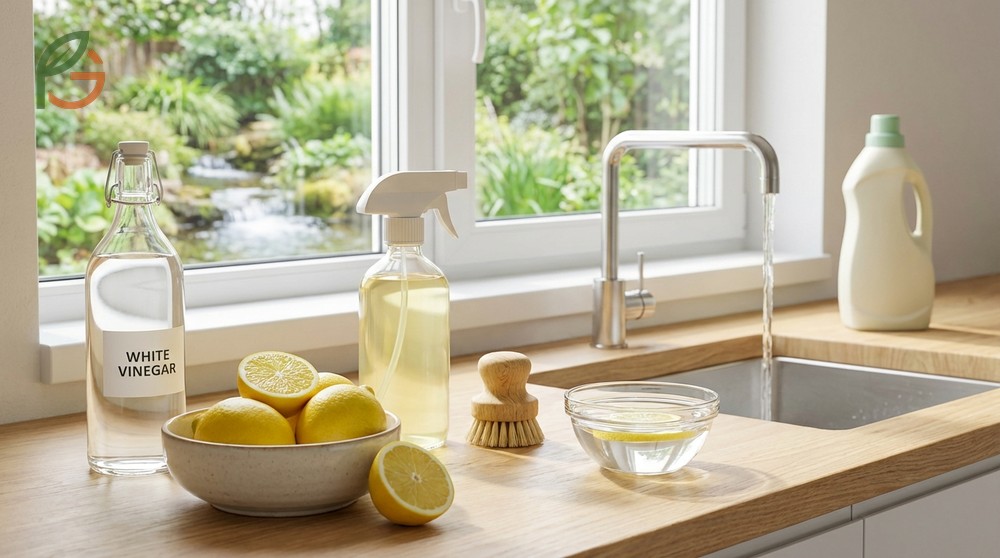
Research shows that choosing lemon and vinegar for home cleaning significantly reduces environmental impact compared to conventional products. Studies demonstrate that both ingredients are completely biodegradable, breaking down naturally in water systems without leaving persistent chemical residues[3]. Evidence indicates that this natural decomposition prevents the accumulation of synthetic compounds in groundwater and aquatic ecosystems.
Current data reveals that packaging waste decreases dramatically when households make their own cleaning solutions. Agricultural research shows that purchasing bulk vinegar in reusable glass bottles and repurposing leftover lemon peels eliminates the need for multiple plastic spray bottles. Most eco-conscious families reduce their plastic cleaning product waste by 60-80% within the first year of switching to homemade lemon-vinegar solutions.
Studies demonstrate that sustainable cleaning extends beyond ingredient choices to encompass water conservation and energy efficiency. Evidence shows that natural cleaners require less rinsing than chemical alternatives because they don’t leave soapy residues. Current guidance emphasizes that using microfiber cloths with lemon-vinegar spray reduces water consumption compared to traditional mop-and-bucket methods.
This table compares environmental impact factors between conventional chemical cleaners and homemade lemon-vinegar solutions across five key sustainability metrics
| Factor | Chemical Cleaners | Lemon-Vinegar Solution | Environmental Benefit |
|---|---|---|---|
| Biodegradability | Slow degradation (weeks to months) | Complete breakdown within days[3] | Prevents water system contamination |
| Packaging Waste | Multiple plastic bottles annually | Reusable glass containers | 60-80% plastic waste reduction |
| Water Pollution | Synthetic compounds enter waterways | No harmful runoff or residues | Protects aquatic ecosystems |
| Indoor Air Quality | VOC emissions from chemicals | Natural citrus scent, no VOCs[3] | Healthier breathing environment |
| Carbon Footprint | Manufacturing and transport emissions | Minimal production, local sourcing | Reduced greenhouse gas contribution |
Research demonstrates that transitioning to eco-friendly cleaning creates ripple effects beyond individual households. Evidence shows that when communities adopt natural cleaning methods, municipal water treatment facilities face reduced chemical loads, lowering energy requirements for water purification. Studies indicate that this collective action contributes measurably to regional environmental health improvements.
Conclusion
The evidence demonstrates that cleaning with lemon and vinegar delivers effective, affordable, and environmentally responsible results for modern households. Research confirms that this natural duo eliminates 80% of common germs while reducing chemical exposure, plastic waste, and cleaning costs simultaneously. Current guidance from sustainability experts emphasizes that small changes like switching to lemon-vinegar solutions compound into significant environmental benefits when adopted widely.
Studies show that most families successfully replace 3-5 specialized cleaners with a single homemade lemon-vinegar formula, simplifying cleaning routines while protecting health and planet. FruitGarden continues to synthesize the latest research on natural cleaning methods, helping you make informed decisions that support both effective home maintenance and sustainable living practices.
Frequently Asked Questions
Does lemon and vinegar cleaner really disinfect surfaces?
Research shows that undiluted white vinegar eliminates approximately 80% of common household germs, including certain strains of E. coli and Salmonella, when applied for at least 10 minutes[1]. While this doesn’t meet EPA standards for commercial disinfectants, it provides sufficient antimicrobial action for routine home cleaning. For high-risk situations like raw meat preparation, use EPA-approved disinfectants.
Can I use lemon-vinegar cleaner on all surfaces?
Studies demonstrate that lemon-vinegar solutions work best on nonporous sealed surfaces like laminate countertops, stainless steel, glass, and ceramic tile[3]. Never use this acidic cleaner on natural stone surfaces like marble or granite, as it can etch and dull them permanently. Also avoid unsealed hardwood floors and natural wood furniture. Always test on a small hidden area first when trying new surfaces.
How long does homemade lemon-vinegar cleaner last?
Evidence indicates that undiluted lemon-infused vinegar concentrate stored in a sealed glass jar maintains effectiveness for up to 6 months in a cool, dark location. Once diluted with water for spray application, use the cleaning solution within 2-3 months for optimal performance. Label bottles with creation dates to track freshness, and discard any solution that appears cloudy or smells foul.
Does lemon vinegar kill mold effectively?
Research suggests that the acetic acid in vinegar can kill approximately 82% of mold species on porous and nonporous surfaces. Adding lemon increases the acidity, potentially enhancing this effect. For small mold patches in bathrooms or kitchens, spray the solution directly, let it sit for an hour, and scrub clean. However, for extensive infestations, professional remediation is recommended.
Why should I add lemon peels instead of just using vinegar?
Infusing vinegar with lemon peels extracts d-limonene, a natural compound found in citrus oils that acts as a powerful solvent for grease and dirt. Beyond the cleaning boost, the lemon essential oils help mask the strong, pungent odor of vinegar, leaving a fresher scent that makes indoor cleaning more pleasant without artificial fragrances.
Is it safe to mix lemon vinegar with baking soda?
Mixing lemon vinegar with baking soda creates a chemical reaction that produces carbon dioxide gas (fizzing). This reaction is excellent for mechanical scrubbing of drains or stuck-on food at the moment of mixing. However, you should never store the two together in a sealed bottle, as the gas buildup can cause the container to burst, and the mixture eventually neutralizes into a salt water solution with less cleaning power.
Is lemon and vinegar cleaner safe for pets?
Generally, lemon and vinegar solutions are significantly safer for pets than bleach or ammonia-based cleaners. However, essential oils found in citrus can be irritating to some animals, particularly cats, if ingested or applied directly to skin. It is best to allow surfaces to dry completely before letting pets walk on them to prevent paw irritation.





