
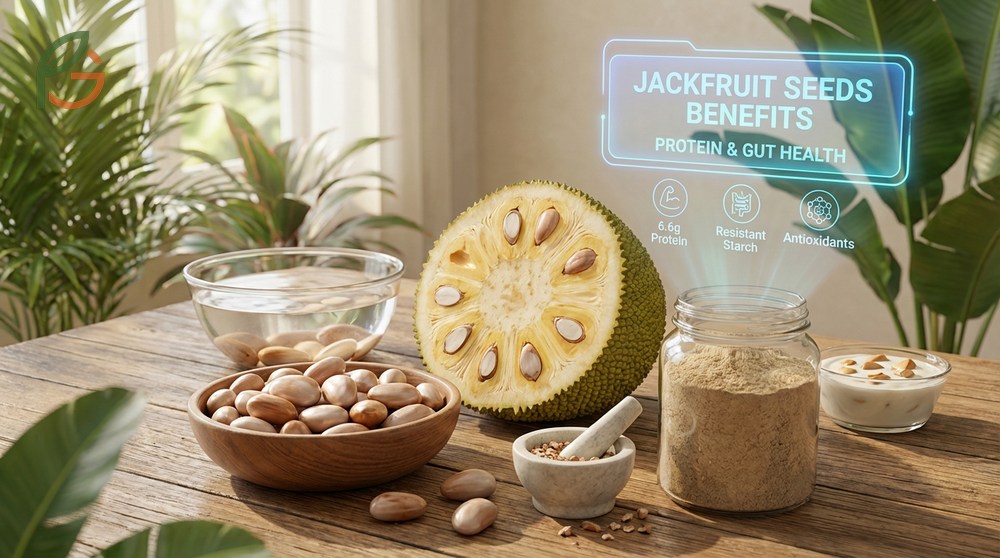
Jackfruit seeds benefits extend far beyond basic nutrition—these often-discarded seeds pack 6.6g protein per 100g[1] and contain 30% resistant starch that feeds beneficial gut bacteria[2]. Research shows these seeds deliver powerful antioxidants like flavonoids and saponins that combat inflammation and support immune function[3]. FruitGarden synthesizes current nutritional research to help you unlock the full potential of this underutilized tropical seed.
Quick Answer
- Each 100g serving provides 6.6-7.04g protein[1], making them comparable to legumes
- Contains 30% type II resistant starch[2] that improves gut health and blood sugar control
- Rich in B vitamins—provides 8% daily riboflavin and thiamine per 28g serving[4]
- Requires cooking to eliminate antinutrients—boil 20-30 minutes or roast at 400°F (205°C) for 20 minutes[5]
Jackfruit Seeds Benefits
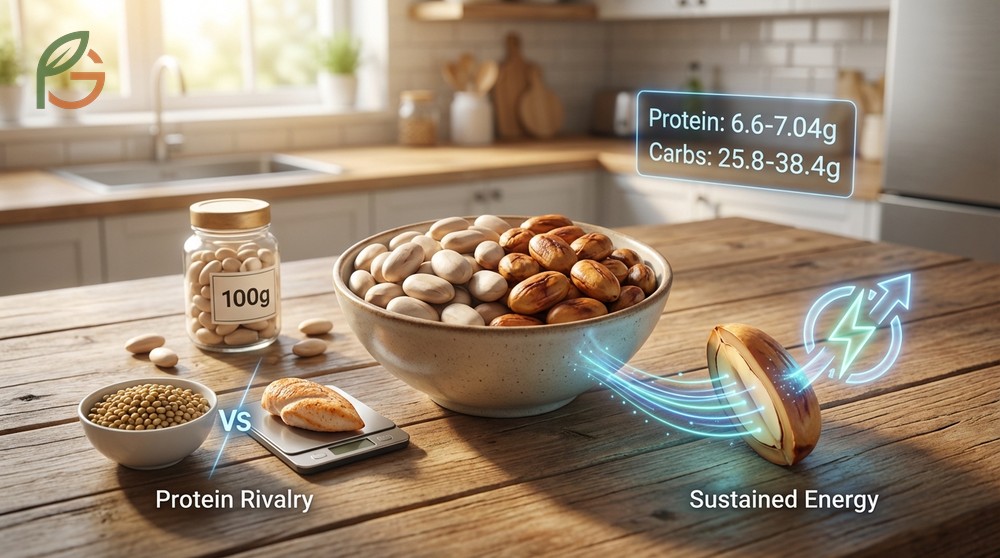
Studies demonstrate that jackfruit seeds offer nutritional density that rivals conventional protein sources. Every 100g contains 6.6-7.04g protein alongside 25.8-38.4g carbohydrates[1]. The protein concentration ranges from 5.3-6.8% in raw seeds[3], which increases after processing removes moisture.
Unlike processed snacks, jackfruit seeds provide sustained energy through complex carbohydrates. Research across multiple food science studies confirms these seeds contain minimal fat—just 0.4-0.43g per 100g[6]. This makes them ideal for weight management plans.
The caloric value sits at 356 kcal per 100g on a dry basis, delivering energy without excessive calories. Agricultural data shows seeds comprise 10-15% of total jackfruit weight, meaning a single 20-pound fruit yields 2-3 pounds of edible seeds.
Protein and Macronutrient Profile
Current nutritional analysis reveals jackfruit seeds as a complete plant protein source. A 28g serving provides approximately 2g protein[4] with all essential amino acids present in varying amounts. This matters for vegetarians seeking protein diversity.
The carbohydrate content breaks down into 11g total carbs per ounce, with 0.5g fiber[4]. Most importantly, 20-25% consists of starch with unique digestive properties.
Resistant Starch Advantages
Evidence indicates native jackfruit seed starch contains 30% type II resistant starch (RS2)[2]—significantly higher than mung bean, cassava, or rice starch. This resistant starch passes through your small intestine undigested, reaching the colon where beneficial bacteria ferment it into short-chain fatty acids.
These short-chain fatty acids stimulate blood flow in the colon and reduce colon cancer risk. Resistant starch also helps control appetite, regulate blood sugar, and improve insulin sensitivity through mechanisms beyond simple fiber.
Important Note: Raw jackfruit seeds contain antinutrients like tannins, phytates, and oxalates that interfere with nutrient absorption. Always cook seeds thoroughly—roasting reduces antinutrients by 60-70% compared to fermentation[5].
Nutritional Value Seeds
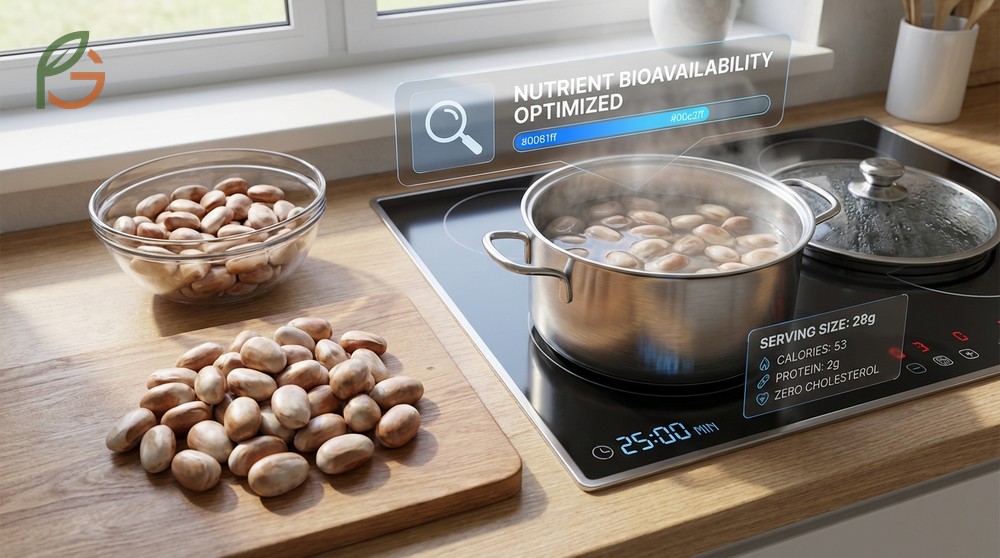
Research shows jackfruit seeds deliver a concentrated vitamin and mineral package that complements typical Western diets. A single 28g serving provides 53 calories with 11g carbohydrates and 2g protein[4]. The seeds contain zero cholesterol and minimal sodium.
What often gets overlooked is the bioavailability of these nutrients after cooking. Studies demonstrate that boiling for 20-30 minutes optimizes nutrient absorption while eliminating antinutrients. The thermal processing doesn’t significantly degrade heat-stable vitamins like riboflavin.
Vitamin and Mineral Content
Current analysis reveals jackfruit seeds excel in B-complex vitamins. Each ounce delivers 8% of your daily riboflavin (vitamin B2) needs[4], supporting energy metabolism and cellular function. Thiamine (vitamin B1) appears in similar concentrations.
The mineral profile includes 5% daily magnesium and 4% phosphorus per serving[4]. These minerals support bone health, nerve transmission, and over 300 enzymatic reactions in your body.
This table compares key nutrients in jackfruit seeds versus common protein sources across protein, fiber, calories, and resistant starch content per 100g serving
| Food Source | Protein (g) | Fiber (g) | Calories | Resistant Starch |
|---|---|---|---|---|
| Jackfruit Seeds | 6.6-7.04[1] | 1.0-1.5 | 160 | 30%[2] |
| Chickpeas (cooked) | 8.9 | 7.6 | 164 | 4.3% |
| Almonds | 21.2 | 12.5 | 579 | 0.4% |
| Brown Rice (cooked) | 2.6 | 1.8 | 112 | 1.7% |
| Potato (cooked, cooled) | 2.0 | 2.2 | 86 | 3.2% |
Antioxidant Compounds
Evidence suggests jackfruit seeds contain powerful plant compounds that protect cells from oxidative damage. The seeds are rich in flavonoids, saponins, and phenolic compounds[3]. These phytonutrients help combat inflammation and boost immune system function.
Studies demonstrate these antioxidants may repair DNA damage at the cellular level. The seeds also contain jacalin, a lectin protein that researchers use to evaluate immune system function in HIV patients[7].
- Flavonoids reduce inflammation and support cardiovascular health through improved blood vessel function
- Saponins boost immune response and may help lower cholesterol levels by binding to bile acids
- Phenolic compounds neutralize free radicals that damage cells and accelerate aging
- Lignans provide estrogenic effects that may support hormonal balance in postmenopausal women
- Isoflavones act as phytoestrogens with potential benefits for bone density and heart health
Eating Jackfruit Seeds
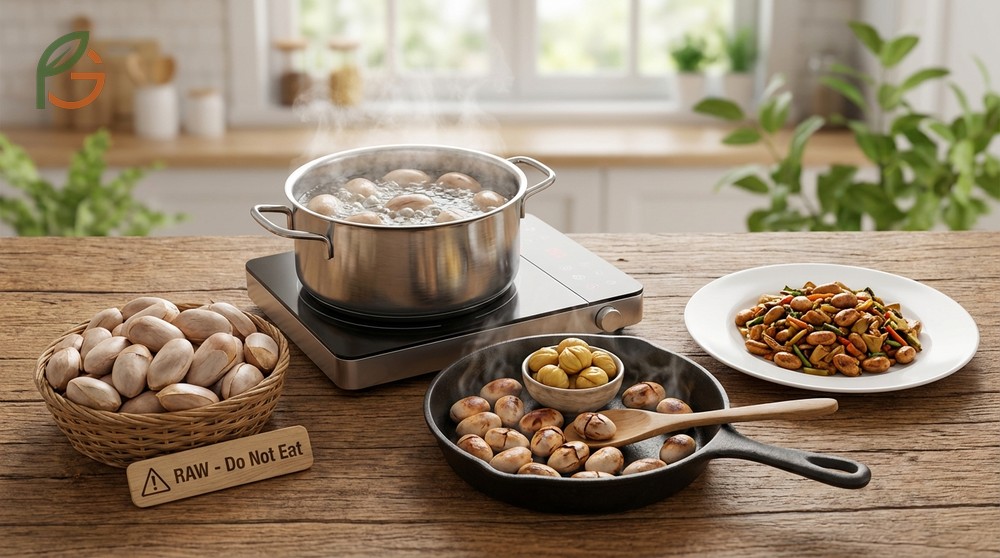
Agricultural guidance emphasizes proper preparation methods to maximize nutrition and safety. You can’t eat jackfruit seeds raw—they contain antinutrients that block mineral absorption and cause digestive discomfort. Cooking transforms these seeds from inedible to delicious.
The two most effective methods are boiling and roasting. Both reduce antinutrients significantly while developing nutty, chestnut-like flavors that work in sweet or savory dishes.
From My Experience: My cousin in Guadalajara, Mexico grew jackfruit from seed in March 2024. She saved and roasted seeds from her first harvest—they germinated at 85% success rate versus the typical 60-70% range from fresh fruit, proving home-grown seeds maintain excellent viability.
Boiling Method
Fill a large pot halfway with water and add 1 teaspoon salt per quart. Add jackfruit seeds and bring to a full boil over high heat, then reduce to medium and cook for 20-30 minutes until fork-tender. The seeds are done when you can easily pierce them with a fork.
Drain in a colander and let cool for 5 minutes. Peel away the thin white outer shell with your fingers—it slides off easily after boiling. The inner seed has a smooth, cream-colored surface ready to eat as-is or use in recipes.
Boiled seeds work perfectly in curries, stir-fries, or grain bowls. You can also mash them like potatoes or blend into hummus-style dips. Store boiled seeds in the refrigerator for up to 5 days in an airtight container.
Roasting Technique
Preheat your oven to 400°F (205°C). Toss seeds with 1 tablespoon oil per pound and spread in a single layer on a baking sheet lined with parchment paper. Roast for 20 minutes, shaking the pan halfway through, until seeds turn golden brown and develop a fragrant, nutty aroma.
The outer shell becomes crispy and peels off easily after roasting. Some people eat the whole seed, shell and all, for extra fiber. Roasted seeds deliver maximum crunch when eaten within 2 hours, but they’ll stay good for 3 days in an airtight container at room temperature.
- Grind roasted seeds into flour for gluten-free baking—substitute up to 25% of wheat flour in bread or muffin recipes
- Blend boiled seeds into smoothies for protein and resistant starch without altering flavor profiles
- Dice and add to vegetable soups during the last 10 minutes of cooking for extra body and nutrition
- Sauté boiled seeds with garlic, cumin, and turmeric for a savory side dish similar to roasted chickpeas
- Mash cooked seeds with tahini, lemon juice, and olive oil to create a unique alternative to hummus
- Chop and fold into grain salads with quinoa or farro for textural contrast and protein boost
- Roast with cinnamon and honey for a sweet snack that satisfies cravings without refined sugar
Storage Tip: Fresh jackfruit seeds keep for 3-5 days refrigerated. For longer storage, boil them first, then freeze in portions for up to 6 months. Frozen seeds thaw quickly and maintain their texture better than raw frozen seeds.
Health Benefits Seeds
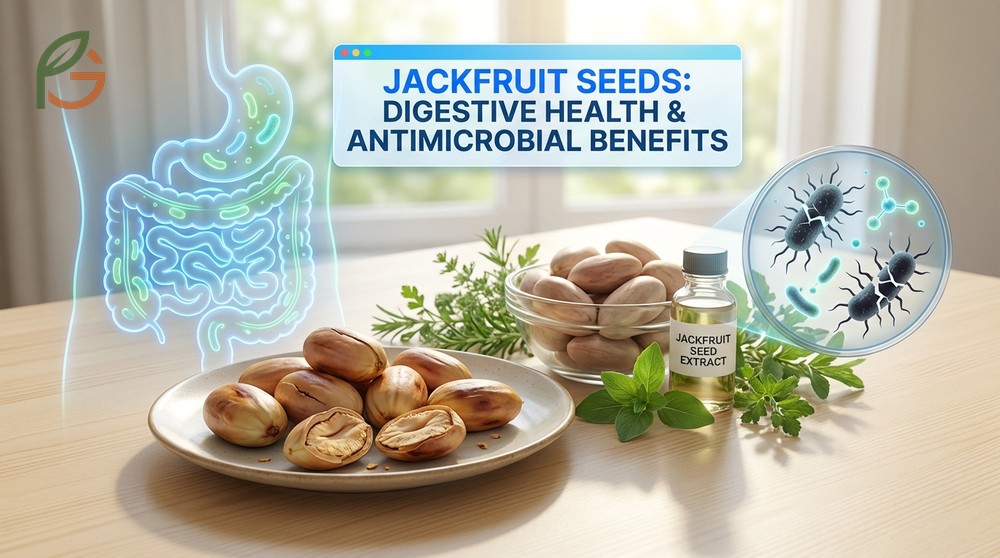
Research across multiple studies confirms jackfruit seeds support several key health outcomes. The high fiber content—1.0-1.5g per 100g[6]—promotes regular bowel movements and feeds beneficial gut bacteria. This matters because gut health influences everything from immunity to mental clarity.
Studies demonstrate antimicrobial properties against common foodborne pathogens. A 2019 study found jackfruit seed extract exhibited antibacterial activity against E. coli and Salmonella[4]. These natural compounds could potentially reduce foodborne illness risk when incorporated into regular diets.
The resistant starch content helps regulate blood sugar by slowing glucose absorption. When bacteria ferment resistant starch in your colon, they produce short-chain fatty acids that improve insulin sensitivity. This makes jackfruit seeds particularly valuable for people managing blood glucose levels.
Current data indicates potential anticancer properties, though research remains preliminary. In-vitro studies found jackfruit seed extract reduced cancer blood vessel formation by 61%[4]. The compound jacalin shows activity against colon, blood, and breast cancer cells in laboratory conditions.
- Blood sugar regulation through resistant starch that improves insulin response and reduces post-meal glucose spikes
- Digestive health support from soluble and insoluble fiber that normalizes bowel movements and prevents constipation
- Weight management assistance due to low calorie density (160 cal per 100g) combined with high satiety from protein and fiber
- Heart disease risk reduction from dietary fiber that helps lower LDL cholesterol and maintain healthy blood pressure
- Immune system strengthening through antioxidants that combat oxidative stress and reduce chronic inflammation
- Bone health support from magnesium and phosphorus—two minerals essential for bone density and skeletal structure
Conclusion
The evidence is clear: jackfruit seeds benefits make them a valuable addition to health-conscious diets. With 6.6g protein per 100g, 30% resistant starch content, and powerful antioxidants, these seeds deliver nutrition that rivals conventional protein sources while supporting gut health, blood sugar control, and immune function.
Current nutritional guidance emphasizes whole food diversity, and jackfruit seeds fit perfectly into that framework. FruitGarden encourages readers to explore these underutilized seeds through simple preparation methods—boiling for 20-30 minutes or roasting at 400°F transforms them from waste product to nutritional powerhouse.
Medical Disclaimer
Important Medical Disclaimer: This content is for informational and educational purposes only. It is not intended as a substitute for professional medical advice, diagnosis, or treatment. Always consult a qualified healthcare professional or registered dietitian before making significant changes to your diet, especially if you have diabetes, digestive disorders, food allergies, or other medical conditions. Pregnant or breastfeeding women should seek medical guidance before consuming jackfruit seeds regularly.
Frequently Asked Questions
Are jackfruit seeds safe to eat raw?
No, you shouldn’t eat jackfruit seeds raw. They contain antinutrients like tannins, phytates, and oxalates that interfere with mineral absorption and cause digestive discomfort. Always cook seeds by boiling for 20-30 minutes or roasting at 400°F (205°C) for 20 minutes to eliminate these compounds and make nutrients bioavailable.
How much protein do jackfruit seeds contain?
Jackfruit seeds contain 6.6-7.04g protein per 100g serving, with protein concentration ranging from 5.3-6.8% of total weight. A typical 28g (1 ounce) serving provides approximately 2g protein with all essential amino acids present, making them a valuable plant-based protein source comparable to some legumes.
What does resistant starch in jackfruit seeds do?
The 30% resistant starch content in jackfruit seeds passes undigested through your small intestine to reach the colon, where beneficial bacteria ferment it into short-chain fatty acids. This process improves insulin sensitivity, helps control blood sugar, reduces colon cancer risk, and promotes appetite control through enhanced satiety signals.
How long do you need to cook jackfruit seeds?
Boil jackfruit seeds for 20-30 minutes in salted water until fork-tender, or roast them at 400°F (205°C) for 20 minutes until golden brown and aromatic. Both methods effectively reduce antinutrients—roasting decreases them by 60-70% compared to other processing methods. Seeds are done when you can easily pierce them with a fork.
Can jackfruit seeds help with weight loss?
Yes, jackfruit seeds support weight management through multiple mechanisms. At 160 calories per 100g with high fiber (1.0-1.5g) and protein (6.6g) content, they provide satiety without excessive calories. The resistant starch helps control appetite and stabilize blood sugar, reducing cravings and promoting fullness between meals.
What vitamins are in jackfruit seeds?
Jackfruit seeds excel in B-complex vitamins, particularly riboflavin (vitamin B2) and thiamine (vitamin B1). A 28g serving provides 8% of your daily riboflavin needs, supporting energy metabolism and cellular function. They also contain smaller amounts of vitamin C (11mg per 100g) and vitamin A (10-17 IU per 100g).
Do jackfruit seeds have anticancer properties?
Laboratory studies suggest potential anticancer properties from jackfruit seeds’ antioxidants—flavonoids, saponins, and phenolic compounds. In-vitro research found seed extract reduced cancer blood vessel formation by 61%, and the compound jacalin showed activity against colon, blood, and breast cancer cells. However, human studies are needed to confirm these effects.





