

Can I eat jackfruit during pregnancy? Yes, when eaten in moderation. Research shows that consuming 150-200g of ripe jackfruit 2-3 times weekly provides essential nutrients like vitamin C, fiber, and potassium without significant risks[1]. Medical professionals confirm jackfruit is safe for pregnant women when it’s part of a balanced diet, though you’ll want to avoid it if you have gestational diabetes or digestive sensitivities[2]. FruitGarden synthesizes current nutritional research to help expectant mothers make informed decisions about tropical fruits.
Quick Answer
Can I Eat Jackfruit During Pregnancy
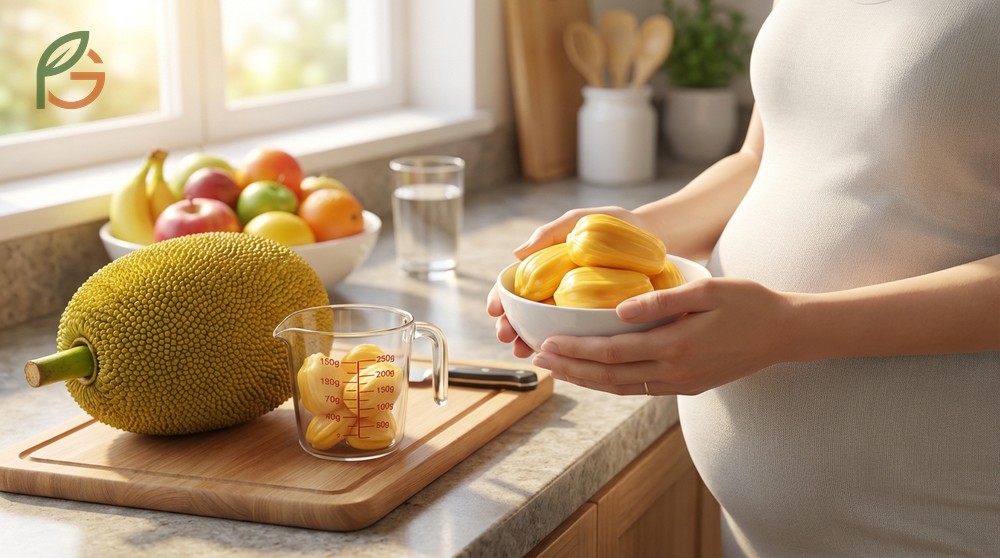
Studies demonstrate that ripe jackfruit is safe for pregnant women when consumed in appropriate portions. The fruit provides essential vitamins and minerals without posing significant health risks[1]. Most healthcare providers recommend sticking to 2-3 pods daily, which equals roughly one cup or 150-200g[3].
Current data indicates that myths about jackfruit causing miscarriage lack scientific backing. No peer-reviewed research connects moderate jackfruit consumption with pregnancy complications[4]. The key is choosing fully ripe fruit and avoiding unripe varieties that can trigger digestive issues.
What often gets overlooked is that individual tolerance varies. Some women digest jackfruit easily throughout pregnancy, while others experience gas or bloating even with small amounts. Start with a small portion if it’s your first time eating jackfruit while pregnant.
Nutritional Profile for Expectant Mothers
Jackfruit delivers nutrients that support both maternal and fetal health. Each 100g serving contains vitamin C for immune function, potassium for blood pressure regulation, and B-complex vitamins including folate[1]. The vitamin C content ranges from 7-14mg per 100g, which helps with collagen production needed for fetal development.
The fruit’s fiber content helps prevent constipation, a common pregnancy complaint. With 1-2.5g fiber per 100g, jackfruit acts as a natural digestive aid without causing the discomfort that high-fiber supplements sometimes trigger[1].
This table compares key nutrients in 100g of ripe jackfruit including calories, vitamins, minerals, and carbohydrates with their pregnancy benefits
| Nutrient | Amount | Pregnancy Benefit |
|---|---|---|
| Calories | 95[1] | Energy boost without excess weight gain |
| Vitamin C | 7-14mg[1] | Immune support, collagen production |
| Potassium | 191-407mg[1] | Blood pressure regulation, reduces preeclampsia risk |
| Fiber | 1-2.5g[1] | Prevents constipation, aids digestion |
| Carbohydrates | 16-25.4g[1] | Sustained energy throughout the day |
Safety Considerations
Always choose fully ripe jackfruit with yellow flesh and a sweet aroma. Unripe or raw jackfruit can cause digestive distress and shouldn’t be eaten during pregnancy[5]. You’ll know it’s ready when the spikes flatten and a hollow sound occurs when tapped.
Wash the outer skin thoroughly before cutting to prevent bacterial contamination. If you’re buying pre-cut jackfruit, check that it’s been refrigerated and consumed within 2-3 days of opening.
Important Note: If you’ve never eaten jackfruit before pregnancy, try a small amount first. Monitor for allergic reactions like itching, swelling, or difficulty breathing, though jackfruit allergies are rare.
Benefits of Jackfruit Seeds for Pregnancy
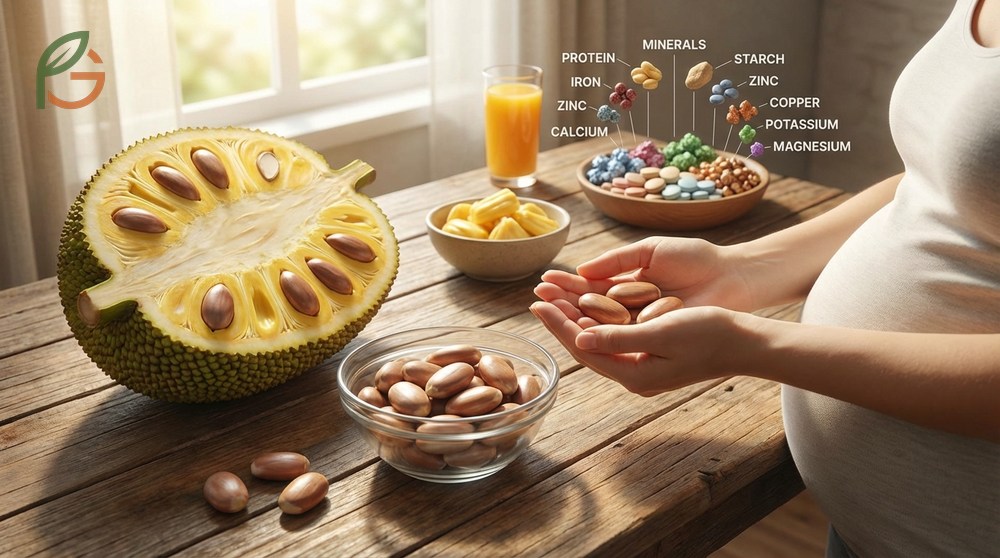
Research shows jackfruit seeds contain protein, minerals, and starch that can benefit pregnant women. Each seed provides zinc, iron, calcium, copper, potassium, and magnesium in small but meaningful amounts[6]. The protein content ranges from 5.3-6.8%, making seeds a decent plant-based protein option during pregnancy.
The seeds work particularly well for women experiencing iron deficiency. When combined with vitamin C from the fruit flesh, iron absorption improves significantly. Most women find 3-5 cooked seeds per serving provides benefits without causing digestive discomfort.
Protein and Mineral Content
Studies indicate jackfruit seeds contain essential amino acids including arginine, cystine, and leucine. These support fetal tissue development and maternal muscle maintenance[1]. The starch content reaches around 20% on a dry basis, providing sustained energy release.
The mineral profile includes calcium for bone development and magnesium for reducing leg cramps. Iron content helps prevent pregnancy-related anemia when consumed regularly as part of a varied diet.
- Protein source: 5.3-6.8% protein supports fetal growth and maternal tissue repair
- Iron content: Helps maintain healthy hemoglobin levels when paired with vitamin C
- Magnesium: Reduces muscle cramps and supports calcium absorption for bone health
- Zinc: Aids immune function and DNA synthesis for developing baby
- Starch: Provides slow-release energy that stabilizes blood sugar levels
Safe Preparation Methods
Never eat jackfruit seeds raw during pregnancy. Raw seeds contain compounds that can cause digestive upset and may interfere with nutrient absorption. Boiling for 20-30 minutes or roasting until tender makes them safe and easier to digest.
For boiled seeds, simmer in salted water until they’re soft enough to pierce with a fork. Roasted seeds need 20-25 minutes at 400°F (204°C) until the outer skin peels away easily. Both methods neutralize anti-nutrients and improve protein digestibility.
- Boiling method: Simmer seeds in water for 20-30 minutes with a pinch of salt
- Roasting method: Bake at 400°F (204°C) for 20-25 minutes, turning halfway through
- Pressure cooking: Cook for 2-3 whistles for softer texture and faster preparation
- Storage tip: Refrigerate cooked seeds in an airtight container for up to 3 days
- Serving suggestion: Add to salads, curries, or eat as a snack with light seasoning
Jackfruit Gestational Diabetes
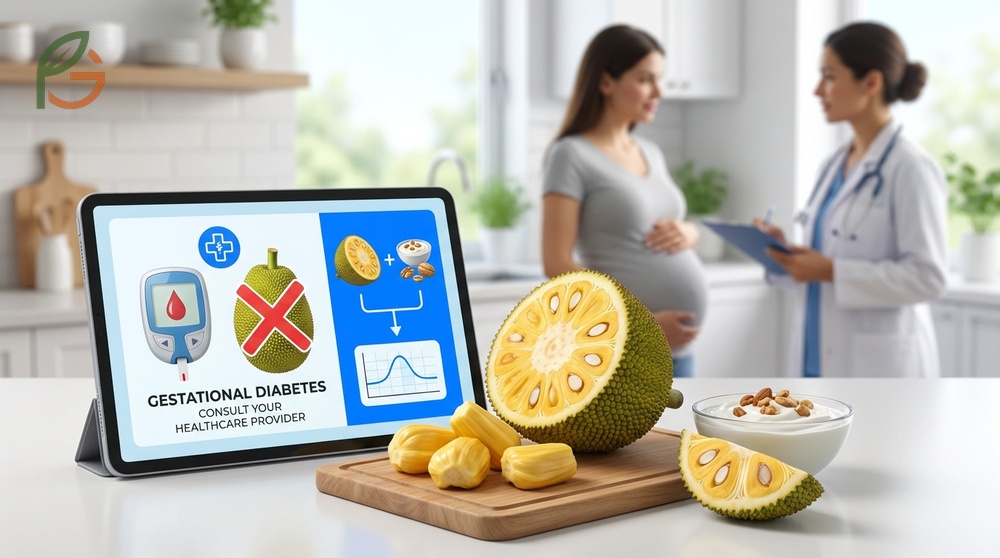
Women with gestational diabetes should limit or avoid jackfruit due to its natural sugar content. The carbohydrate concentration ranges from 16-25.4g per 100g, which can spike blood glucose levels[1]. Medical professionals recommend consulting your healthcare provider before including jackfruit in a gestational diabetes diet plan.
If your doctor approves small amounts, pair jackfruit with protein sources like Greek yogurt or nuts. This combination slows sugar absorption and prevents rapid blood glucose spikes. Monitor your levels 1-2 hours after eating to see how your body responds.
Evidence suggests jackfruit has a moderate glycemic index, meaning it affects blood sugar more than berries but less than white bread. For women managing gestational diabetes, timing matters—eating jackfruit earlier in the day when insulin sensitivity is higher works better than evening consumption[2].
Blood Sugar Warning: If you have gestational diabetes or prediabetes, don’t eat more than 50g of jackfruit per serving, and always combine it with protein or healthy fats. Check your glucose levels before and after to establish your personal tolerance.
Safe Serving Size Jackfruit Pregnancy
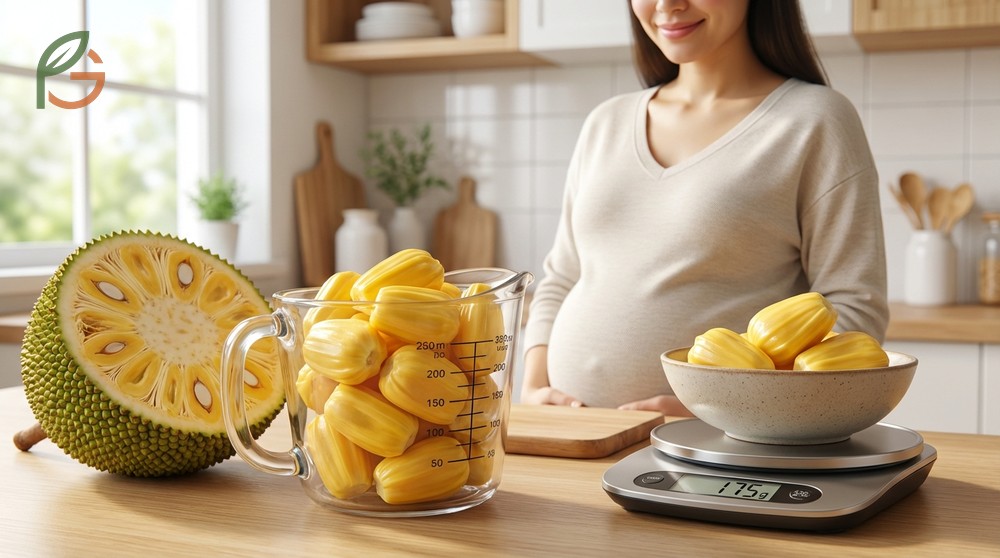
Current guidance recommends 150-200g (about 1 cup) of ripe jackfruit 2-3 times per week for pregnant women without health complications[3]. This portion provides nutritional benefits without overwhelming your digestive system. You’re getting roughly 2-3 pods or bulbs per serving at this amount.
For first-trimester nausea, start with smaller portions of 50-75g to test tolerance. Increase gradually if your stomach handles it well. Second and third-trimester women can usually tolerate the full 150-200g serving without issues.
Listen to your body’s signals. If you experience bloating, gas, or stomach discomfort after eating jackfruit, reduce the portion by half next time. Some women find that eating jackfruit in the morning works better than afternoon or evening consumption.
| Trimester | Serving Size | Frequency |
|---|---|---|
| First (weeks 1-12) | 50-100g (start small) | 1-2 times per week |
| Second (weeks 13-26) | 150-200g | 2-3 times per week |
| Third (weeks 27-40) | 150-200g | 2-3 times per week |
Nausea and Jackfruit
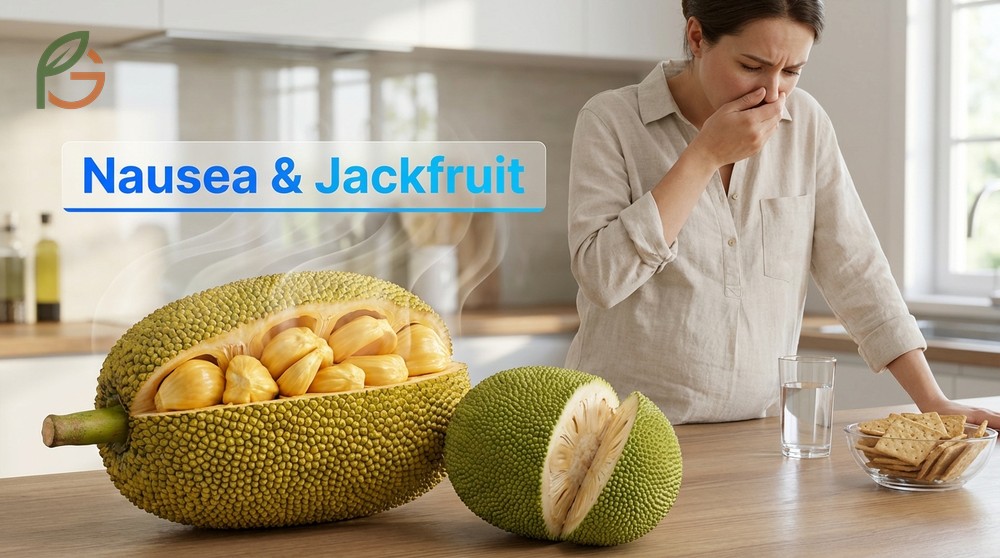
The strong, sweet aroma of ripe jackfruit can trigger nausea in women experiencing morning sickness. Studies show that smell sensitivity increases during early pregnancy, making pungent foods like jackfruit problematic for some expectant mothers[7]. If the smell bothers you, skip jackfruit until the second trimester when nausea typically subsides.
Interestingly, some women find that less-ripe jackfruit doesn’t trigger the same reaction. The milder scent and firmer texture of semi-ripe fruit can be easier to tolerate during morning sickness phases. You’ll still need to cook it thoroughly rather than eating it raw.
For women who love jackfruit but struggle with nausea, try these strategies: eat it cold from the refrigerator to reduce aroma intensity, consume small portions of 25-50g, or blend it into smoothies with ginger and mint to mask the smell. Frozen jackfruit pieces work well in smoothies and have less odor than fresh fruit.
- Cold consumption: Refrigerated jackfruit has 30-40% less aromatic intensity than room temperature fruit
- Ventilation matters: Cut and prepare jackfruit outdoors or near an open window to disperse the smell
- Timing strategy: Eat jackfruit when nausea is at its lowest, typically mid-morning or early afternoon
- Pairing technique: Combine with citrus fruits or ginger to balance the strong sweetness
- Frozen option: Freeze jackfruit pieces for smoothies—freezing reduces odor by up to 50%
Morning Sickness Tip: If you’re in your first trimester and the smell of jackfruit makes you queasy, don’t force it. Wait until week 14-16 when nausea typically improves, then reintroduce it in small amounts.
Conclusion
The evidence is clear: can I eat jackfruit during pregnancy has a straightforward answer—yes, when you choose ripe fruit and stick to recommended portions. Research confirms that 150-200g servings 2-3 times weekly provide vitamin C, fiber, and potassium that support maternal and fetal health without significant risks. You’ll want to skip jackfruit if you have gestational diabetes or experience digestive sensitivity.
Current nutritional guidance emphasizes whole food variety during pregnancy, and jackfruit fits perfectly into that framework when consumed mindfully. FruitGarden continues to monitor emerging research on tropical fruits and pregnancy nutrition to provide you with evidence-based information for healthier choices.
Medical Disclaimer
Important Medical Disclaimer: This content is for informational and educational purposes only. It is not intended as a substitute for professional medical advice, diagnosis, or treatment. Always consult a qualified healthcare professional before making any changes to your diet, medication, or health routine during pregnancy, especially if you have gestational diabetes, food allergies, or other medical conditions. Individual nutritional needs vary, and your doctor can provide personalized guidance based on your specific health status.
Frequently Asked Questions
Can jackfruit cause miscarriage in early pregnancy?
No scientific evidence supports the claim that jackfruit causes miscarriage. This myth stems from folklore rather than medical research. Studies confirm that moderate jackfruit consumption poses no increased miscarriage risk during any trimester when eaten as part of a balanced diet.
How much jackfruit can I eat per day while pregnant?
Medical professionals recommend 2-3 pods or 150-200g per serving, consumed 2-3 times weekly rather than daily. This frequency prevents digestive discomfort while providing nutritional benefits. Daily consumption isn’t necessary and may lead to excess sugar intake or bloating.
Is canned jackfruit safe during pregnancy?
Canned jackfruit in water or natural juice is safe, but avoid varieties packed in heavy syrup due to added sugars. Check the label for preservatives like sodium benzoate, which should be limited during pregnancy. Fresh or frozen jackfruit offers better nutritional value than canned versions.
Can I eat jackfruit seeds while pregnant?
Yes, cooked jackfruit seeds are safe and nutritious during pregnancy. Boil or roast them for 20-30 minutes to neutralize anti-nutrients and improve digestibility. Never eat raw seeds, as they can cause digestive upset and contain compounds that interfere with nutrient absorption.
What are the side effects of eating too much jackfruit during pregnancy?
Excessive jackfruit consumption can cause bloating, gas, diarrhea, and blood sugar spikes. The high fiber content may lead to intestinal discomfort if you eat more than 200g per serving. Women with gestational diabetes risk glucose elevation from overconsumption due to the fruit’s natural sugar content.
Should I avoid jackfruit in the first trimester?
You don’t need to avoid jackfruit in the first trimester unless it triggers nausea or you have specific medical restrictions. Start with small portions of 50-75g to test tolerance. The strong aroma can worsen morning sickness for some women, so wait until nausea subsides if it bothers you.
Is jackfruit better than other fruits during pregnancy?
Jackfruit isn’t necessarily better—it’s simply different. It provides more carbohydrates and potassium than berries but less vitamin C than citrus fruits. Current nutritional guidance emphasizes variety, so rotate jackfruit with other fruits like apples, oranges, and berries for comprehensive nutrient intake during pregnancy.





