
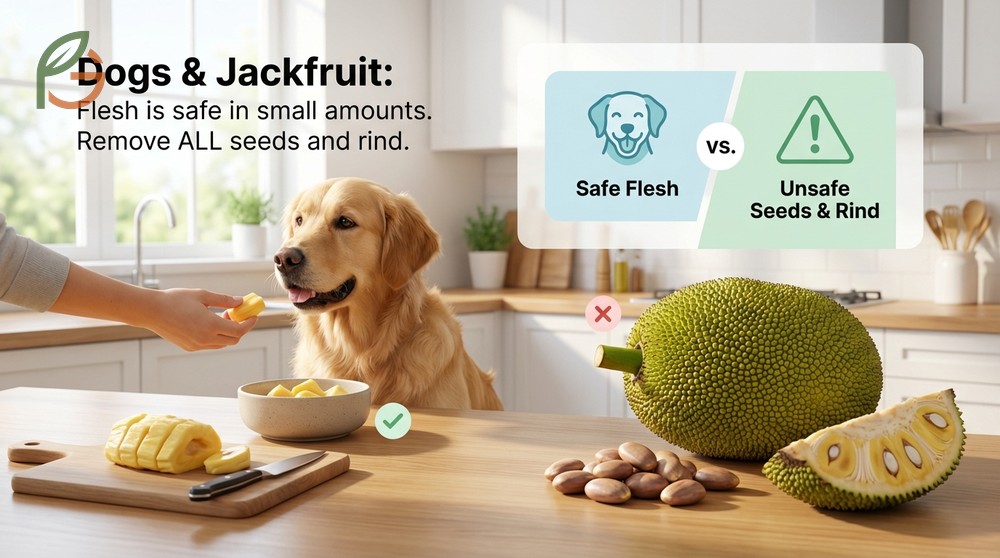
Can dogs eat jackfruit? Yes, but only the soft flesh in small amounts. Research shows that jackfruit flesh is non-toxic to dogs, but the seeds and rind contain compounds that can cause digestive upset and intestinal blockages[1]. Current veterinary guidance emphasizes removing all seeds and tough outer skin before offering this tropical fruit to your pet. FruitGarden provides evidence-based information about feeding exotic fruits to dogs safely, helping pet owners make informed decisions about their companions’ diets.
Quick Answer
- Dogs can eat jackfruit flesh in moderation—only the soft yellow pulp is safe[2]
- Seeds pose choking hazards and contain toxic compounds that cause vomiting and diarrhea[1]
- Rind can create intestinal blockages requiring emergency surgery[2]
- Jackfruit contains vitamin C, potassium, and fiber but should make up less than 10% of daily treats[3]
Can Dogs Eat Jackfruit

Studies demonstrate that jackfruit flesh is non-toxic to dogs when fed properly[1]. Research into fermented jackfruit showed no signs of toxicity in animal studies, supporting its safety profile for occasional consumption. The key distinction lies in which parts of the fruit you offer—only the soft, fleshy pulp qualifies as safe for dogs.
Current veterinary guidance emphasizes moderation when introducing any new fruit to your dog’s diet. Jackfruit should never replace balanced dog food, which provides complete nutrition. Most veterinarians recommend that all treats, including fruits, make up no more than 10% of your dog’s daily caloric intake[3].
Evidence from veterinary nutrition experts indicates that dogs don’t require fruit in their diets. However, small amounts of safe fruits can provide mental stimulation and variety. The high water content in jackfruit—approximately 74%[4]—offers hydration benefits during warm weather.
Nutritional Content of Jackfruit
Jackfruit provides several nutrients that can benefit dogs when fed appropriately. A 100-gram serving contains approximately 1.7g protein, 23.5g carbohydrates, and 0.6g fat[4]. The fruit supplies vitamin C for immune support and vitamin A for vision health.
The mineral content includes potassium, which supports heart function and blood pressure regulation in dogs. Jackfruit also contains 2.6-3.6g fiber per 100g[4], aiding digestive health. However, this high fiber content means excessive amounts can cause gastrointestinal upset.
Safe Parts vs Dangerous Parts
The fleshy yellow pods surrounding the seeds represent the only safe portion for dogs. This soft pulp separates easily from the seeds and contains no toxic compounds. You can identify this safe flesh by its bright yellow-orange color and stringy texture.
Dangerous components include the hard seeds, tough outer rind, and latex-like sap. Each jackfruit contains 100-500 seeds roughly the size of grapes[1], presenting multiple choking risks. The rind’s fibrous structure resists digestion and can ball up in the intestinal tract.
Important Safety Note: Never feed your dog processed jackfruit dishes designed for humans. These often contain onion, garlic, excessive salt, or artificial sweeteners like xylitol—all toxic to dogs[5].
Can Dogs Have Jackfruit

Research shows that dogs can have jackfruit flesh occasionally as a treat, not as a dietary staple. The high carbohydrate and sugar content—approximately 23.5g carbohydrates per 100g[4]—makes jackfruit unsuitable for frequent feeding. Dogs with diabetes or obesity should avoid jackfruit entirely due to its glycemic impact.
Veterinary nutritionists emphasize introducing jackfruit gradually through a 48-hour observation period. Start with a small piece about the size of your dog’s thumbnail. Monitor for adverse reactions like vomiting, diarrhea, or changes in appetite before offering more[1].
Most dogs tolerate small amounts of jackfruit flesh without issues. However, individual sensitivities vary based on breed, size, age, and existing health conditions. Smaller breeds face higher risks from even minor amounts of inappropriate foods due to their limited body mass.
Serving Size Guidelines
Appropriate serving sizes depend on your dog’s weight and overall health status. For small dogs under 20 pounds, limit jackfruit to 1-2 small pieces (about 1 teaspoon total) once or twice weekly. Medium dogs (20-50 pounds) can handle 2-3 pieces (approximately 1 tablespoon), while large dogs over 50 pounds may have up to 4-5 pieces (roughly 2 tablespoons).
These portions ensure jackfruit remains under the recommended 10% treat threshold. Remember that dogs already receiving other treats throughout the day need proportionally less jackfruit. Calculate total daily treats to avoid exceeding nutritional balance.
- Small breeds (under 20 lbs): 1-2 thumbnail-sized pieces maximum per serving
- Medium breeds (20-50 lbs): 2-3 pieces, equivalent to 1 tablespoon
- Large breeds (over 50 lbs): 4-5 pieces, approximately 2 tablespoons
- Frequency: No more than 2-3 times per week regardless of dog size
- Always account for other treats given the same day to stay under 10% total calories
- Puppies and senior dogs: Reduce portions by half due to sensitive digestive systems
- Dogs with health conditions: Consult your veterinarian before introducing jackfruit
Preparation Methods
Proper preparation prevents most jackfruit-related health risks for dogs. Start by selecting ripe jackfruit with yellow flesh, as unripe green jackfruit has tougher texture. Wash the exterior thoroughly to remove dirt and potential pesticide residues.
Cut the jackfruit open and extract only the soft yellow pods. Remove every seed completely—even a single seed poses choking and toxicity risks. Discard all rind, core, and fibrous membranes. Cut the safe flesh into bite-sized pieces appropriate for your dog’s mouth size.
Avoid feeding dried jackfruit chips or candied versions, which contain concentrated sugars and potential preservatives. Cooked jackfruit prepared for human consumption often includes seasonings harmful to dogs. Fresh, plain flesh represents the only appropriate form for canine consumption.
Are Jackfruit Seeds Toxic to Dogs
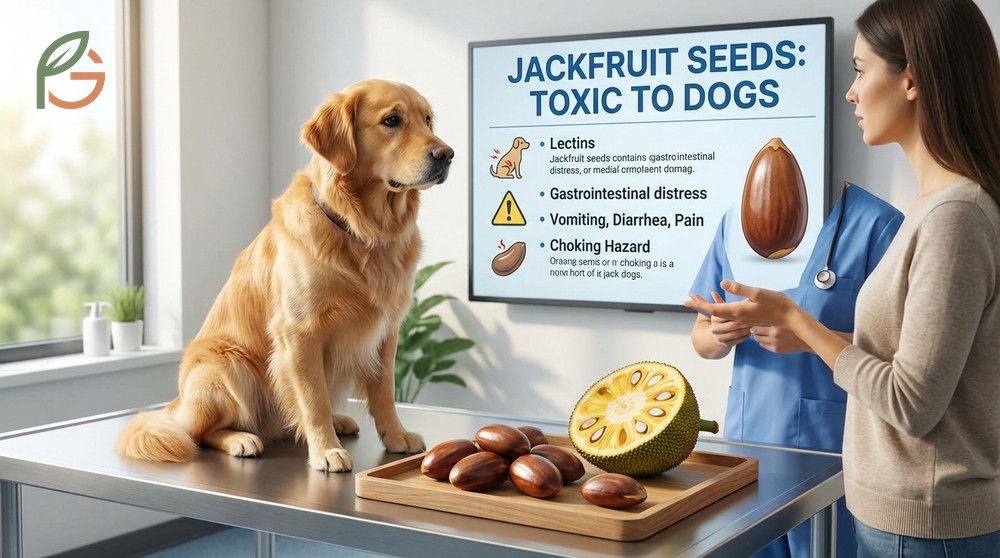
Jackfruit seeds contain toxic compounds that cause gastrointestinal distress in dogs[1]. These large, hard seeds harbor lectins—proteins that interfere with nutrient absorption and trigger digestive upset. Research indicates that lectins in raw jackfruit seeds can cause vomiting, diarrhea, and abdominal pain when ingested by dogs.
The physical characteristics of jackfruit seeds present additional dangers beyond chemical toxicity. Each seed measures approximately 1 inch long—roughly grape-sized—creating a perfect storm for choking incidents. The smooth, slippery surface allows seeds to lodge in a dog’s throat or esophagus before the dog can react.
Evidence shows that jackfruit seeds also pose intestinal obstruction risks. The hard, indigestible nature of these seeds means they can travel through the digestive tract intact, potentially becoming stuck at narrow points. Even partial blockages require veterinary intervention, while complete obstructions demand emergency surgery.
Emergency Protocol: If your dog swallows jackfruit seeds, contact your veterinarian or pet poison control immediately. Don’t wait for symptoms to appear—early intervention prevents serious complications[2].
- Lectins cause gastrointestinal irritation and interfere with digestion
- Seeds contain compounds that trigger vomiting within 2-6 hours of ingestion
- Diarrhea and abdominal cramping commonly occur 4-12 hours after consumption
- Large seed size (approximately 1 inch) creates choking hazards for all dog breeds
- Hard, smooth surface makes seeds difficult to dislodge from airways
- Indigestible composition leads to intestinal blockages requiring surgery
- Multiple seed ingestion increases toxicity and blockage risks exponentially
Symptoms of Blockage in Dogs

Intestinal blockages from jackfruit seeds or rind manifest through several warning signs that require immediate veterinary attention. Research shows that repetitive vomiting represents the most common early symptom, often beginning within 2-6 hours of ingestion[6]. Dogs may initially vomit food, then progress to vomiting water, bile, or foam.
Abdominal pain becomes evident through behavioral changes. Dogs with blockages often exhibit restlessness, inability to get comfortable, or whining when you touch their belly. The abdomen may appear distended or feel hard to the touch. Some dogs adopt a “praying position” with their front end down and rear end elevated to relieve discomfort[6].
Changes in bowel movements provide critical diagnostic clues. Dogs with complete blockages cannot defecate despite straining. Those with partial obstructions may pass small amounts of diarrhea as liquid squeezes around the blockage. Both scenarios require emergency care—blockages can cause intestinal rupture within 24-48 hours if untreated.
- Repetitive vomiting that persists beyond 2-3 episodes or prevents water retention
- Complete loss of appetite and refusal of favorite treats or foods
- Weakness, lethargy, or inability to stand or walk normally
- Abdominal pain evidenced by whining, restlessness, or aggression when belly is touched
- Distended or visibly swollen abdomen that feels firm or hard
- Straining to defecate without producing stool, or only passing small amounts of liquid
- Dehydration signs including dry gums, sunken eyes, or decreased skin elasticity
- Pale gums indicating shock or internal complications
Veterinary data indicates that blockage symptoms can appear rapidly or develop over several days depending on obstruction location and severity. Upper intestinal blockages typically cause immediate, severe vomiting. Lower intestinal obstructions may allow dogs to appear relatively normal initially before declining rapidly. Never adopt a “wait and see” approach if you suspect your dog ate jackfruit seeds or rind.
Exotic Fruits Dogs Can Eat

Current veterinary guidelines identify several tropical and exotic fruits as safe alternatives to jackfruit for dogs. Mango ranks among the best options, providing vitamins A, B6, C, and E plus fiber and potassium[3]. Always remove the large pit completely, as mango pits contain trace amounts of cyanide and present choking hazards.
Pineapple offers another nutrient-dense tropical choice for dogs. Fresh pineapple chunks contain beneficial enzymes that aid digestion, plus vitamins and minerals that support immune function. The high water content makes pineapple particularly refreshing during summer months. However, avoid canned pineapple due to excessive added sugars that upset canine digestive systems.
Papaya provides digestive enzymes that can help dogs with sensitive stomachs. This fruit contains vitamins A, C, E, and K along with folate and fiber. Remove all seeds and skin before serving—papaya seeds contain trace compounds that may cause digestive upset in dogs. Small cubes of ripe papaya flesh make excellent occasional treats.
This table compares five exotic fruits safe for dogs, showing nutritional benefits, safe serving portions, and specific preparation requirements
| Fruit | Key Nutrients | Safe Portion (Medium Dog) | Preparation Required |
|---|---|---|---|
| Mango | Vitamins A, B6, C, E, fiber[3] | 2-3 small cubes | Remove pit and skin completely |
| Pineapple | Digestive enzymes, vitamin C[3] | 2-3 chunks | Remove tough core and skin; fresh only |
| Papaya | Vitamins A, C, E, K, digestive enzymes | 2-3 small cubes | Remove all seeds and outer skin |
| Cantaloupe | Vitamins A, C, fiber, 90% water[3] | 2-3 small pieces | Remove rind and seeds |
| Kiwi | Vitamin C, fiber, potassium[3] | 1-2 slices | Peel skin; can cause throat irritation |
- Coconut flesh (not the hard shell) provides healthy fats and medium-chain triglycerides
- Dragon fruit offers antioxidants and fiber with minimal sugar compared to other tropical fruits
- Guava contains high vitamin C levels but feed sparingly due to seeds and fiber content
- Lychee flesh (seeds removed) provides vitamin C and copper in small, occasional servings
- Persimmon flesh (never seeds or skin) supplies vitamins A and C plus fiber
Avoid toxic exotic fruits including star fruit, which contains soluble calcium oxalate poisonous to dogs[5]. Similarly, never feed rambutan, longan, or ackee to dogs, as these contain compounds that interfere with canine metabolism. When introducing any new fruit, start with tiny amounts and monitor for 48 hours before increasing portions.
Jackfruit Flesh for Dogs
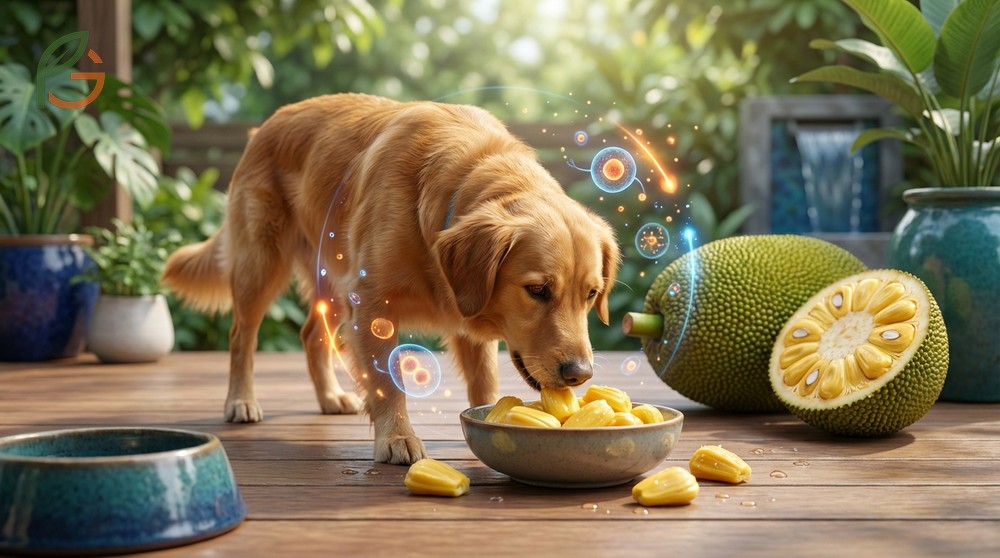
The edible yellow pods of jackfruit provide dogs with modest nutritional benefits when served correctly. This flesh contains approximately 74% water[4], making it hydrating during warm weather. The vitamin C content supports immune function, while natural fiber aids digestive regularity in appropriate amounts.
Research indicates that jackfruit flesh delivers antioxidants that combat cellular damage from free radicals. The potassium concentration helps maintain healthy blood pressure and supports cardiovascular function. However, these benefits don’t justify making jackfruit a dietary staple—commercial dog foods already provide complete, balanced nutrition specifically formulated for canine needs.
The high carbohydrate and sugar content limits jackfruit’s suitability as a regular treat. Dogs process sugars differently than humans, and excessive fruit consumption can lead to weight gain, digestive upset, and blood sugar fluctuations. Pet owners should view jackfruit flesh as an occasional novelty, not a nutritional supplement.
Fresh jackfruit flesh works best for dogs compared to processed forms. Dried jackfruit concentrates sugars and often contains added sweeteners or preservatives. Cooked jackfruit preparations typically include seasonings like onion, garlic, or salt—all harmful to dogs[5]. Canned jackfruit packed in syrup delivers excessive sugar loads inappropriate for canine consumption.
- Select ripe jackfruit with bright yellow flesh and sweet aroma
- Wash exterior thoroughly before cutting to prevent bacterial contamination
- Extract only the soft yellow pods, discarding seeds, rind, and fibrous core
- Cut flesh into pieces smaller than your dog’s normal kibble size to prevent choking
- Serve at room temperature rather than cold from refrigerator to aid digestion
- Store unused jackfruit flesh in airtight container for maximum 2-3 days refrigerated
- Never mix jackfruit with other new foods simultaneously to identify potential sensitivities
- Freeze small portions in ice cube trays for refreshing summer treats
Monitor your dog for 48 hours after first introducing jackfruit flesh. Watch for signs of digestive upset including softer stool, increased gas, reduced appetite, or lethargy. Discontinue jackfruit immediately if any adverse reactions occur. Some dogs simply lack the digestive enzymes to process certain fruits comfortably, making individual tolerance the ultimate determining factor.
Conclusion
The evidence is clear: dogs can eat jackfruit flesh in small, occasional portions when properly prepared. Current veterinary guidance emphasizes removing all seeds and rind to prevent choking hazards, toxic exposures, and intestinal blockages. While jackfruit provides modest nutritional benefits including hydration, vitamins, and fiber, it should never replace balanced commercial dog food or constitute more than 10% of daily treat allowances.
Pet owners considering jackfruit for their dogs must prioritize safety through meticulous preparation and portion control. FruitGarden recommends consulting your veterinarian before introducing any new food to dogs with existing health conditions, particularly diabetes, obesity, or digestive sensitivities. When offered responsibly as an occasional treat, jackfruit flesh can provide safe variety in your dog’s diet without compromising their health.
Medical Disclaimer
Important Medical Disclaimer: This content is for informational and educational purposes only. It is not intended as a substitute for professional veterinary advice, diagnosis, or treatment. Always consult a qualified veterinarian before making any changes to your pet’s diet, especially if your dog has existing health conditions, allergies, or special dietary needs. If your dog ingests jackfruit seeds, rind, or shows signs of distress after eating any food, contact your veterinarian or emergency animal hospital immediately.
Frequently Asked Questions
What happens if my dog eats jackfruit seeds?
Jackfruit seeds contain toxic lectins that cause vomiting, diarrhea, and abdominal pain in dogs. The large seed size also creates choking hazards and intestinal blockage risks. Contact your veterinarian immediately if your dog swallows any jackfruit seeds—don’t wait for symptoms to appear, as early intervention prevents serious complications.
Can puppies eat jackfruit flesh?
Puppies can eat tiny amounts of jackfruit flesh after 12 weeks of age, but their developing digestive systems make them more sensitive to new foods. Limit portions to half the amount recommended for adult dogs of similar size. Always introduce jackfruit gradually and monitor puppies closely for 48 hours afterward for any signs of digestive upset.
Is cooked jackfruit safe for dogs?
Cooked jackfruit prepared for humans typically contains seasonings toxic to dogs, including onion, garlic, salt, and artificial sweeteners. Plain cooked jackfruit flesh without additives remains safe in small amounts, but cooking doesn’t improve nutritional value for dogs. Fresh, raw jackfruit flesh represents the safest and most beneficial option for canine consumption.
How much jackfruit can I give my 30-pound dog?
A 30-pound dog can safely eat 2-3 small pieces of jackfruit flesh (approximately 1 tablespoon total) 2-3 times per week maximum. This portion keeps jackfruit within the recommended 10% treat threshold while minimizing digestive upset risks from the fruit’s high fiber and sugar content. Always account for other treats given the same day.
Can dogs be allergic to jackfruit?
Dogs can develop allergic reactions to jackfruit, though this occurs rarely. Symptoms include itching, skin redness, facial swelling, hives, or respiratory difficulty appearing within minutes to hours after consumption. If your dog shows any signs of allergic reaction after eating jackfruit, discontinue feeding immediately and contact your veterinarian for guidance.
What should I do if my dog ate jackfruit rind?
Contact your veterinarian immediately if your dog eats jackfruit rind. The tough, fibrous rind can create intestinal blockages requiring emergency surgery. Monitor your dog closely for blockage symptoms including repetitive vomiting, loss of appetite, abdominal pain, weakness, or inability to defecate. Don’t delay seeking veterinary care—blockages worsen rapidly without treatment.
Can diabetic dogs eat jackfruit?
Diabetic dogs should avoid jackfruit due to its high carbohydrate and natural sugar content. The fruit contains approximately 23.5g carbohydrates per 100g, which can cause blood sugar spikes in diabetic dogs. Consult your veterinarian about appropriate low-glycemic treat alternatives that won’t compromise your diabetic dog’s glucose management.





