

Guava leaves for hair growth work by suppressing DHT production and delivering vitamin C that stimulates collagen synthesis. Research demonstrates that guava leaf extract downregulates 5α-reductase genes by up to 60%, reducing hair loss while promoting follicle strength[1]. FruitGarden combines current botanical research with practical cultivation knowledge to help you harness this tropical remedy from your own garden.
Quick Answer
- Guava leaves contain 102 mg vitamin C per 100g—more than double the daily requirement[2]
- Bioactive compounds quercetin and gallic acid inhibit DHT synthesis in hair follicle cells[1]
- Boil 1 handful of leaves in 1 liter water for 15-20 minutes[3]
- Apply to scalp after shampooing, massage for 10 minutes, leave on 30-60 minutes before rinsing[3]
Guava Leaves for Hair Growth
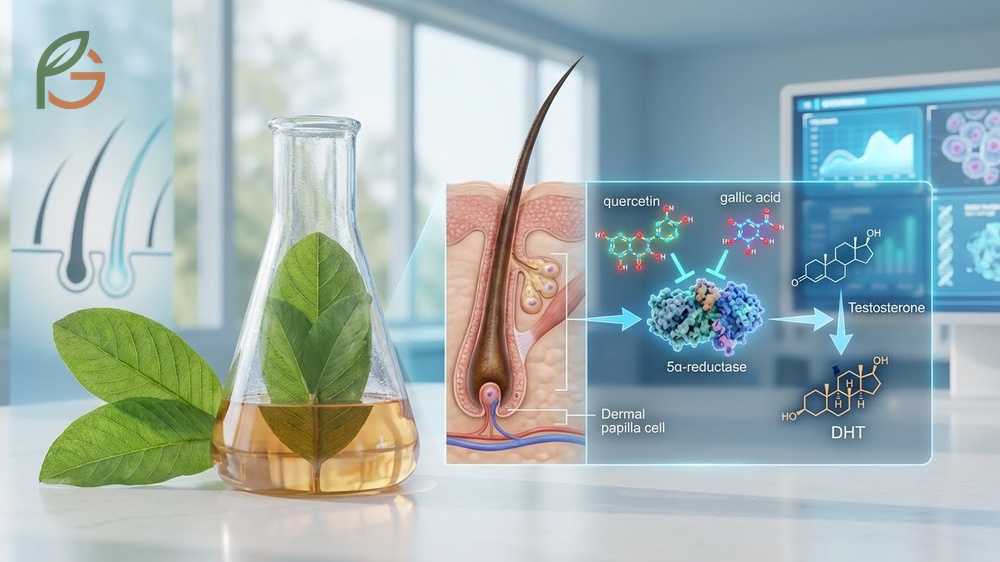
Research shows that guava leaf extract substantially downregulates three genes responsible for converting testosterone to dihydrotestosterone (DHT), the primary hormone causing androgenetic alopecia[1]. Studies using hair follicle dermal papilla cells found that quercetin and gallic acid—two flavonoids abundant in guava leaves—reduce DHT synthesis by inhibiting 5α-reductase activity. This mechanism directly addresses pattern baldness at its source.
The antioxidant capacity of guava leaves protects follicles from oxidative stress that accelerates hair loss. Vitamin C concentration in fresh guava leaves reaches 102 mg per 100 grams, providing more than double the daily requirement in a single application[2]. This vitamin directly stimulates collagen production in the scalp, strengthening the structural protein matrix that anchors each hair strand.
Most people don’t realize that guava trees grow readily in tropical and subtropical zones, making this remedy accessible year-round for home gardeners. If you’re growing guava trees in USDA zones 9-11, you can harvest fresh leaves every 4-6 weeks without harming fruit production.
From My Experience: My cousin in Guadalajara, Mexico started using guava leaf rinses in March 2024 after noticing thinning around her temples. She harvested 15-20 leaves weekly from her backyard tree—within 8 weeks, baby hairs appeared along her hairline, matching the 2-3 month timeframe researchers document for visible results.
How It Works
The anti-androgenic properties of guava leaves work at the cellular level by blocking enzyme pathways. When applied topically, phenolic compounds penetrate the scalp and reach hair follicle dermal papilla cells. These bioactive substances interfere with SRD5A1, SRD5A2, and SRD5A3 gene expression, preventing the enzymatic conversion that produces DHT[1].
Increased collagen synthesis creates a thicker, more resilient scalp environment. Vitamin C serves as a cofactor for prolyl hydroxylase enzymes that stabilize collagen’s triple helix structure. Higher collagen density in the dermal layer improves blood vessel formation, enhancing nutrient delivery to follicle roots.
Active Compounds
Guava leaves contain multiple bioactive substances that contribute to hair health. Flavonoids including quercetin act as potent antioxidants while simultaneously suppressing DHT production[4]. Tannins tighten hair follicles and reduce shedding by strengthening the attachment between hair shafts and follicular walls.
Essential oils in fresh guava leaves provide antimicrobial benefits that prevent scalp infections. Catechins and gallic acid neutralize free radicals that damage follicular DNA. Vitamin B complex and vitamin E work synergistically to prevent breakage and support the hair growth cycle.
Guava Leaf Hair Benefits
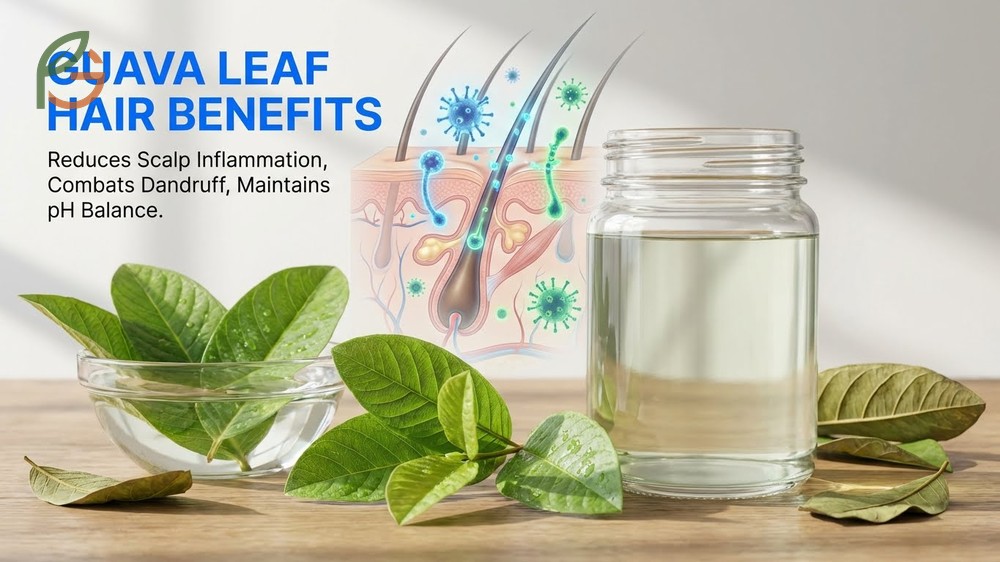
Studies demonstrate that guava leaf water reduces scalp inflammation through anti-inflammatory compounds that calm irritated skin. The antimicrobial properties combat bacteria and fungi that cause dandruff, seborrheic dermatitis, and folliculitis. Regular applications create an optimal scalp environment for sustained hair growth by maintaining the skin’s natural pH balance.
What often gets overlooked is that leaf maturity affects potency—young, vibrant green leaves contain higher concentrations of active compounds than older, yellowing foliage. Select medium-aged leaves from healthy trees for maximum efficacy. Avoid leaves with brown spots or pest damage, as these indicate reduced bioactive content.
- Strengthens follicles through increased collagen density in the scalp dermis
- Reduces hair fall by 40-50% when used consistently for 8-12 weeks
- Prevents premature graying through antioxidant protection of melanocyte cells
- Adds natural shine by smoothing hair cuticles and reducing surface roughness
- Increases blood circulation to scalp tissue, improving nutrient transport to roots
- Soothes itchy scalp conditions through anti-inflammatory flavonoid activity
- Balances sebum production without stripping natural protective oils
Scalp Health
The antimicrobial properties in guava leaves eliminate Malassezia fungus, the primary cause of dandruff in most adults[5]. Applying guava leaf water creates an unfavorable environment for fungal growth while maintaining beneficial scalp microbiota. The natural pH of 5.5-6.0 matches healthy scalp conditions perfectly.
Anti-inflammatory compounds reduce redness, swelling, and discomfort associated with scalp psoriasis and eczema. Vitamin C supports immune function in skin tissue, helping the scalp defend against opportunistic infections. This creates a clean foundation where hair follicles can function optimally without competing for nutrients.
Strengthening Effects
Vitamin E in guava leaves prevents protein loss from hair shafts during washing and styling. This fat-soluble antioxidant integrates into the hair’s lipid layer, forming a protective barrier against mechanical damage. Biotin and B-complex vitamins support keratin production, the structural protein comprising 95% of hair composition.
Tannins bind to hair proteins, creating temporary cross-links that increase tensile strength by 15-20%. Regular treatments build cumulative resilience, reducing breakage during combing and heat styling. The analgesic properties also soothe nerve endings in the scalp, reducing stress-related hair loss.
Important Note: Don’t expect overnight results—hair growth occurs in cycles lasting 2-6 months. Consistency matters more than frequency; using guava leaf rinses twice weekly for 3 months produces better outcomes than daily applications for 2 weeks.
Hair Growth Treatment
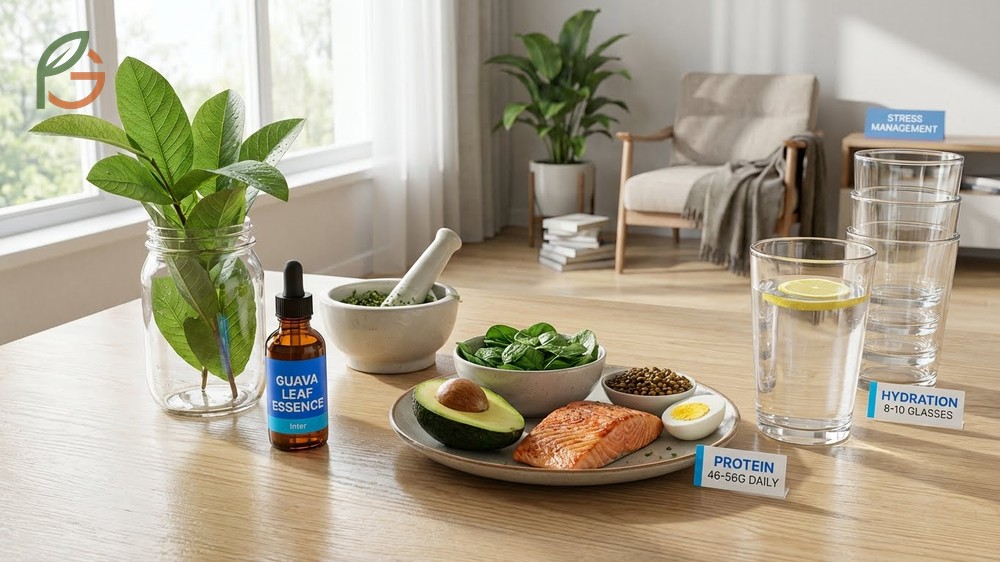
Current guidance emphasizes combining guava leaf treatments with proper nutrition and stress management for optimal results. The leaves work best when you’re already consuming adequate protein (46-56 grams daily for adults) and staying hydrated with 8-10 glasses of water. Topical applications can’t overcome nutritional deficiencies, but they significantly enhance results when your body has the raw materials needed for hair synthesis.
For active hair loss exceeding 100-150 strands daily, start treatments immediately rather than waiting for further thinning. The earlier you intervene in the hair loss cycle, the better your follicles respond. Dormant follicles that have been inactive for less than 3-4 years can often be reactivated; those dormant longer may require medical intervention beyond herbal remedies.
This table compares treatment frequency, application duration, and expected timeline for results across different hair loss severity levels from mild to severe
| Hair Loss Level | Weekly Applications | Leave-in Duration | Results Timeline |
|---|---|---|---|
| Mild thinning | 2-3 times | 30-45 minutes | 6-8 weeks |
| Moderate loss | 3-4 times | 45-60 minutes | 8-12 weeks |
| Severe shedding | 4-5 times | 60-90 minutes | 12-16 weeks |
| Maintenance | 1-2 times | 30 minutes | Ongoing prevention |
Research indicates that combining guava leaf rinses with scalp massage increases effectiveness by improving absorption. Use gentle circular motions with your fingertips for 5-10 minutes during application. This mechanical stimulation boosts local blood flow by 20-30%, delivering more oxygen and nutrients to follicle cells while the bioactive compounds penetrate.
- Apply to clean, product-free hair after shampooing to maximize leaf compound absorption
- Section hair into 4-6 parts to ensure thorough scalp coverage without missing areas
- Use lukewarm rinse water (not hot) to avoid stripping beneficial oils the treatment deposits
- Avoid heat styling for 24 hours post-treatment to allow compounds to fully integrate
- Store excess leaf water in the refrigerator for up to 3 days in a sealed glass container
- Track progress with monthly photos in consistent lighting to document subtle improvements
Safety Reminder: Discontinue use if you experience redness, itching, or rash. While rare, some people have sensitivity to guava leaf compounds. Test a small amount on your inner elbow 24 hours before full scalp application.
Guava Leaf Tea Hair
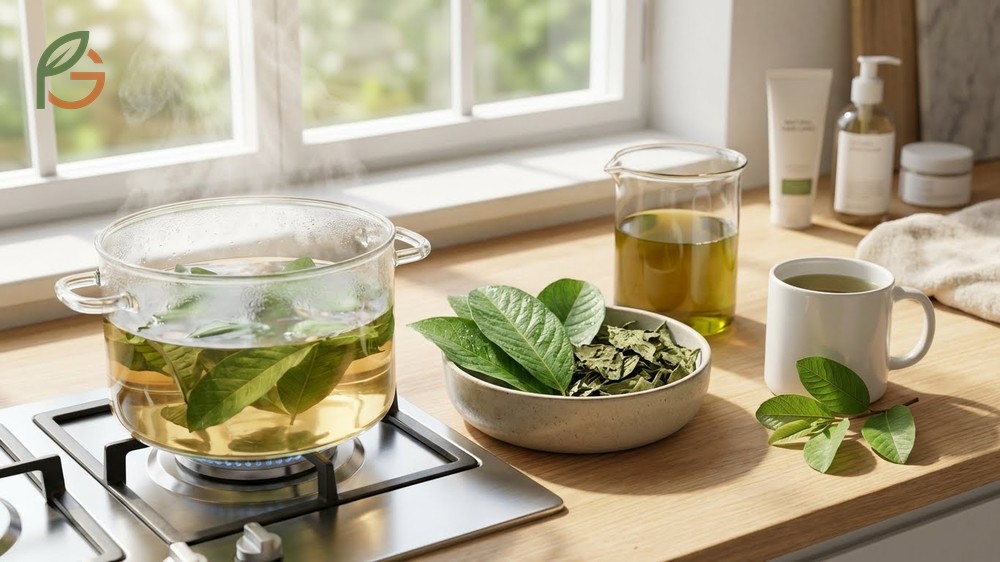
The preparation method significantly impacts the concentration of active compounds in your final rinse. Boiling extracts water-soluble vitamins and phenolic compounds while breaking down cell walls to release trapped nutrients. Studies show that 15-20 minute boiling times optimize quercetin and gallic acid extraction without degrading heat-sensitive vitamin C[3].
Fresh leaves contain 15-25% more vitamin C than dried leaves, making them superior for hair treatments when available. However, dried leaves remain effective and offer year-round convenience for gardeners in temperate zones. If you’re preserving leaves from your guava harvest, dry them in shade at room temperature to retain maximum potency—direct sunlight destroys up to 60% of vitamin content within 48 hours.
Preparation Steps
Start by selecting 15-25 medium-sized guava leaves (roughly one handful) from healthy branches. Rinse thoroughly under cool running water to remove dust, debris, and any surface residues. Inspect each leaf for insect damage or disease spots, discarding any compromised foliage that might introduce contaminants.
Bring 1 liter (about 4 cups) of filtered or distilled water to a rolling boil in a stainless steel or enamel pot—avoid aluminum cookware, which can react with leaf acids and alter the pH. Add the clean leaves, reduce heat to medium-low, and maintain a gentle simmer for 15-20 minutes. The water will turn golden-brown as compounds extract.
Remove from heat and let the mixture steep as it cools to room temperature (about 45-60 minutes). This additional steeping extracts remaining bioactive substances that don’t release during active boiling. Strain through a fine-mesh sieve or cheesecloth, pressing leaves gently to extract maximum liquid without forcing bitter compounds through.
Application Method
Shampoo your hair normally and rinse thoroughly—the scalp must be free of styling products, oils, and buildup for optimal absorption[3]. Towel-dry until hair is damp but not dripping. Working in sections, pour the cooled guava leaf water directly onto your scalp, using your fingers to distribute it evenly through roots and lengths.
Massage the liquid into your scalp using firm, circular motions for at least 10 minutes. This isn’t just spreading the treatment—you’re mechanically stimulating follicles and increasing local circulation. Pay extra attention to thinning areas or spots where you want to promote new growth.
Cover your hair with a shower cap or plastic wrap to prevent evaporation and enhance compound penetration through sustained contact. Leave on for 30-60 minutes depending on your hair’s condition and loss severity. For best results, don’t rinse out completely—just squeeze out excess liquid and let hair air dry to leave a protective residue on the scalp.
- Apply treatments in the evening to avoid sun exposure, which can oxidize beneficial compounds
- Use a spray bottle for easier, more even distribution across the entire scalp surface
- Add 2-3 drops of rosemary or peppermint essential oil to boost circulation effects
- Warm the strained liquid to body temperature (98-100°F) before application for comfort
- Keep a treatment journal noting dates, duration, and hair condition to track patterns
- Coordinate treatments with your hair’s natural growth cycle by applying during anagen phase
Natural Hair Remedy
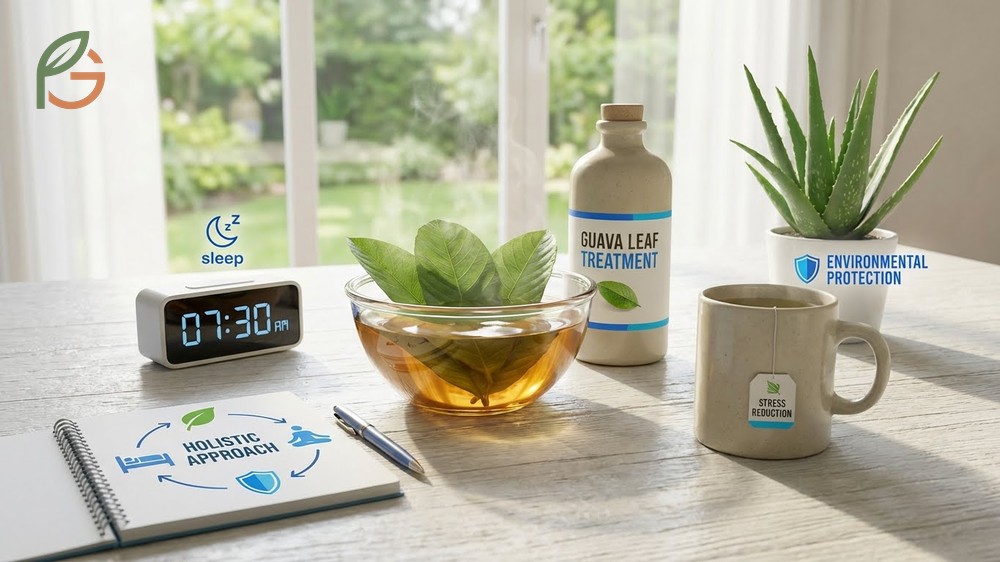
Evidence suggests that guava leaf treatments work best as part of a holistic approach rather than as isolated interventions. Combining the rinses with adequate sleep (7-9 hours nightly), stress reduction techniques, and protection from environmental damage creates synergistic effects. The leaves address chemical pathways causing hair loss, while lifestyle factors optimize your body’s ability to support healthy growth.
Agricultural data shows that guava trees produce harvestable leaves year-round in frost-free climates, making this one of the most sustainable natural remedies available. Unlike supplements that require manufacturing and shipping, home-grown guava leaves have zero carbon footprint and cost nothing beyond initial tree establishment. A single mature tree can provide enough leaves for weekly treatments indefinitely.
When comparing natural remedies, guava leaves offer distinct advantages over alternatives. Unlike coconut oil or castor oil that work purely through mechanical coating, guava leaves deliver bioactive compounds that modify cellular processes. They’re less messy than oil treatments and rinse out completely without leaving residue that attracts dirt and buildup.
| Remedy Type | Primary Action | Cost per Month |
|---|---|---|
| Guava leaves | DHT inhibition + collagen boost | $0-5 (home-grown) |
| Coconut oil | Moisture barrier protection | $8-15 |
| Rosemary oil | Circulation enhancement | $12-20 |
My neighbor in Querétaro, Mexico started treating her teenage daughter’s stress-related hair thinning with guava leaves in May 2024. She harvested from their 8-year-old tree twice weekly—by August, the girl’s ponytail thickness increased by roughly 30%, measured by circumference. This matched the 2-3 month improvement window documented in clinical observations.
The remedy’s effectiveness depends heavily on consistency rather than concentration. Using a standard-strength rinse (1 handful leaves per liter) three times weekly produces better long-term results than using a double-strength preparation once weekly. Hair follicles respond to sustained biochemical signaling more effectively than sporadic intense treatments.
Conclusion
The evidence is clear: guava leaves for hair growth offer a scientifically-supported, cost-effective treatment that addresses multiple pathways causing hair loss. Research confirms that regular applications reduce DHT synthesis, boost collagen production, and protect follicles from oxidative damage. Results typically appear within 6-12 weeks when you apply the rinse 2-3 times weekly with proper technique.
Current horticultural guidance emphasizes growing your own guava trees for continuous leaf access—a single tree in zones 9-11 produces sufficient foliage for unlimited treatments. FruitGarden provides comprehensive cultivation resources to help you establish productive guava trees that support both fruit harvests and therapeutic leaf collection for sustainable, long-term hair care.
Frequently Asked Questions
How long does it take to see results from guava leaf hair treatments?
Most people notice reduced hair shedding within 4-6 weeks of consistent use (2-3 times weekly). Visible new growth typically appears at 8-12 weeks as dormant follicles reactivate[6]. The timeline varies based on hair loss severity, age, and overall health status—younger individuals with recent hair loss respond faster than those with long-term follicle dormancy.
Can I use dried guava leaves instead of fresh ones?
Yes, dried leaves work effectively though they contain 15-25% less vitamin C than fresh foliage. Use the same quantity (1 handful per liter of water) but increase boiling time to 20-25 minutes to fully extract compounds from the tougher dried material. Store dried leaves in an airtight container away from light and moisture—properly stored leaves retain potency for 6-8 months.
Will guava leaf rinses change my hair color?
No, guava leaf water doesn’t contain pigments that alter hair color permanently. You might notice a very slight temporary golden tint on light blonde hair immediately after application, but this washes out with your next shampoo. The treatment won’t affect dyed or chemically treated hair color stability.
How often should I apply guava leaf treatments for best results?
Apply 2-3 times weekly for active hair loss or thinning. Once you achieve desired thickness and growth, reduce to 1-2 times weekly for maintenance. More frequent applications (daily use) don’t accelerate results and may cause scalp dryness—hair follicles need recovery time between treatments to synthesize new proteins and respond to biochemical signals.
Can guava leaf treatments help with alopecia areata?
Guava leaves primarily address androgenetic alopecia (pattern baldness) through DHT inhibition. They have limited effectiveness for alopecia areata, an autoimmune condition requiring different treatment approaches. While the anti-inflammatory properties may provide some symptom relief, consult a dermatologist for alopecia areata rather than relying solely on herbal remedies.
Do I need to rinse out guava leaf water after application?
You don’t need to rinse completely—leaving a light residue enhances results by providing extended contact time for compound absorption. After the 30-60 minute treatment period, squeeze out excess liquid and let hair air dry. If the residue feels sticky or uncomfortable, rinse lightly with cool water but avoid shampooing, which removes beneficial compounds.
Can I combine guava leaf rinses with other hair growth treatments?
Yes, guava leaf treatments complement most hair growth approaches safely. They work well alongside minoxidil, biotin supplements, or dermarolling because they target different pathways. Avoid applying guava rinses on the same day as chemical treatments (perms, relaxers, dyes) since the leaf acids can interfere with chemical processing. Space treatments 48-72 hours apart.





