

Benefits of Concord grapes include cardiovascular health support, powerful polyphenol antioxidants, and immune system enhancement. Studies demonstrate that Concord grape juice can improve blood vessel function by up to 191%[1] in people with coronary artery disease, while reducing blood pressure in hypertensive patients. FruitGarden synthesizes current nutrition research and agricultural data to help you understand how these dark purple grapes deliver measurable health advantages.
Quick Answer
- One cup of Concord grapes provides approximately 70-100 calories[2] with 5g fiber[2] and zero fat
- Concord grape juice improved flow-mediated vasodilation (artery flexibility) by 191% in coronary artery disease patients[1]
- These grapes contain powerful polyphenols including anthocyanins that reduce LDL oxidation by up to 35%[1]
- Harvest season runs from late August through September in most U.S. growing regions[3]
Benefits of Concord Grapes
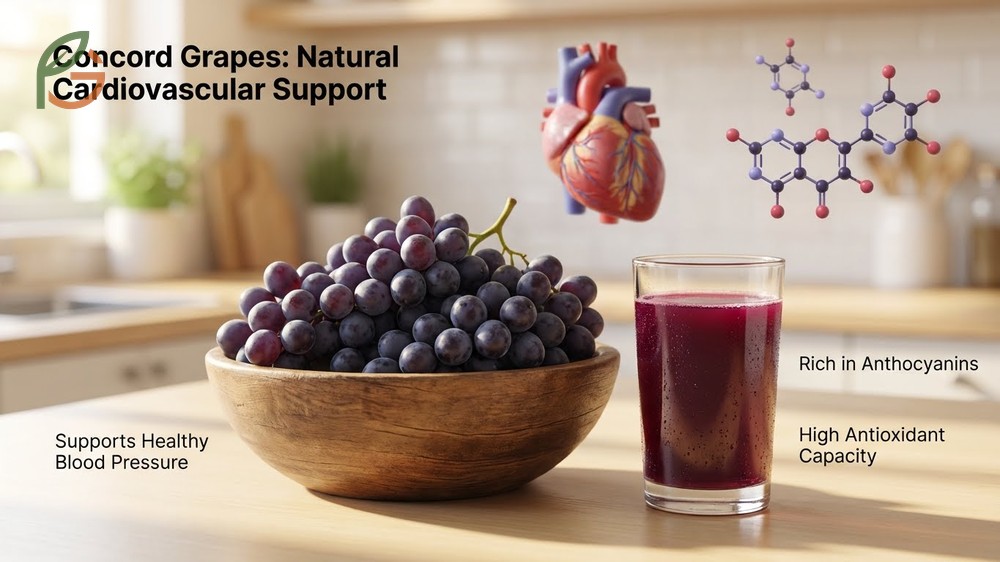
Research shows Concord grapes deliver measurable health advantages through their unique polyphenol profile. These dark purple grapes contain significantly higher concentrations of anthocyanins and other flavonoids compared to regular table grapes[4]. Evidence from multiple clinical trials demonstrates improvements in cardiovascular function, antioxidant capacity, and blood pressure regulation.
Current data indicates that even modest servings of Concord grapes or their juice can shift your daily polyphenol intake into ranges associated with reduced cardiovascular disease risk. A single 237 mL (8 oz) serving provides approximately 105 mg total flavonoids[1], contributing substantially to the recommended daily intake. What sets these grapes apart isn’t just their nutrient density but their specific combination of bioactive compounds that work together synergistically.
Heart Health Benefits of Concord Grapes
Studies demonstrate that Concord grape consumption significantly improves markers of cardiovascular health. Clinical trials show that drinking grape juice at 7-8 mL/kg body weight daily for just 14 days increased flow-mediated dilation (a measure of artery flexibility) by 191% in coronary artery disease patients[1]. This improvement is comparable to benefits seen from weight loss and smoking cessation.
Research across multiple trials reveals dose-response relationships between Concord grape juice intake and heart health markers. The juice increases resistance of LDL cholesterol to oxidation by 27-35%[1], reducing formation of arterial plaque. These effects occur through multiple mechanisms including reduced inflammation, improved nitric oxide production, and enhanced endothelial function.
- Reduces platelet aggregation by up to 77%, lowering blood clot risk
- Improves arterial flexibility and blood flow in people with coronary artery disease
- Decreases systolic blood pressure by 7.2 mmHg and diastolic by 6.2 mmHg in hypertensive individuals
- Lowers nocturnal blood pressure in people with pre-hypertension and Stage 1 hypertension
- Increases serum antioxidant activity and reduces oxidative stress markers
- Protects against smoking-induced vascular damage in otherwise healthy smokers
Concord Grape Polyphenols
Concord grapes contain approximately 260 mg total phenolics per 100 mL of juice[1], making them one of the most polyphenol-dense fruits available. The polyphenol profile includes anthocyanins (31.7 mg per 237 mL serving), flavanols, proanthocyanidins, and phenolic acids. These compounds act as powerful antioxidants that scavenge free radicals and modulate inflammatory pathways.
What makes Concord grape polyphenols particularly effective is their diverse structural variety. Research identifies over 25 different anthocyanins in Concord grape juice alone, each contributing unique bioactive properties. This diversity appears to create synergistic effects that amplify overall antioxidant capacity beyond what individual compounds provide.
Important note: Polyphenol content varies based on growing conditions, harvest timing, and processing methods. Concord grape juice stored at room temperature for extended periods may lose significant flavonoid content, so refrigeration after opening is essential for maintaining bioactive compounds.
Concord Grapes Nutrition Facts
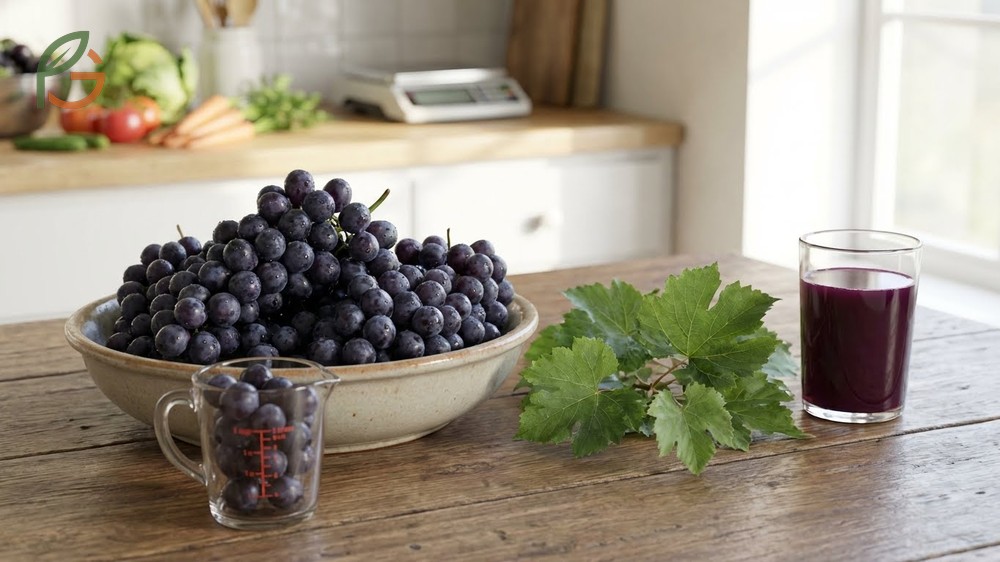
One cup (126g) of fresh Concord grapes delivers a nutrient-dense profile with minimal fat and significant fiber. Current USDA data shows these grapes provide 70-100 calories depending on ripeness and cultivar[2]. The macronutrient breakdown consists almost entirely of carbohydrates (about 16-21g), with the high natural sugar content balanced by 5g dietary fiber (18% Daily Value)[2].
Unlike table grapes, Concord grapes aren’t typically consumed in large quantities fresh because of their thick skins and seeds. Most people consume them as juice, preserves, or in baked goods. This processing doesn’t eliminate nutritional value—100% Concord grape juice retains most polyphenols and vitamins, though fiber content decreases.
Macronutrients and Vitamins
Agricultural data shows Concord grapes deliver more than calories and carbohydrates. One cup provides over 25% of the daily recommended value for Vitamin K and Vitamin C[5]. The 210mg potassium content (4% DV)[2] supports electrolyte balance, while iron content reaches 1mg (8% DV).
The zero-fat, zero-cholesterol profile makes these grapes suitable for heart-healthy diets. Net carbs (total carbs minus fiber) reach about 11-16g per cup, with natural sugars comprising most of this. The presence of both soluble and insoluble fiber helps moderate blood sugar response despite the sugar content.
This table compares key nutritional values per 100 grams between fresh Concord grapes and 100% Concord grape juice, including calories, carbohydrates, fiber, and vitamins
| Nutrient | Fresh Concord Grapes (per 100g) | 100% Grape Juice (per 100mL) |
|---|---|---|
| Calories | 55-70 kcal[2] | 60-65 kcal |
| Total Carbohydrates | 13-16g | 15-17g |
| Dietary Fiber | 4-5g[2] | 0.2g |
| Sugars | 10g | 14-16g |
| Vitamin C | High (>25% DV)[5] | Variable (often fortified) |
| Polyphenols | High | 260mg total[1] |
- Zero fat and zero cholesterol content supports cardiovascular health goals
- High fiber content (18% DV per cup) promotes digestive health and satiety
- Potassium contributes to blood pressure regulation and electrolyte balance
- Vitamin K supports bone health and blood clotting function
- Natural sugars provide quick energy without added sweeteners
Concord Grape Juice Benefits

Studies demonstrate that 100% Concord grape juice delivers cardiovascular benefits comparable to red wine without alcohol-related risks[4]. Clinical trials consistently show that daily consumption of 240-480 mL (8-16 oz) produces measurable improvements in vascular function, blood pressure, and antioxidant status. The key difference from fresh grapes lies in bioavailability—processing breaks down cell walls, potentially increasing polyphenol absorption.
Current guidance shows optimal results occur with consistent daily intake rather than sporadic consumption. Most clinical benefits appear within 2-8 weeks of regular use. The juice works through multiple pathways including nitric oxide production enhancement, reduced inflammatory cytokine levels, and improved endothelial cell function throughout the circulatory system.
Blood Pressure Benefits
Research across multiple trials reveals significant blood pressure reductions in hypertensive individuals consuming Concord grape juice. Korean hypertensive men drinking 5.5 mL/kg body weight daily for 56 days experienced systolic blood pressure decreases of 7.2 mmHg and diastolic decreases of 6.2 mmHg[1]. For a 70kg (154 lb) person, this equals about 385 mL or roughly 13 oz daily.
Evidence suggests these effects stem from improved nitric oxide signaling and reduced arterial stiffness. Patients with pre-hypertension and Stage 1 hypertension showed particular responsiveness, with nocturnal blood pressure improvements appearing most pronounced. The dose-response relationship indicates that even smaller servings of 4-8 oz daily may provide meaningful benefits for those with borderline elevated blood pressure.
Immune System Support
Early research suggests Concord grape juice may enhance immune function through its polyphenol and vitamin C content. Studies show that 100% grape juice fortified with vitamin C increased gamma delta T cells—immune cells that signal the system to respond to threats[4]. While this area remains preliminary and needs more research, the antioxidant capacity of grape polyphenols provides biological plausibility for immune-supportive effects.
Agricultural data shows that the anthocyanins responsible for the deep purple color possess anti-inflammatory properties that may indirectly support immune health. By reducing oxidative stress and inflammatory signaling, these compounds create conditions favorable for optimal immune system function.
Tip: Choose 100% Concord grape juice without added sugars or artificial ingredients to maximize health benefits. Refrigerate after opening and consume within 7-10 days to preserve polyphenol content and prevent fermentation.
Concord Grapes vs Table Grapes
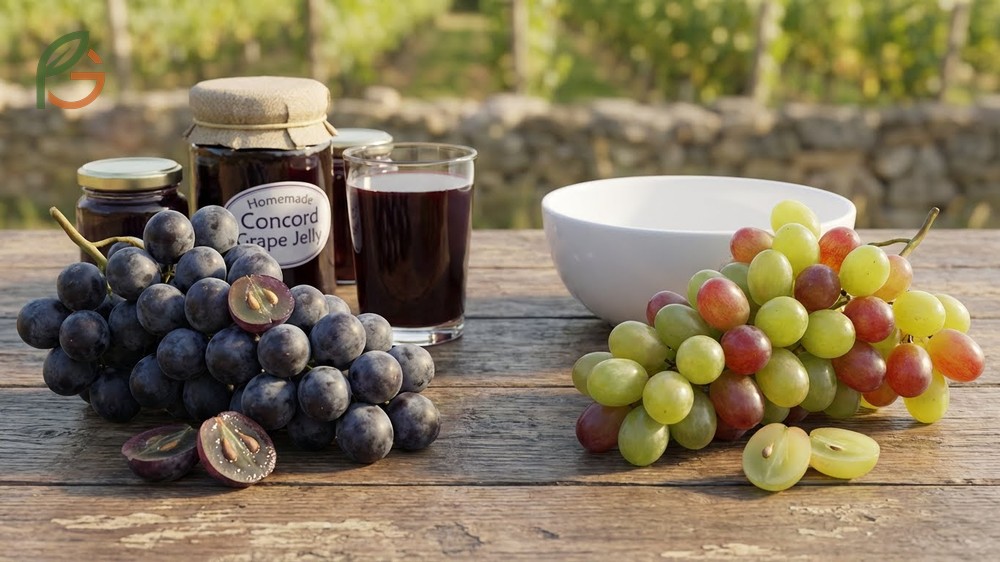
Concord grapes differ fundamentally from regular table grapes in flavor profile, texture, and intended uses. While table grapes feature thin skins, mild sweetness, and seedless convenience for fresh eating, Concord grapes pack intense sweet-tart flavor with thick, chewy skins and large seeds[6]. This rustic texture makes them less appealing for snacking but ideal for processing into juice, jelly, and baked goods.
The robust flavor stems from methyl anthranilate, a compound that creates the distinctive “foxy” or “grapey” taste Concord grapes are famous for. Table grapes lack this compound, resulting in milder, more neutral flavors suitable for fresh consumption. Wine grapes and Concord grapes share similarities—both have thicker skins, higher polyphenol content, and more concentrated flavors than table varieties[7].
From a nutritional standpoint, Concord grapes deliver significantly more polyphenols per gram than most table grape varieties. Their darker pigmentation indicates higher anthocyanin concentrations—the same compounds responsible for cardiovascular benefits. Table grapes prioritize yield and eating quality over polyphenol density, making them nutritionally adequate but not as therapeutically potent.
- Concord grapes have thick, slip-skin texture; table grapes have thin, edible skins that don’t separate easily
- Seeds are large and prominent in Concord varieties; most table grapes are seedless or have tiny vestigial seeds
- Flavor intensity is much higher in Concord grapes due to methyl anthranilate compound
- Concord grapes reach 24-26 Brix (sugar content) vs 17-19 Brix for table grapes
- Primary use for Concord is processing (juice, jelly, wine); table grapes are for fresh eating
- Concord vines produce lower yields but higher-quality fruit for manufactured products
Growing Concord Grapes
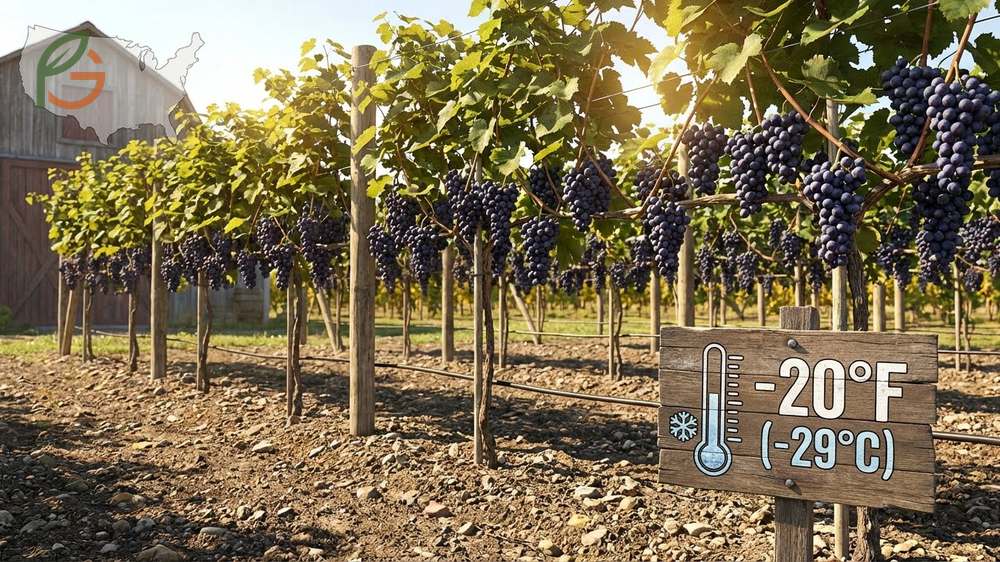
Concord grapes thrive in cold-hardy climates and can withstand temperatures as low as -20°F (-29°C)[8], making them ideal for northern U.S. growing zones 5-8. These American native grapes require full sun exposure (6-8 hours daily), well-draining soil with pH 6.0-7.5, and sturdy trellis support for their vigorous vines. Unlike European wine grapes that struggle in colder regions, Concord varieties were bred specifically for North American conditions.
Successful cultivation requires patience—you shouldn’t harvest during the first two years. Research shows that pinching off fruit clusters in years one and two allows vines to establish stronger root systems, leading to decades of productive harvests[3]. Year three typically yields the first harvest, with mature vines producing 15-30 pounds annually per plant.
Concord Grape Season
Harvest season for Concord grapes runs from late August through September in most U.S. growing regions[3], with exact timing varying by latitude and seasonal weather. You’ll know grapes are ready when they develop deep blue-purple coloring, feel plump to touch, and taste sweet rather than tart. The color change occurs 2-3 weeks before peak ripeness, so taste-testing is more reliable than visual assessment alone.
From bloom to harvest takes approximately 69 days on average in Lake Erie regions, with veraison (color change) occurring about 4-5 weeks before full ripeness[9]. Cool, wet seasons delay ripening while warm, dry conditions accelerate it. Vine stems turning from green to light brown signal approaching harvest time, while dark brown or black stems indicate overripe fruit past optimal picking.
Climate Requirements
Concord grapes require a combination of cold winters, warm summers, and moderate humidity to produce quality fruit. Winter temperatures should drop low enough to induce proper dormancy, while summer heat (ideally below 95°F/35°C) promotes sugar development without stressing vines[8]. Extended periods above this threshold reduce fruit quality and yield.
Site selection matters significantly for cold climate success. Choose locations with full southern or southeastern exposure to maximize spring warming and extend the growing season. Protection from strong cold winds through windbreaks, fences, or buildings helps prevent vine damage and yield reduction. Sandy loam soil with good organic matter content provides optimal drainage—avoid low-lying areas where water pools after rain.
- Hardiness zones 5-8 with cold tolerance to -20°F (-29°C)
- Full sun exposure minimum 6-8 hours daily for sweet flavor development
- Well-draining soil with pH 6.0-7.5, preferably sandy loam texture
- Water deeply but infrequently, providing 1-2 inches weekly during establishment
- Sturdy trellis system to support vigorous vine growth and heavy fruit clusters
- Annual pruning in late winter to maintain productivity and fruit quality
Conclusion
The evidence is clear: benefits of Concord grapes extend far beyond basic nutrition, delivering clinically proven cardiovascular improvements, powerful antioxidant protection, and potential immune system support. Research demonstrates that regular consumption of these polyphenol-rich grapes—whether fresh or as 100% juice—can improve arterial function, reduce blood pressure, and protect against LDL oxidation in ways comparable to other established heart-healthy interventions.
Current agricultural guidance emphasizes choosing 100% juice products without added sugars to maximize therapeutic benefits, while home gardeners in zones 5-8 can successfully cultivate these cold-hardy vines for fresh harvest each September. FruitGarden provides research-based information to help you make informed decisions about incorporating these nutrient-dense fruits into your healthy eating patterns.
Medical Disclaimer
Important Medical Disclaimer: This content is for informational and educational purposes only. It’s not intended as a substitute for professional medical advice, diagnosis, or treatment. Always consult a qualified healthcare professional before making any changes to your diet, medication, or health routine, especially if you have cardiovascular disease, hypertension, diabetes, or other medical conditions. The research discussed here represents findings from specific studies and may not apply equally to all individuals.
Frequently Asked Questions
What are Concord grapes?
Concord grapes are a variety of American native grapes (Vitis labrusca) developed in Concord, Massachusetts in 1849. They’re characterized by deep blue-purple color, thick slip-skins, large seeds, and intense sweet-tart flavor with a distinctive “foxy” taste. Unlike European table grapes, Concord grapes are primarily used for juice, jelly, and processed products rather than fresh eating.
Are Concord grapes good for you?
Yes, research shows Concord grapes are exceptionally good for cardiovascular health. Clinical studies demonstrate they improve arterial flexibility by up to 191%, reduce blood pressure by 7.2/6.2 mmHg in hypertensive patients, and increase LDL oxidation resistance by 35%. Their high polyphenol content—particularly anthocyanins—provides powerful antioxidant protection that supports heart health and may benefit immune function.
How much Concord grape juice should I drink daily for health benefits?
Clinical trials showing cardiovascular benefits used doses ranging from 240-480 mL (8-16 oz) of 100% Concord grape juice daily. Most studies observed significant improvements with approximately 7-8 mL per kg body weight, which equals about 13 oz (385 mL) for a 154 lb person. Start with 8 oz daily and consult your healthcare provider, especially if you have diabetes or take medications, since grape juice contains natural sugars.
When is Concord grape season?
Concord grape season runs from late August through September in most U.S. growing regions, with exact timing varying by latitude and weather conditions. Grapes are ready when they develop deep blue-purple coloring, taste sweet, and feel plump. Harvest on dry mornings using pruning shears to cut whole clusters rather than picking individual berries.
Can you eat Concord grapes raw or are they only for juice?
You can eat Concord grapes fresh, though their thick skins and large seeds make them less convenient than seedless table grapes. Many people use the “slip-skin” technique—squeezing the pulp into their mouth while discarding the skin. Most Concord grapes are processed into juice, jelly, or wine because their intense flavor and texture work better in manufactured products than fresh applications.
What’s the difference between seeded and seedless Concord grapes?
Traditional Concord grapes contain large, prominent seeds, but plant breeders have developed seedless Concord varieties in recent years. Seedless versions maintain similar flavor profiles and polyphenol content while offering easier fresh eating. However, classic seeded Concord grapes remain more common for juice production and home growing, as they’re more established and readily available.
How cold-hardy are Concord grapes for northern climates?
Concord grapes are extremely cold-hardy, tolerating temperatures down to -20°F (-29°C) without winter protection. They’re suitable for USDA hardiness zones 5-8, making them ideal for northern U.S. regions where European wine grapes fail. This cold tolerance combined with their resistance to common grape diseases makes Concord varieties the top choice for home gardeners in cold climates.





