
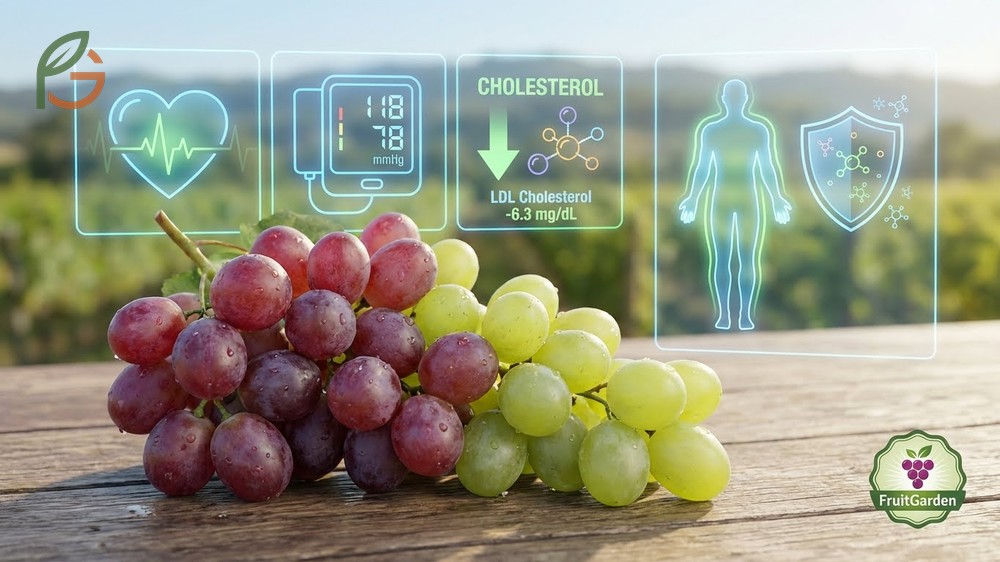
Are grapes good for you? Yes, research shows grapes deliver powerful antioxidants, essential vitamins, and heart-protective compounds that support cardiovascular health, reduce inflammation, and promote overall wellness. Studies demonstrate that regular grape consumption can lower LDL cholesterol by 6.3 mg/dL[1] and reduce systolic blood pressure by 3.40 mmHg[2]. FruitGarden synthesizes current nutritional research and agricultural data to help you understand how grapes fit into a health-conscious lifestyle.
Quick Answer
Are Grapes Good for You

Grapes rank among the most nutrient-dense fruits available, delivering substantial health benefits through their unique combination of vitamins, minerals, and bioactive compounds. Current agricultural data shows grapes provide essential nutrients while remaining low in calories and fat-free[3]. One cup of grapes contains just 62 calories, making them a smart choice for weight management.
The nutritional profile includes 21% of your daily copper needs and 18% of vitamin K requirements[4]. Copper supports energy production and iron metabolism, while vitamin K plays a critical role in blood clotting and bone density. These nutrients work together to support multiple body systems simultaneously.
What sets grapes apart is their polyphenol content, particularly in red and purple varieties. Research demonstrates that grape polyphenols exhibit powerful antioxidant and anti-inflammatory properties[7]. These compounds protect cells from oxidative damage and reduce chronic inflammation linked to heart disease, diabetes, and certain cancers.
Antioxidants in Grapes
Grape skins and seeds contain concentrated levels of flavonoids, anthocyanins, and phenolic acids that neutralize free radicals in the body. Studies show these antioxidants can reduce oxidative stress markers by up to 30% when consumed regularly[8]. The darker the grape, the higher the antioxidant concentration.
Red and purple grapes deliver significantly more anthocyanins than green varieties, with up to three times the antioxidant capacity. These compounds protect LDL cholesterol from oxidation, a key step in preventing arterial plaque formation. Eating a variety of grape colors ensures you get the full spectrum of protective compounds.
Resveratrol Benefits
Resveratrol, found primarily in grape skins, has emerged as one of the most studied plant compounds in nutritional science. This polyphenol demonstrates anti-cancer properties by inducing programmed cell death in tumor cells and inhibiting their spread[9]. Laboratory studies show promising results across breast, prostate, colon, and skin cancer cell lines.
Beyond cancer prevention, resveratrol improves bone mineral density in postmenopausal women when supplemented at 75mg twice daily over two years. The compound also protects brain-derived neurotrophic factor (BDNF) levels, which support memory and cognitive function in stress-related conditions[7].
Important Note: Resveratrol concentration is highest in red and black grapes, particularly in the skins. Eating whole grapes provides better health benefits than grape juice, which lacks fiber and contains concentrated sugars.
Vitamins in Grapes

Grapes deliver a diverse array of B vitamins alongside vitamins C, E, and K that support essential metabolic functions. One cup provides 5% of daily vitamin C needs and 18% of vitamin K requirements[4]. The B vitamin complex in grapes—including thiamine, riboflavin, and B6—facilitates energy production and protein metabolism.
These vitamins function synergistically rather than in isolation. Vitamin C enhances iron absorption from plant sources, while vitamin K works with vitamin D to regulate calcium deposition in bones. The combination makes grapes particularly valuable for individuals seeking comprehensive nutritional support from whole foods.
This table compares vitamin content and daily value percentages across key nutrients in one cup of grapes based on USDA data
| Vitamin | Amount | % Daily Value | Primary Function |
|---|---|---|---|
| Vitamin K | 14.6 mcg[4] | 18% | Blood clotting, bone health |
| Vitamin C | 4 mg[3] | 5% | Immune support, collagen synthesis |
| Copper | 0.13 mg[4] | 21% | Energy production, iron metabolism |
| Manganese | 0.1 mg | 5% | Bone formation, antioxidant function |
Vitamin K and Bone Health
Vitamin K activates proteins that bind calcium to bone matrix, making it indispensable for skeletal strength. Research shows adequate vitamin K intake reduces osteoporosis risk by up to 30% in postmenopausal women. Grapes provide a plant-based source of vitamin K1 (phylloquinone), which the body converts to the active K2 form.
Low vitamin K levels correlate with increased fracture risk and reduced bone mineral density across all age groups. The 18% daily value in one cup of grapes contributes meaningfully to meeting the 90-120 mcg daily requirement for adults.
Vitamin C Immune Support
While grapes aren’t as vitamin C-rich as citrus fruits, their 4mg per cup still supports immune cell function and collagen production. Vitamin C acts as a cofactor for enzymes that synthesize collagen, the structural protein in skin, joints, and blood vessels. This makes grapes a complementary fruit for maintaining connective tissue health.
The vitamin C in grapes also regenerates other antioxidants like vitamin E, creating a protective network against oxidative damage. Most Americans don’t reach the recommended 75-90mg daily vitamin C intake, making every source valuable.
Grapes for Heart Health

Clinical trials consistently demonstrate that grape consumption improves multiple cardiovascular risk factors simultaneously. A meta-analysis of 28 studies involving 1,344 subjects found that grape products significantly reduced systolic blood pressure by 3.40 mmHg and diastolic pressure by 1.69 mmHg[2]. These reductions translate to meaningful decreases in stroke and heart attack risk over time.
Grape polyphenols enhance endothelial function—the ability of blood vessels to dilate and contract properly. Studies show consuming the equivalent of 1.25 cups of fresh grapes daily improved flow-mediated dilation by 15% in healthy men after just 21 days[8]. This improvement in vascular flexibility helps maintain healthy blood pressure and reduces arterial stiffness.
Research also reveals that grapes prevent the damaging effects of high-fat meals on blood flow. When subjects consumed grapes alongside a high-fat meal, the typical reduction in arterial function was completely prevented. This protective effect suggests grapes help mitigate acute oxidative stress from dietary fat.
- Reduces LDL cholesterol oxidation, preventing arterial plaque formation
- Lowers systemic inflammation markers like C-reactive protein
- Improves blood vessel elasticity and endothelial function
- Decreases triglyceride levels in pre- and post-menopausal women
- Protects heart muscle from oxidative damage in hypertension models
Heart Health Tip: Dark-skinned grapes (red, purple, black) contain 2-3 times more heart-protective polyphenols than green varieties. For maximum cardiovascular benefits, choose darker grapes and eat them with the skins intact.
Are Grapes Good for Kidneys
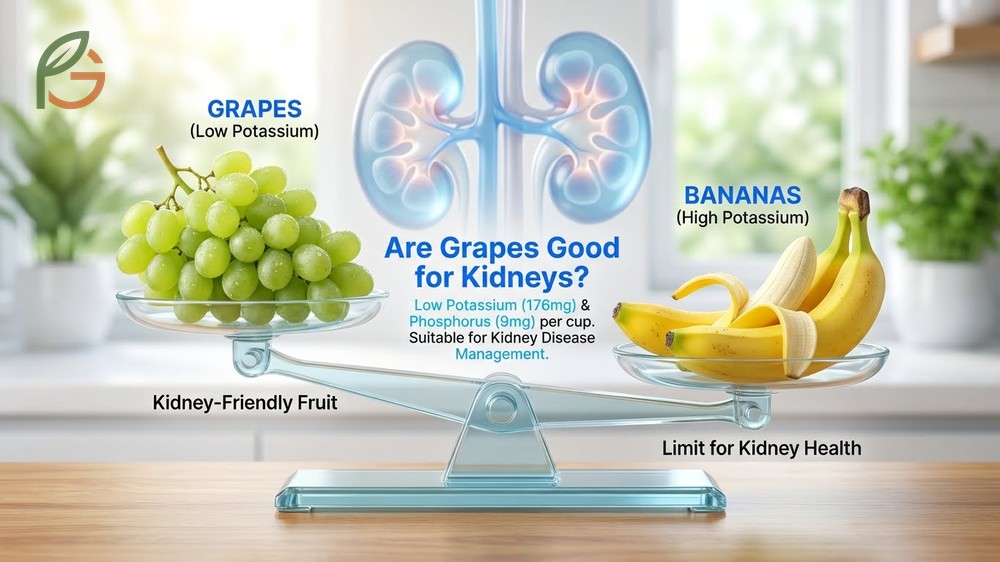
Grapes qualify as a kidney-friendly fruit due to their low potassium and phosphorus content. One cup contains just 176mg of potassium and 9mg of phosphorus[6], making them suitable for individuals managing chronic kidney disease who must limit these minerals. Compare this to bananas, which pack 422mg of potassium per cup.
The National Kidney Foundation lists grapes as a low-potassium fruit option, with 20 average-size grapes providing approximately 190mg of potassium[10]. This allows people with kidney disease to enjoy grapes as a snack without exceeding daily potassium limits typically set at 2,000mg or less.
Beyond mineral content, grapes provide vitamins C and K at levels safe for kidney patients. Research shows grape consumption may even reduce inflammatory markers around the liver and kidneys, potentially supporting renal function[11]. However, individuals on dialysis should still monitor portion sizes and consult their renal dietitian.
- Contain less than 200mg potassium per standard serving, well within low-potassium guidelines
- Provide antioxidants that reduce oxidative stress on kidney tissue
- Require no preparation, making them convenient for restricted diets
- Offer natural sweetness without added sugars or sodium
- Can replace higher-potassium fruits like oranges, bananas, and melons
Grapes Water Content
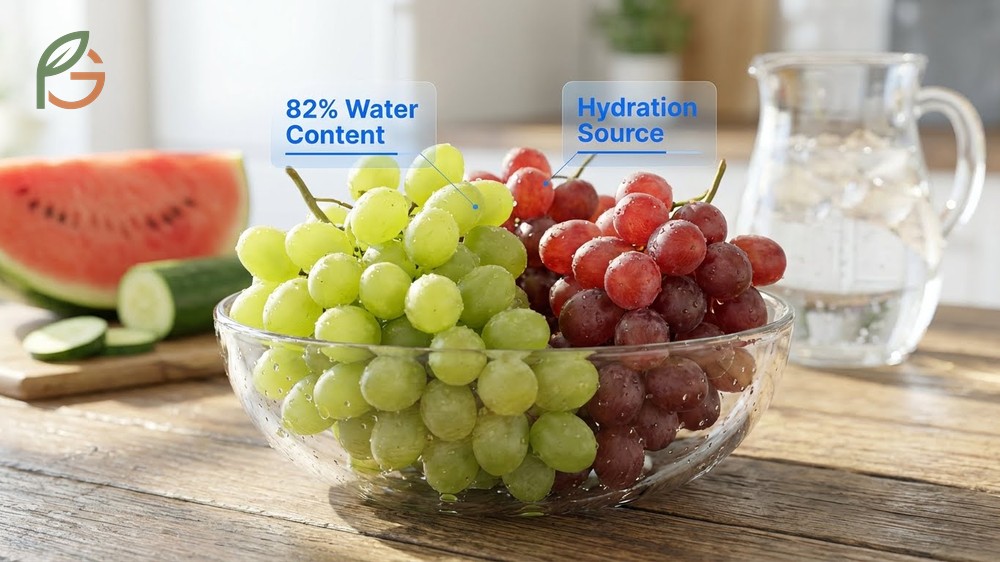
Fresh grapes consist of approximately 82% water by weight, rivaling watermelon and cucumber for hydration potential[5]. This high water content explains their juicy texture and makes them an effective hydration food, especially during hot weather or after physical activity. The body absorbs water from fruits and vegetables as readily as from beverages.
Water-rich foods like grapes offer advantages over plain water alone. They deliver hydration alongside electrolytes, natural sugars for quick energy, and fiber that slows digestion. One cup of grapes provides both fluid and 191mg of potassium, supporting proper fluid balance and muscle function[12].
Frozen grapes become a refreshing hydrating snack that many find more appealing than ice water on summer days. Freezing doesn’t reduce water content, and the cold temperature slows consumption, helping you stay hydrated longer. Athletes often use frozen grapes as a recovery snack that combines hydration with natural carbohydrates to replenish glycogen stores.
Are Grapes Good for Cholesterol

Grape consumption produces clinically meaningful reductions in LDL cholesterol and oxidized LDL levels, two primary risk factors for atherosclerosis. A comprehensive meta-analysis examining 19 randomized controlled trials found that grape products reduced LDL cholesterol by 6.3 mg/dL compared to placebo[1]. The effect appeared most pronounced with whole grape products rather than extracts.
The cholesterol-lowering mechanism involves multiple pathways. Grapes reduce lathosterol, a precursor molecule required for cholesterol synthesis in the liver. They also decrease 27-hydroxycholesterol, an oxidation product that promotes arterial plaque development[8].
Recent clinical trials show grape consumption significantly reduces bile acids, which play an integral role in cholesterol metabolism. This suggests grapes may interrupt the enterohepatic circulation of cholesterol, reducing its reabsorption from the digestive tract[13]. The effect occurs with daily intake of approximately 1.25 cups of fresh grapes over 4-8 weeks.
- Reduce LDL cholesterol production by inhibiting HMG-CoA reductase enzyme activity
- Prevent LDL oxidation, the critical step in forming arterial plaque
- Lower apolipoprotein B levels, the protein component of harmful cholesterol particles
- Increase beneficial HDL cholesterol in some studies
- Reduce inflammation that makes LDL particles more atherogenic
- Improve gut microbiome diversity, which influences cholesterol metabolism
| Measure | Fresh Grapes (1 cup) | Raisins (1 cup) |
|---|---|---|
| Calories | 62 kcal[3] | 493 kcal |
| Polyphenols | High (water-preserved) | Concentrated (3-4x by weight) |
| Sugar Content | 15g natural sugars | 98g natural sugars |
| Cholesterol Effect | Reduces LDL 6.3 mg/dL[1] | Similar benefits, harder to control portions |
Conclusion
The evidence is clear: grapes are good for you and deserve a place in any health-conscious diet. Research demonstrates they reduce LDL cholesterol, lower blood pressure, support kidney function, and deliver essential vitamins through a naturally low-calorie, water-rich package. Current nutritional guidance emphasizes whole fruits like grapes for cardiovascular protection and inflammation reduction.
Whether you choose red, green, or black varieties, eating 1-2 cups of grapes daily provides measurable health benefits backed by clinical trials. FruitGarden recommends selecting darker grapes when possible for maximum antioxidant content, and eating them fresh rather than as juice to retain the fiber that slows sugar absorption and supports digestive health.
Medical Disclaimer
Important Medical Disclaimer: This content is for informational and educational purposes only. It is not intended as a substitute for professional medical advice, diagnosis, or treatment. Always consult a qualified healthcare professional or registered dietitian before making any changes to your diet, especially if you have diabetes, kidney disease, are taking blood-thinning medications, or have other medical conditions. Individual nutritional needs vary based on age, health status, and medications.
Frequently Asked Questions
Are Grapes Healthy for You to Eat Every Day?
Yes, eating grapes daily is healthy for most people. Studies show consuming 1-2 cups daily reduces LDL cholesterol, lowers blood pressure, and provides antioxidants without adverse effects. However, individuals with diabetes should monitor portions due to natural sugar content (15g per cup), and those on blood thinners should consult their doctor since grapes contain vitamin K.
Are Red Grapes Healthy Compared to Green Grapes?
Red and purple grapes contain 2-3 times more antioxidants than green grapes due to higher anthocyanin and resveratrol concentrations in darker skins. Research shows red grapes provide superior heart health benefits and anti-inflammatory effects. However, green grapes still deliver essential vitamins, hydration, and low-calorie nutrition, making all grape colors beneficial choices.
Are Grapes High in Potassium?
No, grapes are considered low-potassium fruits with just 176-190mg per cup. The National Kidney Foundation lists grapes as kidney-friendly options suitable for low-potassium diets. This makes grapes an excellent alternative to high-potassium fruits like bananas (422mg per cup) or oranges (333mg per cup) for people managing chronic kidney disease.
Are Grapes Good for High Blood Pressure?
Yes, clinical trials demonstrate grapes significantly reduce blood pressure. A meta-analysis found grape consumption lowered systolic blood pressure by 3.40 mmHg and diastolic pressure by 1.69 mmHg. The effect comes from grape polyphenols that improve endothelial function and help blood vessels dilate properly. People with metabolic syndrome showed the greatest blood pressure reductions.
Are Grapes a Healthy Snack for Weight Loss?
Grapes make an excellent weight loss snack at just 62 calories per cup with zero fat and 82% water content. Their natural sweetness satisfies sugar cravings while providing fiber that promotes satiety. Frozen grapes work particularly well as they take longer to eat, helping with portion control. Pair grapes with protein like cheese or nuts for sustained energy between meals.
Are White Grapes Good for You?
White (green) grapes offer similar nutritional benefits to darker varieties, providing vitamin K, copper, vitamin C, and hydration. While they contain fewer anthocyanins and less resveratrol than red grapes, they still deliver antioxidants and support heart health. Green grapes work well for people who prefer milder flavor and are equally kidney-friendly with low potassium content.
Do Grapes Have Nutritional Value Beyond Sugar?
Absolutely. While grapes contain 15g of natural sugars per cup, they also provide 18% daily vitamin K, 21% copper, 5% vitamin C, and powerful antioxidants like resveratrol. The fiber content (1g per cup) slows sugar absorption, preventing blood sugar spikes. Grapes also deliver 82% water, making them far more nutritious than processed sweets with similar sugar content but no vitamins or hydration benefits.





