
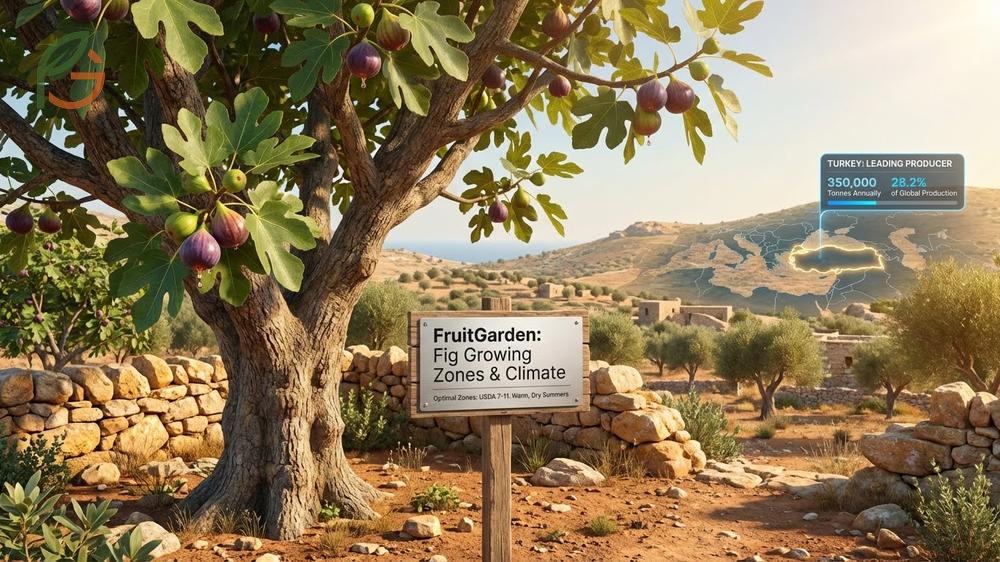
Where do figs grow? Figs flourish in USDA hardiness zones 7-11, thriving in Mediterranean-style climates with warm, dry summers and mild winters[1]. Research shows Turkey produces 350,000 tonnes annually—28.2% of global production[2]. FruitGarden brings you evidence-based insights on where these ancient fruits thrive and how you can grow them successfully in your region.
Quick Answer
- Figs grow best in USDA zones 7-11[1], with hardy varieties surviving zone 6
- Native to the Mediterranean region, specifically Syria and Anatolia (modern Turkey)[3]
- Tolerate temperatures from 10-15°F (–12 to –9°C)[4], with some varieties handling colder
- Require only 100-200 chill hours[5]—less than most fruit trees
Where Do Figs Grow
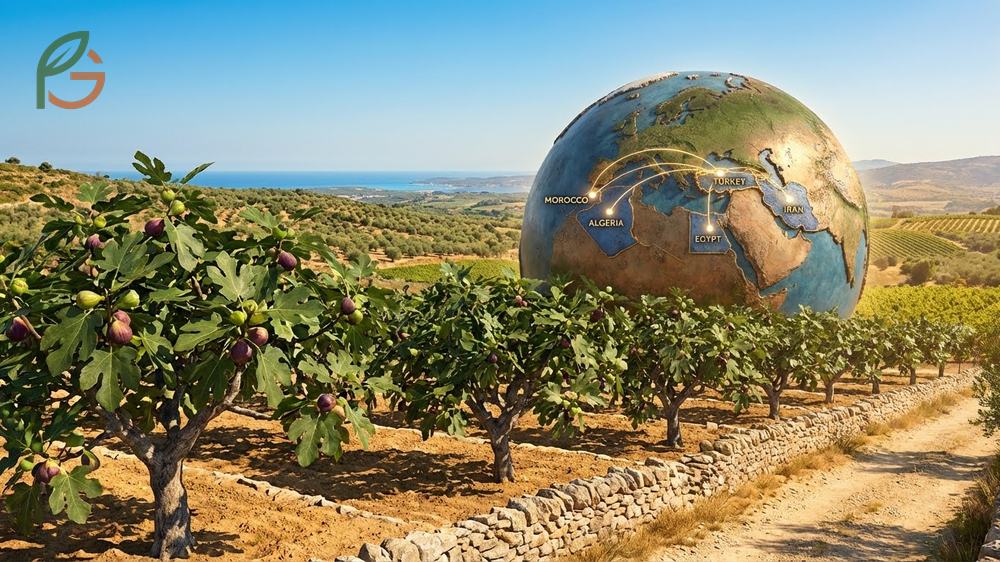
Figs originated in the eastern Mediterranean and western Asia, where wild trees still flourish today. Current agricultural data shows these ancient fruits now grow commercially across 51 countries worldwide[2]. The trees prefer Mediterranean-type climates—places with hot, dry summers and cool, wet winters.
Most fig cultivation occurs between 30° and 45° latitude in both hemispheres. You’ll find major commercial orchards in Turkey, Egypt, Morocco, Algeria, and Iran in the Old World. In the Americas, California’s Central Valley produces the bulk of U.S. figs, while smaller operations exist in Texas, Florida, and the Pacific Northwest.
Unlike many fruit trees, figs don’t need a specific pollinator or particular soil type. They adapt remarkably well to different environments. What matters most is warmth during the growing season and protection from extreme cold in winter.
From My Experience: My cousin in Guadalajara, Mexico planted a Black Mission fig in March 2023. The tree adapted quickly to the high-altitude climate, producing its first crop within 18 months—faster than the typical 2-3 year timeline.
Native Habitat of Figs
Research identifies Syria and Anatolia (modern-day Turkey) as the natural habitat where fig trees first evolved[3]. Archaeological evidence from Egyptian sites dates fig cultivation back to 2,500 BC. From these origins, ancient traders spread figs throughout the Mediterranean basin, then to North Africa, Spain, and eventually the Americas.
Wild fig trees still grow naturally in rocky, limestone-rich soils across the eastern Mediterranean. These plants thrive in areas with mild winters and rainy springs. You’ll spot them along hillsides, in canyons, and near water sources where their deep roots access moisture during dry summers.
Top Fig Producing Countries
Turkey dominates global fig production with 350,000 tonnes in 2022[2]. Egypt ranks second at 299,450 tonnes, followed by Algeria at 116,143 tonnes. These top three countries account for 52.3% of worldwide production. Morocco, Iran, and Spain round out the major producers.
In the United States, California produces 27,961 tonnes annually[2]. The state’s 9,000+ acres of fig orchards concentrate in Madera, Fresno, and Merced counties. Total global fig production reached 1,242,449 tonnes in 2022, representing a 14.9% increase over the previous decade.
This table compares annual fig production in tonnes for the top seven producing countries in 2022
| Country | Production (Tonnes) | % of World Total |
|---|---|---|
| Turkey | 350,000[2] | 28.2% |
| Egypt | 299,450[2] | 24.1% |
| Algeria | 116,143[2] | 9.3% |
| Morocco | 144,246[2] | 11.6% |
| Iran | 85,246[2] | 6.9% |
Fig Tree Hardiness Zones
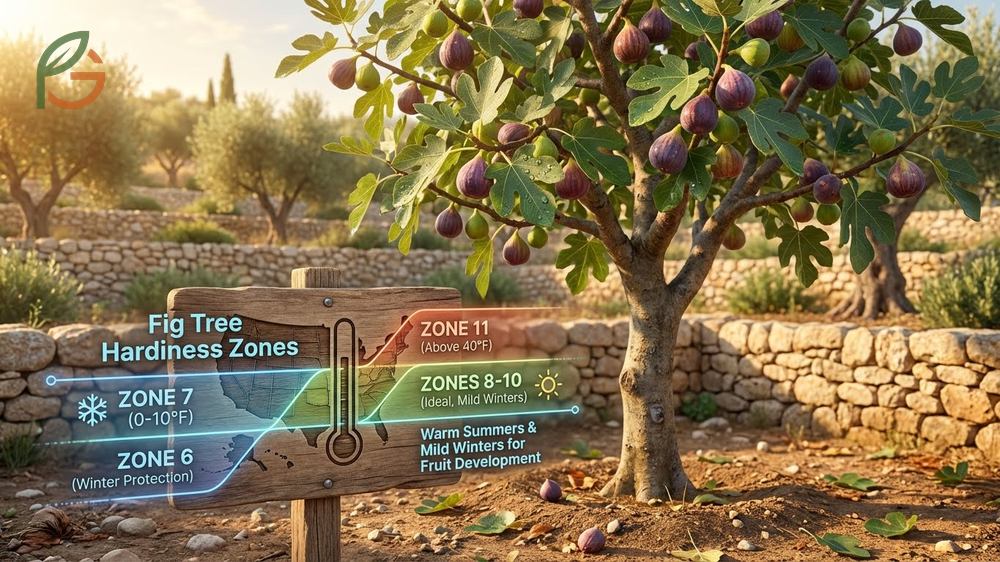
Fig trees grow successfully in USDA hardiness zones 7-11, though some hardy cultivars survive in zone 6 with winter protection[1]. The zone system indicates minimum winter temperatures a plant can tolerate. Zone 7 experiences lows of 0-10°F (–18 to –12°C), while zone 11 rarely drops below 40°F (4°C).
Most varieties thrive without protection in zones 8-10. These regions provide the warm summers figs need for fruit development plus mild enough winters that roots survive. Southern and coastal areas of the U.S. fall into this sweet spot—think Georgia, Louisiana, Texas, Arizona, and California.
Your success depends on both average winter lows and temperature extremes. A zone 7 garden that hits 5°F (–15°C) once every five years poses less risk than one that drops to 0°F (–18°C) annually. Microclimates matter too—south-facing walls, urban heat islands, and protected courtyards can effectively shift your growing zone warmer.
Zones 7-11: Optimal Conditions
Zones 8-10 represent optimal fig-growing territory across the southern United States. These areas provide 180-300 frost-free days, giving figs ample time to ripen both breba (early) and main crops. Summer highs consistently reach 85-95°F (29-35°C)—perfect for sugar development in the fruit.
In zone 7, you can grow figs successfully with variety selection and siting. Choose cold-hardy types like Chicago Hardy, Celeste, or Brown Turkey. Plant near south-facing walls that radiate heat and shelter trees from northern winds. Mulch heavily around the root zone before winter to insulate against temperature swings.
Growing Figs in Zone 6
Zone 6 gardeners face minimum temperatures of –10 to 0°F (–23 to –18°C). Most fig varieties can’t survive these conditions without protection. The Chicago Hardy cultivar tolerates down to –10°F (–23°C) when properly hardened off, making it the go-to choice for colder regions.
Protection methods extend your range. The “trench method” works well: plant figs at an angle, then bend the entire tree into a shallow trench and cover it with soil and mulch for winter. Some growers wrap trees in burlap with insulation. Either approach requires dedication but makes fig growing possible where it shouldn’t work.
Important Note: Even when the above-ground portion dies back, fig roots often survive in zone 6. The tree will regrow from the roots the following spring, though you’ll lose that year’s breba crop.
Growing Figs in Containers Zone 5
Container growing solves the cold problem in zones 5 and colder. Use pots of at least 15-20 gallons for mature trees[6]. Grow figs outdoors during the warm season, then move them to an unheated garage, basement, or shed when temperatures drop below 15°F (–9°C).
Dormant figs need temperatures between 15-50°F (–9 to 10°C) for healthy winter rest. They don’t require light during dormancy. Check soil moisture monthly and water lightly if the root ball dries out. This method works anywhere—I know gardeners in Minnesota and Maine producing excellent figs this way.
My neighbor in Querétaro, Mexico tried overwintering three potted figs in an unheated shed in 2024. Two remained dormant successfully, while one broke dormancy too early when temperatures warmed in late February—demonstrating why consistent cool temperatures matter.
Climate for Fig Trees
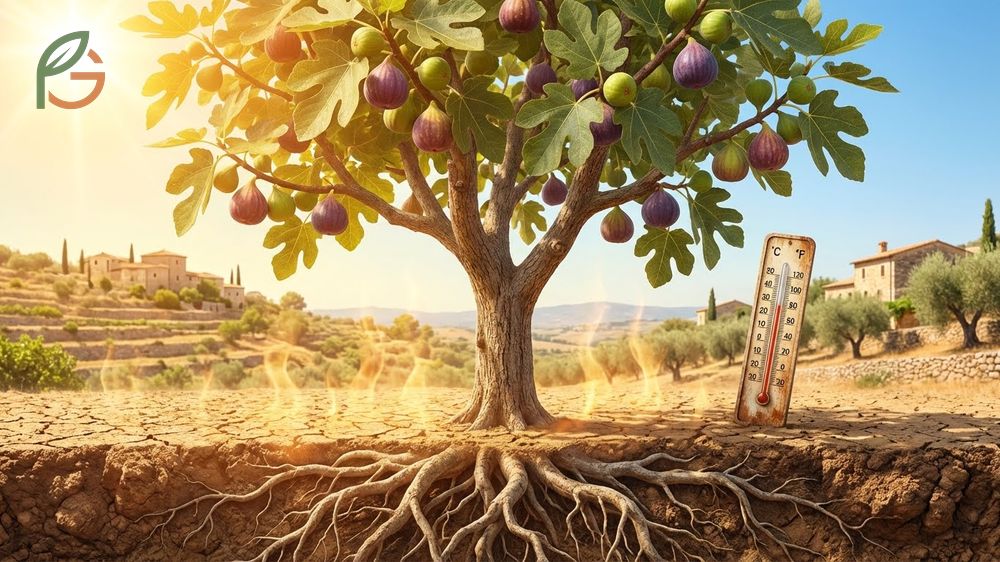
Figs perform best in Mediterranean climates characterized by hot, dry summers and cool, wet winters. They need warmth and sunshine during the growing season—at least 180 frost-free days for reliable main crop production. Summer temperatures of 85-100°F (29-38°C) don’t stress these trees; they actually enhance fruit quality and sugar content.
Unlike many fruits, figs tolerate drought once established. Their extensive root systems reach deep for water. Rainfall of 15-30 inches annually suffices if it comes during the dormant season. Summer rain can actually cause problems—excessive moisture during ripening leads to fruit split and fermentation.
Humidity presents challenges in some regions. Figs evolved in relatively dry Mediterranean air. In humid climates like Florida or the Southeast, choose varieties bred for moisture tolerance. Good air circulation and proper spacing help prevent fungal issues that plague figs in damp conditions.
Temperature Requirements
Research shows most fig varieties tolerate temperatures down to 10-15°F (–12 to –9°C) once properly hardened off[4]. Below 10°F (–12°C), you risk losing branches and stems. At 0°F (–18°C), many varieties die back to the ground—though roots often survive and resprout.
On the hot end, figs handle temperatures up to 130°F (54°C) for short periods. Sustained heat above 100°F (38°C) can cause fruit to spoil on the tree, especially varieties with thin skins. In desert climates like Arizona’s low desert, provide afternoon shade or choose heat-tolerant cultivars.
- Active growth begins when soil temperatures reach 60°F (16°C) in spring
- Fruit set and development require daytime highs of 75-85°F (24-29°C)
- Ripening accelerates between 85-95°F (29-35°C)
- Trees enter dormancy after experiencing 2-3 hard frosts below 28°F (–2°C)
- Damage to wood and buds occurs below 5°F (–15°C) for most varieties
- Winter protection becomes critical when temperatures drop below 15°F (–9°C)
Fig Tree Chill Hours
Figs require 100-200 chill hours between 32-45°F (0-7°C) to break dormancy properly[5]. This ranks as remarkably low compared to apples (800-1,000 hours), peaches (600-900 hours), or cherries (1,000+ hours). The low requirement makes figs suitable for warm-winter regions where other fruit trees won’t fruit reliably.
Chill hours accumulate when temperatures stay in that 32-45°F (0-7°C) range. A typical winter night at 38°F (3°C) for 10 hours adds 10 chill hours to your total. Most fig varieties aren’t particularly fussy—they’ll break dormancy and fruit even with insufficient chilling, though timing may be delayed.
Tip for Warm Climates: In areas with mild winters (southern California, Florida, south Texas), choose low-chill fig varieties like Desert King or Kadota. These types fruit reliably even with fewer than 100 chill hours.
Best Areas to Grow Figs in California
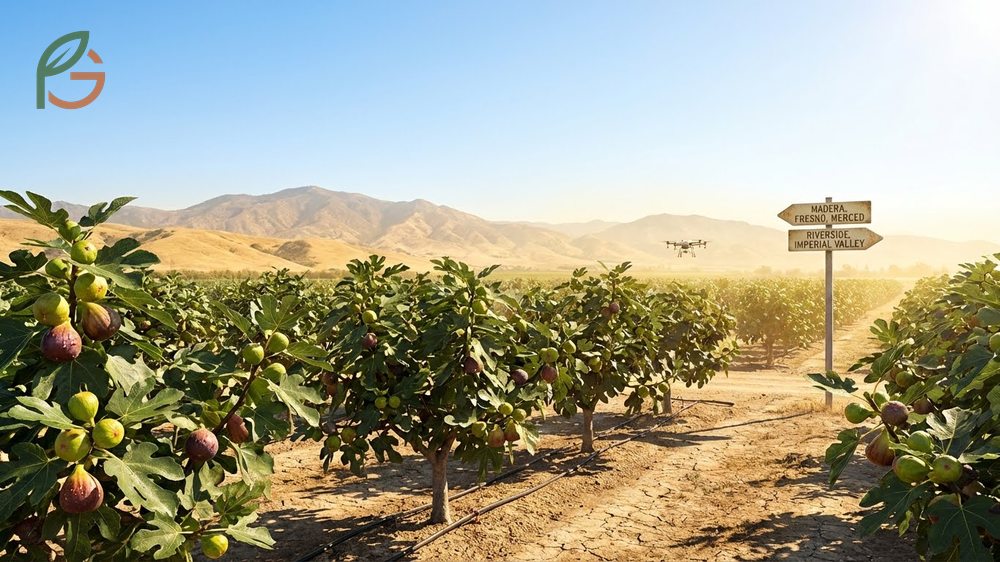
California’s Central Valley provides ideal fig-growing conditions. The majority of the state’s 9,000+ acres concentrate near Madera, Fresno, and Merced[7]. These inland valleys deliver the hot, dry summers figs need—regularly hitting 95-105°F (35-41°C) in July and August—plus cool enough winters for proper dormancy.
Riverside and the Imperial Valley also support commercial fig production. Both areas offer long growing seasons (250+ frost-free days) and minimal summer rainfall. The coastal regions where figs were initially planted proved less ideal. Marine fog and cooler summer temperatures slow ripening and increase disease pressure.
For home gardeners, nearly all of California works for figs. Coastal areas from San Diego to Santa Barbara grow figs successfully, though you’ll want varieties that ripen in moderate heat. Inland valleys and the Sacramento region excel with any variety. Even higher elevations up to 3,000 feet can grow cold-hardy types if you choose your site carefully.
- Central Valley (Madera, Fresno, Merced): Commercial production hub with optimal heat
- Riverside County: Long season, low humidity, excellent for fresh and dried figs
- Imperial Valley: Desert conditions suit drought-tolerant varieties
- Sacramento Valley: Good balance of heat and chill for most varieties
- San Joaquin Valley: Similar to Central Valley, major growing area
- Bay Area: Works for cooler-climate varieties like Adriatic and Kadota
- Southern California inland valleys: Excellent for home orchards
When I visited my friend in Oaxaca, Mexico in summer 2023, his fig tree near the California border exhibited similar growing patterns to Central Valley trees—both regions share that Mediterranean-type climate with intense summer heat and winter rainfall that figs love.
Fig Tree Soil Requirements
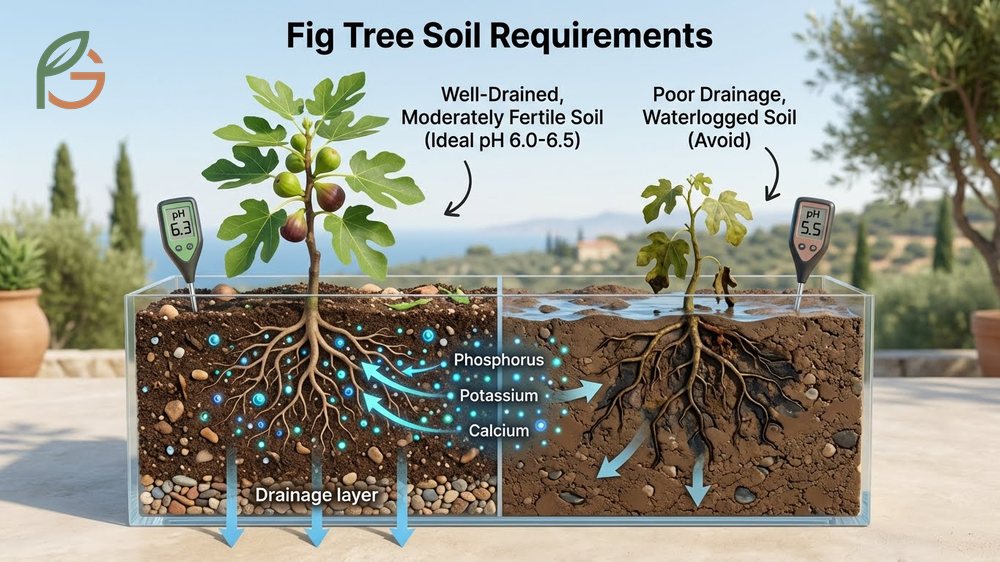
Figs adapt to a wide range of soils but perform best in well-drained, moderately fertile ground. The ideal pH ranges from 6.0-7.5[8], with 6.0-6.5 considered optimal. This slightly acidic to neutral range maximizes nutrient availability—especially phosphorus, potassium, and calcium that figs need for strong growth and fruit production.
Drainage matters more than fertility. Figs tolerate poor, rocky soils but won’t survive in waterlogged ground. Their roots need oxygen and rot quickly in saturated conditions. If you’re dealing with heavy clay, amend with compost and plant on mounds or berms to improve drainage.
Soil testing reveals your starting point. If pH drops below 6.0, apply dolomitic limestone at 2-5 pounds per 100 square feet depending on soil type. Sandy soils need less amendment than clay. For alkaline soils above 7.5, sulfur lowers pH gradually—work it into the top 6-8 inches of soil several months before planting.
- Texture: Loamy soils work best, but figs grow in sand, clay, or rocky ground
- Drainage: Must drain within 24 hours after heavy rain or irrigation
- Organic matter: 3-5% content supports beneficial microbes and moisture retention
- Depth: At least 2-3 feet of workable soil for healthy root development
- Salinity: Figs tolerate moderate salt levels better than most fruit trees
Container Growing Tip: Use a well-draining potting mix with perlite or pumice added. Standard potting soil often holds too much moisture for figs, leading to root rot. A 70/30 mix of quality potting soil and drainage material works well.
Are Fig Trees Deciduous
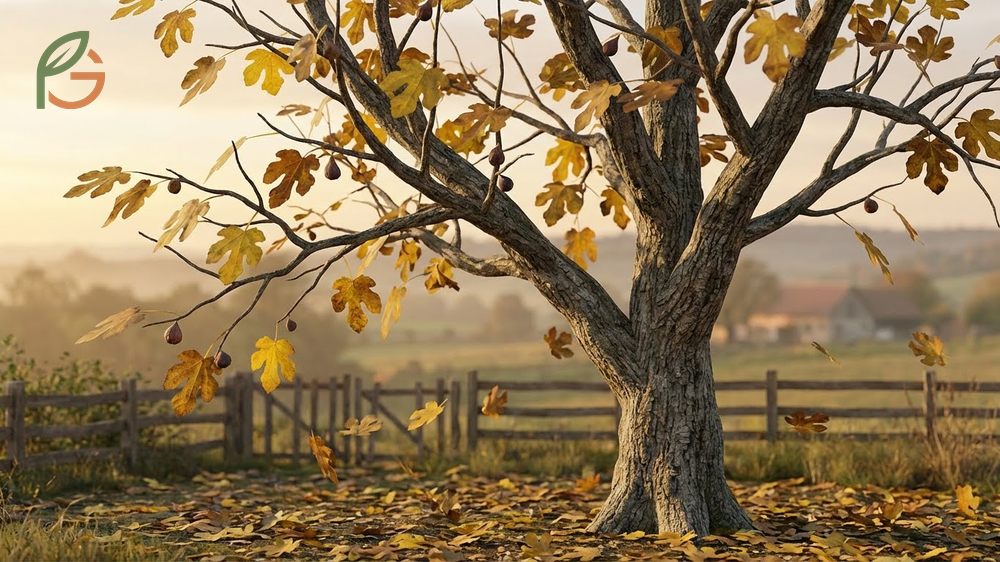
Yes, fig trees are deciduous—they drop their leaves in fall and enter dormancy for winter. This natural cycle is essential for tree health and next year’s fruit production. As temperatures cool and day length shortens in autumn, figs stop growing actively and begin preparing for dormancy.
You’ll notice leaves yellowing and dropping after 2-3 hard frosts below 28°F (–2°C). This signals the tree has fully entered dormancy. Sap flow slows to nearly nothing, and the tree can withstand much colder temperatures than it could while actively growing. The dormant period typically lasts 3-5 months depending on your climate.
Don’t fight this natural process. Some new growers try keeping figs growing year-round indoors or in greenhouses. This exhausts the tree and reduces fruit production. Figs need that winter rest period. Even in subtropical climates where frost doesn’t occur, figs still drop leaves and slow growth during cooler months.
When spring temperatures warm and soil reaches 60°F (16°C), dormant buds swell and new growth emerges. The first flush of leaves appears in March or April depending on your location. Shortly after, you’ll see small breba figs developing on last year’s wood, followed by main crop figs on current-season growth.
- October-November: Growth slows, leaves begin yellowing as chlorophyll breaks down
- November-December: Leaf drop accelerates after frost exposure
- December-February: Full dormancy, trees withstand coldest temperatures
- March: Dormancy breaks when chill hours are satisfied and warmth returns
- April: Active growth resumes with new leaves and fruit development
Conclusion
The evidence is clear: figs grow successfully across USDA zones 7-11, with container culture extending their range into colder areas. These adaptable trees thrive in Mediterranean climates but adjust to diverse conditions from California’s Central Valley to Texas, Florida, and even protected locations in zone 6. Turkey’s dominance in production—350,000 tonnes annually—reflects the tree’s Mediterranean origins, yet home gardeners worldwide grow excellent figs with proper variety selection and winter protection when needed.
Current guidance emphasizes matching variety to climate rather than abandoning fig growing in less-than-ideal zones. FruitGarden aggregates regional growing data and variety performance to help you select types that’ll succeed in your specific location—whether you’re working with California heat, southeastern humidity, or northern cold.
Frequently Asked Questions
Can I grow a fig tree on Long Island, NY?
Yes, you can grow figs on Long Island (zone 7a-7b) using cold-hardy varieties like Chicago Hardy or Celeste. Plant in a protected location near a south-facing wall, or grow in containers that you move to an unheated garage for winter. Many Long Island gardeners successfully use the trench method—burying trees under soil and mulch each November.
When should I plant a fig tree?
Plant fig trees in early spring (March-April) after the last frost date in your area. This timing gives roots the entire growing season to establish before winter. In mild climates (zones 9-11), you can also plant in fall (October-November). Avoid planting during summer heat or when the ground is frozen.
What’s the coldest temperature a fig tree can survive?
Most fig varieties survive temperatures down to 10-15°F (–12 to –9°C) when properly hardened off. Extra-hardy types like Chicago Hardy tolerate –10°F (–23°C). Below these thresholds, above-ground portions die back, though roots often survive and resprout. Sustained temperatures below 5°F (–15°C) kill most fig varieties entirely.
Can figs grow in tropical climates?
Figs can grow in tropical climates but often produce less fruit than in Mediterranean climates. They prefer dry conditions during ripening—tropical humidity increases disease pressure and fruit split. Choose varieties bred for humid conditions and ensure excellent air circulation. The low chill requirement (100-200 hours) means figs don’t need cold winters to fruit in the tropics.
How do I grow figs in Texas?
Texas offers excellent fig-growing conditions in zones 8-9. Choose varieties like Celeste, Texas Everbearing, or Brown Turkey that handle heat and humidity. Plant in well-draining soil with afternoon shade in the hottest regions. Central and East Texas provide ideal conditions, while North Texas may need winter protection. Water deeply but infrequently once established.
What happens to fig trees in winter?
Fig trees drop their leaves and enter dormancy after experiencing frost. This deciduous rest period lasts 3-5 months depending on climate. The tree stops growing, sap flow ceases, and it can withstand much colder temperatures than during active growth. Dormancy is essential for tree health and next year’s fruit production.
Can you grow fig trees in Florida?
Yes, figs grow well in Florida, particularly in North and Central Florida (zones 8-9). Choose varieties bred for humidity tolerance like Celeste, Brown Turkey, or Jelly. South Florida’s tropical climate (zones 10-11) presents challenges with excessive rain during ripening, but container growing with movable rain protection helps. Good drainage and air circulation are critical in Florida’s humid conditions.





