

Nutritional value of figs makes them a nutrient-dense fruit choice for health-conscious gardeners and fruit enthusiasts. Research shows that fresh figs deliver 74 calories per 100g serving with significant amounts of dietary fiber, copper, and vitamin B6[1]. FruitGarden provides evidence-based information to help you understand fig nutrition and maximize the health benefits from your homegrown harvest.
Quick Answer
- One medium fresh fig contains approximately 37 calories, 9.6g carbs, and 1g fiber[1]
- Fresh figs provide 3% daily value of copper and vitamin B6 per small fig[1]
- Figs contain a glycemic index of 61, ranking as moderate on the GI scale[2]
- Three medium fresh figs deliver approximately 4g dietary fiber, supporting digestive health[3]
Nutritional Value of Figs
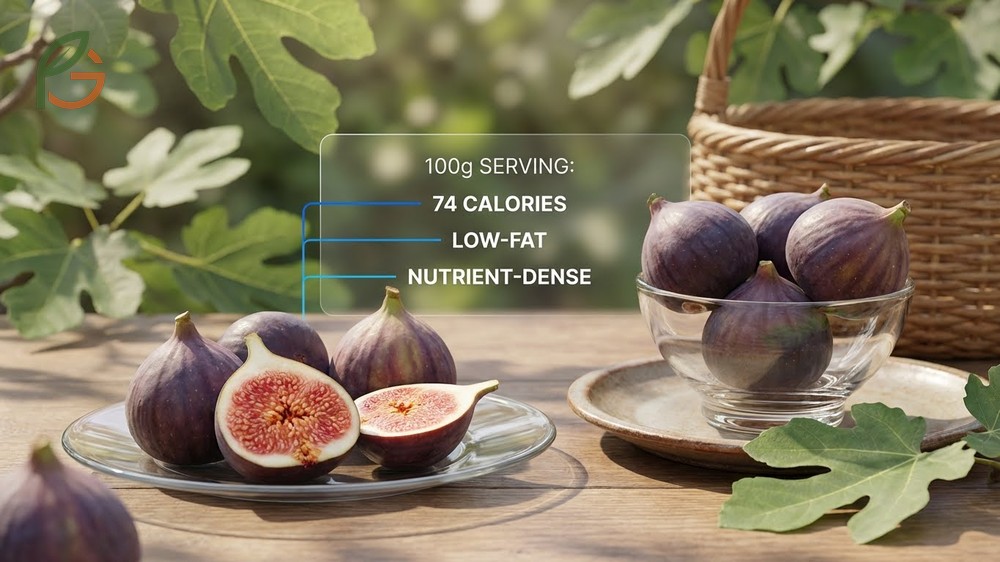
Fresh figs rank among the most nutrient-dense fruits you can grow in your garden. Studies demonstrate that a 100g serving of fresh figs provides 74 calories, making them a relatively low-calorie fruit option[1]. The fruit’s nutritional profile includes essential macronutrients and micronutrients that support overall health.
Research shows figs contain minimal fat (less than 0.5g per serving) and moderate protein content[3]. The majority of calories come from natural carbohydrates, primarily in the form of simple sugars and dietary fiber. This combination provides quick energy while supporting digestive function.
Current data indicates that fig nutrition varies based on ripeness and variety. Mission figs and Calimyrna figs show slight differences in nutrient composition, though both deliver comparable health benefits when fully ripe.
Calories in Fig Fruit
One medium fresh fig (approximately 50g) contains 37 calories[1]. This makes figs an excellent snack choice for weight management. A small fig (about 40g) provides just 30 calories, while larger specimens can contain 50-60 calories each.
Evidence suggests that eating 2-3 fresh figs as a snack delivers approximately 90-110 calories total. This positions figs as a satisfying yet calorie-conscious option compared to processed snacks. The natural sweetness helps curb sugar cravings without excessive caloric intake.
Carbs in Figs
Fresh figs contain approximately 19g of carbohydrates per 100g serving[1]. A medium fig provides about 9.6g of total carbs. Most of these carbohydrates come from natural fruit sugars, with dietary fiber comprising a significant portion.
The net carb content (total carbs minus fiber) sits around 16.3g per 100g for fresh figs. This calculation matters for individuals monitoring their carbohydrate intake. Unlike processed foods, fig carbohydrates include valuable nutrients and fiber that slow sugar absorption.
Important note: Fresh figs contain significantly fewer carbs than dried figs. Drying concentrates sugars 3-5 times, substantially increasing the carbohydrate density per serving.
Protein in Figs
Fresh figs provide minimal protein, with approximately 0.75g per 100g serving[3]. A single medium fig contains less than 0.5g of protein. While not a significant protein source, figs complement protein-rich foods in balanced meals.
Agricultural data shows that combining figs with nuts, cheese, or yogurt creates a more complete nutritional profile. This pairing strategy enhances satiety and provides complementary amino acids. Fig orchardists often recommend this approach for optimal nutrition from homegrown harvests.
Vitamins in Fresh Figs
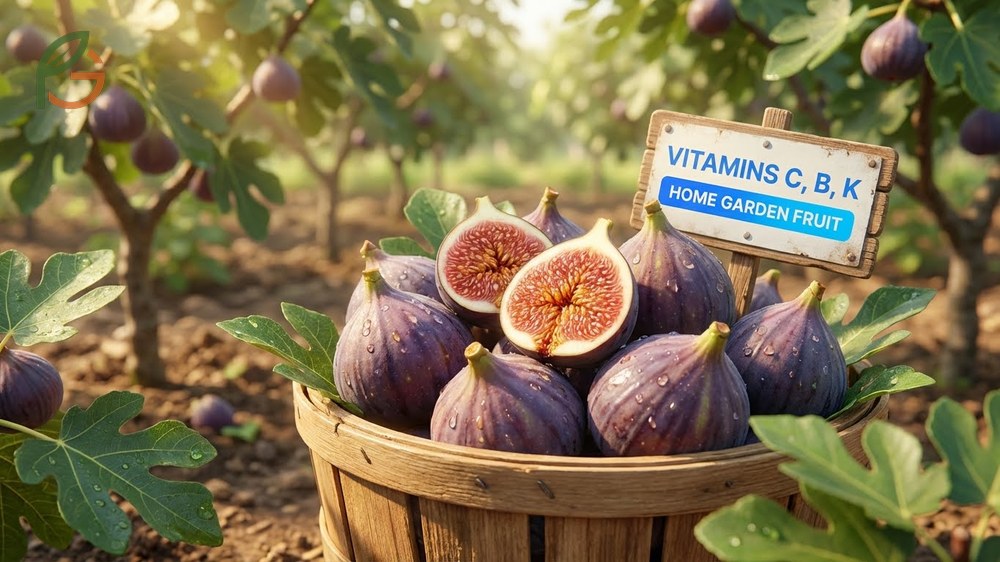
Fresh figs deliver several essential vitamins that support metabolic functions and overall health. Research demonstrates that figs contain vitamin C, B vitamins (thiamine, riboflavin, B6), and vitamin K in meaningful amounts[1]. The vitamin profile makes figs particularly valuable for home gardeners seeking nutrient-dense fruit crops.
The water content in fresh figs (approximately 80%) helps preserve heat-sensitive vitamins like vitamin C. Studies indicate that fresh figs contain more vitamin C than their dried counterparts, which lose some vitamin content during dehydration[4].
Current guidance emphasizes eating fresh figs soon after harvest to maximize vitamin retention. Figs picked at peak ripeness from your garden contain the highest vitamin concentrations compared to store-bought varieties that may have been harvested early.
B Vitamins and Copper Content
One small fresh fig (40g) provides 3% of the daily value for vitamin B6[1]. Vitamin B6 plays a critical role in protein metabolism and neurotransmitter synthesis. Multiple figs can contribute meaningfully to daily B vitamin requirements.
Copper content stands out as a nutritional highlight in figs. Research shows that one small fig delivers 3% of daily copper needs[1]. Copper supports red blood cell formation, immune function, and energy production at the cellular level.
- Thiamine (B1) supports energy metabolism and nervous system function
- Riboflavin (B2) contributes to cellular energy production and antioxidant activity
- Vitamin B6 aids in protein breakdown and synthesis of brain chemicals
- Copper enables iron absorption and supports connective tissue formation
- B vitamin complex works synergistically to enhance metabolic efficiency
Vitamin K Benefits
Fresh figs contain vitamin K, providing 2% of the daily value per small fig[1]. Vitamin K plays an essential role in blood clotting and bone metabolism. Consuming several figs can contribute meaningfully to daily vitamin K intake.
Evidence indicates that vitamin K in figs exists primarily as vitamin K1 (phylloquinone), the form found in plant foods. This type supports proper calcium utilization in bones and teeth. For gardeners growing their own fig trees, regular consumption during harvest season provides consistent vitamin K intake.
Minerals in Figs
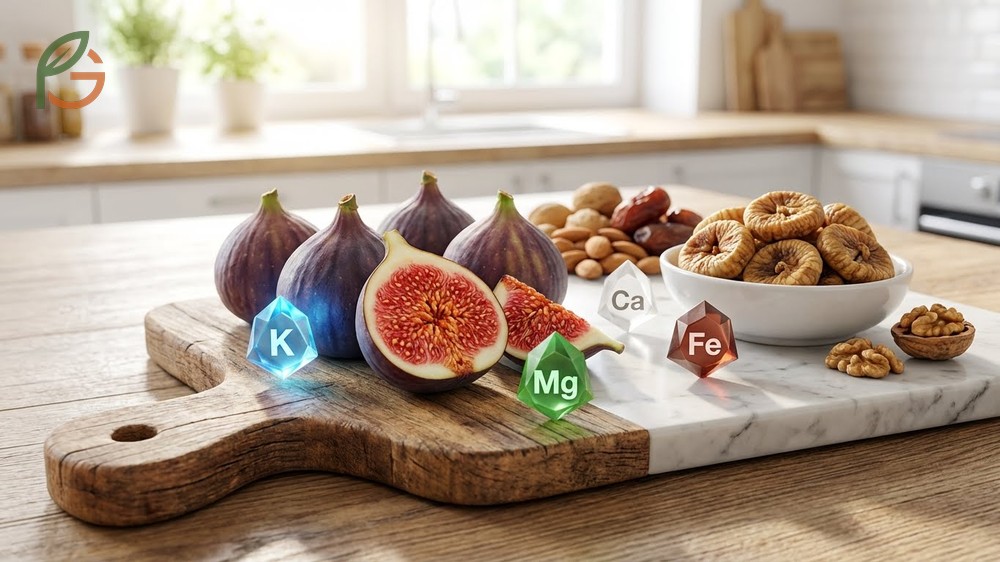
Mineral content represents one of the most impressive aspects of fig nutrition. Studies demonstrate that fresh figs contain potassium, magnesium, calcium, and iron in amounts that support various physiological functions[5]. The mineral profile makes figs particularly valuable for individuals seeking to increase micronutrient intake through whole foods.
Research shows that figs contain higher calcium concentrations than many other fruits. Agricultural data indicates that dried figs provide even more concentrated minerals due to water removal during processing[4].
Potassium and Magnesium
One small fresh fig provides 2% of the daily value for both potassium and magnesium[1]. Potassium supports proper muscle function, nerve signaling, and blood pressure regulation. Eating 3-4 figs can contribute 8-10% of daily potassium needs.
Magnesium in figs aids in over 300 enzymatic reactions in the body. This mineral supports energy production, protein synthesis, and blood glucose control. For home gardeners, fresh figs from your own trees provide bioavailable minerals in their natural food matrix.
- Potassium maintains proper fluid balance and cellular function throughout the body
- Magnesium supports bone health by working alongside calcium for structural integrity
- Both minerals contribute to cardiovascular health and blood pressure regulation
- Potassium helps counteract sodium’s effects, supporting heart function
- Magnesium plays a role in muscle relaxation and preventing cramping
Calcium and Iron Content
Fresh figs contain 35mg of calcium per 100g serving[4]. This makes figs one of the better fruit sources of calcium. Dried figs concentrate this mineral even further, providing 162mg per 100g, which represents a significant increase.
Iron content in fresh figs reaches 0.37mg per 100g, while dried figs offer 2.02mg per 100g[4]. Though not as high as some other iron sources, figs contribute to daily iron intake. Pairing figs with vitamin C-rich foods enhances iron absorption from the fruit.
Tip for gardeners: Harvest figs at peak ripeness for maximum mineral content. Figs that ripen fully on the tree develop higher concentrations of calcium and other minerals compared to early-picked fruits.
Fiber Per Fig
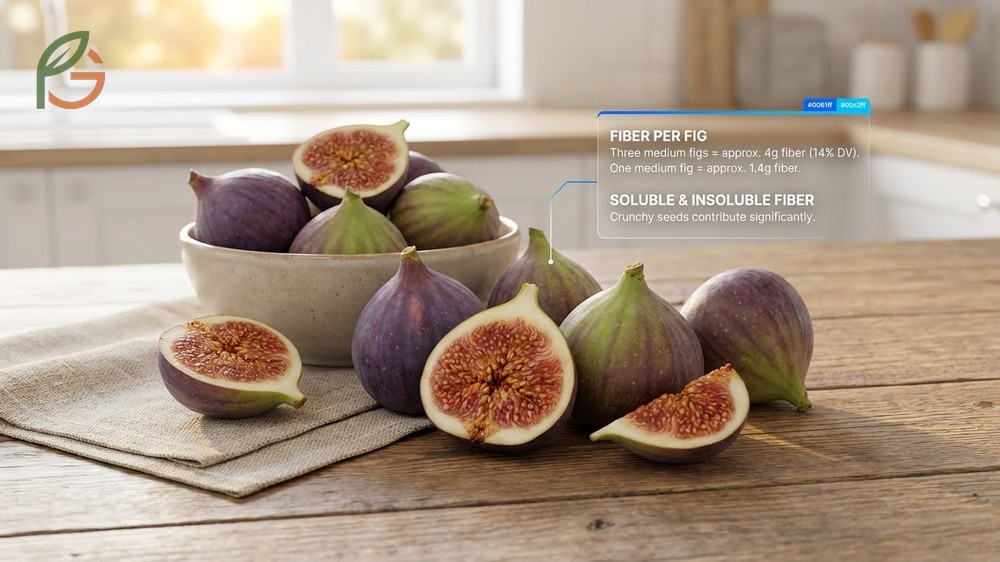
Fresh figs excel as a fiber source, with three medium figs delivering approximately 4g of dietary fiber[3]. This represents roughly 14% of the daily recommended intake. A single medium fig contains about 1.4g of fiber, making it easy to meet fiber goals through regular consumption.
Research demonstrates that figs contain both soluble and insoluble fiber types. The small crunchy structures inside figs (often mistaken for seeds) contribute significantly to the total fiber content[3]. Soluble fiber helps regulate blood sugar and cholesterol, while insoluble fiber promotes digestive regularity.
Agricultural data shows that fiber content increases as figs ripen. Fully ripe figs from your garden provide maximum fiber benefits. Studies indicate that regular fig consumption (3-4 per day) can meaningfully improve digestive health and support beneficial gut bacteria.
Current guidance emphasizes combining fig fiber with adequate water intake for optimal digestive benefits. The pectin found in figs also contributes to feelings of fullness, making them excellent for weight management strategies.
- Promotes regular bowel movements and prevents constipation naturally
- Supports healthy gut bacteria populations as a prebiotic food source
- Helps regulate blood sugar levels by slowing carbohydrate absorption
- Contributes to cholesterol management through soluble fiber mechanisms
- Enhances satiety and helps control appetite between meals
- Supports long-term digestive health and colon function
Glycemic Index of Figs

Research shows that dried figs have a glycemic index value of 61, placing them in the moderate GI category[2]. Fresh figs demonstrate a similar GI range, typically scoring around 61 on the glycemic index scale. For comparison, white bread scores approximately 75, and pure glucose registers at 100.
Studies demonstrate that figs cause smaller blood sugar increases compared to high-GI foods. The fiber content in figs helps slow sugar absorption, moderating the glycemic response[2]. This makes fresh figs a more favorable option than many processed snacks.
Evidence indicates that pairing figs with protein or fat further reduces their glycemic impact. Agricultural experts recommend combining 3-5 dried figs with nuts or cheese to maintain stable blood sugar levels throughout the day[2].
Sugar Content in Figs
One small fresh fig contains approximately 6.5g of natural sugars[1]. Fresh figs contain about 16.26g of sugar per 100g serving, primarily fructose and glucose. This natural sugar content provides quick energy but comes packaged with fiber and nutrients that moderate absorption.
Research shows that dried figs contain concentrated sugars, reaching 47.5g per 100g due to water removal[4]. This represents nearly three times the sugar content of fresh figs. For individuals monitoring sugar intake, fresh figs present a better option than dried varieties.
Current data indicates that the natural sugars in figs don’t spike blood glucose as dramatically as refined sugars. The presence of chlorogenic acid in figs may improve glucose metabolism in some individuals[2].
Are Figs Keto Friendly
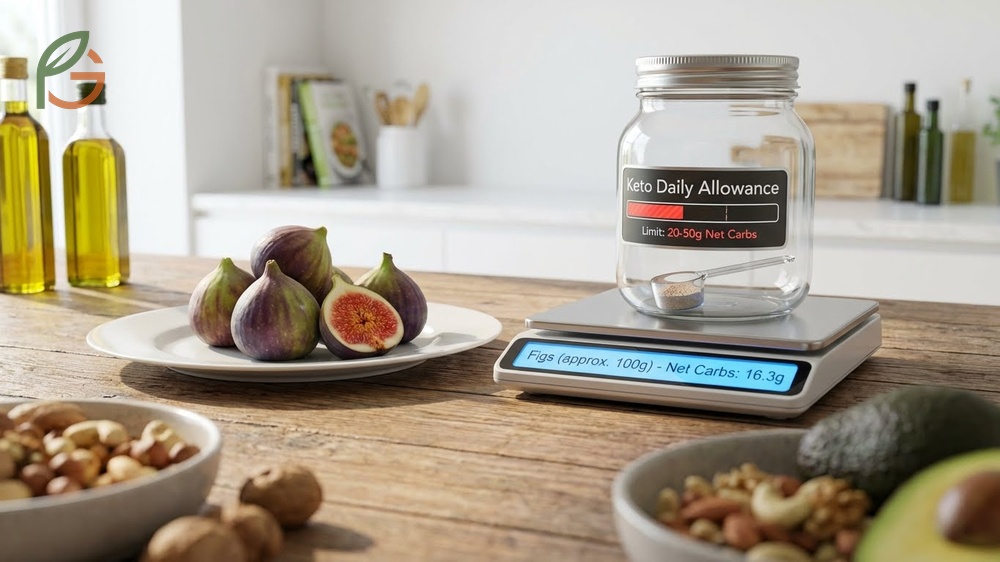
Fresh figs present challenges for strict ketogenic diets. Research shows that figs contain 16.3g of net carbs per 100g serving[6]. This exceeds the daily carbohydrate allowance for most people following keto protocols, which typically limit net carbs to 20-50g per day.
Studies demonstrate that one small fresh fig provides approximately 6.5g of net carbohydrates. Eating even 2-3 fresh figs would consume a significant portion of a keto dieter’s daily carb budget. The carbohydrate content can potentially disrupt ketosis, the metabolic state central to ketogenic diet success.
Evidence suggests that if you’re following a more flexible low-carb approach (rather than strict keto), one small fresh fig might fit occasionally. Agricultural experts note that fresh figs work better than dried figs for low-carb eating, since drying concentrates the sugar content substantially. Most keto practitioners find that berries like raspberries and blackberries provide better low-carb fruit alternatives.
Keto consideration: If you’re growing figs and following a ketogenic diet, consider using fig leaves for tea instead of consuming the fruit. Fig leaf tea contains beneficial compounds without the high carbohydrate load.
Are Figs Paleo Friendly
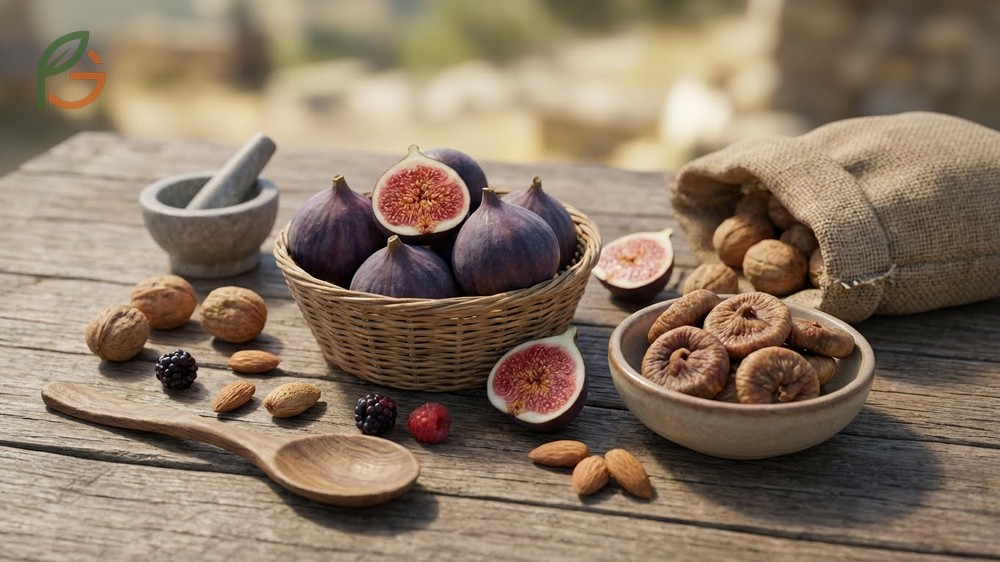
Figs are considered paleo-friendly when consumed in moderation. Research shows that unsweetened, unsulphured dried figs and fresh figs align with paleo diet principles[7]. The paleo diet emphasizes whole foods available to hunter-gatherers, and figs fit this criterion as a natural, unprocessed fruit.
Studies demonstrate that figs have been consumed by humans for thousands of years, making them historically consistent with paleo eating principles. Agricultural data confirms that figs provide nutrients without the anti-nutrients found in grains and legumes that paleo diets exclude[7].
Current guidance emphasizes consuming fresh figs rather than commercially processed fig products. For paleo dieters growing their own fig trees, fresh figs harvested at peak ripeness represent an ideal paleo-compliant fruit. The natural sugars in figs provide energy without violating paleo principles, though portion control remains important.
Evidence indicates that two dried figs (38g) deliver 10% of daily calcium needs, supporting bone health within a paleo framework[7]. This makes figs particularly valuable for paleo dieters who avoid dairy products.
- Provides natural sweetness without refined sugars or artificial sweeteners
- Delivers fiber and nutrients consistent with whole food principles
- Offers calcium for bone health without dairy consumption
- Contains antioxidants and polyphenols that support overall wellness
- Serves as a portable snack option for paleo meal planning
Fresh Figs vs Dried Figs
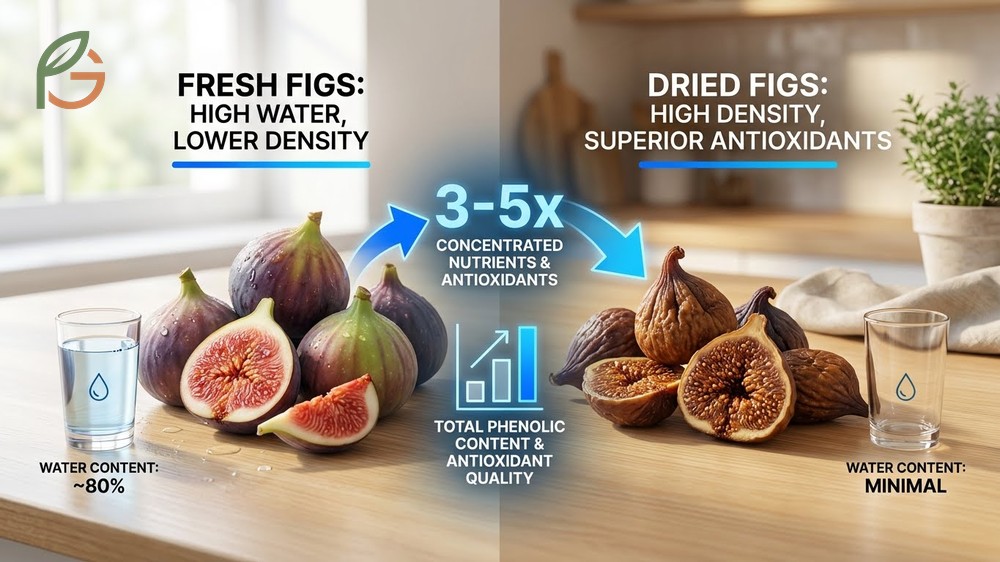
Fresh and dried figs differ significantly in nutritional density and caloric content. Research demonstrates that dried figs contain 3-5 times more concentrated nutrients than fresh figs due to water removal[4]. Fresh figs contain approximately 80% water, while dried figs contain minimal moisture.
Studies show that the drying process increases antioxidant activity and total phenolic content in figs. Research indicates that dried figs demonstrate superior antioxidant quality compared to fresh figs[8]. However, vitamin C content decreases during drying, making fresh figs better for this particular nutrient.
Agricultural data reveals that serving sizes matter when comparing fresh versus dried. Two to three dried figs provide similar calories and sugar as one large fresh fig, but with significantly more fiber and minerals. For home gardeners, drying excess harvest extends shelf life while concentrating beneficial compounds.
This table compares nutritional content per 100g between fresh and dried figs across calories, carbohydrates, fiber, sugars, and key minerals
| Nutrient | Fresh Figs | Dried Figs |
|---|---|---|
| Calories | 74 kcal[1] | 249 kcal[4] |
| Carbohydrates | 19g[1] | 63.9g[4] |
| Dietary Fiber | 2.9g[4] | 9.8g[4] |
| Sugars | 16.26g[4] | 47.5g[4] |
| Calcium | 35mg[4] | 162mg[4] |
| Iron | 0.37mg[4] | 2.02mg[4] |
Current guidance suggests choosing fresh figs when prioritizing lower calorie and sugar intake, while dried figs work better when seeking concentrated fiber and minerals. For gardeners with abundant harvests, drying excess figs preserves nutritional value for year-round consumption.
Conclusion
The evidence is clear: the nutritional value of figs makes them an exceptional fruit choice for health-conscious gardeners. Research demonstrates that fresh figs deliver 74 calories per 100g with meaningful amounts of fiber, copper, vitamin B6, and essential minerals while maintaining a moderate glycemic index of 61[1][2]. Whether you’re growing Brown Turkey, Mission, or Calimyrna varieties, understanding fig nutrition helps you maximize the health benefits from your homegrown harvest.
Current agricultural guidance emphasizes harvesting figs at peak ripeness for optimal nutrient content. FruitGarden synthesizes the latest research to help you make informed decisions about cultivating and consuming figs as part of a balanced, nutrient-rich diet.
Medical Disclaimer
Important Medical Disclaimer: This content is for informational and educational purposes only. It’s not intended as a substitute for professional medical advice, diagnosis, or treatment. Always consult a qualified healthcare professional or registered dietitian before making any changes to your diet, especially if you have diabetes, blood sugar concerns, food allergies, or other medical conditions. Individual nutritional needs vary based on health status, medications, and personal circumstances.
Frequently Asked Questions
How Many Calories Are in a Fig?
One medium fresh fig contains approximately 37 calories[1]. Small figs provide about 30 calories, while larger figs can contain 50-60 calories each. Dried figs contain concentrated calories, with two dried figs providing roughly 42 calories due to water removal during processing.
Are Fresh Figs Good for You?
Yes, fresh figs provide significant health benefits through their fiber, vitamins, minerals, and antioxidants. Research shows that three medium fresh figs deliver 4g of dietary fiber (14% of daily needs), plus meaningful amounts of copper, vitamin B6, potassium, and magnesium[3]. Their moderate glycemic index of 61 makes them a better choice than many processed snacks for blood sugar management.
What Is the Nutritional Content of Fresh Figs?
Fresh figs contain approximately 74 calories, 19g carbohydrates, 2.9g fiber, 0.75g protein, and minimal fat per 100g serving. They provide 3% of daily copper and vitamin B6 needs per small fig, plus 2% of daily values for potassium, magnesium, and vitamin K[1]. Fresh figs also contain beneficial antioxidants and phytonutrients that support overall health.
How Many Carbs Are in Fresh Figs?
Fresh figs contain approximately 19g of total carbohydrates per 100g serving, with about 16.26g coming from natural sugars and 2.9g from dietary fiber. One medium fig provides roughly 9.6g of carbs. The net carb content (total carbs minus fiber) is approximately 16.3g per 100g, which is important for individuals monitoring carbohydrate intake for diabetes management or low-carb diets.
Are Fresh Figs Healthy for Weight Loss?
Fresh figs can support weight loss when consumed in moderation as part of a balanced diet. Studies show that the fiber content (about 4g per three medium figs) promotes satiety and helps control appetite[3]. At just 37 calories per medium fig, they provide natural sweetness without excessive caloric intake. However, portion control remains important due to their sugar content.
How Do Dates, Figs, and Prunes Compare Nutritionally?
Dates contain the highest calorie and sugar content among the three, providing intense natural sweetness and quick energy. Figs offer a balance of moderate calories (74 per 100g fresh), good fiber content, and unique minerals like copper. Prunes excel in fiber content and are particularly known for digestive benefits. All three provide valuable nutrients, but fresh figs typically contain fewer calories and less concentrated sugar than dried dates or prunes when comparing equivalent serving sizes.
Can Diabetics Eat Fresh Figs?
Diabetics can include fresh figs in their diet with careful portion control and meal planning. Research shows figs have a glycemic index of 61 (moderate range) and contain fiber that helps slow sugar absorption[2]. Pairing 1-2 fresh figs with protein or fat sources helps minimize blood sugar spikes. However, individuals with diabetes should consult their healthcare provider or dietitian to determine appropriate portions based on their specific glucose management needs.





