
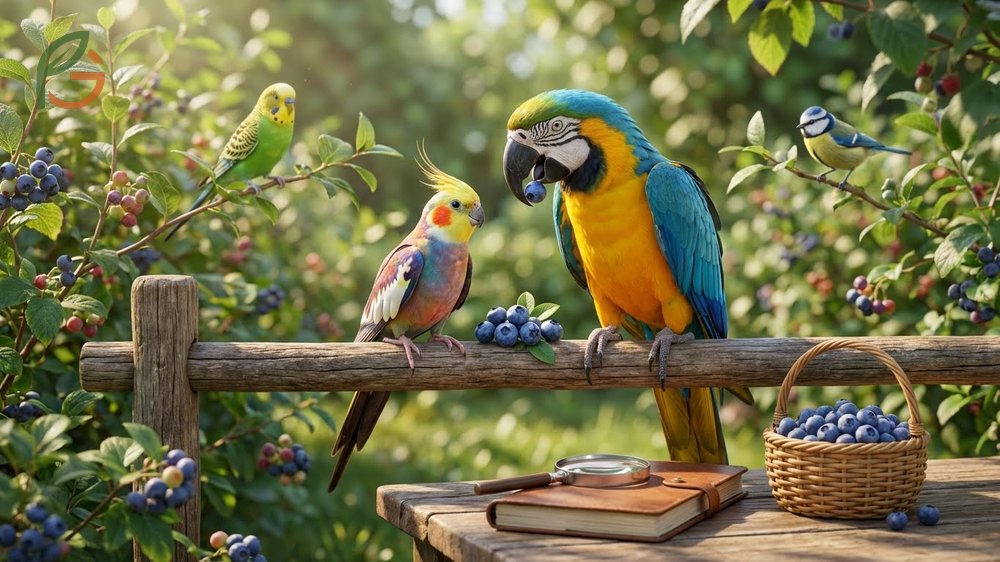
Can birds eat blueberries? Yes, blueberries are safe and highly nutritious for most bird species. Research shows these berries provide essential vitamins C and K, antioxidants, and fiber that support immune function, bone health, and digestion in parrots, budgies, cockatiels, and wild birds[1]. FruitGarden synthesizes current avian nutrition research to help bird enthusiasts provide optimal diets for their feathered companions.
Quick Answer
- Blueberries contain 25% daily vitamin C and 4g fiber per cup, supporting bird immune systems[2]
- Feed small parrots 1-2 blueberries daily, medium parrots 3-4, large parrots 5-6 to avoid excess sugar
- Wild birds like robins, waxwings, and bluebirds naturally consume blueberries for energy during migration[1]
- Always wash blueberries thoroughly to remove pesticides, or choose organic varieties for pet birds[3]
Can Birds Eat Blueberries
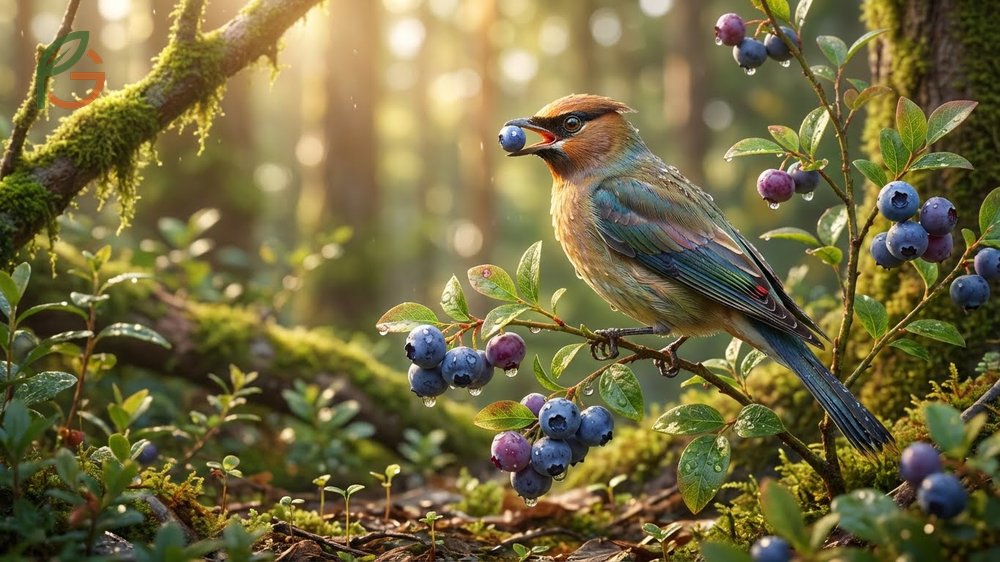
Birds can safely eat blueberries, and these berries offer substantial health benefits across wild and domesticated species. Studies demonstrate that blueberries contain high concentrations of anthocyanins—the pigments responsible for their blue color—which protect birds from oxidative stress during migration and breeding seasons[1]. The fruit’s low sugar content combined with high moisture makes it an excellent hydration source for birds in summer months.
Most bird species tolerate blueberries well, with the entire berry—including skin and seeds—being digestible and non-toxic. Unlike fruit pits from cherries or apricots that contain cyanide, blueberry seeds pose no risk to avian health[4]. This makes blueberries one of the safest supplementary foods for bird feeders and pet birds alike.
Current agricultural data shows that birds preferentially select dark-pigmented berries over lighter varieties, likely detecting UV light patterns that signal ripeness and antioxidant density. This evolutionary adaptation benefits both the plant—which gets seed dispersal—and the bird, which gains concentrated nutrition from mature fruit.
Nutritional Benefits of Blueberries
A single cup of blueberries delivers approximately 25% of daily vitamin C requirements and 4 grams of dietary fiber while containing only 80 calories[2]. For birds, vitamin C strengthens immune responses during molting and nesting periods. Vitamin K content supports blood clotting and bone density—critical for active flying species that experience frequent skeletal stress.
The vitamin B6 present in blueberries aids metabolic processes that convert food into energy, directly benefiting birds preparing for long-distance migration. Manganese and potassium further support enzyme function and cardiovascular health, with potassium regulating blood pressure in smaller species prone to heart strain.
Important Note: While blueberries provide excellent nutritional supplementation, they can’t replace a bird’s primary diet of seeds, pellets, or insects. Fruits should constitute no more than 10-15% of total daily intake to maintain proper nutritional balance.
Wild Birds That Eat Blueberries
American robins, eastern bluebirds, cedar waxwings, gray catbirds, and northern cardinals naturally consume blueberries in the wild. Cedar waxwings are particularly specialized blueberry feeders, traveling in flocks that can strip bushes of hundreds of berries in minutes[1]. Their digestive systems process sugary fruits rapidly during late summer feeding frenzies.
Eastern bluebirds incorporate blueberries into their diet after the nesting season ends, providing critical nutrition during the post-fledging period when juveniles transition to independent feeding. Thrushes and mockingbirds also rely on berry crops when insect populations decline in fall months.
- American Robin – primary fruit consumer in suburban gardens
- Cedar Waxwing – specialist feeder, consumes hundreds daily
- Eastern Bluebird – uses berries to supplement insect diet post-breeding
- Gray Catbird – forages in dense shrubs for ripe blueberries
- Northern Cardinal – occasional berry eater, prefers seeds but accepts fruit
- Various Thrush Species – ground foragers that pick fallen blueberries
- European Starling – introduced species, aggressive berry competitor
Can Parrots Eat Blueberries
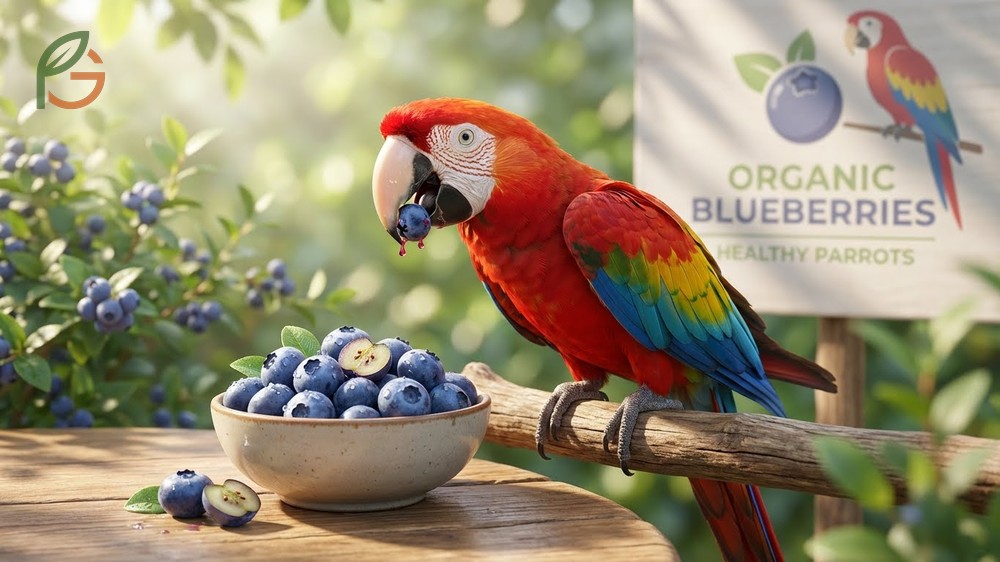
Parrots can safely eat blueberries and typically enjoy their sweet, juicy texture. Research shows that blueberries provide parrots with vitamin A—often deficient in captive parrot diets—alongside antioxidants that protect against cellular damage and reduce cancer risk[3]. The entire blueberry is safe for consumption, including the skin and seeds, which contain no toxic compounds.
Evidence suggests that parrots benefit most from organic blueberries, as conventional varieties often carry pesticide residues that standard washing doesn’t fully remove. If organic options aren’t available, thoroughly rinse blueberries under running water and consider soaking them briefly to reduce chemical exposure.
Most parrots readily accept blueberries, though some individuals may initially show hesitation due to the berry’s dark color. Mixing blueberries with familiar foods or hand-feeding can help overcome this reluctance during the introduction period.
Serving Sizes for Parrots
Proper portion control prevents excessive sugar intake while ensuring parrots receive blueberry benefits. Veterinary guidelines recommend 1-2 blueberries daily for small parrots like budgies and parrotlets, 3-4 for medium species such as conures and cockatiels, and 5-6 for large parrots including macaws and African greys. These portions align with the general rule that fruit treats shouldn’t exceed 10% of daily food intake.
A practical approach involves offering blueberries as part of a mixed fruit serving rather than as a single-item treat. Pairing one blueberry with apple chunks or melon pieces provides variety while maintaining appropriate total fruit volume.
This table compares recommended blueberry serving sizes across three parrot size categories with example species for each group
| Parrot Size | Blueberries Per Day | Example Species | Total Daily Pellets |
|---|---|---|---|
| Small | 1-2 | Budgie, Parrotlet, Lovebird | 18g[5] |
| Medium | 3-4 | Cockatiel, Conure, Caique | 32g[5] |
| Large | 5-6 | African Grey, Macaw, Amazon | 90g[5] |
Preparation Tips for Blueberries
Fresh blueberries require minimal preparation but should be washed thoroughly before serving. Remove any stems or leaves, then pat dry to prevent slipping hazards in food dishes. For smaller parrots, consider cutting larger blueberries in half to make them easier to grasp and consume.
Frozen blueberries work well as a summer treat but must be fully thawed before offering to birds. Serving frozen berries creates choking risks and can damage delicate beaks when birds attempt to bite hard, icy fruit. Thawed frozen blueberries retain most nutritional value while providing a safe, cool snack during hot weather.
- Mix fresh blueberries with other safe fruits like apple, banana, or mango chunks
- Thread blueberries onto stainless steel skewers for enrichment foraging
- Mash blueberries and mix with pellets for reluctant eaters
- Freeze blueberries in ice cube trays with water for hot-day treats (fully thaw before serving)
- Offer whole berries in shallow dishes to encourage natural picking behavior
- Create fruit salads combining blueberries with papaya and grapes
Can Budgies and Cockatiels Eat Blueberries
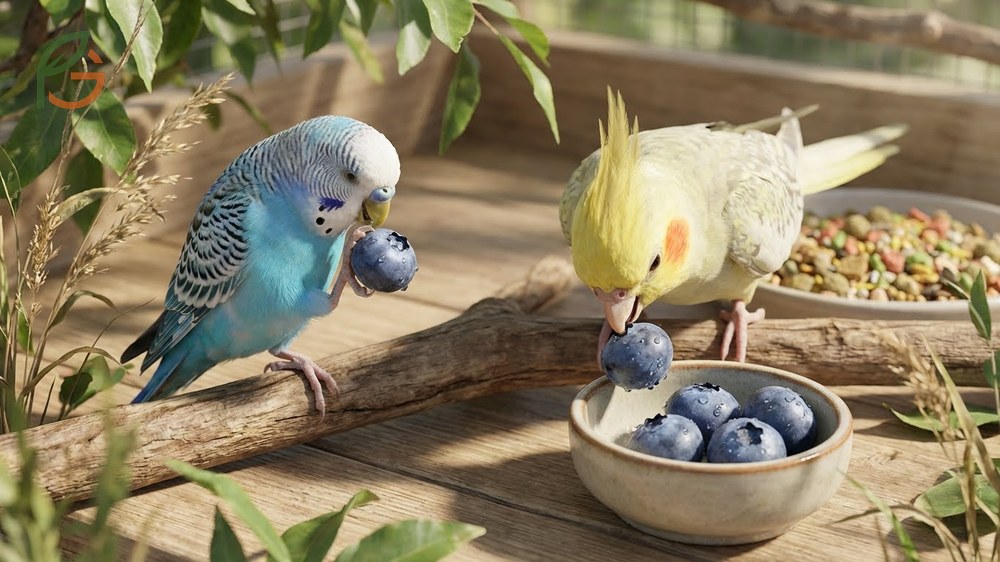
Budgies and cockatiels can safely eat blueberries as part of their varied diet. These small parrots benefit from the same vitamin C, K, and antioxidant content that supports larger species, but require smaller portions due to their size. Current guidance recommends 1-2 blueberries daily for budgies and cockatiels, representing appropriate fruit intake without displacing essential pellets or seeds.
Evidence indicates that cockatiels particularly enjoy blueberries’ soft texture, often consuming them more readily than harder fruits like apples. Budgies may take longer to accept blueberries initially but typically develop a preference once familiar with the taste.
Both species should receive blueberries washed and served at room temperature. If your cockatiel or budgie shows blue-tinted droppings after eating blueberries, don’t be alarmed—this is a normal, harmless reaction to the anthocyanin pigments and will resolve within 24 hours.
Feeding Tip: Introduce blueberries gradually to budgies and cockatiels, starting with half a berry every other day. Monitor droppings for any digestive changes, though true adverse reactions to blueberries are extremely rare in these species.
- Vitamin C boosts immune function during molting periods when budgies and cockatiels are vulnerable
- High water content helps maintain hydration in dry indoor environments
- Fiber supports healthy digestion and prevents crop issues common in small parrots
- Natural sugars provide quick energy without causing the crashes associated with processed treats
- Antioxidants may extend lifespan by reducing cellular damage in aging birds
Safe Fruits for Parrots
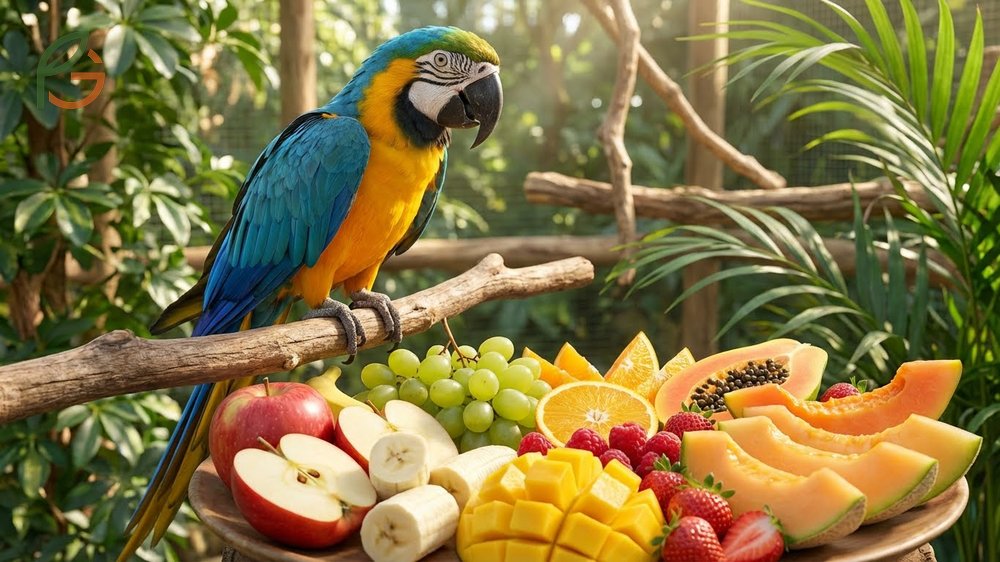
Parrots can safely consume a wide variety of fruits beyond blueberries, provided seeds and pits are removed. Apples (without seeds), bananas, grapes, oranges, mangoes, papayas, and melons all provide essential vitamins while offering different textures and flavors for enrichment. Research shows that dietary variety reduces boredom and encourages natural foraging behaviors in captive parrots.
Berries as a group rank among the safest fruit options, with strawberries, raspberries, blackberries, and cranberries all being non-toxic and nutritionally beneficial. These fruits contain lower sugar levels than tropical options like mango or pineapple, making them suitable for more frequent feeding.
When introducing new fruits, offer small portions and observe for any digestive upset over 24-48 hours. While allergic reactions are rare in birds, individual sensitivities can occur with any food item.
- Berries (blueberries, strawberries, raspberries, blackberries) – high antioxidants, low sugar
- Citrus fruits (oranges, tangerines, grapefruit) – vitamin C boost, removes seeds and excess pith
- Tropical fruits (mango, papaya, pineapple) – vitamins A and C, feed in moderation due to sugar
- Stone fruits (peaches, plums, apricots) – must remove pits containing cyanide before serving
- Melons (watermelon, cantaloupe, honeydew) – hydration and vitamin A, very low calories
- Apples and pears – fiber and vitamin C, always remove seeds which contain trace cyanide
- Grapes – convenient size for small parrots, high in antioxidants, feed fresh not dried
| Fruit | Key Vitamins | Sugar Level | Preparation Required |
|---|---|---|---|
| Blueberries | C, K, B6 | Low | Wash only |
| Strawberries | C, Folate | Low-Medium | Remove leaves, wash |
| Mango | A, C, E | High | Remove pit and skin |
| Apple | C, Fiber | Medium | Remove seeds and core |
| Papaya | A, C, E | Medium-High | Remove seeds, peel |
Toxic Foods for Birds
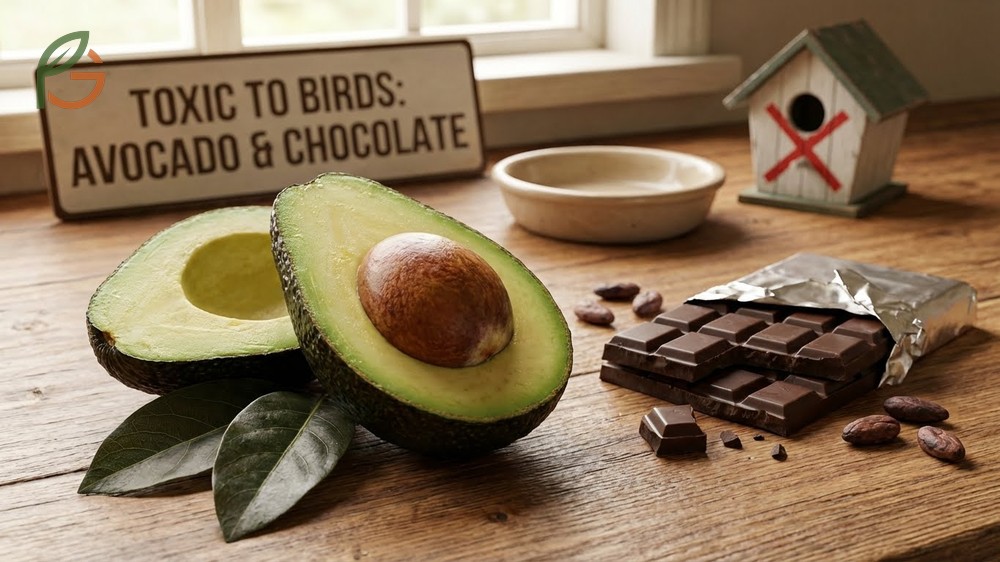
Several common household foods pose serious toxicity risks to birds and must be completely avoided. Avocado ranks as the most dangerous, with its leaves, skin, flesh, and pit all containing persin—a compound that causes respiratory distress, heart failure, and death in most bird species within 24-48 hours of ingestion[4]. Even trace amounts can prove fatal to small birds like budgies and finches.
Chocolate contains theobromine and caffeine, both of which are methylxanthines that birds can’t metabolize effectively. These compounds cause cardiac arrhythmias, hyperactivity, seizures, and potentially death, with darker chocolate varieties posing greater risk due to higher cacao content[4]. Coffee, tea, and energy drinks present similar dangers through their caffeine content.
Onions and garlic damage birds’ red blood cells, leading to hemolytic anemia even in small quantities. Salt in excessive amounts causes dehydration, kidney failure, and neurological damage. Fruit pits and seeds from cherries, apricots, peaches, and apples contain cyanogenic compounds that release cyanide during digestion[4].
Emergency Warning: If your bird ingests any toxic food, contact an avian veterinarian immediately. Early intervention significantly improves survival chances. Symptoms like difficulty breathing, weakness, or seizures require urgent professional care.
- Avocado – all parts contain persin causing heart and respiratory failure
- Chocolate – theobromine and caffeine cause cardiac arrest and seizures
- Caffeine (coffee, tea, soda) – fatal cardiac stimulation in birds’ high-metabolism systems
- Onions and garlic – destroy red blood cells leading to anemia and death
- Fruit pits and seeds (cherry, apricot, apple, peach) – contain cyanide compounds
- Alcohol – even tiny amounts cause organ failure in birds
- Raw beans – contain hemagglutinin toxin (cooked beans are safe)
- Salt in excess – causes dehydration, kidney damage, and neurological issues
Dried Berries for Birds
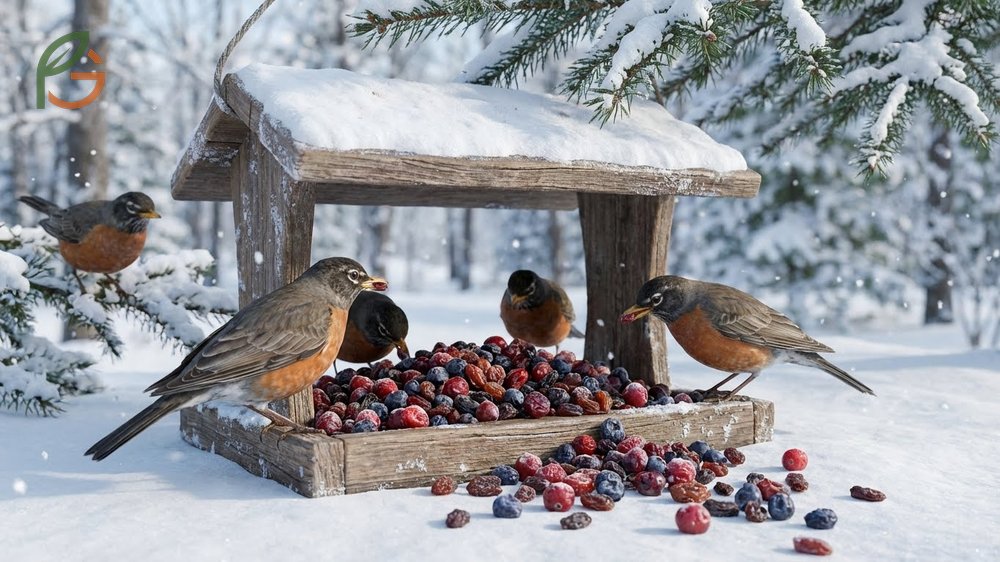
Dried berries offer a convenient alternative to fresh fruit for wild bird feeding and can be stored longer without refrigeration. Dried cranberries, raisins, and blueberries retain much of their nutritional value while providing concentrated energy during winter months when fresh food sources become scarce. Research shows that dried berries help birds like robins survive cold snaps by delivering quick calories from natural sugars.
Current guidance emphasizes choosing unsweetened, unsulfured dried berries without added preservatives. Many commercial dried fruits contain sugar coatings or sulfur dioxide that can harm birds over time. Check ingredient labels and select products with only the fruit itself listed.
For wild bird feeders, dried berries work best in platform or suet feeders rather than tube feeders, which can trap moisture and promote mold growth. Remove uneaten dried fruit after 2-3 days to prevent fermentation, which can intoxicate birds that consume spoiled berries.
- Soak dried berries in water for 10-15 minutes before serving to pet birds, making them easier to digest
- Mix dried cranberries with suet cakes for winter woodpecker and nuthatch feeding
- Offer dried blueberries and raisins on platform feeders for ground-feeding species
- Store dried berries in airtight containers away from moisture to prevent mold
- Limit dried fruit to 10% of a pet bird’s diet due to concentrated sugar content
- Choose organic dried berries when possible to avoid pesticide residues
Conclusion
The evidence is clear: can birds eat blueberries? Absolutely, and they provide exceptional nutritional value across wild and pet bird species. Blueberries deliver essential vitamins C and K, powerful antioxidants, and beneficial fiber while remaining safe when fed in appropriate portions—1-2 berries for small parrots, 3-4 for medium, and 5-6 for large species.
Current avian nutrition guidance emphasizes incorporating blueberries as part of a varied diet alongside quality pellets, seeds, and other safe fruits. FruitGarden encourages bird enthusiasts to wash all berries thoroughly, choose organic when possible, and monitor portion sizes to maintain optimal health for their feathered companions.
Frequently Asked Questions
Do birds like blueberries more than other fruits?
Many birds show strong preferences for blueberries due to their soft texture, high water content, and natural sweetness. Cedar waxwings and robins particularly favor blueberries over harder fruits, often targeting blueberry bushes first when multiple berry varieties are available. Individual bird species and personalities vary, but blueberries consistently rank among the most accepted fruits across different bird families.
Can birds eat frozen blueberries?
Birds should never eat frozen blueberries while still frozen, as the hard, icy texture creates choking hazards and can damage beaks. However, fully thawed frozen blueberries are safe and retain most nutrients. Simply defrost the berries at room temperature for 30-60 minutes before serving to pet birds or adding to outdoor feeders.
How often should I feed blueberries to my parrot?
You can feed blueberries to parrots daily as long as portions remain within recommended limits—1-2 berries for small parrots, 3-4 for medium, and 5-6 for large species. Alternate blueberries with other safe fruits throughout the week to provide dietary variety. Ensure fruit never exceeds 10-15% of your parrot’s total daily food intake to maintain proper nutritional balance.
Will blueberries turn my bird’s droppings blue?
Yes, it’s completely normal for bird droppings to turn blue or purple after consuming blueberries. The anthocyanin pigments that give blueberries their color pass through the digestive system and temporarily discolor feces. This harmless effect typically disappears within 24 hours as the pigments are fully eliminated from the bird’s system.
Are wild blueberries better than cultivated ones for birds?
Wild blueberries contain approximately twice the antioxidant content of cultivated varieties, making them nutritionally superior for birds. However, both types are safe and beneficial. Wild blueberries tend to be smaller with more concentrated flavor, while cultivated blueberries offer larger size and consistent availability. If you’re growing blueberries for birds, native wild varieties support local ecosystems better than introduced cultivated species.
Can baby birds eat blueberries?
Baby birds require primarily protein-rich foods like insects during their rapid growth phase, and blueberries shouldn’t be offered to nestlings or very young fledglings. Once birds reach juvenile stage and begin eating independently, you can introduce small pieces of blueberry gradually. Most wild bird parents don’t feed berries to very young chicks, waiting until the birds are nearly adult-sized before incorporating fruit into their diets.
Should I remove blueberry skins for small birds?
No, blueberry skins are safe and actually contain high concentrations of beneficial antioxidants and fiber. Small birds like budgies and finches can digest blueberry skins without difficulty. The skin’s thin texture breaks down easily during digestion, and removing it would decrease the berry’s nutritional value while creating unnecessary preparation work.





