
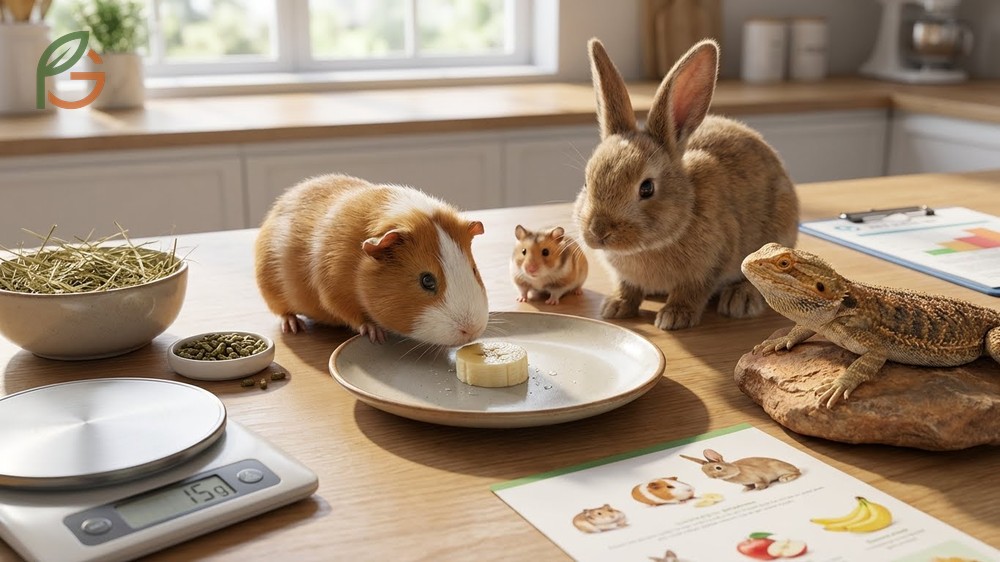
Can guinea pigs eat bananas? Yes, guinea pigs can eat bananas in very small amounts as an occasional treat. Research shows that limiting banana intake to 10-15 grams per week prevents obesity, digestive upset, and long-term metabolic issues[1]. Current veterinary guidance emphasizes that high sugar content makes bananas unsuitable as a daily food for guinea pigs, rabbits, hamsters, and bearded dragons[2]. FruitGarden synthesizes current pet nutrition research to help you make informed feeding decisions for your small pets.
Quick Answer
- Guinea pigs can eat 10-15 grams of banana per week (one thin slice)[1]
- Bananas contain 105 calories, 3.1g fiber, and 14.4g sugar per medium fruit[3]
- Rabbits tolerate 1-2 teaspoons once or twice weekly based on body weight[4]
- Hamsters and bearded dragons need even smaller portions due to diabetes risk and poor calcium-to-phosphorus ratio[5][6]
Can Guinea Pigs Eat Bananas

Guinea pigs can safely eat bananas, but only as an occasional treat due to the fruit’s high sugar content. Studies demonstrate that excessive banana consumption leads to obesity, diabetes, and gastrointestinal distress in guinea pigs[2]. The digestive system of guinea pigs isn’t designed to process large amounts of sugar or simple carbohydrates.
Research shows that fruits and treats should comprise less than 5% of a guinea pig’s total daily diet[2]. The bulk of their nutrition must come from unlimited Timothy hay, fresh vegetables, and fortified pellets. Most guinea pig owners find that offering banana once or twice weekly works best for maintaining healthy weight.
Banana peels can be fed to guinea pigs in moderation, but only after washing thoroughly to remove pesticides. Current guidance emphasizes that peels contain similar sugar levels as the fruit itself, so they don’t offer a lower-sugar alternative.
Serving Size Banana for Guinea Pigs
Veterinary nutritionists recommend limiting banana intake to 10-15 grams per week for healthy adult guinea pigs[1]. This translates to approximately one thin slice, which you can serve fresh or mashed between your fingers. For guinea pigs trying banana for the first time, start with a quarter-slice to test for digestive sensitivity.
One medium banana weighs 115-120 grams, so dividing it into 10 equal pieces gives you roughly the right weekly portion. The reason portion control matters is that guinea pigs can’t regulate their own sugar intake effectively once they develop a taste for sweet foods.
Benefits and Risks for Guinea Pigs
Bananas provide potassium, vitamin C, and dietary fiber that support guinea pig health in small amounts. However, the high fiber content can cause bloating, cramping, and gas when fed excessively[1]. Guinea pigs with pre-existing kidney problems, obesity, or diabetes should avoid bananas entirely.
- Soft stools or diarrhea within 6-12 hours of feeding
- Visible abdominal distension or discomfort when touched
- Reduced appetite for hay and vegetables
- Lethargy or decreased activity levels
- Unusual vocalizations indicating stomach pain
Important Note: If your guinea pig shows signs of digestive upset after eating banana, discontinue feeding immediately and contact your exotic veterinarian. Gastrointestinal stasis can develop rapidly in small pets and requires prompt treatment.
Can Rabbits Eat Bananas
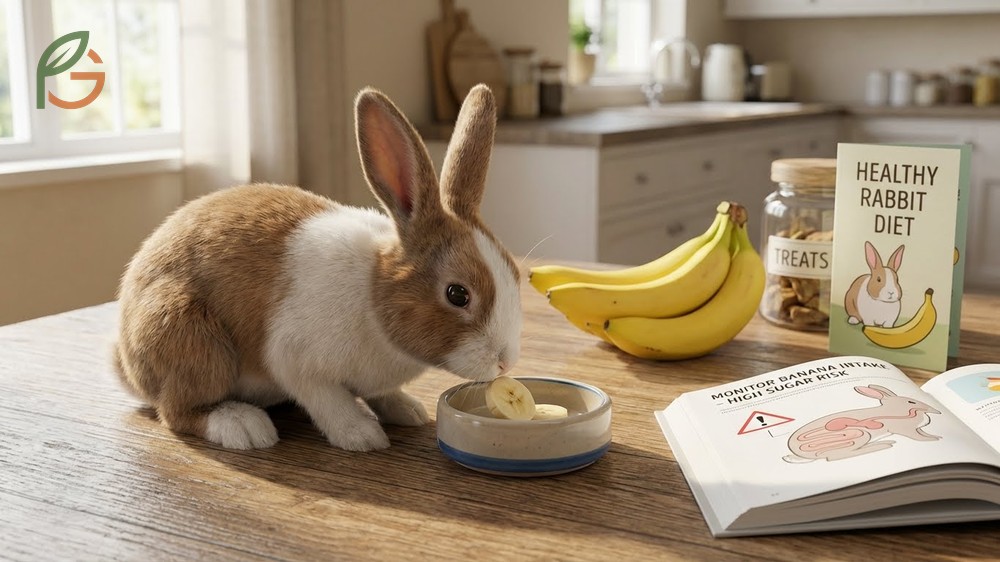
Rabbits can eat bananas safely, but the high natural sugar content makes them unsuitable as a regular food item. Evidence suggests that a rabbit’s digestive system isn’t adapted for processing concentrated sugars, which can disrupt gut flora and cause serious health complications[4]. Too much banana leads to obesity, dental decay, and gastrointestinal stasis—a life-threatening condition where the digestive system slows or stops completely.
The ideal approach treats bananas as an occasional reward rather than a dietary staple. Most rabbits love the sweet flavor, which makes small pieces effective for training or bonding. Lower-sugar alternatives like leafy greens, bell peppers, and herbs provide better nutritional value for daily feeding.
Banana peels are technically safe for rabbits if washed thoroughly, but their fibrous texture doesn’t offer significant nutritional advantages over the fruit itself. Some rabbits refuse peels entirely due to taste preferences.
How Often to Feed Banana to Rabbits
Current veterinary recommendations limit banana feeding to once or twice weekly, with portion sizes adjusted for body weight. Small rabbits under 4 pounds should receive no more than 1 teaspoon per serving[4]. Medium rabbits between 4-8 pounds can tolerate 1-2 teaspoons, while large rabbits over 8 pounds may have up to 1 tablespoon.
The frequency matters as much as the amount. Daily banana feeding introduces excessive sugar that overwhelms the cecum—the specialized fermentation chamber where rabbits digest fiber. This disruption can cause soft cecotropes, bloating, and long-term metabolic issues.
- Cut banana into coin-sized pieces (roughly 5-7mm thick slices)
- Serve at room temperature to prevent digestive shock
- Remove any uneaten pieces after 2 hours to prevent spoilage
- Pair with hay consumption to promote healthy digestion
- Monitor stool consistency for 24 hours after first feeding
Warning: If your rabbit develops soft or misshapen droppings after eating banana, reduce the portion size by half or eliminate bananas from the diet entirely. Persistent digestive issues require veterinary evaluation.
Can Hamsters Eat Bananas
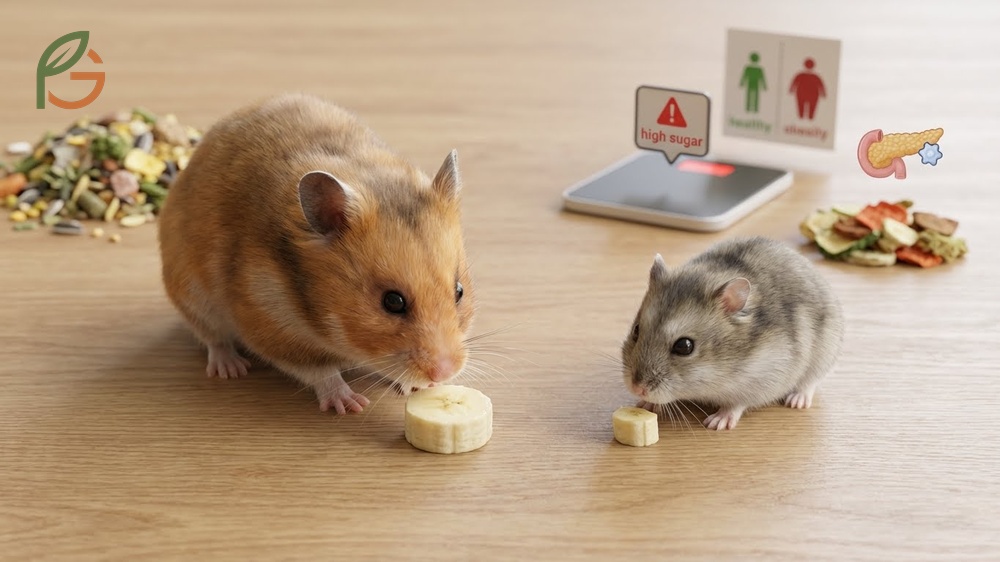
Hamsters can eat bananas safely in very limited quantities, but the high sugar content poses significant health risks when fed excessively. Research demonstrates that hamsters should receive only tiny banana pieces once or twice weekly at most[5]. Syrian hamsters tolerate slightly more fruit than dwarf species, but all hamsters face obesity, diabetes, and digestive upset from overfeeding.
Certain hamster breeds carry genetic predisposition to diabetes, particularly Chinese dwarf hamsters, Campbell’s dwarf hamsters, and Russian hybrid dwarfs. These diabetes-prone varieties should receive minimal fruit, and hamsters with confirmed diabetes must avoid bananas entirely. The natural sugars trigger dangerous blood glucose spikes that worsen the condition.
Hamsters can technically eat banana peels, though the porous texture absorbs more pesticides than the fruit itself. Most experts recommend composting peels rather than feeding them to avoid chemical exposure.
Sugar Content in Fruits for Hamsters
One medium banana contains approximately 14.4 grams of natural sugar[3]. For a hamster weighing 20-30 grams, even a small piece represents a disproportionately large sugar dose relative to body weight. This explains why veterinary nutritionists emphasize extreme moderation when offering fruit treats.
The sugar concentration becomes particularly problematic when hamsters store banana pieces in their bedding. Unlike stable foods like seeds or pellets, fruit flesh decomposes rapidly and creates mold hazards. You’ll need to remove any cached banana within 6-8 hours to prevent contamination.
- Blueberries (lower sugar, high antioxidants)
- Small apple pieces without seeds
- Strawberry quarters (vitamin C source)
- Cucumber slices (hydrating, minimal sugar)
- Bell pepper strips (crunchy, nutrient-dense)
Can Bearded Dragons Eat Bananas
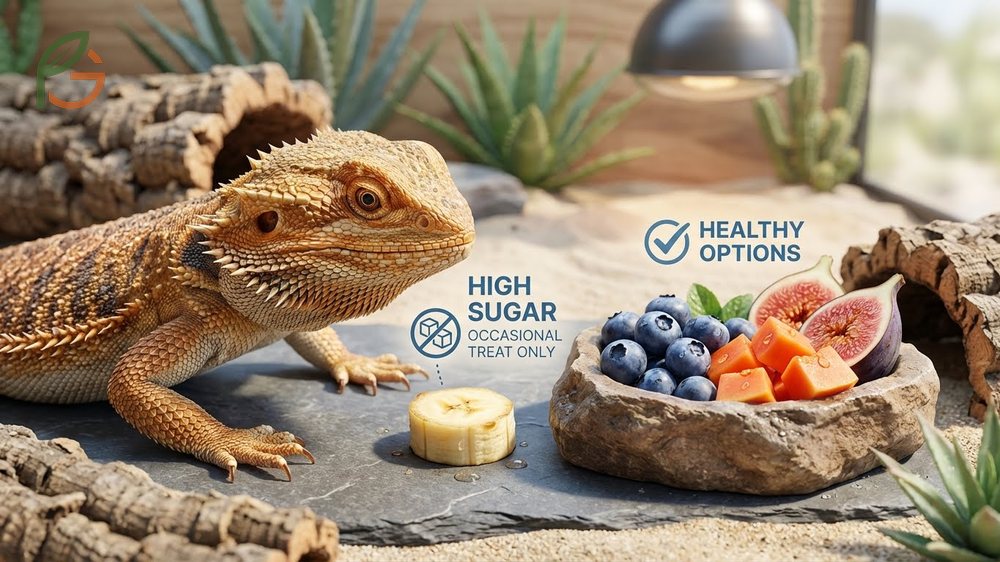
Bearded dragons can eat bananas as a rare occasional treat, but they shouldn’t appear regularly in a reptile’s diet. Current herpetology research identifies three major concerns: excessive sugar content, poor calcium-to-phosphorus ratio, and potential for dietary pickiness[6]. These factors make bananas less suitable than other fruit options like berries, papaya, or figs.
Bananas contain 12-16 grams of sugar per 100 grams of fruit, making them one of the sweetest commonly available fruits[6]. Bearded dragons don’t process concentrated sugars efficiently, leading to obesity, tooth decay, and behavioral issues. Dragons that receive too much sweet fruit often refuse nutritious vegetables and insects afterward.
The feeding frequency should remain minimal—perhaps once monthly or less. Prioritize leafy greens with better calcium profiles like collard greens, turnip greens, and mustard greens for daily feeding.
Calcium Phosphorus Ratio Concerns
Bananas have a calcium-to-phosphorus ratio of approximately 1:3, meaning they contain three times more phosphorus than calcium[6]. This inverted ratio creates serious problems because phosphorus binds to calcium in the digestive tract and prevents absorption. Bearded dragons require more calcium than phosphorus to maintain healthy bone density and prevent metabolic bone disease.
The ideal calcium-to-phosphorus ratio for bearded dragons ranges from 1:1 to 2:1, with higher calcium values preferred. Foods with ratios below 0.5:1 (meaning more than twice as much phosphorus as calcium) should be avoided or fed only with calcium supplementation. Bananas fall into the problematic category that requires extra effort to balance nutritionally.
- Papaya (better mineral balance, digestive enzymes)
- Figs (higher calcium, moderate sugar)
- Blueberries (antioxidants, lower glycemic load)
- Raspberries (fiber-rich, vitamin C source)
- Mango (vitamin A support, occasional treat)
Banana Nutrition Facts for Small Pets
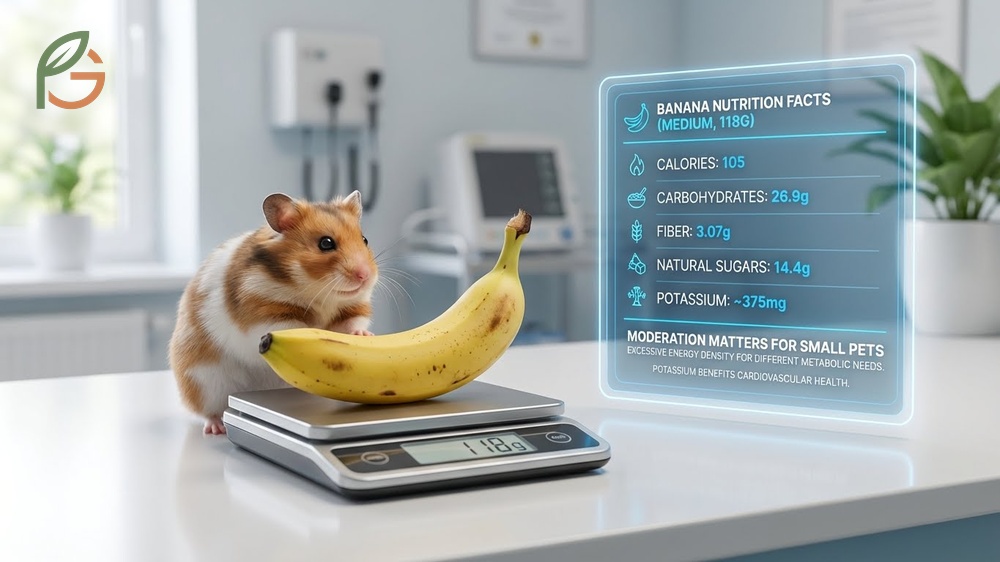
Understanding banana nutrition helps explain why moderation matters across different pet species. One medium banana (118 grams) provides 105 calories, 26.9 grams of carbohydrates, 3.07 grams of fiber, and 14.4 grams of natural sugars[3]. While these macronutrients support human health, they represent excessive energy density for small pets with different metabolic needs.
The potassium content reaches approximately 375 milligrams per banana, which benefits cardiovascular function in appropriate doses. However, guinea pigs, rabbits, and other small herbivores obtain sufficient potassium from leafy vegetables without the added sugar burden. The vitamin C content measures only 8.7 milligrams per 100 grams, making bananas a poor choice when other produce provides higher concentrations.
This table compares safe weekly banana portions, feeding frequency, and key concerns across four common pet species
| Pet Species | Maximum Weekly Amount | Frequency | Primary Concern |
|---|---|---|---|
| Guinea Pigs | 10-15 grams (1 thin slice)[1] | 1-2 times weekly | High sugar, digestive upset |
| Rabbits (4-8 lbs) | 1-2 teaspoons per serving[4] | 1-2 times weekly | Gastrointestinal stasis risk |
| Syrian Hamsters | 2-3 pea-sized pieces weekly[5] | 1-2 times weekly | Diabetes predisposition |
| Bearded Dragons | Small bite (monthly maximum)[6] | Once monthly or less | Poor Ca:P ratio (1:3) |
The fiber content in bananas contributes to digestive health in small amounts but becomes problematic in excess. Guinea pigs particularly struggle with high-fiber fruits because their cecum (fermentation chamber) can’t process the combination of fiber and sugar efficiently. This mismatch leads to gas, bloating, and cramping that causes visible discomfort.
Conclusion
The evidence is clear: can guinea pigs eat bananas? Yes, but strict portion control and infrequent feeding prevent the health complications that arise from excessive sugar intake. This principle extends across rabbits, hamsters, and bearded dragons—all of which tolerate bananas only as rare treats rather than dietary staples. Current veterinary guidance emphasizes that the 10-15 gram weekly limit for guinea pigs represents a maximum, not a recommendation.
Most small pet owners find success by treating bananas as training rewards or special occasion treats rather than regular food items. The nutritional benefits don’t justify frequent feeding when safer, lower-sugar alternatives provide better vitamin and mineral profiles. FruitGarden encourages you to prioritize species-appropriate vegetables, quality hay, and fortified pellets as the foundation of your pet’s diet, reserving bananas for occasional variety.
Medical Disclaimer
Important Veterinary Disclaimer: This content is for informational and educational purposes only. It is not intended as a substitute for professional veterinary advice, diagnosis, or treatment. Always consult a qualified exotic animal veterinarian before making any changes to your pet’s diet, supplements, or health routine, especially if your pet has diabetes, obesity, kidney disease, or other medical conditions. Individual pets may have allergies or sensitivities not addressed in general feeding guidelines.
Frequently Asked Questions
Can guinea pigs eat banana peels?
Yes, guinea pigs can eat banana peels in moderation, but only after washing them thoroughly to remove pesticides and wax coatings. The peels contain similar sugar and fiber levels as the fruit, so they count toward the 10-15 gram weekly limit. Some guinea pigs refuse peels due to the tougher texture and less sweet flavor.
Do rabbits eat bananas in the wild?
No, wild rabbits don’t encounter bananas in their natural habitats across North America, Europe, and parts of Asia. Their natural diet consists of grasses, wildflowers, bark, and leafy plants with minimal fruit consumption. Domestic rabbit digestive systems remain adapted to this low-sugar, high-fiber diet, which is why bananas should only serve as rare treats.
Can hamsters have banana every day?
No, hamsters should never eat banana daily. The high sugar content causes obesity, diabetes risk, and nutritional imbalance when fed frequently. Syrian hamsters can tolerate 2-3 pea-sized pieces weekly, while diabetes-prone varieties like Chinese dwarf hamsters and Campbell’s dwarfs should receive even less or avoid fruit entirely.
Should bearded dragons eat bananas regularly?
No, bearded dragons shouldn’t eat bananas regularly. The poor calcium-to-phosphorus ratio (1:3) and high sugar content make bananas unsuitable for frequent feeding. Veterinary herpetologists recommend limiting banana to once monthly or less, prioritizing calcium-rich greens like collard greens and turnip greens for daily nutrition instead.
Can guinea pigs eat banana skin safely?
Guinea pigs can eat banana skin (peel) if washed properly, but it offers no nutritional advantage over limiting the fruit portion itself. The skin contains similar carbohydrate and sugar levels while adding tougher fiber that some guinea pigs can’t digest efficiently. Most experts recommend focusing on the weekly gram limit regardless of whether you feed flesh or peel.
How often to feed banana to rabbits?
Feed banana to rabbits once or twice weekly at most, with portions adjusted for body weight. Small rabbits under 4 pounds should receive 1 teaspoon per serving, medium rabbits (4-8 pounds) can have 1-2 teaspoons, and large rabbits over 8 pounds may receive up to 1 tablespoon. More frequent feeding disrupts cecal fermentation and causes digestive upset.
Will rabbits eat bananas if they don’t like them?
Most rabbits love bananas due to the sweet flavor, but individual preferences vary. Some rabbits refuse bananas entirely, showing no interest even when offered. Never force-feed banana or any treat—if your rabbit ignores it, simply offer other safe vegetables like bell peppers, cilantro, or romaine lettuce instead.





