
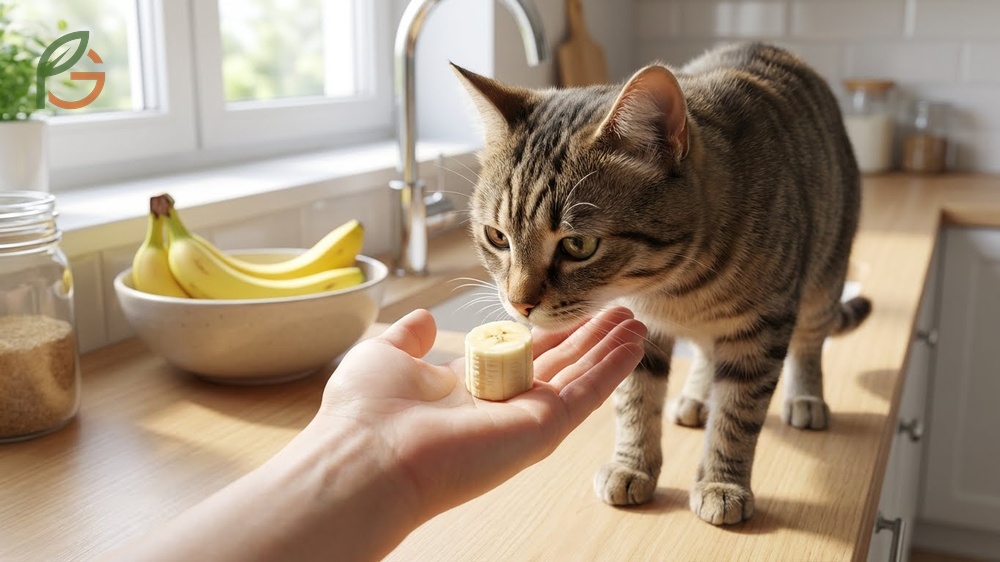
Can cats eat bananas? Yes, cats can eat bananas safely in small amounts. Research shows bananas aren’t toxic to felines, but their high sugar content means they should only be offered occasionally as treats[1][2]. While a bite-sized piece won’t harm your cat, understanding the nutritional implications helps you make informed decisions. FruitGarden synthesizes current veterinary research and nutritional data to help pet owners understand safe fruit options for their feline companions.
Quick Answer
Can Cats Eat Bananas
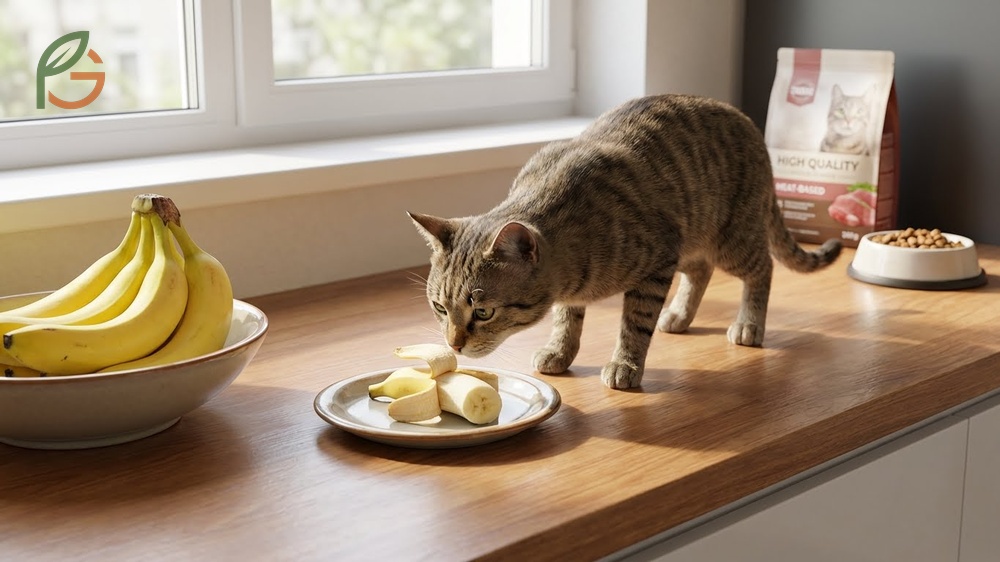
Bananas are non-toxic to cats and won’t cause poisoning if consumed in small quantities[1]. Veterinary professionals confirm that unlike grapes, onions, or chocolate, bananas don’t contain compounds harmful to feline physiology. However, cats are obligate carnivores whose digestive systems evolved to process meat, not fruit.
Studies demonstrate that cats lack the enzymes needed to efficiently digest plant-based sugars and carbohydrates[5]. A healthy feline diet should contain no more than 2% sugar or carbohydrates. This biological limitation explains why even safe fruits like bananas can cause digestive upset when overfed.
Most cats show little interest in bananas due to their lack of taste receptors for sweetness. Unlike humans who crave sugary foods, felines are biologically programmed to seek protein-rich prey. What often gets overlooked is that banana ripeness affects sugar concentration—overripe bananas contain even higher sugar levels than green or yellow ones.
Nutritional Composition of Bananas
One medium banana weighing 118 grams provides 105 calories, 26.9g carbohydrates, 14.4g sugar, and 3.07g fiber. The fruit also contains 450mg potassium, vitamin B6, and vitamin C[6]. While these nutrients benefit humans, cats synthesize their own vitamin C and obtain potassium from meat sources.
The high carbohydrate-to-protein ratio makes bananas nutritionally imbalanced for cats. For comparison, cats require diets with at least 26% protein and minimal carbohydrates. A single banana slice can represent 10-15% of a cat’s daily caloric needs without providing essential amino acids like taurine.
This table compares nutritional content per serving of banana with recommended daily values for cats
| Nutrient | Per Medium Banana | Cat’s Daily Need | Recommendation |
|---|---|---|---|
| Calories | 105[4] | 200-300 (avg cat) | Limit to 1-2 small pieces |
| Sugar | 14.4g[4] | <2% of diet | Occasional treat only |
| Protein | 1.29g | 12-15g (minimum) | Not a protein source |
| Fiber | 3.07g[4] | Minimal need | May cause digestive upset |
Why Cats Don’t Need Bananas
Cats are obligate carnivores, meaning they require animal-based proteins for survival. Research confirms their bodies lack the metabolic pathways to efficiently extract nutrients from plant matter. Unlike omnivores, cats don’t benefit from the fiber, potassium, or vitamins found in bananas because they obtain superior versions of these nutrients from meat.
Complete and balanced commercial cat foods already provide all essential nutrients in bioavailable forms. Adding bananas to your cat’s diet offers no nutritional advantage and may displace more appropriate protein-rich foods. Current veterinary guidance emphasizes species-appropriate feeding over human food supplementation.
Important Note: Cats with diabetes, kidney disease, or obesity should never receive bananas without explicit veterinary approval. The high sugar and potassium content can worsen these conditions.
Are Bananas Safe for Cats
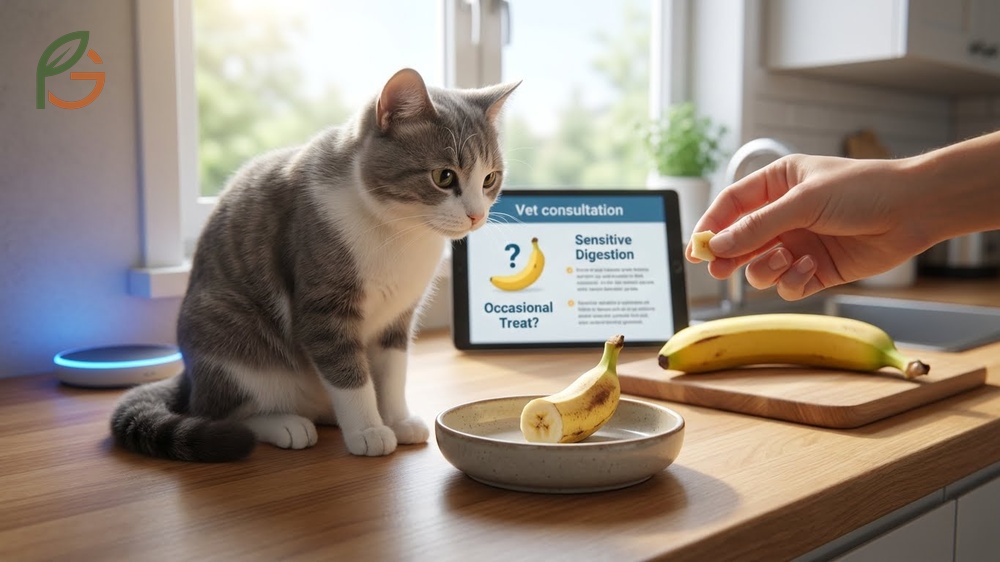
While bananas aren’t toxic, safety depends on portion size, frequency, and your cat’s individual health status. Studies show that cats have sensitive digestive systems that react poorly to unfamiliar foods[5]. Most people find their cats show no interest in bananas, but curious felines may sample the fruit if it’s accessible.
Veterinarians recommend treating bananas as occasional treats rather than regular dietary components. The threshold for “safe” consumption varies by cat size, age, and health condition. What matters most is monitoring your cat for adverse reactions after first exposure.
Safe Portion Sizes
Evidence suggests limiting banana portions to a few small bites—approximately one-quarter inch cubes or less. For an average 10-pound cat, this represents no more than 5-10 calories from bananas per day. Treats should comprise less than 10% of total daily caloric intake to maintain nutritional balance.
Always introduce new foods gradually, starting with a single small piece to assess tolerance. Wait 24-48 hours before offering more to observe for delayed reactions. Remove the peel completely and cut the fruit into bite-sized pieces to prevent choking hazards.
- Limit to 1-2 small cubes (quarter-inch size) per serving
- Offer no more than 2-3 times per week maximum
- Always remove peel and cut into manageable pieces
- Supervise your cat while eating to prevent choking
- Stop immediately if vomiting or diarrhea occurs
- Never force-feed bananas to cats who refuse them
Banana Peel Dangers
Banana peels pose significant safety risks and should never be given to cats. The tough, fibrous texture makes peels extremely difficult to digest and creates choking hazards, especially for smaller cats. Veterinary reports document cases of intestinal blockages requiring surgical intervention from ingested peels.
Peels may also contain pesticide residues or bacteria from handling that can cause gastrointestinal distress. Unlike the fruit flesh, peels offer no nutritional value and present only risks. Store bananas securely to prevent curious cats from accessing discarded peels in trash bins.
Warning: If your cat ingests banana peel, monitor closely for signs of distress including drooling, pawing at the mouth, vomiting, or constipation. Contact your veterinarian immediately if symptoms appear.
Side Effects of Bananas in Cats
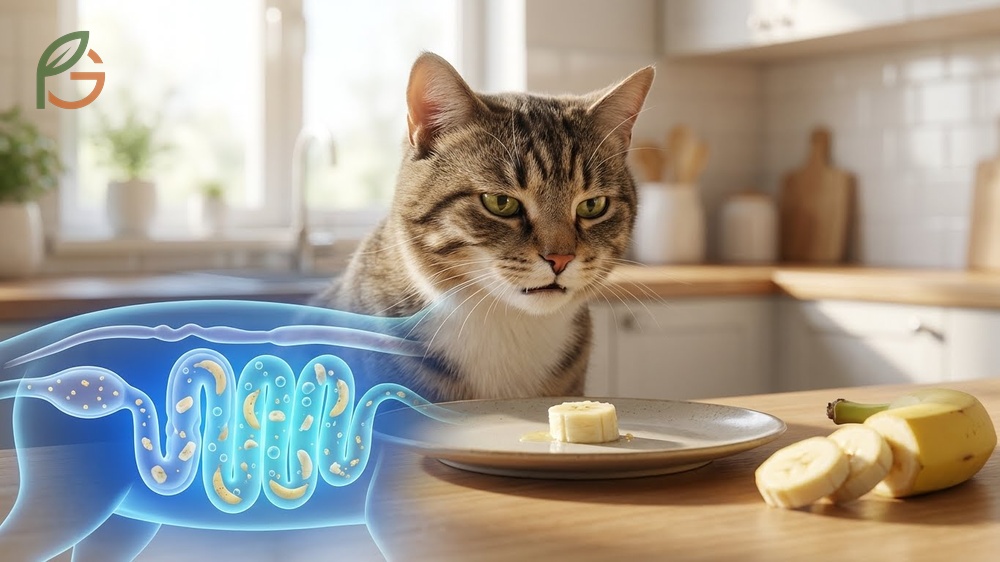
Current data indicates that even non-toxic foods can trigger adverse reactions in cats due to their specialized digestive systems. Bananas commonly cause gastrointestinal upset when consumed in quantities exceeding tiny taste portions. The severity of side effects varies based on individual cat sensitivity and amount consumed.
Research shows cats lack sufficient enzymes to break down plant-based sugars efficiently, leading to fermentation in the gut. This fermentation process produces gas and digestive discomfort that manifests as observable symptoms. Most reactions resolve within 24-48 hours without intervention, provided the cat stays hydrated.
Digestive Problems
Studies demonstrate that the most common side effect of cats eating bananas is gastrointestinal upset[5]. Symptoms include vomiting, diarrhea, and loss of appetite, typically appearing within 2-12 hours of consumption. The high fiber content can overwhelm a cat’s short digestive tract, which evolved to process meat quickly.
Excessive drooling or nausea may occur even before vomiting begins. Some cats experience constipation instead of diarrhea, particularly if they consume larger pieces that are difficult to pass. Dehydration becomes a concern if symptoms persist beyond 24 hours or occur repeatedly.
- Vomiting within 2-12 hours of consumption
- Diarrhea or loose stools lasting 24-48 hours
- Loss of appetite or food refusal
- Excessive drooling or lip licking
- Abdominal discomfort or bloating
- Constipation if large pieces consumed
Long-term Health Risks
Regular banana consumption poses cumulative health risks beyond immediate digestive upset. The high sugar content contributes to weight gain, which affects an estimated 60% of domestic cats in the United States. Obesity increases risks for diabetes, arthritis, and heart disease—conditions that significantly reduce feline life expectancy.
Cats who regularly receive high-sugar treats may develop insulin resistance over time. This metabolic dysfunction can progress to type 2 diabetes requiring lifelong management with injections and specialized diets. Agricultural data shows preventing obesity costs far less than treating its complications.
Allergic reactions to bananas, while rare, can occur in sensitive cats. Symptoms include itching, skin inflammation, facial swelling, or difficulty breathing. These reactions require immediate veterinary attention as they may progress to life-threatening anaphylaxis without treatment.
Safer Fruit Alternatives for Cats
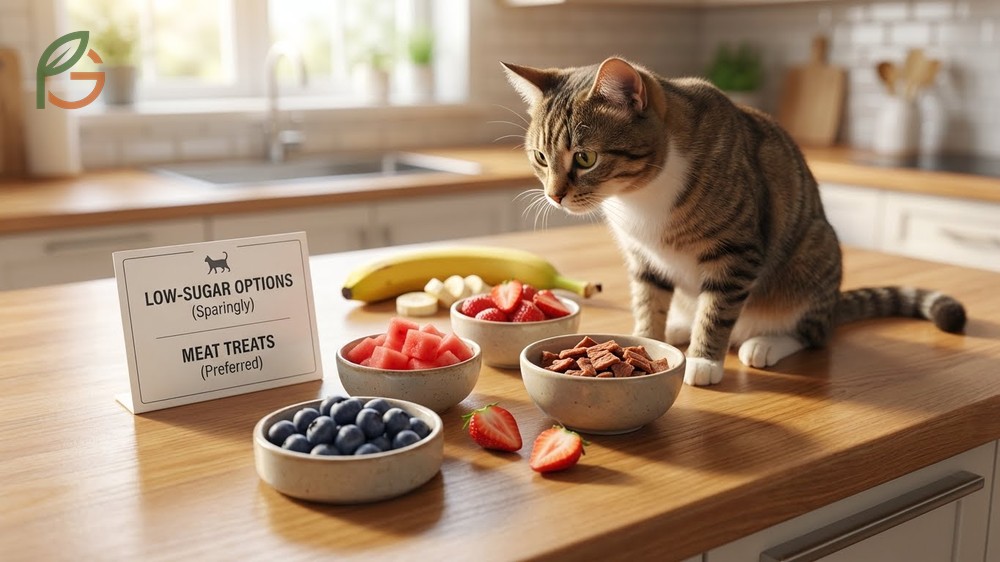
If you’re looking to offer your cat occasional fruit treats, several options present fewer risks than bananas. Current veterinary guidance suggests that while cats don’t require fruit, some lower-sugar options can be offered sparingly without significant health concerns. The key remains moderation and recognizing that meat-based treats better suit feline nutritional needs.
Research shows certain fruits contain beneficial antioxidants and lower sugar concentrations than bananas. However, all fruits should comprise less than 5% of a cat’s total diet. Most cats prefer the texture and taste of freeze-dried fruit treats over fresh fruit, which may be easier to portion control.
- Blueberries—high in antioxidants, lower sugar, small size reduces choking risk
- Strawberries—rich in vitamin C and fiber, cut into small pieces
- Apples—remove seeds and core completely, offer only flesh in tiny amounts
- Watermelon—high water content aids hydration, seedless varieties only
- Cantaloupe—acceptable for cats without diabetes, limit to small cubes
- Pineapple—small fresh pieces only, avoid canned versions with added sugar
Vegetables like cooked carrots, green beans, and peas typically cause fewer digestive issues than fruits due to lower sugar content. However, cats derive no nutritional advantage from produce of any kind. High-quality meat-based treats remain the most species-appropriate option for feline snacking.
Commercial cat treats formulated by board-certified veterinary nutritionists provide safe alternatives that satisfy your cat’s desire for variety. These products contain appropriate protein levels and avoid excessive sugars that characterize human foods. When in doubt, consult your veterinarian before introducing any new food items to your cat’s diet.
Conclusion
The evidence is clear: can cats eat bananas safely? Yes, but only in minimal quantities as rare treats. Bananas pose no toxicity risk but offer zero nutritional benefits for obligate carnivores whose bodies evolved to process meat, not fruit. The high sugar content, digestive challenges, and potential for weight gain make bananas a poor dietary choice for felines.
Current veterinary guidance emphasizes that cats thrive on species-appropriate diets centered on animal proteins. If you choose to offer your cat a banana taste, limit portions to tiny pieces, remove the peel completely, and monitor for adverse reactions. FruitGarden recommends prioritizing meat-based treats and consulting your veterinarian before introducing any human foods to your cat’s routine.
Medical Disclaimer
Important Medical Disclaimer: This content is for informational and educational purposes only. It is not intended as a substitute for professional veterinary advice, diagnosis, or treatment. Always consult a qualified veterinarian before making any changes to your cat’s diet, especially if your pet has diabetes, kidney disease, obesity, or other medical conditions. Never disregard professional veterinary advice or delay seeking it because of information you read here.
Frequently Asked Questions
Can Cats Have Banana as a Daily Treat?
No, bananas should not be given daily to cats. The high sugar content (14.4g per medium banana) can lead to weight gain and diabetes when offered regularly. Veterinarians recommend limiting banana treats to 2-3 times per week maximum, with tiny portions of one-quarter inch cubes.
Are Bananas Toxic to Cats in Any Amount?
No, bananas are not toxic to cats at any amount. Research confirms they don’t contain compounds harmful to feline physiology like grapes or onions do. However, consuming large quantities can cause severe digestive upset, vomiting, and diarrhea requiring veterinary attention.
Can Cats Eat Banana Peels Safely?
No, cats should never eat banana peels. The tough, fibrous texture poses serious choking hazards and can cause intestinal blockages requiring surgery. Peels are indigestible for cats and may contain pesticide residues or bacteria that trigger gastrointestinal distress.
Do Cats Like Bananas or Show Interest in Them?
Most cats show little to no interest in bananas. Felines lack taste receptors for sweetness and are biologically programmed to seek protein-rich prey instead of fruit. Some curious cats may sample bananas if offered, but they typically don’t seek them out independently like dogs might.
What Are the Signs My Cat Ate Too Much Banana?
Watch for vomiting, diarrhea, loss of appetite, excessive drooling, and lethargy within 2-12 hours of consumption. These symptoms indicate digestive upset from consuming too much banana. If symptoms persist beyond 24 hours or your cat shows signs of dehydration, contact your veterinarian immediately.
Are Bananas Good for Cats With Specific Health Conditions?
No, bananas are particularly inappropriate for cats with diabetes, obesity, or kidney disease. The high sugar content worsens blood glucose control in diabetic cats, while the potassium levels can be problematic for cats with kidney dysfunction. Always consult your veterinarian before offering bananas to cats with medical conditions.
Can Cats Eat Banana Bread or Other Banana Products?
No, cats should never eat banana bread or processed banana products. These items contain added sugars, butter, flour, and potentially toxic ingredients like chocolate, nutmeg, or xylitol. Even plain banana bread contains excessive calories and carbohydrates inappropriate for obligate carnivores.





