

Can dogs eat banana peels? No, banana peels aren’t safe for dogs to eat. Research shows that while banana fruit itself provides beneficial nutrients like potassium and fiber, the peel creates serious digestive risks including intestinal blockages and choking hazards[1]. What most dog owners don’t realize is that banana peels contain concentrated fiber that dogs can’t break down, plus they often carry pesticide residues that can make your pet sick[2]. FruitGarden synthesizes current veterinary research to help pet owners make informed decisions about safe fruit treats for their dogs.
Quick Answer
- Banana peels aren’t toxic but cause 10-15% of emergency vet visits due to gastrointestinal blockages[3]
- The peel’s high fiber content can’t be digested by dogs, leading to vomiting, diarrhea, or constipation within 12-24 hours[2]
- Store-bought banana chips often contain added sugar and salt that can harm dogs when consumed regularly
- Dehydrated banana slices made at home without additives provide a safer alternative treat option[4]
Can Dogs Eat Banana Peels
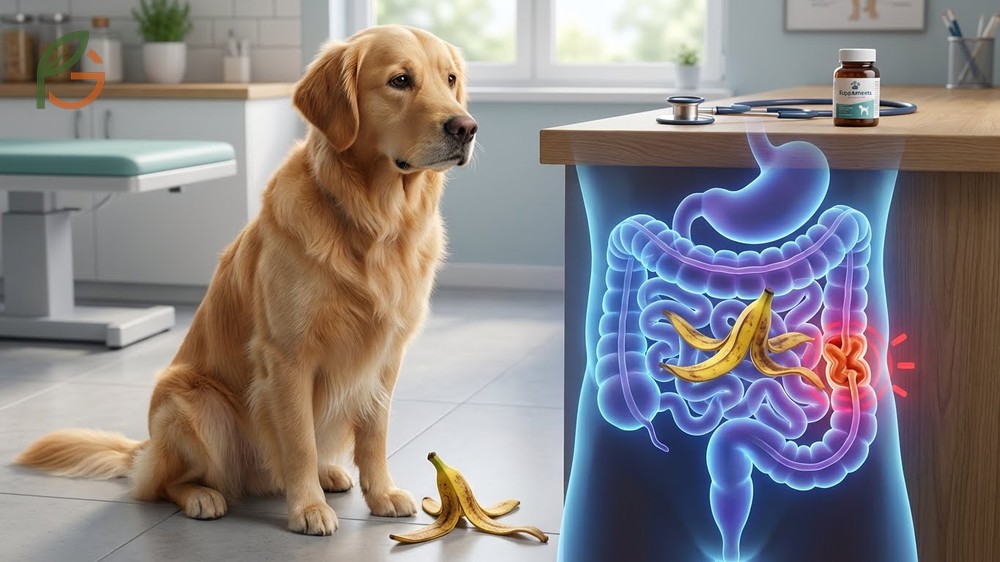
Banana peels pose significant health risks to dogs despite not being technically toxic. Studies demonstrate that dogs lack the digestive enzymes necessary to break down the tough cellulose structure found in banana peels[1]. This fibrous material can tangle in your dog’s digestive tract, creating partial or complete obstructions that require emergency veterinary care.
The American Kennel Club confirms that while banana flesh provides potassium and vitamins beneficial to dogs, the peel creates serious choking hazards. Small breeds face particularly high risks due to their smaller digestive systems and limited capacity to pass large fibrous materials[3]. What makes this worse is that banana peels become slippery when wet, increasing the likelihood they’ll lodge in your dog’s throat or intestines.
Current veterinary data shows that gastrointestinal blockages from indigestible plant material account for nearly 10-15% of emergency vet visits in dogs[3]. Unlike humans who can digest various plant fibers, dogs’ digestive systems evolved primarily for meat consumption, making them poorly equipped to handle tough banana peel material.
Why Banana Peels Are Dangerous
The concentrated fiber in banana peels creates multiple hazards for canine digestion. Evidence suggests this material doesn’t break down properly in stomach acid, leading to compaction in the intestinal tract[2]. When your dog consumes a banana peel, the fibrous chunks can clump together and form a mass that blocks normal digestive flow.
Veterinarians report that dogs who eat banana peels commonly develop symptoms within 12-24 hours. These include vomiting, abdominal pain, constipation, and loss of appetite[2]. The reason dogs can’t process this material comes down to missing digestive enzymes—specifically cellulase, which humans and herbivores produce but carnivores like dogs don’t.
- Intestinal blockage requiring emergency surgery in severe cases
- Choking hazard from slippery peel material lodging in the throat
- Gastrointestinal distress including vomiting and diarrhea within hours
- Dehydration from persistent vomiting and inability to keep water down
- Nutrient absorption disruption affecting regular food digestion
- Abdominal pain and bloating from undigested material accumulation
Pesticides and Chemical Exposure
Agricultural data shows that banana peels absorb and concentrate pesticide residues at higher levels than the fruit itself. Research demonstrates that non-organic bananas carry chemical treatments designed to preserve shelf life and prevent fungal growth during shipping[2]. When dogs consume these peels, they’re exposed to concentrated doses of chemicals their bodies can’t efficiently process or eliminate.
Beyond pesticides, banana peels may carry household contaminants if they’ve been sitting in your trash or on counter surfaces. Floor dirt, cleaning product residues, and bacteria from other foods can transfer to the peel’s surface. This creates additional toxic exposure risks that compound the digestive dangers[3].
Important Warning: If you drop a banana peel and your dog grabs it before you can react, don’t panic immediately. Monitor your pet closely for 24-48 hours and contact your vet if you notice any concerning symptoms like repeated vomiting or lethargy.
Can Dogs Eat Banana Chips

Commercial banana chips present a mixed safety profile for dogs depending on preparation methods and added ingredients. Studies show that plain dehydrated banana slices without additives can serve as occasional treats, but most store-bought varieties contain problematic levels of sugar, salt, and oils[5]. The key difference lies in whether the chips are baked or dehydrated versus deep-fried with sweeteners.
Veterinary nutritionists confirm that dogs can benefit from the potassium and vitamins in banana chips when consumed in strict moderation. However, the high sugar content creates risks for weight gain and blood sugar spikes, particularly in dogs with diabetes or obesity concerns[5]. Most commercial banana chips pack 3-4 times more concentrated sugar per serving than fresh banana slices due to moisture removal.
Sugar Content in Commercial Chips
Current nutritional analysis reveals that store-bought banana chips often contain added sweeteners beyond the fruit’s natural sugars. Research shows these products frequently include honey, cane sugar, or corn syrup to enhance flavor and extend shelf life. For dogs, this means a single serving can deliver excessive sugar that disrupts their metabolism and contributes to dental problems.
Deep-fried banana chips absorb significant amounts of oil during processing, adding unnecessary fat calories that your dog doesn’t need. Evidence indicates this combination of high sugar and high fat can trigger pancreatitis in susceptible dogs, particularly smaller breeds with more sensitive digestive systems[5]. The safer approach involves checking ingredient labels carefully and choosing brands that list only “banana” without additives.
This table compares nutritional profiles and health impacts of commercial versus homemade banana chips for dogs
| Type | Sugar Content | Fat Content | Safety Level |
|---|---|---|---|
| Store-bought sweetened | High (added sugars) | High (deep-fried) | Unsafe for regular feeding |
| Store-bought unsweetened | Moderate (natural only) | Variable | Check ingredients carefully |
| Homemade dehydrated | Natural fruit sugars only | None added | Safe in moderation |
| Fresh banana slices | Natural, less concentrated | Minimal | Best option overall |
Homemade Dehydrated Banana Treats
Making dehydrated banana treats at home gives you complete control over ingredients and processing methods. Studies demonstrate that simple oven-drying or using a food dehydrator preserves the fruit’s beneficial nutrients without adding harmful substances[4]. The process takes about 12-14 hours in a dehydrator at low temperatures, creating chewy treats your dog will love.
Current guidance from veterinary nutritionists suggests cutting bananas into thin slices—about 1/4 inch thick—for even drying. You don’t need any additives; the banana’s natural sweetness concentrates during dehydration, making the treats appealing without extra sugar. These homemade chips stay fresh for weeks when stored in airtight containers, providing convenient training rewards[4].
- Limit portions to 1-2 small chips per 10 pounds of body weight daily
- Choose unsweetened, unflavored varieties with zero artificial additives
- Avoid chips with coconut oil, honey, or cinnamon coatings marketed for humans
- Check for low sodium content as excess salt harms dog kidney function
- Introduce new treats gradually to monitor for digestive upset or allergies
- Store homemade chips in sealed containers away from moisture and heat
What to Do If My Dog Ate a Banana Peel
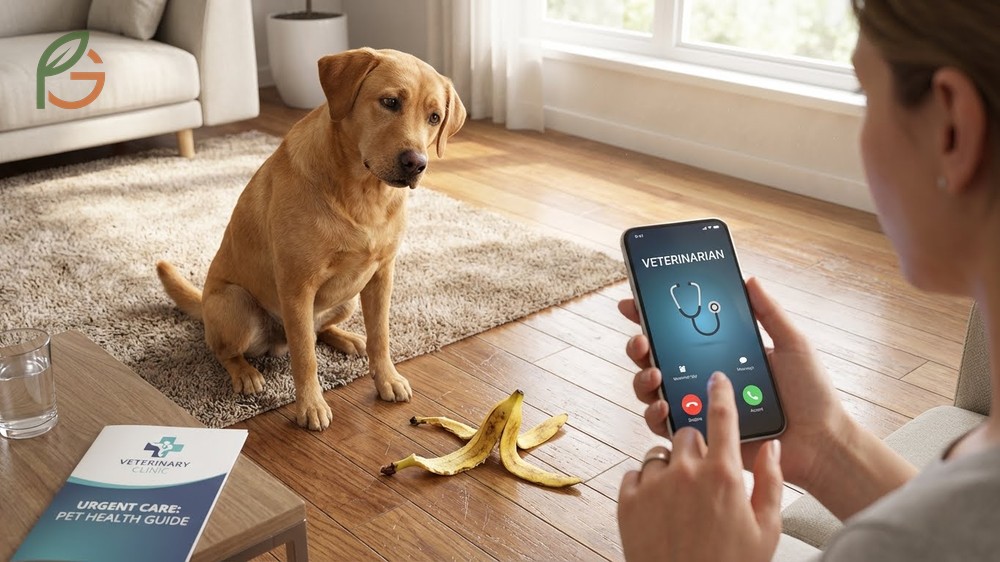
If your dog consumed a banana peel, contact your veterinarian immediately for professional guidance tailored to your pet’s size and health status. Research shows that quick intervention prevents complications, especially if the peel was large or your dog is a smaller breed[3]. Your vet will ask about the peel size, time of ingestion, and whether your dog shows any immediate distress.
Most veterinarians recommend a watch-and-wait approach for dogs who ate small amounts without showing symptoms. Studies demonstrate that monitoring bowel movements over the next 48 hours helps confirm the peel passed through safely. Look for the peel material in your dog’s stool—it often appears as dark, fibrous chunks[3]. Don’t attempt home remedies like inducing vomiting unless your vet specifically instructs you to do so.
Evidence indicates that small dogs face higher blockage risks than large breeds due to their narrower digestive tracts. A peel that might pass uneventfully through a Golden Retriever could cause serious obstruction in a Chihuahua or Yorkshire Terrier. Keep fresh water available and maintain your dog’s normal feeding schedule unless your vet advises otherwise.
Emergency Action Required: If your dog shows persistent vomiting, refuses food for more than 12 hours, appears bloated, or seems painful when you touch their abdomen, get to an emergency vet immediately. These signs can indicate serious blockage requiring surgical intervention.
- Call your veterinarian and describe the peel size and your dog’s current condition
- Monitor closely for vomiting, diarrhea, constipation, or behavior changes
- Check stool over the next 2-3 days for peel material passing through
- Provide access to fresh water to prevent dehydration from potential vomiting
- Don’t give your dog additional food immediately if they’re showing distress
- Keep your vet’s emergency number and nearest 24-hour clinic info accessible
Symptoms of Intestinal Blockage in Dogs
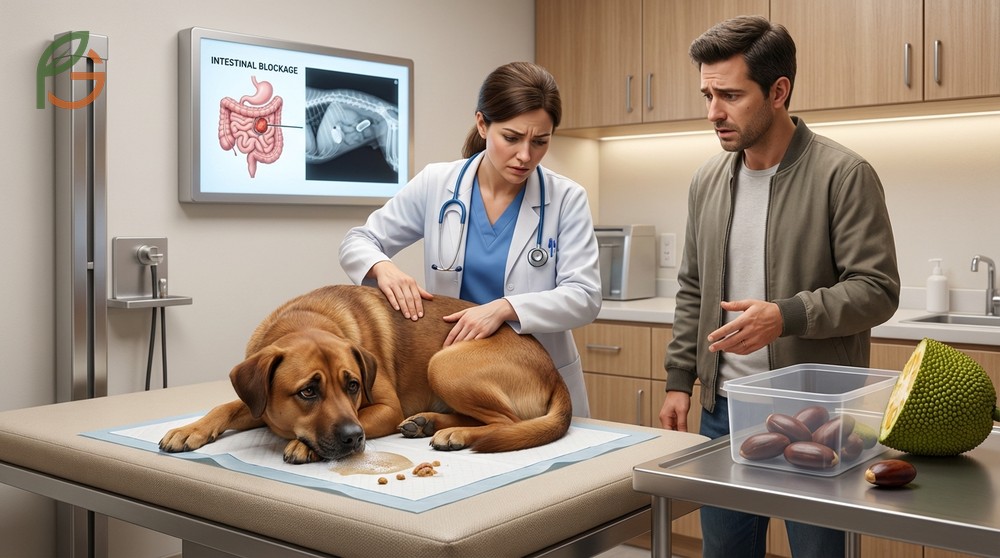
Intestinal blockages manifest through several distinct warning signs that require immediate veterinary attention. Research from veterinary emergency hospitals shows that persistent vomiting represents the most common early symptom, often beginning within 6-12 hours of ingesting problematic material[6]. This vomiting typically doesn’t respond to fasting or dietary changes, distinguishing it from simple stomach upset.
Loss of appetite occurs as dogs instinctively avoid eating when their digestive system can’t process food properly. Studies demonstrate that young dogs with foreign body obstructions may initially try to eat but immediately vomit afterward, while complete blockages prevent any interest in food[6]. Abdominal pain becomes evident through hunched posture, whining when touched, or aggressive reactions to belly contact.
Current veterinary data indicates that partial blockages can produce intermittent diarrhea as liquid squeezes around the obstruction, while complete blockages prevent any defecation. Weakness and lethargy develop from dehydration and electrolyte imbalances caused by persistent vomiting[6]. These symptoms can escalate rapidly, potentially leading to intestinal rupture and life-threatening peritonitis if left untreated.
- Repeated vomiting that continues despite withholding food and water
- Complete refusal to eat or drink for more than 12-24 hours
- Visible abdominal bloating or distension that feels hard when touched
- Straining to defecate without producing stool or only passing liquid
- Extreme lethargy with inability to stand or walk normally
- Severe abdominal pain evident through whining, panting, or aggressive behavior
- Dehydration signs including dry gums, sunken eyes, and skin tenting
Time-Sensitive Warning: Intestinal blockages can progress from mild symptoms to life-threatening emergencies within 24-48 hours. Don’t wait for multiple symptoms to appear—a single severe sign like persistent vomiting warrants immediate veterinary evaluation.
Safe Banana Alternatives for Dogs
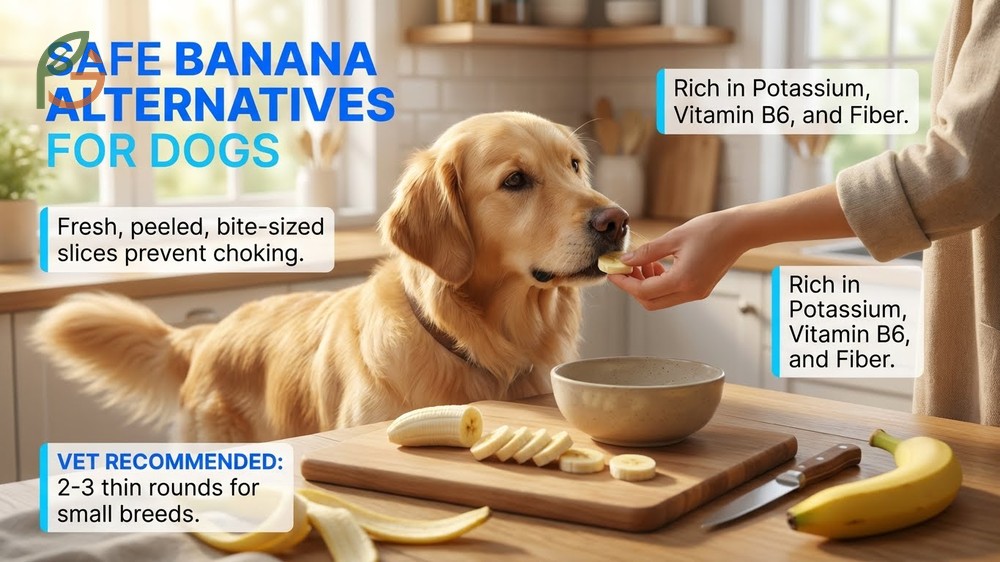
Fresh banana slices represent the safest way to share this fruit with your dog while avoiding peel-related risks. Evidence shows that removing both the peel and cutting the fruit into bite-sized pieces prevents choking while delivering beneficial nutrients like potassium, vitamin B6, and dietary fiber[1]. Veterinarians recommend limiting portions to a few small slices per day based on your dog’s size—typically 2-3 thin rounds for small breeds and up to half a banana for large breeds.
Frozen banana chunks work especially well during hot weather, providing a cooling treat that takes longer to consume. Studies demonstrate that freezing banana slices in ice cube trays with a small amount of water creates refreshing rewards that help keep dogs hydrated. You can also mash banana and mix it with unsweetened Greek yogurt for a protein-rich snack, or stuff it into puzzle toys for mental stimulation[4].
Current veterinary guidance emphasizes choosing ripe but firm bananas rather than overripe ones with brown spots. Overripe bananas contain higher sugar concentrations that can upset your dog’s stomach or contribute to weight gain when fed regularly. Always introduce bananas gradually if your dog hasn’t eaten them before, watching for any signs of digestive upset or allergic reactions over the first few servings.
- Thin fresh slices mixed into regular kibble for added flavor and nutrition
- Mashed banana combined with pumpkin puree for digestive health support
- Frozen banana chunks as low-calorie summer cooling treats
- Banana-yogurt mixture stuffed in Kong toys for extended entertainment
- Dehydrated banana strips made without oils, sugars, or preservatives
- Banana smoothie popsicles blended with dog-safe fruits like blueberries
Portion Control Tip: Treats including bananas shouldn’t exceed 10% of your dog’s daily caloric intake. For a 20-pound dog, this means roughly 2-3 thin banana slices per day maximum to maintain healthy weight and balanced nutrition.
Conclusion
The evidence is clear: while can dogs eat banana peels technically without immediate toxicity, the digestive risks far outweigh any potential benefits. Research demonstrates that banana peels create serious hazards including intestinal blockages, choking, and pesticide exposure that can lead to emergency veterinary situations. Fresh banana fruit without the peel provides all the nutritional benefits your dog needs when offered in appropriate portions as an occasional treat.
Current veterinary guidance emphasizes safe alternatives like homemade dehydrated banana slices or fresh fruit pieces that eliminate peel-related dangers while delivering potassium, vitamins, and fiber. FruitGarden synthesizes evidence-based research to help pet owners make informed decisions that prioritize their dogs’ health and safety. If your dog does consume a banana peel accidentally, monitor closely for symptoms and contact your veterinarian for professional guidance tailored to your pet’s specific situation.
Medical Disclaimer
Important Veterinary Disclaimer: This content is for informational and educational purposes only. It isn’t intended as a substitute for professional veterinary advice, diagnosis, or treatment. Always consult a qualified veterinarian before making any changes to your dog’s diet or if you suspect your pet has consumed something potentially harmful. Never disregard professional veterinary advice or delay seeking it because of information you’ve read here. In emergency situations such as suspected intestinal blockage, contact your veterinarian or emergency animal hospital immediately.
Frequently Asked Questions
Are Banana Peels Poisonous to Dogs?
No, banana peels aren’t technically poisonous or toxic to dogs. However, they’re extremely dangerous due to their indigestible fiber content that can cause intestinal blockages, choking hazards, and severe digestive distress. The peels may also carry pesticide residues that can make your dog sick even though the peel material itself isn’t classified as a toxin.
Can Dogs Eat Banana Skin Safely?
No, dogs can’t eat banana skin safely. Research shows that banana skins contain concentrated fiber that dogs can’t digest, leading to gastrointestinal blockages in 10-15% of cases that require emergency veterinary care. The slippery texture also creates choking risks, particularly for small breeds with narrower airways and digestive tracts.
What Happens If a Dog Eats a Whole Banana Peel?
If your dog eats a whole banana peel, contact your veterinarian immediately for guidance. Studies show symptoms typically appear within 12-24 hours and may include vomiting, diarrhea, constipation, abdominal pain, and loss of appetite. Monitor your dog closely and watch for signs of intestinal blockage such as persistent vomiting, bloating, or inability to defecate, which require emergency treatment.
Can Dogs Have Banana Chips From the Store?
Dogs can have plain, unsweetened banana chips in very small quantities occasionally. However, most store-bought banana chips contain added sugars, salt, and oils that aren’t healthy for dogs and can cause weight gain, digestive upset, or pancreatitis. Homemade dehydrated banana slices without additives provide a much safer alternative that delivers the same nutritional benefits.
How Much Banana Can I Give My Dog Daily?
Veterinarians recommend limiting banana treats to about 10% of your dog’s daily caloric intake. For small dogs under 20 pounds, this means 2-3 thin slices per day maximum. Medium dogs can have up to one-quarter banana, while large breeds can safely consume up to half a banana daily. Always remove the peel and cut the fruit into appropriate-sized pieces to prevent choking.
Are Dehydrated Banana Treats Safe for Dogs?
Yes, dehydrated banana treats made at home without additives are safe for dogs in moderation. Research shows that simple oven-drying or dehydrator methods preserve beneficial nutrients like potassium and vitamin B6 without adding harmful substances. The key is ensuring no sugar, salt, oils, or preservatives are added during the dehydration process, and limiting portions to prevent overconsumption of concentrated natural sugars.
Can Banana Peels Cause Dog Vomiting?
Yes, banana peels commonly cause vomiting in dogs due to their high fiber content that the canine digestive system can’t break down properly. Studies demonstrate that vomiting typically begins within 6-12 hours of consumption as the dog’s body attempts to expel the indigestible material. If vomiting persists for more than a few hours or is accompanied by other symptoms like lethargy or abdominal pain, contact your veterinarian immediately.





