
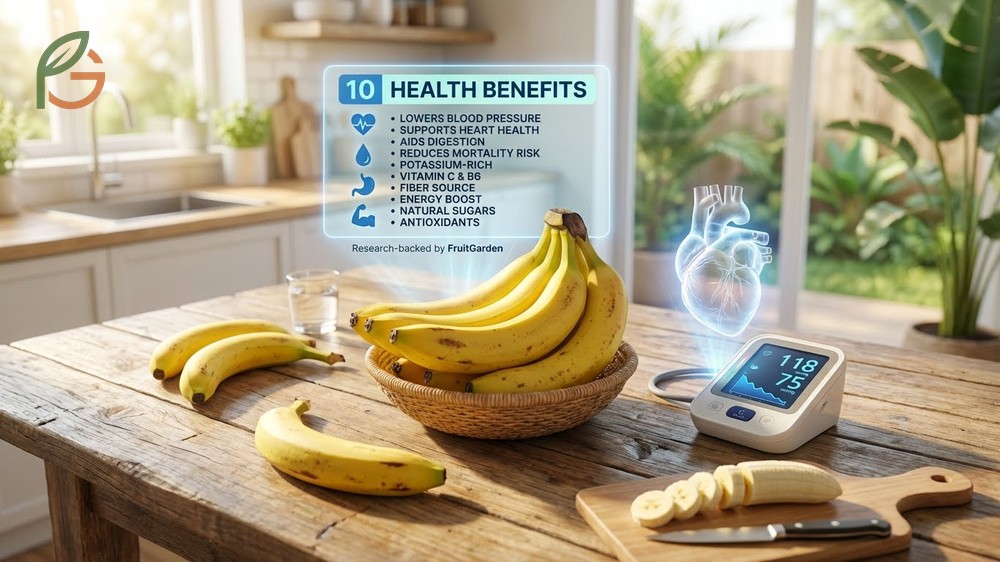
Are bananas good for you? Yes—research shows bananas deliver powerful health benefits when eaten regularly. Studies demonstrate that consuming bananas 3-6 times weekly reduces all-cause mortality risk in people with hypertension[1], while just three bananas daily can lower blood pressure by 13 mmHg within two weeks[2]. FruitGarden synthesizes current nutritional research to help you understand how this tropical fruit supports heart health, digestive wellness, and energy levels.
Quick Answer
- One medium banana provides 105 calories[3] and 422mg potassium[4] (16% daily value)
- Contains 3.1g fiber[4] and 0.4mg vitamin B6[4] (28% daily value)
- Green bananas have a glycemic index of 30[5] versus 60 for ripe yellow bananas[5]
- Best eaten at breakfast, 30 minutes before meals, or 15-30 minutes pre-workout[6]
Are Bananas Good for You
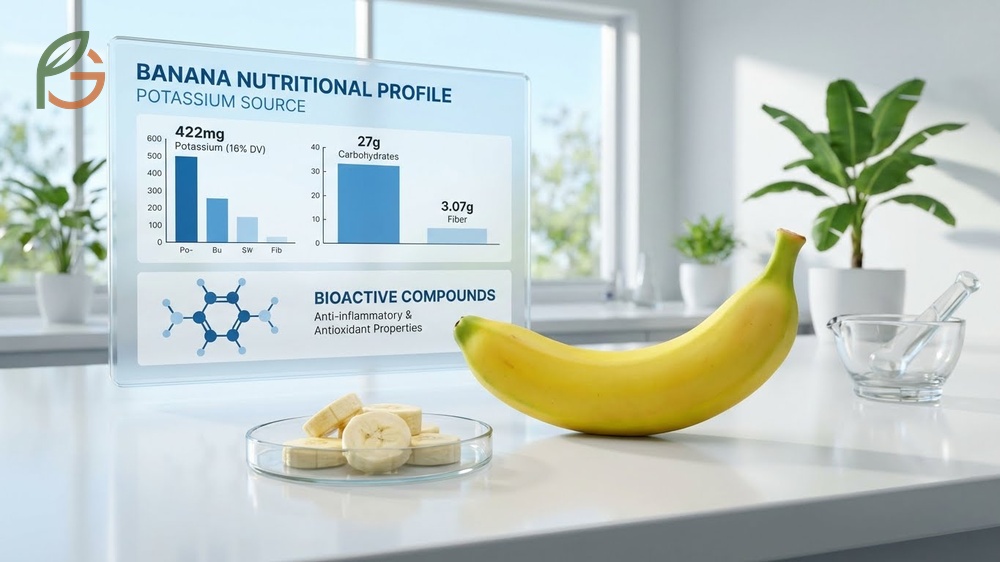
Research shows bananas rank among the most nutritionally complete fruits available globally. A medium banana delivers 105 calories, 27g carbohydrates, and 3.07g dietary fiber. Studies demonstrate their bioactive compounds exhibit anti-inflammatory, antioxidant, and anti-diabetic properties[8].
What makes bananas particularly beneficial is their mineral profile. You’ll get 422mg potassium per banana—about 16% of your daily requirement. Most Americans don’t consume enough potassium, which affects heart function and blood pressure regulation.
Current data indicates banana consumption frequency matters more than total amount. People with hypertension who ate bananas 3-6 times weekly showed significantly lower all-cause mortality compared to those eating bananas less than once monthly[1]. This finding held true even for individuals with diabetes or cardiovascular disease.
Evidence suggests bananas work through multiple mechanisms. Their resistant starch feeds beneficial gut bacteria, while pectin helps control blood sugar spikes after meals. Unlike processed snacks, bananas provide sustained energy without artificial additives or preservatives.
Banana Nutrition Facts
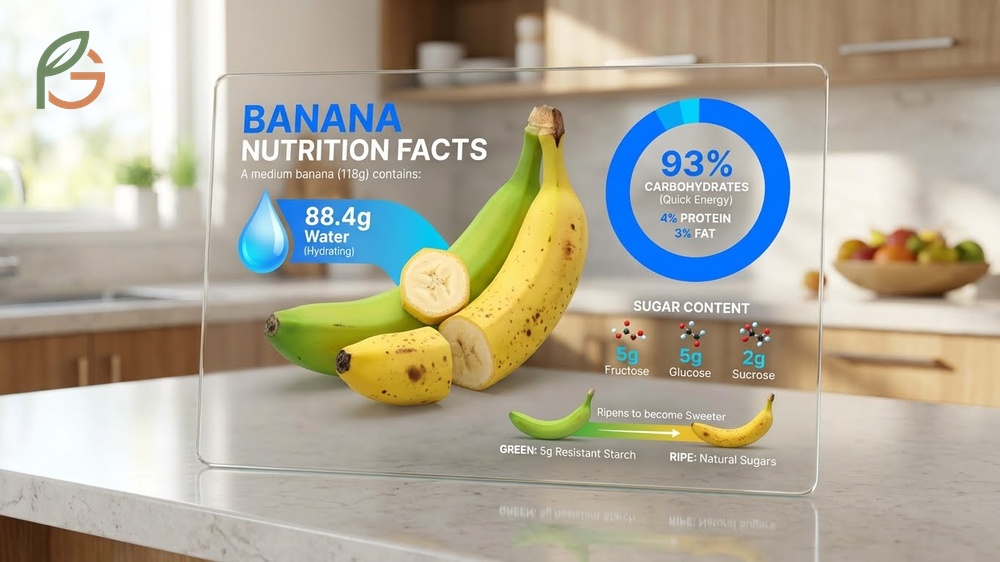
A medium banana weighing 118g contains 88.4g water[7], making it naturally hydrating. The macronutrient breakdown shows 93% carbohydrates, 4% protein, and 3% fat. This composition makes bananas ideal for quick energy without feeling heavy.
The sugar content includes 5g fructose, 5g glucose, and 2g sucrose. Green bananas contain up to 5g resistant starch, which converts to natural sugars as the fruit ripens. This explains why ripe bananas taste sweeter than firm green ones.
This table compares key nutrient amounts per medium banana with daily value percentages for calories, carbohydrates, fiber, potassium, vitamin B6, vitamin C, and magnesium
| Nutrient | Amount | Daily Value % |
|---|---|---|
| Calories | 105[3] | 5% |
| Carbohydrates | 26.9g[7] | 9% |
| Dietary Fiber | 3.1g[4] | 11% |
| Potassium | 422mg[4] | 16% |
| Vitamin B6 | 0.4mg[4] | 28% |
| Vitamin C | 10.3mg[4] | 13% |
| Magnesium | 31.9mg[4] | 8% |
Vitamins in Banana
Bananas excel as a vitamin B6 source, providing 28% of your daily requirement[9]. This vitamin supports brain development, immune function, and hemoglobin production. Pregnant women benefit particularly from this B6 content since it reduces morning sickness symptoms[4].
You’ll also find 10.3mg vitamin C per banana, which supports immune health and collagen synthesis. Additional nutrients include 20μg folate[9] (5% daily value), important for cell division and DNA formation.
Potassium Benefits
Research shows consuming more than 3,000mg potassium daily reduces cardiovascular disease risk by 25%[10]. Since most Americans fall short of this target, adding one or two bananas to your daily routine significantly improves potassium intake. This mineral regulates fluid balance, nerve signals, and muscle contractions.
The combination of high potassium and low sodium makes bananas particularly effective for blood pressure management. Studies demonstrate that three bananas daily (providing about 1,266mg potassium) reduced systolic blood pressure by an average of 13 mmHg after just 14 days[2].
Health Benefits of Bananas
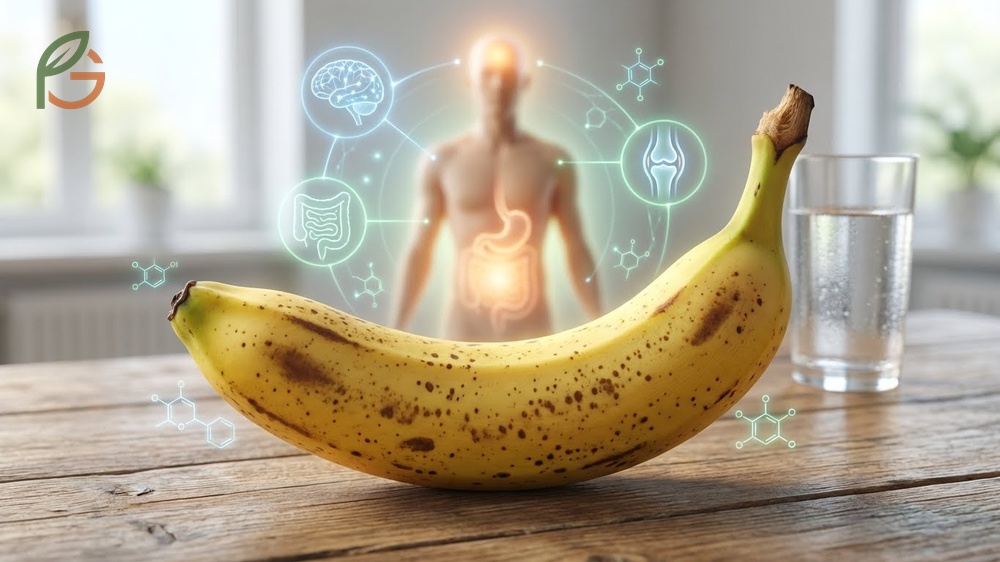
Current research demonstrates bananas deliver benefits across multiple body systems. Their phenolic compounds exhibit anti-inflammatory, antioxidant, anti-diabetic, and anti-cancer properties[11]. These bioactive substances work synergistically with vitamins and minerals to support overall health.
Studies show frequent banana consumption links to reduced risk of gastrointestinal ailments, neurodegenerative disorders, and degenerative diseases like arthritis and arteriosclerosis[8]. The antioxidant content helps delay aging processes by neutralizing free radicals that damage cells over time.
- Reduces blood pressure by 13 mmHg within two weeks when eating three daily
- Lowers all-cause mortality risk by eating bananas 3-6 times weekly
- Provides 28% daily vitamin B6 for brain function and mood regulation
- Delivers 16% daily potassium to support heart rhythm and muscle function
- Contains resistant starch that feeds beneficial gut bacteria
- Offers quick energy from natural sugars without blood sugar crashes
- Supplies fiber that prevents constipation and promotes digestive health
- Provides folate essential for cell division and fetal development
- Contains magnesium that reduces muscle cramps and supports bone health
- Delivers antioxidants that combat oxidative stress and inflammation
Heart Health Benefits
Evidence suggests potassium-rich diets reduce heart disease risk by 27%[12]. Bananas support heart health through multiple pathways beyond potassium alone. They contain 8% daily magnesium[12], which works alongside potassium to regulate blood pressure and maintain steady heart rhythm.
Research involving 2,480 hypertensive adults found that moderate banana consumption (3-6 times weekly) correlated with significantly lower mortality compared to eating bananas less than once monthly[1]. This protective effect remained consistent across different comorbidities including diabetes and cardiovascular disease.
Important Note: While bananas support heart health, they work best as part of a balanced diet. Don’t rely solely on bananas for potassium—include leafy greens, sweet potatoes, and legumes for comprehensive mineral intake.
Digestive Health
The 3.1g fiber per banana[4] promotes regular bowel movements and prevents constipation. Green bananas contain resistant starch that functions as a prebiotic, feeding beneficial bacteria in your colon. This resistant starch resists digestion in the small intestine and ferments in the large intestine, producing beneficial short-chain fatty acids.
Studies demonstrate banana consumption effectively treats gastrointestinal tract ailments[8]. The pectin content helps form bulk in your digestive system, which can relieve both diarrhea and constipation depending on banana ripeness.
Energy and Exercise
Athletes favor bananas because they provide quick energy from natural sugars while delivering sustained fuel from complex carbohydrates. Eating a banana 15-30 minutes before working out boosts energy levels and improves exercise performance[6]. Post-workout consumption replenishes potassium lost through sweat and accelerates muscle recovery.
The 422mg potassium per banana[4] prevents muscle cramps during extended exercise sessions. Combined with 31.9mg magnesium[4], bananas support proper muscle contraction and relaxation cycles essential for athletic performance.
Blood Sugar Management
Despite containing natural sugars, bananas don’t cause dramatic blood sugar spikes when consumed strategically. The pectin and resistant starch in bananas help control blood sugar levels, especially after meals[5]. Green bananas work particularly well for blood sugar management due to their low glycemic index of 30[5].
Pairing bananas with protein sources like Greek yogurt or nut butter further slows sugar absorption. This combination prevents the rapid blood sugar fluctuations that lead to energy crashes and hunger. You’re better off eating a slightly green banana with almonds than reaching for processed snacks that spike insulin levels.
Banana Benefits for Pregnancy
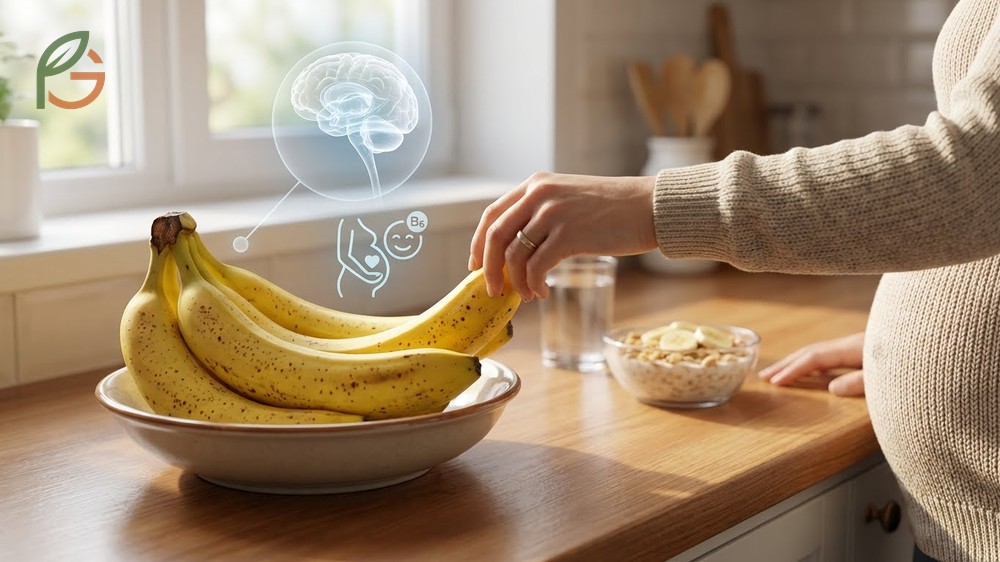
Pregnant women gain significant benefits from regular banana consumption. The 23.6μg folate per banana[4] supports healthy brain and spinal cord development in the developing fetus, reducing neural tube defect risks. Folate proves critical during the first trimester when these structures form rapidly.
Research shows vitamin B6 in bananas plays a dual role during pregnancy—it aids fetal brain development while reducing morning sickness symptoms[4]. Many women find that eating a banana immediately after waking helps calm their stomach before getting out of bed. The soft texture and mild taste make bananas easier to consume even when experiencing nausea.
- Reduces leg cramps through potassium and magnesium content
- Prevents constipation with 3.1g fiber per fruit
- Provides quick energy when fatigue strikes
- Regulates blood pressure as blood volume increases
- Supports red blood cell production with iron and vitamin B6
- Minimizes heartburn due to low acidity levels
Pregnancy Tip: Keep bananas at various ripeness stages in your kitchen. Slightly green bananas work better for morning sickness, while ripe bananas provide quick energy when you need it most.
Best Time to Eat Banana

Timing banana consumption strategically maximizes their health benefits. For energy boosts, eating bananas at breakfast fuels morning activities and kickstarts metabolism. Studies show consuming bananas during the following moments optimizes different health goals[6].
Starting your day with a banana provides sustained energy for 4-5 hours when paired with protein sources like Greek yogurt or eggs. The natural sugars deliver immediate fuel while complex carbohydrates maintain blood sugar stability throughout the morning. This combination prevents the mid-morning energy crash that often leads to unhealthy snacking.
For weight management, eating a banana 30 minutes before meals helps you feel satisfied[6], reducing the likelihood of overeating. The 105 calories per medium banana[3] make it a suitable low-calorie snack that curbs hunger between meals without derailing dietary goals.
Athletes benefit most from consuming bananas 15-30 minutes pre-workout[6]. This timing provides readily available glucose for energy while the potassium content prevents cramping during extended exercise sessions. Post-workout banana consumption replenishes glycogen stores and accelerates recovery through potassium replacement.
Mid-afternoon represents another optimal window for banana consumption. The afternoon energy slump typically strikes between 2-4 PM when blood sugar dips and cortisol levels shift. A banana provides natural energy without the caffeine crash associated with coffee or energy drinks.
Yellow vs Green Banana Benefits
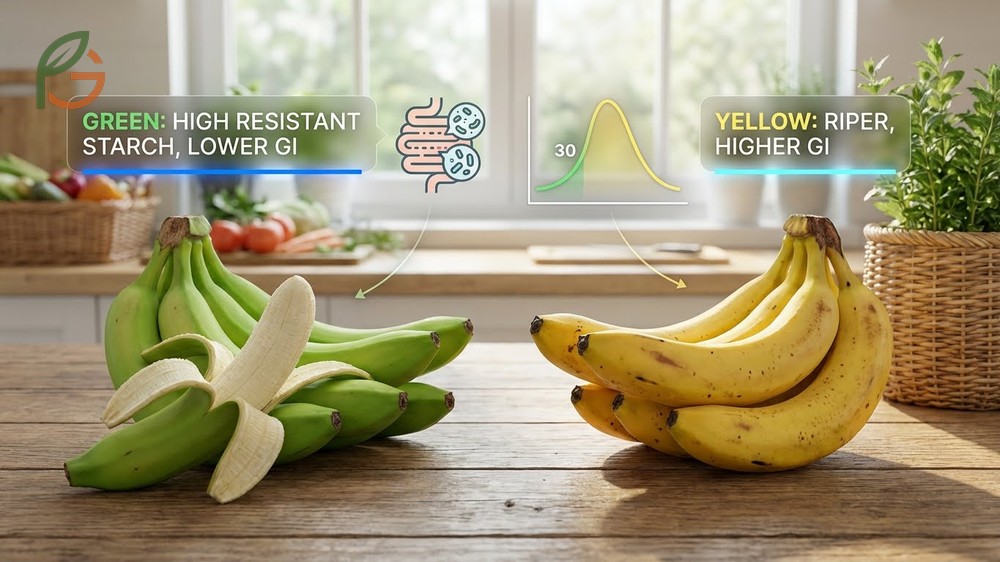
Banana ripeness dramatically affects nutritional composition and health benefits. Green bananas contain significantly more resistant starch—up to 70-80% of dry weight[13]—which acts as a prebiotic supporting gut health. This resistant starch resists digestion in the small intestine, feeding beneficial bacteria in your colon.
The glycemic index shifts dramatically during ripening. Unripe green bananas rank at 30 on the glycemic index[5], while fully ripe yellow bananas score around 60[5]. This difference matters significantly for people managing blood sugar levels or following low-glycemic diets.
| Characteristic | Green Banana | Yellow Banana |
|---|---|---|
| Glycemic Index | 30[5] (Low) | 60[5] (Medium) |
| Resistant Starch | High (70-80% dry weight)[13] | Low (converted to sugars) |
| Sugar Content | Lower (less than 16% fresh weight) | Higher (16%+ fresh weight) |
| Taste | Grassy, bitter, starchy | Sweet, creamy |
| Best For | Blood sugar control, gut health | Quick energy, antioxidants |
As bananas ripen, they produce more antioxidants[14], which combat oxidative stress and support immune function. However, this comes at the cost of increased sugar content and higher glycemic impact. If you’re watching blood sugar levels, stick with green bananas. For immediate energy needs or antioxidant benefits, choose ripe yellow bananas.
Banana vs Apple Health Benefits
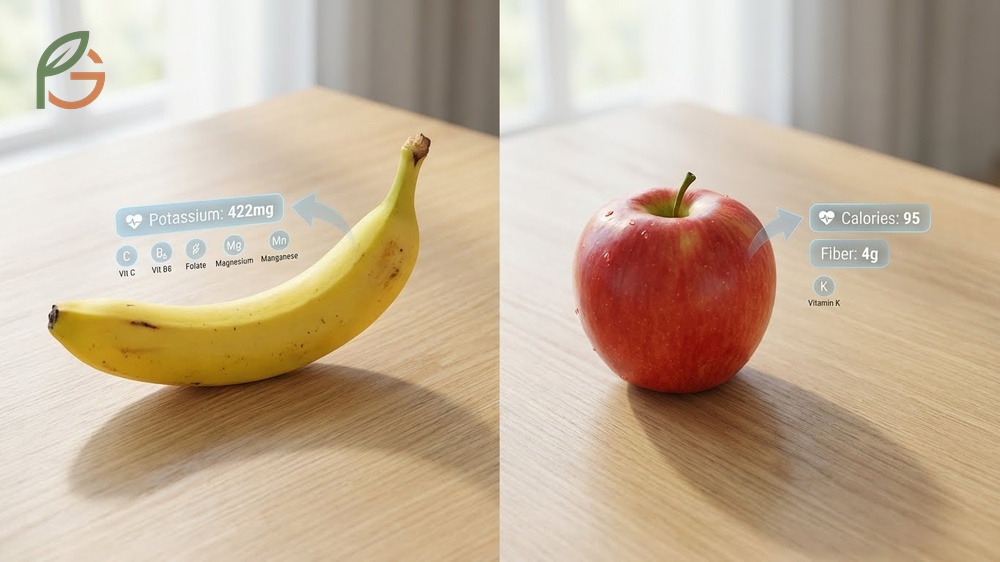
Both bananas and apples provide valuable nutrition, but they excel in different areas. Apples contain 95 calories and 4g fiber[15], slightly fewer calories but more fiber than bananas. However, bananas deliver significantly more potassium—422mg versus minimal amounts in apples[15].
Research shows bananas provide substantially more vitamins C, B6, folate, and minerals like magnesium and manganese compared to apples[16]. Apples counter with higher vitamin K content and a lower glycemic index, making them better for extended blood sugar control. The choice depends on your specific nutritional needs—bananas for mineral replenishment and energy, apples for sustained satiety and lower calories.
- Bananas contain 16% daily potassium versus negligible amounts in apples
- Apples provide 25% more fiber (4g vs 3.1g per fruit)
- Bananas deliver 28% daily vitamin B6 compared to trace amounts in apples
- Apples have a lower glycemic index for better blood sugar control
- Bananas offer more magnesium, manganese, and vitamin C
- Both provide comparable vitamin C amounts (10-11% daily value)
Side Effects of Eating Too Many Bananas
While bananas offer numerous benefits, excessive consumption can cause problems. The primary concern involves hyperkalemia—dangerously high blood potassium levels. Adults require 2,600-3,400mg potassium daily, and one banana provides 422mg[4]. Eating too many bananas combined with other potassium-rich foods can elevate blood potassium excessively[17].
Symptoms of hyperkalemia include irregular heartbeat, muscle weakness, nausea, vomiting, chest pain, or difficulty breathing[17]. Severe cases require immediate medical attention since elevated potassium affects heart rhythm regulation. People with kidney disease face higher risks because compromised kidney function limits potassium excretion.
Additional concerns include blood sugar spikes from eating too many ripe bananas at once. While one or two bananas fit well into most diets, consuming five or six daily might cause digestive discomfort, excessive calorie intake, and nutrient imbalances. Moderation remains key—most people thrive eating 1-2 bananas daily as part of a varied diet.
Safety Warning: If you take medications for high blood pressure (ACE inhibitors or potassium-sparing diuretics), consult your healthcare provider before significantly increasing banana consumption. These medications can raise potassium levels, and adding multiple bananas daily might push levels too high.
Conclusion
The evidence is clear: bananas are good for you when consumed as part of a balanced diet. Research demonstrates that eating bananas 3-6 times weekly reduces mortality risk in people with hypertension[1], while their 422mg potassium content[4] supports heart function, blood pressure regulation, and muscle health. The combination of natural sugars, resistant starch, vitamins, and minerals makes bananas a nutritionally complete fruit suitable for most people.
Current guidance emphasizes strategic consumption—green bananas for blood sugar management, ripe bananas for quick energy, and timing consumption around meals or workouts for maximum benefits. FruitGarden recommends including 1-2 bananas daily while varying your fruit intake to ensure comprehensive nutrition. Whether you’re managing pregnancy symptoms, supporting athletic performance, or simply seeking convenient nutrition, bananas deliver proven health benefits backed by scientific research.
Medical Disclaimer
Important Medical Disclaimer: This content is for informational and educational purposes only. It’s not intended as a substitute for professional medical advice, diagnosis, or treatment. Always consult a qualified healthcare professional before making any changes to your diet, medication, or health routine, especially if you have hypertension, kidney disease, diabetes, or other medical conditions. Individual nutritional needs vary significantly based on age, health status, medications, and activity level.
Frequently Asked Questions
Is It Healthy to Eat a Banana Everyday?
Yes, eating one banana daily is healthy for most people. Research shows daily banana consumption provides 422mg potassium (16% daily value), supports heart health, and delivers essential vitamins B6 and C. However, people with kidney disease or taking certain medications should consult their healthcare provider first since potassium restrictions may apply.
What Are Bananas Good For in Your Body?
Bananas support multiple body systems including cardiovascular health through potassium, digestive health through fiber and resistant starch, muscle function through magnesium, and energy production through natural carbohydrates. Studies demonstrate they reduce blood pressure by 13 mmHg when consuming three daily, while their vitamin B6 content supports brain function and immune health.
Are Bananas Bad for You When Trying to Lose Weight?
No, bananas aren’t bad for weight loss when eaten strategically. One medium banana contains only 105 calories and 3.1g fiber that promotes satiety. Eating a banana 30 minutes before meals helps control portions by reducing hunger. The key is timing and moderation—pair bananas with protein sources and limit intake to 1-2 daily within your calorie goals.
What Is the Best Time to Eat a Banana for Maximum Benefits?
The best time depends on your goal: breakfast for sustained morning energy, 30 minutes before meals for appetite control, or 15-30 minutes pre-workout for exercise performance. Research shows these timings optimize different banana benefits. Avoid eating bananas on an empty stomach late at night since the natural sugars might disrupt sleep for some people.
Are Green Bananas Healthier Than Yellow Bananas?
Green bananas are healthier for blood sugar control with a glycemic index of 30 versus 60 for ripe yellow bananas. They contain more resistant starch (70-80% dry weight) that supports gut health. However, yellow bananas provide more antioxidants and easier digestibility. Choose green for blood sugar management and yellow for quick energy or antioxidant benefits.
Can Eating Too Many Bananas Be Dangerous?
Yes, excessive banana consumption can cause hyperkalemia—dangerously high potassium levels. Symptoms include irregular heartbeat, muscle weakness, and chest pain. Since adults need 2,600-3,400mg potassium daily and one banana provides 422mg, eating more than 6-7 daily (especially with other potassium-rich foods) risks toxicity. People with kidney disease face higher risks.
Are Bananas Good for Your Heart Health?
Yes, bananas significantly benefit heart health. Research shows consuming more than 3,000mg potassium daily reduces cardiovascular disease risk by 25%, and one banana provides 422mg. Studies demonstrate that eating bananas 3-6 times weekly lowers all-cause mortality in people with hypertension. The combination of potassium, magnesium, and low sodium makes bananas particularly heart-protective.





