
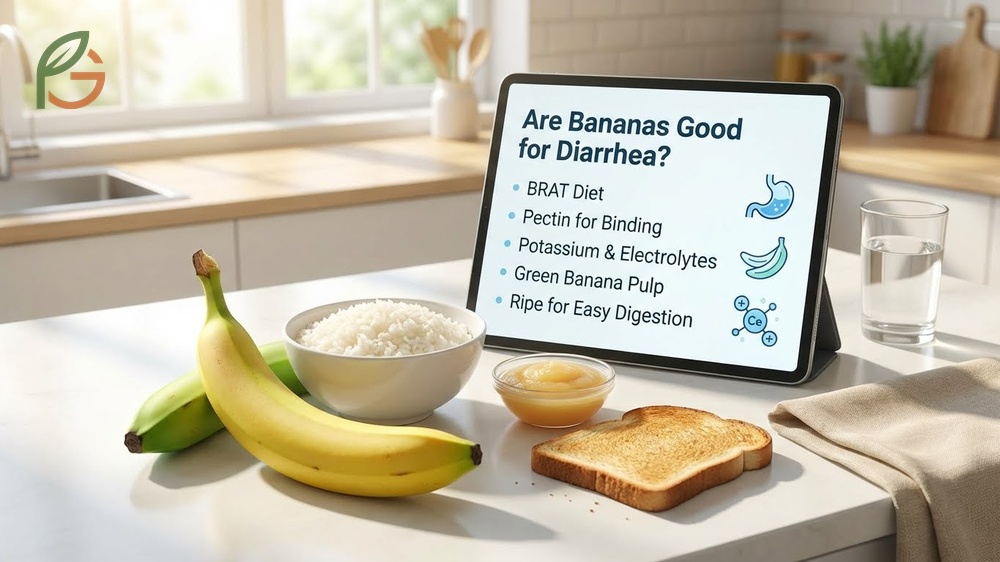
Are bananas good for diarrhea? Yes, bananas can help manage diarrhea by providing pectin that binds loose stools and potassium to replace electrolytes lost during episodes[1]. Research shows that green banana pulp reduces diarrhea duration in children, while ripe bananas offer easier digestion for adults recovering from digestive upset[2]. FruitGarden synthesizes current nutritional research to help you understand which fruits support digestive health and recovery.
Quick Answer
- Bananas provide 3.1 grams of fiber[3] and pectin that helps firm up loose stools
- One medium banana contains 450 mg potassium[3] to replace electrolytes lost during diarrhea
- Green bananas contain resistant starch that reduces stool weight by 55-59%[2] within three days
- Combine bananas with other bland foods and resume normal eating within 24 hours for best recovery[1]
Are Bananas Good for Diarrhea
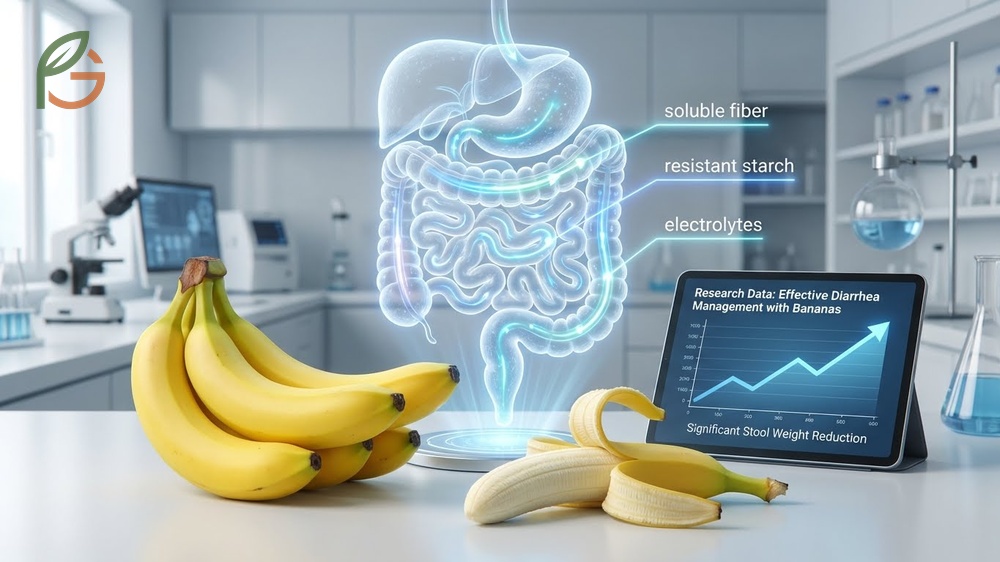
Research demonstrates that bananas effectively manage diarrhea through multiple mechanisms. Studies show that banana-containing diets significantly reduce stool weight compared to rice-only diets, with improvements visible by day three[2]. The fruit’s combination of soluble fiber, resistant starch, and electrolytes makes it particularly valuable during digestive distress.
Current evidence indicates that bananas don’t cause diarrhea in healthy individuals. In fact, they’re more likely to relieve symptoms than trigger them. One medium banana delivers approximately 110 calories and 28 grams of carbohydrates without adding fat to your diet[3].
Most people find that eating bananas during mild diarrhea provides quick relief without worsening symptoms. The key is understanding how different ripeness levels affect your digestive system and when to introduce them during recovery.
How Pectin Works
Pectin is a soluble fiber that forms a gel-like substance in your intestines. This gel binds excess water in your stool, creating firmer bowel movements. Both bananas and apples contain significant amounts of pectin, which explains their traditional use for diarrhea relief[2].
The pectin content increases as bananas ripen. Yellow bananas with brown spots contain the most accessible pectin for your digestive system. This makes them ideal for adults recovering from stomach upset who need gentle, effective relief.
Potassium Replacement
Diarrhea depletes your body’s potassium stores rapidly. Each medium banana provides 450 mg of potassium, representing 12% of your daily value[3]. This mineral helps regulate fluid balance and supports proper muscle and nerve function throughout recovery.
Without adequate potassium replacement, you might experience weakness, fatigue, and muscle cramps. Bananas offer a natural, easily digestible source that your body absorbs efficiently even when your digestive system is compromised.
Important Note: If you’re experiencing severe diarrhea lasting more than 48 hours, blood in your stools, or signs of dehydration like dizziness and decreased urination, you need medical attention rather than dietary changes alone.
Do Bananas Help with Diarrhea
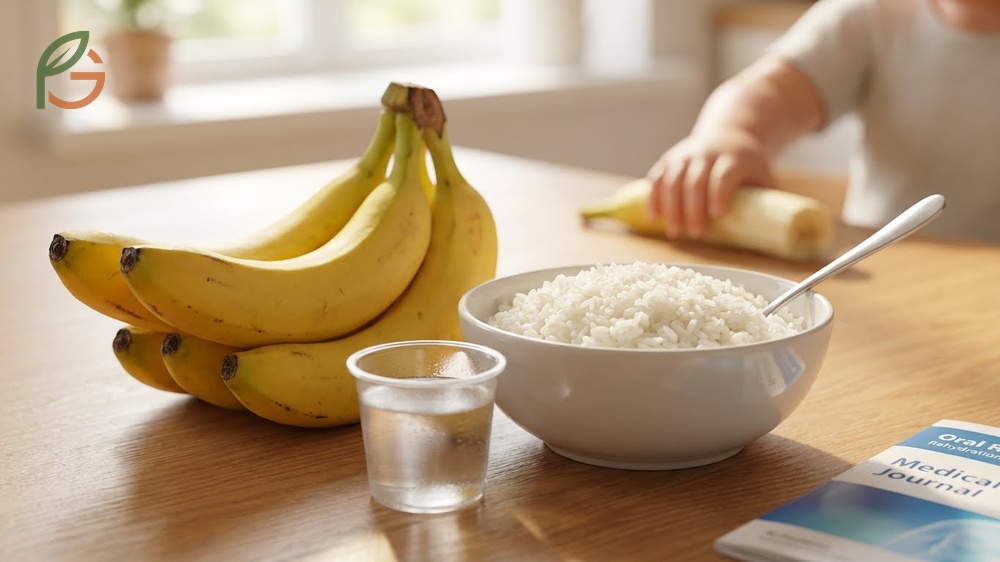
Evidence suggests bananas provide measurable relief for diarrhea symptoms. A study in Bangladesh found that infants with persistent diarrhea showed improved stool consistency when their rice diet included bananas[2]. The reduction in diarrhea duration was significant compared to rice alone.
Clinical observations show that bananas work best when you eat them as part of a balanced approach. Pairing them with other bland foods and staying hydrated with oral rehydration solutions produces better outcomes than relying on bananas exclusively.
The American Academy of Family Physicians recognizes that bland foods like bananas help adults and children ease back into normal eating after digestive episodes. However, modern recommendations emphasize resuming a varied diet within 24 hours rather than restricting yourself to only bland foods for days[1].
Ripe vs Green Bananas
Green bananas contain higher levels of resistant starch, a carbohydrate that ferments in your large intestine. This resistant starch feeds beneficial gut bacteria and can reduce diarrhea more effectively than fully ripe bananas. Studies document stool weight reductions of 55-59% within three days using green banana products[2].
Ripe yellow bananas offer easier digestion and sweeter taste. Most people prefer them during recovery because they’re softer and gentler on an upset stomach. The choice between green and ripe depends on your tolerance and preferences.
- Green bananas: Higher resistant starch content that reduces stool volume more dramatically
- Ripe bananas: More accessible pectin and easier to digest when your stomach is sensitive
- Green bananas: Better for children in studies showing reduced diarrhea duration
- Ripe bananas: Preferred by adults for taste and texture during recovery
- Both types: Provide essential potassium to replace electrolytes lost through diarrhea
Timing Matters
Start eating bananas as soon as you can tolerate solid food. Don’t wait until symptoms completely resolve. Early introduction of bananas helps your digestive system recover faster and prevents prolonged nutritional deficiencies.
Begin with half a banana to test your tolerance. If you don’t experience increased cramping or worsening symptoms within an hour, finish the banana and gradually add other bland foods. This approach allows you to resume normal eating within 24 hours.
BRAT Diet Foods List
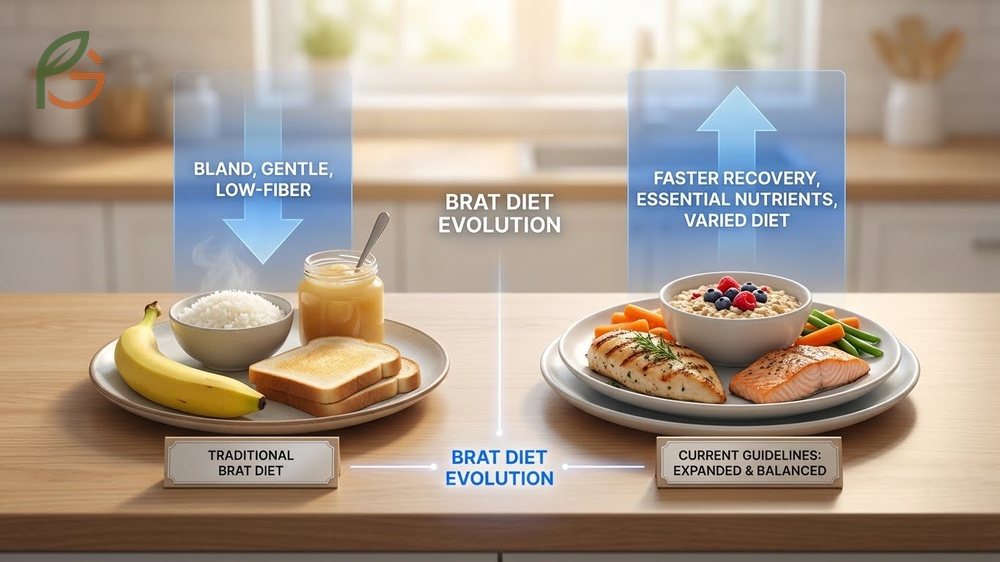
The BRAT diet includes bananas, rice, applesauce, and toast as its core components. These foods earned their reputation for being bland, low-fiber, and gentle on upset stomachs[1]. However, medical professionals now recognize that this restrictive approach lacks essential nutrients needed for recovery.
Current guidelines recommend expanding beyond the original four foods. Studies demonstrate that children and adults recover faster when they eat a varied diet including proteins, vegetables, and healthy fats within 24 hours of symptom onset. The strict BRAT diet provides insufficient nutrition for your body’s healing processes.
You can safely include these additional bland foods during recovery. They provide more complete nutrition while remaining gentle on your digestive system.
- Soft fruits: Bananas, applesauce, canned peaches (packed in water), melons, and avocado
- Cooked vegetables: Steamed carrots, green beans, potatoes, and squash without seasoning
- Lean proteins: Unseasoned baked chicken or turkey breast, scrambled eggs, and plain yogurt
- Mild starches: White rice, white bread toast, saltine crackers, and plain noodles
- Clear liquids: Bone broth, weak tea, coconut water, and oral rehydration solutions
- Hot cereals: Cream of wheat, instant oatmeal, and rice cereal without added sugar
This table compares nutritional content and digestive benefits of the four original BRAT diet foods including fiber content and key nutrients provided
| Food Item | Serving Size | Fiber Content | Key Benefit |
|---|---|---|---|
| Banana | 1 medium (118g) | 3.1g[3] | Provides pectin and potassium |
| White Rice | 1 cup cooked | 0.6g | Binds stool, easy to digest |
| Applesauce | 1/2 cup | 1.5g | Contains pectin, gentle |
| White Toast | 1 slice | 0.8g | Low fiber, absorbs liquid |
Recovery Tip: Don’t restrict yourself to these bland foods for more than 24-48 hours. Your body needs diverse nutrients including protein, healthy fats, and vitamins to repair your digestive system and regain strength.
Foods to Avoid with Diarrhea
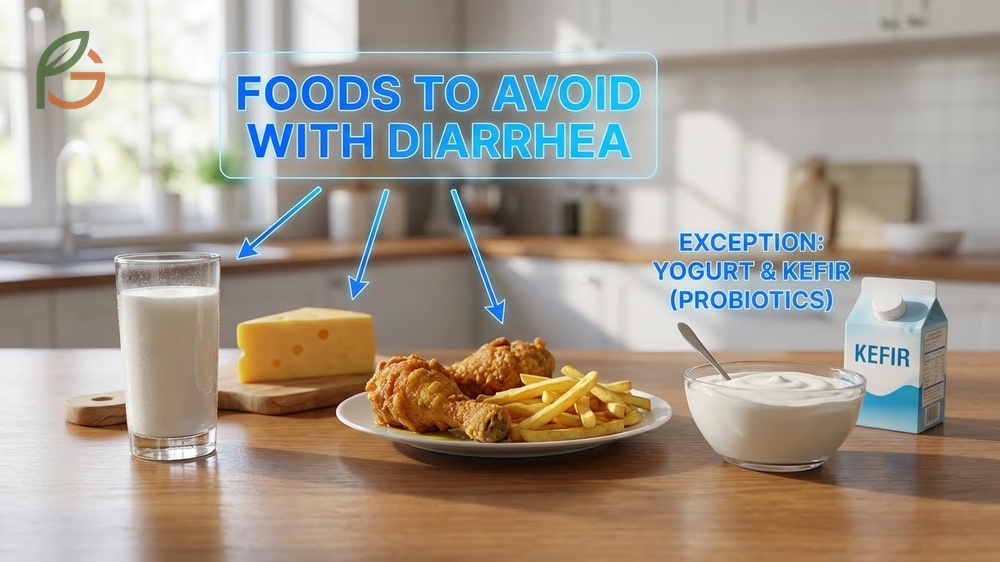
Certain foods worsen diarrhea symptoms by irritating your digestive tract or increasing intestinal motility. Clinical guidance recommends avoiding dairy products for at least three days, except for yogurt and kefir which contain beneficial probiotics[4]. Lactose intolerance temporarily increases during digestive illness, making milk products harder to process.
Fatty and fried foods slow digestion and trigger more bowel movements. Your compromised digestive system can’t break down high-fat meals efficiently, leading to increased cramping and loose stools. Stick with lean proteins and minimal added fats during recovery.
Spicy foods and caffeine stimulate your intestines to contract more frequently. This increased motility pushes food through your system before proper water absorption occurs. Coffee, energy drinks, and hot peppers should wait until symptoms resolve completely.
- Dairy products: Milk, cheese, ice cream, and cream-based soups (except yogurt and kefir)
- High-fat foods: Fried foods, greasy meats, fatty fish like salmon and sardines
- Raw vegetables: Cabbage, broccoli, cauliflower, onions, and raw leafy greens
- Citrus fruits: Oranges, grapefruits, lemons, limes, and pineapples
- Caffeinated beverages: Coffee, black tea, energy drinks, and caffeinated sodas
- Alcohol: All types of alcoholic beverages delay recovery
- Added sugars: Candy, regular soda, fruit juice, and sweet desserts
Raw vegetables contain insoluble fiber that your irritated intestines struggle to process. Cooked vegetables break down more easily and provide gentler nutrition. Steam or boil vegetables until soft before eating them during recovery.
Probiotics for Diarrhea
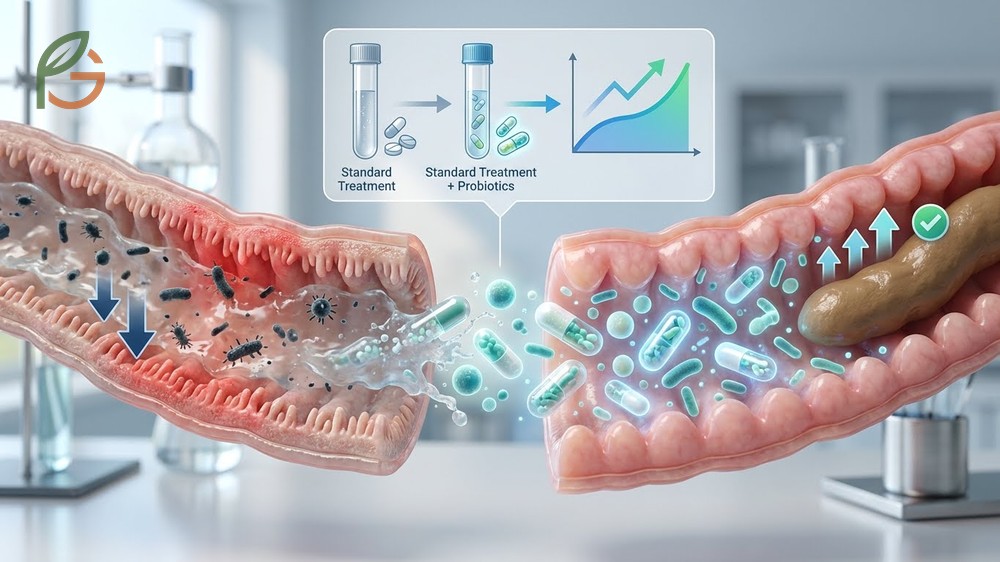
Meta-analysis of clinical trials shows that probiotics reduce stool frequency and improve stool morphology when added to standard treatment[5]. Research involving 1,585 patients demonstrated that probiotic supplementation produces statistically significant improvements in diarrhea symptoms compared to placebo groups.
Probiotics work by restoring beneficial bacteria in your gut. Diarrhea disrupts your normal intestinal flora, allowing harmful bacteria to flourish. Introducing specific probiotic strains helps rebalance this ecosystem and speeds recovery.
The strongest evidence supports using probiotics for antibiotic-associated diarrhea. Studies document large reductions in symptoms without clinically significant adverse events[5]. If you’re taking antibiotics, starting probiotics simultaneously can prevent diarrhea from developing.
- Yogurt with live cultures: Contains Lactobacillus and Bifidobacterium strains
- Kefir: Fermented milk drink with diverse probiotic strains and easier to digest
- Probiotic supplements: Look for products containing at least 10 billion CFUs per dose
- Fermented foods: Sauerkraut juice and miso provide probiotics once symptoms improve
- Saccharomyces boulardii: Yeast-based probiotic specifically studied for diarrhea prevention
Start with small amounts of probiotic-rich foods. A few spoonfuls of plain yogurt tests your tolerance without overwhelming your system. Gradually increase portions as your symptoms improve and your digestive comfort returns.
How to Stop Diarrhea Fast
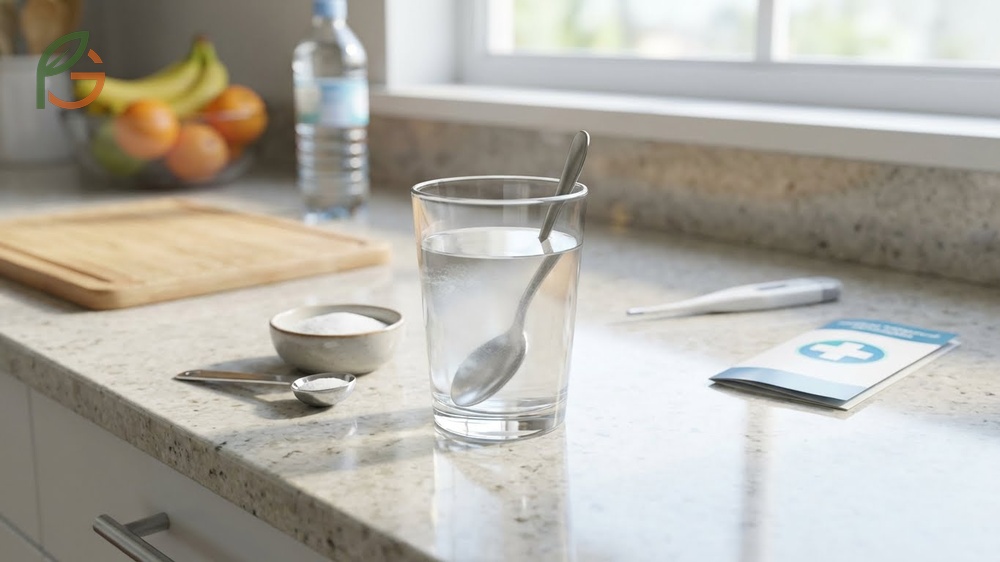
Rehydration stands as the most critical step for stopping diarrhea quickly. Oral rehydration solutions containing sodium, potassium, and glucose work better than plain water because they’re absorbed efficiently even when your intestines are irritated[6]. The World Health Organization recommends solutions containing 90 mmol/L sodium and 20 mmol/L potassium for optimal absorption.
You can make a basic rehydration solution at home by mixing 1/2 teaspoon salt and 6 teaspoons sugar into 1 liter of clean water. Drink small amounts frequently rather than large volumes at once. This approach prevents overwhelming your stomach while maintaining steady hydration.
Combine oral rehydration with bland foods starting within the first 24 hours. Current medical guidelines emphasize early feeding rather than prolonged fasting. Your intestines need nutrients to repair damaged cells and restore normal function.
For immediate symptom management, eat a ripe banana with a slice of plain white toast. This combination provides pectin, resistant starch, and easy-to-digest carbohydrates that begin firming stools within hours. Follow with sips of oral rehydration solution every 15-30 minutes.
Rest helps your body direct energy toward healing your digestive system. Avoid strenuous activity and prioritize sleep during the first 48 hours. Physical stress can worsen symptoms and delay recovery by diverting resources from immune function.
Monitor your symptoms closely for signs of improvement or deterioration. Most cases resolve within 2-3 days with proper hydration and dietary management. If you develop fever above 101°F (38.3°C), severe abdominal pain, or blood in stools, seek medical attention immediately rather than continuing self-treatment.
Conclusion
The evidence is clear: bananas good for diarrhea through their unique combination of pectin, potassium, and resistant starch. Research demonstrates measurable improvements in stool consistency and reduced symptom duration when you include bananas as part of your recovery strategy. They work best when combined with proper hydration and a gradual return to varied eating within 24 hours.
Current guidance emphasizes balanced nutrition over restrictive diets for optimal digestive recovery. FruitGarden provides research-based insights to help you make informed decisions about which fruits support your health during illness and throughout the year.
Medical Disclaimer
Important Medical Disclaimer: This content is for informational and educational purposes only. It is not intended as a substitute for professional medical advice, diagnosis, or treatment. Always consult a qualified healthcare professional before making any changes to your diet, medication, or health routine, especially if you have chronic digestive conditions, diabetes, or other medical concerns. Seek immediate medical attention if you experience severe symptoms including high fever, bloody stools, signs of dehydration, or diarrhea lasting more than 48 hours.
Frequently Asked Questions
Can Bananas Cause Diarrhea?
Bananas rarely cause diarrhea in healthy individuals. They’re more likely to relieve symptoms than trigger them. However, unripe green bananas might cause temporary bloating in some people due to their high resistant starch content. If you notice symptoms after eating bananas, try fully ripe yellow ones instead.
Is Banana Good in Diarrhea for Children?
Research shows bananas benefit children with diarrhea, particularly green banana products. Studies document improved stool consistency and reduced duration when bananas are included in recovery diets. The American Academy of Pediatrics now recommends resuming age-appropriate foods including bananas within 24 hours rather than following restrictive diets for multiple days.
Does Banana Help with Diarrhea Immediately?
Bananas don’t stop diarrhea instantly, but they begin working within hours. The pectin starts binding excess water in your intestines while potassium replaces lost electrolytes. Most people notice improved stool consistency within 12-24 hours when bananas are combined with proper hydration and other bland foods.
How Many Bananas Should I Eat for Diarrhea?
Start with one medium banana and assess your tolerance. You can eat 2-3 bananas per day during recovery without concerns. Space them throughout the day rather than eating multiple bananas at once. Combine them with other foods like toast, rice, or yogurt for balanced nutrition and better symptom relief.
Are Ripe or Green Bananas Better for Diarrhea?
Both work effectively but through different mechanisms. Green bananas contain more resistant starch that reduces stool volume more dramatically, showing 55-59% reductions in studies. Ripe yellow bananas offer easier digestion and more accessible pectin. Choose based on your tolerance—most adults prefer ripe bananas for taste and gentleness.
Should I Follow the BRAT Diet for Diarrhea?
Medical experts no longer recommend strict BRAT diet adherence. While bananas, rice, applesauce, and toast remain helpful, current guidelines emphasize resuming a varied diet within 24 hours. The restrictive BRAT diet lacks essential proteins, fats, and nutrients your body needs for recovery. Include bland foods but add lean proteins and cooked vegetables as tolerated.
What Should I Drink with Bananas During Diarrhea?
Pair bananas with oral rehydration solutions for optimal recovery. These solutions contain balanced electrolytes that your body absorbs efficiently. You can also drink coconut water, weak tea, or bone broth. Avoid coffee, alcohol, and sugary sodas which worsen symptoms. Sip liquids slowly throughout the day rather than drinking large amounts at once.





