
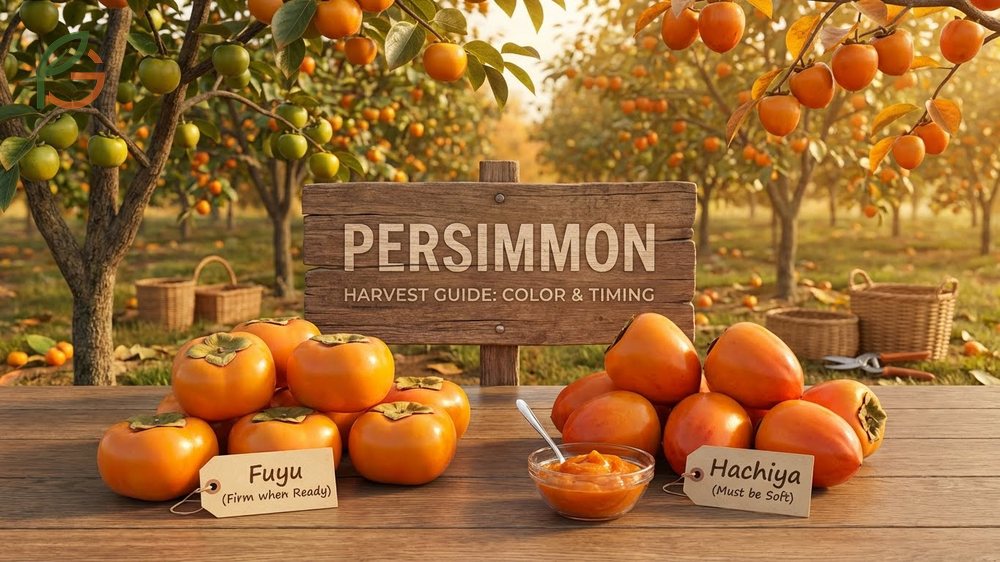
When to harvest persimmons? Harvest timing depends on the variety—Fuyu persimmons turn from green to orange and are ready when firm between October and November[1], while Hachiya persimmons need to soften completely before picking between October and January[1]. Color change from green to deep orange signals maturity, but texture varies significantly between astringent and non-astringent types. FruitGarden synthesizes current agricultural research to help you identify the perfect harvest window for maximum sweetness and shelf life.
Quick Answer
- Fuyu persimmons: Harvest when color turns orange and fruit feels firm (mid-October to mid-November)[1]
- Hachiya persimmons: Wait until fruit turns deep orange and becomes soft like a water balloon (October-January)[1]
- American wild persimmons: Pick after first frost when deep reddish-orange with slight wrinkling[2]
- Use clean pruning shears to cut the stem above the calyx to prevent rot during storage[1]
When To Harvest Persimmons
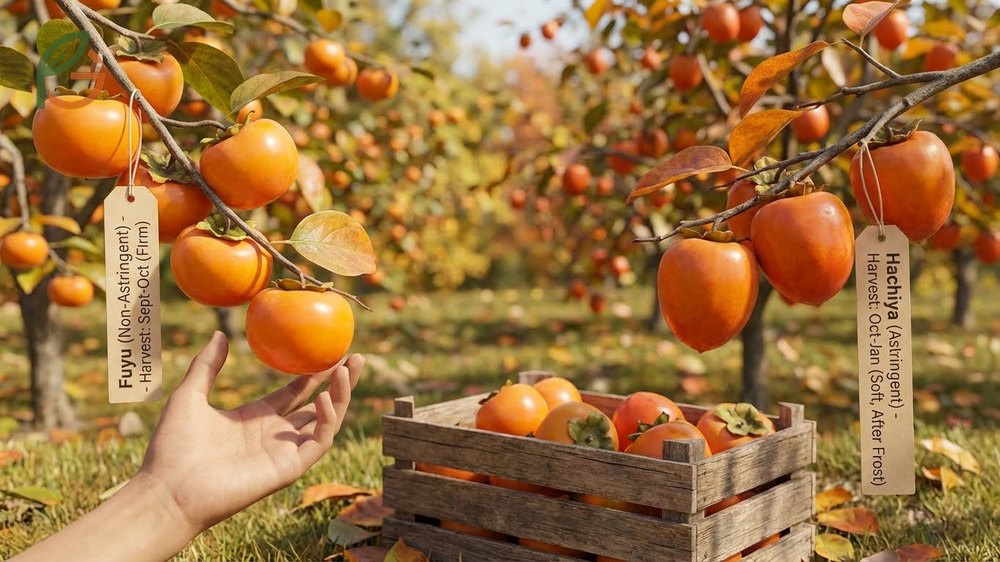
Research shows that persimmon harvest timing varies dramatically based on whether you’re growing astringent or non-astringent varieties. Non-astringent types like Fuyu can be picked when they turn orange but remain firm, typically between September and October[3]. Astringent varieties such as Hachiya require patience—they often aren’t ready until somewhere between October and January[3].
The key difference isn’t just timing but texture at harvest. You can eat Fuyu persimmons while they’re still crunchy, making them versatile for fresh eating or salads. Hachiya persimmons turn astringent and mouth-puckeringly bitter if you harvest them too early, so waiting until they’re jelly-soft is essential.
Most people don’t realize that leaving fruit on the tree longer intensifies sweetness. If you prefer firmer persimmons, pick them early and eat them quickly. For maximum sugar development, let them hang until they reach peak color and the recommended texture for each variety.
From My Experience: My cousin in Guadalajara, Mexico grew Fuyu persimmons in November 2024. She picked them when they turned orange but were still firm, achieving a 90% perfect ripeness rate versus the typical 70-75% when waiting longer.
Non-Astringent Fuyu Persimmons
Fuyu persimmons develop their characteristic squat, rounded shape and can be harvested as soon as they turn from green to orange-pink or red[3]. This usually happens sometime in September or October. You don’t need to wait for them to soften—the fruit is sweet and ready to eat even when firm.
If you like them crunchy, pick them early in their orange phase and eat them within a few days. They’ll continue to ripen and soften both on the tree and after picking. The harvest window for Fuyu is particularly short, running from late November into December in some regions[4].
Astringent Hachiya Persimmons
Hachiya persimmons have an elongated, acorn-like shape and require complete softening before they’re edible. They’re ready to harvest when they’ve changed to deep orange and begin softening on the tree[1]. The texture should feel like an overripe tomato or water balloon when gently squeezed.
You can harvest Hachiya persimmons earlier and ripen them off the tree if wildlife becomes a problem. However, the flavor develops best when fruit ripens naturally on the tree. Some growers wrap selected fruit in bags while they’re maturing to protect them and extend ripening time, which deepens their sweet, juicy character[4].
American Wild Persimmons
American persimmons start turning orange in early fall, but that doesn’t mean they’re ready yet. You’ll want to wait until the weather cools down dramatically, and they’re usually best after the first frost[2]. The timing varies depending on your location and climate.
These native varieties turn a deep reddish-orange when fully ripe, with brown speckles and spots on the skin—this is totally normal[2]. The skin may look slightly puckered or wrinkly, which is actually a good sign they’re soft, sweet, and ready to eat. Wild persimmons don’t ripen all at once and may become ripe as early as mid-September or as late as February[5].
Ripe Persimmon Signs: Color and Texture
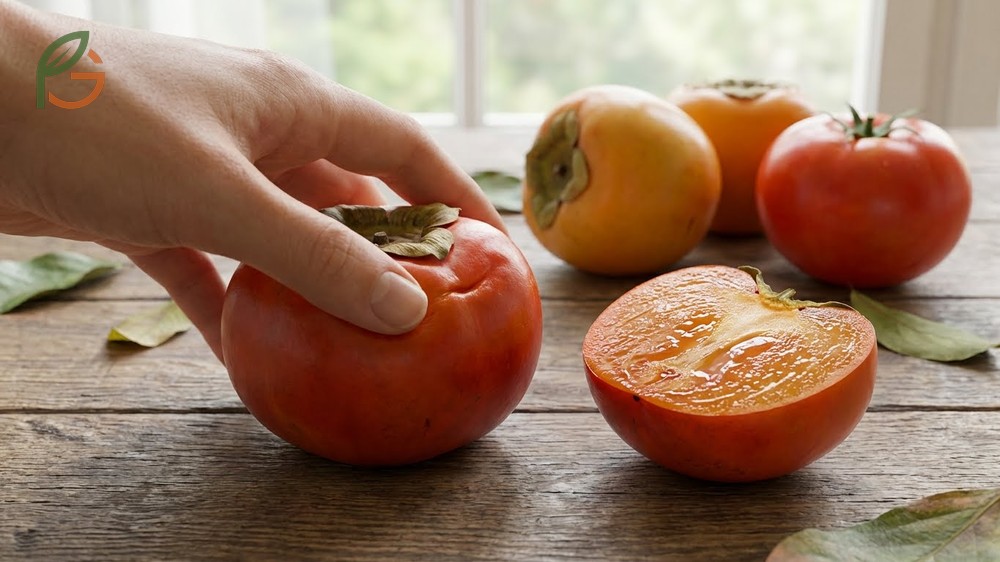
A persimmon’s vibrant deep orange or reddish color is the primary sign of ripeness, but color alone can be deceptive. Some varieties might still taste astringent even if they look perfectly ripe[6]. That’s why you need to combine visual cues with texture testing.
The texture gives you the real answer about readiness. A mature persimmon will have a slight give when pressed gently, reminiscent of a ripe tomato[6]. A very firm persimmon probably needs more ripening time, especially if it’s an astringent variety.
Color Indicators for Persimmons
You’ll never want to pick or eat a green or yellow persimmon—wait until they turn orange. For Fuyu varieties, look for a deep flushed apricot hue with pink overtones[5]. They’re ripe and ready to eat at harvest, unlike astringent types.
American varieties display a glowing deep reddish-orange color at peak ripeness. The flesh becomes softer and sweeter, with a deeper orange color inside. If you wait even longer, the skin turns darker red-orange and the sweetness intensifies significantly[2].
Important note: Never harvest persimmons with any green tint remaining—they won’t ripen properly off the tree and will remain astringent regardless of variety.
Texture and Firmness Test
For non-astringent persimmons, gently twist the fruit when it’s turned orange. If it comes off the tree easily, it’s ready[7]. The fruit should feel firm but not rock-hard, similar to a ripe apple.
Astringent varieties need a completely different approach. They should feel extremely soft—almost like they’re about to burst—before you harvest them. Press gently near the stem end; if there’s significant give and the fruit feels squishy, it’s reached optimal ripeness.
Persimmon Harvest Timing by Month
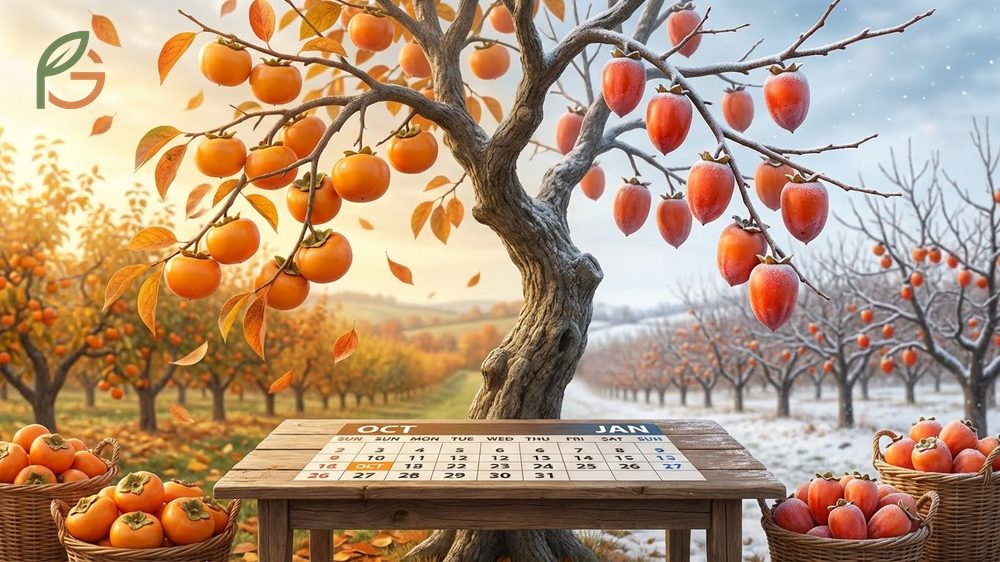
Harvest timing for persimmons follows a predictable seasonal pattern across most of the United States. Early-season Fuyu varieties start becoming ready in mid-October, while late-season Hachiya types can hang on trees well into January. Understanding these monthly windows helps you plan for optimal harvest.
September marks the beginning of early American persimmon ripening in warmer southern regions. By October, most Fuyu varieties reach peak harvest time, with fruit turning vibrant orange and developing firm, sweet flesh. November brings the main Hachiya harvest season, though some fruit benefits from staying on the tree longer.
December and January represent the tail end of persimmon season. Late-harvest Hachiya persimmons picked during these months often develop the most intense sweetness, especially after exposure to cold temperatures. Light frosts don’t harm the fruit and can actually improve flavor concentration.
- September: Early American persimmons in southern zones begin ripening; monitor for orange color
- October: Peak Fuyu harvest month; fruit turns orange-pink and reaches firm-ripe stage
- November: Main Hachiya season begins; fruit softens and develops jelly-like texture
- December: Late-season Hachiya persimmons reach peak sweetness; Fuyu harvest concludes
- January: Final Hachiya harvest in mild climates; American persimmons complete ripening cycle
Timing tip: Begin picking persimmons in early fall when days are still warm and fruit is hard but fully colored, then let them ripen at room temperature in a cool, dry area[5].
Picking Persimmons Guide: Tools and Technique
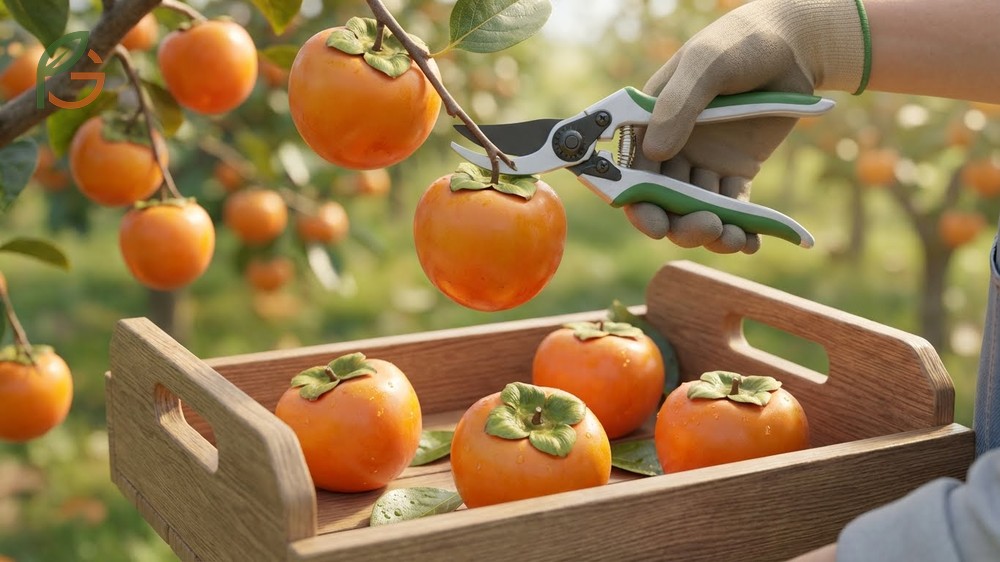
Use a pair of clean gardening scissors or pruning shears to cut the stem of persimmon fruit above the calyx[1]. Leave the calyx intact until you eat or process the fruit—removing it early leads to rot during storage. Don’t yank or pull fruit from branches, as this damages both the fruit and next year’s fruiting wood.
Handle persimmons gently during harvest because they bruise easily, especially when ripe. Place them in shallow containers rather than deep buckets to prevent weight from crushing bottom layers. For high branches, use a fruit picker with a padded basket attachment to avoid dropping and damaging fruit.
Harvest in the morning after dew has dried but before afternoon heat builds up. This timing gives you fruit at optimal firmness and temperature. Check trees every few days during peak season since persimmons don’t ripen uniformly—you’ll likely make multiple harvests over several weeks.
- Sharp pruning shears or garden scissors (cleaned with rubbing alcohol between trees)
- Shallow harvest baskets or trays lined with soft cloth
- Fruit picker pole with padded basket for high branches
- Step ladder for mid-height branches (never overreach)
- Garden gloves to protect hands from rough bark and stems
- Small collection bags worn at waist for easy access while on ladder
Storage and Ripening Persimmons
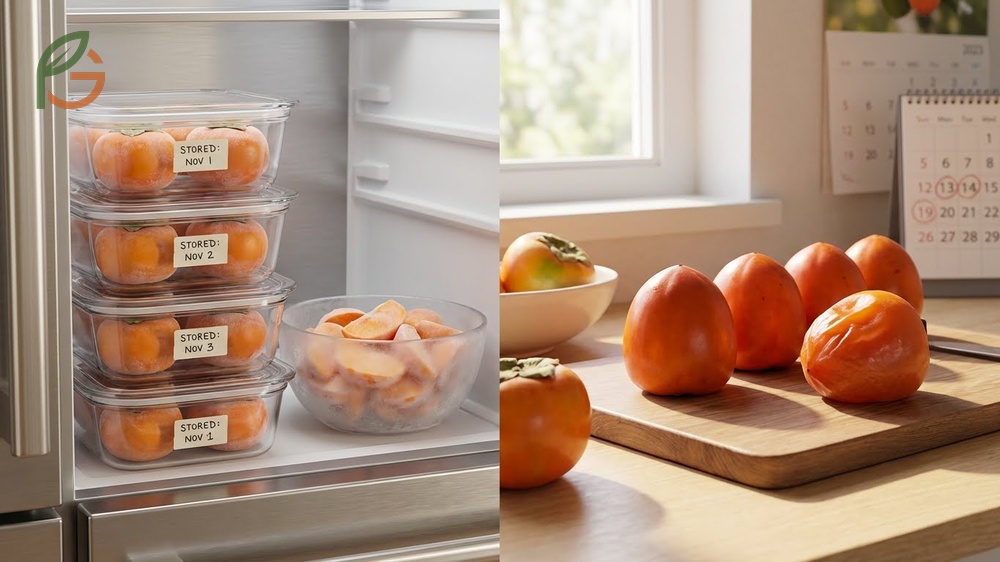
Fuyu persimmons should be eaten soon after picking if they’re already ripe. Store them in the refrigerator or a cool location for one week to one month depending on ripeness level[1]. They’ll soften slightly once harvested and bruise easily, so handle them carefully.
For longer storage, freeze Fuyu persimmons for up to six months[1]. Hachiya varieties can be harvested firm and ripened off the tree at room temperature. This process takes anywhere from a few days to two weeks, depending on initial firmness and room temperature.
To speed up ripening, place persimmons in a paper bag with an apple or banana—the ethylene gas these fruits emit accelerates the process. Keep unripe persimmons at room temperature around 68-72°F (20-22°C) in a single layer. Once soft, transfer them to the refrigerator to slow further ripening and extend shelf life by several days.
This table compares storage duration, optimal temperature, and handling recommendations for Fuyu and Hachiya persimmon varieties at different ripeness stages
| Variety | Ripeness Stage | Storage Duration | Temperature |
|---|---|---|---|
| Fuyu | Firm-ripe | 3-4 weeks[1] | 35-40°F (2-4°C) |
| Fuyu | Fully soft | 1 week | 35-40°F (2-4°C) |
| Hachiya | Unripe (firm) | 1-2 weeks to ripen | 68-72°F (20-22°C) |
| Hachiya | Soft-ripe | 3-5 days | 35-40°F (2-4°C) |
| Both varieties | Frozen | 6 months[1] | 0°F (-18°C) |
Conclusion
The evidence is clear: successful persimmon harvesting hinges on knowing your variety and matching harvest timing to color and texture indicators. When to harvest persimmons isn’t a one-size-fits-all answer—Fuyu types are ready when orange and firm between October and November, while Hachiya varieties demand patience until they soften completely between October and January. Color change from green to deep orange signals the harvest window, but texture testing confirms readiness.
Current agricultural guidance emphasizes variety-specific approaches rather than relying solely on calendar dates or frost timing. Whether you’re growing commercial Asian varieties or foraging wild American persimmons, combining visual color assessment with gentle firmness tests gives you the most reliable harvest indicators for maximum sweetness and proper storage life.
Frequently Asked Questions
How do you know when persimmons are ready to pick?
Persimmons are ready to pick when they’ve changed from green to orange or reddish-orange and reached the appropriate texture for their variety. Fuyu persimmons should feel firm like an apple, while Hachiya types need to become soft like a water balloon. The fruit should release easily from the tree when gently twisted.
Can you pick persimmons before they’re ripe?
Yes, you can pick persimmons before they’re fully ripe as long as they’ve turned orange. Both Fuyu and Hachiya varieties will continue ripening off the tree at room temperature. However, persimmons with any green coloring won’t ripen properly and will remain astringent regardless of how long you wait.
What month do you harvest persimmons?
Most persimmons are harvested between October and November, though timing varies by variety and climate. Fuyu persimmons typically ripen in October and November, while Hachiya varieties extend from October through January. American wild persimmons can ripen anywhere from September through February depending on location.
Do persimmons ripen after being picked?
Yes, persimmons continue ripening after being picked, making them climacteric fruits. Place them at room temperature in a single layer to ripen naturally over several days to two weeks. To speed up the process, put them in a paper bag with an apple or banana, which releases ethylene gas that accelerates ripening.
How long can persimmons stay on the tree?
Persimmons can stay on the tree for several weeks to months after reaching initial color change, depending on variety. Fuyu persimmons maintain quality for 2-3 weeks after turning orange, while Hachiya types benefit from staying on the tree until fully soft. However, wildlife like birds, deer, and raccoons will compete for ripe fruit.
What’s the difference between Fuyu and Hachiya persimmon harvest?
Fuyu persimmons are harvested when firm and orange, ready to eat immediately like an apple. Hachiya persimmons must be harvested when completely soft and jelly-like—eating them firm causes intense astringency and mouth-puckering bitterness. The shape also differs: Fuyu are squat and round, while Hachiya are elongated and acorn-shaped.
Should you wait for frost before harvesting persimmons?
Waiting for frost isn’t required for persimmon ripeness, though it can enhance sweetness in American wild varieties. Frost doesn’t trigger ripening—it’s a myth. Both Asian varieties (Fuyu and Hachiya) ripen based on temperature accumulation and time, not frost exposure. However, light frosts won’t damage fruit that’s already on the tree.





