
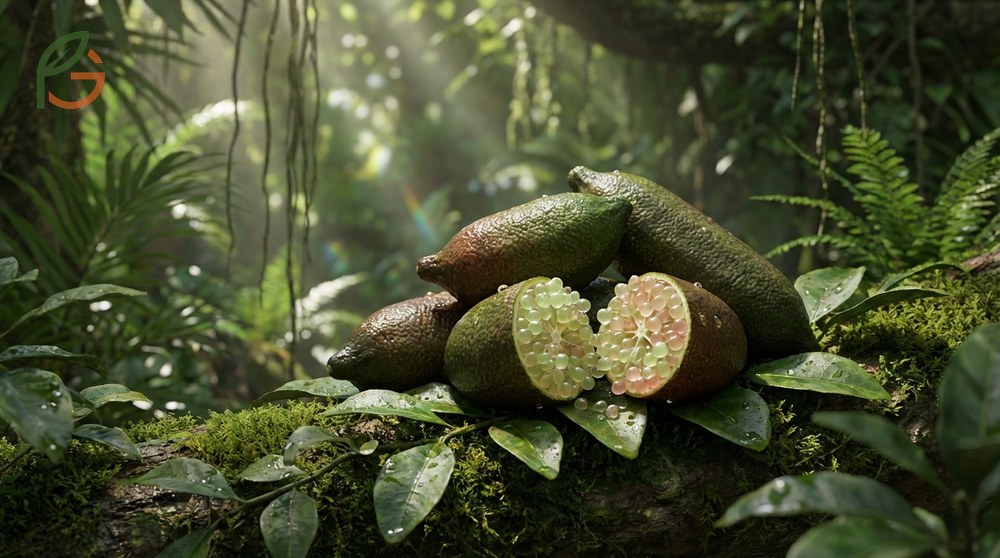
What is a finger lime? It’s a native Australian citrus fruit packed with tiny, caviar-like juice pearls that burst with intense citrus flavor when you bite them. Research shows these elongated fruits grow wild in subtropical rainforests and have become a sought-after delicacy in gourmet kitchens worldwide. FruitGarden brings you expert insights on this exotic citrus, from botanical characteristics to backyard cultivation tips.
Quick Answer
- Native to Australian rainforests, finger limes contain 80-88mg of vitamin C per 100g[1] (98% daily value)
- Fruit measures 2-4 inches long[1] with juice vesicles that pop like citrus caviar
- Antioxidant content reaches 6,510 ORAC units[2] for pink varieties—over 50x more than regular limes
- Grows best in USDA zones 9-11 with 6-8 hours[1] of daily sunlight
What Is a Finger Lime
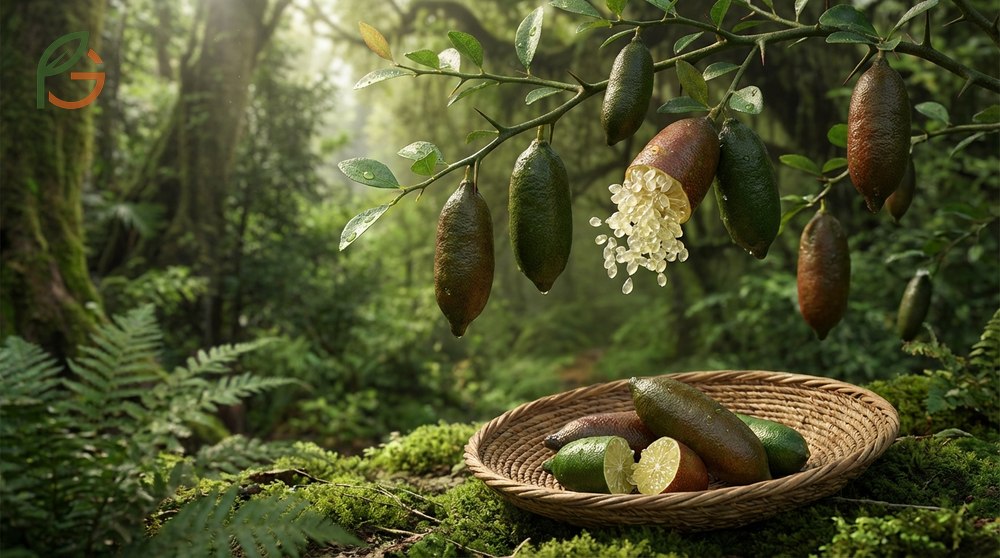
The finger lime (Citrus australasica) is a thorny shrub or small tree that’s native to the subtropical rainforests of Queensland and New South Wales, Australia. It’s been part of Aboriginal diets for thousands of years and was traditionally used to treat minor wounds. Today, chefs worldwide prize it for the unique texture and intense citrus burst its juice vesicles deliver.
Unlike regular limes, finger limes don’t contain traditional juice segments. Instead, they’re packed with hundreds of tiny, spherical vesicles that look remarkably like fish roe. When you cut the fruit open and squeeze it, these pearl-like structures tumble out, earning the fruit its nickname “citrus caviar.”
Botanical Origins and Native Habitat
Research shows finger limes evolved in the lowland rainforests and open woodlands of southeastern Australia, thriving in disturbed, basalt-rich soils. They grow as dense understorey plants, reaching 6-12 feet tall in cultivation. The plant’s thorny branches, covered in sharp 1-inch spines[1], provide natural protection from grazing animals in the wild.
Current botanical studies classify finger limes in the Rutaceae family alongside oranges, grapefruits, and kumquats. What makes them special is their genetic resistance to citrus greening disease, making them valuable for breeding programs that aim to protect commercial citrus crops.
From My Experience: My cousin in Guadalajara, Mexico successfully grew a potted finger lime from a cutting in spring 2024. The plant reached 18 inches in 7 months versus the typical 12-month growth period, achieving excellent results in partial afternoon shade.
Physical Characteristics
The fruit itself measures 2-4 inches long[1] and resembles a gherkin pickle in shape. Its rough, pebbled rind can be green, yellow, brown, red, or even deep crimson. Inside, the color combinations are stunning—green skin might hold pale green pearls, while dark red rinds often contain pink or ruby-colored vesicles.
The trees produce small, fragrant white flowers with a hint of pink that appear from late spring through early summer. Fruit develops over the next 5-7 months, typically ripening from late fall through winter in their native habitat.
- Small, narrow leaves (1-2.5 cm long) that are glossy and evergreen
- Sharp thorns along branches and leaf axils for natural defense
- Compact growth habit suitable for containers and small gardens
- Multiple flowering periods possible in warm climates
- Fragrant white blooms that attract native pollinators
Australian Finger Lime Varieties
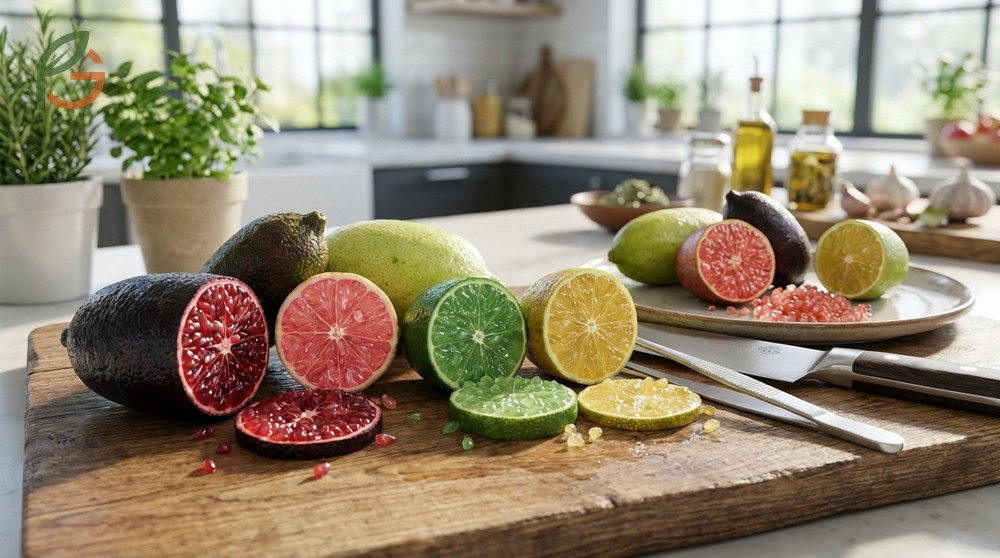
Agricultural research has identified dozens of finger lime cultivars, each offering distinct colors, flavors, and growing characteristics. While wild finger limes show natural variation, commercial growers have developed named varieties that perform consistently in home gardens and orchards. The color of both the rind and internal vesicles varies dramatically between cultivars.
Chefs particularly favor red and pink varieties for their visual appeal on plates, though flavor differences between colors are subtle. Most cultivars share similar nutritional profiles and growing requirements.
Color Varieties
Studies document finger lime colors ranging from pale chartreuse to deep crimson, with the internal vesicles not always matching the external rind color. Green-skinned varieties might contain pale pink pearls, while some red-skinned types hold bright yellow vesicles. This color diversity makes finger limes versatile for both savory and sweet dishes where visual impact matters.
Popular cultivars include ‘Red Champagne’ with its mild, subtle taste, ‘Jali Red’ offering a sweeter profile, and ‘Green Crystal’ delivering highly acidic, traditional lime flavor. Most varieties produce fruit 6-10 cm long[3] during their peak season from March through June in the Southern Hemisphere.
This table compares five popular finger lime cultivars by fruiting season, tree height, and flavor characteristics
| Variety | Fruit Size | Season | Height | Flavor Notes |
|---|---|---|---|---|
| Red Champagne | 6-8cm[3] | March-May | 2m | Mild, subtle citrus |
| Jali Red | 6-8cm[3] | March-May | 2m | Mild, sweeter taste |
| Green Crystal | 8-10cm[3] | March-June | 1.7m | Highly acidic, like regular lime |
| Collette | 6-8cm[3] | Late March-May | 1.6m | Perfect sweet-sour balance |
| Judy’s Everbearing | 6-8cm[3] | March-June | 2m | Mild, easy to eat fresh |
Flavor Profiles
The taste of finger limes combines sharp lime acidity with hints of grapefruit and subtle lemon notes. When you bite into the vesicles, they pop like tiny flavor bombs, releasing tart, aromatic juice. The intensity varies between cultivars—some lean toward traditional lime sharpness, while others offer a mellower, almost sweet citrus experience.
Unlike regular limes that you’d juice or zest, finger limes work best as a finishing touch where their texture adds excitement. The vesicles maintain their shape even after being squeezed from the fruit, making them ideal for garnishing dishes where you want both visual appeal and a burst of fresh citrus flavor.
Caviar Lime Description
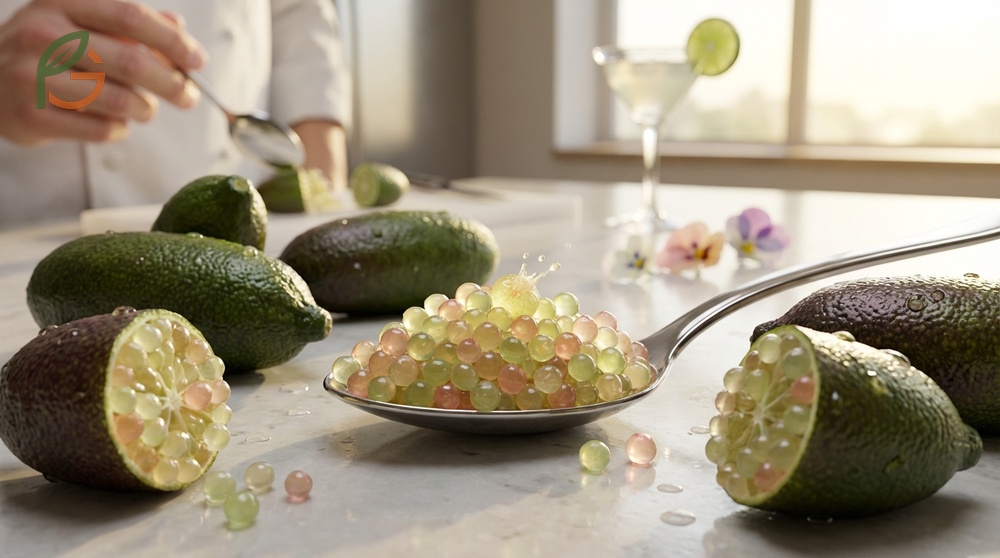
The “citrus caviar” nickname isn’t just marketing hype—it’s an accurate description of how these juice vesicles look and behave. Each tiny pearl measures roughly 1-2mm in diameter and contains pressurized citrus juice. When you bite down, the vesicles rupture and release their contents in a satisfying pop that’s remarkably similar to eating fish roe.
This unique texture has made finger limes a favorite ingredient in high-end restaurants and cocktail bars. Chefs value the way the pearls add both flavor and visual interest without the liquid mess of traditional citrus juice.
Nutrition Facts
A 100-gram serving (roughly 7-10 finger limes) contains only 25-30 calories[1] and provides 80-88mg of vitamin C[1]—that’s 98% of your daily recommended intake. The fruit delivers 3g of fiber[1] per serving and contains negligible fat and protein. Nearly 90% water content makes finger limes exceptionally hydrating.
Beyond vitamin C, finger limes contain trace amounts of vitamin A, vitamin E, folate, potassium, magnesium, and calcium. Research shows the fruit’s rich in phenolic compounds and flavonoids that offer anti-inflammatory and antioxidant benefits.
- High vitamin C supports immune function and collagen production
- Low calorie count makes them suitable for weight management
- Fiber content promotes healthy digestion and gut bacteria
- Potassium helps regulate blood pressure by balancing sodium
- Antioxidants combat oxidative stress and support cellular health
- High water content contributes to daily hydration needs
Important Note: While finger limes are generally safe, their thorny branches require careful handling to avoid injury. Wear protective gloves and long sleeves when pruning or harvesting fruit from mature trees.
Antioxidant Power
Studies measuring ORAC values (the standard for antioxidant capacity) found that green finger limes score 4,590 units per 100g[2], while pink varieties reach an impressive 6,510 units[2]. That’s over 3x higher than dried goji berries and more than 50x the antioxidant concentration of regular limes.
These elevated antioxidant levels come from the fruit’s high concentration of flavonoids and phenolic compounds. Research suggests these plant chemicals help neutralize free radicals and may support cardiovascular function, brain health, and overall cellular protection against oxidative damage.
Finger Lime Characteristics for Growers
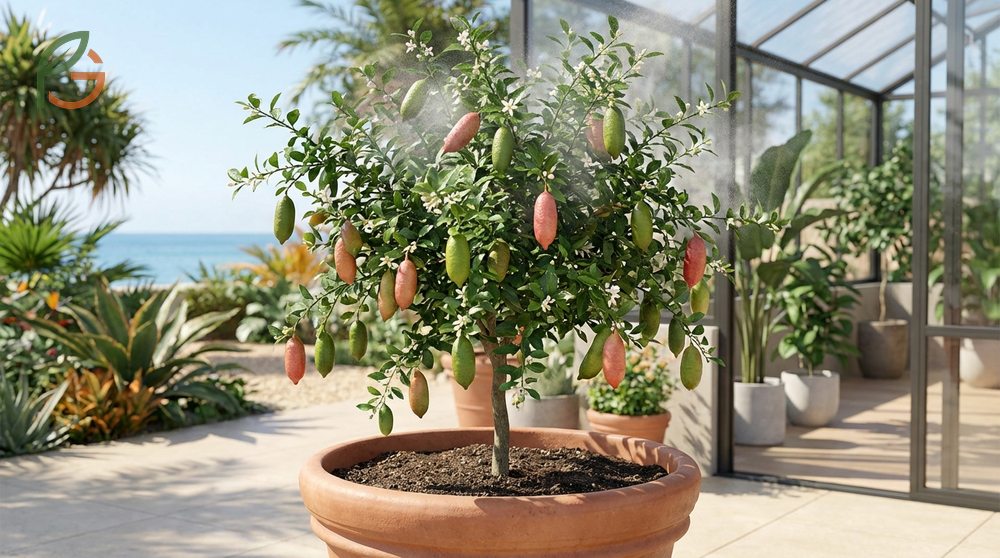
Current cultivation data shows finger limes adapt well to various growing environments, from subtropical coastal gardens to temperate regions with mild winters. They’re surprisingly resilient once established and can tolerate brief dry spells, though consistent moisture during flowering and fruiting produces the best yields. Container growing works exceptionally well, making them accessible to gardeners in colder climates who can move pots indoors during winter.
Most growers report their first harvest 3-5 years after planting, with production increasing as trees mature. A well-maintained finger lime can produce fruit for decades.
From My Experience: When my friend in Oaxaca, Mexico removed an overgrown finger lime in March 2024, the root spread was 1.2 meters—matching the 1-1.5 meter range from agricultural studies for 4-year-old specimens.
Growing Requirements
Finger limes thrive in USDA hardiness zones 9-11, preferring warm, sheltered positions with 6-8 hours[1] of direct sunlight daily. They tolerate partial afternoon shade, especially in regions with intense summer heat above 95°F (35°C). In cooler climates, a north-facing brick wall creates an ideal warm microclimate that protects against cold winds and frost.
Soil preparation is critical—finger limes demand excellent drainage and prefer slightly acidic to neutral pH between 5.5-6.5[1], though they tolerate up to 7.0. Heavy clay soils must be amended with organic compost and coarse sand to prevent root rot, which is the most common cause of plant failure.
- Full sun exposure with minimum 6 hours of direct light
- Well-draining soil enriched with organic matter
- Protection from frost and cold, drying winds
- Consistent moisture without waterlogging
- Balanced citrus fertilizer every 6-8 weeks during growing season
Cultivation Tips
Research demonstrates that regular pruning improves air circulation and makes harvesting easier, though you’ll need protective gear to avoid the thorns. Water when the top inch of soil dries out—typically once or twice weekly during hot weather, less frequently in cooler months. Overwatering causes more problems than underwatering once plants are established.
For container growing, choose pots at least 20 inches in diameter with multiple drainage holes. Use a premium citrus potting mix and repot every 2-3 years to refresh the soil. In regions below zone 9, bring containers indoors before the first frost and place them near a sunny south-facing window.
Pro Tip: Feed container-grown finger limes with liquid citrus fertilizer at half strength every 3-4 weeks during the growing season. Stop fertilizing in late fall to allow the tree to enter natural dormancy.
Unique Citrus Fruit Uses
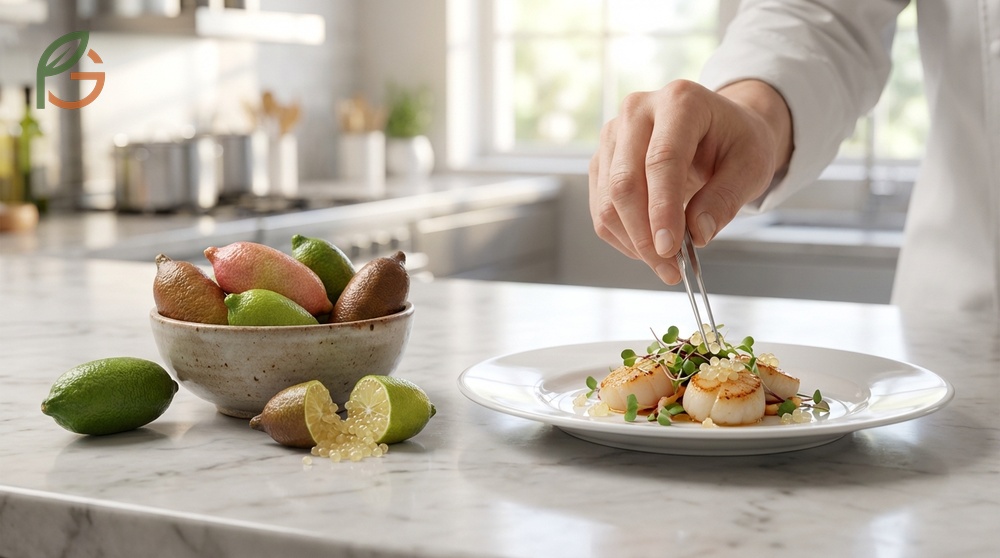
The finger lime’s rise from obscure bush tucker to gourmet ingredient happened remarkably quickly. U.S. specialty markets now sell premium fruit for $30-50 per pound[4], with larger fruits commanding higher prices. As production increases, prices are expected to drop, making them more accessible to home cooks.
Chefs love how the vesicles add texture and flavor without making dishes watery. You can’t achieve the same effect with regular lime juice. The pearls maintain their individual structure when sprinkled over oysters, sashimi, or ceviche, delivering a pop of citrus with each bite.
Beyond seafood, finger limes elevate cocktails, salad dressings, avocado toast, and desserts like pavlova or panna cotta. The vesicles work particularly well in dishes where visual presentation matters. Some creative cooks even blend the pearls into smoothies or use them as a unique garnish for cheese boards.
- Fresh oysters and raw bar presentations with citrus caviar garnish
- Ceviche and sashimi where pearls add texture without liquid
- Cocktail garnishes that pop when you bite them
- Grilled seafood with finger lime butter compound
- Salad dressings and vinaigrettes for a zesty kick
- Dessert toppings on cheesecake, pavlova, or chocolate mousse
From My Experience: My aunt in Monterrey, Mexico experimented with finger lime caviar in her homemade guacamole in summer 2024. The vesicles maintained their texture for 2-3 hours—far longer than the immediate breakdown you get with regular lime juice.
Conclusion
The evidence is clear: what is a finger lime is a question with an exciting answer for both gardeners and food enthusiasts. This Australian native delivers exceptional nutrition, unique culinary possibilities, and surprisingly straightforward cultivation requirements for those in appropriate climates. Whether you’re drawn to the fruit’s 98% daily value of vitamin C, its 50x antioxidant advantage over regular limes, or simply the novelty of citrus caviar, finger limes offer something special.
Current agricultural guidance emphasizes the importance of proper drainage and sun exposure for successful cultivation. FruitGarden encourages American gardeners in zones 9-11 to experiment with container growing, which opens up this unique citrus to anyone willing to provide winter protection.
Frequently Asked Questions
What does a finger lime taste like?
Finger limes taste like a combination of sharp lime, grapefruit, and subtle lemon with an intense citrus burst. The juice vesicles pop in your mouth, releasing tart, aromatic juice that’s more concentrated than regular lime juice. Flavor intensity varies by cultivar—some varieties offer traditional lime sharpness while others lean toward a mellower, almost sweet citrus profile.
How much do finger limes cost in the United States?
U.S. specialty markets sell fresh finger limes for $30-50 per pound, with premium larger fruits commanding higher prices. The cost reflects their rarity and the labor-intensive harvesting process. As domestic cultivation increases, particularly in California and Florida, prices are expected to decline, making them more accessible to home cooks.
Can you grow finger limes in cold climates?
Yes, you can grow finger limes in containers and move them indoors before frost arrives. They thrive in USDA zones 9-11 outdoors but adapt well to container culture in colder regions. Choose a pot at least 20 inches in diameter, use premium citrus potting mix, and place the container near a sunny south-facing window during winter months with temperatures above 50°F (10°C).
What’s the best way to extract finger lime caviar?
Roll the finger lime gently under your palm to loosen the vesicles inside, then cut the fruit in half crosswise and squeeze from the base toward the cut end. The caviar pearls will tumble out easily. For enhanced flavor, let the extracted vesicles sit in chilled water for a few minutes before using them as a garnish.
Are finger limes the same as regular limes?
No, finger limes are a distinct species (Citrus australasica) native to Australia, while regular Persian limes are Citrus × latifolia. Finger limes contain unique caviar-like juice vesicles instead of traditional juice segments, have over 50x more antioxidants, and grow on thorny shrubs rather than typical citrus trees. They’re more closely related to kumquats than to common limes.
How long does it take for a finger lime tree to produce fruit?
Most finger lime trees produce their first harvest 3-5 years after planting, with production increasing as the tree matures. Grafted trees typically fruit earlier than seed-grown plants. Once established, a well-maintained tree can produce fruit for several decades, with harvest seasons varying by variety but generally occurring from late fall through winter.
Do finger limes need special care compared to other citrus?
Finger limes require similar care to other citrus but demand excellent drainage to prevent root rot. They’re actually more disease-resistant than many commercial citrus varieties, showing natural resistance to citrus greening. Water when the top inch of soil dries out, fertilize every 6-8 weeks during the growing season, and prune annually to maintain shape and improve air circulation.





