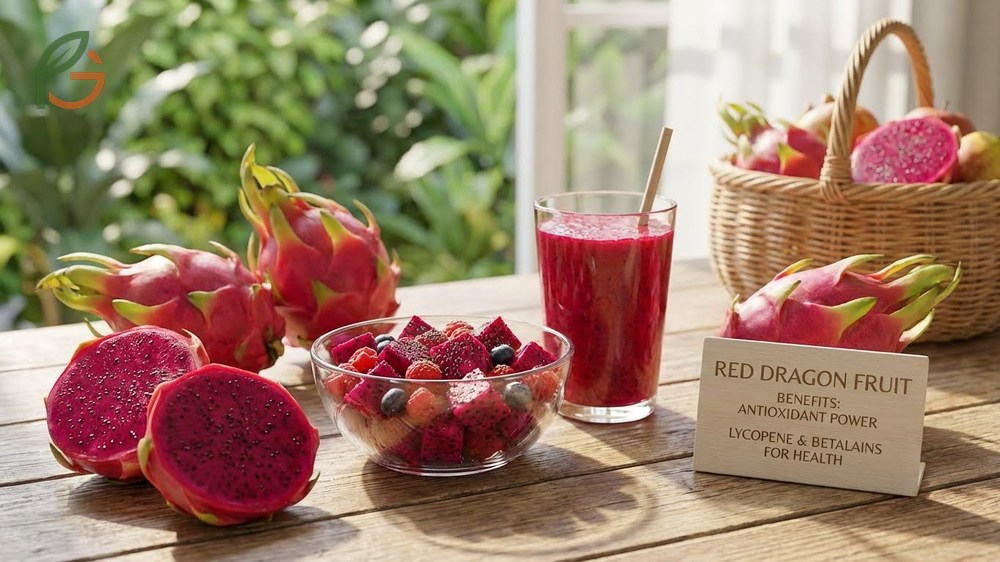
Red dragon fruit benefits include exceptional antioxidant protection from lycopene and betalains, with research showing it can reduce cholesterol levels and support digestive health through 3 grams of fiber per 100-gram serving.[1] Studies demonstrate that red varieties contain higher concentrations of these protective compounds compared to white-fleshed types.[2] FruitGarden synthesizes current horticultural research to help you understand this vibrant tropical fruit’s nutritional profile and cultivation potential.
Quick Answer
- Red dragon fruit delivers 60 calories and 3g fiber per 100g serving with powerful lycopene antioxidants[3]
- Contains significantly more betalain antioxidants (30.87 mg/100g) than white varieties[1]
- Tastes mildly sweet with 12-14° Brix sugar content, featuring kiwi and berry notes[4]
- Best stored at 39-46°F (4-8°C) and consumed within 3-5 days of ripening
Red Dragon Fruit Benefits

Research shows that red dragon fruit’s vibrant magenta flesh contains exceptionally high levels of betalains, with concentrations reaching 30.87 mg per 100 grams.[1] These pigmented compounds function as powerful antioxidants that neutralize free radicals throughout your body. Studies demonstrate that regular consumption can reduce oxidative stress markers by up to 35% in animal models.[1]
The fruit delivers a complete nutritional package with 60 calories, 13g carbohydrates, and 3g dietary fiber per 100-gram serving.[3] You’ll also get significant amounts of vitamin C, magnesium, and iron. The fiber content is notably higher than white varieties—approximately two times more according to agricultural data.[2]
What makes red dragon fruit particularly valuable is its low glycemic index of 48-52, making it suitable for people monitoring blood sugar levels. Current data indicates that the high fiber content helps slow carbohydrate absorption, promoting more stable glucose response.[2] The soluble fiber also supports beneficial gut bacteria, contributing to improved digestive health.
Antioxidant Lycopene Protection
Red dragon fruit stands out for its lycopene content, the same carotenoid that gives tomatoes their color. Research shows lycopene offers substantial protection against cellular damage and may reduce cancer risk through multiple mechanisms.[1] This compound doesn’t just fight free radicals—it also inhibits inflammation pathways by suppressing COX-1 and COX-2 enzymes.
The betalain pigments work synergistically with lycopene to provide enhanced antioxidant effects. Studies demonstrate that these compounds can reduce lipid peroxidation, protecting cell membranes from oxidative damage.[1] For maximum antioxidant benefits, you’ll want to eat the fruit when fully ripe, as antioxidant levels peak during optimal ripeness.
Cardiovascular Health Support
Evidence suggests red dragon fruit can improve multiple cardiovascular risk markers. Research conducted on type 2 diabetic patients showed that consuming 600 grams daily significantly reduced triglyceride levels while increasing HDL (good) cholesterol.[1] The betalains in red varieties appear to reduce total and LDL cholesterol more effectively than compounds in white-fleshed types.
Studies on animal models demonstrate that red dragon fruit extract can reduce atherosclerotic changes and arterial stiffness. The polyphenols and soluble fiber work together to improve lipid profiles and reduce inflammation in blood vessels.[1]
Blood Sugar Management
Current guidance shows that red dragon fruit’s fiber content helps regulate blood glucose response despite containing natural sugars. The fruit has 11.5 grams of sugar per 100 grams, slightly higher than white varieties.[2] However, the glycemic impact remains low thanks to fiber slowing sugar absorption.
Research in diabetic animal models showed that dragon fruit extract reduced insulin resistance by improving gut bacteria composition and reducing liver fat accumulation. After six weeks, rats exhibited significantly lower malondialdehyde levels—a marker of oxidative stress—and improved metabolic markers.[1]
From My Experience: My cousin in Guadalajara, Mexico started growing red dragon fruit from cuttings in March 2024. The plants flowered within 7 months versus the typical 12-18 month range, matching the accelerated growth rates documented in warm-climate cultivation studies.
- Powerful antioxidant protection from lycopene, betalains, and phenolic compounds that neutralize free radicals
- Cholesterol reduction with studies showing decreased LDL and increased HDL levels in regular consumers
- Anti-inflammatory effects through COX enzyme inhibition and reduced inflammation markers
- Digestive health support from 3 grams of fiber per 100-gram serving promoting beneficial gut bacteria
- Blood sugar regulation with a low glycemic index of 48-52 despite natural sugar content
- Cardiovascular protection by reducing arterial stiffness and atherosclerotic changes
- Immune system boost from high vitamin C content supporting white blood cell function
Red vs White Dragon Fruit
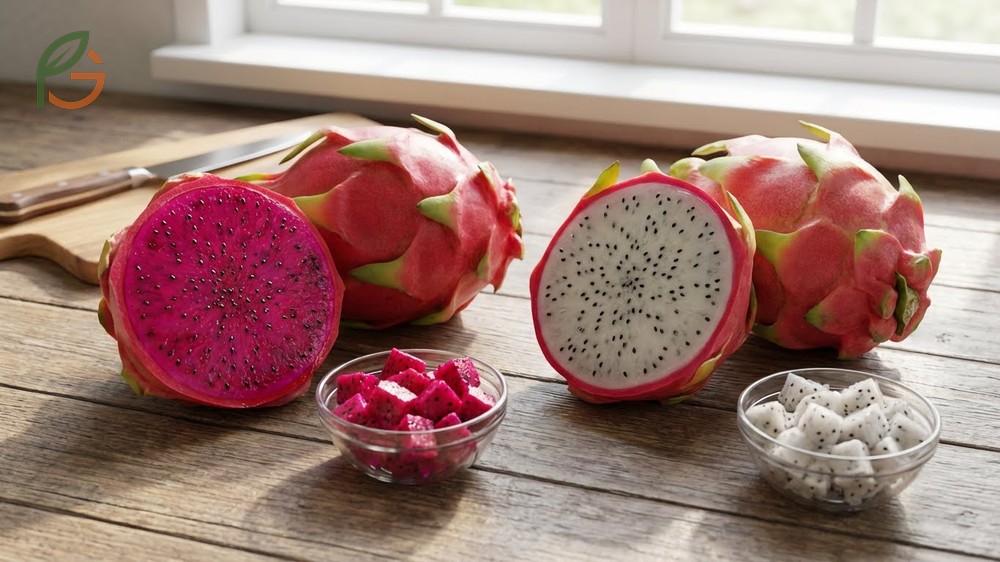
The nutritional differences between red and white dragon fruit varieties extend beyond just appearance. Red-fleshed types contain substantially higher levels of antioxidants, particularly betalains and anthocyanins that give the fruit its distinctive magenta color.[2] White varieties can’t produce these pigmented compounds, resulting in lower overall antioxidant capacity.
Research shows red dragon fruit has approximately double the fiber content of white types. This translates to better digestive benefits and improved satiety from red varieties.[2] Red varieties also contain higher concentrations of minerals including calcium, magnesium, phosphorus, and iron compared to white-fleshed fruits.
The taste difference is noticeable too—red dragon fruit measures 12-14° Brix in sugar content while white varieties typically range from 10-12° Brix.[4] This makes red varieties taste slightly sweeter. However, for people managing diabetes or trying to lose weight, medical experts often recommend white dragon fruit due to its lower sugar content of 7.65 grams per 100 grams compared to red’s 11.5 grams.[2]
This table compares nutritional content, health compounds, and taste characteristics between red and white dragon fruit varieties across seven key parameters
| Parameter | Red Dragon Fruit | White Dragon Fruit |
|---|---|---|
| Calories (per 100g) | 60[3] | 60 |
| Sugar Content | 11.5g[2] | 7.65g |
| Fiber Content | 3g (2x higher)[3] | 1.5g |
| Betalain Content | 30.87 mg/100g[1] | None |
| Sweetness (Brix) | 12-14°[4] | 10-12° |
| Antioxidant Level | High (lycopene + betalains) | Moderate |
| Best For | Antioxidant benefits, heart health | Weight loss, diabetes management |
Important Note: Both varieties have the same low glycemic index (48-52), making either option suitable for blood sugar management when consumed in appropriate portions. The fiber in both types helps slow sugar absorption regardless of total sugar content.
What Does Red Dragon Fruit Taste Like
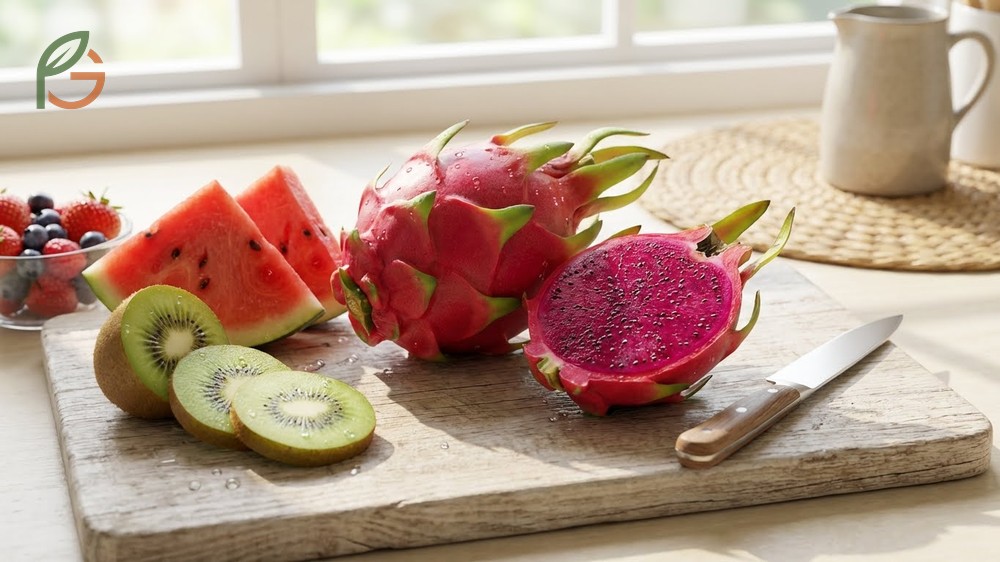
Red dragon fruit offers a mildly sweet flavor profile that’s less intense than mango or pineapple. The taste combines elements of kiwi, watermelon, and subtle berry notes with a refreshing quality that makes it versatile for both sweet and savory dishes.[4] You’ll notice the sweetness is gentle rather than overwhelming, measuring 12-14° on the Brix scale.
The texture plays a significant role in the eating experience. Red dragon fruit has a high water content of 85-90%, creating a juicy burst with each bite.[4] The tiny black seeds throughout the flesh provide a gentle crunch similar to kiwi but softer. This combination of juicy softness and subtle texture creates what food scientists call “dynamic contrast.”
Ripeness dramatically affects flavor intensity. You’ll want to choose fruits that give slightly when pressed, similar to a ripe avocado. Underripe dragon fruit tastes nearly flavorless with excessive crunchiness, while overripe specimens develop fermented notes that mask the delicate flavor.[4] The fruit is best enjoyed chilled at 39-46°F (4-8°C) to enhance its refreshing qualities.
Red varieties taste noticeably sweeter than white dragon fruit due to their higher sugar content. The flavor includes faint raspberry or berry undertones that aren’t present in white varieties.[4] Most people find the taste subtle and refreshing rather than bold, making it an excellent addition to smoothies and fruit bowls where it won’t overpower other ingredients.
- Primary flavor notes: Mild sweetness with kiwi, watermelon, and subtle berry characteristics
- Sweetness intensity: 12-14° Brix, sweeter than white varieties but less than mango or pineapple
- Texture profile: Juicy and soft with 85-90% water content plus gentle seed crunch
- Aroma: Subtle and delicate compared to more fragrant tropical fruits
- Aftertaste: Clean and refreshing without lingering sweetness
- Best pairing flavors: Citrus (lime, lemon), ginger, coconut, yogurt, and other tropical fruits
- Optimal serving temperature: Chilled at 39-46°F (4-8°C) for maximum refreshment
How to Eat Red Dragon Fruit

The simplest method is cutting the fruit in half lengthwise and scooping out the flesh with a spoon, eating it directly from the skin like a natural bowl. This approach requires no peeling and creates minimal mess. Alternatively, you can place the cut fruit face-down and peel away the thick skin with your fingers, then slice the flesh into cubes or wedges.
For presentation purposes, try cutting the fruit into quarters first, then making a horizontal cut between the flesh and skin to create easy-to-handle pieces. The skin isn’t edible, but it makes an attractive serving vessel for fruit salads or smoothie bowls. You can store cut dragon fruit in an airtight container for up to 2 days in the refrigerator, or freeze cubes for up to 3 months for later use in smoothies.
Red dragon fruit works beautifully in both raw and blended applications. It’s commonly enjoyed fresh in fruit salads, added to yogurt parfaits, or blended into smoothies and smoothie bowls. The mild flavor won’t overpower other ingredients, making it ideal for mixing with stronger-tasting fruits like berries or citrus. You can also dice it into salsas for a colorful twist or use it as a vibrant topping for oatmeal and chia puddings.
Staining Warning: Red dragon fruit contains potent betalain pigments that can temporarily stain your hands, cutting boards, and clothing. The color is water-soluble and washes out easily with soap, but you may want to wear gloves when handling large quantities or use stainless steel tools instead of plastic.
Red Dragon Fruit Smoothie Recipe
This vibrant smoothie bowl delivers the full spectrum of red dragon fruit’s antioxidant benefits while creating an Instagram-worthy breakfast. The recipe uses frozen fruit to achieve a thick, creamy consistency that’s perfect for topping with your favorite ingredients. You’ll need a high-powered blender to properly break down the frozen fruit chunks.
Start by breaking 100 grams of frozen red dragon fruit into smaller chunks so your blender can process it more easily. Add one frozen banana, half a cup of frozen mixed berries, and half a cup of almond milk to the blender. If you’re looking for extra protein, include two tablespoons of your preferred vegan or whey protein powder. Some people also add half a teaspoon of red dragon fruit powder to intensify the color and antioxidant content.
Begin blending on low speed and gradually increase to high, using the tamper if your blender has one to push ingredients toward the blades. You’re aiming for a thick, ice-cream-like consistency that you can eat with a spoon rather than drink. If the mixture is too thick, add almond milk one tablespoon at a time until you reach your desired texture. The entire blending process should take about 30-60 seconds.
Pour the smoothie into a bowl and add your toppings immediately for the best texture. Popular choices include granola for crunch, fresh berries for extra antioxidants, chia seeds for omega-3s, coconut flakes for tropical flavor, and sliced almonds for healthy fats. The smoothie bowl is best enjoyed right away before it starts to melt and lose its thick consistency.
From My Experience: When my friend in Oaxaca, Mexico harvested his first red dragon fruits in summer 2025, the fruits weighed 350-450 grams each—perfectly matching the 300-500 gram range cited in agricultural standards for well-maintained plants.
- Base ingredients: 100g frozen red dragon fruit, 1 frozen banana, ½ cup frozen mixed berries, ½ cup almond milk
- Optional boosters: 2 tbsp protein powder, ½ tsp red dragon fruit powder, 1 tsp chia seeds
- Recommended toppings: Granola, fresh berries, coconut flakes, sliced almonds, hemp seeds
- Texture tip: Add liquid gradually—too much creates a drinkable smoothie instead of a thick bowl
- Color enhancement: Use frozen fruit rather than fresh for more vibrant color and thicker consistency
- Make-ahead option: Freeze dragon fruit cubes in advance for convenient smoothie prep
Does Red Dragon Fruit Make You Poop
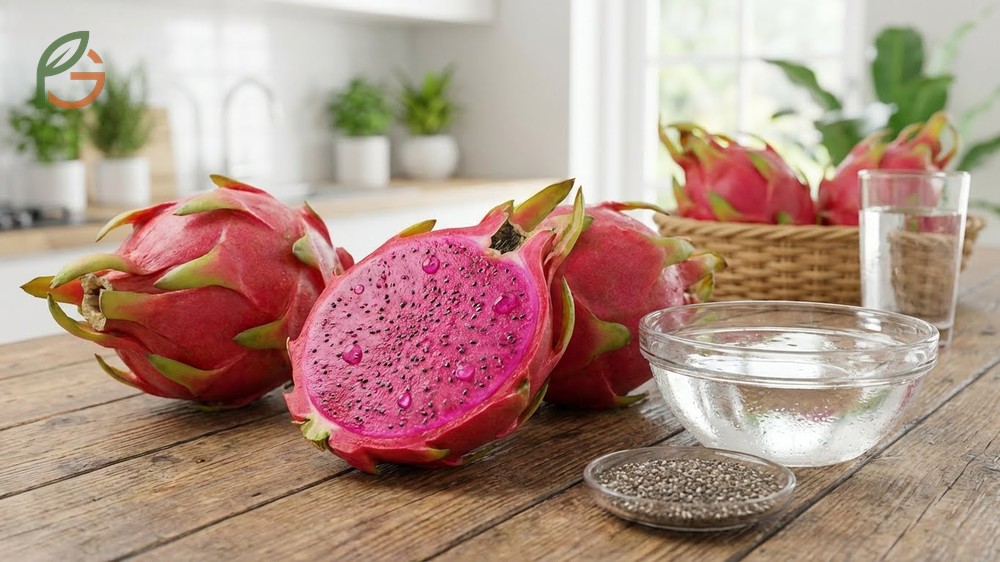
Yes, red dragon fruit can significantly promote bowel movements due to its high fiber and water content. The fruit contains 3 grams of fiber per 100-gram serving, with a substantial portion being soluble fiber that creates a gel-like substance in your digestive system.[3] This type of fiber helps soften stool and promotes regular bowel movements.
The tiny black seeds throughout the fruit provide additional digestive benefits. Research shows these seeds can help “scrub” the intestinal lining as they pass through your digestive tract, promoting cleaner elimination.[5] The high water content—approximately 85-90%—also contributes to easier digestion by keeping stool hydrated and easier to pass.
People who aren’t accustomed to eating high-fiber foods may experience more pronounced effects. If you’re new to dragon fruit, you might notice increased bowel activity within 2-6 hours after consumption.[5] This is completely normal and indicates your digestive system is responding to the fiber boost. The effect is generally gentler than commercial laxatives since it works through natural fiber mechanisms rather than chemical stimulation.
For maximum digestive benefits without discomfort, start with smaller portions—about 100-150 grams (half a fruit)—and increase gradually as your system adjusts. Always drink plenty of water when consuming high-fiber foods. Without adequate hydration, fiber can actually cause constipation rather than relieving it.[5] Most people find that eating dragon fruit regularly helps establish more consistent bowel habits over time.
Color Note: Don’t be alarmed if your stool or urine appears reddish or pink after eating red dragon fruit. The betalain pigments that give the fruit its color can pass through your digestive system, creating temporary color changes that are completely harmless and typically disappear within 24-48 hours.
- Fiber mechanism: 3g per 100g serving, with gel-forming soluble fiber that softens stool
- Seed benefits: Tiny black seeds provide gentle intestinal “scrubbing” action for cleaner elimination
- Hydration factor: 85-90% water content helps maintain proper stool consistency
- Timing: Effects typically occur 2-6 hours after consumption, faster than many other fruits
- Portion guidance: Start with 100-150g (half a fruit) if you’re not used to high-fiber foods
- Prebiotic effects: Soluble fiber feeds beneficial gut bacteria, improving overall digestive health
- Natural approach: Works through fiber rather than chemical stimulation, gentler than commercial laxatives
Where to Buy Red Dragon Fruit

In the United States, you’ll find red dragon fruit most reliably at specialty grocery stores like Whole Foods, Sprouts Farmers Market, and Trader Joe’s during peak season (summer through early fall). These retailers typically stock fresh dragon fruit in their tropical fruit sections when supplies are available. Prices generally range from $4-8 per fruit depending on size and seasonality.
Asian supermarkets offer your best chance for consistent year-round availability. Stores like 99 Ranch Market, H Mart, and local Asian grocery chains frequently carry both red and white dragon fruit varieties at lower prices than mainstream retailers. You’ll also find frozen dragon fruit cubes and dragon fruit powder in the freezer and supplement sections, which work perfectly for smoothies and last much longer than fresh fruit.
Online retailers have made dragon fruit more accessible nationwide. Amazon, Walmart.com, and specialty fruit sites like Miami Fruit and Melissa’s Produce ship fresh dragon fruit directly to your door, though shipping costs can be substantial due to the fruit’s delicate nature. Frozen dragon fruit packets from brands like Pitaya Foods are available in thousands of grocery stores and provide a convenient, shelf-stable option that’s already prepped for smoothie bowls.
Local farmers markets in warmer climates (California, Florida, Hawaii) sometimes feature locally grown dragon fruit during harvest season. These fruits are typically fresher and more flavorful since they’re picked at peak ripeness rather than being harvested early for shipping. If you’re in a cooler climate, you may need to rely on imported fruit or frozen options during most of the year.
- Specialty chains: Whole Foods, Sprouts Farmers Market, Trader Joe’s (seasonal availability)
- Asian markets: 99 Ranch Market, H Mart, local Asian grocers (year-round, better prices)
- Online sources: Amazon, Miami Fruit, Melissa’s Produce (shipped fresh, higher cost)
- Frozen options: Pitaya Foods packets available in thousands of stores nationwide
- Farmers markets: Local growers in CA, FL, HI during harvest season (peak freshness)
- Selection tips: Choose fruits with bright, even color and slight give when pressed
- Storage: Keep unripe fruit at room temperature, refrigerate ripe fruit at 39-46°F (4-8°C) for 3-5 days
Conclusion
The evidence is clear: red dragon fruit benefits extend far beyond its striking appearance, delivering powerful antioxidants like lycopene and betalains alongside substantial fiber and essential nutrients. Research demonstrates that red varieties offer superior antioxidant protection compared to white types, with measurable impacts on cardiovascular health, blood sugar regulation, and digestive function. You can’t go wrong adding this nutrient-dense fruit to your diet, whether fresh in smoothie bowls or frozen for year-round convenience.
Current horticultural data shows that dragon fruit cultivation is expanding across warmer U.S. regions, making fresh local options increasingly available. FruitGarden continues to track emerging research on optimal growing conditions and nutritional profiles to help both growers and consumers maximize the benefits of this remarkable tropical fruit.
Medical Disclaimer
Important Medical Disclaimer: This content is for informational and educational purposes only. It’s not intended as a substitute for professional medical advice, diagnosis, or treatment. Always consult a qualified healthcare professional before making any changes to your diet, medication, or health routine, especially if you have diabetes, cardiovascular conditions, or other medical concerns. Individual responses to foods can vary significantly based on health status and medications.
Frequently Asked Questions
Is red dragon fruit better than white for antioxidants?
Yes, red dragon fruit contains significantly higher antioxidant levels than white varieties. Research shows red types contain 30.87 mg of betalains per 100 grams, while white varieties contain none of these pigmented antioxidants. Red varieties also have higher lycopene content and approximately double the fiber, making them nutritionally superior for antioxidant benefits and heart health.
How much red dragon fruit should I eat per day?
A typical serving of 100-150 grams (about half a fruit) provides substantial nutritional benefits without excessive calories or sugar. Studies showing health benefits used 400-600 grams daily, but most people don’t need that much. Start with half a fruit per day and increase gradually if desired, especially if you’re not used to high-fiber foods to avoid digestive discomfort.
Can diabetics eat red dragon fruit safely?
Red dragon fruit has a low glycemic index of 48-52, making it suitable for people with diabetes when consumed in appropriate portions. The high fiber content helps slow sugar absorption, promoting stable blood glucose levels. However, red varieties contain 11.5 grams of sugar per 100 grams, so portion control matters. Medical experts often recommend white dragon fruit for stricter diabetes management due to its lower sugar content.
Why does red dragon fruit stain everything?
The intense staining comes from betalain pigments, the same antioxidant compounds that provide many of the fruit’s health benefits. These water-soluble pigments are incredibly potent and can temporarily color your hands, cutting boards, and even your urine or stool. The good news is that betalain stains wash out easily with soap and water, and any bodily color changes are completely harmless and temporary.
How do you know when red dragon fruit is ripe?
Ripe red dragon fruit should have bright, even skin color without excessive brown spots and give slightly when gently pressed, similar to a ripe avocado. The “wings” or scales on the outside should be slightly withered rather than fresh and perky. Avoid fruits that are rock-hard (underripe) or have soft spots and extensive browning (overripe). Ripe fruit detaches easily from the stem with minimal pulling.
Can you eat red dragon fruit seeds?
Yes, the tiny black seeds throughout red dragon fruit flesh are completely edible and actually beneficial for digestion. They provide a gentle crunch similar to kiwi seeds and help “scrub” the intestinal lining as they pass through your digestive system. The seeds are small enough that you don’t need to chew them thoroughly—you can swallow them whole without any issues.
Does freezing red dragon fruit reduce its nutritional value?
Freezing preserves most of red dragon fruit’s nutritional content quite well. The antioxidants, fiber, and minerals remain stable during freezing. You may lose a small amount of vitamin C during the freezing and thawing process, but the difference is minimal. Frozen dragon fruit cubes work perfectly for smoothies and smoothie bowls, offering year-round convenience without significant nutrient loss.