
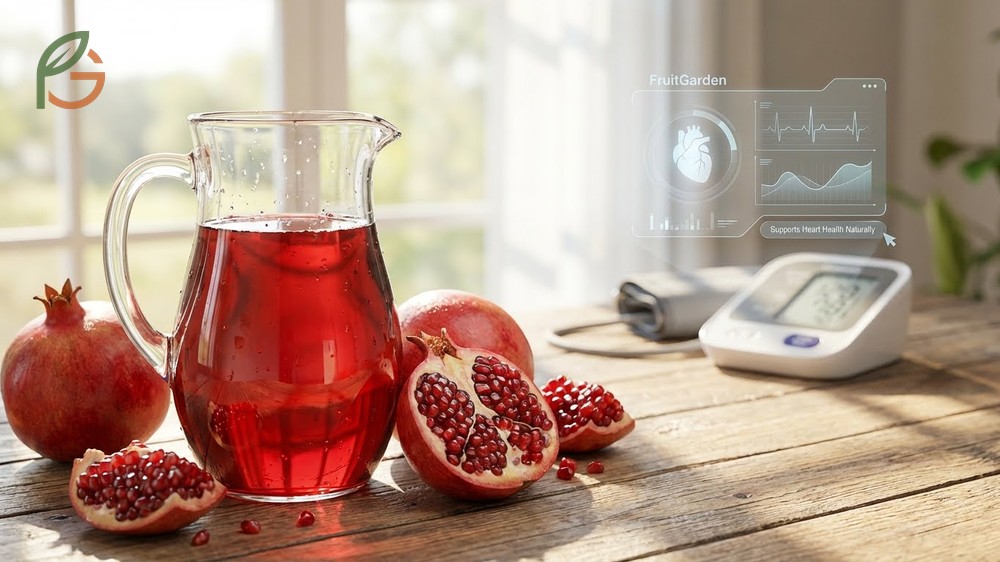
Pomegranate juice for high blood pressure reduces systolic pressure by 5.02 mmHg and diastolic pressure by 2.01 mmHg, according to meta-analyses of clinical trials[1][2]. Research shows these effects work through ACE inhibition and antioxidant mechanisms that improve vascular health. FruitGarden synthesizes current cardiovascular research to help you understand how this polyphenol-rich fruit juice supports heart health naturally.
Quick Answer
Pomegranate Juice for High Blood Pressure
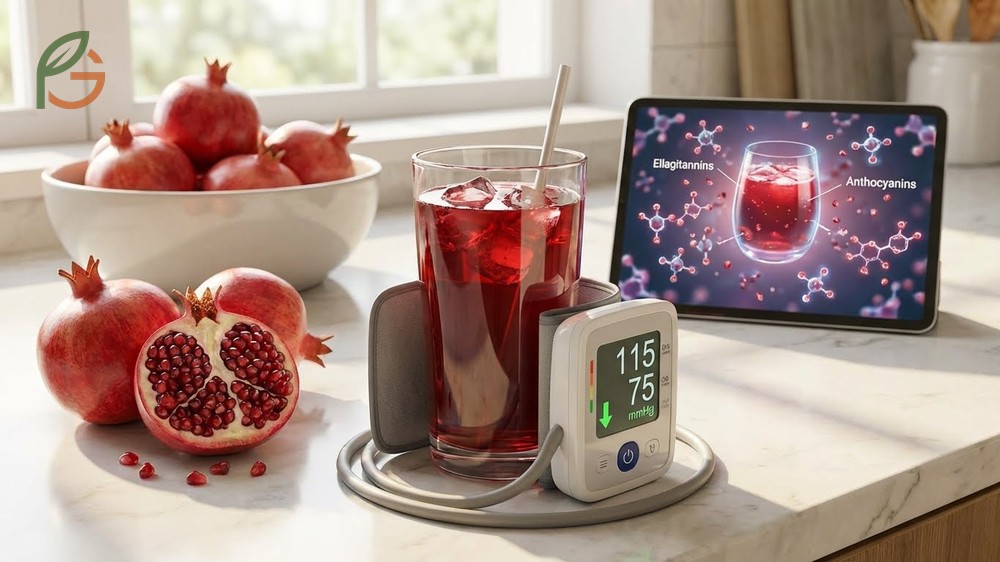
Studies demonstrate pomegranate juice effectively lowers blood pressure in hypertensive individuals. A comprehensive meta-analysis of 14 clinical trials involving 573 participants showed systolic blood pressure dropped by 5.02 mmHg after regular consumption[2].
The juice’s effectiveness comes from its rich concentration of bioactive polyphenols—including ellagitannins, anthocyanins, and punicalagins. These compounds work through multiple pathways: they inhibit angiotensin-converting enzyme (ACE), reduce oxidative stress in blood vessels, and improve nitric oxide production[5][6].
Current data indicates both systolic and diastolic pressures respond to treatment. While systolic pressure shows the most dramatic response, diastolic pressure decreases by an average of 2.01 mmHg[1].
How Pomegranate Works
Research shows three key compounds—pedunculagin, punicalin, and gallagic acid—provide the strongest ACE-inhibiting effects. Pedunculagin demonstrates the highest potency with an IC50 value of 0.91 μM[5].
These polyphenols block ACE by forming hydrogen bonds with catalytic residues and zinc ions in the enzyme’s active sites. This inhibition prevents the conversion of angiotensin I to angiotensin II, a powerful vasoconstrictor that raises blood pressure.
Evidence suggests pomegranate also increases nitric oxide synthesis in endothelial cells. Pedunculagin stimulates endothelial nitric oxide synthase (eNOS) enzyme expression by up to 5.3-fold, promoting blood vessel relaxation[5].
Clinical Evidence
Multiple randomized controlled trials confirm pomegranate juice’s hypotensive effects. A 2-week clinical study with 21 hypertensive patients found that 150 mL daily significantly reduced both systolic and diastolic pressures[3].
The same trial measured improvements in vascular health markers. Serum levels of VCAM-1, an inflammation marker linked to atherosclerosis, dropped significantly after just two weeks[3].
Important Note: Effects may diminish after 2 months of continuous consumption. Studies show the blood pressure-lowering benefit decreases with prolonged intake beyond 8 weeks[2]. Consider cycling your intake or consulting a healthcare provider for sustained benefits.
Cardiovascular Health Pomegranate
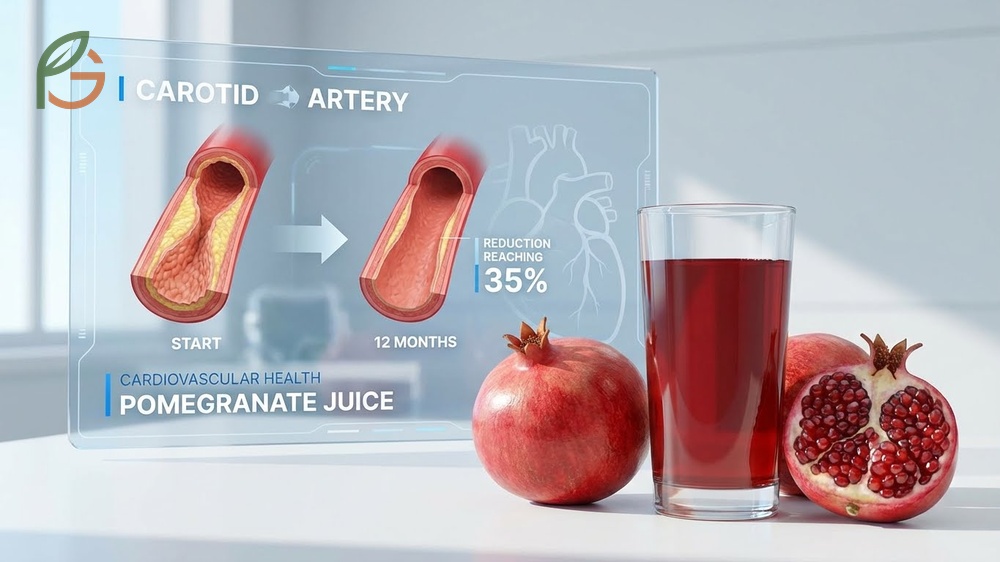
Pomegranate juice delivers comprehensive cardiovascular protection beyond blood pressure reduction. Research demonstrates it reduces carotid intima-media thickness (CIMT), a key indicator of atherosclerosis progression[7].
A 12-month study tracked CIMT changes in hypertensive patients drinking pomegranate juice daily. While control group participants saw CIMT increase by 10%, juice consumers experienced a progressive reduction reaching 35% by year’s end[7].
The juice’s antioxidant capacity protects LDL cholesterol from oxidation—a critical step in atherosclerotic plaque formation. This protection stems from pomegranate’s ability to accumulate in arterial macrophages and scavenge reactive oxygen species.
Arterial Benefits
Evidence indicates pomegranate consumption improves arterial blood flow velocity. Peak systolic velocity (PSV) decreased by 12-28% in carotid arteries after one year of daily intake[7].
End-diastolic velocity (EDV) showed even more dramatic improvements. Measurements revealed progressive reductions of 16%, 20%, 31%, and 44% at 3, 6, 9, and 12 months respectively[7].
Endothelial Function
Current data shows pomegranate juice enhances endothelial function through multiple mechanisms. It reduces cellular adhesion molecules like VCAM-1 that promote plaque formation[3].
The polyphenols increase intracellular calcium concentration, which activates eNOS enzyme production. This cascade boosts nitric oxide availability in blood vessels, promoting vasodilation and healthy blood flow.
Pomegranate Juice Benefits
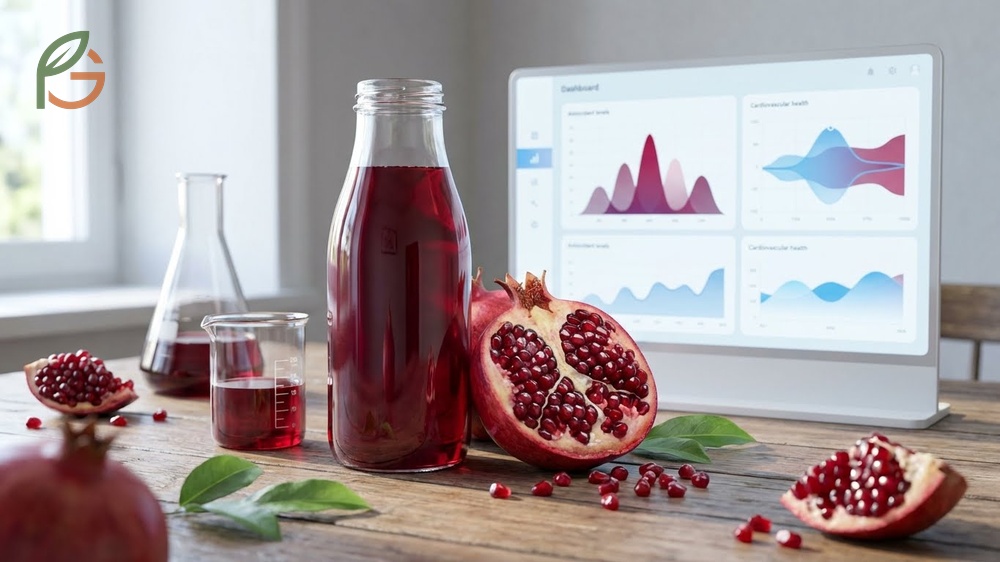
Research shows pomegranate juice ranks among the most antioxidant-rich beverages available. A 500 mL serving contains approximately 2.56g of total polyphenols and 1.08g of orthodiphenols[4].
These antioxidants don’t just lower blood pressure—they provide systemic anti-inflammatory effects. Studies document reductions in oxidative stress markers throughout the cardiovascular system, including decreased malondialdehyde levels and increased total antioxidant capacity[6].
The juice also delivers meaningful amounts of potassium—1,270 mg per 500 mL serving[4]. This mineral supports healthy blood pressure by counteracting sodium’s effects and promoting proper fluid balance.
Antioxidant Capacity
Evidence suggests pomegranate’s antioxidant activity surpasses many common beverages. Its TEAC (Trolox Equivalent Antioxidant Capacity) measurements demonstrate superior free radical scavenging ability compared to other fruit juices.
The juice’s effectiveness comes from its diverse polyphenol profile. It contains flavonoids (approximately 293 mg per 500 mL), ellagitannins, and anthocyanins that work synergistically[4].
- Reduces lipid peroxidation in arterial walls by scavenging reactive oxygen species
- Protects LDL cholesterol from oxidative damage that triggers plaque formation
- Decreases oxidative stress in the paraventricular nucleus of the brain
- Improves mitochondrial function through AMPK-Nrf2 pathway activation
- Elevates enzymatic and non-enzymatic antioxidant defenses systemically
Optimal Dosage and Timing
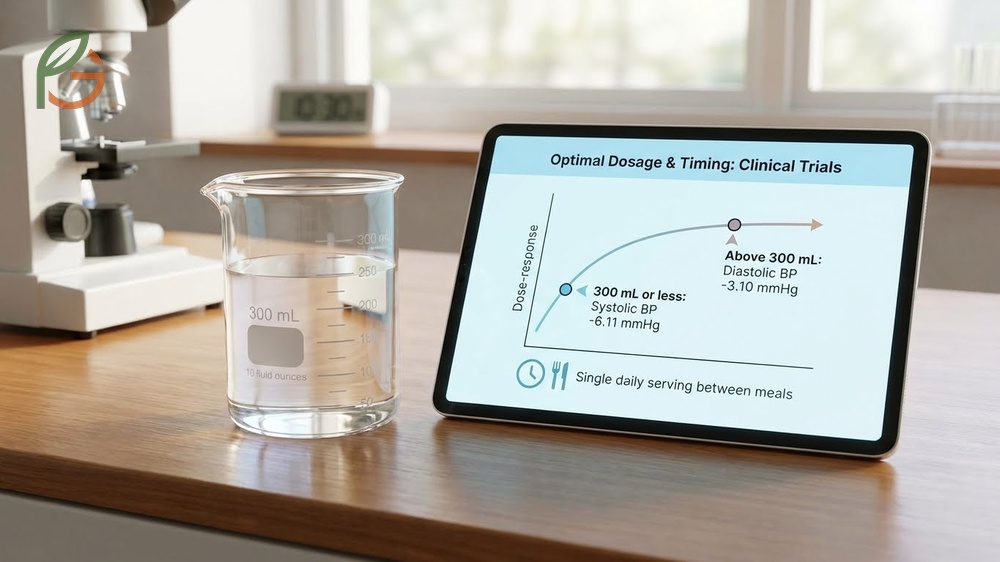
Clinical trials reveal a clear dose-response relationship for blood pressure benefits. Consuming 300 mL (approximately 10 fluid ounces) or less daily produces the most consistent systolic pressure reductions of 6.11 mmHg[2].
Interestingly, doses exceeding 300 mL don’t provide additional systolic benefits. However, they do reduce diastolic pressure by an average of 3.10 mmHg[2].
Most successful studies used a single daily serving consumed between meals. Research shows effects begin appearing within 2 weeks of consistent intake[3].
This table compares daily pomegranate juice amounts with their effects on systolic and diastolic blood pressure based on clinical trial data
| Daily Amount | Systolic Change | Diastolic Change | Duration |
|---|---|---|---|
| 150 mL (5 fl oz) | -4.96 mmHg[1] | -2.01 mmHg[1] | 2-8 weeks |
| ≤300 mL (≤10 fl oz) | -6.11 mmHg[2] | -2.94 mmHg[2] | ≤2 months |
| >300 mL (>10 fl oz) | -3.28 mmHg[2] | -3.10 mmHg[2] | ≤2 months |
Timing Tip: Current guidance suggests consuming pomegranate juice between lunch and dinner for optimal absorption. This timing aligns with successful clinical trial protocols and may enhance polyphenol bioavailability.
- Start with 150 mL daily and assess your response over 2-3 weeks
- Don’t exceed 300 mL if your primary goal is systolic pressure reduction
- Choose 100% pure pomegranate juice without added sugars or dilution
- Consider cycling intake (8 weeks on, 4 weeks off) to maintain effectiveness
- Store juice properly at 35-40°F (2-4°C) to preserve polyphenol content
- Shake well before serving as beneficial compounds may settle
Natural Blood Pressure Remedy
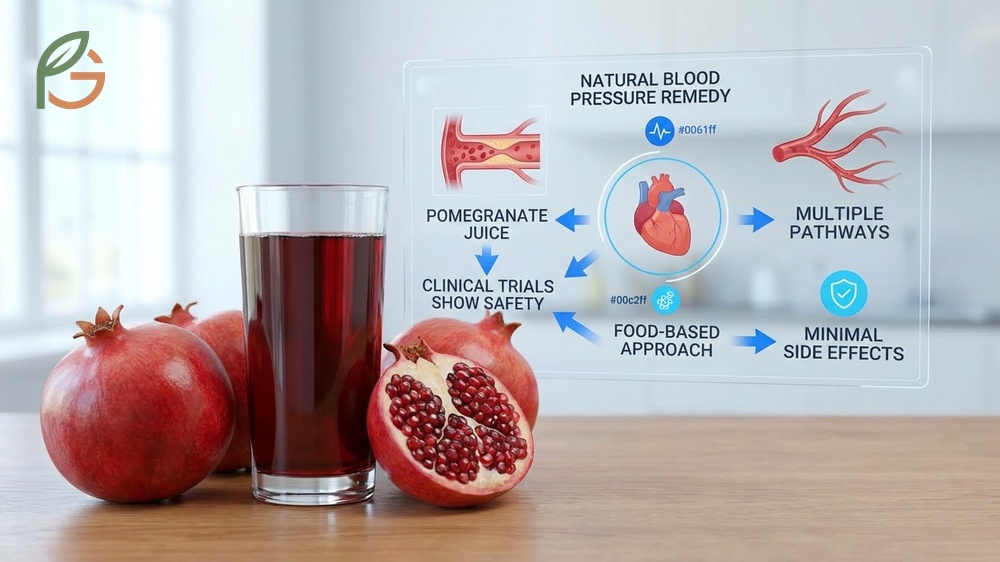
Pomegranate juice offers a food-based approach to blood pressure management with minimal side effects. Unlike pharmaceutical ACE inhibitors, pomegranate works through multiple complementary pathways simultaneously[5].
Studies demonstrate safety across diverse populations. Clinical trials haven’t reported serious adverse effects from daily consumption at recommended doses[3].
The juice complements other lifestyle interventions effectively. Research shows it works synergistically with reduced sodium intake, regular exercise, and stress management techniques to optimize cardiovascular health.
- Combine with DASH diet principles for enhanced systolic pressure reductions
- Pair with 30 minutes of daily moderate exercise to amplify cardiovascular benefits
- Use alongside prescribed medications only with healthcare provider approval
- Monitor blood pressure weekly to track individual response patterns
- Maintain consistent timing—same time each day maximizes polyphenol absorption
Conclusion
The evidence is clear: pomegranate juice for high blood pressure provides clinically meaningful reductions of 5 mmHg systolic and 2 mmHg diastolic when consumed at 150-300 mL daily. These benefits stem from potent ACE inhibition, antioxidant protection, and improved endothelial function documented across multiple randomized controlled trials.
Current cardiovascular guidance emphasizes food-based interventions as first-line approaches for prehypertension and stage 1 hypertension. Pomegranate juice fits this strategy perfectly, offering science-backed benefits without the side effects common to pharmaceutical options. FruitGarden continues tracking emerging research to keep you informed about evidence-based fruit health benefits.
Medical Disclaimer
Important Medical Disclaimer: This content is for informational and educational purposes only. It’s not intended as a substitute for professional medical advice, diagnosis, or treatment. Always consult a qualified healthcare professional before making any changes to your diet, medication, or health routine, especially if you have hypertension, cardiovascular disease, or take blood pressure medications. Pomegranate juice may interact with certain medications including ACE inhibitors, statins, and blood thinners.
Frequently Asked Questions
How Long Does It Take for Pomegranate Juice to Lower Blood Pressure?
Research shows blood pressure reductions begin appearing within 2 weeks of daily pomegranate juice consumption. Clinical trials document significant systolic and diastolic pressure drops after just 14 days of consuming 150-300 mL daily. However, maximum benefits typically develop over 4-8 weeks of consistent intake.
Can I Drink Pomegranate Juice While Taking Blood Pressure Medication?
You must consult your healthcare provider before combining pomegranate juice with blood pressure medications. The juice’s ACE-inhibiting effects may enhance medication action, potentially causing excessive blood pressure drops. Your doctor may need to adjust medication dosages if you add pomegranate juice to your regimen.
What’s the Best Time of Day to Drink Pomegranate Juice for Blood Pressure?
Studies suggest consuming pomegranate juice between lunch and dinner optimizes polyphenol absorption and cardiovascular benefits. This timing aligns with successful clinical trial protocols. Consistency matters more than specific timing—drinking it at the same time daily helps maintain steady polyphenol levels in your bloodstream.
Does Pomegranate Juice Lower Blood Pressure Immediately?
No, pomegranate juice doesn’t produce immediate blood pressure drops. The antihypertensive effects develop gradually through sustained consumption. Research documents that benefits emerge after 2 weeks and peak around 4-8 weeks. This gradual action differs from fast-acting medications but provides more stable, long-term cardiovascular protection.
How Much Pomegranate Juice Should I Drink Daily for High Blood Pressure?
Clinical evidence supports consuming 150-300 mL (5-10 fluid ounces) daily for optimal blood pressure reduction. Doses up to 300 mL produce the strongest systolic pressure drops of approximately 6 mmHg. Higher amounts don’t enhance systolic benefits but may further reduce diastolic pressure.
Can Pomegranate Juice Replace Blood Pressure Medication?
No, pomegranate juice shouldn’t replace prescribed blood pressure medication without explicit guidance from your healthcare provider. While research documents meaningful pressure reductions, the juice works best as a complementary therapy alongside prescribed treatments and lifestyle modifications. Never discontinue medications without medical supervision.
Does Pomegranate Juice Lose Its Blood Pressure Benefits Over Time?
Research indicates pomegranate juice’s blood pressure-lowering effects may diminish after 2 months of continuous consumption. Studies show optimal benefits occur within the first 8 weeks of daily intake. Consider cycling your consumption—taking breaks after 8 weeks—or consulting a healthcare provider for strategies to maintain long-term effectiveness.





