
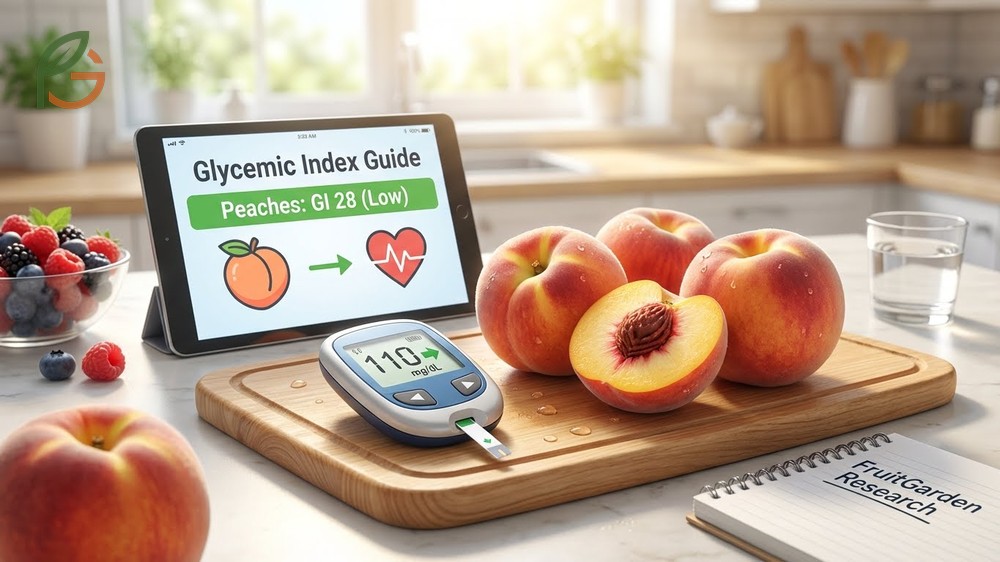
Peaches and diabetes make a compatible pairing when you understand portion control and timing. Research shows peaches have a glycemic index of just 28, placing them among the best fruit choices for blood sugar management[1]. The natural fiber content in fresh peaches slows sugar absorption, while their rich nutrient profile delivers vitamins A and C without spiking glucose levels. FruitGarden synthesizes current agricultural research and clinical data to help you make informed decisions about incorporating peaches into a diabetes-friendly eating plan.
Quick Answer
- Peaches have a glycemic index of 28[1] and glycemic load of 5[2], making them low-impact on blood sugar
- One medium peach contains 58 calories[3], 14g carbohydrates[3], and 2g fiber[3]
- Fresh peaches are diabetes-friendly, but canned varieties in syrup can raise GI to 43-74[4]
- Best consumed whole with skin intact, paired with protein sources for optimal blood sugar control
Peaches and Diabetes
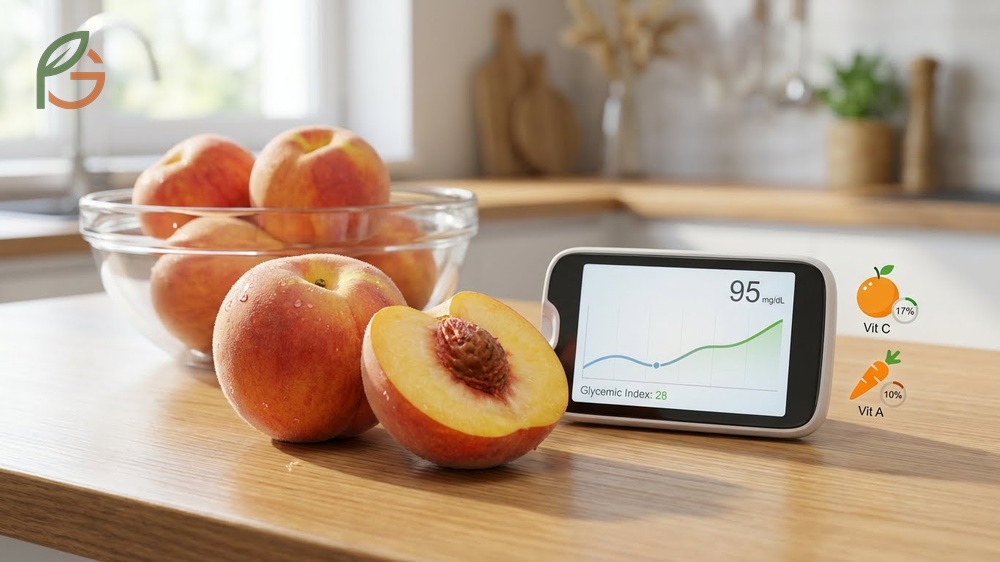
Studies demonstrate that peaches don’t cause rapid blood sugar spikes thanks to their low glycemic profile. The glycemic index of 28 means glucose enters your bloodstream gradually rather than flooding it all at once[1]. This slow release helps maintain steady energy levels throughout the day.
Current data indicates that one medium peach provides essential nutrients without compromising blood sugar control. You’ll get vitamin C (17% daily value) and vitamin A (10% daily value) along with minerals like potassium[3]. The American Diabetes Association lists peaches among recommended fruit choices for diabetics[5].
What often gets overlooked is how the fiber in peaches works as a natural buffer. The 2 grams of fiber per medium peach slows carbohydrate digestion, preventing the sharp glucose rises that damage blood vessels over time. This protective effect becomes more pronounced when you eat peaches with their skin intact.
Nutritional Profile of Peaches
A medium peach weighing 150 grams delivers impressive nutrition density with minimal calorie cost. You’re consuming just 58 calories while getting 14 grams of total carbohydrates and 13 grams of natural sugars[3]. The protein content sits at 1 gram, and fat content remains negligible at less than 0.5 grams.
The vitamin content in peaches supports immune function and eye health. Vitamin C helps your body absorb iron and repairs tissues, while vitamin A maintains healthy vision and skin. Most people don’t realize that yellow-fleshed peaches contain more beta-carotene than white varieties.
- Calories: 58 (fits easily into meal plans without exceeding carb targets)
- Carbohydrates: 14g total with 2g fiber (net carbs of 12g)
- Vitamin C: 17% DV (supports wound healing critical for diabetics)
- Vitamin A: 10% DV (protects against diabetic retinopathy)
- Potassium: 8% DV (helps regulate blood pressure)
- Zero cholesterol and sodium (heart-healthy choice for cardiovascular protection)
Peach Polyphenols and Diabetes Benefits
Research from peer-reviewed journals shows peaches contain polyphenolic compounds that may improve insulin sensitivity. These bioactive molecules protect pancreatic beta cells from oxidative damage and stimulate insulin secretion[6]. The concentration of these compounds varies by peach variety and ripeness stage.
Evidence suggests that specific polyphenols in peaches can inhibit alpha-glucosidase enzymes. This inhibition slows the breakdown of complex carbohydrates into simple sugars in your digestive tract. The result? More gradual glucose absorption and better post-meal blood sugar readings.
Important Note: While peach polyphenols show promise in laboratory studies, they can’t replace prescribed diabetes medications. Always take your medications as directed and use peaches as part of a comprehensive nutrition strategy.
Glycemic Index Peaches
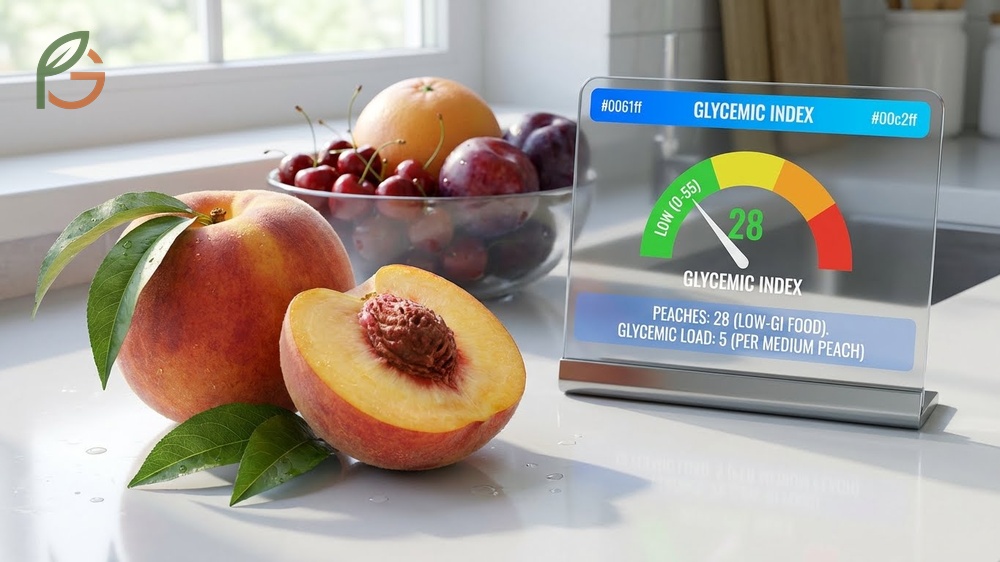
The glycemic index measures how quickly foods raise blood glucose on a scale from 0 to 100. Fresh peaches score 28, categorizing them as a low-GI food alongside cherries, grapefruit, and plums[1]. Foods below 55 are considered low-GI, 56-69 medium-GI, and 70+ high-GI.
Glycemic load provides an even better picture because it accounts for portion size. One medium peach has a glycemic load of just 5, which is exceptionally low[2]. This means eating a whole peach will have minimal impact on your blood sugar compared to the same weight of white bread or rice.
The fiber matrix in peaches explains their favorable glycemic response. Unlike fruit juices where fiber is removed, whole peaches retain their structural integrity. This physical barrier forces your digestive system to work harder, releasing sugars more slowly into circulation.
Fresh vs Processed Peaches
Processing dramatically alters the glycemic impact of peaches. Fresh peaches maintain their low GI of 28-42, but canned peaches in heavy syrup can spike to a GI of 74[4]. The added sugars in canning syrup overwhelm the natural fiber protection.
Dried peaches concentrate sugars and remove water, creating a denser carbohydrate source. You’ll consume more sugar per bite compared to fresh fruit. If you choose dried peaches, limit portions to 2-3 pieces and pair them with nuts to slow absorption.
- Fresh peaches (whole with skin): GI 28-42 (best choice for diabetes)
- Canned peaches in light syrup: GI 43-52 (acceptable if drained and rinsed)
- Canned peaches in heavy syrup: GI 58-74 (avoid due to added sugars)
- Dried peaches: GI 35-45 (concentrated sugars require portion control)
- Peach juice: GI 40-50 (lacks fiber, causes faster blood sugar rise)
How Peach Ripeness Affects Blood Sugar
Ripeness directly impacts glycemic response because starches convert to simple sugars as peaches mature. A firm, slightly underripe peach contains more resistant starch and less fructose than a fully ripe, soft peach. This translates to a lower immediate glucose spike with firmer fruit.
Color and texture serve as ripeness indicators. Look for peaches with a golden background color and slight give when pressed. Avoid rock-hard peaches that lack flavor and overly soft ones with brown spots that signal excessive sugar conversion.
Diabetic Peach Consumption

Timing and food combinations determine how peaches affect your blood sugar throughout the day. Evidence indicates that eating peaches as part of a mixed meal rather than alone produces more stable glucose levels. The protein and fat from other foods create a buffering effect that slows carbohydrate absorption.
Most people find success eating peaches during active hours rather than before bed. Your body processes carbohydrates more efficiently when you’re moving around. Physical activity within 30-60 minutes after eating a peach can further improve glucose clearance from your bloodstream.
Current guidance emphasizes spreading fruit intake across the day instead of consuming multiple servings at once. One peach with breakfast, another as an afternoon snack works better than eating three peaches together. This approach prevents overwhelming your insulin response.
Best Time to Eat Peaches
Morning consumption between 7-10 AM aligns with your body’s natural insulin sensitivity peak. Your cells respond more effectively to glucose during these hours, making breakfast an ideal time for peach consumption. Pair a sliced peach with Greek yogurt and almonds for a balanced start.
Mid-morning snacks around 10 AM-12 PM work well if you space meals 3-4 hours apart. A peach at this time bridges the gap between breakfast and lunch without causing dramatic blood sugar swings. The natural sugars provide sustained energy for afternoon activities.
Post-workout timing (within 2 hours of exercise) represents another strategic window. Your muscles act like sponges after activity, pulling glucose from your blood to replenish glycogen stores. Eating a peach during this period supports recovery while minimizing blood sugar elevation.
Timing Tip: Avoid eating peaches within 2 hours of bedtime. Nighttime carbohydrate consumption can disrupt blood sugar stability while you sleep, when insulin sensitivity naturally decreases.
Pairing Peaches with Protein
Combining peaches with protein sources creates a synergistic effect that flattens your glucose curve. The protein triggers different hormones that slow stomach emptying and carbohydrate digestion. This mechanical delay gives your body more time to process the fruit sugars gradually.
Practical pairings include cottage cheese (14g protein per half cup), which provides both protein and calcium. The tartness of cottage cheese complements peach sweetness while delivering sustained satiety. Another option is almond butter (7g protein per 2 tablespoons) spread on peach slices.
- Greek yogurt (plain, unsweetened): 15-20g protein per 6 ounces (creates creamy peach parfait)
- Cottage cheese (low-fat): 14g protein per half cup (pairs with diced peaches)
- Almond butter: 7g protein per 2 tablespoons (spread on peach slices)
- Hard-boiled eggs: 6g protein per egg (eaten alongside whole peach)
- String cheese (part-skim mozzarella): 7g protein per stick (portable snack combo)
- Roasted chickpeas: 6g protein per quarter cup (crunchy texture contrast)
Peach Portion Diabetes
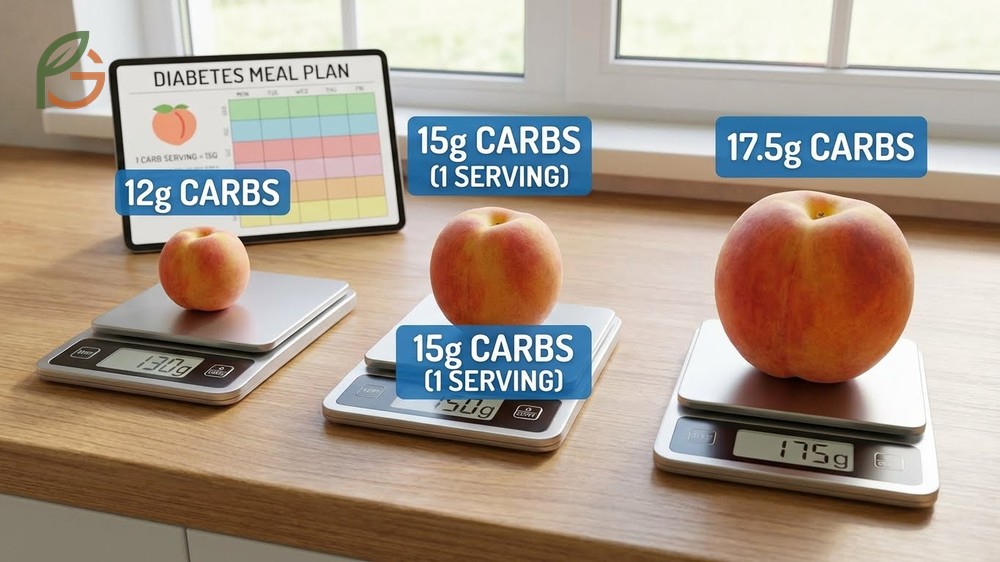
Portion control matters more than most people realize when managing blood sugar. One medium peach (about 2.5-3 inches in diameter, 150g) represents the standard serving size that fits within most diabetic meal plans. This single peach provides 15 grams of carbohydrates, equivalent to one carb serving or exchange.
Size variations significantly impact carbohydrate load. A small peach (2 inches diameter, 130g) contains roughly 12g carbs, while a large peach (3+ inches, 175g) can deliver 17-18g carbs. Using a food scale during your first few weeks helps calibrate your visual estimates for long-term accuracy.
The “handful rule” offers a practical measurement tool. One cupped handful of sliced peaches approximates one serving. Your hand size correlates with your overall body size and caloric needs, making this method surprisingly accurate for most adults.
This table compares carbohydrate content, glycemic load, and diabetic suitability across five peach sizes from very small to very large
| Peach Size | Weight | Carbohydrates | Glycemic Load | Diabetic Recommendation |
|---|---|---|---|---|
| Very Small | 100g (2 inches) | 9g | 3 | Excellent portion for tight control |
| Small | 130g (2.25 inches) | 12g | 4 | Good choice for snacks |
| Medium | 150g (2.5-3 inches) | 14g[3] | 5 | Standard serving (1 carb exchange) |
| Large | 175g (3+ inches) | 17g | 6 | Pair with protein or split into two servings |
| Very Large | 200g+ (3.5+ inches) | 19-20g | 7 | Split into two servings on different occasions |
Measuring Matters: Your blood sugar response can vary by 30-40% depending on whether you eat a small versus large peach. When in doubt, choose smaller fruit and add a second serving later if your glucose remains stable.
- Buy smaller peaches: Choose 2-2.5 inch diameter fruit at the grocery store for automatic portion control
- Pre-slice and store: Cut large peaches into quarters and refrigerate in containers for grab-and-go portions
- Use measuring cups: One cup of sliced peaches equals approximately 1.5 servings (22g carbs)
- Track your response: Test blood sugar 1-2 hours after eating to learn your individual tolerance
- Account for meal context: You might handle a larger peach better when paired with protein and fat
Peaches Diabetic Diet
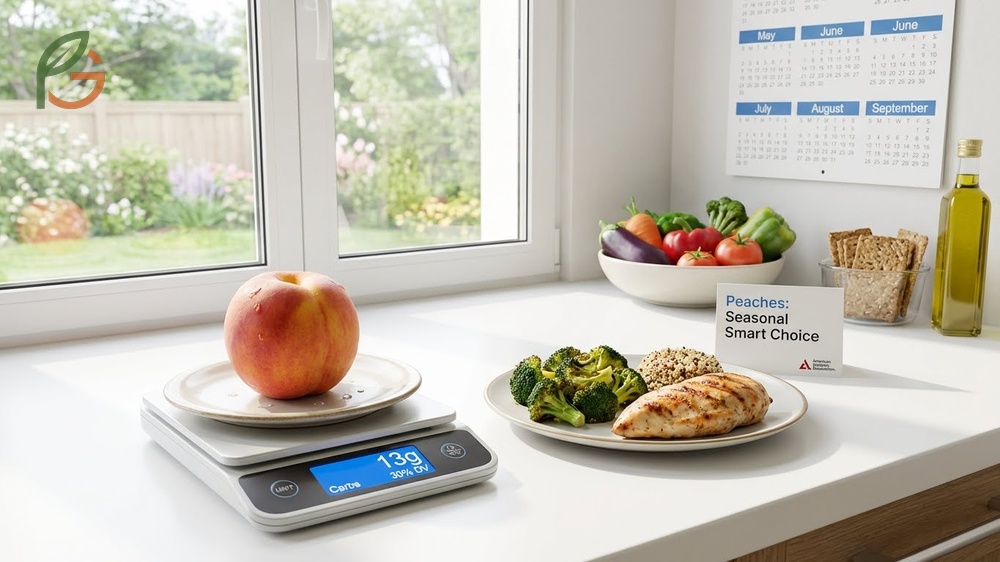
Integrating peaches into your diabetic diet requires strategic planning around meal composition and daily carbohydrate budgets. The American Diabetes Association recommends 45-60 grams of carbohydrates per meal for most adults with diabetes[5]. One medium peach uses roughly 25-30% of this allocation, leaving room for vegetables, whole grains, and lean proteins.
Seasonal availability makes peaches particularly valuable during summer months (May-September in the United States). Fresh, locally grown peaches contain peak nutrient levels and don’t require added preservatives. Shop at farmers markets where you can select tree-ripened fruit with lower pesticide residues compared to conventionally grown options.
Recipe versatility allows peaches to enhance both sweet and savory dishes. Grilled peach halves complement pork tenderloin, while diced peaches add natural sweetness to chicken salads without refined sugars. The key is accounting for the carbohydrates no matter how you prepare them.
- Breakfast addition: Top steel-cut oatmeal with sliced peaches and cinnamon (skip added sugar)
- Smoothie component: Blend half a peach with spinach, Greek yogurt, and ice (whole fruit retains more fiber than juice)
- Salad enhancement: Add grilled peach slices to mixed greens with grilled chicken and balsamic vinaigrette
- Dessert substitute: Replace cake or ice cream with fresh peach slices topped with plain Greek yogurt and a sprinkle of nuts
- Snack option: Pair half a peach with 10-12 almonds for balanced macronutrients
- Savory pairing: Grill peach halves as a side dish for lean proteins like fish or chicken
Storage Tip: Keep peaches at room temperature until ripe (they’ll give slightly when pressed), then refrigerate to slow further ripening. Cold storage can extend freshness by 3-5 days while maintaining nutrient content.
Conclusion
The evidence is clear: peaches and diabetes work together when you respect portion sizes and combine them with protein-rich foods. Their low glycemic index of 28, coupled with 2 grams of fiber per fruit, creates a blood sugar-friendly option that satisfies sweet cravings naturally. The 14 grams of carbohydrates in one medium peach fit comfortably within most diabetic meal plans without compromising glucose control.
Current guidance emphasizes choosing fresh peaches over canned varieties and eating them during active daytime hours for optimal metabolic benefit. FruitGarden encourages you to test your individual blood sugar response and adjust portions based on your readings, medications, and activity level. With thoughtful planning, peaches can remain a delicious and nutritious part of your diabetes management strategy throughout the summer season.
Medical Disclaimer
Important Medical Disclaimer: This content is for informational and educational purposes only. It is not intended as a substitute for professional medical advice, diagnosis, or treatment. Always consult a qualified healthcare professional or registered dietitian before making any changes to your diet, medication, or diabetes management routine. Individual blood sugar responses to foods vary based on factors including medications, activity level, stress, and overall health status. Monitor your blood glucose regularly and work with your healthcare team to develop a personalized nutrition plan.
Frequently Asked Questions
Can diabetics eat peaches every day?
Yes, diabetics can eat one medium peach daily as part of a balanced meal plan without significantly impacting blood sugar control. The key is consistency—eating the same portion at roughly the same time each day helps your body regulate insulin response. Always pair your daily peach with protein or healthy fats to further stabilize glucose levels, and monitor your blood sugar to confirm individual tolerance.
Are canned peaches OK for diabetics?
Canned peaches in light syrup or water are acceptable for diabetics if you drain and rinse them to remove excess sugar. However, fresh peaches remain the better choice because canning reduces fiber content and often adds sweeteners that raise the glycemic index from 28 to as high as 74. If you choose canned peaches, read labels carefully and select varieties labeled “no sugar added” or “packed in 100% juice.”
How many peaches can a diabetic eat per day?
Most diabetics can safely consume 1-2 medium peaches per day, spaced several hours apart to avoid overwhelming insulin response. One peach contains 14-15 grams of carbohydrates, so two peaches total 28-30 grams—fitting within typical meal carbohydrate targets. Your individual limit depends on your total daily carbohydrate budget, medications, activity level, and blood sugar patterns, so work with your healthcare provider to determine your optimal intake.
Do peaches raise blood sugar quickly?
No, peaches don’t raise blood sugar quickly due to their low glycemic index of 28 and glycemic load of 5. The fiber in whole peaches slows digestion and sugar absorption, creating a gradual glucose rise over 1-2 hours rather than a sharp spike. This slow release makes peaches one of the better fruit choices for diabetes management, especially when eaten with their skin intact and paired with protein sources.
Are yellow or white peaches better for diabetics?
Both yellow and white peaches are suitable for diabetics, with minimal glycemic differences between varieties. Yellow peaches contain slightly more beta-carotene (vitamin A precursor), while white peaches tend to be sweeter with marginally lower acidity. The glycemic index remains in the 28-35 range for both types. Choose based on personal taste preference rather than diabetic concerns, and focus instead on portion size and ripeness, which impact blood sugar more significantly.
Should diabetics eat peaches before or after meals?
Diabetics achieve better blood sugar control eating peaches as part of a meal rather than before or after it. Consuming peaches alongside protein, healthy fats, and fiber from other foods creates a mixed meal that slows overall carbohydrate absorption. If eating a peach separately, choose post-meal timing (30-60 minutes after eating) rather than pre-meal, as this prevents the fruit from hitting an empty stomach and causing faster glucose elevation.
What is the best way to prepare peaches for diabetics?
The best preparation for diabetics is eating fresh peaches whole with the skin on, as this preserves maximum fiber content and minimizes glycemic impact. Slicing or dicing is fine, but avoid blending into smoothies, which breaks down fiber structure and accelerates sugar absorption. Grilling peaches caramelizes natural sugars without adding carbohydrates, creating a warm dessert option. Always skip added sugars, honey, or syrups, and pair prepared peaches with Greek yogurt, cottage cheese, or nuts for balanced nutrition.





