
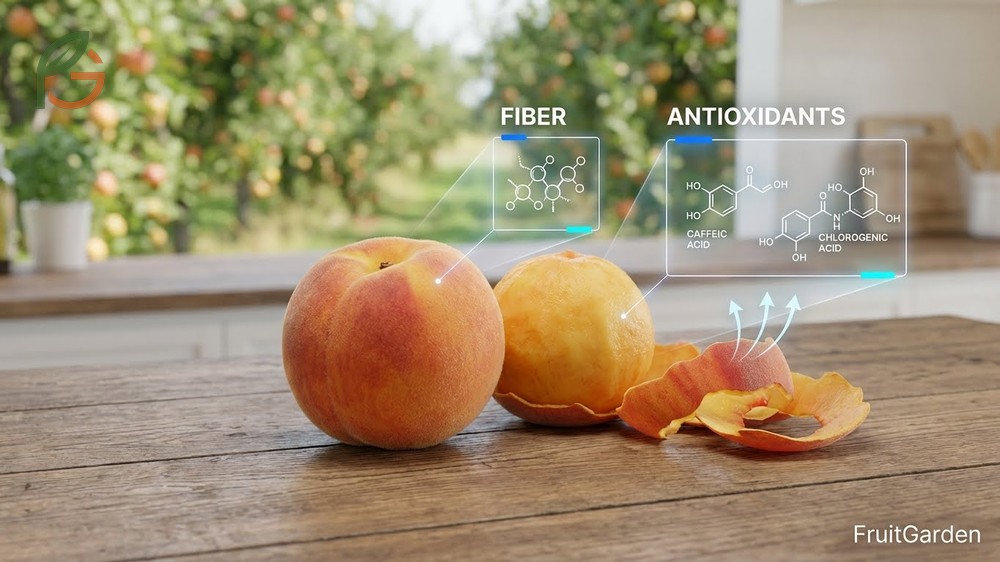
Peach skin benefits go beyond taste—research shows the peel contains significantly more fiber and antioxidants than the flesh alone.[1] Studies demonstrate that peach skin provides over double the polyphenols compared to peeled fruit, including caffeic acid and chlorogenic acid that protect against oxidative stress.[1] At FruitGarden, we synthesize current nutritional research to help you maximize the health potential of every fruit you grow and enjoy.
Quick Answer
- Peach skin contributes most of the 2-3g fiber found in a medium peach[1][2]
- Peach peels contain over 2x the polyphenols of the flesh, boosting antioxidant protection[1]
- Key antioxidants include chlorogenic acid and caffeic acid, which fight free radicals and inflammation[3]
- Eating whole peaches provides 15% daily vitamin C plus vitamins A and E for comprehensive nutrition[2]
Peach Skin Benefits
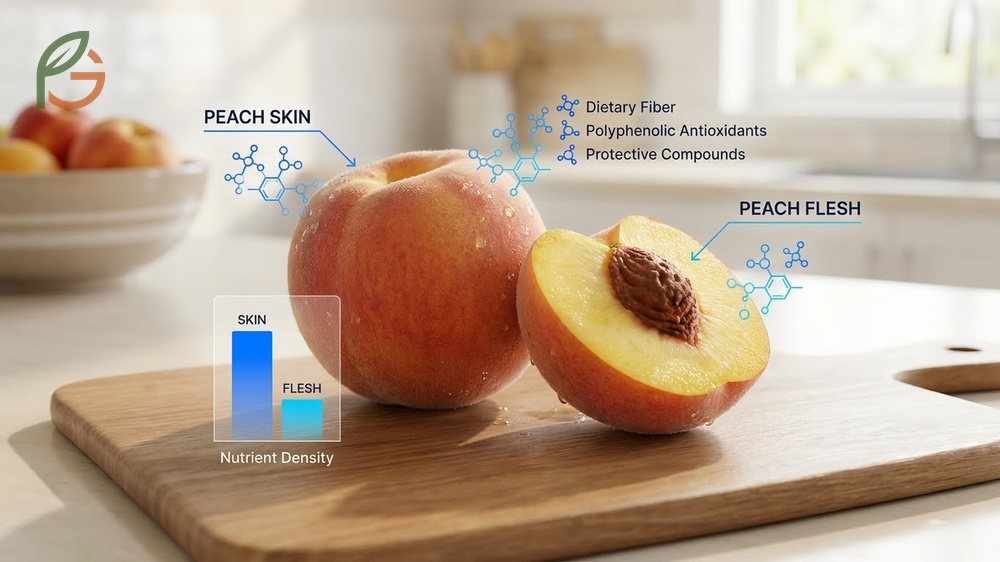
Research shows that peach skin isn’t just edible—it’s where most of the fruit’s nutritional power lives. The peel concentrates higher levels of dietary fiber, polyphenolic antioxidants, and protective compounds than the sweet flesh beneath.[1]
Studies demonstrate that people who eat whole peaches with skin intact get significantly more health benefits than those who peel their fruit. One analysis found that peach skin had more than double the polyphenols compared to the flesh, with particularly high concentrations of caffeic acid and chlorogenic acid.[1] These antioxidants protect cells from oxidative damage linked to chronic diseases and aging.
Animal research indicates that peach peel extracts exerted protective effects against oxidative stress in kidneys, liver, and brain tissue. While human studies are still needed, current evidence suggests the skin delivers unique protective compounds you can’t get from flesh alone.[1]
Fiber Content and Digestive Health
A medium peach provides about 2 grams of dietary fiber, and the skin contributes the majority of that total.[2] According to USDA data, a 100-gram serving of raw peach contains approximately 1.5 grams of fiber.[4]
Fiber-rich foods like whole peaches promote regular bowel movements and support digestive health. Research links high-fiber diets to reduced risk of heart disease, type 2 diabetes, and certain cancers including colorectal cancer.[5]
If you’re like most Americans, you’re not getting enough fiber. Replacing low-fiber snacks with a whole peach or two daily can significantly boost your intake and improve gut health over time.
Antioxidant and Polyphenol Profile
Peach skin contains concentrated levels of polyphenolic compounds that function as powerful antioxidants. The two predominant phenolics are chlorogenic acid (CGA) and neochlorogenic acid (NCGA), especially abundant in immature fruits at concentrations of 151-548 mg/kg for CGA and 85-380 mg/kg for NCGA.[3]
These compounds counteract free radicals—unstable molecules that damage cells and accelerate aging. Studies show peach peels contain three to five times more total phenolic content than the flesh, giving peel extracts substantially greater antioxidant activity.[6]
Important Note: Peach skin may contain more pesticide residue than flesh. Wash thoroughly under running water or choose organic peaches if you’re concerned about pesticide exposure.
Peach Skin Nutrition
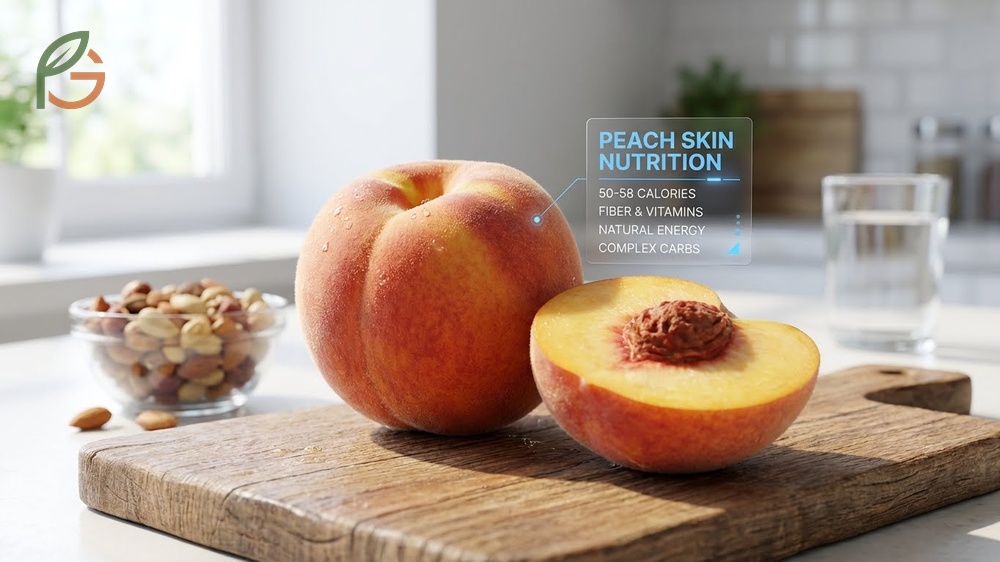
A whole medium peach (147 grams) with skin delivers approximately 50-58 calories, making it a nutrient-dense snack choice.[2][4] The peel contributes minimal calories while adding significant amounts of fiber, vitamins, and protective compounds.
Current nutritional data shows that peaches provide energizing complex carbohydrates without the added sugars found in processed snacks. The natural sugar content (about 13 grams per medium fruit) comes packaged with fiber that slows digestion and prevents blood sugar spikes.[2]
Vitamin and Mineral Content
One medium peach with skin provides 15% of your daily vitamin C requirement—a powerful antioxidant that supports immune function and collagen production.[2] You’ll also get 6% of daily vitamin A needs, which supports eye health and immune response.
Evidence suggests the skin concentrates many of these vitamins. When you peel a peach, you lose not just fiber and antioxidants but also meaningful amounts of fat-soluble vitamins like vitamin E (0.8 mg alpha-tocopherol equivalent) and vitamin A precursors like beta-carotene.[4]
- Potassium: 215 mg per 100 grams, supporting heart health and blood pressure regulation
- Magnesium: 9 mg per 100 grams, contributing to bone health and energy metabolism
- Phosphorus: 21 mg per 100 grams, essential for strong bones and teeth
- Copper: 0.08 mg per 100 grams, aiding iron absorption and nerve function
- Trace amounts of iron, zinc, selenium, and other essential minerals
Calorie and Macronutrient Breakdown
According to USDA Food Data Central, a 100-gram serving of raw yellow peaches contains approximately 42-46 kcal with 88.3 grams of water, making them exceptionally hydrating.[4] The macronutrient profile includes 0.91 grams of protein, 10.1 grams of carbohydrates, 8.39 grams of natural sugars, and 1.5 grams of dietary fiber.
The fat content is negligible at just 0.3-0.5 grams per medium fruit, with no cholesterol or sodium. This makes whole peaches ideal for weight management and heart-healthy eating patterns.[2]
This table compares key nutrients between whole peach with skin versus peeled peach flesh alone, showing fiber, antioxidants, and vitamin content differences
| Nutrient | Whole Peach (with skin) | Peeled Peach (flesh only) | Difference |
|---|---|---|---|
| Dietary Fiber | 2-3g[2] | Significantly lower | Skin contributes majority |
| Polyphenols | 2x higher[1] | Lower concentration | Skin doubles antioxidant power |
| Chlorogenic Acid | 151-548 mg/kg[3] | Lower levels | Concentrated in peel |
| Vitamin C | 15% DV[2] | Slightly lower | Skin retains more vitamins |
| Calories | 50-58 kcal[2] | Nearly identical | Minimal calorie difference |
Eating Peach Peel
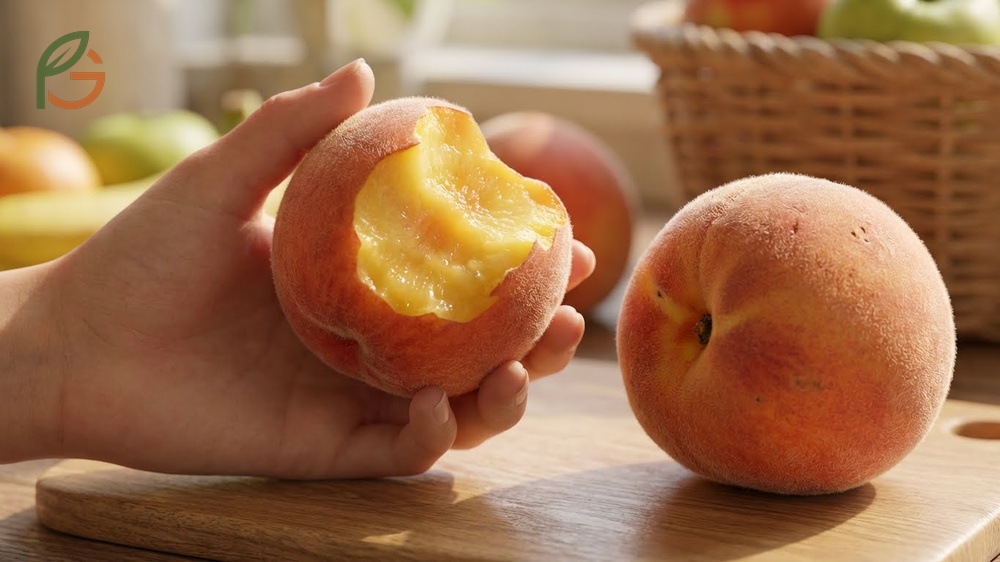
Peach skin is safe to eat for most people and doesn’t require removal before consumption. The fuzzy texture is simply trichomes—harmless plant hairs that protect the developing fruit.[1] Some people prefer the added texture, while others find it slightly unpleasant but still tolerable.
Research indicates that maximizing nutritional benefits means eating peaches whole whenever possible. The skin-to-flesh ratio matters—you’re getting the most concentrated nutrients from the thin outer layer that many people habitually discard.
Most Americans can incorporate whole peaches into their daily routine without any digestive issues. Start by trying one whole peach and see how your body responds before making it a regular habit.
Safety Considerations
While peach skin is generally safe, certain people should exercise caution. Those with inflammatory bowel disease (IBD), Crohn’s disease, or ulcerative colitis may need to avoid raw fruits with peels during flare-ups, as the fiber can irritate inflamed digestive tissue.[1]
Pesticide residue concentrates on fruit skins more than flesh. Studies show that conventionally grown peaches often contain detectable pesticide levels on the surface. If you’re concerned about chemical exposure, organic peaches reduce but don’t eliminate this risk.
- Wash all peaches thoroughly under running water, scrubbing gently with your hands
- Choose organic varieties if you eat peach skin regularly and want to minimize pesticide exposure
- People with known fruit allergies should consult a healthcare provider before consuming peach skin
- Those with digestive disorders should peel peaches or cook them to reduce fiber irritation
- Discard any peaches with visible mold, bruising, or signs of decay regardless of skin benefits
Cooking Tip: Some recipes for pies, cobblers, or ice cream call for peeled peaches because the skin changes texture when cooked. For fresh eating and maximum nutrition, keep the peel on.
Preparation and Washing Tips
Proper washing removes surface dirt, bacteria, and reduces pesticide residue without stripping away beneficial nutrients. Hold the peach under cool running water and rub the skin gently with your hands for 15-20 seconds—this simple step removes most contaminants.
Avoid using soap, detergent, or commercial produce washes, as these can leave residues of their own and aren’t significantly more effective than water. For extra cleaning power, use a soft vegetable brush to scrub firmer peaches, though this may remove some of the fuzzy texture.
Pat peaches dry with a clean towel after washing. Store washed peaches in the refrigerator if you won’t eat them immediately, as moisture can promote mold growth. Don’t wash peaches until you’re ready to eat them—the protective skin helps preserve freshness during storage.
Antioxidants in Peach Skin
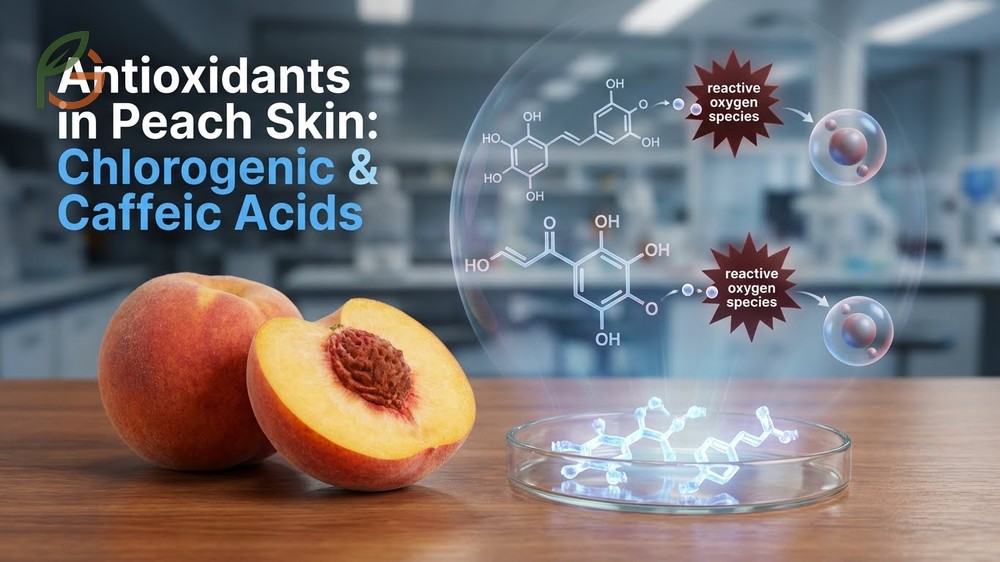
The antioxidant capacity of peach skin comes primarily from polyphenolic compounds that neutralize reactive oxygen species and reduce cellular damage. Research shows these compounds work through multiple mechanisms to protect against chronic disease and slow aging processes.[6]
Chlorogenic acid and caffeic acid—the dominant antioxidants in peach skin—belong to a class of compounds called hydroxycinnamic acids. These molecules donate electrons to free radicals, stabilizing them before they can damage DNA, proteins, or cell membranes. Studies measuring oxygen radical absorbance capacity (ORAC) consistently find peach peels outperform flesh by 2-5 fold.[6]
Animal research demonstrates that polyphenol-enriched peach peel extracts can regulate gut microbiota composition, increasing beneficial bacteria like Lactobacillus, Bacteroides, and Akkermansia. This microbiome shift improves metabolic health and may reduce inflammation throughout the body.[6]
- Chlorogenic acid: Reduces oxidative stress in liver and kidneys, supports glucose metabolism
- Caffeic acid: Anti-inflammatory properties, may protect against certain cancers
- Catechin and epicatechin: Flavonoids that support cardiovascular health and cognitive function
- Cyanidin-3-glucoside: Anthocyanin pigment with anti-inflammatory and neuroprotective effects
- Beta-carotene: Vitamin A precursor that supports vision, immune function, and skin health
- Vitamin C: Water-soluble antioxidant essential for collagen synthesis and immune defense
The synergistic effect of multiple antioxidants working together likely provides greater protection than any single compound alone. This is why eating whole foods with their natural nutrient profiles typically beats isolated supplements.
Fiber in Peach Skin
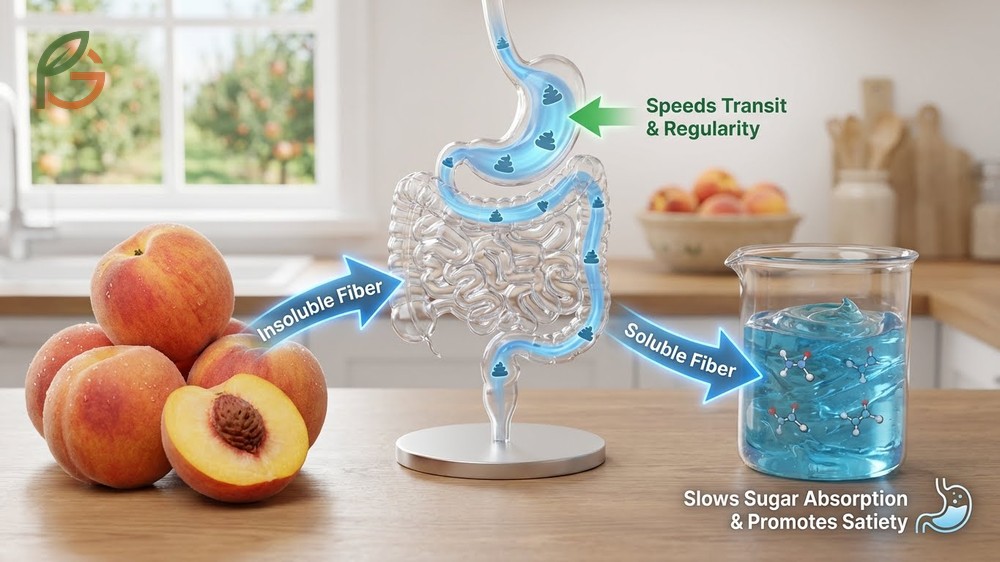
Dietary fiber from peach skin includes both soluble and insoluble types, each serving distinct functions in digestive and metabolic health. The insoluble fiber adds bulk to stool and speeds transit through the intestines, preventing constipation and promoting regularity.[5]
Soluble fiber from peach skin forms a gel-like substance in the gut, slowing sugar absorption and helping control blood glucose levels. This same mechanism contributes to satiety—you feel fuller longer after eating fiber-rich whole peaches compared to peeled fruit or processed snacks with similar calories.
Current dietary guidance emphasizes that most Americans fall short of the recommended 25-35 grams of daily fiber intake. Adding two whole peaches to your diet provides 4-6 grams toward that goal while delivering vitamins, minerals, and antioxidants in a naturally low-calorie package.
Research links adequate fiber intake to reduced risk of cardiovascular disease, type 2 diabetes, colorectal cancer, and all-cause mortality. The fiber in whole fruits like peaches offers advantages over isolated fiber supplements because it comes packaged with other beneficial compounds that work synergistically.[5]
Practical Tip: If you’re increasing fiber intake, do it gradually and drink plenty of water. A sudden jump in fiber consumption can cause temporary bloating or gas until your digestive system adjusts.
Conclusion
The evidence is clear: peach skin benefits your health by delivering concentrated fiber, polyphenolic antioxidants, and essential vitamins that significantly exceed what you get from flesh alone. Research consistently shows that eating whole peaches maximizes nutritional value while adding minimal calories to your diet.
Current nutritional guidance emphasizes whole food consumption over processed alternatives, and peaches with skin intact exemplify this principle perfectly. At FruitGarden, we encourage growers and consumers to appreciate every part of the fruit for the unique nutritional contributions it makes to a healthy, balanced diet.
Medical Disclaimer
Important Medical Disclaimer: This content is for informational and educational purposes only. It is not intended as a substitute for professional medical advice, diagnosis, or treatment. Always consult a qualified healthcare professional or registered dietitian before making significant changes to your diet, especially if you have digestive disorders, food allergies, or other medical conditions.
Frequently Asked Questions
Is It Better to Eat Peaches with or Without Skin?
It’s better to eat peaches with skin because the peel contains over twice the polyphenols and most of the fiber compared to flesh alone. Research shows whole peaches provide maximum antioxidant protection and digestive benefits unless you have specific digestive sensitivities that require peeled fruit.
How Much Fiber Is in Peach Skin?
A medium peach contains about 2-3 grams of dietary fiber total, with the skin contributing the majority of that amount. Removing the peel significantly reduces fiber content, which is why eating whole peaches supports better digestive health and blood sugar control.
What Antioxidants Are Found in Peach Skin?
Peach skin contains concentrated levels of chlorogenic acid, caffeic acid, catechin, epicatechin, and cyanidin-3-glucoside. These polyphenolic compounds fight free radicals, reduce inflammation, and protect cells from oxidative damage linked to aging and chronic diseases.
Should You Wash Peaches Before Eating the Skin?
Yes, always wash peaches thoroughly under running water before eating them with skin. Scrub gently with your hands for 15-20 seconds to remove dirt, bacteria, and reduce pesticide residue. Don’t use soap—plain water is safe and effective for most contaminants.
Can Diabetics Eat Peach Skin Safely?
Most diabetics can eat peach skin safely, and the extra fiber actually helps slow sugar absorption for better blood glucose control. The 2-3 grams of fiber in a whole peach moderate the impact of natural sugars, making it a better choice than peeled fruit or juice for blood sugar management.
Does Peach Skin Contain More Vitamins Than the Flesh?
Peach skin concentrates higher levels of certain vitamins, particularly vitamin E and vitamin C precursors. While both skin and flesh contribute to the total vitamin content, research shows that removing the peel eliminates meaningful amounts of fat-soluble vitamins and protective carotenoids like beta-carotene.
Are There Any Risks to Eating Peach Skin?
The main risks are pesticide exposure (choose organic or wash thoroughly) and digestive irritation for people with IBD or similar conditions. The fuzzy texture bothers some people, but it’s not harmful. Most people can safely eat peach skin as part of a healthy diet without any adverse effects.





