
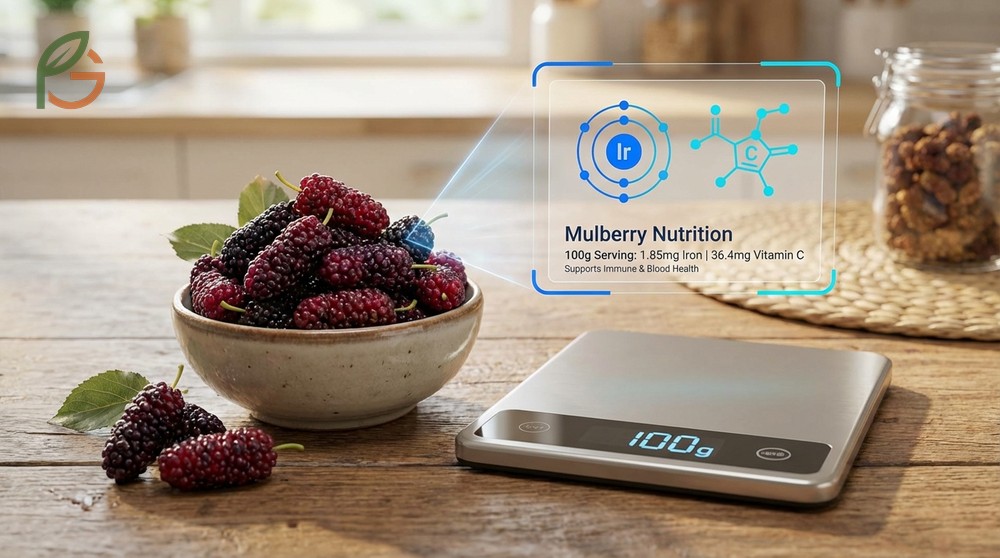
Mulberry nutrition facts show these berries pack significant iron and vitamins into a low-calorie package. Research demonstrates that 100g of fresh mulberries contains 1.85mg iron and 36.4mg vitamin C[1], making them valuable for immune function and blood health. FruitGarden synthesizes current nutritional research to help you understand how mulberries support your wellness goals.
Quick Answer
Mulberry Nutrition Facts
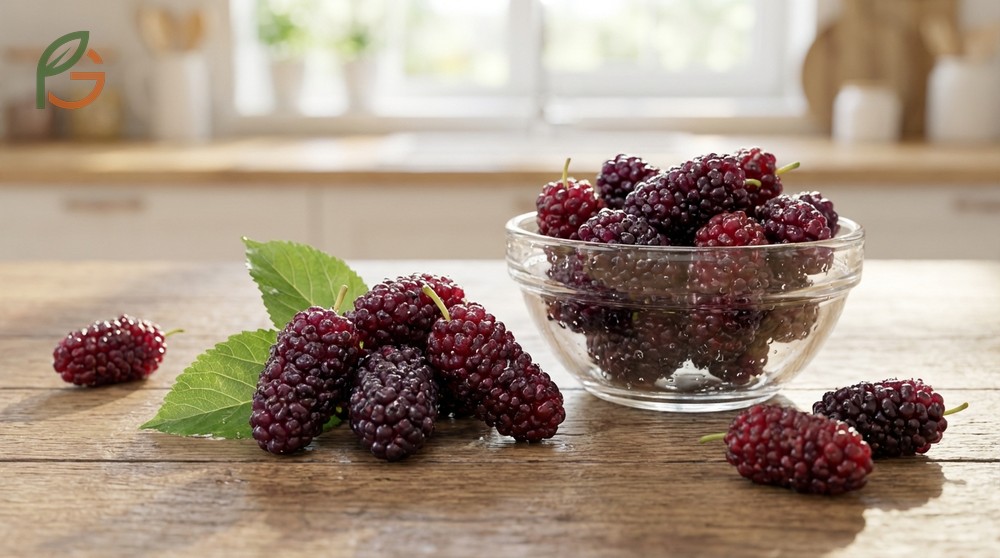
Studies demonstrate that mulberries deliver exceptional nutritional density relative to their calorie content. A 100g serving contains 43 calories alongside 9.8g carbohydrates and 1.4g protein[2]. The water content reaches 88%, which contributes to their refreshing quality and low energy density.
The iron content in fresh mulberries stands at 1.85mg per 100g[1], providing approximately 10% of the daily value for most adults. This iron exists primarily as ferric iron (Fe³⁺), which requires vitamin C for optimal absorption. What’s remarkable is that mulberries contain both nutrients simultaneously.
Current nutritional data indicates mulberries provide 239mg calcium, 194mg potassium, and 38mg phosphorus per 100g[1]. The sodium content remains minimal at just 10mg, making them suitable for low-sodium diets.
Macronutrient Profile
The carbohydrate structure in mulberries consists mainly of natural sugars totaling 8.1g per 100g[2]. Dietary fiber contributes 1.7g, supporting digestive health and blood sugar regulation. The protein content of 1.4g per serving is moderate for a fruit.
Fat content remains extremely low at 0.39g per 100g[3]. This minimal fat includes trace amounts of polyunsaturated fatty acids at 0.21g, with virtually no saturated fat or trans fat present.
Calorie Content
Research shows mulberries provide only 43 calories per 100g, which translates to approximately 60 calories in a standard 1-cup (140g) serving[3]. This makes them comparable to strawberries and lower in calories than blueberries or grapes.
The protein-to-calorie ratio stands at 3.3g protein per 100 calories, which is moderate for fruits. You’d need to consume about 299 calories worth of mulberries to obtain 10g protein, making them better suited as a vitamin and mineral source than a protein source.
Important Note: The calorie content reflects fresh mulberries. Dried mulberries contain approximately 5 times more calories per gram due to water removal, concentrating both nutrients and sugars.
Mulberry Nutritional Information
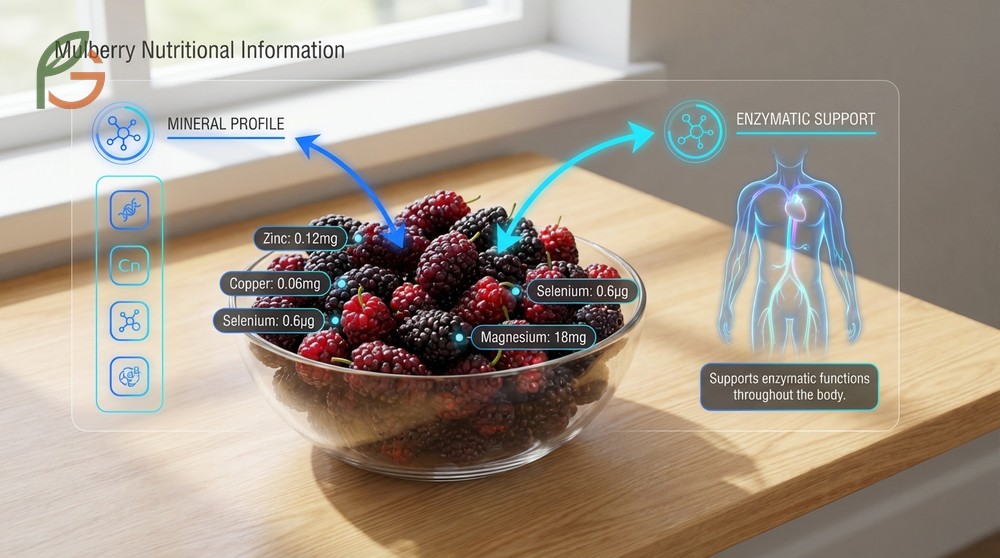
Evidence from agricultural databases reveals mulberries contain a comprehensive mineral profile beyond their notable iron content. The mineral composition includes significant amounts of trace elements like zinc (0.12mg), copper (0.06mg), and selenium (0.6µg) per 100g[1]. These minerals support enzymatic functions throughout your body.
The magnesium content reaches 18mg per 100g serving. While this represents only 4% of the daily value, it contributes to the overall mineral intake when combined with other food sources. Phosphorus at 38mg works synergistically with calcium for bone health.
Mineral Composition
Studies indicate that black mulberries grown at higher altitudes (around 187 meters) demonstrate increased iron content reaching up to 1.95mg per 100g[4]. The variety and growing conditions significantly affect mineral accumulation in the fruit.
The high vitamin C and iron combination in mulberries results in better iron bioavailability compared to plant foods containing iron alone. Research demonstrates this dual presence can help address iron deficiency anemia when consumed regularly[4].
This table compares essential mineral content in 100g fresh mulberries with daily value percentages and key health functions for each mineral
| Mineral | Amount | % Daily Value | Primary Function |
|---|---|---|---|
| Iron | 1.85mg[1] | 10% | Oxygen transport, energy production |
| Calcium | 239mg[1] | 24% | Bone health, muscle function |
| Potassium | 194mg[1] | 6% | Blood pressure regulation, nerve signals |
| Magnesium | 18mg[1] | 4% | Enzyme activation, protein synthesis |
| Phosphorus | 38mg[1] | 5% | Bone structure, energy metabolism |
Glycemic Response
Current data shows mulberries have a glycemic index of 25, placing them in the low-GI category[3]. This means they cause minimal blood sugar spikes when consumed in typical serving sizes. The glycemic load calculates to just 3, which is also considered low.
The fiber content of 1.7g per 100g slows sugar absorption in your digestive tract. This creates a more gradual rise in blood glucose compared to high-GI fruits like watermelon or pineapple, making mulberries suitable for people monitoring their blood sugar.
Vitamin Content in Mulberry
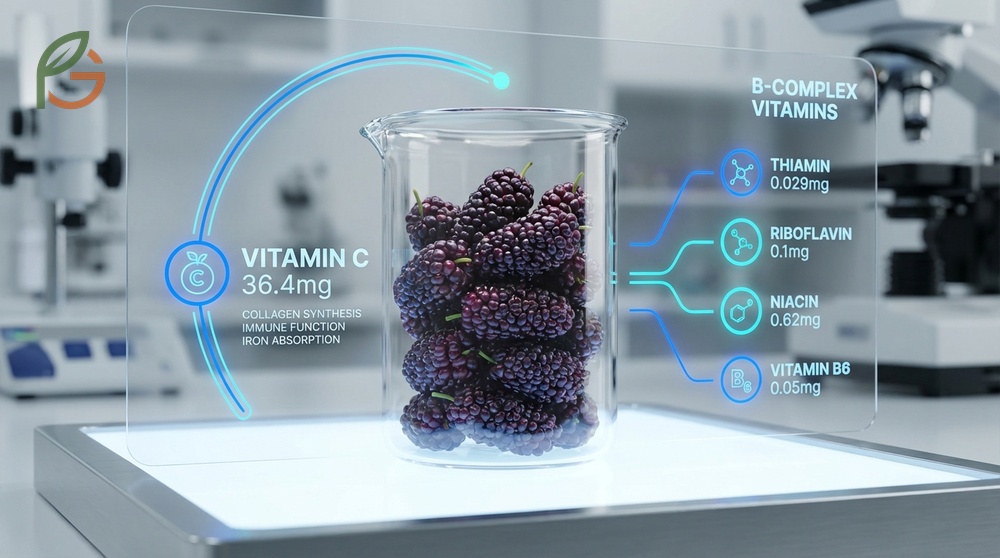
Research reveals mulberries deliver impressive amounts of vitamin C at 36.4mg per 100g[1], providing approximately 40% of the recommended daily intake. This water-soluble antioxidant plays crucial roles in collagen synthesis, immune function, and iron absorption from plant sources.
The vitamin profile extends beyond vitamin C to include several B-complex vitamins. These include thiamin (0.029mg), riboflavin (0.1mg), niacin (0.62mg), and vitamin B6 (0.05mg) per 100g serving[1]. Together, these support energy metabolism and nervous system health.
Additional vitamins present in smaller amounts include vitamin E (0.87mg), vitamin K (7.8µg), and folate (6µg)[3]. The vitamin E functions as a fat-soluble antioxidant, while vitamin K supports blood clotting processes.
Vitamin C Benefits
The high ascorbic acid content in mulberries serves multiple physiological functions beyond basic nutrition. Studies demonstrate that vitamin C’s chelating and reducing properties convert ferric iron (Fe³⁺) to ferrous iron (Fe²⁺), which your intestines absorb more efficiently[4]. This explains why mulberries effectively support iron status.
Evidence indicates the vitamin C in mulberries helps neutralize free radicals that damage cells. The antioxidant capacity reduces oxidative stress throughout your body, potentially slowing cellular aging processes and supporting cardiovascular health.
- Enhances collagen production for skin, joints, and connective tissues
- Boosts immune cell function and antibody production
- Increases non-heme iron absorption from plant-based foods by up to 300%
- Protects vitamin E and other antioxidants from oxidation
- Supports neurotransmitter synthesis for brain function
- Reduces duration and severity of common cold symptoms
B Vitamins
The B-vitamin complex in mulberries, though present in modest amounts, contributes to overall nutritional value. Riboflavin at 0.1mg per 100g represents 8% of the daily value, supporting cellular energy production through the electron transport chain.
Thiamin (vitamin B1) and niacin (vitamin B3) work as coenzymes in carbohydrate metabolism. When you eat mulberries, these vitamins help convert the natural sugars into usable energy for your cells. Vitamin B6 supports amino acid metabolism and neurotransmitter synthesis.
Storage Tip: Vitamin C degrades rapidly when exposed to light, heat, or air. Store fresh mulberries in the refrigerator and consume within 2-3 days for maximum vitamin retention.
Mulberry Health Nutrients
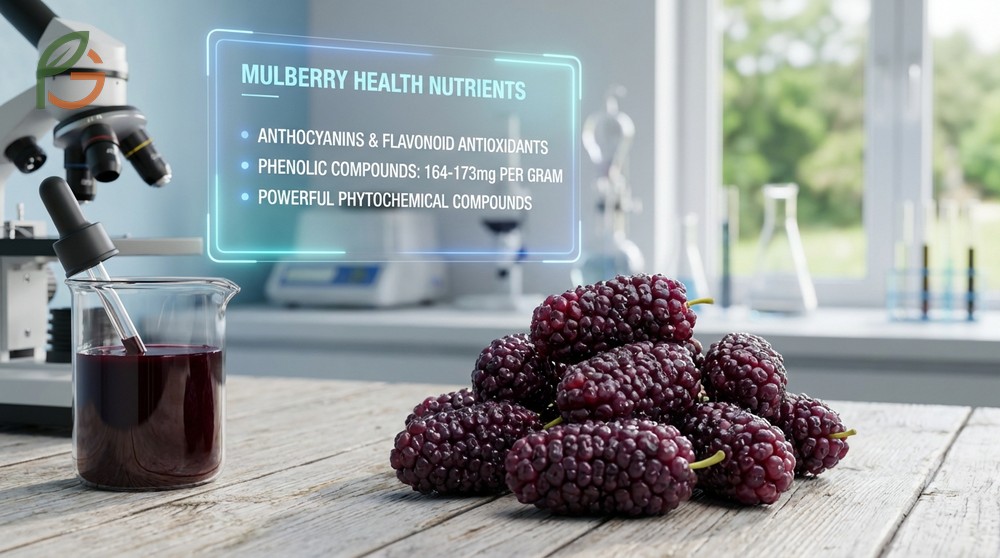
Agricultural data shows mulberries contain powerful phytochemical compounds beyond basic vitamins and minerals. The dark purple pigments in mulberry fruits come from anthocyanins, a class of flavonoid antioxidants that provide numerous health benefits. Research indicates purple mulberries contain the highest anthocyanin levels compared to white or red varieties[5].
Studies demonstrate that phenolic compound content in mulberry extracts ranges from 164-173mg per gram in sugar-free preparations[5]. Chlorogenic acid and rutin emerge as the dominant phenolic constituents, both recognized for their antioxidant and anti-inflammatory properties.
The antioxidant activity of mulberries shows strong free radical scavenging capacity. Methanolic extracts from black mulberries demonstrate EC₅₀ values of 48 µg/mL for DPPH radical scavenging, indicating potent antioxidant effects[5]. This means relatively small amounts provide significant antioxidant protection.
- Anthocyanins (cyanidin-3-glucoside, cyanidin-3-rutinoside) for cellular protection
- Chlorogenic acid with anti-inflammatory and blood sugar regulation properties
- Rutin (quercetin-3-rutinoside) supporting blood vessel integrity
- Resveratrol in small amounts providing cardiovascular benefits
- Carotenoids including beta-carotene and lutein for eye health
Current guidance emphasizes that the synergistic interaction between vitamin C, iron, and polyphenols creates a nutritional profile particularly valuable for individuals at risk of iron deficiency. The combination supports better nutrient utilization compared to isolated supplements.
Evidence suggests regular consumption of anthocyanin-rich foods like mulberries correlates with reduced oxidative stress markers. Clinical studies show participants consuming 45g freeze-dried mulberry fruit daily (containing 325mg anthocyanins) experienced significant improvements in cardiovascular health markers after 6 weeks[6].
Health Benefits of Mulberry
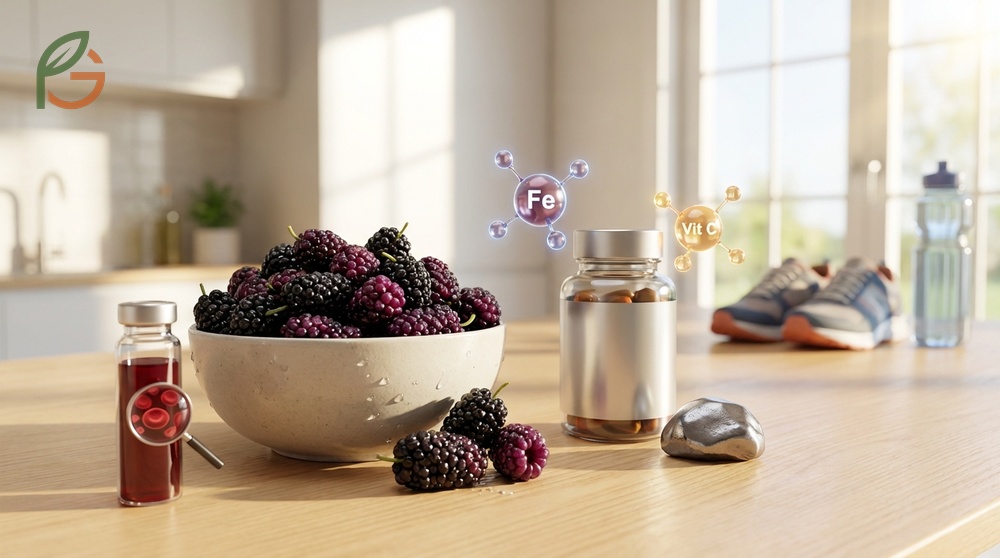
Research demonstrates that mulberry consumption supports multiple physiological systems through its nutrient density. The iron and vitamin C combination specifically addresses anemia, with studies showing improved hemoglobin levels in populations consuming mulberries regularly[4]. This makes them particularly valuable for women of reproductive age and individuals with increased iron needs.
Clinical evidence indicates the anthocyanins in mulberries reduce exercise-induced oxidative stress and physical fatigue. Studies using weight-loaded swimming tests in mice found those fed mulberry extracts demonstrated increased endurance capacity compared to control groups[6]. The antioxidants appear to protect muscle cells from free radical damage during intense physical activity.
Current data shows hypercholesterolemic adults consuming freeze-dried mulberry fruit for 6 weeks experienced significantly lower total cholesterol and LDL levels[6]. The polyphenolic compounds likely interfere with cholesterol absorption and promote its excretion, contributing to cardiovascular protection.
- Improves iron status and reduces anemia risk through enhanced bioavailability
- Lowers LDL cholesterol and total cholesterol in hypercholesterolemic individuals
- Reduces oxidative stress markers throughout the body
- Enhances exercise endurance and reduces fatigue
- Supports stable blood sugar levels with low glycemic impact
- Strengthens immune function through vitamin C and antioxidants
- Protects cardiovascular health via multiple mechanisms
The low calorie density combined with fiber content makes mulberries suitable for weight management programs. The natural sweetness satisfies cravings while delivering nutrients, helping you maintain caloric control without feeling deprived.
Medical Consideration: While mulberries offer health benefits, they’re not a substitute for medical treatment. Individuals with diagnosed anemia, high cholesterol, or other conditions should consult healthcare providers before using mulberries therapeutically.
Conclusion
The evidence is clear: mulberry nutrition facts demonstrate these berries deliver exceptional iron and vitamin content relative to their calorie density. With 1.85mg iron and 36.4mg vitamin C per 100g, they support multiple health functions from immune response to blood health.
Current nutritional guidance emphasizes whole food sources for minerals and vitamins, and mulberries exemplify this approach with their synergistic nutrient profile. FruitGarden encourages incorporating fresh mulberries seasonally to diversify your antioxidant intake and support overall wellness through evidence-based nutrition.
Medical Disclaimer
Important Medical Disclaimer: This content is for informational and educational purposes only. It is not intended as a substitute for professional medical advice, diagnosis, or treatment. Always consult a qualified healthcare professional before making any changes to your diet, supplementation, or health routine, especially if you have anemia, cardiovascular conditions, diabetes, or other medical concerns. Nutritional needs vary individually based on age, health status, medications, and other factors.
Frequently Asked Questions
How much iron is in fresh mulberries?
Fresh mulberries contain 1.85mg iron per 100g serving, providing approximately 10% of the daily value for most adults. The iron exists primarily as ferric iron (Fe³⁺), which the high vitamin C content (36.4mg per 100g) helps convert to the more absorbable ferrous form (Fe²⁺). This combination makes mulberries particularly effective for supporting iron status compared to plant foods containing iron alone.
What vitamins are highest in mulberries?
Vitamin C ranks highest in mulberries at 36.4mg per 100g, delivering 40% of the recommended daily intake. This is followed by riboflavin (vitamin B2) at 8% daily value, vitamin E at 6%, and vitamin K at 7% daily value. The B-vitamin complex, including thiamin, niacin, and vitamin B6, appears in smaller but nutritionally meaningful amounts that support energy metabolism.
Are mulberries good for anemia treatment?
Research shows mulberries can support anemia treatment due to their unique combination of iron (1.85mg per 100g) and vitamin C (36.4mg per 100g). Studies demonstrate that vitamin C’s chelating properties increase iron bioavailability by converting ferric to ferrous iron, which your intestines absorb more efficiently. However, mulberries should complement, not replace, medical treatment for diagnosed anemia under healthcare supervision.
How many calories are in one cup of mulberries?
One cup (140g) of fresh mulberries contains approximately 60 calories. This low calorie density, combined with 2.4g fiber per cup, makes them suitable for weight management programs. The natural sugar content of about 11.3g per cup provides sweetness without excessive calories, while the 88% water content contributes to satiety.
What is the glycemic index of mulberries?
Mulberries have a glycemic index of 25, placing them in the low-GI category (values under 55 are considered low). The glycemic load calculates to just 3 per 100g serving, which is also low. This means mulberries cause minimal blood sugar spikes and can fit into diabetic meal plans when consumed in appropriate portions, though individuals should monitor their personal glucose response.
Do mulberries contain antioxidants?
Evidence shows mulberries contain powerful antioxidants including anthocyanins, chlorogenic acid, rutin, and vitamin C. Studies measuring DPPH radical scavenging activity demonstrate EC₅₀ values of 48 µg/mL for black mulberry extracts, indicating potent antioxidant effects. Purple mulberry varieties contain the highest anthocyanin levels, with phenolic compound content reaching 164-173mg per gram in concentrated extracts.
Can mulberries help lower cholesterol?
Clinical studies show mulberry consumption can reduce cholesterol levels in hypercholesterolemic individuals. Research involving 58 adults consuming 45g freeze-dried mulberry fruit daily (325mg anthocyanins) for 6 weeks demonstrated significantly lower total cholesterol and LDL levels compared to control groups. The polyphenolic compounds appear to interfere with cholesterol absorption, though results require medical supervision and shouldn’t replace prescribed treatments.





