
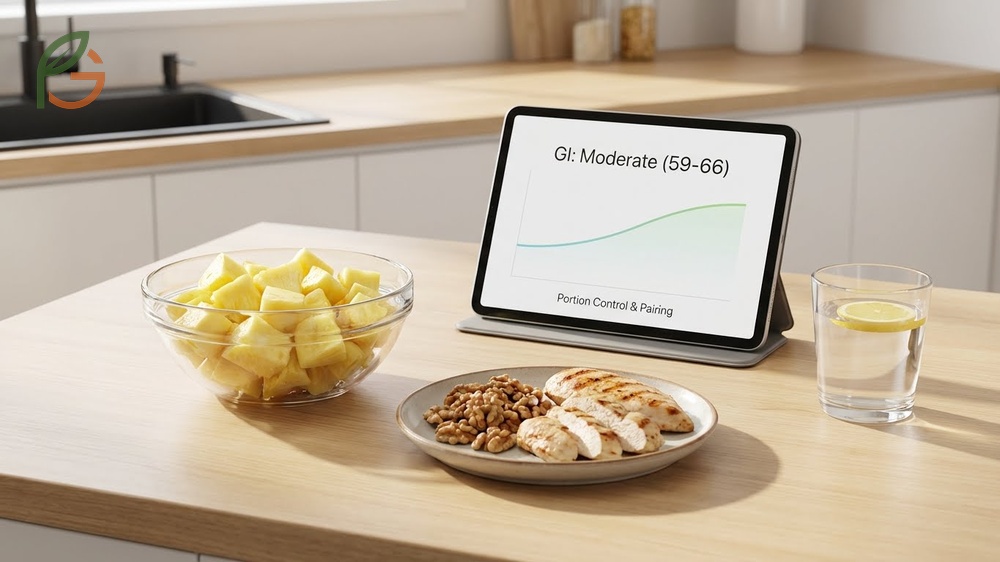
Is pineapple good for diabetics? Yes, when eaten in moderation. Research shows fresh pineapple has a moderate glycemic index of 59-66, meaning it raises blood sugar more slowly than high-GI fruits like watermelon[1]. Studies demonstrate that pairing pineapple with protein or healthy fats helps control blood sugar spikes, making portion control the key to enjoying this tropical fruit safely. FruitGarden synthesizes current nutritional research and diabetes management data to help you understand how pineapple fits into a balanced diabetic diet.
Quick Answer
- Fresh pineapple has a moderate glycemic index of 59-66[2], suitable for diabetics with portion control
- One cup contains 21.6g carbohydrates and 2.3g fiber[3], which slows sugar absorption
- Recommended serving is ½ cup (approximately 80g) to stay within the 15g carb guideline[4]
- Fresh pineapple is better than canned varieties, which can have a GI up to 94 due to added syrups[5]
Is Pineapple Good for Diabetics
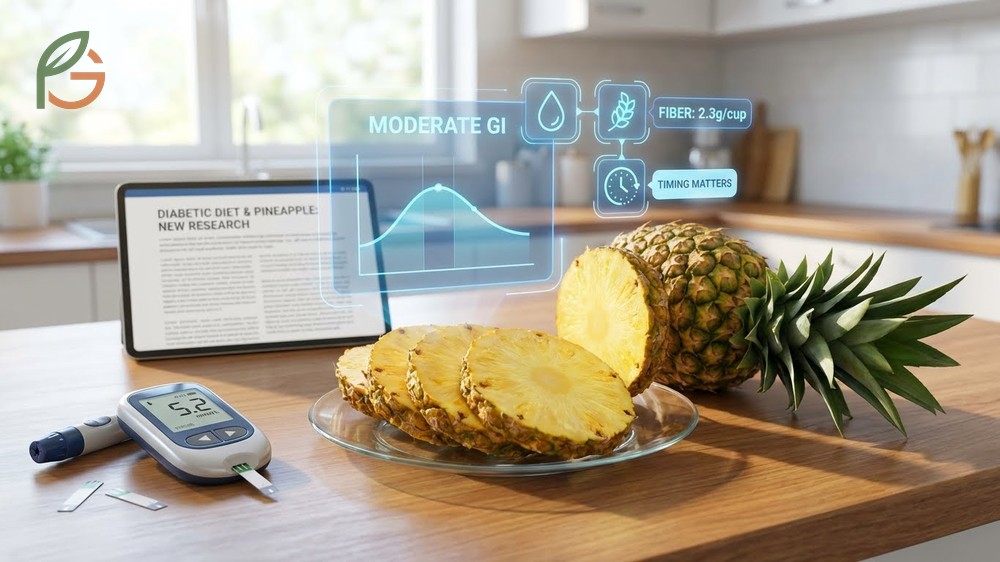
Research shows pineapple can fit into a diabetic diet when consumed mindfully. The fruit’s moderate glycemic index means it won’t spike blood sugar as dramatically as high-GI options like watermelon (GI 76) or processed foods[1]. What often gets overlooked is that pineapple’s fiber content—2.3g per cup—helps slow down glucose absorption into the bloodstream[3].
Current data indicates that timing matters more than quantity for diabetics eating pineapple. Studies demonstrate that consuming pineapple alongside protein sources or healthy fats creates a more balanced glycemic response. For instance, eating ½ cup of fresh pineapple with Greek yogurt at breakfast helps prevent rapid blood sugar elevation compared to eating pineapple alone as a snack.
The key lies in understanding pineapple’s nutritional profile. One cup of fresh diced pineapple contains approximately 82 calories and 21.6g total carbohydrates[3]. This carbohydrate content consists mainly of natural sugars—sucrose (6.4g), fructose (2.3g), and glucose (1.8g) per 100g[6]. The proportion varies based on ripeness and variety.
Evidence suggests diabetics benefit most from fresh pineapple rather than processed forms. Fresh fruit retains its natural fiber structure, which moderates sugar absorption. Unlike juice or canned varieties with added syrups, fresh pineapple delivers vitamins C and manganese without unnecessary added sugars that complicate blood glucose management.
Important Note: Monitor your individual blood sugar response when introducing pineapple. Everyone’s glycemic reaction differs based on insulin sensitivity, medication, activity level, and what else you’re eating with the fruit.
Pineapple Glycemic Index
Fresh pineapple typically scores between 51-66 on the glycemic index, placing it in the moderate category[5]. This range exists because ripeness and preparation method significantly affect how quickly the fruit raises blood sugar. A firm, slightly under-ripe pineapple will score closer to 51, while a very ripe, sweet pineapple approaches 66.
The glycemic load (GL) tells a more complete story than GI alone. While GI measures how fast a food raises blood sugar, GL accounts for portion size. One cup of fresh diced pineapple has a moderate GL of 7.6[7], which falls within healthy dietary guidelines. Per 100g, the GL is 8.6—classified as low[7].
Understanding GI and GL
Current guidance emphasizes looking at both measurements together. A food can have a high GI but low GL if typical serving sizes are small. For pineapple, the moderate GI becomes more manageable when you consider realistic portions that diabetics should eat—typically ½ cup rather than a full cup.
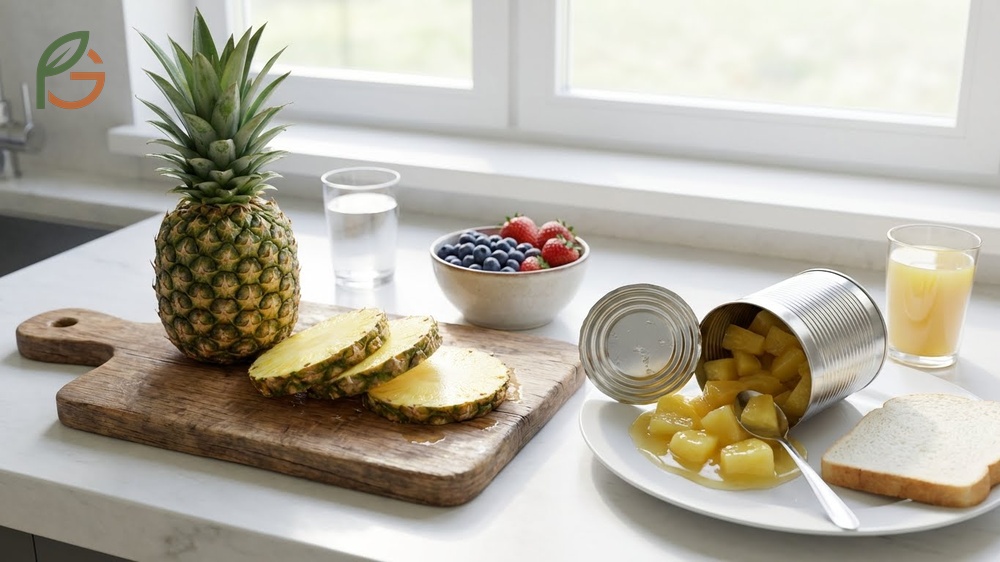
Agricultural data shows the difference between fresh and processed pineapple is striking. Canned pineapple in syrup can reach a GI of 94—significantly higher than fresh[5]. This happens because added sugars overwhelm the fruit’s natural fiber, causing rapid glucose absorption. Even canned pineapple in juice (not syrup) scores higher than fresh because processing breaks down fiber structure.
How Ripeness Affects Blood Sugar
The ripening process converts starches into simple sugars, raising the glycemic index. A greenish pineapple contains more resistant starch, which your body digests slowly. As the fruit ripens and turns golden-yellow, its sugar content increases while fiber effectiveness decreases slightly.
This doesn’t mean you should avoid ripe pineapple entirely. Instead, adjust your portion size based on ripeness. A very ripe, sweet pineapple works well in ¼-cup portions mixed into yogurt, while a less-ripe fruit can be eaten in ½-cup servings with better blood sugar control.
Pineapple Portion for Diabetics
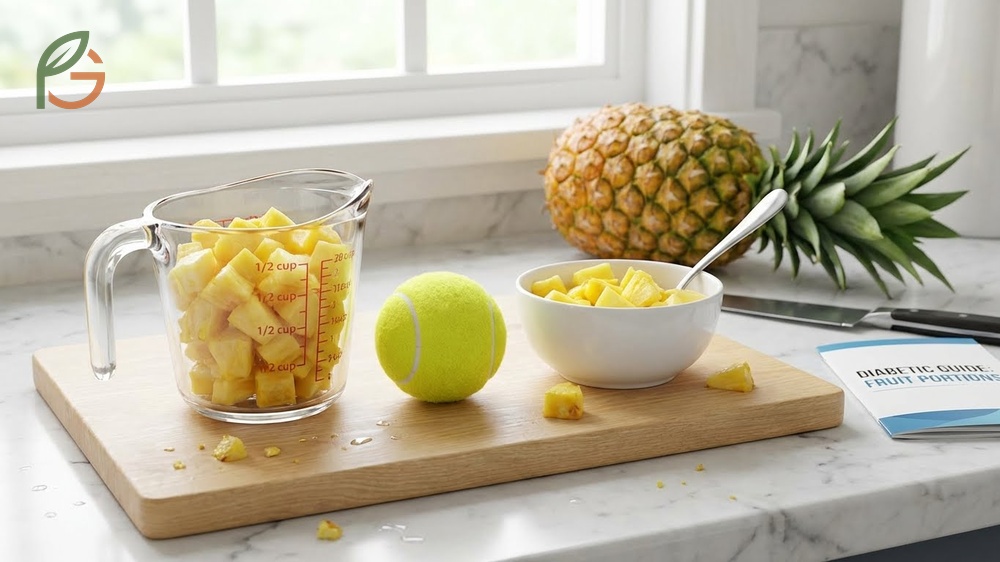
The Mayo Clinic indicates that one fruit serving for diabetics should contain approximately 15g of carbohydrates[4]. Since one cup of fresh pineapple contains 21.6g carbs[3], you’ll want to limit yourself to roughly ½ cup per serving. This portion delivers the fruit’s benefits without overwhelming your glucose management plan.
Most people don’t realize that visual portion guides make measuring easier. A ½-cup serving of diced pineapple equals about the size of a tennis ball or fits into a cupped palm. If you’re eating pineapple rings, one medium-thick slice (approximately 3-4 inches in diameter) provides a similar carbohydrate load.
Research across diabetic populations shows better outcomes when fruit consumption spreads throughout the day rather than concentrating in one meal. Eating ½ cup of pineapple at breakfast and another ½ cup at lunch works better for blood sugar stability than consuming a full cup at once.
Recommended Serving Sizes
Public Health England suggests that one portion of fresh fruit equals approximately 80g for most fruits[8]. For pineapple specifically, this translates to roughly ½ cup of diced fruit or 2-3 pineapple rings. This standardized approach helps diabetics track their daily carbohydrate intake consistently.
The carbohydrate-to-fiber ratio matters significantly. Pineapple’s 2.3g fiber per cup means net carbs are approximately 19.3g. When you eat a ½-cup portion, you’re getting about 1.15g fiber and 10.8g net carbs—a more manageable amount for maintaining steady blood glucose levels.
- Pre-cut pineapple into ½-cup containers for grab-and-go portions that prevent overeating
- Use measuring cups initially until you can eyeball portions accurately
- Mix pineapple with lower-GI fruits like berries to increase volume while moderating carb load
- Freeze small portions for adding to smoothies—frozen pineapple has the same GI as fresh
- Keep a food diary tracking your blood sugar response to different pineapple portions
Timing Your Pineapple Intake
For breakfast (6-9 AM), pineapple works best when paired with protein-rich foods. This timing kickstarts your metabolism while the protein slows sugar absorption. Greek yogurt with ½ cup diced pineapple provides sustained energy for 4-5 hours without dramatic blood sugar fluctuations.
Mid-morning snacks (10-11 AM) benefit from pairing pineapple with nuts or seeds. A small handful of almonds (about 1 ounce) combined with ¼ cup pineapple chunks delivers healthy fats that buffer the glycemic response. This combination keeps you satisfied until lunch while preventing the energy crash that comes from eating fruit alone.
Post-workout consumption (within 30-60 minutes after exercise) is often ideal for diabetics. Your muscles are more insulin-sensitive immediately after physical activity, meaning they absorb glucose more efficiently. A ½-cup pineapple serving during this window replenishes glycogen stores with minimal blood sugar spike.
Avoid eating pineapple right before bed. The natural sugars can cause overnight blood glucose elevation, which your body struggles to regulate during sleep when you’re less active. If you crave something sweet in the evening, choose a smaller portion (¼ cup) at least 2-3 hours before bedtime.
Testing Tip: Check your blood sugar before eating pineapple and again 2 hours later. This reveals your personal glycemic response and helps you fine-tune portion sizes for optimal control.
Sugar Content in Pineapple vs Other Fruits
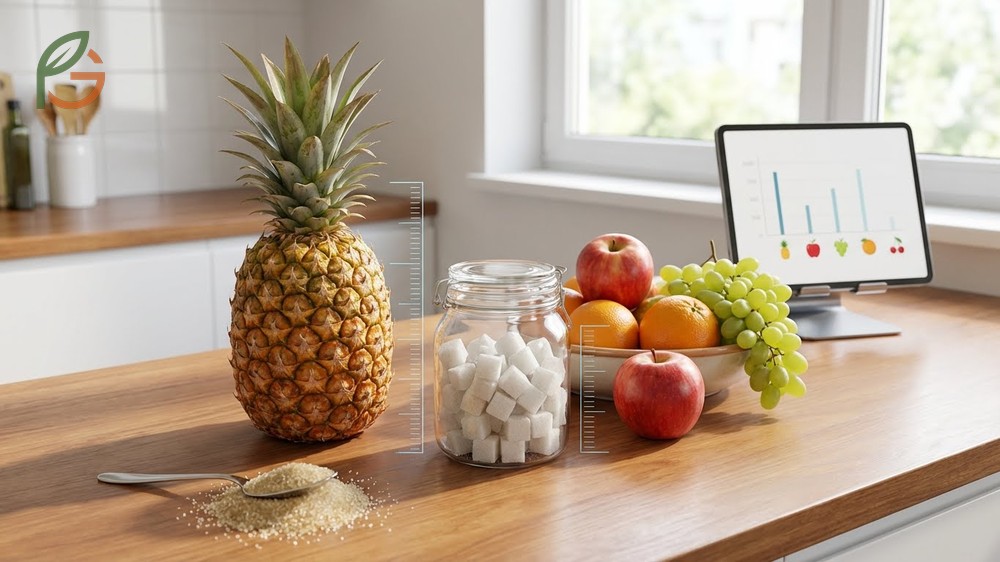
Current nutritional data shows pineapple contains moderately high sugar compared to some fruits but less than others commonly eaten by diabetics. Understanding these differences helps you make informed choices about which fruits to prioritize and which to limit.
The reason this matters is that total sugar content alone doesn’t tell the full story—fiber, vitamins, and minerals also influence how your body processes the fruit. Apples have lower sugar but similar benefits when you account for their higher fiber content.
This table compares glycemic index scores, total sugars per 100g, fiber content, and diabetic suitability ratings across six common fruits including pineapple, apple, orange, mango, watermelon, and berries
| Fruit | Glycemic Index | Sugar (per 100g) | Fiber (per 100g) | Diabetic Rating |
|---|---|---|---|---|
| Pineapple | 59-66[2] | 9.8g | 1.4g | Moderate (½ cup limit) |
| Apple | 36[1] | 10.4g | 2.4g | Excellent (1 medium fruit) |
| Orange | 43[1] | 9.4g | 2.4g | Excellent (1 medium fruit) |
| Mango | 51[1] | 13.7g | 1.6g | Moderate (½ cup limit) |
| Watermelon | 76[1] | 6.2g | 0.4g | Limit (¼ cup maximum) |
| Strawberries | 40 | 4.9g | 2.0g | Excellent (1 cup allowed) |
Unlike processed snacks, pineapple provides vitamin C (131% daily value per cup), manganese (76% daily value), and beneficial plant compounds like bromelain. These nutrients support immune function and reduce inflammation—important for diabetics who face higher inflammation risks. The tradeoff is being more careful with portions compared to berries or citrus fruits.
- Berries (strawberries, blueberries, raspberries) offer lower GI scores of 25-40 with higher antioxidants
- Cherries score around GI 22 and contain compounds that may improve insulin sensitivity
- Grapefruit has a GI of 25 and may help with insulin regulation according to some studies
- Pears rank at GI 33 with excellent fiber content that supports digestive health
- Apples at GI 36 provide quercetin, which research links to better blood sugar control
Managing Blood Sugar with Fruit
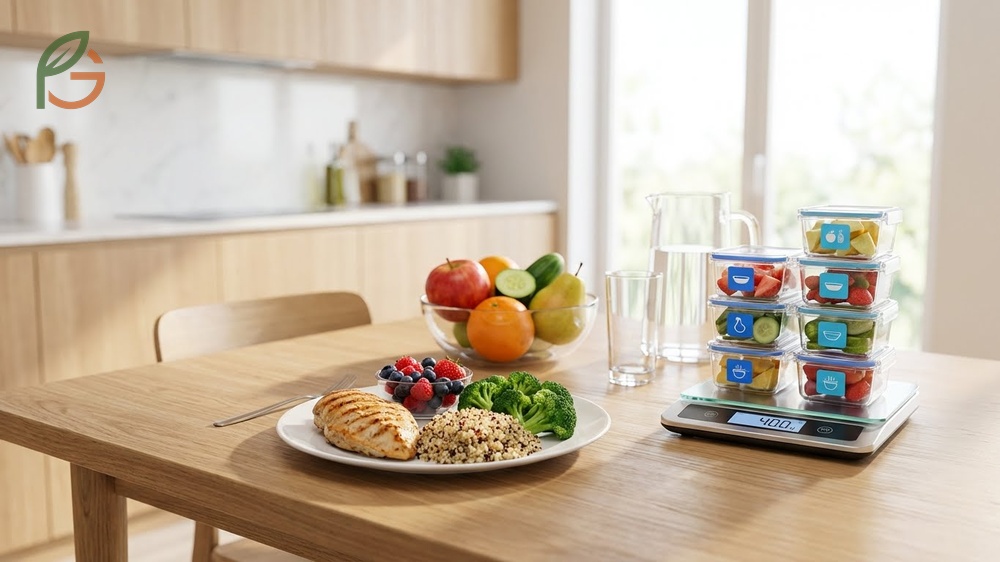
Evidence indicates that strategic fruit consumption enhances diabetic health rather than hindering it. The World Health Organization recommends at least 400g (approximately 5 portions) of fruits and vegetables daily for chronic disease prevention. Diabetics benefit from this guidance by choosing lower-GI options and practicing smart pairing techniques.
What works best is treating fruit as part of a balanced meal rather than eating it alone. When you combine pineapple with protein, fat, or fiber-rich foods, you create a “buffered” glycemic response. The nutrients from other foods slow down sugar absorption, preventing the rapid blood glucose spike that occurs when eating pineapple by itself.
Agricultural research shows that whole fruit consumption correlates with reduced diabetes risk, while fruit juice increases risk. This happens because whole fruit retains its fiber matrix, which physically slows digestion. Even fresh-squeezed pineapple juice lacks this protective fiber structure and delivers concentrated sugars rapidly into your bloodstream.
Pairing Strategies
Protein combinations work exceptionally well with pineapple. Greek yogurt (15-20g protein per cup) mixed with ½ cup diced pineapple creates a balanced snack that keeps blood sugar stable for hours. The protein triggers slower gastric emptying, meaning the fruit’s sugars enter your bloodstream gradually rather than all at once.
Healthy fats provide similar benefits through different mechanisms. Adding 1 tablespoon of chia seeds (rich in omega-3s and fiber) to your pineapple smoothie significantly reduces the glycemic load. The fats slow carbohydrate absorption while providing satiety that prevents overeating later in the day.
- Cottage cheese (½ cup) with ¼ cup pineapple chunks—delivers 14g protein with minimal carbs
- Almond butter (2 tablespoons) spread on pineapple rings—adds healthy fats and protein
- Spinach-pineapple smoothie with protein powder—masks vegetable flavor while controlling sugar
- Chicken salad with ¼ cup diced pineapple—creates savory-sweet balance with lean protein
- Oatmeal (½ cup cooked) topped with ¼ cup pineapple—combines soluble fiber from oats with fruit
Fresh vs Processed Pineapple
Fresh pineapple remains the gold standard for diabetics. It retains maximum fiber content (1.4g per 100g) and contains no added sugars or preservatives[6]. The natural enzyme bromelain stays active in fresh fruit, potentially aiding digestion and reducing inflammation.
Canned pineapple in water offers a middle-ground option. While processing reduces some nutrients, varieties packed in water (not syrup) maintain a moderate GI similar to fresh. However, check labels carefully—many brands add sugar even to “juice-packed” varieties. Drain and rinse canned pineapple to remove excess sugars from the packing liquid.
Pineapple juice is the least favorable choice for diabetics. An 8-ounce glass contains roughly 32g carbohydrates with virtually zero fiber, causing rapid blood sugar elevation. Even 100% juice without added sugar delivers concentrated fructose that your liver must process quickly, potentially worsening insulin resistance over time with regular consumption.
Dried Pineapple Warning: Dried pineapple concentrates sugars dramatically. A ¼-cup serving contains similar carbohydrates to 1 full cup of fresh fruit but lacks the water content that helps you feel full. Most commercial dried pineapple also includes added sugar, making it unsuitable for diabetics.
Conclusion
The evidence is clear: is pineapple good for diabetics depends entirely on how you eat it. Fresh pineapple in ½-cup portions, paired with protein or healthy fats, and timed appropriately throughout your day provides nutritional benefits without compromising blood sugar control. Current guidance emphasizes whole fruit over processed forms, portion awareness over elimination, and individual monitoring over generic rules.
FruitGarden synthesizes agricultural research and nutritional data to help you make informed fruit choices that support both your health goals and your enjoyment of food. Test your personal response, adjust portions accordingly, and remember that diabetes management works best when you balance guidelines with real-world flexibility.
Medical Disclaimer
Important Medical Disclaimer: This content is for informational and educational purposes only. It’s not intended as a substitute for professional medical advice, diagnosis, or treatment. Always consult a qualified healthcare professional or registered dietitian before making any changes to your diet, medication, or diabetes management routine, especially if you have type 1 diabetes, type 2 diabetes, or other medical conditions. Individual blood sugar responses to pineapple vary based on medications, insulin sensitivity, activity levels, and overall health status.
Frequently Asked Questions
Is Pineapple Juice Good for Diabetics?
No, pineapple juice isn’t recommended for diabetics. Research shows that juice removes the fruit’s protective fiber, delivering concentrated sugars that spike blood sugar rapidly. An 8-ounce glass contains approximately 32g carbohydrates with virtually zero fiber, making it significantly worse than eating fresh pineapple in moderation.
Is Fresh Pineapple Good for Diabetics?
Yes, fresh pineapple is good for diabetics when eaten in controlled portions. Studies demonstrate that fresh pineapple retains its natural fiber (2.3g per cup) and has a moderate glycemic index of 59-66. Limit yourself to ½ cup servings and pair with protein sources like Greek yogurt for better blood sugar control.
How Much Pineapple Can a Diabetic Eat Per Day?
Diabetics can safely eat ½ to ¾ cup of fresh pineapple per day, divided into smaller portions. The Mayo Clinic recommends keeping fruit servings to approximately 15g carbohydrates each, which equals about ½ cup of pineapple. Monitor your individual blood sugar response and adjust accordingly based on your medication, activity level, and overall carbohydrate intake.
Are Pineapples Good for Diabetics Compared to Bananas?
Pineapples and bananas have similar glycemic index scores—pineapple at 59-66 and bananas at 51. Current data indicates both can fit into a diabetic diet with portion control. Bananas offer slightly more fiber (3.1g per medium fruit), while pineapple provides more vitamin C. Choose based on personal preference and blood sugar response rather than assuming one is significantly better.
Does Pineapple Raise Blood Sugar Quickly?
Pineapple raises blood sugar at a moderate rate due to its GI of 59-66. It’s faster than low-GI fruits like apples (GI 36) but slower than watermelon (GI 76). Evidence suggests pairing pineapple with protein or healthy fats significantly slows absorption, preventing rapid blood glucose spikes that occur when eating the fruit alone.
Is Canned Pineapple Safe for Diabetics?
Canned pineapple in water is acceptable for diabetics, but varieties in syrup should be avoided. Research shows canned pineapple in heavy syrup can have a glycemic index up to 94—much higher than fresh fruit. Always check labels for added sugars, and drain plus rinse canned pineapple before eating to remove excess sugar from the packing liquid.
What’s the Best Time to Eat Pineapple for Diabetics?
The best time for diabetics to eat pineapple is at breakfast paired with protein, or within 30-60 minutes post-workout when insulin sensitivity is highest. Agricultural data shows that morning consumption with Greek yogurt or eggs provides sustained energy without dramatic blood sugar fluctuations. Avoid eating pineapple alone as an evening snack, which can cause overnight glucose elevation.





