
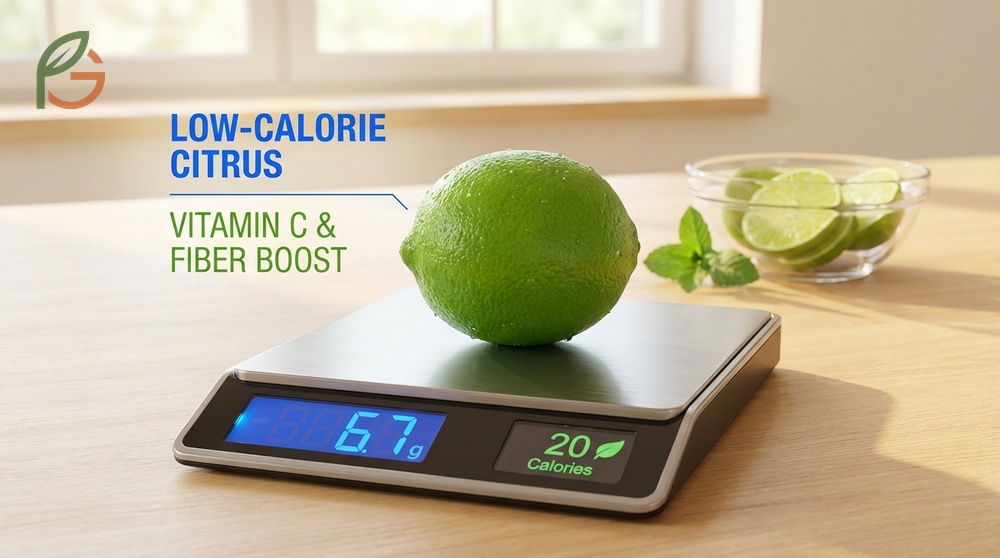
How many calories in a lime? A standard 2-inch lime weighing 67 grams contains just 20 calories[1], making it one of the lowest-calorie citrus fruits available. Research shows that limes pack significant vitamin C and fiber while contributing minimal calories to your diet[2], which is why they’re popular in weight-conscious meal planning. FruitGarden synthesizes current nutritional research to help you understand exactly what you’re getting when you add this tangy citrus to your meals.
Quick Answer
How Many Calories in a Lime

A standard lime measuring 2 inches in diameter and weighing approximately 67 grams delivers exactly 20 calories[1]. This makes limes remarkably low in energy density compared to most fruits. The calorie content comes primarily from carbohydrates, with virtually no contribution from fats or proteins.
Studies demonstrate that citrus fruits like limes provide exceptional nutritional value relative to their minimal calorie load. What often gets overlooked is that the entire fruit contains more nutrients than juice alone, since the peel and pulp house additional fiber and beneficial plant compounds.
Per 100 grams of lime flesh, you’ll find 30 calories[3]. This measurement helps when comparing limes to other fruits or calculating nutrition for recipes that call for larger quantities.
Calories by Lime Size
Limes vary in size depending on the variety and growing conditions. Key limes are smaller and contain fewer calories, while Persian limes (the most common grocery store variety) tend to be larger.
Research shows that weight directly correlates with calorie content. For every additional 10 grams of lime, you can expect roughly 3 additional calories, maintaining the same nutritional density.
- Small lime (45g): approximately 13 calories
- Medium lime (67g): 20 calories[1]
- Large lime (100g): approximately 30 calories[3]
- Key lime (15-30g): approximately 4-9 calories
- Extra-large Persian lime (120g): approximately 36 calories
Important Note: Weight variations of 10-15% are common even within the same lime variety. When precise calorie tracking matters for your diet, weighing individual limes provides the most accurate measurement.
Lime Versus Lemon Calories
Current data indicates that limes contain slightly fewer calories than lemons of equivalent weight. A 67g lime has 20 calories[1], while a similar-sized lemon contains approximately 24 calories.
The difference stems from slightly higher carbohydrate content in lemons. Both citrus fruits remain excellent low-calorie options for flavoring water, dressings, and dishes without significantly impacting your daily calorie intake.
Nutritional Value of a Lime
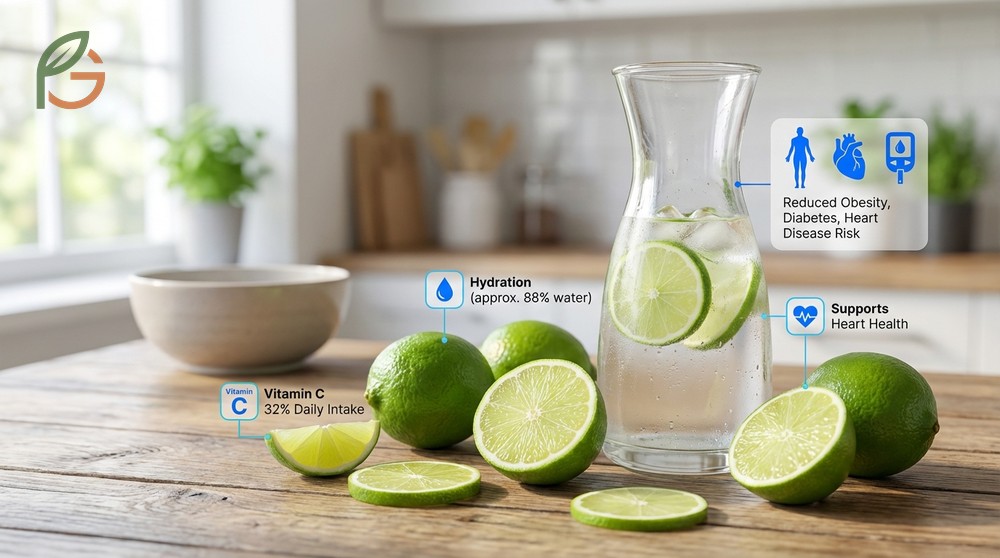
Beyond calories, limes deliver substantial nutritional benefits that support overall health. Research shows that one medium lime provides 32% of the daily recommended vitamin C intake[2], making it a concentrated source of this essential antioxidant. The fruit’s water content (approximately 88% by weight)[3] contributes to hydration while delivering nutrients.
Evidence suggests that consuming citrus fruits like limes decreases the risk of obesity, diabetes, and heart disease[2]. The combination of low calories, high vitamin C, and beneficial plant compounds creates a nutritional profile that supports multiple body systems.
This table presents complete nutritional values per one medium lime including macronutrients, vitamins, and minerals with percentage daily values
| Nutrient | Amount | % Daily Value |
|---|---|---|
| Calories | 20 kcal[1] | 1% |
| Total Carbohydrates | 7g[1] | 3% |
| Dietary Fiber | 2g[1] | 7% |
| Total Sugars | 1g[1] | N/A |
| Protein | 1g[1] | 2% |
| Vitamin C | 22mg[1] | 32% |
| Potassium | 68mg[4] | 1% |
| Calcium | 22mg[3] | 2% |
Vitamins and Minerals
Vitamin C dominates the micronutrient profile of limes. One whole lime delivers 22mg of vitamin C[1], which acts as a powerful antioxidant that protects cells from damage and supports immune function.
Potassium content reaches 68mg per lime[4], contributing to healthy blood pressure regulation. While not as potassium-rich as bananas or avocados, limes still support your daily mineral needs without adding significant calories.
- Folate: supports cell division and DNA synthesis
- Calcium: essential for bone health at 22mg per lime[3]
- Iron: aids oxygen transport in blood
- Magnesium: supports muscle and nerve function
- B vitamins: including small amounts of thiamin, riboflavin, and niacin
Fiber and Sugar Content
Each medium lime contains 2g of dietary fiber[1], which represents about 7% of the daily recommended intake. This fiber slows digestion and helps maintain stable blood sugar levels after eating.
Sugar content remains remarkably low at just 1g per whole lime[1]. This makes limes one of the lowest-sugar fruits available, ideal for people monitoring their sugar intake for weight management or blood glucose control.
Fiber Benefit: The 2g of fiber in a whole lime supports digestive health and increases satiety. However, you’ll lose most of this fiber when consuming only the juice, since fiber concentrates in the pulp and membranes.
Carbs in Lime Juice

Lime juice contains fewer calories and carbohydrates than the whole fruit because you’re removing the fiber-rich pulp and peel. According to USDA data, the juice from one lime (approximately 44 grams) contains 11 calories and 3.7g of carbohydrates[2]. The fiber content drops to just 0.1g in pure juice.
Most people use lime juice in smaller quantities than whole limes. Research shows that even 1-2 tablespoons of lime juice can enhance flavors significantly while adding minimal macronutrients to your meal.
The carbohydrates in lime juice come primarily from natural sugars (0.74g per lime’s juice)[2] and small amounts of other carbohydrates. This low sugar content explains why lime juice doesn’t taste sweet like orange or grapefruit juice.
Lime Juice per Tablespoon
One tablespoon (15ml) of fresh lime juice contains approximately 4 calories and 1.3g of carbohydrates. This measurement helps when you’re adding lime juice to dressings, marinades, or beverages and need to track precise nutritional intake.
Current nutritional guidance emphasizes using fresh-squeezed lime juice rather than bottled versions. Fresh juice provides more vitamin C and lacks the preservatives or added sugars sometimes found in commercial products.
- 1 teaspoon (5ml): approximately 1.3 calories, 0.4g carbs
- 1 tablespoon (15ml): approximately 4 calories, 1.3g carbs
- 2 tablespoons (30ml): approximately 8 calories, 2.6g carbs
- 1/4 cup (60ml): approximately 15 calories, 5.2g carbs
- 1/2 cup (120ml): approximately 30 calories, 10.4g carbs
Calories in Lime Water
Adding lime juice to water creates a virtually calorie-free beverage. A typical glass of lime water made with half a lime’s juice (approximately 22ml) contains only 5-6 calories. This makes lime water an excellent alternative to sugary drinks for people trying to reduce calorie intake.
Evidence indicates that flavoring water with citrus increases water consumption among people who find plain water unappealing. The minimal calorie addition doesn’t meaningfully impact weight management efforts while potentially helping you stay better hydrated throughout the day.
Lime Glycemic Index
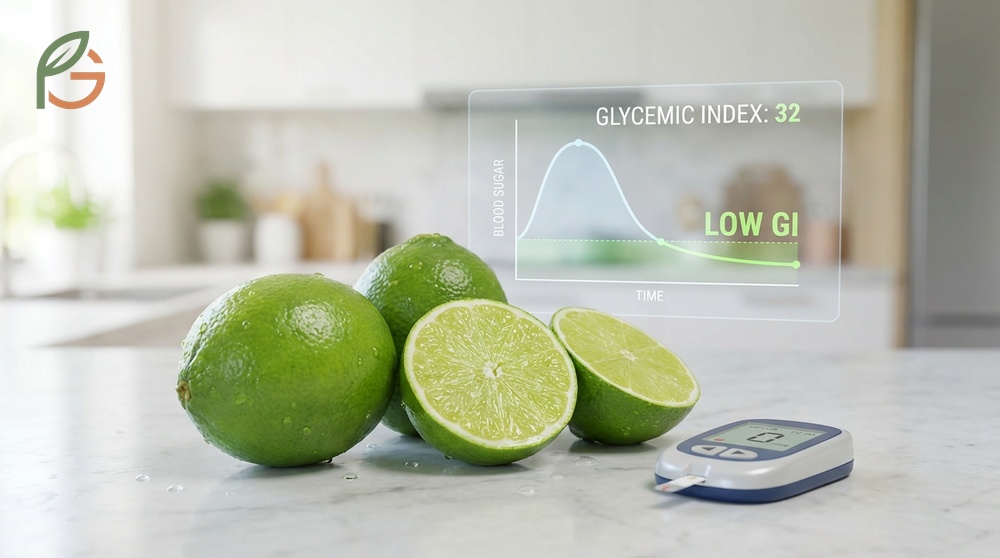
Limes have a glycemic index of 32[3], which falls into the low glycemic index category (GI values under 55 are considered low). This means limes cause minimal spikes in blood sugar levels when consumed, making them suitable for people managing diabetes or insulin resistance.
The low glycemic response occurs because limes contain very little sugar (1g per fruit)[1] and the fiber present slows sugar absorption. Research demonstrates that foods with a GI below 40 have negligible effects on blood glucose in most individuals.
Glycemic load (GL) provides an even more practical measurement since it accounts for serving size. With only 7g of total carbohydrates per lime[1], the glycemic load per lime is approximately 2, which is extremely low. Foods with a GL under 10 are considered to have minimal impact on blood sugar.
- Lime: GI of 32, GL of approximately 2 per fruit
- Lemon: GI of 20-25, similar low impact
- Grapefruit: GI of 25, slightly higher carb content
- Orange: GI of 40-50, moderate glycemic response
- Watermelon: GI of 72, high but low GL due to water content
Blood Sugar Tip: The fiber and acidity in whole limes can actually help moderate blood sugar responses when consumed alongside higher-carb foods. Adding lime juice to meals may improve glycemic control compared to eating those foods alone.
Are Limes Keto Friendly
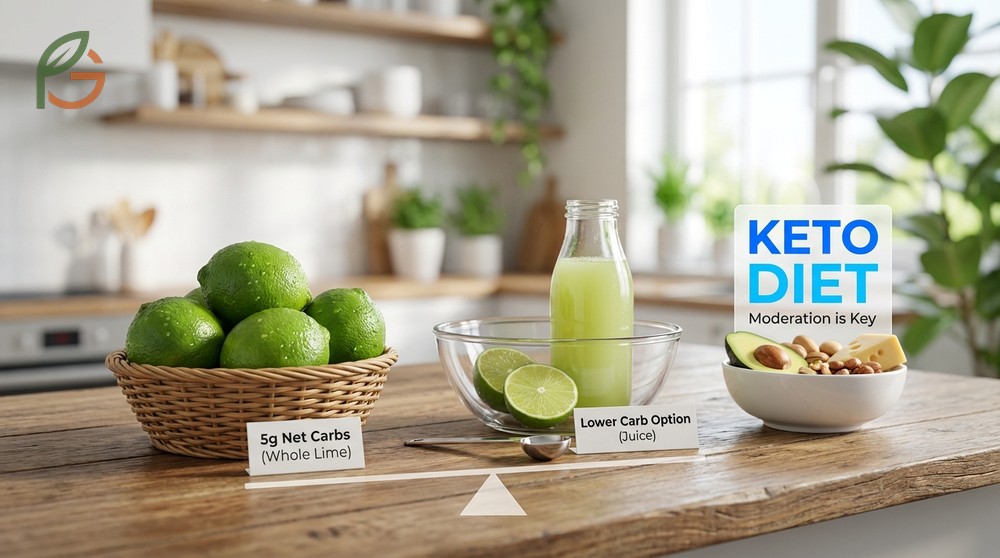
Limes can fit into a ketogenic diet when consumed in moderation. Studies show that with approximately 5g of net carbs per whole lime (7g total carbs minus 2g fiber)[1], they represent a relatively low-carb fruit option. Most keto dieters aim to stay under 20-50g of net carbs daily, so one whole lime consumes 10-25% of that budget.
Current guidance emphasizes using lime juice rather than whole limes for better keto compatibility. Two tablespoons of lime juice contain only about 2.6g of carbohydrates, making it easier to incorporate citrus flavor without exceeding carb limits.
What matters most for keto success is portion control. Research demonstrates that small amounts of lime juice (1-2 tablespoons) in water, on salads, or in marinades won’t interfere with ketosis for most people. However, consuming multiple whole limes daily could push you over your carb threshold.
| Fruit | Net Carbs | Keto Rating |
|---|---|---|
| Avocado | 2g | Excellent |
| Lime | 7.7g[3] | Good (moderate portions) |
| Lemon | 6g | Good |
| Strawberries | 6g | Good |
| Raspberries | 5g | Very Good |
| Blackberries | 5g | Very Good |
| Apple | 14g | Poor |
| Banana | 20g | Not recommended |
- Use 1-2 tablespoons of lime juice in beverages (approximately 1.3-2.6g net carbs)
- Add lime zest to dishes for flavor without significant carb addition
- Combine lime juice with healthy fats like olive oil for keto-friendly dressings
- Track portions carefully if consuming whole limes
- Consider lime as part of your daily carb budget rather than as a “free” food
- Pair lime-flavored water with high-fat meals to maintain ketosis
Conclusion
The evidence is clear: limes deliver exceptional nutritional value with minimal calorie cost. At just 20 calories per fruit with 32% of your daily vitamin C[1][2], they fit seamlessly into weight management plans, low-carb diets, and general healthy eating patterns.
Current nutritional guidance emphasizes incorporating diverse citrus fruits into your diet for their antioxidant benefits and low glycemic impact. Whether you’re squeezing lime juice into water, using it in cooking, or eating the whole fruit, you’re making a smart dietary choice that supports multiple health goals. FruitGarden encourages you to explore creative ways to add this versatile citrus to your daily routine while enjoying its tangy flavor and nutritional benefits.
Medical Disclaimer
Important Medical Disclaimer: This content is for informational and educational purposes only. It is not intended as a substitute for professional medical advice, diagnosis, or treatment. Always consult a qualified healthcare professional or registered dietitian before making any changes to your diet, especially if you have diabetes, kidney disease, or other medical conditions. Individual nutritional needs vary based on age, health status, and activity level.
Frequently Asked Questions
How many calories are in lime juice?
The juice from one lime (approximately 44g) contains 11 calories[2]. One tablespoon (15ml) of lime juice has about 4 calories, making it an extremely low-calorie way to add flavor to foods and beverages without impacting your daily calorie budget.
Do limes have calories?
Yes, limes contain calories, but the amount is minimal. A standard 2-inch lime has 20 calories[1], making them one of the lowest-calorie fruits you can eat. The calories come primarily from carbohydrates, with trace amounts from protein and virtually no fat.
How many carbs are in lime juice?
One lime’s worth of juice contains 3.7g of carbohydrates[2], while one tablespoon has approximately 1.3g of carbs. Since the juice contains minimal fiber (0.1g), the net carbs and total carbs are nearly identical, which matters for people tracking carbohydrate intake on low-carb or ketogenic diets.
What is the nutritional value of lime?
A medium lime provides 20 calories, 7g carbohydrates, 2g fiber, 1g protein, and 22mg of vitamin C (32% daily value)[1]. It also contains 68mg of potassium[4], small amounts of calcium and iron, and beneficial plant compounds with antioxidant properties.
How much sugar is in a lime?
One whole lime contains just 1g of sugar[1], making it one of the lowest-sugar fruits available. This minimal sugar content explains why limes taste tart rather than sweet, and it makes them suitable for people monitoring sugar intake for weight control or blood glucose management.
Does lime have fiber?
Yes, a whole lime provides 2g of dietary fiber[1], which represents about 7% of the daily recommended intake. However, most of this fiber is lost when you juice the lime, since fiber concentrates in the pulp and membranes. Consuming whole lime wedges or using the zest preserves more of the beneficial fiber content.
Are limes good for weight loss?
Research suggests that limes can support weight loss efforts due to their extremely low calorie content (20 calories per fruit)[1] and high vitamin C levels. Studies show that adequate vitamin C intake correlates with better fat oxidation during exercise, and the fiber in whole limes promotes satiety. Adding lime to water or meals enhances flavor without adding significant calories to your diet.





