
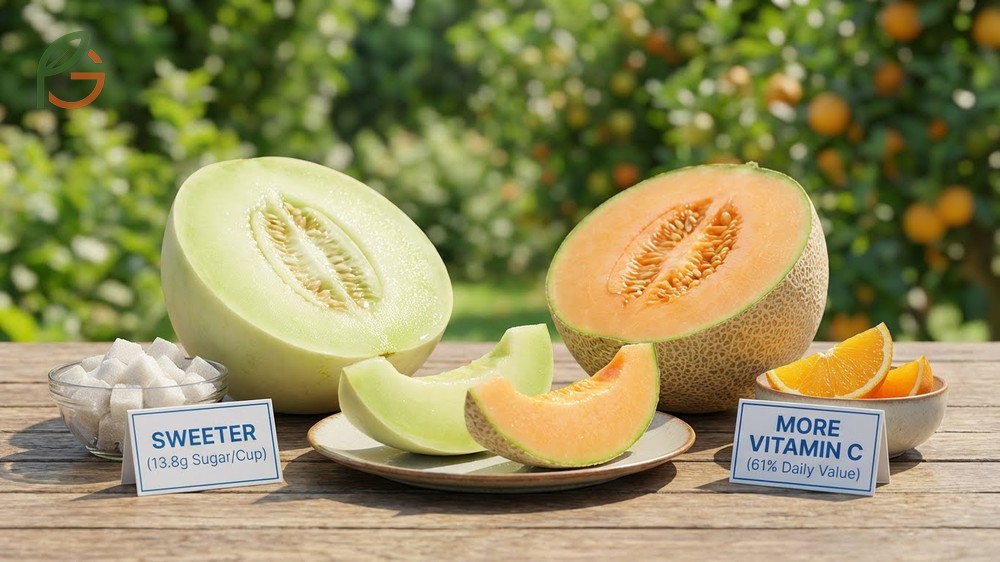
Honeydew melon vs cantaloupe reveals two distinct summer fruits with notable differences in sweetness, nutrition, and texture. Research shows honeydew contains 13.8g of sugar per cup[1], making it sweeter than cantaloupe’s 12.3g per cup[1], while cantaloupe delivers more than double the vitamin C at 61% daily value[2]. FruitGarden synthesizes current agricultural research to help you choose the right melon for your garden and table.
Quick Answer
- Honeydew is sweeter with 13.8g sugar per cup[1] and firm green flesh, while cantaloupe has 12.3g sugar[1] with softer orange flesh
- Cantaloupe provides 68% DV vitamin A[2] and 61% DV vitamin C[2] compared to honeydew’s 1% and 30% respectively
- Both contain 90% water[2] and nearly identical calories at 36 vs 34 per 100g
- Cantaloupe matures in 80-90 days[3], while honeydew takes longer to reach peak sweetness
Honeydew Melon vs Cantaloupe
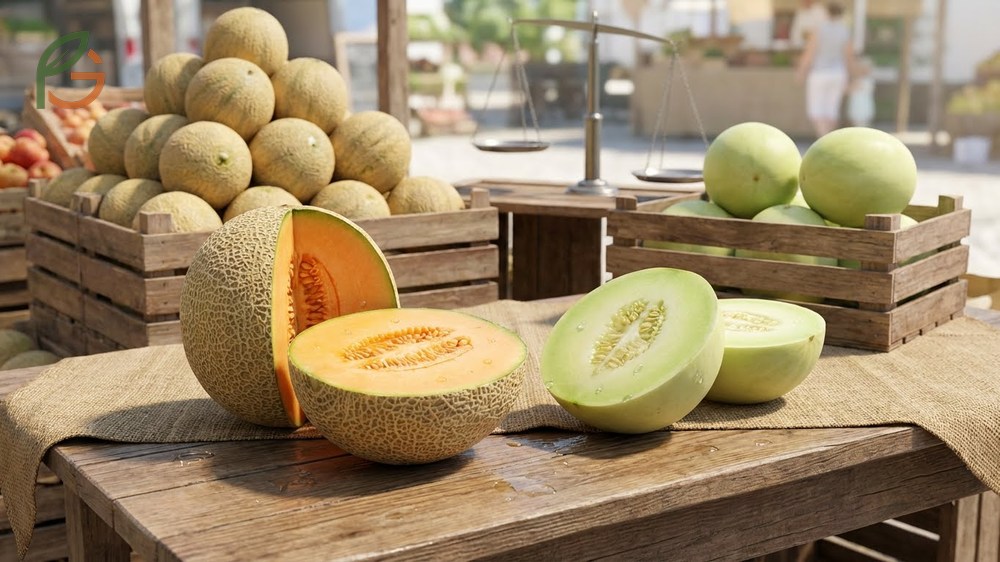
Studies demonstrate these two popular melons belong to the same Cucumis melo species but represent different cultivar groups with distinct characteristics. Both melons share nearly identical water content at 90%[2], making them excellent hydration sources during hot summer months.
Current agricultural data shows cantaloupe is significantly more popular in the United States. Most people don’t realize the consumption gap between these melons is substantial.
Evidence suggests cantaloupe’s netted rind requires more careful handling during harvest. The textured surface can harbor bacteria if not properly washed before cutting.
Appearance and Texture
Research shows cantaloupe features a distinctive netted, rough exterior with tan-beige coloring. The flesh inside is salmon-orange and softens as it ripens.
Honeydew presents a smooth, pale green or yellow rind without netting. The interior flesh maintains a firmer texture even when fully ripe, with a pale green to white color.
- Cantaloupe rind feels gritty and netted with raised webbing patterns
- Honeydew rind is smooth and waxy to the touch
- Cantaloupe flesh is softer, almost melting when ripe
- Honeydew maintains a crisp, firm bite throughout ripeness
- Cantaloupe typically weighs 2-5 pounds at maturity
- Honeydew melons grow larger, often reaching 4-8 pounds
Flavor Profile
Agricultural studies indicate honeydew consistently measures sweeter on the Brix scale. The flavor profile is mild, subtle, and refreshing with floral notes.
Cantaloupe delivers a more complex taste experience. The flavor is musky, aromatic, and intense with tropical undertones that become more pronounced as it ripens.
Important Note: Cantaloupe’s netted rind makes it more susceptible to bacterial contamination. Always wash the exterior thoroughly before cutting to prevent transferring bacteria to the flesh.
Nutrition Comparison Honeydew vs Cantaloupe
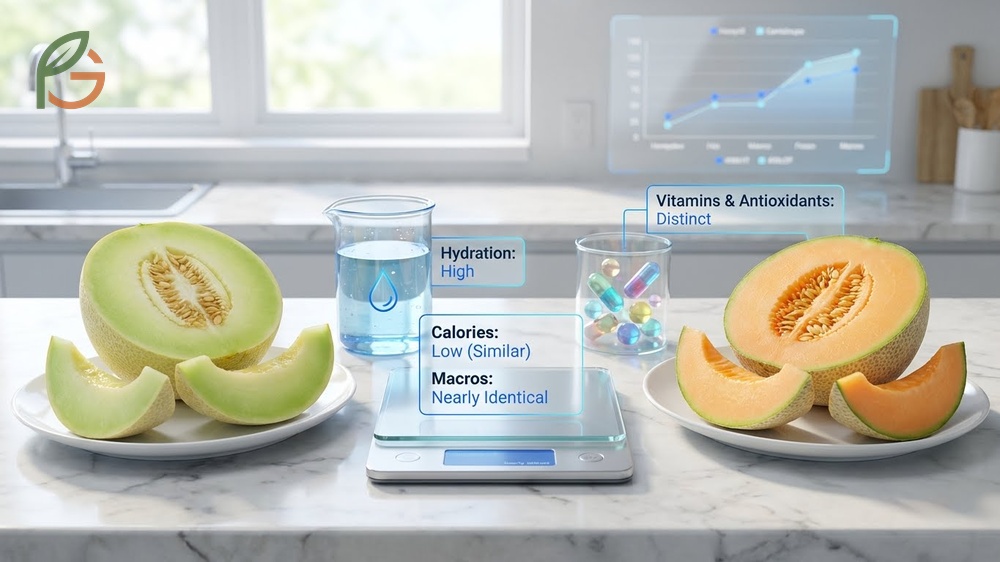
Research demonstrates both melons provide nearly identical macronutrient profiles with minimal differences. The major nutritional distinctions appear in their vitamin and antioxidant content rather than basic calories or macros.
Studies show both melons qualify as low-calorie foods that support weight management goals. You get substantial volume and hydration for minimal caloric investment.
Calories and Macronutrients
Current data indicates honeydew contains 36 calories per 100g while cantaloupe provides 34 calories per 100g[2]. This 2-calorie difference is nutritionally insignificant for most eating patterns.
Both melons deliver 1 gram of fiber[2] and 1 gram of protein[2] per 100g serving. The carbohydrate content differs slightly, with honeydew at 9g and cantaloupe at 8g per 100g.
This table compares basic nutrition values per 100g serving between honeydew and cantaloupe including calories, water, carbohydrates, protein, fiber, and fat content
| Nutrient | Honeydew Melon | Cantaloupe |
|---|---|---|
| Calories | 36[2] | 34[2] |
| Water Content | 90%[2] | 90%[2] |
| Carbohydrates | 9g[2] | 8g[2] |
| Protein | 1g | 1g |
| Fiber | 1g | 1g |
| Fat | 0g | 0g |
Vitamin and Mineral Content
Evidence reveals cantaloupe dominates in vitamin content with substantially higher levels of vitamins A and C. Cantaloupe provides 68% of the daily value for vitamin A[2] compared to honeydew’s minimal 1% DV[2].
The vitamin C gap is equally significant. Cantaloupe delivers 61% DV[2] while honeydew provides 30% DV[2], making cantaloupe the stronger immune-supporting option.
- Cantaloupe’s orange color comes from beta-carotene, a provitamin A carotenoid that supports eye health
- Honeydew’s pale color reflects minimal carotenoid content
- Both melons provide potassium for blood pressure regulation
- Cantaloupe offers more folate per serving at 32.8 µg compared to honeydew’s 32.3 µg
- Vitamin C in both melons supports collagen formation and immune function
Sugar Content Honeydew vs Cantaloupe
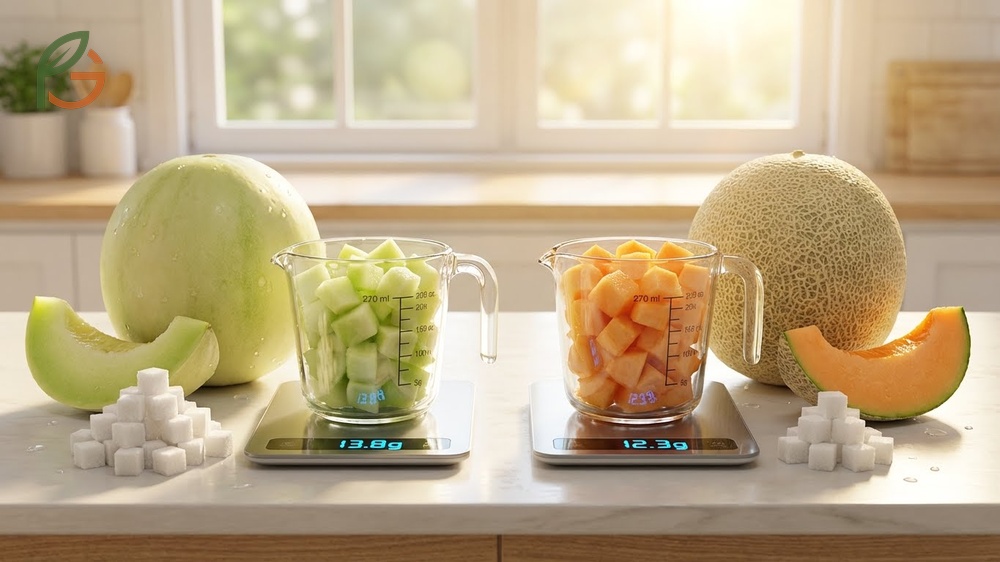
Agricultural research shows honeydew consistently contains more natural sugars than cantaloupe. A one-cup serving of honeydew provides 13.8g of sugar[1] compared to cantaloupe’s 12.3g[1].
This 1.5g difference explains why honeydew tastes noticeably sweeter on the palate. The higher sugar concentration creates a more dessert-like flavor profile that many people prefer for fresh eating.
Current nutritional guidance emphasizes that fruit sugar shouldn’t be a major concern for most healthy individuals. The fiber, water, and nutrients in whole melons prevent the blood sugar spikes associated with refined sugars.
For Carbohydrate Tracking: Cantaloupe has 3g fewer carbs per cup than honeydew, making it slightly better for strict low-carb eating patterns. Both melons have moderate glycemic loads due to their high water content.
Studies demonstrate that portion size matters more than the melon type. A small wedge of either melon fits comfortably into most eating plans without causing blood sugar concerns.
- Honeydew’s extra sweetness comes from higher fructose concentration
- Both melons contain natural sugars with no added sweeteners
- The fiber in melons slows sugar absorption into the bloodstream
- Riper melons of both types contain slightly more sugar
- Freezing melon doesn’t significantly change sugar content but may alter perceived sweetness
Which Melon is Healthier

Research indicates cantaloupe edges ahead nutritionally due to its superior vitamin A and C content. The 68% DV of vitamin A[2] and 61% DV of vitamin C[2] make it a more nutrient-dense choice for most people.
Evidence suggests both melons support hydration, weight management, and overall health. The “healthier” choice depends on your specific nutritional needs and preferences.
What often gets overlooked is that honeydew provides valuable nutrients despite lower vitamin levels. Its potassium content supports cardiovascular health, while the high water content aids digestion and skin hydration.
- Choose cantaloupe if you need more vitamin A for eye health or vitamin C for immune support
- Pick honeydew if you prefer sweeter fruit or want slightly more carbohydrates for energy
- Both melons provide antioxidants that protect cells from oxidative stress
- Cantaloupe’s beta-carotene may reduce skin damage from sun exposure
- Honeydew’s mild flavor makes it easier to consume in larger quantities for people who find cantaloupe too strong
- Neither melon contains significant amounts of protein or healthy fats, so pair them with nuts or yogurt for balanced snacks
Current guidance emphasizes eating a variety of fruits rather than fixating on a single “healthiest” option. Rotating between honeydew and cantaloupe ensures you benefit from the unique compounds in each melon.
Taste Difference Honeydew Cantaloupe
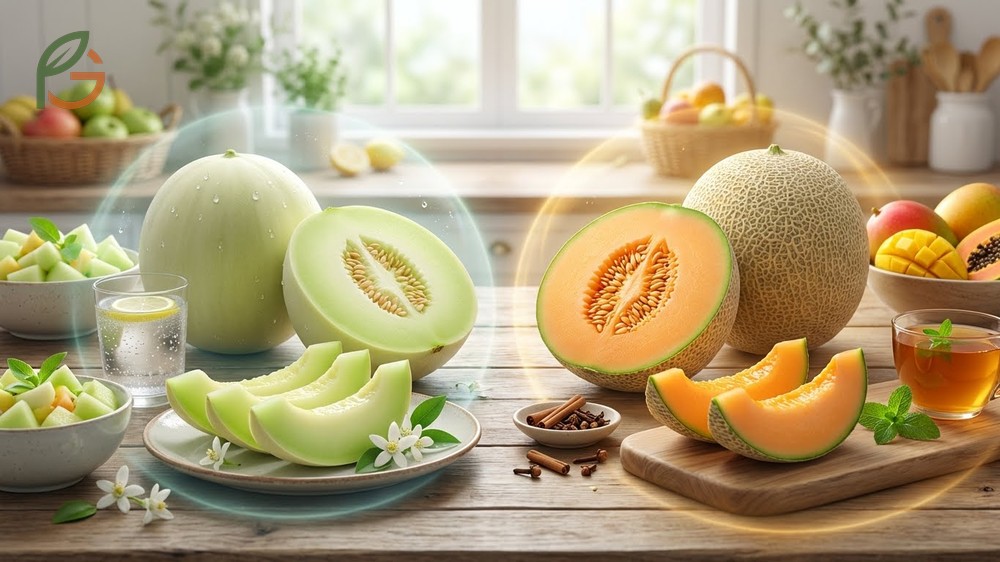
Studies show honeydew delivers a sweeter, more subtle flavor with light floral notes. The taste is refreshing and clean without the musky undertones found in cantaloupe.
Cantaloupe offers a bold, aromatic flavor that intensifies as it ripens. The taste profile includes tropical fruit notes with a slightly musky, perfumed quality that divides opinion among consumers.
Most people find honeydew’s firm, crisp texture remains consistent throughout the flesh. Cantaloupe becomes softer and almost melting near the center, creating a contrast that affects eating experience.
- Honeydew tastes like concentrated sugar water with hints of cucumber
- Cantaloupe has a complex flavor reminiscent of tropical fruits like papaya
- Room temperature enhances cantaloupe’s aroma and sweetness
- Chilled honeydew tastes most refreshing due to its higher sugar content
- Honeydew’s flavor is consistent from the outer edge to the center
- Cantaloupe’s sweetest flesh sits closest to the seed cavity
Galia Melon vs Honeydew
Agricultural data shows Galia melon is a hybrid cross between honeydew and cantaloupe[4]. This creates a unique melon that combines characteristics from both parents with some distinct features.
The Galia’s exterior resembles cantaloupe with netted rind texture, but the interior flesh is lime-green like honeydew. The flavor profile is distinctive—research describes it as having a spicy-sweet taste with tropical aromatics[4].
Compared to honeydew, Galia melon offers more aromatic complexity. The tropical aroma is more pronounced, making it easier to detect ripeness by smell rather than relying on stem tenderness.
Recipes Using Both Melons
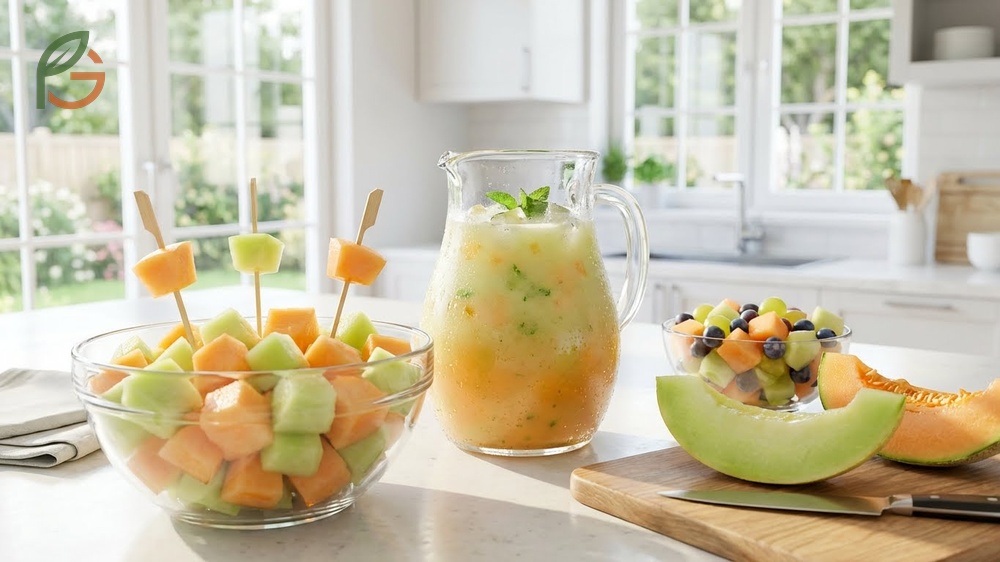
Research shows honeydew and cantaloupe work interchangeably in most recipes due to their similar water content and texture. Both melons blend smoothly into refreshing summer beverages and complement savory ingredients surprisingly well.
Evidence suggests cold preparations showcase both melons best. The natural sweetness intensifies when chilled, making them perfect for fruit salads, smoothies, and chilled soups.
For breakfast smoothies, blend ⅔ cup melon chunks with one ripe banana, ¼ cup walnuts, 1 cup almond milk, and vanilla extract. Both honeydew and cantaloupe create creamy, naturally sweet smoothies without added sugar.
- Cube both melons for colorful fruit salads with mint, lime juice, and a pinch of sea salt
- Wrap cantaloupe or honeydew wedges with prosciutto for a classic sweet-savory appetizer
- Blend frozen melon chunks into sorbet for a naturally sweet frozen dessert
- Add diced melon to salsa with jalapeño, cilantro, and lime for grilled fish or chicken
- Thread melon cubes onto skewers with mozzarella balls and basil for caprese-style kebabs
- Purée melon with cucumber, yogurt, and herbs for chilled summer soup
- Mix melon balls into grain salads with quinoa, feta, and arugula
Current culinary guidance recommends adding melon to dishes just before serving. The high water content causes melons to release liquid when cut, which can water down dressings or make grain salads soggy if prepared too far in advance.
Flavor Pairing Tip: Honeydew pairs exceptionally well with mint, lime, and ginger, while cantaloupe complements basil, black pepper, and balsamic vinegar. Both melons work beautifully with creamy dairy like yogurt or soft cheeses.
For growing your own melons, studies show cantaloupe matures in 80-90 days[3] from transplanting. Harvest occurs approximately 30-35 days after fruit pollination[5] for cantaloupe varieties, while honeydew takes slightly longer to develop full sweetness.
Conclusion
The evidence is clear: honeydew melon vs cantaloupe presents a choice between sweeter, firmer fruit with less vitamins versus more nutritious, aromatic fruit with softer texture. Cantaloupe wins nutritionally with double the vitamin C and 68-times more vitamin A, while honeydew satisfies those who prefer maximum sweetness and crisp bite.
Current agricultural data from FruitGarden demonstrates both melons thrive in similar growing conditions with warm temperatures and consistent moisture. Whether you’re cultivating them in your garden or selecting them at the market, you can’t go wrong with either choice for summer hydration and nutrition.
Frequently Asked Questions
Is honeydew or cantaloupe better for weight loss?
Both melons support weight loss equally well since they contain nearly identical calories at 34-36 per 100g and are 90% water. Cantaloupe has 3g fewer carbs per cup, but this difference is minimal for weight management purposes. Choose based on taste preference rather than weight loss potential.
Can you substitute honeydew for cantaloupe in recipes?
Yes, honeydew and cantaloupe work interchangeably in most recipes including smoothies, fruit salads, and savory dishes. The main difference you’ll notice is honeydew’s sweeter flavor and firmer texture versus cantaloupe’s more aromatic, softer flesh. Adjust seasoning slightly to account for honeydew’s milder taste.
Which melon has more sugar: honeydew or cantaloupe?
Honeydew contains more sugar at 13.8g per cup compared to cantaloupe’s 12.3g per cup. This 1.5g difference makes honeydew taste noticeably sweeter. However, both melons have moderate glycemic loads due to their high water and fiber content, making them suitable for most eating patterns.
How do you know when cantaloupe and honeydew are ripe?
Ripe cantaloupe has a sweet aroma at the stem end, yields slightly to pressure, and shows golden color beneath the netting. Honeydew feels slightly sticky, has a subtle sweet smell, and turns from bright white-green to creamy yellow. Both should feel heavy for their size, indicating high juice content.
Does cantaloupe have more vitamin C than honeydew?
Yes, cantaloupe provides 61% of the daily value for vitamin C per 100g serving, which is more than double honeydew’s 30% DV. This makes cantaloupe a significantly better source of vitamin C for immune support, collagen production, and antioxidant protection.
Are honeydew and cantaloupe safe to eat during pregnancy?
Both melons are safe and nutritious during pregnancy when properly washed and stored. Cantaloupe’s netted rind can harbor bacteria, so wash the exterior thoroughly before cutting and refrigerate cut melon promptly. The vitamin A in cantaloupe supports fetal development, while both melons provide hydration and folate.
What is the difference between muskmelon, cantaloupe, and honeydew?
Muskmelon is the broader category that includes both cantaloupe and other netted melons. Cantaloupe is a type of muskmelon with netted rind and orange flesh, while honeydew is a separate variety with smooth rind and green flesh. All belong to the Cucumis melo species but represent different cultivar groups.





