
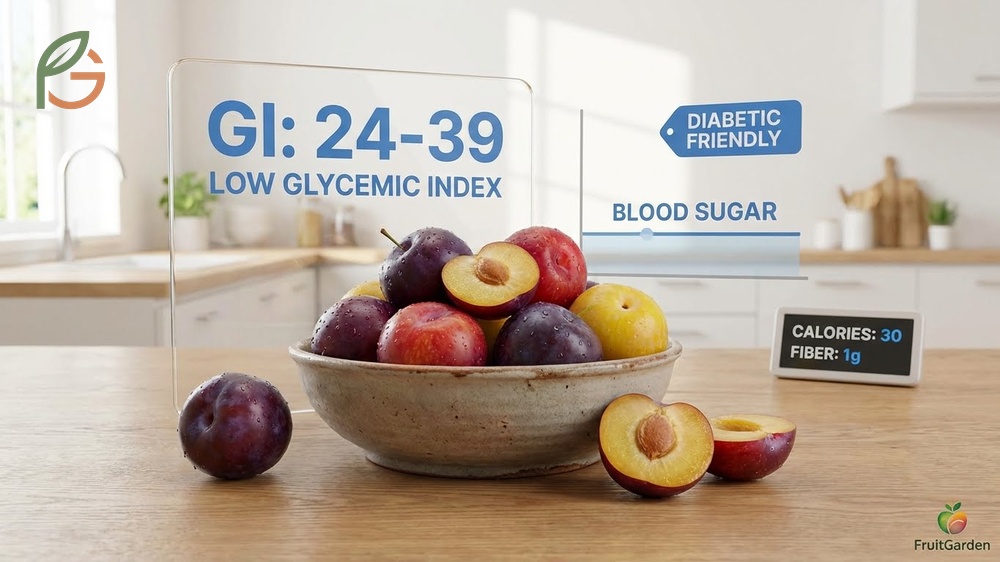
Glycemic index of plums ranges from 24 to 39, classifying them as a low GI food that won’t spike blood sugar levels[1][2]. Research shows that plums contain only 30 calories per fruit with 1g of fiber that slows sugar absorption[3]. FruitGarden synthesizes current nutritional research to help you understand which fruits work best for diabetes management.
Quick Answer
Glycemic Index of Plums
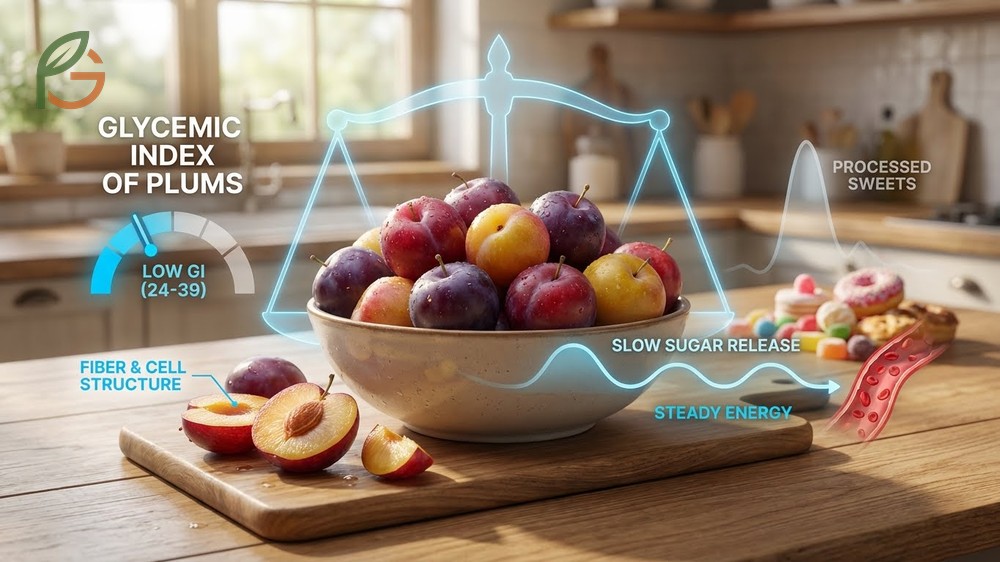
Fresh plums score between 24 and 39 on the glycemic index scale, which puts them firmly in the low GI category[1][2]. This variation depends on the plum variety and ripeness level. Foods with a GI below 55 are considered low, meaning they won’t cause rapid blood sugar spikes.
The natural sugars in plums get released slowly into your bloodstream. This happens because the fruit’s fiber and cell wall structure slow down digestion. Unlike processed sweets that hit your system fast, plums provide steady energy without the crash.
What Is Glycemic Index
The glycemic index measures how quickly a food raises blood sugar levels on a scale from 0 to 100. Pure glucose scores 100 and serves as the reference point. Low GI foods (0-55) cause gradual increases, medium GI foods (56-69) produce moderate rises, and high GI foods (70+) create rapid spikes.
Your body responds differently to various carbohydrate sources. A food’s GI depends on its fiber content, fat content, protein content, and how it’s prepared. This is why whole fruits typically have lower GI values than fruit juices.
Plum GI Rating
Different sources report slightly different GI values for plums. The January AI database lists plums at 24[2], while Glycemic Index Net reports 35[1]. Both values fall well below the 55 threshold for low GI foods.
These variations occur because testing conditions differ between studies. The variety of plum tested, growing conditions, and ripeness at harvest all influence the final GI value. What’s consistent is that all fresh plums qualify as low GI fruits.
Glycemic Load Explained
Glycemic load (GL) takes portion size into account, giving you a more practical measure. A single plum has a GL of just 2-3.9[1], which is considered very low. GL values below 10 are low, 11-19 are medium, and 20+ are high.
To calculate GL, you multiply the GI by the grams of carbohydrates in a serving, then divide by 100. Since one plum contains only 8g of carbs[3], even eating 2-3 plums keeps your total GL in the low range.
Blood Sugar Impact Plums
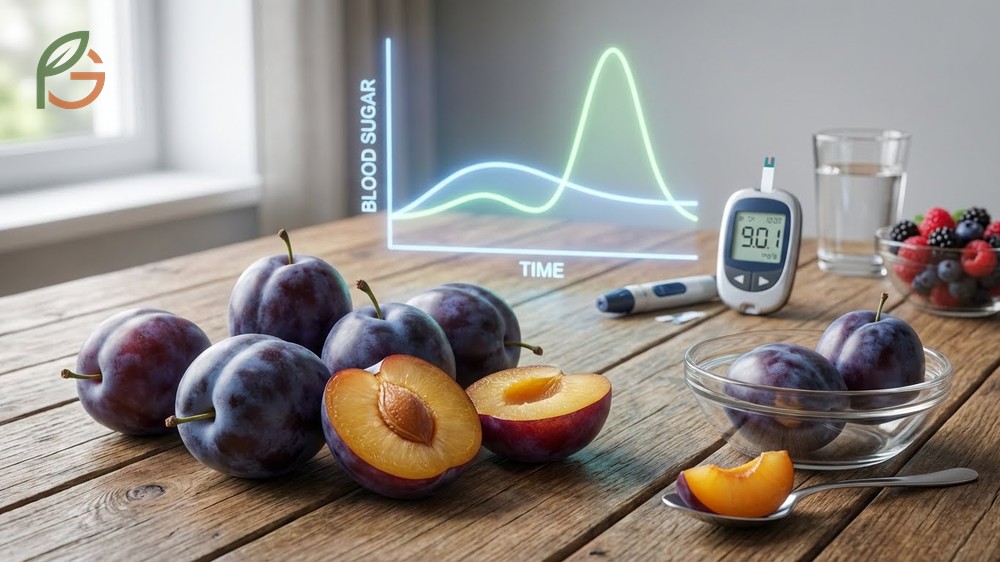
Studies demonstrate that plums produce minimal blood sugar elevation compared to other fruits. The fiber matrix in plums slows down carbohydrate digestion, resulting in gradual glucose release. This means you won’t experience the rapid spikes and crashes associated with high GI foods.
Research involving type 2 diabetic participants showed that increasing low GI fruit intake (including plums) by two servings daily led to significant improvements[4]. Participants saw reductions in HbA1c levels, which measure average blood sugar control over three months. The effect remained significant even after accounting for weight changes.
How Plums Affect Glucose
When you eat a plum, the fructose gets released slowly into your bloodstream. This gradual release has been shown to help prime glucose metabolism. Small amounts of fructose from whole fruit can actually improve how your liver handles blood sugar.
The polyphenols in plums provide another benefit. These plant compounds help improve insulin sensitivity, meaning your cells respond better to insulin signals. This dual action—slow sugar release plus improved insulin function—makes plums particularly effective for blood sugar management.
Important Note: Dried plums (prunes) have a higher glycemic index than fresh plums because the drying process concentrates the sugars. Stick with fresh plums for the best blood sugar control.
Fiber Role Blood Sugar
Each plum delivers 1g of dietary fiber[3], which might not sound like much but makes a real difference. Fiber forms a gel-like substance in your digestive tract that physically slows down sugar absorption. This prevents the rapid glucose spikes that damage blood vessels over time.
The soluble fiber in plums also feeds beneficial gut bacteria. These bacteria produce short-chain fatty acids that further improve insulin sensitivity. It’s a cascading effect where one benefit leads to another.
Plums Diabetes Friendly
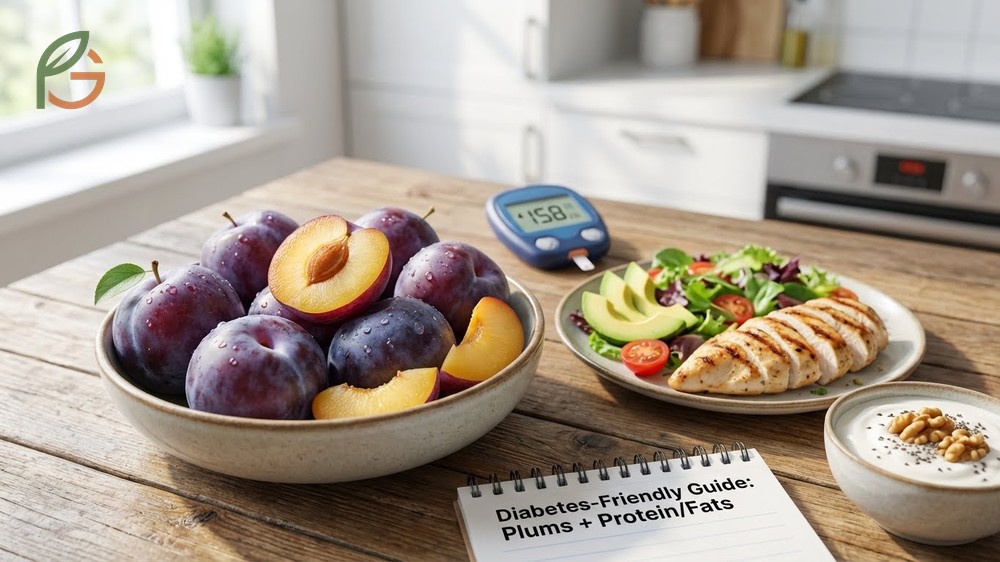
Current data indicates that plums are among the best fruit choices for people with diabetes. Their low glycemic index combined with high antioxidant content makes them a smart addition to a diabetes management plan. You get natural sweetness without compromising blood sugar control.
What often gets overlooked is that timing matters as much as quantity. Eating plums with a meal that includes protein or healthy fats further slows sugar absorption. This strategy helps you maximize the benefits while minimizing any potential blood sugar impact.
Research Findings
A study published in the journal Diabetologia examined 152 type 2 diabetic participants over six months[4]. Those who increased their low GI fruit consumption (which included plums, apples, pears, citrus, and berries) showed a reduction in HbA1c of 0.5 percentage points. This improvement occurred without significant weight loss, suggesting the fruits themselves drove the benefit.
The same research found improvements in systolic blood pressure and calculated coronary heart disease risk. HDL cholesterol (the “good” cholesterol) increased by 7.3% in the group eating the most low GI fruit[4]. These cardiovascular benefits matter because people with diabetes face elevated heart disease risk.
- Reduced HbA1c levels for better long-term blood sugar control
- Improved insulin sensitivity through polyphenol compounds
- Lower oxidative stress from vitamin C and antioxidants
- Better blood pressure management from potassium content
- Reduced inflammation markers throughout the body
- Support for healthy gut bacteria that aid metabolism
Recommended Serving Size
Most nutrition experts suggest limiting plum intake to two fruits per day for people with diabetes[5]. This provides about 60 calories and 16g of carbohydrates, which fits easily into most meal plans. Two plums give you enough fruit benefits without overloading on carbs.
The best approach is to spread your fruit intake throughout the day. One plum with breakfast and another as an afternoon snack works better than eating two at once. This strategy keeps your blood sugar more stable across the entire day.
Plum Sugar Content
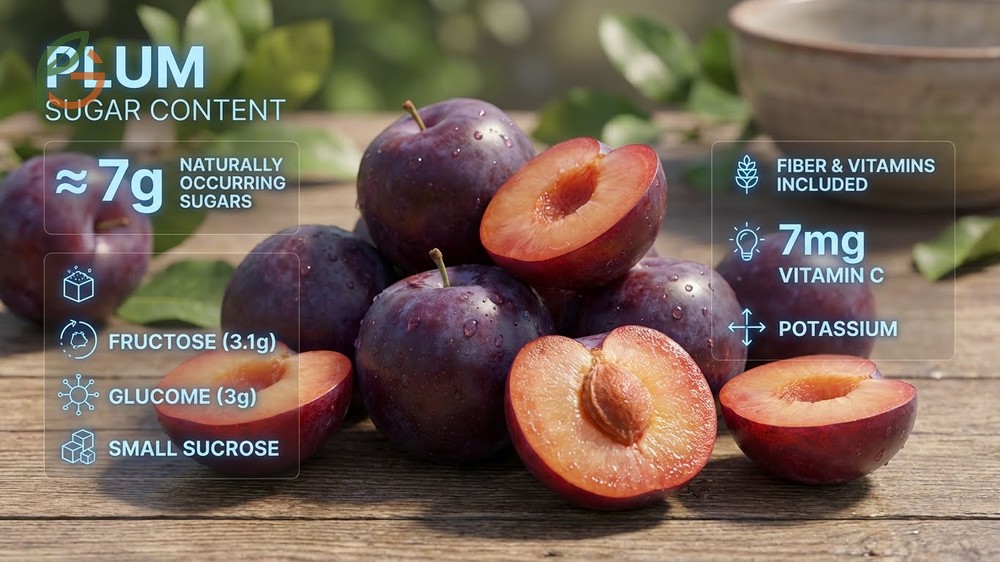
A medium plum contains approximately 7g of naturally occurring sugars[3]. This sugar consists mainly of fructose (3.1g), glucose (3g), and small amounts of sucrose. The fructose-to-glucose ratio is relatively balanced, which contributes to the fruit’s low glycemic response.
Unlike added sugars in processed foods, the sugars in plums come packaged with fiber, vitamins, and phytonutrients. The 7mg of vitamin C per plum[3] acts as an antioxidant that reduces inflammation. Potassium supports blood pressure regulation, while vitamin A benefits eye health.
This table compares the nutritional content per medium plum across five key nutrients including calories, carbohydrates, fiber, sugar, and protein
| Nutrient | Amount | % Daily Value |
|---|---|---|
| Calories | 30[3] | 1.5% |
| Total Carbohydrates | 8g[3] | 3% |
| Dietary Fiber | 1g[3] | 4% |
| Total Sugars | 7g[3] | N/A |
| Protein | 1g[3] | 2% |
The ripeness of your plum affects its sugar content slightly. Unripe plums have marginally lower sugar levels and higher fiber content. As plums ripen, starches convert to sugars, but the glycemic index remains low even for fully ripe fruit.
Diabetic Plum Consumption
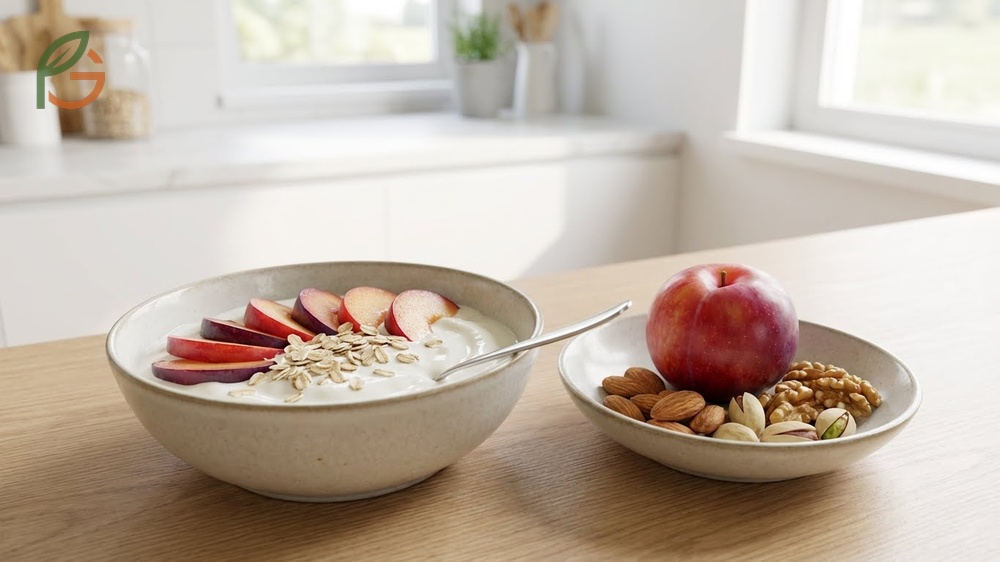
For breakfast, try slicing a plum over Greek yogurt or oatmeal. The protein in yogurt further slows sugar absorption, creating an even more stable blood sugar response. This combination provides sustained energy for 4-5 hours without causing mid-morning crashes.
As an afternoon snack, pair a plum with a small handful of nuts. The healthy fats and protein in nuts complement the fruit’s carbohydrates perfectly. This pairing strategy helps you avoid the 3pm energy slump that often leads to poor food choices.
- Eat plums with meals rather than alone to slow digestion
- Choose fresh plums over dried plums (prunes) for lower GI
- Track your blood sugar 1-2 hours after eating to see your personal response
- Store unripe plums at room temperature in a paper bag
- Refrigerate ripe plums and consume within 3-5 days
Timing Tip: If you’re taking diabetes medication that peaks at certain times, coordinate your plum consumption with those windows. This helps prevent both high and low blood sugar episodes.
Consider keeping a food and blood sugar journal for two weeks. Note when you eat plums, what you pair them with, and how your glucose responds. This personalized data helps you fine-tune your approach better than any general guideline.
Some people find that eating plums after exercise works particularly well. Your muscles are primed to absorb glucose during the post-workout window, so the natural sugars in plums can aid recovery without spiking blood sugar. This strategy provides the best of both worlds—fruit nutrition without the metabolic cost.
Conclusion
The evidence is clear: glycemic index of plums qualifies them as an excellent fruit choice for diabetes management. With a GI of 24-39 and a glycemic load under 4, plums provide natural sweetness without compromising blood sugar control. Research demonstrates that incorporating low GI fruits like plums can reduce HbA1c levels and improve cardiovascular markers.
Current guidance emphasizes choosing whole fruits over processed alternatives and pairing them strategically with protein or healthy fats. Two plums per day fits comfortably into most diabetes meal plans while delivering valuable fiber, antioxidants, and micronutrients. FruitGarden helps you make evidence-based decisions about fruit cultivation and consumption that support your health goals.
Medical Disclaimer
Important Medical Disclaimer: This content is for informational and educational purposes only. It is not intended as a substitute for professional medical advice, diagnosis, or treatment. Always consult a qualified healthcare professional before making any changes to your diet, medication, or health routine, especially if you have diabetes or other medical conditions. Individual responses to foods can vary, so monitor your blood sugar levels and work with your healthcare team to develop a personalized nutrition plan.
Frequently Asked Questions
Can diabetics eat plums every day?
Yes, most people with diabetes can safely eat 1-2 plums daily. Studies show that consistent consumption of low GI fruits like plums improves blood sugar control over time. The key is monitoring your individual response and pairing plums with protein or healthy fats to further stabilize blood sugar.
Are fresh plums better than dried plums for diabetes?
Fresh plums are significantly better for blood sugar management than dried plums (prunes). The drying process concentrates sugars, raising the glycemic index substantially. Fresh plums contain more water and fiber relative to their sugar content, resulting in a slower, more controlled glucose response.
What’s the best time to eat plums if you have diabetes?
Eating plums with breakfast or as an afternoon snack works best for most people. Morning consumption provides steady energy throughout the day, while an afternoon plum can prevent evening hunger and poor dinner choices. Avoid eating plums alone on an empty stomach—pair them with protein for optimal blood sugar control.
How many carbs are in a plum?
A medium plum contains approximately 8 grams of total carbohydrates, including 1 gram of fiber and 7 grams of natural sugars. This gives you about 7 grams of net carbs per plum, which fits easily into most diabetes meal plans without requiring major adjustments to other foods.
Do plums raise blood sugar quickly?
No, plums don’t cause rapid blood sugar spikes. Their low glycemic index of 24-39 means glucose enters your bloodstream gradually over 1-2 hours. This slow release prevents the sharp peaks and crashes associated with high GI foods, making plums one of the safest fruit choices for blood sugar management.
What vitamins and minerals do plums provide for diabetics?
Plums deliver vitamin C (7mg per fruit) which supports immune function and acts as an antioxidant. They also provide potassium for blood pressure regulation, vitamin A for eye health, and polyphenols that improve insulin sensitivity. These nutrients make plums particularly valuable since diabetes increases the need for antioxidant protection.
Should I test my blood sugar after eating plums?
Testing your blood sugar 1-2 hours after eating plums for the first few times is a smart strategy. This shows you your personal response and helps you determine the best portion size and timing. Everyone metabolizes fruit slightly differently, so personalized data beats general guidelines.





