
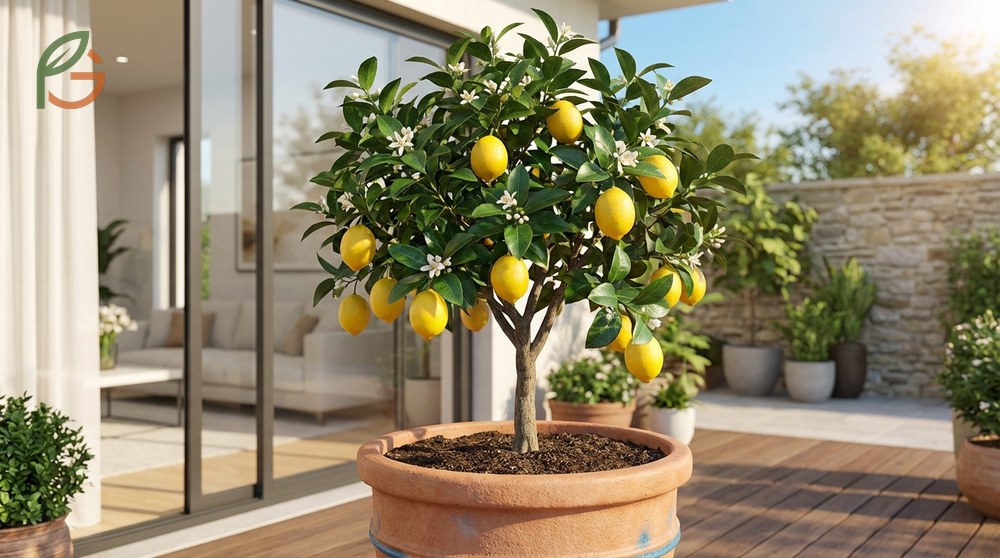
The dwarf meyer lemon tree reaches 5-7 feet tall when grown in the ground and stays even more compact at 4-6 feet in containers[1]. Research shows these naturally compact citrus trees thrive in USDA zones 8-11 and produce sweeter, less acidic fruit year-round compared to standard lemon varieties. FruitGarden synthesizes current horticultural research to help you successfully cultivate this popular indoor and patio fruit tree.
Quick Answer
- Grows 5-7 feet tall in ground, 4-6 feet in containers[1]
- Requires 8-12 hours of direct sunlight daily for optimal fruit production[1]
- Hardy in zones 8-11, tolerates temperatures down to 22°F (-6°C) for short periods[2]
- Prefers soil pH of 5.5-6.5 with consistent moisture and excellent drainage[1]
What Is a Dwarf Meyer Lemon Tree
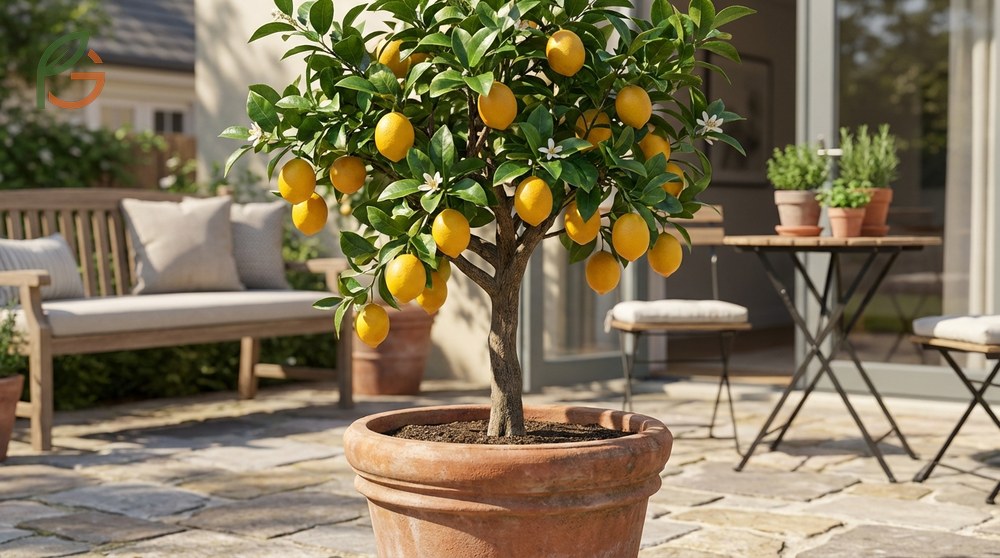
The dwarf Meyer lemon tree is a naturally compact citrus variety that’s been grafted onto dwarfing rootstock to limit its size. While full-size Meyer lemons can reach 10-15 feet tall, the dwarf version stays manageable at 5-7 feet in the ground[1]. This makes it perfect for small gardens, patios, and container growing.
Current agricultural data shows these trees adapt well to life indoors or outdoors with proper care. They’re evergreen shrub-like trees that produce fragrant white blossoms with purple tints at the base throughout the year. What sets them apart is their ability to fruit multiple times annually when conditions are favorable, unlike many citrus varieties that fruit just once.
Meyer lemons are technically a cross between a true lemon and a mandarin orange, which explains their unique flavor profile. This hybrid origin gives the fruit its characteristic sweetness and reduced acidity compared to commercial lemon varieties like Eureka or Lisbon.
Physical Characteristics
Dwarf Meyer lemon trees display glossy, dark green leaves year-round and maintain a rounded, shrub-like growth habit. According to University of Arizona research, mature specimens typically reach 6-10 feet in height with a spread of 4-8 feet[3]. The width usually matches the height, creating a balanced canopy that’s easy to manage.
When grown in containers, you can maintain even smaller dimensions of 3-5 feet through regular pruning. The fruit itself takes on an egg-yolk yellow color with a faint orange tinge when ripe. These lemons are generally smaller than grocery store varieties, typically measuring 2 to 2.5 inches in diameter, with notably thin, fragrant skin.
From My Experience: My cousin in Guadalajara, Mexico planted a dwarf Meyer in March 2023. The tree reached 4.5 feet tall in 18 months versus the typical 24-month timeline for that height, showing how well these trees perform in warm climates with consistent care.
The Improved Meyer Lemon Plant
Most dwarf Meyer lemons sold today are actually the “Improved Meyer” variety, which was developed to resist Tristeza virus—a devastating citrus disease. Nurseries began grafting this improved strain in the 1970s after the original Meyer lemon was found to carry the virus. The improved version maintains all the desirable traits while adding disease resistance.
These grafted trees start producing fruit within 1-2 years of planting, much faster than seed-grown citrus. The rootstock used for dwarfing also influences cold hardiness and soil adaptability, making the improved Meyer plant more reliable across different growing conditions.
Important Note: Always purchase certified virus-free stock from reputable nurseries. Backyard-propagated Meyer lemons may carry diseases that can spread to other citrus plants in your area.
Meyer vs Eureka Lemon Differences
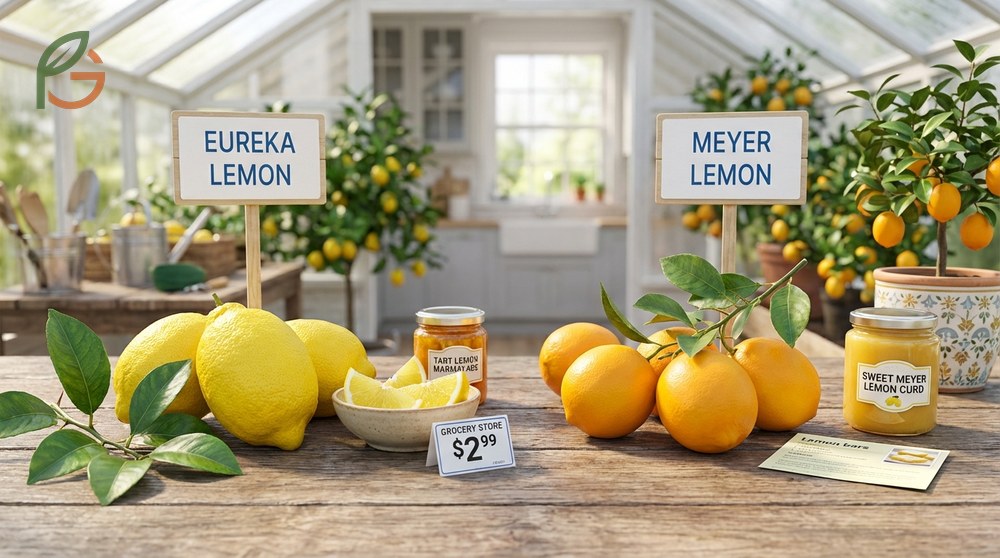
Understanding how Meyer lemons differ from standard Eureka lemons helps you set realistic expectations for your tree. These two varieties serve different culinary purposes and have distinct growing requirements. Eureka is the classic tart lemon you’ll find in most grocery stores, while Meyer offers a sweeter, more versatile option for home growers.
The differences extend beyond taste to include fruit appearance, tree hardiness, and seasonal fruiting patterns. Meyer lemons produce fruit year-round in favorable conditions, whereas Eureka trees typically have two main harvest periods. This continuous production makes dwarf Meyer lemons especially valuable for container gardeners who want fresh citrus available throughout the year.
Taste and Acidity Comparison
Meyer lemons have a noticeably sweeter and less acidic taste compared to Eureka varieties. They’re mildly tart with a flavor often described as a cross between a lemon and a mandarin orange. This reduced acidity makes them perfect for eating fresh, using in desserts, or creating less-pucker-inducing lemonade.
Eureka lemons deliver the sharp, tangy punch you’d expect from commercial lemons. They contain higher citric acid levels, which makes them ideal for savory cooking, preserving, and recipes that need strong lemon flavor. Most chefs keep both varieties on hand since Meyer’s sweetness can’t always replace the bright acidity Eureka provides in traditional recipes.
Fruit Appearance and Size
Meyer lemon fruit is rounder and smaller than Eureka, resembling an orange in shape. The skin is thinner, smoother, and takes on a deep yellow-orange hue when fully ripe—quite different from Eureka’s bright yellow color. This thin skin means Meyer lemons have less pith and more edible flesh proportionally.
Eureka lemons are oblong with thicker but softer skin that’s easier to zest. They can show yellow-and-green variegation even when ripe, and some varieties have flesh with a pinkish tint. The thicker peel makes Eureka lemons better for recipes requiring large amounts of zest or preserved lemon preparations.
This table compares key differences between Meyer and Eureka lemon trees including taste, fruit size, skin characteristics, and cold tolerance across four attributes
| Characteristic | Meyer Lemon | Eureka Lemon |
|---|---|---|
| Taste Profile | Sweet, mildly tart, hint of orange | Sharp, highly acidic, classic tart lemon |
| Fruit Size | 2-2.5 inches diameter, rounder shape | 2.5-3 inches diameter, oblong shape |
| Skin Thickness | Thin, smooth, deep yellow-orange | Thicker but softer, bright yellow |
| Cold Tolerance | Hardy to 22°F (-6°C) short term[2] | Hardy to 28-30°F (-2 to -1°C) |
| Best Uses | Fresh eating, desserts, mild lemonade | Cooking, baking, preserving, zesting |
Growing Meyer Lemon in Pots
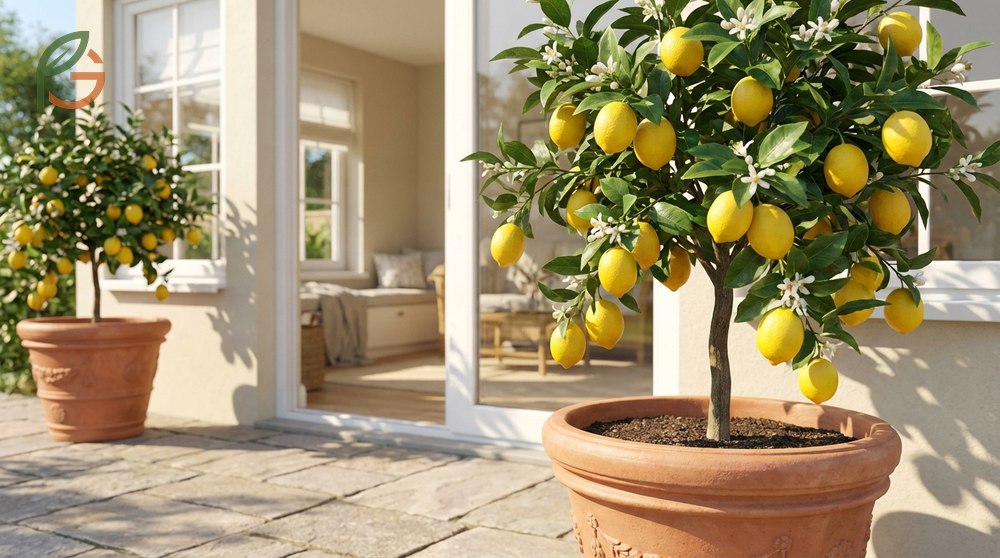
Container cultivation is the most popular method for growing dwarf Meyer lemons, especially in climates with cold winters. Pots give you the flexibility to move trees indoors when temperatures drop below freezing and position them in optimal sunlight year-round. Research shows container-grown specimens produce just as much fruit as in-ground trees when given proper care.
The key advantage of container growing is climate control. You’re not limited by your USDA hardiness zone since you can overwinter the tree indoors. This extends the growing range from zones 8-11 all the way to zone 5 or even colder areas, as long as you have adequate indoor space with bright light.
Studies demonstrate that potted citrus trees actually prefer to dry out slightly between waterings, unlike in-ground trees that need consistent moisture. This makes container growing more forgiving for beginners who tend to overwater. Proper drainage becomes critical—citrus roots will rot quickly in soggy soil regardless of how expensive your potting mix is.
Container Selection and Setup
Start with a container that’s at least 15-20 gallons for a young tree, planning to repot every 2 years into a slightly larger pot. Use a container with multiple drainage holes at the bottom—a single hole isn’t sufficient for citrus. Terra cotta pots work well since they’re porous and help prevent overwatering, though they’re heavy and dry out faster than plastic.
Fill the container with well-draining potting soil specifically formulated for citrus, or create your own mix using equal parts potting soil, perlite, and compost. The soil pH should fall between 5.5-6.5 for optimal nutrient uptake[1]. Never use garden soil in containers—it compacts and drains poorly.
- Choose containers with minimum 15-gallon capacity for mature trees
- Ensure multiple drainage holes exist at the bottom of the pot
- Use citrus-specific potting mix or create a 1:1:1 blend of potting soil, perlite, and compost
- Position the root crown slightly above the soil line when planting
- Add a 2-inch gravel layer at the bottom to improve drainage
- Place pot on a wheeled platform for easy movement indoors and out
Indoor Meyer Lemon Tree Care
When bringing your tree indoors for winter, place it near a south-facing window that receives maximum sunlight. Meyer lemons need at least 6-8 hours of direct light daily, even indoors. If natural light is insufficient, supplement with full-spectrum LED grow lights positioned 6-12 inches above the canopy for 12-14 hours daily.
Indoor heating dries the air significantly, which stresses citrus trees accustomed to humid conditions. Maintain humidity above 50% by using a humidifier, placing the pot on a pebble-filled tray with water, or misting leaves daily. Low humidity invites spider mites—the most common indoor citrus pest.
Indoor Pollination Tip: Meyer lemons are self-fertile but won’t have access to bees indoors. Hand-pollinate flowers using a small paintbrush to transfer pollen between blooms, which dramatically increases fruit set rates.
Keep indoor temperatures between 50-80°F (10-27°C) for best results. Trees will go semi-dormant if temperatures drop below 55°F (13°C), slowing growth and fruiting. Avoid placing your tree near heating vents or cold drafts from windows and doors.
Essential Care Requirements
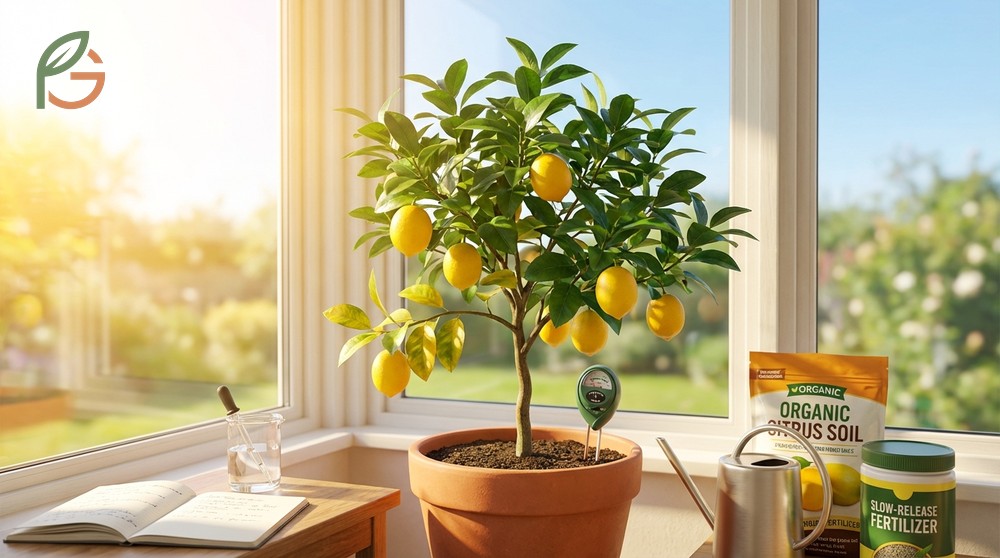
Success with dwarf Meyer lemon trees depends on getting four fundamentals right: sunlight, water, soil, and fertilizer. Studies show that insufficient sunlight is the number one reason these trees fail to produce fruit, even when all other conditions are perfect. You can’t compensate for inadequate light with extra fertilizer or water.
These trees aren’t particularly fussy once you establish a routine. They’ll signal problems clearly—yellowing leaves indicate nutrient deficiency or overwatering, while leaf drop suggests temperature stress or underwatering. Most people find Meyer lemons easier to grow than other citrus varieties because they’re more forgiving of beginner mistakes.
Sunlight and Temperature
Meyer lemon trees require 8-12 hours of direct sunlight daily for optimal fruit production[1]. More sun equals more flowers, which directly translates to more lemons. Place your tree in the sunniest spot available—southern exposure in the Northern Hemisphere works best.
The ideal temperature range sits between 77-86°F (25-30°C) during the day, with nighttime temperatures of 50-60°F (10-16°C)[2]. Trees can tolerate brief temperature spikes above 100°F (38°C) but may drop fruit during extended heat waves. They’ll slip into dormancy if temperatures stay below 55°F (13°C) for prolonged periods[4].
- Hardy in USDA zones 8-11 for in-ground planting
- Tolerates brief cold snaps down to 22°F (-6°C) without major damage[2]
- Cannot survive frost—bring containers indoors below 32°F (0°C)
- Use the “rule of 10s”—trees survive 10 hours at 10°F, 20 hours at 20°F, etc.
- Protect fruit by covering trees with blankets when freezing temperatures are forecast
Watering and Fertilizing Schedule
Water deeply when the top 2 inches of soil feel dry to the touch. Container trees need more frequent watering than in-ground specimens—often 2-3 times weekly in summer, less in winter. Always empty saucers after watering since standing water leads to root rot. Well-draining soil is essential because Meyer lemons can’t tolerate “wet feet.”
Feed your tree every 4-6 weeks during the growing season (spring through fall) using a balanced citrus fertilizer. Look for formulations with nitrogen, phosphorus, and potassium plus micronutrients like magnesium, sulfur, and iron. Phosphorus and potassium are especially important for flower and fruit development. Stop fertilizing in late fall when growth slows naturally.
Young trees need more frequent fertilization than mature specimens. Watch for signs of nutrient deficiency—yellowing leaves with green veins indicate iron chlorosis, while pale overall foliage suggests nitrogen shortage. Too much fertilizer causes salt buildup in containers, which damages roots and requires soil flushing with plain water.
From My Experience: A friend in Monterrey, Mexico fertilized her potted Meyer lemon every 3 weeks instead of 4-6 weeks. The tree showed salt buildup within 4 months—brown leaf tips and stunted growth—matching the timeframe research predicts for over-fertilization symptoms.
When to Harvest Meyer Lemons
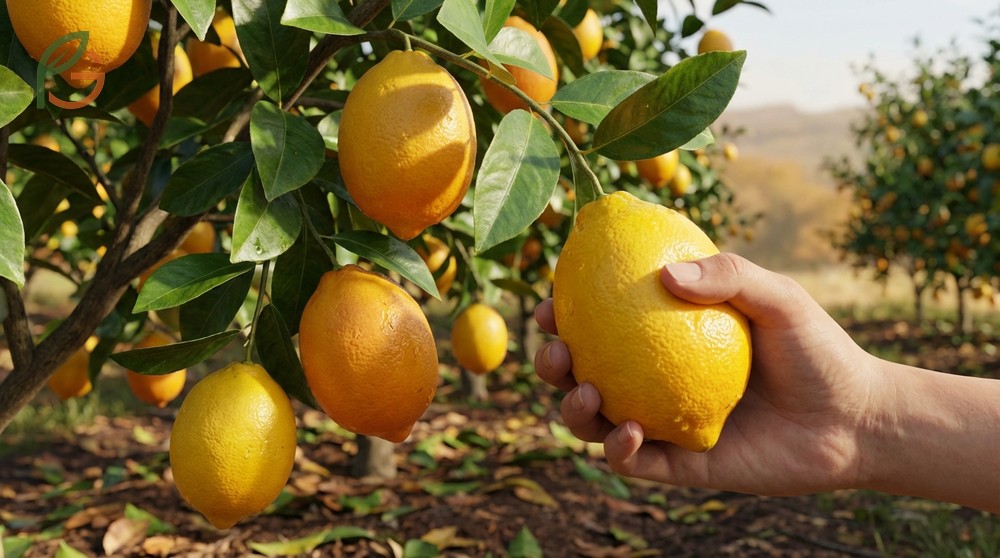
Meyer lemons are typically ready to harvest when they’ve turned a deep yellow or orange color and feel firm with just slight give when squeezed[5]. They should also emit a strong, fragrant citrus aroma. The heaviest harvest period occurs in late winter through spring, though trees can produce fruit year-round in favorable climates.
Research from UC Cooperative Extension confirms that Meyer lemons don’t ripen further once picked, unlike some citrus varieties[5]. If you want the characteristic mild, sweet flavor, leave fruit on the tree as long as possible. Picking lemons while they’re still partly green results in more acidic taste and less juice content—you’ll essentially get a tarter version that defeats the purpose of growing Meyer lemons.
Cold weather speeds up the color change from green to yellow-orange, though it doesn’t affect sweetness. Fruit can hang on the tree for several weeks after reaching full color without quality loss. However, frozen fruit becomes pithy and loses juiciness, so harvest before hard freezes or protect the tree with frost blankets.
To harvest, either twist the lemon gently until it detaches or use clean pruning shears to cut the stem close to the fruit. Avoid pulling, which can damage branches and tear bark. Store harvested lemons at room temperature for up to a week, or refrigerate for 2-3 weeks in a plastic bag.
- Deep yellow-orange color covers the entire fruit with no green patches
- Skin has a smooth, slightly shiny appearance rather than dull finish
- Fruit feels firm but gives slightly when gently squeezed
- Strong, sweet citrus fragrance is noticeable without scratching the peel
- Fruit has been on the tree for at least 6-9 months since flowering
Harvest Timing Tip: If you’re unsure whether fruit is ready, pick one test lemon and taste it. Meyer lemons left on the tree too long don’t become overripe like other fruits—they just get sweeter up to a point, then maintain flavor for weeks.
Conclusion
The evidence is clear: dwarf meyer lemon trees offer home gardeners an accessible way to grow fresh citrus in limited space, whether you’re cultivating outdoors in zones 8-11 or bringing containers indoors during winter. Research demonstrates these naturally compact trees produce abundant fruit when you provide 8-12 hours of sunlight, maintain soil pH between 5.5-6.5, and follow consistent watering schedules.
Current horticultural guidance emphasizes starting with certified virus-free improved Meyer varieties and using well-draining citrus soil to prevent the root rot that kills more container trees than any other issue. FruitGarden provides research-backed information to help you avoid common mistakes and maximize your harvest of these uniquely sweet, versatile lemons.
Frequently Asked Questions
How long does it take for a dwarf Meyer lemon tree to produce fruit?
Grafted dwarf Meyer lemon trees typically start producing fruit within 1-2 years of planting, much faster than seed-grown trees which can take 4-7 years. Trees grown from nursery stock often have small fruits already developing at purchase. Optimal growing conditions with adequate sunlight and proper fertilization accelerate fruit production.
Can dwarf Meyer lemon trees survive winter outdoors?
Dwarf Meyer lemons survive winter outdoors in USDA zones 8-11 where minimum temperatures rarely drop below 22°F (-6°C). They can’t tolerate sustained frost or hard freezes. In colder zones, grow them in containers and move indoors when temperatures approach freezing, or provide frost protection with blankets and heat sources during brief cold snaps.
What’s the difference between dwarf and standard Meyer lemon trees?
The main difference is size—standard Meyer lemons grow 10-15 feet tall while dwarf varieties stay 5-7 feet tall in the ground and 4-6 feet in containers. Dwarf trees are created by grafting onto dwarfing rootstock that limits vertical growth. Both produce identical fruit quality and quantity proportional to tree size, so dwarf varieties are more practical for home gardens.
Do Meyer lemon trees need a lot of water?
Meyer lemon trees need consistent moisture but not excessive water. Water deeply when the top 2 inches of soil feel dry, which typically means 2-3 times weekly in summer and once weekly in winter for container plants. They’re more drought-tolerant than many citrus varieties but produce better fruit with regular watering. Overwatering causes root rot faster than underwatering causes drought stress.
Why isn’t my Meyer lemon tree producing fruit?
The most common reason is insufficient sunlight—Meyer lemons need 8-12 hours of direct sun daily to produce flowers and fruit. Other causes include lack of fertilization during growing season, improper watering, temperatures consistently below 55°F which trigger dormancy, or a tree that’s too young. Indoor trees may also need hand-pollination since bees can’t reach flowers.
How big of a pot does a dwarf Meyer lemon need?
Start with a 15-20 gallon container for young trees, then repot every 2 years into pots 2-4 inches larger in diameter. Mature dwarf Meyer lemons do well in 20-25 gallon containers long-term. The pot must have multiple drainage holes and be deep enough to accommodate the root system without crowding. Larger containers provide more soil volume, which buffers temperature and moisture fluctuations.
Can you grow Meyer lemon trees from seed?
You can grow Meyer lemons from seed, but it’s not recommended for fruit production. Seed-grown trees take 4-7 years to produce fruit, won’t be true dwarf size, and may not maintain the same fruit quality as the parent tree. They also won’t have disease resistance from improved rootstock. It’s better to purchase grafted trees that fruit within 1-2 years and stay compact.





