
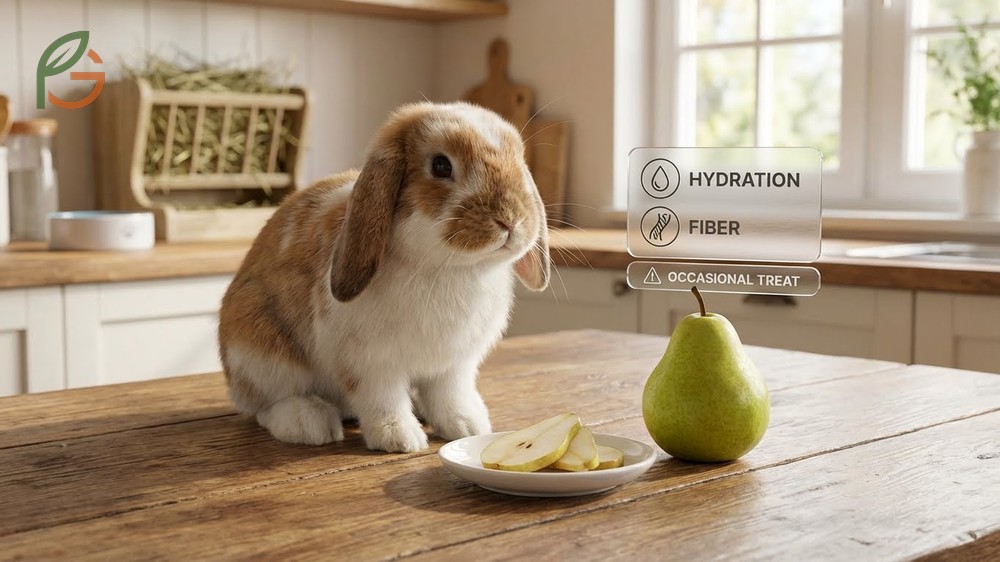
Can rabbits eat pears? Yes, rabbits can safely eat pears as an occasional treat when prepared properly. Research shows that pears provide hydration and fiber but contain high sugar levels that require careful portioning[1]. Pears contain approximately 9.8g of sugar per 100g alongside 3.1g of dietary fiber, making moderation essential to prevent digestive upset[2]. FruitGarden synthesizes current veterinary guidance and nutritional research to help you safely incorporate pears into your rabbit’s diet.
Quick Answer
- Pears are safe for rabbits when fed as treats, not dietary staples, providing 3.1g fiber per 100g[2]
- Remove all seeds before feeding—pear seeds contain trace cyanide compounds[3]
- Limit portions to one thin slice weekly or a 1-inch cube[4]
- Treats should comprise only 1-2% of total diet, with hay at 80-85%[5]
Can Rabbits Eat Pears
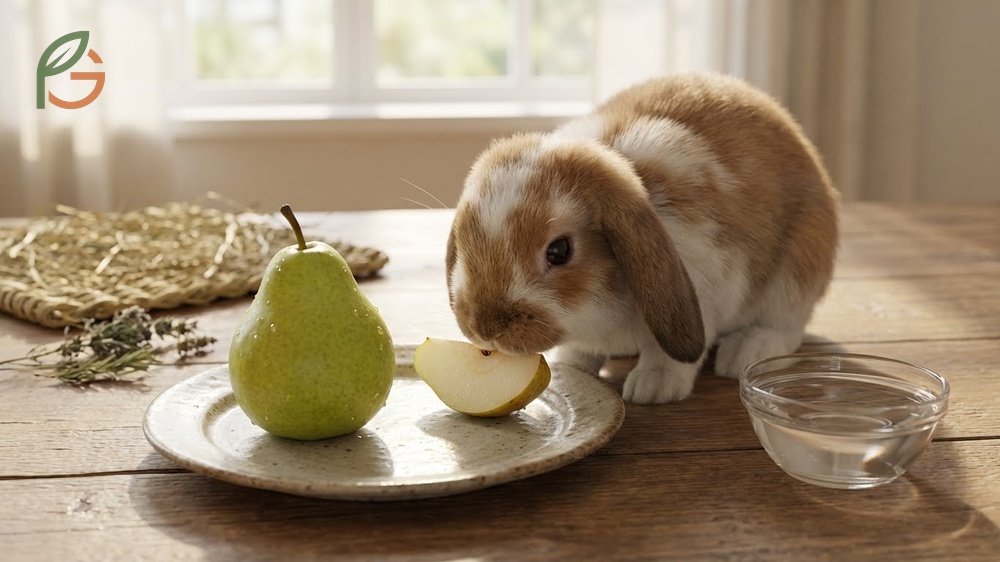
Rabbits can eat pears without toxicity concerns when offered in controlled amounts. Pears deliver valuable hydration from their 84% water content and contribute fiber that supports normal gut motility[6]. The fruit’s natural sweetness makes it highly palatable to rabbits, who will eagerly consume it when available.
Current veterinary guidance positions pears as occasional treats rather than dietary staples due to their sugar concentration. A medium pear contains approximately 57 calories per 100g with nearly 10g of natural sugars[6]. This sugar profile requires careful portioning to prevent disruption of the rabbit’s sensitive digestive system.
Studies demonstrate that rabbits have evolved to digest fruit sugars efficiently through increased fructose processing capacity in their small intestine[7]. However, excessive sugar intake overwhelms the cecum with undigested carbohydrates, encouraging harmful bacterial overgrowth. This makes portion control critical for maintaining gut health.
Why Pears Work as Treats
Pears offer several nutritional advantages that make them suitable as occasional rewards. The fiber content aids in maintaining digestive regularity, while the fruit’s moisture helps prevent dehydration during warm weather. Pears also contain vitamin C, vitamin K, and potassium in modest amounts[3].
Most rabbits show strong preference for pear’s sweet, juicy texture. This palatability makes pears effective training tools or medication delivery vehicles when needed. The soft flesh doesn’t require extensive chewing, making it accessible even for rabbits with minor dental concerns.
Sugar Content Concerns
The primary limitation of pears centers on their sugar concentration. With 8.9-9.8g of sugar per 100g, pears rank among medium-to-high sugar fruits[8]. Fructose accounts for roughly 6.4g of this total, representing the dominant sugar type that rabbits process most efficiently.
Research indicates that undigested sugars reaching the cecum promote pathogenic bacteria growth, leading to conditions like gastrointestinal stasis. This life-threatening condition causes complete digestive shutdown, requiring emergency veterinary intervention. Even subclinical sugar excess produces softer stools and disrupted cecotroph production.
Important Note: Baby rabbits under 12 weeks should never receive fruit treats. Their developing digestive systems require exclusive focus on hay and age-appropriate greens to establish healthy gut bacteria colonies[1].
Can Rabbits Have Pears Safely
Safe pear feeding requires specific preparation steps to eliminate hazards. The most critical safety measure involves complete seed and core removal before offering any pear pieces to rabbits. Proper washing eliminates pesticide residues, while size control prevents choking risks.
Evidence suggests that gradual introduction works best when adding pears to a rabbit’s diet. Start with a small piece—no larger than a thumbnail—and monitor for 24-48 hours. Watch for changes in stool consistency, eating behavior, or energy levels that might indicate digestive sensitivity.
Removing Seeds for Rabbits
Pear seeds contain amygdalin compounds that release cyanide during digestion. While the trace amounts in a single seed rarely cause immediate harm, accumulation over multiple exposures creates toxicity risk[3]. This makes complete seed removal non-negotiable for responsible pear feeding.
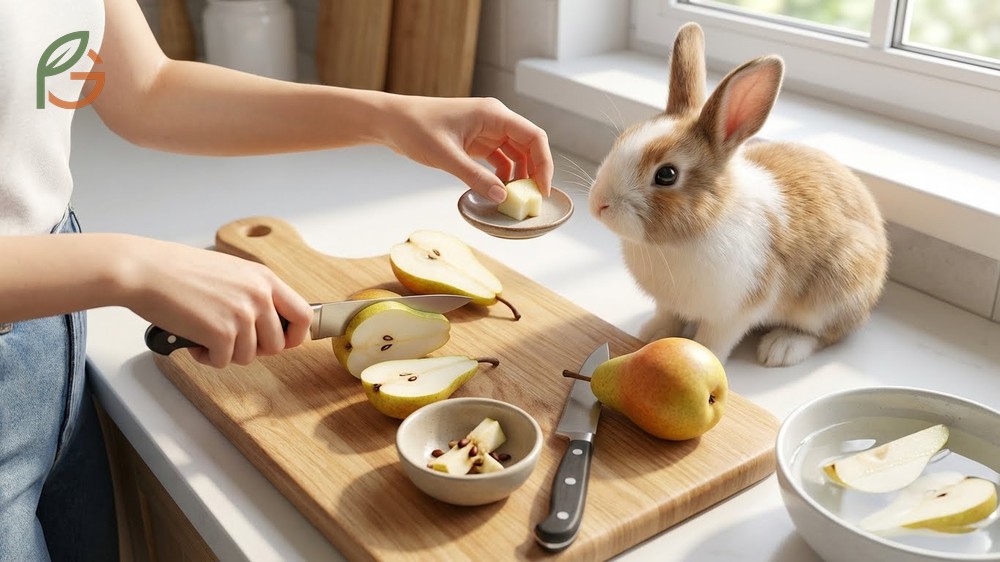
Cut pears vertically through the center to expose the seed cavity. Remove the entire core section containing seeds and surrounding tough tissue. Inspect remaining flesh carefully to ensure no seed fragments remain before serving to your rabbit.
- Wash pears thoroughly under running water to remove pesticides and wax coatings
- Cut the pear in half lengthwise to expose the central seed cavity
- Remove the entire core section containing all seeds and surrounding fibrous material
- Slice the seedless flesh into small cubes approximately 1 inch in size
- Serve immediately or refrigerate in an airtight container for up to 24 hours
Pear Skin and Stem Safety
Pear skin contains additional fiber and remains safe for rabbit consumption after proper washing[1]. The skin’s slightly firmer texture provides beneficial chewing activity. Many rabbits actually prefer pear pieces with skin intact due to the varied texture.
Stems require different handling than skin. The woody, tough stem tissue proves difficult for rabbits to chew and digest properly[9]. Remove stems completely before serving to prevent choking hazards or intestinal blockage risks.
Rabbit Treat Portion Size
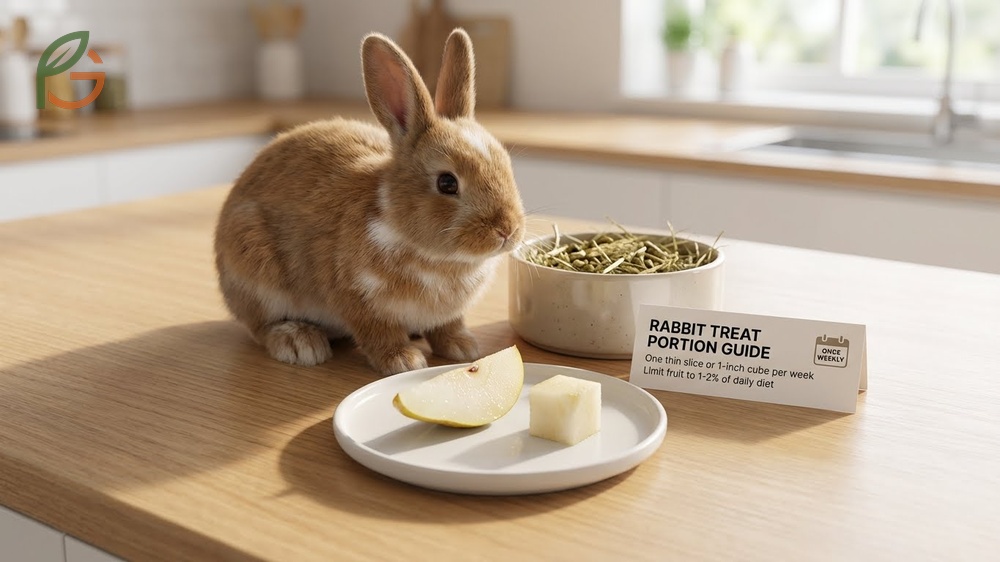
Veterinary nutritionists recommend limiting fruit treats to 1-2% of a rabbit’s total daily diet[5]. For pears specifically, this translates to one thin slice per week or a single 1-inch cube[4]. This frequency prevents sugar-related complications while maintaining treat value.
Frequency matters as much as portion size. Offering pears once or twice weekly allows rabbits to enjoy variety without compromising digestive health. Daily fruit feeding—even in small amounts—creates cumulative sugar exposure that disrupts gut bacteria balance over time.
Weight-based portioning provides more precise guidelines. A 4-pound adult rabbit should receive no more than half a tablespoon of fruit per day when treats are offered. Adjust portions downward for smaller breeds or rabbits with weight management concerns.
This table compares recommended pear portion sizes and weekly frequency limits across four rabbit weight categories from small to extra large breeds
| Rabbit Weight | Maximum Portion | Frequency | Visual Guide |
|---|---|---|---|
| 2-3 lbs (small breeds) | 1/2 inch cube | Once weekly | Half of a sugar cube size |
| 4-6 lbs (medium breeds) | 1 inch cube | 1-2 times weekly | Thumbnail size |
| 7-9 lbs (large breeds) | 1.5 inch cube | Twice weekly | Walnut half size |
| 10+ lbs (giant breeds) | 2 inch cube | Twice weekly | Ping pong ball size |
Portion Control Tip: Cut pear treats in advance and freeze individual portions in ice cube trays. This pre-portioning prevents overfeeding during treat time and extends pear freshness for several weeks.
Rabbit Digestive Health
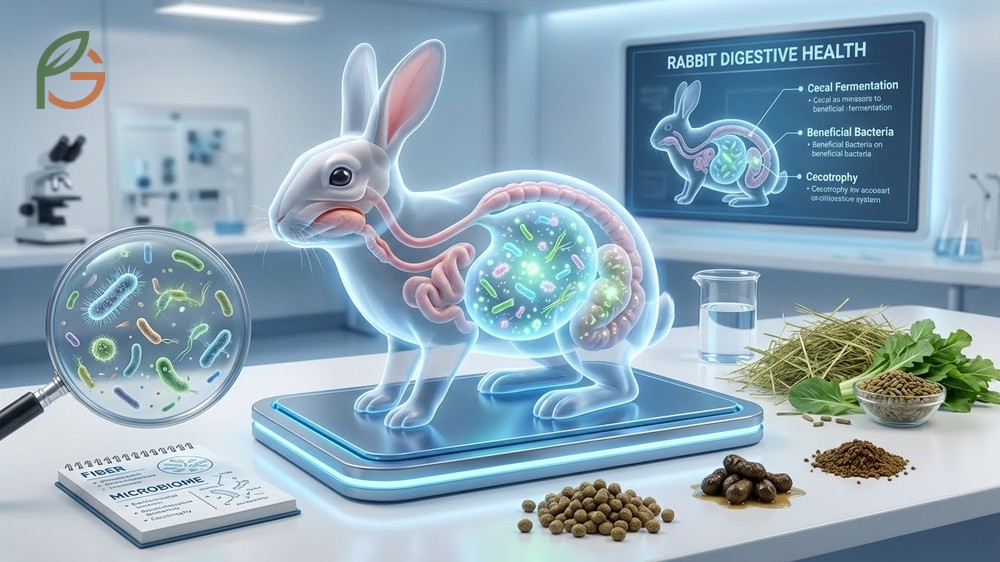
Rabbit digestive systems operate through unique fermentation processes that distinguish them from other herbivores. The cecum—a large fermentation chamber—houses billions of beneficial bacteria that break down plant fibers into absorbable nutrients. This delicate microbial ecosystem requires consistent fiber intake and minimal sugar exposure to function properly.
Current research shows that rabbits perform two-stage digestion through cecotrophy, consuming specialized fecal pellets called cecotrophs that contain concentrated nutrients[10]. Disruptions to this cycle from excessive sugar intake manifest as uneaten cecotrophs, soft stools, or complete digestive stasis. These symptoms require immediate veterinary attention.
Digestive health depends primarily on hay consumption, which should constitute 80-85% of total diet[5]. Hay provides the indigestible fiber that moves through the system, promoting gut motility and supporting healthy bacterial populations. Without adequate hay, even perfect fruit portioning can’t maintain digestive balance.
High Sugar Fruits Rabbits
Different fruits carry varying sugar loads that affect digestive safety. Pears fall into the medium-high category with their 9.8g sugar per 100g, requiring stricter portion control than lower-sugar options. Understanding fruit sugar rankings helps owners make informed treat selections.
Bananas contain roughly 12-17g sugar per 100g, making them higher risk than pears. Grapes deliver concentrated sugar in small volumes, with approximately 15-16g per 100g. Conversely, berries like strawberries and raspberries provide 4-7g sugar per 100g, offering safer alternatives for more frequent treats.
- Strawberries: 4-5g sugar per 100g (lowest sugar option for frequent treats)
- Blueberries: 10g sugar per 100g (moderate option, similar to pears)
- Apples: 10-11g sugar per 100g (comparable to pears, remove seeds)
- Bananas: 12-17g sugar per 100g (higher sugar, use sparingly)
- Grapes: 15-16g sugar per 100g (highest sugar, minimal portions only)
Signs of Digestive Problems
Monitoring for digestive changes after introducing pears helps identify sensitivity early. Normal rabbit digestion produces consistent, round fecal pellets and regular cecotroph consumption. Deviations from these patterns signal potential problems requiring dietary adjustment or veterinary care.
Soft stools appearing within 12-24 hours of pear feeding indicate sugar overload. The excess fructose reaching the cecum disrupts bacterial balance, producing loose, sticky droppings instead of firm pellets. Reduce or eliminate fruit treats if this occurs, and ensure hay comprises the bulk of daily intake.
- Soft, misshapen fecal pellets or diarrhea appearing within 24 hours of feeding
- Uneaten cecotrophs stuck to fur or found in living areas (indicates fermentation problems)
- Reduced appetite or complete refusal of hay and vegetables for 6+ hours
- Visible bloating, hunched posture, or tooth grinding indicating abdominal pain
- Decreased activity levels or hiding behavior lasting more than a few hours
Safe Vegetables for Rabbits
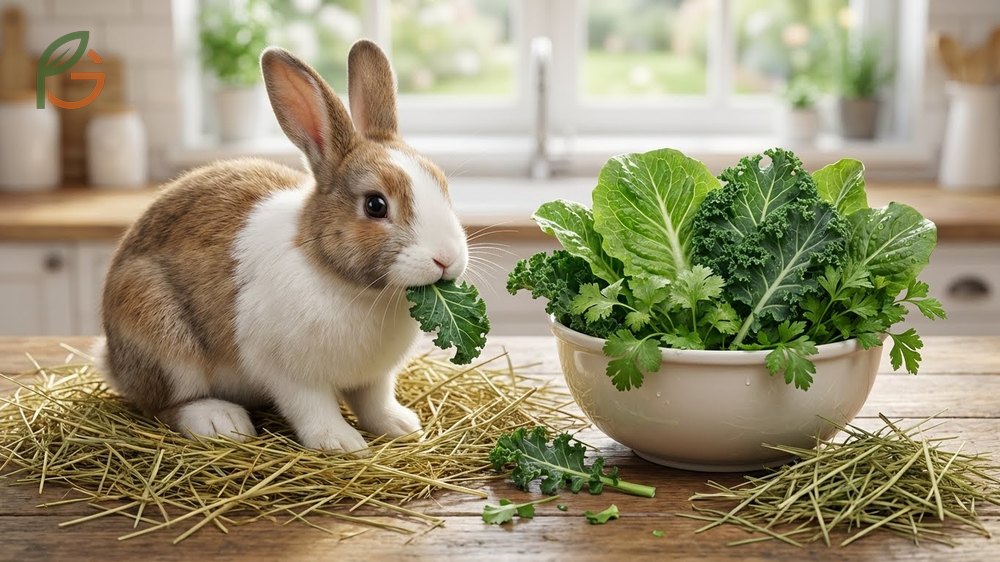
Vegetables form the foundation of a healthy rabbit diet alongside hay, providing essential nutrients without excessive sugar. Leafy greens should constitute approximately 10-15% of daily food intake, roughly equivalent to 2 cups per kilogram of body weight[5]. These vegetables deliver vitamins, minerals, and moisture while maintaining digestive balance.
Dark leafy greens offer the highest nutritional value for daily feeding. Romaine lettuce, kale, cilantro, and parsley provide excellent nutrient density with minimal sugar content. Rotate 3-5 different greens daily to ensure varied vitamin intake and prevent selective feeding habits.
Non-leafy vegetables work well as supplementary options. Bell peppers, cucumber, zucchini, and celery provide hydration and fiber without significant sugar loads. These crunchy vegetables also promote dental health through natural chewing activity. Avoid starchy vegetables like potatoes or corn, which create similar digestive problems as excessive fruit.
- Romaine lettuce and other dark leafy lettuces (avoid iceberg, which lacks nutrition)
- Kale, spinach, and chard in rotation (limit due to oxalate content)
- Bell peppers of all colors (excellent vitamin C source)
- Cucumber and zucchini (high water content for hydration)
- Celery, bok choy, and fennel (good for dental health through chewing)
- Fresh herbs including cilantro, basil, parsley, and mint
Vegetable Safety Note: Introduce new vegetables gradually, one at a time over 3-5 days. Monitor stools for changes that might indicate digestive sensitivity. Some rabbits show individual intolerances to specific vegetables that others tolerate perfectly.
Conclusion
The evidence confirms that can rabbits eat pears receives a qualified yes—when owners follow strict portioning guidelines and proper preparation methods. Research demonstrates that pears provide beneficial hydration and fiber alongside problematic sugar content requiring careful management. Successful pear feeding depends on maintaining the 1-2% treat maximum, removing all seeds, and monitoring digestive responses after introduction.
Current veterinary guidance emphasizes hay as the irreplaceable foundation of rabbit nutrition, with vegetables filling nutritional gaps and fruits serving purely as occasional rewards. FruitGarden recommends starting with lower-sugar alternatives like strawberries before introducing pears, and always prioritizing leafy greens over fruit treats for daily feeding.
Medical Disclaimer
Important Veterinary Disclaimer: This content is for informational and educational purposes only. It is not intended as a substitute for professional veterinary advice, diagnosis, or treatment. Always consult a qualified veterinarian before making changes to your rabbit’s diet, especially if your rabbit has pre-existing health conditions, digestive sensitivities, or special dietary needs. Individual rabbits may react differently to the same foods, and what works safely for one rabbit may cause problems in another.
Frequently Asked Questions
How often can I give my rabbit pears?
Offer pears once or twice weekly at most, with each serving limited to a single 1-inch cube or thin slice. More frequent feeding creates cumulative sugar exposure that disrupts digestive bacteria balance and can lead to soft stools or weight gain over time.
Do I need to peel pears before feeding them to rabbits?
No, pear skin is safe and contains additional fiber that benefits digestion. Wash pears thoroughly under running water to remove pesticides and wax, but leave the skin intact. Most rabbits enjoy the varied texture that skin provides.
What happens if my rabbit eats pear seeds?
Pear seeds contain amygdalin compounds that release cyanide during digestion. While a single seed rarely causes immediate toxicity, repeated exposure creates cumulative risk. Remove all seeds and core material before serving pears, and contact your veterinarian if your rabbit accidentally consumes multiple seeds.
Can baby rabbits eat pears?
No, baby rabbits under 12 weeks old should never receive fruit treats. Their developing digestive systems need exclusive focus on hay and age-appropriate leafy greens to establish healthy gut bacteria colonies. Introduce fruit only after the rabbit reaches 12 weeks and has transitioned to an adult diet.
Are pears better than other fruits for rabbits?
Pears rank as a moderate option with approximately 9.8g sugar per 100g. Strawberries and raspberries offer safer alternatives with only 4-7g sugar per 100g, allowing slightly more frequent feeding. Bananas and grapes contain 12-17g sugar per 100g, requiring stricter portion control than pears.
What should I do if my rabbit has diarrhea after eating pears?
Stop all fruit treats immediately and ensure unlimited hay access to restore fiber intake. Monitor your rabbit closely for 24 hours—if soft stools persist beyond this period, or if your rabbit stops eating entirely, contact your veterinarian promptly. Diarrhea lasting more than 24 hours can lead to dangerous dehydration.
Can rabbits eat canned or dried pears?
No, stick to fresh pears only. Canned pears typically contain added sugars and syrups that dramatically increase sugar content beyond safe levels. Dried pears concentrate natural sugars through water removal, creating portions with 4-5 times the sugar density of fresh fruit. Both forms pose serious digestive risks.





