
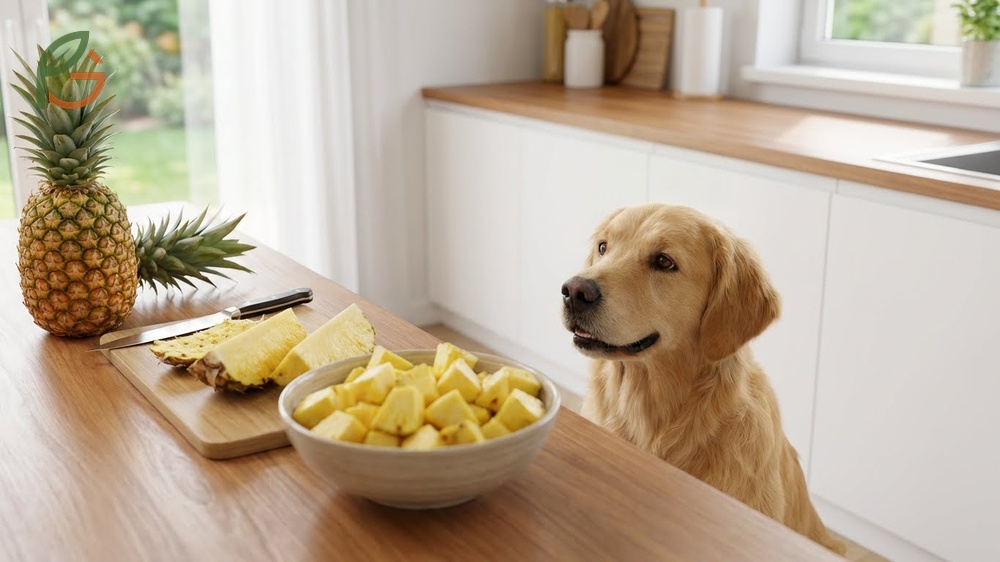
Can dogs eat pineapple? Yes, dogs can safely eat fresh pineapple in moderation. Research shows that raw pineapple provides vitamin C, fiber, and bromelain—an enzyme that aids digestion and reduces inflammation[1]. However, you’ll need to remove the core and skin, which pose choking hazards[2]. FruitGarden synthesizes current veterinary research to help pet owners make informed decisions about fruits that benefit their dogs.
Quick Answer
- Fresh pineapple is safe for dogs when served in small amounts (no more than 10% of daily calories)[3]
- Contains bromelain enzyme that supports protein digestion and reduces joint inflammation[1]
- Always remove the core and skin—they can cause intestinal blockages[2]
- Avoid canned pineapple due to high sugar content in syrup[4]
Can Dogs Eat Pineapple
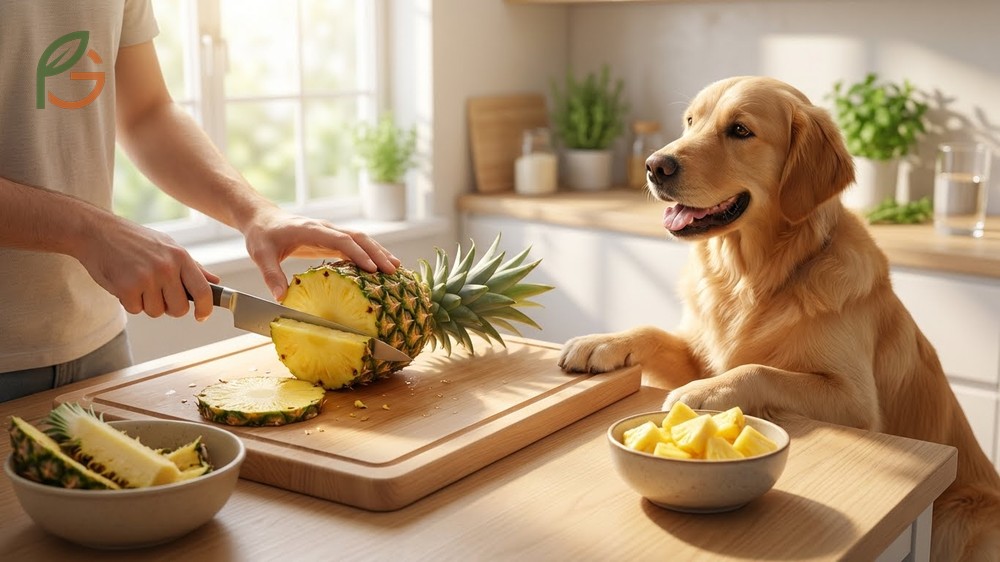
Dogs can safely enjoy fresh, raw pineapple as an occasional treat. The American Kennel Club confirms that small amounts of raw pineapple make an excellent snack when properly prepared[1]. Studies demonstrate that pineapple contains 82-86% water, making it a hydrating option during warmer months[4].
The key to safe pineapple feeding lies in preparation. Remove all tough parts before serving—the spiky skin and fibrous core aren’t digestible for dogs. These components can lodge in your dog’s throat or intestinal tract, creating dangerous blockages that require emergency veterinary intervention[2].
Fresh pineapple works best when cut into bite-sized pieces appropriate for your dog’s size. Frozen pineapple chunks serve as refreshing summer treats without added ingredients. What matters most is serving pineapple plain—without sugary toppings, artificial sweeteners, or cooked alongside toxic ingredients like garlic or onion.
Nutritional Benefits for Dogs
Pineapple delivers essential nutrients that support canine health. Current data indicates that this tropical fruit provides vitamin C for immune function, vitamin B6 for hormone regulation, and minerals including manganese, potassium, and zinc[4]. The fiber content—approximately 0.8 grams per 56-gram serving—aids digestive regularity.
Antioxidants in pineapple help repair damaged cells and combat oxidative stress. These compounds protect against cellular aging and support overall vitality in dogs of all ages. The natural enzymes present in raw pineapple remain active when served fresh, offering maximum nutritional benefit.
Proper Serving Method
Start with one or two small pieces to test your dog’s tolerance. Monitor for any digestive upset over the next 24 hours before increasing the amount. Most dogs tolerate pineapple well, but individual sensitivities can occur.
Treats should constitute no more than 10% of your dog’s total daily caloric intake[3]. This guideline helps prevent weight gain and digestive issues from excessive fruit consumption. For a 50-pound dog, this translates to approximately 5-6 bite-sized pieces per day.
Important Note: Always consult your veterinarian before introducing new foods if your dog takes medications or has existing health conditions like diabetes. Pineapple’s natural sugar content may affect blood glucose levels.
Is Pineapple Good for Dogs
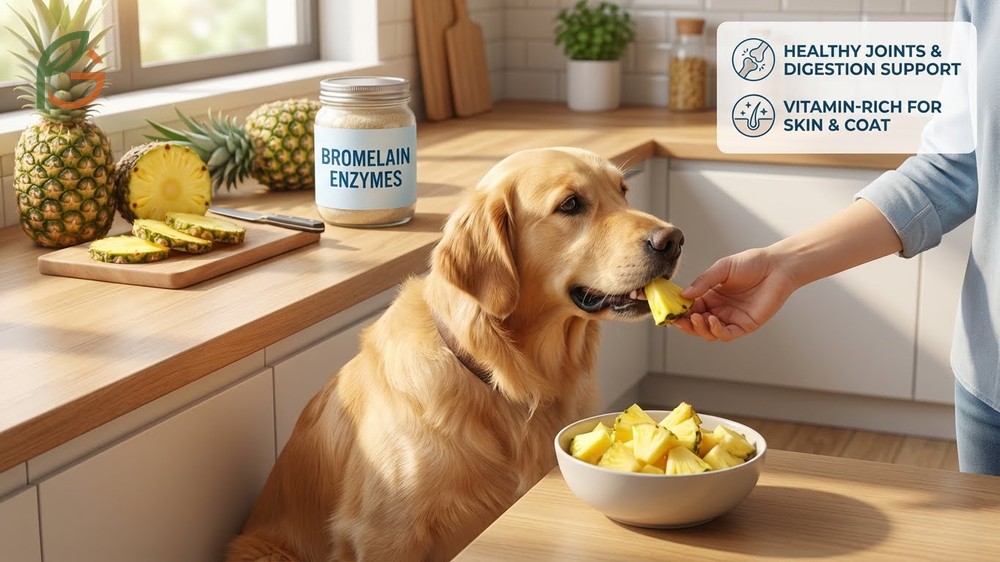
Yes, pineapple offers multiple health benefits when incorporated into your dog’s diet thoughtfully. Research shows that the nutrients in pineapple support various aspects of canine wellness, from digestive function to joint health. The key enzyme bromelain distinguishes pineapple from other fruits as a functional food for dogs.
Evidence suggests that regular, moderate pineapple consumption may help dogs maintain healthy skin and coat condition due to its vitamin content. The high water content also contributes to hydration, particularly beneficial for dogs who don’t drink adequate water throughout the day.
Digestive Health Support
Pineapple’s fiber content promotes healthy bowel movements and supports beneficial gut bacteria. The natural enzymes assist in breaking down proteins, which can ease digestive strain in dogs with sensitive stomachs. This makes pineapple a gentle option for dogs transitioning between diets or experiencing mild digestive discomfort.
Current guidance emphasizes that fiber from whole fruits like pineapple works more effectively than synthetic supplements. The combination of soluble and insoluble fiber in pineapple helps regulate digestive transit time while supporting the intestinal lining.
Immune System Boost
Vitamin C acts as a powerful antioxidant that strengthens your dog’s immune response. While dogs produce vitamin C naturally, additional dietary sources provide extra protection during stress, illness, or recovery periods. The antioxidants in pineapple combat free radicals that contribute to inflammation and cellular damage.
Manganese supports enzyme function and bone development, particularly important for growing puppies and active adult dogs. The mineral content in pineapple contributes to metabolic processes that keep your dog energized and healthy.
- Supports protein digestion through natural enzymes
- Provides hydration with 82-86% water content
- Delivers vitamin C for immune system function
- Contains manganese for bone health and metabolism
- Offers antioxidants that protect against cellular damage
- Supplies dietary fiber for digestive regularity
Can Dogs Eat Pineapple Core
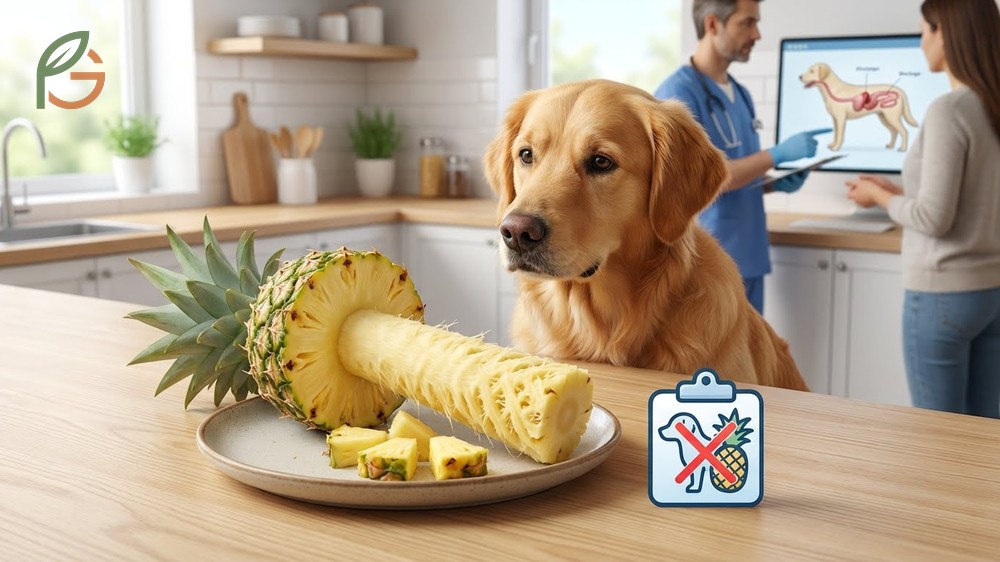
No, dogs cannot eat pineapple core under any circumstances. The core’s dense, fibrous structure makes it impossible for dogs to digest properly[2]. Veterinary data shows that pineapple cores pose serious choking risks and frequently cause intestinal obstructions requiring surgical intervention.
The tough texture doesn’t break down during chewing or digestion. If swallowed, core pieces can become lodged in the esophagus, stomach, or intestines. These blockages prevent normal digestive function and cause severe pain, vomiting, and potentially life-threatening complications.
Similarly, pineapple skin presents identical hazards. The spiky exterior and tough rind can’t be processed by your dog’s digestive system. Always discard these parts in a secure trash container where your dog can’t access them. If your dog accidentally consumes pineapple core or skin, contact your veterinarian immediately for guidance.
Emergency Warning: Watch for signs of obstruction including excessive drooling, gagging, vomiting, abdominal pain, loss of appetite, or difficulty defecating. These symptoms require immediate veterinary attention.
Can Dogs Eat Canned Pineapple
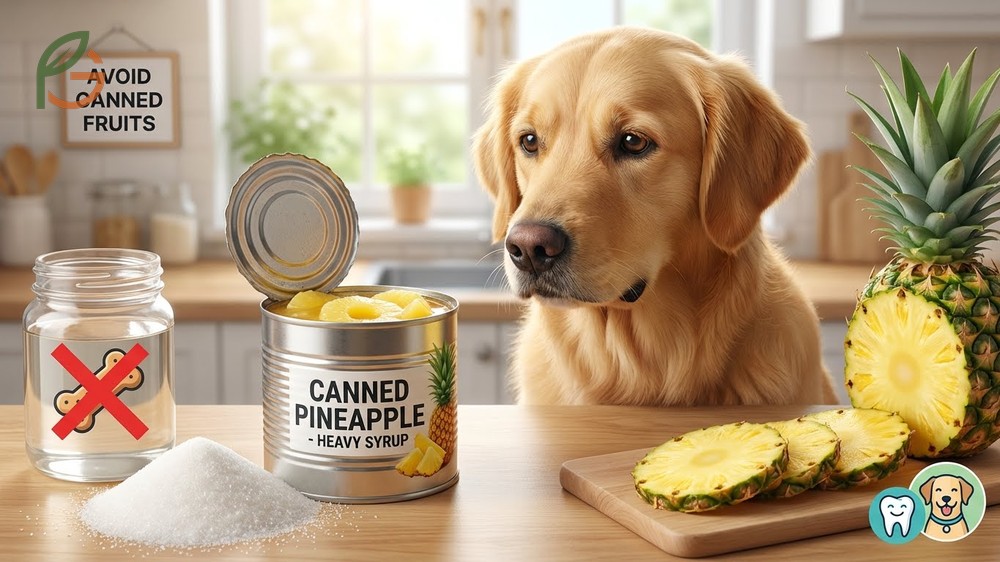
Avoid feeding your dog canned pineapple due to the high sugar content in preserving syrup. Most canned fruits contain added sugars that exceed safe levels for canine consumption[1]. These excess sugars can lead to weight gain, dental problems, and blood sugar spikes—particularly dangerous for dogs with diabetes or obesity.
The canning process also reduces nutritional value compared to fresh pineapple. Heat treatment breaks down heat-sensitive vitamins and may denature beneficial enzymes like bromelain. You’re essentially offering your dog empty calories without the health benefits that make fresh pineapple worthwhile.
Even varieties labeled “in juice” or “no sugar added” aren’t ideal choices. The concentrated fruit juice still contains natural sugars at levels higher than fresh fruit. Artificial sweeteners like xylitol, sometimes found in sugar-free canned products, are toxic to dogs and can cause liver failure.
- Canned pineapple in heavy syrup—contains excessive added sugar
- Canned pineapple in light syrup—still has problematic sugar levels
- Canned pineapple in juice—concentrated natural sugars too high
- Sugar-free canned varieties—may contain toxic xylitol
- Dried pineapple—concentrated sugar content per piece
Stick with fresh, raw pineapple for the safest and most nutritious option. Frozen fresh pineapple pieces work as a convenient alternative without the drawbacks of canned products. The minimal extra effort of preparing fresh pineapple protects your dog’s health long-term.
How Much Pineapple to Give Dog to Stop Eating Poop
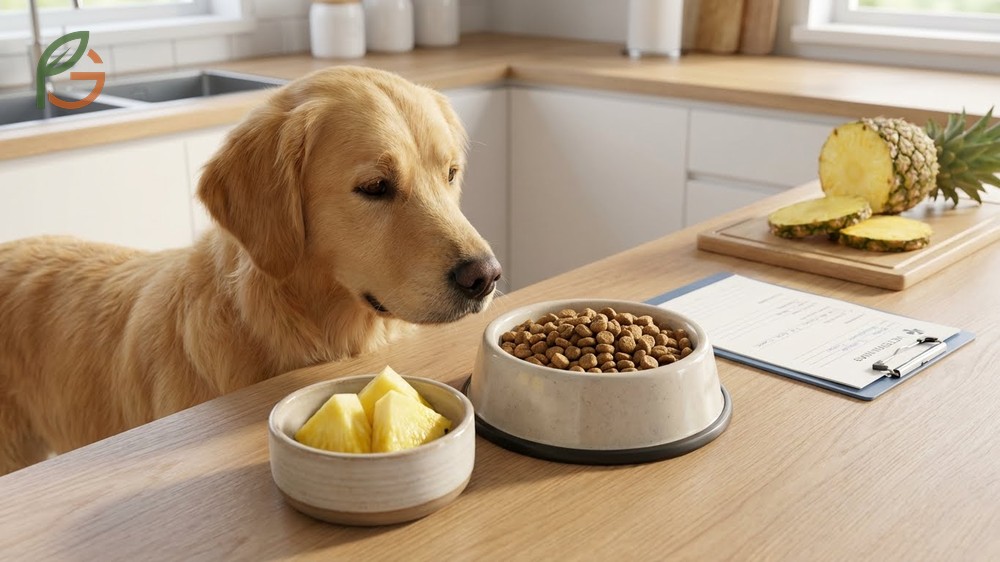
Veterinarians sometimes recommend pineapple as a deterrent for coprophagia—the behavior of eating feces. The theory suggests that bromelain changes the taste of stool, making it less appealing. Evidence remains anecdotal rather than scientifically proven, but many dog owners report success with this home remedy.
For coprophagia prevention, add 2-3 small chunks of fresh pineapple to your dog’s regular meals once daily. This amount provides enough bromelain to potentially alter fecal taste without causing digestive upset from excessive fruit consumption. Consistency matters—you’ll need to maintain this routine for at least two weeks to see results.
The approach works by changing the chemical composition of your dog’s waste through enzymatic activity. However, pineapple addresses symptoms rather than underlying causes. Coprophagia often signals nutritional deficiencies, digestive enzyme insufficiency, boredom, or behavioral issues that require professional evaluation.
This table shows recommended pineapple serving sizes by dog weight for both general treats and coprophagia prevention, including daily limits and frequency
| Dog Size | Weight Range | General Treat Amount | Coprophagia Prevention |
|---|---|---|---|
| Extra-Small | Under 10 lbs | 1-2 small pieces[3] | 1 chunk daily with meals |
| Small | 10-25 lbs | 2-3 bite-sized pieces[3] | 2 chunks daily with meals |
| Medium | 25-50 lbs | 5-6 pieces[3] | 3 chunks daily with meals |
| Large | 50-75 lbs | One handful[3] | 3-4 chunks daily with meals |
| Extra-Large | 75+ lbs | Large handful[3] | 4-5 chunks daily with meals |
If you have multiple dogs, feed pineapple to all of them so every dog’s feces becomes equally unappealing. This comprehensive approach prevents one dog from targeting another’s waste. Don’t expect immediate results—behavioral changes typically require two to four weeks of consistent pineapple supplementation.
Remember that pineapple won’t solve every coprophagia case. If your dog continues eating feces after a month of pineapple treatment, schedule a veterinary exam to rule out medical causes like enzyme deficiencies, parasites, or malabsorption disorders.
Bromelain for Dogs
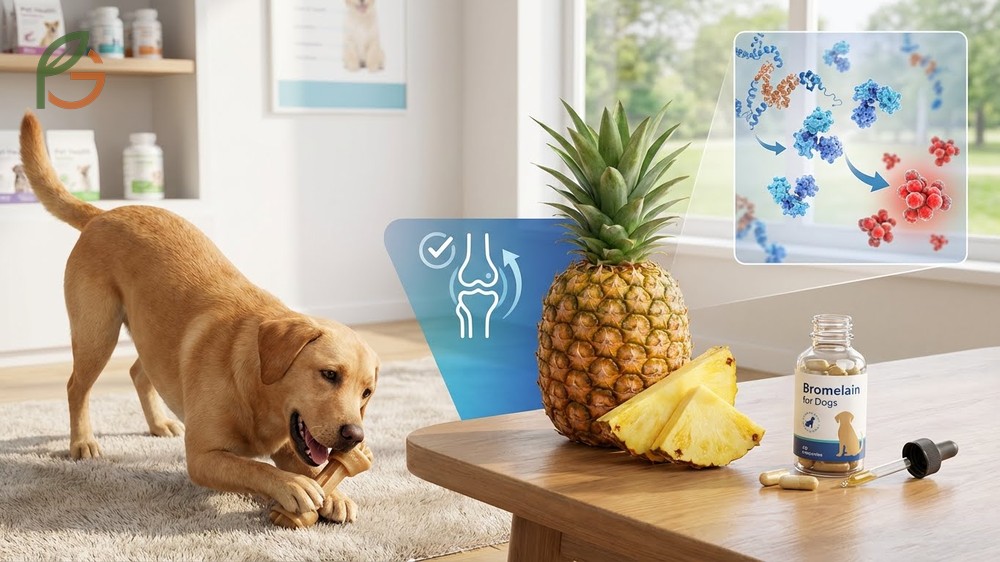
Bromelain stands as pineapple’s most valuable component for canine health. This proteolytic enzyme breaks down protein molecules into smaller peptides, supporting more efficient digestion[1]. Research demonstrates that bromelain also carries anti-inflammatory properties beneficial for dogs with arthritis or joint discomfort.
The enzyme works by reducing inflammation at the molecular level, which translates to decreased pain and improved mobility for dogs with joint conditions. Studies show that bromelain may speed recovery after surgery or strenuous exercise by minimizing tissue inflammation and swelling. This makes pineapple particularly valuable for athletic dogs or senior dogs with age-related joint issues.
Bromelain’s effects extend beyond digestion and inflammation. Current data indicates potential benefits for dental health, as the enzyme helps break down plaque and combat oral bacteria. Some commercial dental products for dogs now incorporate bromelain as an active ingredient for these reasons.
- Aids protein digestion and nutrient absorption
- Reduces joint inflammation and arthritis symptoms
- Supports post-surgical recovery by minimizing swelling
- Helps break down dental plaque naturally
- May ease symptoms of inflammatory bowel conditions
- Assists dogs with pancreatic enzyme insufficiency
The concentration of bromelain is highest in fresh, raw pineapple—particularly in the core. However, since dogs can’t safely eat the core, stick to the flesh portions that contain adequate bromelain levels. Cooking destroys bromelain’s enzymatic activity, so always serve pineapple raw to maximize benefits.
Veterinary Tip: Dogs taking blood-thinning medications should avoid pineapple, as bromelain may enhance anticoagulant effects. Always check with your vet before adding pineapple if your dog takes any prescription medications.
Conclusion
The evidence is clear: can dogs eat pineapple safely when you follow proper preparation guidelines. Fresh pineapple offers valuable nutrients, hydration, and bromelain’s digestive and anti-inflammatory benefits. Remove the dangerous core and skin, avoid canned varieties with added sugars, and stick to moderate portions based on your dog’s size.
Current veterinary guidance emphasizes treating pineapple as an occasional snack rather than a dietary staple. Most dogs enjoy the sweet flavor and benefit from the nutritional boost without adverse effects. FruitGarden continues to synthesize the latest pet nutrition research to help you make informed choices about incorporating fruits safely into your dog’s diet.
Medical Disclaimer
Important Medical Disclaimer: This content is for informational and educational purposes only. It is not intended as a substitute for professional veterinary advice, diagnosis, or treatment. Always consult a qualified veterinarian before making any changes to your dog’s diet, medication, or health routine, especially if your dog has diabetes, takes medications, or has existing medical conditions. Individual dogs may react differently to new foods.
Frequently Asked Questions
Is Pineapple Safe for Dogs?
Yes, fresh pineapple is safe for dogs when prepared correctly. Remove the core and skin completely before serving bite-sized pieces. Limit portions to no more than 10% of your dog’s daily caloric intake to prevent digestive upset from excessive sugar and fiber.
Can Dogs Have Pineapple Juice?
Dogs can have small amounts of pure pineapple juice without additives, but it’s not recommended. Juice concentrates the sugar content while removing beneficial fiber, making it less nutritious than fresh fruit. Never give juice containing artificial sweeteners like xylitol, which is toxic to dogs.
Can Dogs Eat Pineapple Skin?
No, dogs cannot eat pineapple skin. The spiky, tough rind poses serious choking hazards and can cause intestinal blockages if swallowed. The fibrous texture doesn’t break down during digestion, potentially requiring emergency surgery to remove. Always discard skin where dogs can’t access it.
Is Pineapple Toxic to Dogs?
No, pineapple is not toxic to dogs. The flesh contains no poisonous compounds and is safe for canine consumption. However, excessive amounts can cause digestive upset due to high sugar and fiber content. The core and skin present physical hazards rather than toxicity concerns.
Can Dogs Eat Dried Pineapple?
Dogs can eat unsweetened dried pineapple in very small amounts, but fresh is better. Drying concentrates the natural sugars, meaning dried pieces pack more sugar per bite. Check ingredients carefully—many commercial dried fruits add sugar or preservatives unsuitable for dogs.
Can French Bulldogs Eat Pineapple?
Yes, French Bulldogs can eat pineapple following the same guidelines as other breeds. Cut pieces extra small due to their compact jaw structure and brachycephalic anatomy, which makes choking more likely. Start with one small piece and monitor for any breathing difficulties or digestive reactions.
Can Dogs Eat Frozen Pineapple?
Yes, frozen pineapple makes an excellent treat for dogs, especially during hot weather. Freezing doesn’t diminish nutritional value and provides longer-lasting enjoyment. Ensure pieces are appropriately sized for your dog to prevent choking, and serve at partially thawed temperatures to avoid dental damage from extremely hard frozen pieces.





