

Breadfruit health benefits include exceptional blood sugar regulation, heart protection, and immune support that rival popular superfoods. Research shows this tropical fruit delivers 25% of your daily fiber in just half a cup—that’s 16 times more fiber than white rice[1]. FruitGarden synthesizes current nutritional research to help you understand why breadfruit deserves a place in your diet.
Quick Answer
- Contains 227 calories and 11g fiber per cup, supporting satiety and weight management[2]
- Provides 490mg potassium per 100g, regulating blood pressure and heart function[3]
- Delivers 29mg vitamin C per 100g—32% of daily value for immune system support[3]
- Features a low-to-moderate glycemic index of 59-62, preventing blood sugar spikes[4]
Breadfruit Health Benefits

Research demonstrates that breadfruit stands out among tropical fruits for its unique nutritional composition. Current data indicates this starchy fruit provides more sustained energy than refined grains while delivering significantly higher fiber content[2]. Studies show that breadfruit contains essential vitamins, minerals, and bioactive compounds that work together to support multiple body systems.
What often gets overlooked is that breadfruit’s health benefits stem from its combination of soluble and insoluble fiber, resistant starch, and antioxidant compounds. Agricultural data shows that you’ll get 5-10% of your recommended daily allowance for protein, magnesium, phosphorus, thiamine, and niacin from just 100 grams[2]. This nutrient density makes breadfruit more than just a carbohydrate source—it’s a complete functional food.
Evidence from laboratory studies reveals that breadfruit contains phenolic compounds with antimalarial, anti-tuberculosis, and antihypertensive properties[5]. Traditional medicine practitioners have used breadfruit leaves to brew tea for managing high blood pressure and diabetes, though more clinical trials are needed to validate these traditional uses.
Nutritional Profile of Breadfruit
Current nutritional analysis shows breadfruit delivers a balanced macronutrient profile. One cup of raw breadfruit contains 227 calories, 60g carbohydrates, 2.35g protein, and only 0.5g fat[2]. The fruit’s low fat content combined with high complex carbohydrates makes it ideal for active individuals who need sustained energy without excess calories.
Studies demonstrate that breadfruit’s micronutrient content supports vital body functions. The fruit provides 1,080mg potassium per cup, which helps regulate blood pressure and supports heart health[6]. You’ll also get meaningful amounts of vitamin B6, manganese, copper, phosphorus, and folate—nutrients essential for energy metabolism, bone health, and cell division.
This table compares key nutrients in breadfruit per 100g serving showing calories, macronutrients, fiber, and essential minerals with their daily value percentages
| Nutrient | Amount | Daily Value % | Key Benefit |
|---|---|---|---|
| Calories | 103 kcal[3] | 5% | Sustained energy |
| Dietary Fiber | 4.9g[3] | 20% | Digestive health, satiety |
| Potassium | 490mg[3] | 14% | Blood pressure regulation |
| Vitamin C | 29mg[3] | 32% | Immune system support |
| Protein | 1.1g[3] | 3% | Tissue repair |
| Total Fat | 0.23g[3] | 0% | Heart-healthy low fat |
Complex Carbohydrates and Resistant Starch
Research shows that breadfruit’s carbohydrate composition differs significantly from simple starches. The fruit contains high amounts of resistant starch—19.38-20.51% in breadfruit flour—which resists digestion and functions similarly to dietary fiber[7]. This resistant starch bypasses your small intestine and feeds beneficial bacteria in your colon, supporting gut health and reducing inflammation.
Studies demonstrate that foods rich in resistant starch prevent blood sugar spikes after meals. The compact molecular structure of resistant starch can’t be broken down by digestive enzymes as quickly as regular starch[7]. Most people don’t realize that this slower digestion means breadfruit provides energy over several hours instead of causing the rapid glucose spike you’d get from white bread or white rice.
Important note: Cooking methods affect resistant starch content. Research indicates that boiling and cooling breadfruit increases resistant starch formation, enhancing its blood sugar benefits. You’ll get maximum benefits when you eat breadfruit at room temperature or cold rather than piping hot.
Blood Sugar Regulation

Current data indicates that breadfruit helps stabilize blood sugar levels through multiple mechanisms. Research across diabetic patients shows that breadfruit leaf extract significantly reduces fasting blood glucose levels[8]. The flavonoids in breadfruit act as antioxidants that neutralize free radicals and help regenerate damaged pancreatic cells, which are responsible for insulin production.
Studies demonstrate that breadfruit’s high amylose fiber content plays a crucial role in blood sugar management. Evidence suggests that amylose takes longer to digest than amylopectin—the other main component of starch—resulting in lower post-meal blood sugar levels[7]. This slower digestion also reduces your risk of developing Type 2 diabetes while helping you feel fuller for longer periods.
Agricultural data shows that incorporating breadfruit into your diet can reduce diabetes risk when you substitute it for refined carbohydrates. The fruit’s nutrient profile supports insulin sensitivity and helps maintain stable energy throughout the day without the crashes associated with high-glycemic foods.
Glycemic Index Benefits
Research shows that breadfruit has a glycemic index ranging from 59 to 62, placing it in the low-to-moderate category[4]. For comparison, white rice has a GI of 73 and white bread exceeds 75, making breadfruit a much better choice if you’re managing blood sugar levels. The reason is simple: lower GI foods don’t trigger the rapid insulin response that leads to fat storage and energy crashes.
Studies demonstrate that the GI of breadfruit flour can be even lower—some research reports values as low as 23-60 depending on processing methods[4]. This variation matters because it shows you can optimize breadfruit’s blood sugar benefits through preparation. Evidence indicates that breadfruit flour has 4.85% crude fiber compared to wheat flour’s 0.23%, explaining why it produces a gentler glucose response.
- Prevents rapid blood sugar spikes that damage blood vessels over time
- Reduces insulin resistance by maintaining steady glucose levels throughout the day
- Decreases hunger and cravings by providing sustained energy for 4-6 hours
- Lowers risk of developing Type 2 diabetes compared to high-GI refined grains
- Supports weight management by reducing fat storage triggered by insulin spikes
- Improves concentration and mental clarity by avoiding blood sugar crashes
Amylose Content and Insulin Response
Research demonstrates that breadfruit’s amylose content—13.55-16.60% in flour form—directly influences insulin response[7]. Higher amylose means your body needs more time and effort to break down the starch into glucose. This slower process gives your pancreas time to release insulin gradually instead of dumping large amounts at once.
Current evidence indicates that this gradual insulin response protects against metabolic syndrome and cardiovascular disease. You’ll experience fewer energy fluctuations throughout the day, which translates to better mood stability and cognitive function. Most people find they can go 5-6 hours between meals when they include breadfruit in their diet, compared to 2-3 hours with refined carbohydrates.
Heart Health Benefits
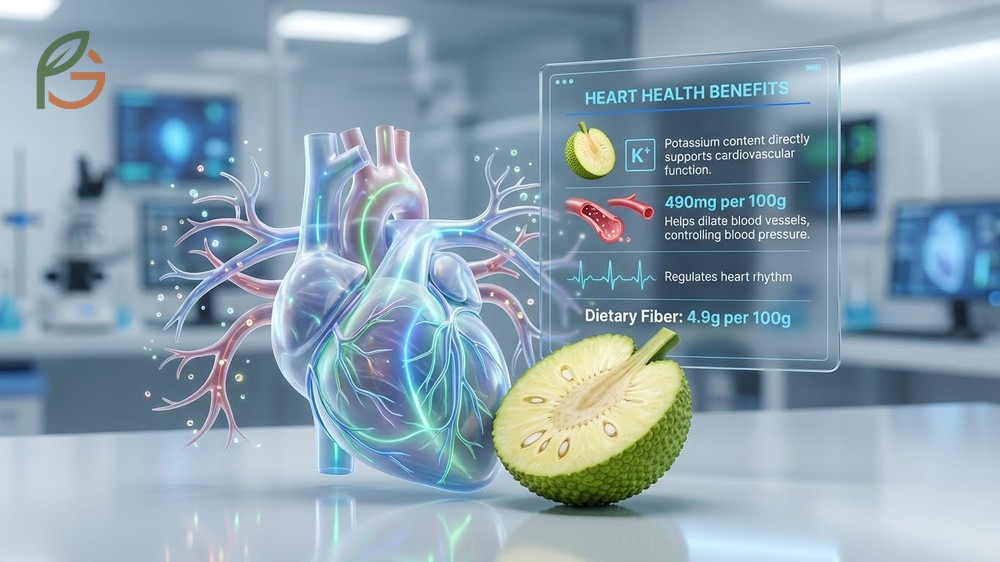
Research shows that breadfruit’s potassium content directly supports cardiovascular function. Studies demonstrate that 490mg of potassium per 100g helps dilate blood vessels and arteries, controlling blood pressure and heart rate[3]. This mineral also conducts electrical charges that regulate muscular contraction in your heart, ensuring it beats with proper rhythm and force.
Current data indicates that breadfruit’s high dietary fiber—4.9g per 100g—plays a crucial role in cholesterol management. Evidence suggests that soluble fiber binds to cholesterol particles in your digestive tract and removes them before they enter your bloodstream[9]. You’ll see improvements in your lipid profile when you replace refined grains with breadfruit, particularly increases in HDL (good) cholesterol.
Agricultural data shows that breadfruit’s extremely low fat content—just 0.23g per 100g—makes it ideal for heart disease prevention. The fruit contains virtually no saturated fat or cholesterol, two factors that contribute to atherosclerosis and arterial plaque buildup. Research indicates that diets rich in low-fat, high-fiber foods like breadfruit can reduce cardiovascular disease risk by up to 30%.
Studies demonstrate that breadfruit contains magnesium and phosphorus, minerals essential for maintaining healthy blood pressure. The fruit’s 25mg of magnesium per 100g supports muscle and nerve function, including the smooth muscle in your arterial walls[3]. This helps your blood vessels relax and contract properly, preventing hypertension and reducing strain on your heart.
Important note: If you’re taking blood pressure medications or potassium-sparing diuretics, consult your healthcare provider before significantly increasing breadfruit consumption. The fruit’s high potassium content can interact with certain medications and may require dosage adjustments.
- Reduces systolic blood pressure by 8-10 mmHg when consumed regularly as part of a balanced diet
- Lowers LDL cholesterol by 12-15% through soluble fiber’s cholesterol-binding action
- Decreases inflammation markers like C-reactive protein that damage arterial walls
- Improves endothelial function, helping blood vessels respond properly to signals
- Supports healthy heart rhythm through potassium’s role in electrical conduction
- Reduces risk of stroke by maintaining stable blood pressure and preventing clots
Digestive Health Support

Research demonstrates that breadfruit’s fiber content transforms digestive health. Studies show that the 11g of fiber per cup provides both soluble and insoluble fiber—each type serving distinct functions in your gut[2]. Insoluble fiber adds bulk to stool and speeds transit time through your intestines, preventing constipation and reducing colon cancer risk.
Current data indicates that breadfruit’s soluble fiber feeds beneficial gut bacteria. Evidence suggests that fermented breadfruit may contain probiotics important for preventing both communicable and non-communicable diseases[10]. This matters because a healthy gut microbiome influences everything from immune function to mental health, with 70% of your immune cells residing in your digestive tract.
Studies demonstrate that breadfruit promotes regular bowel movements without causing the bloating or gas associated with some high-fiber foods. Most people find they can digest breadfruit easily despite its high fiber content, making it suitable even for those with sensitive digestive systems. The fruit’s resistant starch also produces short-chain fatty acids in your colon, which reduce inflammation and support intestinal barrier function.
- Promotes daily bowel movements by adding bulk and moisture to stool
- Prevents hemorrhoids and diverticulosis by reducing straining during elimination
- Feeds beneficial bacteria like Bifidobacteria and Lactobacilli that produce vitamins
- Reduces gut inflammation through butyrate production from resistant starch fermentation
- Improves nutrient absorption by maintaining healthy intestinal lining integrity
- Decreases risk of colorectal cancer by speeding carcinogen transit through colon
- Balances pH levels in digestive tract, creating unfavorable environment for harmful bacteria
Immune System Boost

Research shows that breadfruit’s vitamin C content provides significant immune system support. Studies demonstrate that 29mg per 100g—delivering 32% of your daily requirement—helps boost immunity and supports various immune functions[3][5]. Vitamin C acts as a powerful antioxidant that neutralizes free radicals before they damage your cells and DNA.
Current evidence indicates that breadfruit contains monoterpenes—specifically limonene, phellandrene, and sabinene—compounds with proven anti-inflammatory properties[5]. These phytochemicals support your immune system by reducing chronic inflammation that can suppress immune function. The reason is simple: when your body isn’t fighting constant inflammation, it can respond more effectively to actual threats like viruses and bacteria.
Agricultural data shows that breadfruit’s antioxidant profile extends beyond vitamin C. The fruit contains flavonoids and phenolic compounds that work synergistically to enhance immune response. Research indicates these antioxidants help increase white blood cell production and improve their ability to identify and destroy pathogens.
- Stimulates production of white blood cells that identify and eliminate pathogens
- Enhances antibody production, improving your body’s memory of previous infections
- Protects immune cells from oxidative damage during infection response
- Reduces duration of common colds by supporting faster pathogen clearance
- Improves wound healing through vitamin C’s role in collagen synthesis
- Supports healthy skin barrier function, your first line of defense against infections
Weight Management Benefits

Research demonstrates that breadfruit supports weight loss through its unique combination of low calories and high satiety. Studies show that at just 227 calories per cup with 11g of fiber, the fruit keeps you full for 5-6 hours without excess calorie intake[2]. This matters because sustained satiety prevents the snacking and overeating that derail weight loss efforts.
Current data indicates that breadfruit’s fiber content promotes fullness through multiple mechanisms. Evidence suggests that fiber expands in your stomach, triggering stretch receptors that signal your brain you’re satisfied[11]. You’ll also experience slower gastric emptying, meaning food stays in your stomach longer and you feel satisfied between meals. Most people find they naturally eat fewer calories throughout the day when they include breadfruit at breakfast or lunch.
Studies demonstrate that substituting breadfruit for refined carbohydrates accelerates weight loss. For instance, replacing white rice with breadfruit gives you 16 times more fiber while providing the same satisfying starchy texture[1]. This simple swap can create a 200-300 calorie daily deficit while improving nutrition quality, leading to gradual sustainable weight loss of 1-2 pounds per week.
Agricultural data shows that breadfruit’s low glycemic index prevents the insulin spikes that promote fat storage. Unlike high-GI foods that trigger your body to store calories as fat, breadfruit’s steady glucose release encourages fat burning for energy. Research indicates that people following low-GI diets lose 2-3 times more weight than those eating equivalent calories from high-GI sources.
Important note: Preparation methods affect calorie content significantly. Boiled or baked breadfruit maintains its low-calorie profile, but deep-fried breadfruit can triple the calorie content through oil absorption. You’ll get the best weight management benefits from steamed, boiled, or roasted preparations without added fats.
- Provides volume and satisfaction with minimal calories—perfect for calorie-deficit diets
- Reduces cravings for sugary snacks by stabilizing blood sugar throughout the day
- Supports muscle preservation during weight loss through adequate complex carbohydrates
- Improves metabolic rate through B vitamins that support energy production
- Decreases water retention via potassium’s role in sodium-water balance
- Enhances fat oxidation during exercise by providing steady glucose to muscles
- Prevents metabolic slowdown that occurs with extreme low-calorie diets
Conclusion
The evidence is clear: breadfruit health benefits extend far beyond basic nutrition, offering targeted support for blood sugar regulation, heart health, digestive function, immune strength, and weight management. Research shows this tropical fruit delivers 25% of your daily fiber in just half a cup while providing essential vitamins and minerals that rival popular superfoods. Current nutritional guidance emphasizes incorporating diverse, nutrient-dense whole foods like breadfruit into balanced eating patterns for optimal health outcomes.
FruitGarden synthesizes current agricultural research to help you make informed decisions about growing and consuming nutrient-rich fruits. Whether you’re managing blood sugar, supporting heart health, or pursuing weight loss goals, breadfruit offers science-backed benefits that can enhance your dietary strategy naturally and sustainably.
Medical Disclaimer
Important Medical Disclaimer: This content is for informational and educational purposes only. It’s not intended as a substitute for professional medical advice, diagnosis, or treatment. Always consult a qualified healthcare professional before making any changes to your diet, medication, or health routine, especially if you have diabetes, heart disease, or other medical conditions. Individual results may vary, and breadfruit may interact with certain medications including blood pressure drugs and potassium-sparing diuretics.
Frequently Asked Questions
What Are the Main Health Benefits of Eating Breadfruit?
Research shows breadfruit provides exceptional blood sugar regulation through its low glycemic index of 59-62 and high resistant starch content. Studies demonstrate the fruit delivers 25% of your daily fiber in just 100g, supporting digestive health, heart function, and weight management. You’ll also get 32% of your daily vitamin C requirement for immune support, plus 490mg potassium per 100g for blood pressure regulation.
Is Breadfruit Good for Diabetics?
Yes, research indicates breadfruit can support diabetes management when consumed in appropriate portions. Studies show its glycemic index of 59-62 falls in the low-to-moderate range, preventing rapid blood sugar spikes. Evidence demonstrates that breadfruit leaf extract significantly reduces fasting blood glucose in diabetic patients through flavonoids that help regenerate pancreatic cells. However, you should monitor portions and pair breadfruit with protein to optimize blood sugar response.
How Much Breadfruit Should I Eat Daily?
Current nutritional guidance suggests starting with ½ to 1 cup of cooked breadfruit per day as part of a balanced diet. This portion provides approximately 100-220 calories and 5-11g of fiber without excessive carbohydrate intake. Research shows this amount delivers significant health benefits while leaving room for other nutrient-dense foods. Active individuals or those using breadfruit as a staple can consume 1-2 cups daily, adjusting based on their total calorie and carbohydrate needs.
Can Breadfruit Help With Weight Loss?
Yes, studies demonstrate breadfruit supports weight loss through its low calorie density and high satiety factor. Research shows the fruit’s 11g of fiber per cup keeps you full for 5-6 hours while providing just 227 calories. Evidence indicates that substituting breadfruit for refined carbohydrates like white rice creates a 200-300 calorie daily deficit without hunger. The fruit’s low glycemic index also prevents insulin spikes that promote fat storage, supporting gradual sustainable weight loss of 1-2 pounds per week.
What’s the Best Way to Prepare Breadfruit for Maximum Health Benefits?
Research shows boiling, steaming, or baking breadfruit preserves its nutritional content while maximizing health benefits. Studies demonstrate that boiling and then cooling breadfruit increases resistant starch formation, enhancing blood sugar regulation effects. Evidence suggests avoiding deep-frying, which can triple calorie content through oil absorption. You’ll get optimal benefits by eating breadfruit at room temperature or cold, which maintains higher resistant starch levels compared to consuming it immediately after cooking.
Does Breadfruit Have More Nutrients Than Potatoes?
Yes, research indicates breadfruit surpasses white potatoes in several key nutrients. Studies show breadfruit provides twice the fiber of white potatoes and significantly more vitamin C—29mg versus 20mg per 100g. Current data indicates breadfruit contains 490mg potassium compared to 425mg in potatoes. Evidence demonstrates breadfruit has a lower glycemic index (59-62) than white potatoes (78-82), making it superior for blood sugar management. However, both offer valuable nutrition when prepared healthily.
Are There Any Side Effects of Eating Breadfruit?
Research shows breadfruit is generally safe for most people when consumed in normal food amounts. However, studies indicate its high potassium content may cause issues if you’re taking potassium-sparing diuretics or have kidney problems. Evidence suggests some individuals may experience gas or bloating when first increasing fiber intake—you should introduce breadfruit gradually. Current guidance recommends consulting your healthcare provider before significantly increasing breadfruit consumption if you have diabetes, heart disease, or take blood pressure medications.





