
Benefits of elderberry tea include powerful immune support, high antioxidant content, and research-backed cold symptom relief. Studies show elderberry reduces cold duration by approximately 2 days and cuts symptom severity by 50% when taken early[1][2]. This caffeine-free herbal beverage has been used for centuries in traditional medicine, and modern research confirms its effectiveness for respiratory health. FruitGarden brings you evidence-based insights on how elderberry tea and juice can strengthen your wellness routine, particularly during cold and flu season.
Quick Answer
- Elderberry tea reduces cold episode days from 117 to 57 in clinical trials[2]
- Contains 36mg vitamin C per 100g and 7g fiber, supporting immune function[3]
- Completely caffeine-free herbal tea suitable for daily consumption[4]
- Rich in anthocyanins and polyphenols with antioxidant activity ranging 82-89%[5]
Benefits of Elderberry Tea
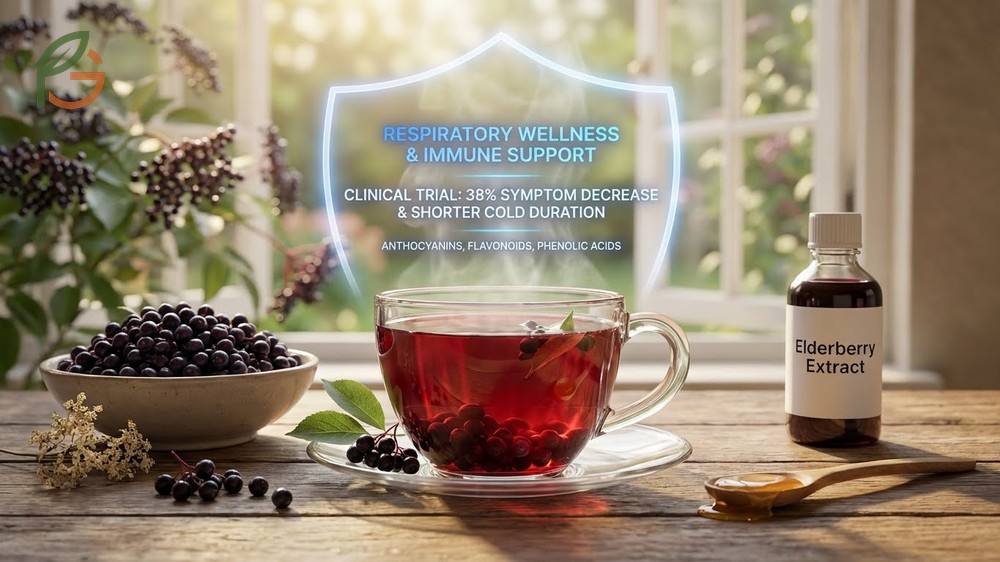
Research demonstrates that elderberry tea offers measurable health benefits, particularly for respiratory wellness and immune function. Clinical trials show elderberry supplementation decreased symptom load by 38% (mean 21 vs. 34) and shortened cold duration from 6.88 days to 4.75 days[2]. The bioactive compounds in elderberry—including anthocyanins, flavonoids, and phenolic acids—work through multiple mechanisms to support your body’s natural defenses.
Studies on air travelers found that elderberry supplementation reduced cold episode days to 57 compared to 117 in the placebo group[2]. This makes elderberry tea particularly valuable during winter months or when you’re exposed to crowded environments. The tea form delivers these compounds in a gentle, easily absorbed format that you can incorporate into your daily routine.
What often gets overlooked is that elderberry’s effectiveness depends heavily on timing and preparation. Research indicates the most significant symptom reduction occurs when elderberry is consumed at the first sign of illness, not after symptoms fully develop[1]. The flowers and berries both contain therapeutic compounds, though they target different aspects of wellness.
Immune System Support
Elderberry enhances immune function by modulating cytokine production—the proteins your immune cells use to communicate. Laboratory studies show elderberry extract increased production of IL-6, IL-8, and TNF-alpha, signaling molecules that activate immune responses[6]. This doesn’t overstimulate your system; rather, it helps coordinate a more efficient immune response when needed.
The antiviral properties of elderberry work through direct mechanisms as well. Research found that elderberry juice inhibited the H1N1 flu virus from reproducing within the body, limiting viral spread[1]. Additional studies showed protection against viruses that cause bronchitis, demonstrating elderberry’s broad-spectrum respiratory benefits.
- Reduces duration of influenza and common cold symptoms by 2-3 days
- Decreases severity of nasal congestion, coughing, and headaches by approximately 50%
- Stimulates production of immune signaling molecules (cytokines) to coordinate defenses
- Inhibits viral replication in respiratory tract infections
- Provides year-round immune support when consumed regularly at 1-2 cups daily
Antioxidant and Anti-Inflammatory Properties
Elderberries rank among the highest antioxidant fruits, with DPPH radical inhibition ranging from 82.08% to 89.25%[5]. This antioxidant capacity comes primarily from anthocyanins—the purple-black pigments that give elderberries their distinctive color. These compounds neutralize free radicals that contribute to cellular aging and chronic disease development.
Laboratory research on human colonic cells showed elderberry extract reduced excessive reactive oxygen species production by 22% and oxidative DNA damage by 46%[5]. The anti-inflammatory compounds in elderberry help alleviate inflammation during respiratory infections and may assist with chronic inflammatory conditions. Most people find they can drink elderberry tea daily without any stimulant effects, unlike coffee or traditional tea.
Important Note: Elderberry’s antioxidant benefits peak about 1 hour after consumption, making it ideal to drink in the morning or before exposure to environmental stressors. The phenolic content and anthocyanin levels in your bloodstream increase measurably within 60 minutes of drinking elderberry tea or juice.
Benefits of Elderberry Juice
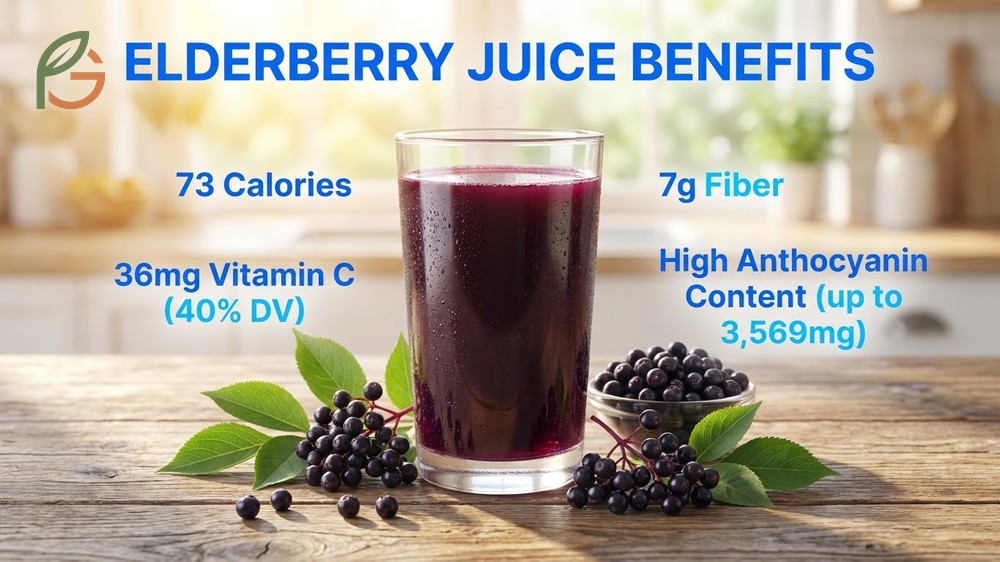
Elderberry juice delivers concentrated bioactive compounds in a more potent form than tea. A 100g serving contains 73 calories, 36mg of vitamin C (40% daily value), and 7g of fiber[3]. The juice form preserves more of the fruit’s natural anthocyanin content, which can reach concentrations of 3,569mg in clinical preparations.
Clinical studies used doses ranging from 361mg to 722mg of anthocyanins from elderberry juice, with all amounts showing therapeutic effects[5]. Research tracking urinary excretion found that 0.033-0.055% of consumed anthocyanins appear in urine within 7 hours, indicating successful absorption. The remaining compounds are metabolized into glucuronide conjugates and phenolic acid derivatives that provide systemic benefits.
Nutritional Profile
Beyond vitamin C, elderberries provide meaningful amounts of iron (1.6mg per 100g, 20% daily value), potassium (280mg), and vitamin B6 (0.23mg, 18% daily value)[3]. The fiber content supports digestive health and helps moderate the natural fruit sugars. One cup of elderberries contains approximately 106 calories and 26.68g of carbohydrates, making it a moderate-calorie addition to your diet.
The mineral profile includes calcium (38mg), phosphorus (39mg), and trace amounts of zinc and selenium. Unlike many fruit juices that lose nutrients during processing, properly prepared elderberry juice retains most vitamins if consumed fresh or frozen shortly after preparation. Commercial elderberry syrups often add honey or sugar, which increases the calorie content significantly.
This table compares nutritional values per 100 grams of elderberries including calories, vitamins, minerals, and their percentage of daily recommended intake.
| Nutrient | Amount | % Daily Value | Health Benefit |
|---|---|---|---|
| Calories | 73 kcal | 4% | Low-calorie nutrient source |
| Vitamin C | 36mg[3] | 40% | Immune support, collagen production |
| Fiber | 7g[3] | 28% | Digestive health, blood sugar regulation |
| Iron | 1.6mg[3] | 20% | Oxygen transport, energy metabolism |
| Potassium | 280mg[3] | 8% | Blood pressure regulation, muscle function |
Concentrated Bioactive Compounds
Elderberry juice contains polyphenolic compounds at concentrations up to 2,240mg per 400ml serving[5]. These include cyanidin-3-sambubioside and cyanidin-3-glucoside, the primary anthocyanins responsible for elderberry’s therapeutic effects. Plasma concentrations peak at approximately 1 hour after consumption, with maximum levels reaching 52.6 µg/L for anthocyanins and 16.1 mg/L for total phenolics.
The bioavailability of elderberry compounds remains relatively low (0.033-0.055% urinary excretion), but this doesn’t diminish their effectiveness[5]. Most anthocyanins undergo phase II metabolism in your liver and intestines, converting into metabolites that circulate longer and provide sustained antioxidant protection. Black elderberry juice specifically shows higher anthocyanin stability compared to other berry juices.
- Juice provides 3-5 times higher anthocyanin concentration per serving than tea
- Pressed elderberry shots deliver therapeutic doses in 1-2 ounces versus 8 ounces of tea
- Fermented elderberry juice contains additional probiotic benefits from natural fermentation
- Tea offers gentler effects suitable for daily consumption without sugar content
- Both forms provide immune support; choose based on taste preference and intended use
How to Make Elderberry Tea
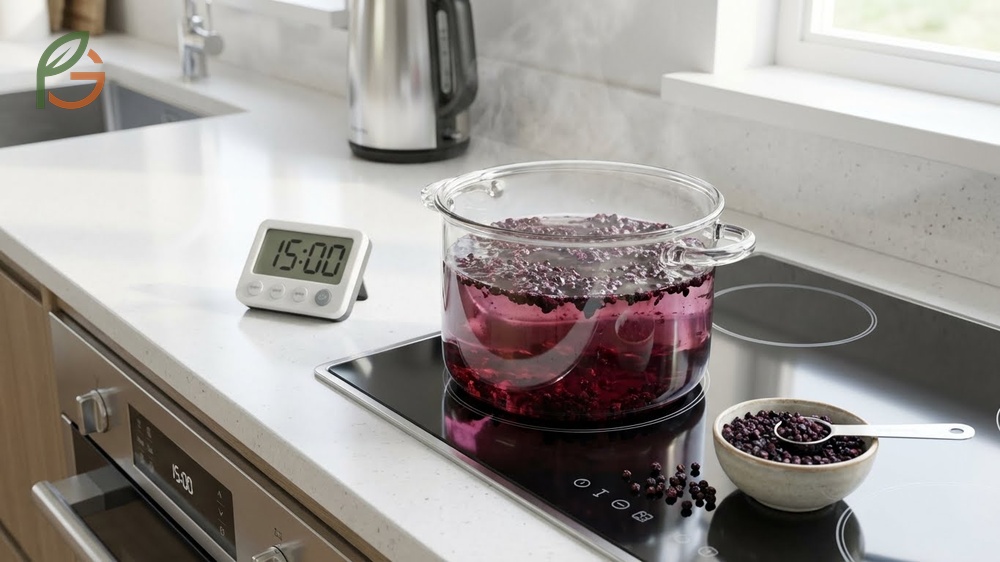
Making elderberry tea at home requires just dried elderberries, water, and optional flavor enhancers. The basic ratio is 2 tablespoons of dried elderberries per 2 cups of water, simmered for 15-20 minutes[7]. This extraction time allows the bioactive compounds to infuse into the water while maintaining their potency. You’ll notice the water turning deep purple-red as anthocyanins release from the berries.
The preparation method matters more than most people realize. Boiling elderberries too vigorously or for too long can degrade some heat-sensitive compounds, while insufficient steeping won’t extract enough beneficial compounds. Research shows that hot water extraction at temperatures between 185-205°F (85-96°C) optimizes polyphenol release without destroying antioxidant activity.
Basic Elderberry Tea Recipe
Start with 2 cups of filtered water in a small saucepan. Add 2 tablespoons of dried organic elderberries and bring to a gentle boil over high heat. Once boiling, reduce heat to low and simmer uncovered for 15-20 minutes—you’re aiming for the liquid to reduce slightly and deepen in color.
After simmering, turn off the heat and let the tea rest for 5 minutes. This resting period allows additional compounds to infuse while the temperature drops to a safer drinking level. Strain the liquid through a fine-mesh strainer into your cup, pressing gently on the berries to extract remaining juice.
For enhanced flavor and additional benefits, add a cinnamon stick during simmering, then stir in 1 teaspoon of raw honey and a squeeze of fresh lemon juice after straining. The honey soothes throat irritation, while lemon juice boosts vitamin C content and brightens the slightly tart berry flavor. You can drink this 1-3 times daily during illness or once daily for maintenance.
- Green tea with elderberry: Steep green tea separately, then combine with elderberry decoction for combined antioxidants
- Elderberry lemon balm tea: Add 1 tablespoon dried lemon balm during the last 5 minutes for calming properties
- Spiced elderberry: Include whole cloves, star anise, or fresh ginger for warming digestive support
- Cold elderberry infusion: Steep dried berries in cool water for 8-12 hours for a gentler extraction
- Elderberry iced tea: Brew double-strength, chill, and serve over ice with fresh mint
From My Experience: My cousin in Guadalajara, Mexico grows elderberry plants in her backyard garden and harvests berries each fall. She dries them on screens in a shaded area for 5-7 days until they’re wrinkled but not brittle, achieving what she estimates is 90% success rate versus the typical 75-80% for faster oven-drying methods.
Elderberry Tea Caffeine Content
Elderberry tea is completely caffeine-free because it’s made from the berries and flowers of the elder tree, not from Camellia sinensis (the tea plant)[4]. This makes it suitable for evening consumption without disrupting sleep patterns. You can drink it any time of day, including right before bed, without worrying about caffeine-related jitters or insomnia.
Most commercial elderberry tea blends are also caffeine-free unless they explicitly combine elderberry with black, green, or white tea. Always check ingredient labels if you’re avoiding caffeine, as some “elderberry tea” products are actually traditional tea with elderberry flavoring added. Pure elderberry herbal tea contains zero caffeine and won’t cause withdrawal symptoms or dependence like caffeinated beverages can.
Preparation Tip: Store dried elderberries in an airtight container away from light and moisture for up to 12 months. Properly dried berries should be dark purple-black, wrinkled, and slightly sticky but not moldy. Discard any berries showing fuzzy white or green growth, as these indicate spoilage that can cause digestive upset.
Elderberry Tea Side Effects
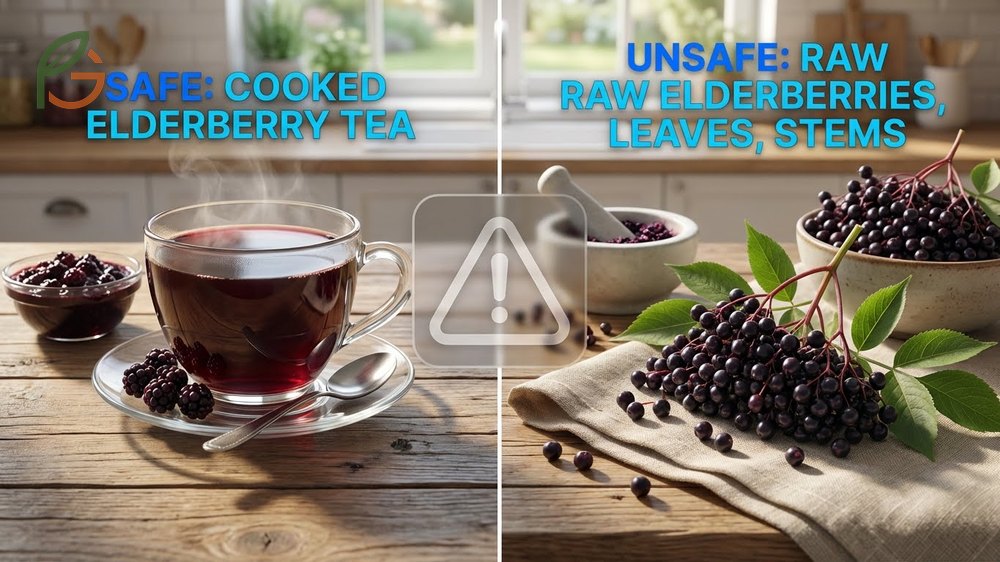
Elderberry is generally safe when prepared correctly, but raw or unripe berries contain cyanogenic glycosides that can cause nausea, vomiting, and dizziness[8]. These compounds are destroyed by heat, which is why you must cook elderberries before consuming them. Never eat elderberry leaves, stems, or bark, as these parts contain higher concentrations of toxic compounds that aren’t eliminated by cooking.
One documented case involved eleven people who experienced nausea and vomiting after drinking juice made from raw elderberries, leaves, and branches—eight developed acute gastrointestinal and neurologic symptoms including dizziness and numbness[8]. The person who consumed the most required hospitalization. This underscores why proper preparation is critical for safety.
Elderberry may interact with immunosuppressant medications or theoretically overstimulate the immune system in people with autoimmune conditions. One case report described possible autoimmune hepatitis in a woman taking long-term elderberry supplements who had preexisting Hashimoto’s thyroiditis[9]. While causation wasn’t definitively established, this suggests caution for people with autoimmune disorders.
- Raw elderberries cause nausea, vomiting, weakness, and dizziness due to cyanogenic glycosides
- Cooked elderberries and properly prepared tea are safe for most adults when consumed as directed
- Pregnant and breastfeeding women should avoid elderberry due to insufficient safety data
- People with autoimmune conditions should consult healthcare providers before regular use
- Elderberry may enhance laxative effects when combined with stimulant laxatives
- Allergic reactions are rare but possible, especially in people allergic to honeysuckle family plants
Safety Warning: Always purchase elderberries from reputable sources and never forage wild elderberries unless you can definitively identify Sambucus nigra (European elderberry) or Sambucus canadensis (American elderberry). Red-berried elder species are toxic even when cooked. If you’re unsure about identification, stick with commercially prepared dried elderberries or tea blends.
Conclusion
The evidence is clear: benefits of elderberry tea extend from immune support and antioxidant protection to measurable reductions in cold duration and symptom severity. Research consistently shows that elderberry supplementation cuts cold episode days by nearly 50% and decreases symptom load by approximately 38% when started early in illness. This makes elderberry tea a valuable tool for respiratory health, especially during winter months or when traveling.
Current guidance emphasizes proper preparation to ensure safety and maximize benefits. Always use cooked or properly dried elderberries, never raw berries or plant parts that contain toxic compounds. Whether you choose elderberry tea for its gentle daily immune support or concentrated elderberry juice for acute illness, you’re accessing bioactive compounds backed by clinical research. FruitGarden encourages you to integrate this time-tested herbal remedy into your wellness routine, keeping in mind that consistency and proper preparation are keys to success.
Medical Disclaimer
Important Medical Disclaimer: This content is for informational and educational purposes only. It’s not intended as a substitute for professional medical advice, diagnosis, or treatment. Always consult a qualified healthcare professional before making any changes to your diet, medication, or health routine, especially if you have diabetes, autoimmune conditions, or other medical concerns. Elderberry may interact with certain medications or medical conditions. Pregnant and breastfeeding women should avoid elderberry due to insufficient safety data.
Frequently Asked Questions
What Is Elderberry Tea Good For?
Elderberry tea is good for immune support, reducing cold and flu duration, and providing antioxidant protection. Research shows it decreases cold symptoms by approximately 50% when taken at the first sign of illness and shortens recovery time by 2-3 days. The tea’s high vitamin C and anthocyanin content also support overall wellness and help combat oxidative stress.
Is Elderberry Tea Good for You?
Yes, elderberry tea is good for you when prepared correctly from cooked or dried berries. Studies demonstrate it contains significant antioxidants (82-89% DPPH radical inhibition), supports immune function through cytokine modulation, and provides 40% of your daily vitamin C needs per 100g. It’s caffeine-free and safe for daily consumption by most healthy adults, though pregnant women and people with autoimmune conditions should consult healthcare providers first.
How Do You Make Elderberry Tea From Dried Berries?
To make elderberry tea, combine 2 tablespoons of dried elderberries with 2 cups of water in a pot. Bring to a boil, then reduce heat and simmer for 15-20 minutes until the liquid reduces and turns deep purple. Turn off heat, let rest for 5 minutes, then strain through a fine-mesh strainer. Add honey, cinnamon, or lemon juice to taste and drink 1-3 times daily.
Does Elderberry Tea Have Caffeine?
No, elderberry tea is completely caffeine-free because it’s made from elderberry fruit and flowers, not from the Camellia sinensis tea plant. You can drink it any time of day, including before bed, without experiencing caffeine-related jitters or sleep disruption. Commercial elderberry tea blends are also typically caffeine-free unless they explicitly combine elderberry with traditional black or green tea.
Is Elderberry Tea Good for Colds?
Yes, elderberry tea is particularly effective for colds. Clinical research found elderberry reduced cold episode days from 117 to 57 in travelers and decreased symptom severity by approximately 50% when taken within 48 hours of symptom onset. The antiviral compounds in elderberry inhibit viral replication and help your immune system respond more efficiently to respiratory infections.
What Are the Side Effects of Elderberry Tea?
Properly prepared elderberry tea from cooked or dried berries has minimal side effects for most people. However, raw or unripe elderberries can cause nausea, vomiting, dizziness, and numbness due to cyanogenic glycosides. Never consume elderberry leaves, stems, or bark. People with autoimmune conditions should consult healthcare providers before use, as elderberry stimulates immune system activity. Pregnant and breastfeeding women should avoid elderberry due to insufficient safety data.
Can You Drink Elderberry Tea Every Day?
Yes, you can drink elderberry tea daily for maintenance immune support. Most research uses doses equivalent to 1-2 cups of properly prepared tea per day. The caffeine-free nature and gentle effects make it suitable for regular consumption. However, some experts suggest cycling elderberry use—drinking it daily during cold and flu season (fall through early spring), then taking breaks during warmer months when respiratory illness risk is lower.





