
Benefits of eating orange peels extend far beyond waste reduction—research shows they deliver 5 times more vitamin C and 20 times more fiber than orange pulp[1]. Studies demonstrate that compounds like hesperidin provide cardiovascular and anti-inflammatory benefits when consumed properly[2]. Most people don’t realize that the peel’s bioactive compounds can enhance gut health and support immune function, making this often-discarded part of the fruit a nutritional powerhouse[3]. FruitGarden synthesizes current agricultural research and nutrition data to help you unlock the full potential of citrus fruits.
Quick Answer
- Orange peels contain 136mg vitamin C per 100g[3]—nearly triple what’s in the fruit pulp
- You’ll get 10.6g dietary fiber per 100g[1] of peel, supporting digestive health and blood sugar control
- Hesperidin and other flavonoids reduce inflammation and support heart health[4]
- Always wash peels thoroughly with warm running water to remove up to 51-56% of pesticide residues[5]
Benefits of Eating Orange Peels
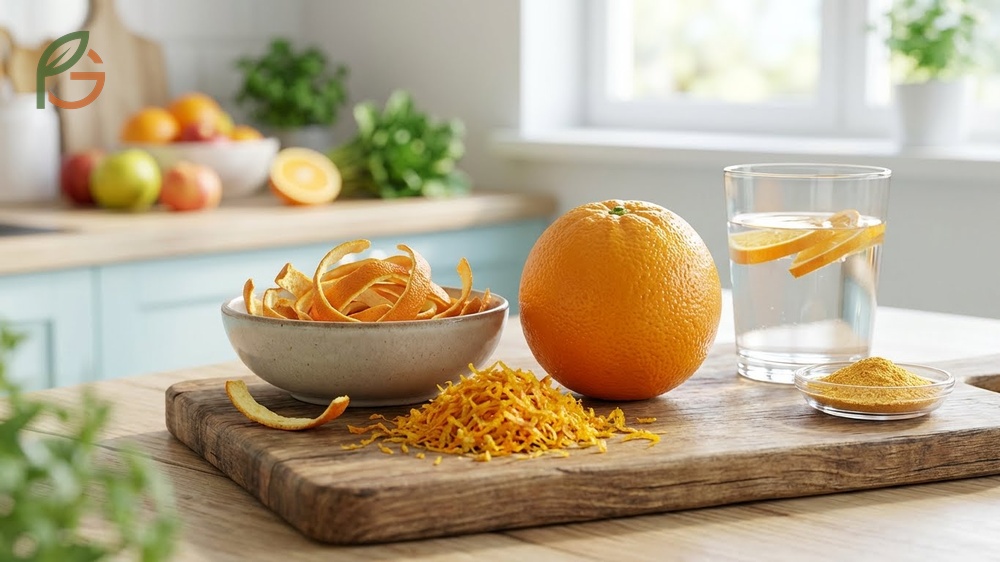
Orange peels pack more nutrition per gram than the fruit’s flesh, offering concentrated amounts of vitamins, minerals, and plant compounds. Research demonstrates that consuming peels can support immune function, improve digestion, and protect against chronic diseases[6]. The bitter compounds that make peels less palatable also contribute to their therapeutic properties.
Studies show that citrus peel consumption correlates with reduced inflammation markers and improved metabolic health. The combination of soluble and insoluble fiber works synergistically with polyphenols to enhance these effects. What’s often overlooked is that organic peels provide these benefits without the pesticide concerns found in conventionally grown fruit.
Current data indicates that incorporating even small amounts of orange peel—as little as 1 tablespoon daily—can deliver measurable health improvements. The key lies in proper preparation to maximize nutrient availability while minimizing any potential contaminants.
Vitamin C Powerhouse
Orange peels contain 136mg of vitamin C per 100g compared to just 53mg in the pulp[3]. This makes them one of the most concentrated natural sources of ascorbic acid available in common foods. Just 1 tablespoon of grated peel provides 14% of your daily vitamin C needs.
The vitamin C in orange peels comes packaged with bioflavonoids that enhance absorption and utilization in your body. These compounds work together to support collagen production, wound healing, and immune cell function. Unlike synthetic supplements, the natural combination offers better bioavailability.
Important Note: Vitamin C degrades when exposed to heat and light, so you’ll get maximum benefits from fresh or properly stored dried peels rather than cooked preparations.
Fiber for Digestive Health
The 10.6g of dietary fiber per 100g of orange peel represents a significant concentration—about 42% of the daily recommended intake[1]. This includes both soluble fiber that feeds beneficial gut bacteria and insoluble fiber that promotes regular bowel movements. The pectin content specifically supports the growth of probiotic species.
Evidence suggests that the fiber matrix in orange peels slows sugar absorption, helping to stabilize blood glucose levels after meals. This makes them particularly valuable for people managing insulin sensitivity. The combination of fiber types also creates a feeling of fullness that can support weight management efforts.
Antioxidant Protection
Ripe orange peels contain 9.40mg of total phenolic compounds per gram, significantly higher than unripe peels[7]. These polyphenols neutralize free radicals that cause cellular damage and accelerate aging. The flavonoid content of 4.20mg per gram provides additional antioxidant capacity that protects against oxidative stress.
Research shows that the antioxidants in orange peels can reduce markers of inflammation in the bloodstream. This protective effect extends to multiple organ systems, including the cardiovascular system and brain. The polymethoxyflavones unique to citrus peels show particularly strong anti-inflammatory activity in laboratory studies.
- Protection against cellular damage from environmental toxins and UV radiation
- Reduced oxidative stress markers in blood tests after regular consumption
- Support for skin health through collagen protection and repair mechanisms
- Enhanced liver function by supporting natural detoxification pathways
- Neuroprotective effects that may help preserve cognitive function with aging
Orange Peel Nutrition

A 100g serving of raw orange peel provides approximately 97 calories with minimal fat content[8]. The macronutrient profile includes 25g of carbohydrates, with about 14.4g coming from natural sugars and the rest from fiber. The protein content of 1.5g per 100g contributes essential amino acids, though it’s not a significant protein source.
What makes orange peels nutritionally remarkable isn’t just the vitamins and fiber—it’s the complete package of minerals and trace elements. The calcium content of 161mg per 100g exceeds that found in many dairy alternatives. Potassium, magnesium, and phosphorus round out the mineral profile, supporting bone health and electrolyte balance.
Key Nutrients Breakdown
This table compares the nutritional content of orange peel versus orange pulp per 100g serving, showing quantities and primary health benefits
| Nutrient | Peel (per 100g) | Pulp (per 100g) | Primary Benefit |
|---|---|---|---|
| Vitamin C | 136mg[3] | 53mg | Immune support, collagen production |
| Dietary Fiber | 10.6g[1] | 2.4g | Digestive health, blood sugar control |
| Calcium | 161mg | 40mg | Bone strength, muscle function |
| Calories | 97[8] | 47 | Energy provision |
| Total Phenols | 9.40mg GAE/g[7] | 3.2mg GAE/g | Antioxidant protection |
The vitamin profile extends beyond vitamin C to include significant amounts of B vitamins. Thiamin, riboflavin, and vitamin B6 support energy metabolism and nervous system function. The vitamin A content, primarily from beta-carotene, contributes to vision health and immune regulation.
Bioactive Compounds
Hesperidin stands out as the most abundant flavonoid in orange peels, offering multiple health benefits. Studies document its ability to reduce blood pressure, lower cholesterol, and improve blood vessel function[4]. This compound also demonstrates neuroprotective properties that may help prevent cognitive decline.
The essential oils in orange peels contain d-limonene, a terpene with anti-cancer properties shown in laboratory research. While more human studies are needed, the preliminary data suggests potential benefits for reducing cancer risk. These volatile compounds also explain the peel’s antimicrobial effects against common foodborne pathogens.
- Hesperidin—reduces inflammation and supports vascular health
- Polymethoxyflavones—unique to citrus, showing strong anti-inflammatory effects
- D-limonene—demonstrates anti-cancer properties in laboratory studies
- Feruloylputrescine—newly identified compound supporting heart health
- Pectin—soluble fiber that feeds beneficial gut bacteria
- Tangeretin and nobiletin—flavonoids with metabolic health benefits
Citrus Peel Benefits
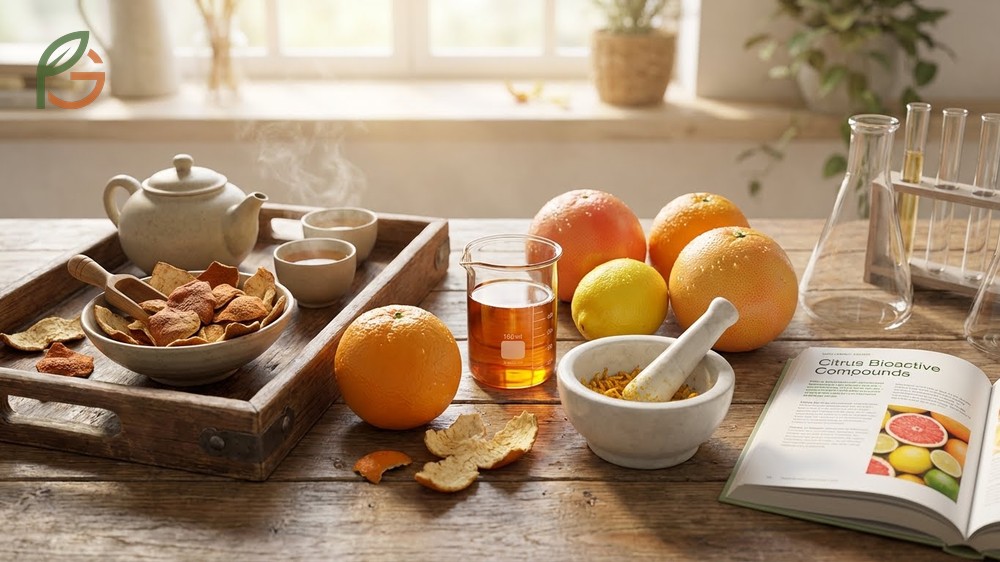
The therapeutic properties of citrus peels extend across multiple body systems, backed by both traditional use and modern research. Ancient Chinese medicine has incorporated dried orange peel (chen pi) for centuries to treat digestive complaints and respiratory issues. Current scientific investigation validates many of these traditional applications while uncovering new mechanisms of action.
What differentiates citrus peels from other plant-based foods is the concentration of polymethoxylated flavones—compounds found almost exclusively in citrus fruits. These specialized flavonoids demonstrate potent biological activity at relatively low doses. The synergistic effect of multiple bioactive compounds working together often exceeds what any single isolated nutrient could achieve.
Cardiovascular Support
A recent study found that mice fed orange peel extract enriched with feruloylputrescine showed reduced blood markers of inflammation and cardiovascular disease, even while consuming a high-fat diet[2]. The mice also gained less fat than control groups. While human trials are ongoing with a $500,000 USDA grant, these results suggest promising cardiovascular benefits.
Hesperidin in orange peels works through multiple pathways to protect heart health. It strengthens capillary walls, reduces LDL cholesterol oxidation, and improves endothelial function—the lining of blood vessels. These combined effects help maintain healthy blood pressure and reduce the risk of atherosclerosis.
The flavonoids in citrus peels also reduce the production of trimethylamine N-oxide (TMAO), a compound linked to increased cardiovascular risk. By modulating gut bacteria metabolism, orange peel compounds help prevent the formation of these harmful metabolites. This represents a novel mechanism for cardiovascular protection that differs from traditional approaches.
Research Insight: While animal studies show clear cardiovascular benefits, you should consult a healthcare professional before using orange peel as a therapeutic intervention, especially if you’re taking blood pressure or cholesterol medications.
Weight Management
The high fiber content of orange peels creates a sense of fullness that can help reduce overall calorie intake throughout the day. Soluble fiber forms a gel-like substance in your digestive tract that slows gastric emptying. This prolonged digestion keeps you satisfied longer and helps prevent blood sugar spikes that trigger hunger.
Research indicates that citrus flavonoids can darken white adipose tissue into metabolically active brown fat, which burns calories to generate heat. The compounds also improve glucose tolerance and reduce plasma lipid levels in studies on mice. While the effects in humans require more investigation, the mechanisms suggest potential for metabolic benefits.
Orange peel’s bitter compounds stimulate digestive enzyme production, improving nutrient breakdown and absorption. Better digestion means your body extracts more nutrition from smaller amounts of food. The antimicrobial properties also support a healthier gut microbiome, which plays a crucial role in weight regulation and metabolism.
Orange Peel Uses

Orange peels offer remarkable versatility beyond direct consumption, serving both culinary and household purposes. The essential oils and organic acids that provide health benefits also make peels effective for cleaning and deodorizing. This dual functionality means you can maximize the value of every orange you buy while reducing food waste.
The key to unlocking different uses lies in how you prepare and store the peels. Fresh peels work best for culinary applications where you want bright, intense flavor. Dried peels develop more concentrated compounds suitable for teas and extracts. The natural oils remain potent for several weeks when stored properly, making peels a practical addition to your kitchen and cleaning supplies.
Culinary Applications
Orange zest adds intense citrus flavor to both sweet and savory dishes without adding liquid or significantly altering texture. The colored outer layer contains the highest concentration of essential oils, delivering maximum flavor impact. You can grate it fresh over finished dishes, fold it into batters, or infuse it into liquids like cream or syrup.
Candied orange peel transforms the bitter rind into a sweet confection through a boiling and sugaring process. The traditional method involves boiling strips three times to remove bitterness, then simmering in sugar syrup until translucent. The finished product keeps for several weeks and works beautifully in baked goods, trail mixes, or as a standalone treat.
Orange peel tea provides a caffeine-free beverage with digestive benefits. Simply steep fresh or dried peels in hot water for 5-10 minutes to extract the flavonoids and volatile oils. Many people add the peels to black or green tea for enhanced flavor and antioxidant content. The tea can be consumed hot or cooled for a refreshing summer drink.
- Fresh zest in marinades for poultry and fish—adds brightness and helps tenderize
- Dried peel powder mixed into spice rubs for grilled meats and vegetables
- Candied strips as garnish for cocktails, desserts, or cheese boards
- Infused into vinegars or oils for salad dressings with citrus notes
- Blended into smoothies for added fiber and vitamin C boost
- Steeped in hot water with ginger for a soothing digestive tea
- Ground into sugar for a flavored sweetener in coffee or baking
Household Cleaning
The d-limonene in orange peels acts as a natural solvent that breaks down grease, removes adhesive residues, and cuts through soap scum. This makes orange peel cleaning solutions effective for kitchen and bathroom surfaces without harsh chemicals. The citric acid also helps dissolve mineral deposits and limescale that build up on faucets and fixtures.
To make an all-purpose cleaner, fill a jar with orange peels and cover with white vinegar. Let it infuse for 2 weeks, then strain and dilute with equal parts water. This solution works well on countertops, stovetops, and appliance exteriors. The pleasant citrus scent eliminates the strong vinegar smell while providing antibacterial properties.
For deodorizing applications, fresh or dried orange peels absorb odors naturally while releasing their own fresh scent. Drop them into your garbage disposal and run with cold water to clean the blades and eliminate smells. Place dried peels in small bowls around your refrigerator or closets to neutralize unwanted odors—replace every few days for best results.
Safety Tip: Don’t use orange peel cleaners on natural stone surfaces like marble or granite, as the acid can damage and etch the stone over time.
- Natural air freshener by simmering peels with cinnamon sticks on the stove
- Garbage disposal cleaner that freshens while sharpening blades
- Fabric softener alternative by adding dried peels to the dryer
- Grout and tile scrub when made into paste with baking soda
- Chrome and stainless steel polish using the inside of fresh peels
- Compost accelerator that adds nitrogen and improves soil structure
Safe Preparation Methods

Proper washing is essential before eating orange peels to remove pesticide residues and surface contaminants. Studies show that washing with warm running water for at least 60 seconds removes 51-56% of pesticide residues[5]. Hot water proves most effective at removing compounds like thiabendazole commonly used on citrus fruits. You don’t need special produce washes—simple warm water and gentle scrubbing work best.
For maximum safety, choose organic oranges when you plan to consume the peels regularly. Conventional citrus fruits often carry fungicide and pesticide residues that concentrate in the peel’s porous outer layer. If organic isn’t available, soaking in warm water for 15 minutes before scrubbing provides additional pesticide reduction. Never use soap or detergent, as the porous peel can absorb these chemicals.
To prepare peels for eating, remove them from washed oranges using a vegetable peeler or sharp knife. Take only the colored zest layer for the most concentrated flavor and nutrients—the white pith underneath tastes more bitter but contains additional fiber. Fresh peels can be grated immediately or dried for later use. For drying, arrange thin strips on a baking sheet in a single layer and air-dry for several days, or use a dehydrator at 135°F (57°C) for 6-8 hours.
When making candied orange peels, the repeated boiling process removes most bitter compounds and any remaining pesticide residues. Cut the peel into strips, then boil in fresh water three times for 10 minutes each, draining and replacing the water between cycles. This reduces bitterness while making the peels tender enough to absorb sugar syrup. The final candying step involves simmering in a 1:1 sugar-water solution until the peels become translucent.
Storage methods affect both safety and nutrient retention. Fresh peels should be used within 3-4 days when refrigerated in an airtight container. Dried peels maintain quality for up to 6 months in a cool, dark place sealed away from moisture. Candied peels last 2-3 weeks at room temperature or up to 2 months refrigerated. Always check for mold or off odors before using stored peels.
Preparation Warning: If you have citrus allergies or sensitivities, start with very small amounts of peel to test your tolerance. The concentrated compounds can trigger reactions more readily than the fruit pulp.
Conclusion
The evidence is clear: benefits of eating orange peels include exceptional nutrient density with 5 times more vitamin C, 20 times more fiber, and powerful bioactive compounds that support cardiovascular health, digestion, and immune function. Research continues to validate traditional uses while uncovering new therapeutic applications. Whether you’re adding fresh zest to recipes, brewing peel tea, or creating natural cleaning solutions, you’re extracting maximum value from every orange.
Current guidance emphasizes proper preparation—thorough washing removes most pesticide residues, while choosing organic ensures the cleanest option for regular consumption. Start small with 1 tablespoon of grated peel daily, then adjust based on your taste preferences and digestive response. FruitGarden helps you transform common fruit waste into nutritional and practical resources that benefit both your health and home.
Frequently Asked Questions
Can You Eat Raw Orange Peels Directly?
Yes, you can eat raw orange peels after washing them thoroughly, though most people find them too bitter to enjoy this way. The peel’s tough texture and intense flavor make it more palatable when grated into zest, dried for tea, or candied. Starting with small amounts allows your taste buds to adjust to the bitter compounds that also provide health benefits.
How Much Orange Peel Should You Eat Daily?
One tablespoon (approximately 6 grams) of fresh grated orange peel provides a good starting amount that delivers 14% of daily vitamin C needs without causing digestive upset. You can gradually increase to 2-3 tablespoons daily if well-tolerated. Excessive amounts may cause stomach discomfort due to the high fiber and essential oil content, so it’s best to increase gradually.
What’s the Best Way to Remove Pesticides From Orange Peels?
Washing oranges under warm running water for 60 seconds while gently scrubbing with a vegetable brush removes 51-56% of pesticide residues. For even better results, soak in warm water for 15 minutes before scrubbing, or choose organic oranges which have minimal pesticide exposure. Hot water proves most effective for removing fungicides like thiabendazole commonly used on citrus.
Do Orange Peels Help With Weight Loss?
Orange peels may support weight management through their high fiber content (10.6g per 100g) which promotes fullness and reduces overall calorie intake. Research also suggests the flavonoids can improve glucose tolerance and increase metabolic rate by converting white fat to brown fat. However, peels work best as part of a balanced diet and exercise program rather than a standalone weight loss solution.
Can Orange Peels Lower Cholesterol?
Studies show that hesperidin in orange peels can help lower LDL cholesterol and improve overall lipid profiles. The soluble fiber also binds to cholesterol in the digestive tract, preventing its absorption. Animal studies demonstrate significant reductions in cholesterol markers, though human clinical trials are still ongoing to confirm optimal dosing and effects.
Are Dried Orange Peels as Nutritious as Fresh?
Dried orange peels retain most of their fiber, flavonoids, and minerals but lose some vitamin C during the drying process due to heat and oxidation. They offer concentrated flavor and longer shelf life, making them practical for teas and spice blends. If you’re specifically seeking vitamin C benefits, fresh peels provide higher amounts, but dried peels still deliver valuable antioxidants and fiber.
Can Orange Peels Cause Digestive Problems?
Orange peels can cause bloating, gas, or stomach upset if consumed in large amounts, especially when you’re not accustomed to high-fiber foods. The essential oils and bitter compounds may also irritate sensitive digestive systems. Start with small quantities like 1 teaspoon of grated peel and increase gradually to allow your digestive system to adapt while monitoring for any adverse reactions.





