
Are oranges good for diabetics? Yes, when eaten whole and in moderation. Research shows oranges have a low glycemic index of around 43[1], contain 3 grams of fiber[2] per medium fruit, and provide blood sugar-stabilizing nutrients. FruitGarden synthesizes current agricultural research and nutritional data to help you make informed decisions about including citrus fruits in diabetic meal plans.
Quick Answer
- Oranges have a low glycemic index (43)[1] and low glycemic load (4.4), meaning they won’t spike blood sugar rapidly
- A medium orange contains 15g carbohydrates[3] with 3g fiber[2] that slows sugar absorption
- Provides 91% daily vitamin C[3], which combats oxidative stress from elevated blood sugar
- Best consumed whole rather than as juice—one medium orange equals one 15g carb serving
Are Oranges Good for Diabetics

Studies demonstrate that oranges are a safe and nutritious choice for people living with diabetes. The American Diabetes Association actively encourages people with diabetes to eat citrus fruits like oranges[3] as part of a balanced diet. Unlike high-glycemic foods that cause rapid blood sugar spikes, oranges trigger a slow, gradual rise that’s easier for diabetics to manage.
A medium orange contains approximately 62 calories and delivers a powerful combination of nutrients without overwhelming your carbohydrate budget. The fruit’s natural sugar content stays balanced by its fiber, vitamins, and minerals, which work together to support healthy blood glucose levels.
What makes oranges particularly valuable is their nutrient density. You’re not just getting carbohydrates—you’re receiving vitamin C, potassium, folate, and flavonoid antioxidants that address specific health challenges faced by people with diabetes. This matters because diabetes increases oxidative stress and inflammation throughout your body.
Understanding Glycemic Index
The glycemic index measures how quickly foods raise blood sugar after eating. Foods are ranked on a scale from 0 to 100, with pure glucose scoring 100. Low GI foods (55 or below) cause gradual increases, while high GI foods (70 and above) create rapid spikes.
Oranges score around 43 on the glycemic index[1], placing them firmly in the low-GI category. This means your body absorbs the sugars from oranges slowly, preventing the dangerous blood sugar rollercoaster that diabetics need to avoid. For comparison, white bread scores 75 and dried fruits can exceed 70.
Important Note: GI values can vary based on ripeness, variety, and how you eat the fruit. Pairing oranges with protein or healthy fats like nuts further slows sugar absorption.
Fiber Content Benefits
Each medium orange provides 3 grams of dietary fiber[2], including a special type called pectin. This soluble fiber slows digestion and delays how quickly sugar enters your bloodstream. Research shows fiber-rich diets improve glycemic control, reduce hemoglobin A1C levels, and support healthy body weight in people with type 1 and type 2 diabetes.
Current evidence indicates that higher fiber intake also reduces inflammation and contributes to lower premature mortality rates among diabetics. The fiber in oranges doesn’t just help with blood sugar—it supports heart health, which is critical since cardiovascular disease is a leading concern for people managing diabetes.
Glycemic Index Oranges
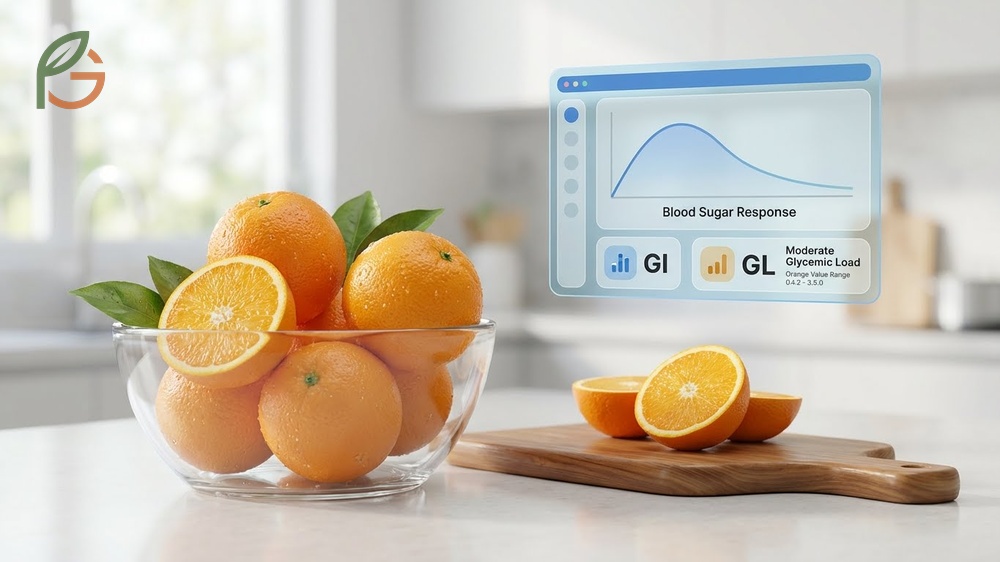
Understanding both glycemic index and glycemic load gives you a complete picture of how oranges affect blood sugar. While GI tells you the quality of carbohydrates (how fast they’re absorbed), glycemic load (GL) factors in the quantity you’re actually eating. This distinction matters because some high-GI foods can still have low GL values if eaten in small amounts.
Research from NIH studies shows oranges are classified as moderate glycemic load fruits[4], with values ranging from 5.7 to 8.0 per serving. This places them in a safer category than high glycemic load fruits like bananas, grapes, and raisins, which range from 8.1 to 19.2.
GI vs Glycemic Load
Glycemic load provides a more practical measure for daily eating. It’s calculated by multiplying a food’s GI by the grams of carbohydrates in your serving, then dividing by 100. A medium orange with a GI of 43 and 15g of carbs yields a GL of approximately 6.5—well below the threshold of 10 that defines low glycemic load foods.
This explains why you can safely eat oranges without experiencing dramatic blood sugar swings. The actual amount of carbohydrate in one serving is moderate, and the fiber content further reduces the glycemic impact. Most people find they can include 1-2 medium oranges daily without exceeding their carbohydrate targets.
Comparison with Other Fruits
When compared to other common fruits, oranges perform favorably for diabetes management. Peaches, plums, apricots, strawberries, and grapefruit score even lower (GL 1.3-5.6), while blueberries and cantaloupe fall in the same moderate range as oranges. High glycemic load fruits like bananas, grapes, and dried fruits require more careful portion control.
Recent clinical trials involving people with well-controlled type 2 diabetes found no significant differences in acute glucose responses when participants consumed whole orange pieces versus other breakfast options[5]. This suggests oranges can be incorporated safely into diabetic meal plans without causing problematic blood sugar elevations.
This table compares glycemic load categories for common fruits, showing oranges fall in the moderate range alongside blueberries and cantaloupe
| Glycemic Load Category | GL Range | Fruits | Diabetic Suitability |
|---|---|---|---|
| Low GL | 1.3-5.6[4] | Peaches, plums, apricots, strawberries, grapefruit | Best choice |
| Moderate GL | 5.7-8.0[4] | Cantaloupe, blueberries, oranges | Good choice |
| High GL | 8.1-19.2[4] | Prunes, bananas, grapes, raisins, apples, pears | Needs portion control |
Oranges Blood Sugar

Beyond their favorable glycemic profile, oranges deliver specific nutrients that actively support blood sugar regulation. Current data indicates that the vitamins, minerals, and phytonutrients in oranges work synergistically to improve insulin sensitivity and reduce diabetes-related complications. This goes beyond simple carbohydrate counting—you’re getting compounds that help your body manage glucose more effectively.
Research shows people with diabetes often have increased oxidative stress from chronically elevated blood sugar. This cellular damage accelerates complications affecting eyes, kidneys, nerves, and blood vessels. The antioxidants in oranges directly combat this oxidative damage.
Vitamin C and Antioxidants
A medium orange supplies 91% of your daily vitamin C requirement[3], functioning as a powerful antioxidant. Studies demonstrate that people with diabetes have increased vitamin C needs because elevated blood glucose generates oxidative stress that depletes this nutrient. Getting adequate vitamin C helps reverse this damage and may improve insulin resistance.
Oranges also contain flavonoid antioxidants that combat inflammation and protect the beta cells in your pancreas that produce insulin. Blood oranges, with their distinctive red color, provide additional anthocyanins—compounds linked to reduced heart disease risk and improved metabolic health in diabetic populations.
Potassium and Folate
Each medium orange delivers 6% of your daily potassium needs[3]. Evidence suggests low potassium levels contribute to insulin resistance, making adequate intake important for blood sugar management. Potassium also supports cardiovascular health by helping regulate blood pressure—crucial since diabetes significantly increases heart disease risk.
Oranges provide 12% of the daily value for folate[3], a B-vitamin that research links to lower insulin levels and improved insulin sensitivity. While results vary across studies, maintaining adequate folate status appears beneficial for glucose metabolism.
- Vitamin C (91% DV per fruit) fights oxidative stress and supports immune function
- Flavonoid antioxidants reduce inflammation and protect insulin-producing cells
- Soluble fiber (pectin) slows gastric emptying and glucose absorption
- Potassium (6% DV) supports insulin function and cardiovascular health
- Folate (12% DV) may improve insulin sensitivity and lower insulin levels
Research Insight: The combination of fiber, vitamin C, and flavonoids in whole oranges creates a synergistic effect. You can’t replicate these benefits by taking supplements alone—the whole fruit delivers the complete package.
Orange Portion Diabetes

Understanding proper portion sizes helps you incorporate oranges into your meal plan without exceeding carbohydrate targets. Healthcare professionals typically recommend finding your optimal carbohydrate range based on body size, activity level, and medication regimen. Most diabetic meal plans allocate 15 grams of carbohydrates per serving, making it easy to track your intake.
A medium orange (about 154g or the size of a tennis ball) contains 15g of carbohydrates[3], making it exactly one carb serving. This convenient 1:1 ratio simplifies meal planning. Most people with diabetes can safely consume 1-2 medium oranges daily without issues, as long as they account for these carbs in their total daily intake.
For breakfast, pairing a medium orange with Greek yogurt (protein) or a handful of almonds (healthy fats) creates a balanced meal that prevents blood sugar spikes. The protein and fat slow digestion further, extending the time it takes for glucose to enter your bloodstream. This strategy works better than eating oranges alone on an empty stomach.
When you’re choosing oranges at the store, size matters. A small orange (about 96g) contains roughly 11g of carbohydrates, while a large orange (184g) can have 17-18g. If you’re counting carbs precisely, weighing your fruit or using standardized measuring helps maintain consistent blood sugar control.
- Small orange (96g): approximately 11g carbohydrates, 45 calories
- Medium orange (154g): 15g carbohydrates, 62 calories—standard one-serving size
- Large orange (184g): 17-18g carbohydrates, 75 calories
- Half cup canned mandarin oranges (123g): 15g carbohydrates—equals one serving
- Four ounces orange juice (120mL): 15g carbohydrates but lacks fiber
Current guidance emphasizes consuming similar amounts of carbohydrates at each meal and snack to keep blood sugar levels steady throughout the day. If you eat a medium orange with breakfast (15g carbs), plan your morning snack and lunch to fit within your remaining carbohydrate budget. Consistency matters more than strict restriction.
Some people worry about eating fruit because of its natural sugar content. The sugar in whole oranges isn’t the type you need to eliminate—it’s the added sugars in processed foods that cause problems. The U.S. Dietary Guidelines identify oranges as an excellent source of dietary fiber[6], providing 3.7g per medium fruit—about 15% of your daily fiber needs.
Diabetic Orange Consumption

The form in which you consume oranges dramatically affects blood sugar response. Whole oranges with their intact fiber matrix produce different metabolic effects compared to juice or processed orange products. Studies involving people with well-controlled type 2 diabetes show that whole orange pieces don’t significantly elevate acute glucose levels when consumed with a standard meal[5].
Most people with diabetes find they tolerate oranges best when eaten alongside protein or healthy fats. This combination slows gastric emptying and provides sustained energy without blood sugar spikes. For instance, eating an orange with a handful of walnuts or adding orange segments to a spinach salad with grilled chicken creates a balanced, diabetes-friendly meal.
Whole Oranges vs Juice
Orange juice lacks the fiber that makes whole oranges beneficial for blood sugar control. Your body absorbs juice rapidly, causing blood glucose to rise within 15 minutes. The American Diabetes Association notes this fast absorption makes juice useful for treating hypoglycemia (dangerously low blood sugar), but it’s not ideal for regular consumption.
When you drink four ounces of 100% orange juice, you’re getting 15g of carbohydrates without any fiber to slow absorption. Research comparing whole oranges, orange juice, and sugar-sweetened beverages in diabetics found similar acute glycemic responses across all three[5]—suggesting juice offers no advantage over regular soda for blood sugar management.
If you prefer canned mandarin oranges, choose varieties packed in juice rather than heavy syrup. Look for labels stating “no added sugars” or “unsweetened” to avoid unnecessary glucose spikes. The American Diabetes Association specifically recommends this approach to limit added sugar intake while still enjoying citrus fruit.
Practical Tip: Save orange juice exclusively for treating hypoglycemia when you need rapid blood sugar elevation. For regular meals and snacks, always choose whole oranges to get the blood sugar-stabilizing fiber and complete nutrient package.
Best Timing for Consumption
For breakfast (6-9 AM), oranges work well when paired with protein sources like eggs or Greek yogurt. This timing kickstarts metabolism and provides sustained energy for 4-5 hours without mid-morning crashes. Many people find this combination keeps them satisfied until lunch while maintaining stable glucose levels.
As an afternoon snack (2-4 PM), eating an orange with a small portion of cheese or nuts prevents the pre-dinner energy slump. The natural sugars provide quick energy while the accompanying protein and fat extend satiety. This strategy helps you avoid overeating at dinner—a common challenge when blood sugar drops too low between meals.
Post-workout consumption capitalizes on your body’s increased insulin sensitivity after exercise. Your muscles actively absorb glucose for recovery, meaning the carbohydrates from an orange replenish glycogen stores efficiently. Combining an orange with a protein source like a hard-boiled egg within 30 minutes of finishing exercise maximizes these benefits.
- Morning breakfast: pair with protein (eggs, Greek yogurt) for sustained 4-5 hour energy
- Mid-morning snack: eat with nuts or seeds if breakfast was early
- Afternoon (2-4 PM): combine with cheese or nut butter to prevent dinner overeating
- Post-workout: consume within 30 minutes alongside protein for efficient glycogen replenishment
- Avoid eating oranges alone on empty stomach—always pair with protein or healthy fats
Conclusion
The evidence is clear: oranges are good for diabetics when consumed whole and in appropriate portions. Their low glycemic index of 43, combined with 3 grams of fiber and 91% of daily vitamin C needs, makes them one of the safer fruit choices for blood sugar management. Research confirms that eating 1-2 medium oranges daily fits within most diabetic meal plans without causing problematic glucose elevations.
Current guidance emphasizes choosing whole oranges over juice, pairing them with protein or healthy fats, and counting the 15g of carbohydrates per medium fruit toward your daily total. FruitGarden synthesizes agricultural research and clinical nutrition data to help you confidently include nutrient-dense fruits like oranges in your diabetes-friendly eating plan. When you respect portion sizes and combine oranges strategically with other foods, you’ll enjoy their health benefits without compromising blood sugar control.
Medical Disclaimer
Important Medical Disclaimer: This content is for informational and educational purposes only. It is not intended as a substitute for professional medical advice, diagnosis, or treatment. Always consult a qualified healthcare professional or registered dietitian before making any changes to your diet, medication, or health routine, especially if you have diabetes or other medical conditions. Individual responses to foods vary, and what works for one person may not work for another. Your healthcare provider can help you determine the appropriate portion sizes and meal timing based on your specific health status, medications, and blood sugar goals.
Frequently Asked Questions
How many oranges can a diabetic eat per day?
Most people with diabetes can safely eat 1-2 medium oranges daily, as each provides 15g of carbohydrates (one carb serving). The exact amount depends on your total daily carbohydrate budget, body size, activity level, and medication regimen. Work with a registered dietitian to determine your optimal fruit intake based on your blood sugar patterns and A1C goals.
Do oranges spike blood sugar quickly?
No, oranges don’t spike blood sugar quickly. With a glycemic index of 43 and glycemic load of 4.4, whole oranges cause a slow, gradual rise in blood glucose. The 3 grams of fiber per medium orange slows sugar absorption, preventing the rapid spikes associated with high-GI foods like white bread or dried fruits.
Is orange juice safe for diabetics?
Orange juice is generally not recommended for routine diabetic consumption because it lacks fiber and causes rapid blood sugar increases within 15 minutes. The American Diabetes Association suggests using 4 ounces of orange juice specifically for treating hypoglycemia (low blood sugar), but whole oranges are the better choice for regular meals and snacks.
What’s the best time to eat oranges if you have diabetes?
Oranges work best at breakfast paired with protein (eggs or Greek yogurt), as an afternoon snack with nuts or cheese, or post-workout within 30 minutes of exercise. Always combine oranges with protein or healthy fats rather than eating them alone on an empty stomach—this slows digestion and prevents blood sugar spikes.
Are blood oranges better than regular oranges for diabetes?
Blood oranges offer similar glycemic benefits as regular oranges but contain additional anthocyanin antioxidants that may provide extra cardiovascular and metabolic benefits. Both varieties have low glycemic indexes and similar fiber content. Choose based on preference and availability—both are excellent choices for diabetic diets when eaten whole.
Can diabetics eat canned mandarin oranges?
Yes, diabetics can eat canned mandarin oranges if they choose varieties packed in juice rather than heavy syrup. Look for labels stating “no added sugars” or “unsweetened” to avoid unnecessary blood sugar spikes. One-half cup of canned mandarin oranges equals one 15g carb serving, the same as a medium fresh orange.
Do oranges help lower A1C levels?
While oranges alone don’t directly lower A1C, their fiber content, vitamin C, and antioxidants support overall diabetes management. Research shows fiber-rich diets improve glycemic control and reduce hemoglobin A1C levels. Oranges contribute to this benefit as part of a comprehensive diabetes management plan that includes balanced meals, exercise, and medication adherence.





