Can Dogs Eat Pears? Safety Guide, Cores, and Risks

Can dogs eat pears? Yes, when prepared properly. Remove seeds containing cyanide, avoid cores, and serve fresh pears in moderation for safe, healthy treats.

 Taki Lockman
Can dogs eat pears? Yes, when prepared properly. Remove seeds containing cyanide, avoid cores, and serve fresh pears in moderation for safe, healthy treats.

Can cats eat pears? Yes, but only the flesh. Learn safe serving sizes, toxic parts to avoid, nutritional benefits, and expert tips for feeding pears to cats safely.
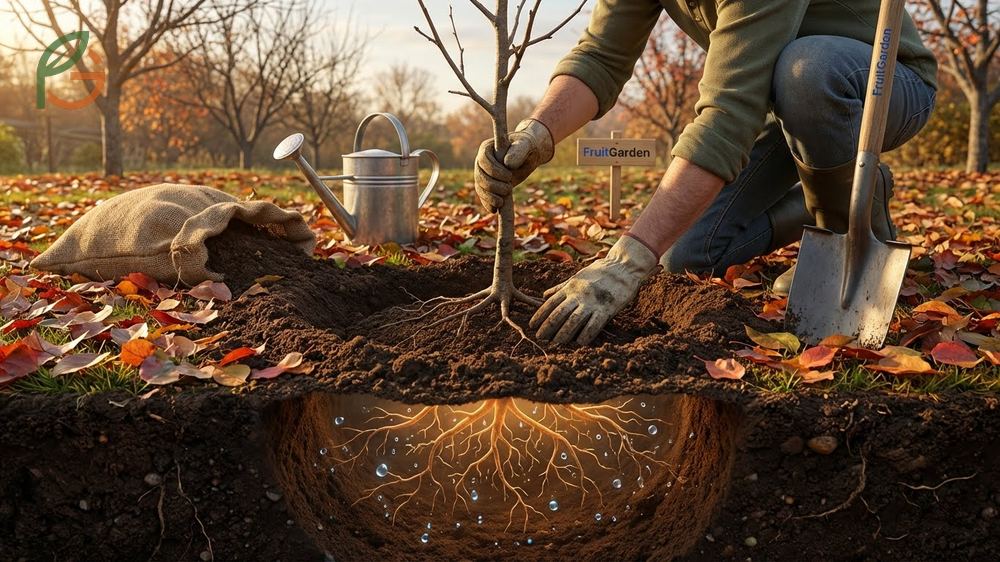
Best time to plant pear trees is late autumn to early spring during dormancy. Fall planting gives 6-8 weeks for root establishment, reducing summer stress.

Benefits of asian pears include 4g fiber, 51 calories, and high water content. Discover asian pear nutrition facts, health benefits, and popular varieties.

Can dogs have elderberry? No, elderberries are toxic to dogs due to cyanide-producing compounds. Learn symptoms, risks, and safe alternatives.
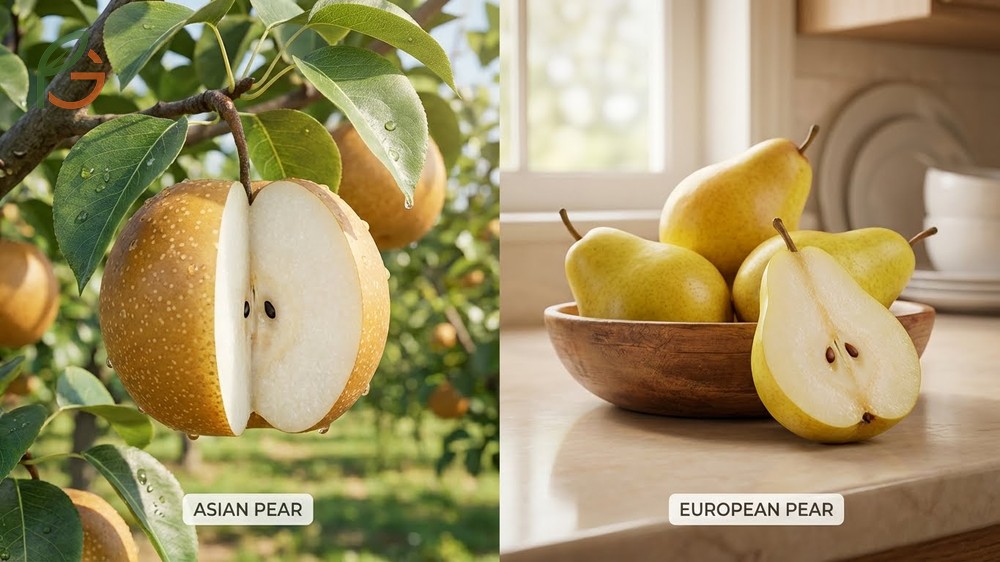
Asian pears vs regular pears differ in texture and ripening. Asian pears stay crisp like apples while European pears soften. Compare taste, growing tips, and uses.

Are pears good for you? Yes, they provide fiber, vitamins, and antioxidants that support digestion, heart health, and skin. Learn the health benefits of pears.

Are pears good for diabetics? Yes, when eaten in moderation. Pears have a low glycemic index of 30-38 and provide 6g fiber per fruit, making them safe for blood sugar control.

Anjou vs bartlett pears differ in sweetness, texture, and ripening. Bartlett pears turn yellow and taste sweeter, while Anjou stay green and hold shape better for baking.

Which state grows the most peaches? California produces 529,000 tons annually, leading all U.S. states. Discover production data, climate zones, and season facts.