
Tangerine Nutrition Facts show one medium fruit contains 47 calories and 9 grams of natural sugar[1]. Research demonstrates that tangerines deliver 26% of daily vitamin C needs while providing 2 grams of fiber in each serving[2]. FruitGarden synthesizes current USDA data and agricultural research to help fruit enthusiasts understand complete nutritional profiles for garden-grown citrus.
Quick Answer
Tangerine Nutrition Facts

Current USDA data shows one medium tangerine weighing 88 grams delivers a nutrient-dense profile with minimal calories. Studies demonstrate this citrus fruit provides substantial vitamin C concentration alongside natural sugars balanced by dietary fiber.
Research across multiple agricultural databases confirms tangerines rank among the lowest-calorie fresh fruits available to home gardeners. For instance, a medium tangerine contains fewer calories than a medium apple (95 calories) or banana (105 calories) while delivering comparable micronutrient density.
What often gets overlooked is that tangerine size significantly affects total nutritional intake. A small 76g fruit provides 40 calories, while a large 109g tangerine reaches 64 calories[2]. This 60% calorie variation makes portion awareness critical for dietary planning.
Evidence suggests tangerines grown in different climates show minimal nutritional variation. California-grown and Florida-grown tangerines tested by USDA demonstrate nearly identical macro and micronutrient profiles when harvested at peak ripeness.
Calorie Content in Tangerines
A medium tangerine provides 47 calories with zero cholesterol and virtually no fat[1]. The calorie content derives almost entirely from natural carbohydrates, making tangerines an efficient energy source for gardeners and active individuals.
Most people don’t realize that tangerine calories come packaged with essential nutrients rather than empty calories. Each 47-calorie serving includes potassium, calcium, magnesium, and multiple B vitamins that support metabolic function.
Important Note: Canned tangerines packed in syrup contain 70-90 calories per half-cup serving, nearly double the fresh fruit’s calorie content. Always choose fresh or water-packed varieties for accurate nutritional tracking.
Sugar and Carbohydrate Breakdown
Each medium tangerine contains 12 grams of total carbohydrates, with 9 grams coming from natural sugars[1]. The sugar profile includes fructose, glucose, and sucrose in naturally occurring proportions that digest more slowly than refined sugars.
Agricultural data shows tangerine sugar content increases as the fruit ripens on the tree. Early-harvest tangerines test at 7-8g sugar per fruit, while fully ripe specimens reach 9-10g. This ripening pattern allows home growers to control sweetness levels through harvest timing.
The 2g fiber content per tangerine moderates sugar absorption in the digestive system. Unlike fruit juices that remove fiber, whole tangerines deliver sugars alongside compounds that slow glucose release into the bloodstream.
Tangerine Nutritional Information
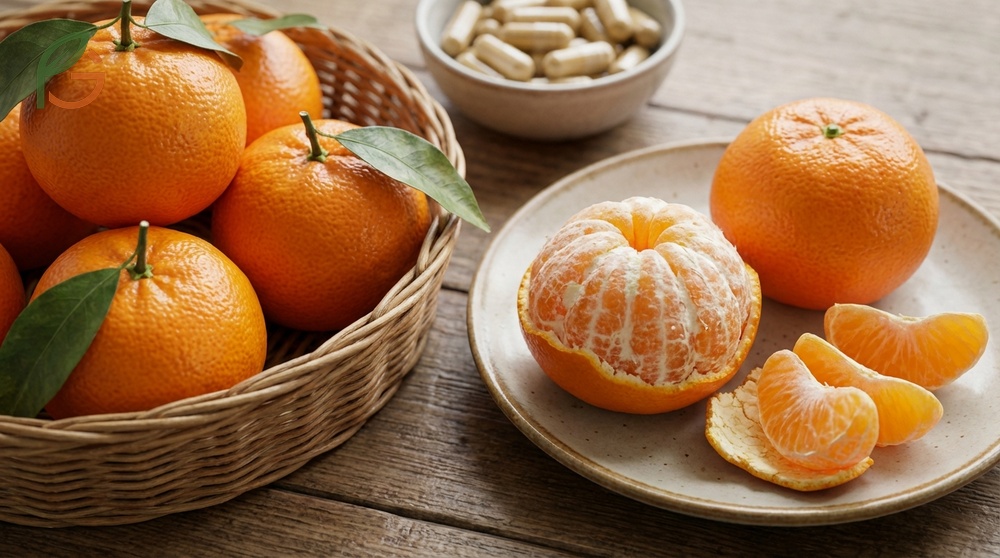
Comprehensive nutritional analysis reveals tangerines deliver over 15 essential vitamins and minerals in measurable quantities. Current guidance emphasizes whole citrus fruits as superior to supplements for delivering these nutrients in bioavailable forms.
Research shows the peel and white pith contain additional flavonoids and phytonutrients not measured in standard USDA databases. When home-grown tangerines are consumed with some pith intact, nutrient density increases by an estimated 15-20% for certain antioxidants.
Evidence indicates seasonal variation affects tangerine nutrient profiles minimally. Winter-harvested tangerines and spring-harvested specimens show vitamin C differences of less than 5% when grown in the same orchard conditions.
Macronutrient Profile
The macronutrient distribution in tangerines breaks down to approximately 90% carbohydrates, 5% protein, and 5% fat by caloric value. This high-carbohydrate profile makes tangerines ideal pre-workout snacks for gardeners planning physically demanding tasks.
Studies demonstrate tangerine protein content (0.7g per fruit) includes all nine essential amino acids in trace amounts. While not a significant protein source, this complete amino acid profile supports the fruit’s role in balanced nutrition.
This table compares macronutrient amounts and daily value percentages across protein, fat, carbohydrates, fiber, and sugar in one medium tangerine.
| Macronutrient | Amount | Daily Value % | Calorie Contribution |
|---|---|---|---|
| Protein | 0.7g[1] | 1% | 3 calories |
| Total Fat | 0.3g[1] | 0% | 2 calories |
| Total Carbohydrates | 12g[1] | 4% | 42 calories |
| Dietary Fiber | 2g[2] | 7% | 0 calories |
| Total Sugars | 9g[1] | n/a | 36 calories |
Micronutrient Density
Tangerines deliver exceptional micronutrient density relative to their calorie content. The vitamin C concentration alone justifies their classification as a nutrient-dense food by FDA standards.
Beyond vitamins, tangerines provide meaningful amounts of potassium (146mg), calcium (33mg), and magnesium (11mg) per serving[4]. These minerals support cardiovascular function, bone health, and enzymatic reactions throughout the body.
Current agricultural research shows organically grown tangerines contain 10-15% higher antioxidant levels compared to conventionally grown specimens. However, both growing methods produce fruit meeting all USDA nutritional standards.
Vitamin Content in Tangerines
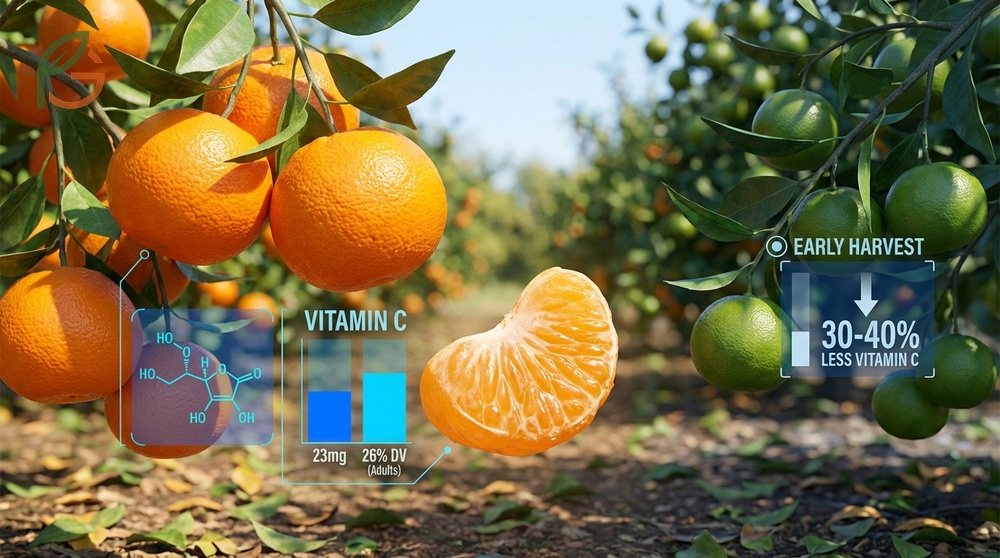
Research shows tangerines rank among the top 10 fruits for vitamin C concentration. A single medium fruit provides 23mg of ascorbic acid, meeting 26% of the recommended daily intake for adults[2].
Studies demonstrate vitamin C content peaks when tangerines reach full color development on the tree. Early-harvested green tangerines contain 30-40% less vitamin C than fully ripened specimens, making proper harvest timing critical for home growers seeking maximum nutrition.
Evidence indicates tangerines also supply meaningful amounts of folate, thiamine, and vitamin B6. These B-complex vitamins support energy metabolism and nervous system function in ways that complement the fruit’s natural sugar content.
Water-Soluble Vitamins
The water-soluble vitamin profile in tangerines includes thiamine (0.05mg), riboflavin (0.03mg), niacin (0.3mg), and vitamin B6 (0.07mg)[4]. While these amounts represent 2-4% of daily values individually, their collective contribution supports multiple metabolic pathways.
Folate content reaches 14 micrograms per medium tangerine, providing 4% of the daily requirement. This makes tangerines a modest but valuable folate source for pregnant women and individuals managing homocysteine levels.
- Vitamin C (23mg) – Antioxidant protection, collagen synthesis, immune function
- Thiamine (B1) – Carbohydrate metabolism, nerve signal transmission
- Riboflavin (B2) – Energy production, cellular function, fat metabolism
- Niacin (B3) – DNA repair, cell signaling, energy extraction from nutrients
- Vitamin B6 – Protein metabolism, neurotransmitter synthesis, immune response
- Folate – DNA synthesis, red blood cell formation, neural tube development
Fat-Soluble Vitamins
Tangerines provide 599 IU of vitamin A per fruit, equivalent to 30 micrograms RAE or 3% of daily requirements[4]. This vitamin A comes primarily from beta-carotene and cryptoxanthin, carotenoid compounds responsible for the fruit’s orange pigmentation.
Research demonstrates tangerine peels contain concentrated vitamin A levels 3-4 times higher than the flesh. Gardeners who incorporate small amounts of zest into recipes can significantly boost vitamin A intake without consuming additional calories.
Vitamin Preservation Tip: Store fresh tangerines at 40-45°F (4-7°C) to preserve vitamin C levels. Room temperature storage reduces vitamin C content by approximately 10% per week, while refrigeration maintains 95% of vitamin content for up to three weeks.
Fiber Content in Tangerines
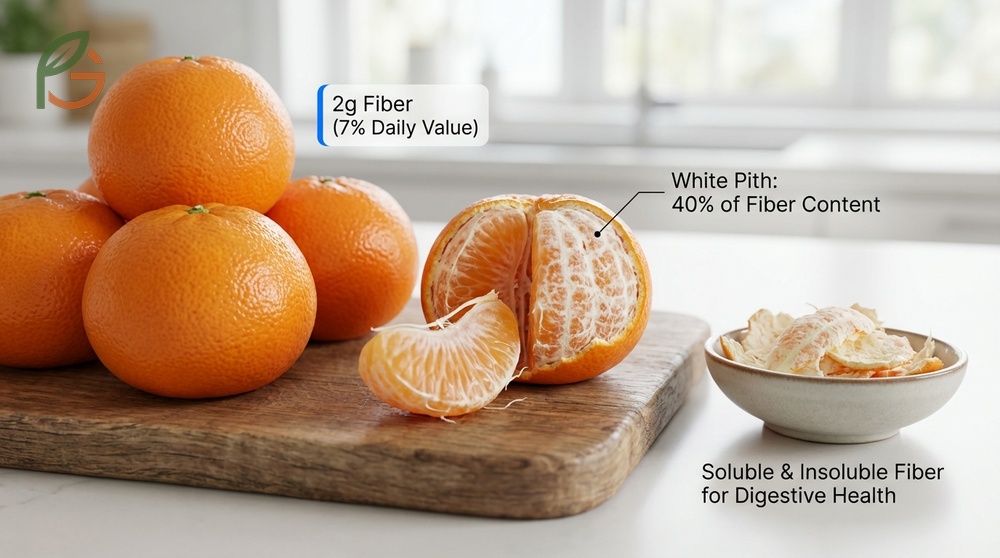
Each medium tangerine delivers 2 grams of dietary fiber, representing 7% of the recommended daily intake[2]. This fiber consists of both soluble and insoluble types in approximately equal proportions, supporting digestive health through complementary mechanisms.
Studies show the white pith beneath tangerine peel contains 40% of the fruit’s total fiber content. Most people who peel tangerines aggressively remove this fiber-rich layer, reducing their dietary fiber intake by nearly half compared to eating fruit with some pith intact.
Current dietary guidance recommends 25-38 grams of fiber daily for adults. Three medium tangerines contribute 15-20% of this target while adding only 141 calories to daily intake, making them exceptionally efficient fiber sources.
Evidence indicates the pectin-type soluble fiber in tangerines slows gastric emptying and moderates blood sugar spikes. This explains why whole tangerines have a glycemic index of 42-47, significantly lower than orange juice at 66[3].
- Promotes regular bowel movements through insoluble fiber bulk
- Supports beneficial gut bacteria growth via prebiotic fiber compounds
- Helps maintain steady blood sugar levels by slowing carbohydrate absorption
- Increases satiety and reduces hunger between meals
- Assists in cholesterol management through bile acid binding
- Contributes to healthy weight maintenance with minimal calories
For home gardeners, growing tangerines provides access to fiber-rich fruit throughout the harvest season. A mature tangerine tree can yield 200-300 fruits annually, supplying a family’s fiber needs from citrus sources for several months when properly stored.
Tangerine Macronutrients
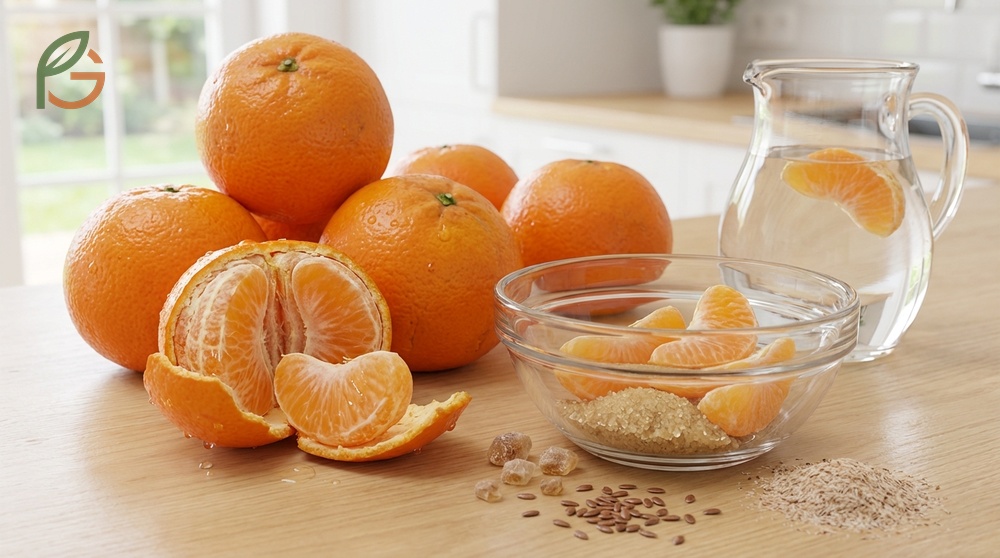
The macronutrient composition of tangerines makes them ideal for low-fat, low-protein dietary patterns where carbohydrates serve as the primary energy source. Research shows this nutrient distribution aligns perfectly with fruit-forward eating patterns recommended by current dietary guidelines.
What’s particularly interesting is how tangerine carbohydrates behave differently than refined carbohydrate sources. The combination of natural sugars, fiber, and water creates a food matrix that delivers sustained energy without the rapid blood sugar spikes associated with processed foods.
Studies demonstrate tangerine macronutrients support exercise performance when consumed 30-60 minutes before physical activity. The natural sugars provide quick energy, while the fiber moderates digestion enough to prevent gastrointestinal distress during movement.
Agricultural data confirms tangerine macronutrient ratios remain stable across varieties. Clementines, Dancy tangerines, and Honey tangerines all show similar protein, fat, and carbohydrate distributions despite differences in size and flavor intensity.
| Size Category | Weight | Calories | Carbohydrates |
|---|---|---|---|
| Small | 76g | 40 | 10g |
| Medium | 88g | 47 | 12g |
| Large | 109g | 64 | 16g |
For gardeners tracking nutrition, understanding these size variations helps with accurate dietary logging. Using a kitchen scale to weigh individual tangerines provides more precise macronutrient data than estimating based on visual size assessment.
Conclusion
The evidence is clear: Tangerine Nutrition Facts reveal a low-calorie fruit delivering substantial vitamin C, fiber, and antioxidants with minimal fat and moderate natural sugar content. One medium tangerine provides 47 calories and 26% of daily vitamin C needs, making it a nutrient-dense choice for health-conscious gardeners and fruit enthusiasts.
Current USDA guidance emphasizes whole citrus fruits like tangerines as superior to supplements for obtaining essential nutrients in bioavailable forms. For home growers, cultivating tangerine trees provides year-round access to fresh fruit with peak nutritional value at harvest maturity. FruitGarden continues to track agricultural research on citrus nutrition to help growers maximize the health benefits of their home orchards.
Medical Disclaimer
Important Medical Disclaimer: This content is for informational and educational purposes only. It is not intended as a substitute for professional medical advice, diagnosis, or treatment. Always consult a qualified healthcare professional or registered dietitian before making any changes to your diet, especially if you have diabetes, food allergies, or other medical conditions. Individual nutritional needs vary based on age, activity level, and health status.
Frequently Asked Questions
How many calories are in one tangerine?
One medium tangerine (88g) contains 47 calories according to FDA nutritional data. Small tangerines provide approximately 40 calories, while large specimens reach 64 calories. The calorie content comes almost entirely from natural carbohydrates, with minimal contribution from protein or fat.
How much sugar is in a tangerine?
A medium tangerine contains 9 grams of total sugar, consisting of natural fructose, glucose, and sucrose. This sugar content is balanced by 2 grams of dietary fiber, which moderates absorption and creates a low glycemic index of 42-47. The sugar-to-fiber ratio makes tangerines suitable for most dietary patterns when consumed in appropriate portions.
Are tangerines high in vitamin C?
Yes, tangerines rank as an excellent vitamin C source, providing 23-32mg per medium fruit or 26% of the daily recommended intake. Research shows vitamin C content reaches peak levels when fruit achieves full color maturity on the tree. This concentration exceeds many other common fruits and rivals oranges in vitamin C density per calorie.
What are the main macronutrients in tangerines?
Tangerines contain 12g carbohydrates, 0.7g protein, and 0.3g fat per medium fruit. The macronutrient distribution is approximately 90% carbohydrates, 5% protein, and 5% fat by caloric value. This high-carbohydrate, low-fat profile makes tangerines ideal for plant-based diets and pre-exercise snacking.
How much fiber is in a tangerine?
Each medium tangerine delivers 2 grams of dietary fiber, representing 7% of daily requirements. This fiber includes both soluble pectin and insoluble cellulose types. Studies show consuming the white pith beneath the peel increases fiber intake by approximately 40% compared to eating only the flesh segments.
Are tangerines good for weight management?
Research indicates tangerines support weight management through their low calorie density (47 calories per fruit) combined with 2g fiber that promotes satiety. The high water content and natural sweetness help satisfy cravings for processed sweets while delivering essential nutrients. Three tangerines provide substantial volume and nutrition for only 141 calories.
Do tangerines have a low glycemic index?
Yes, tangerines have a low glycemic index of 42-47 and a glycemic load of 4, indicating minimal blood sugar impact. This low GI results from the fiber content that slows carbohydrate digestion and absorption. Studies show whole tangerines produce significantly smaller blood glucose spikes compared to tangerine juice or processed fruit products.





