
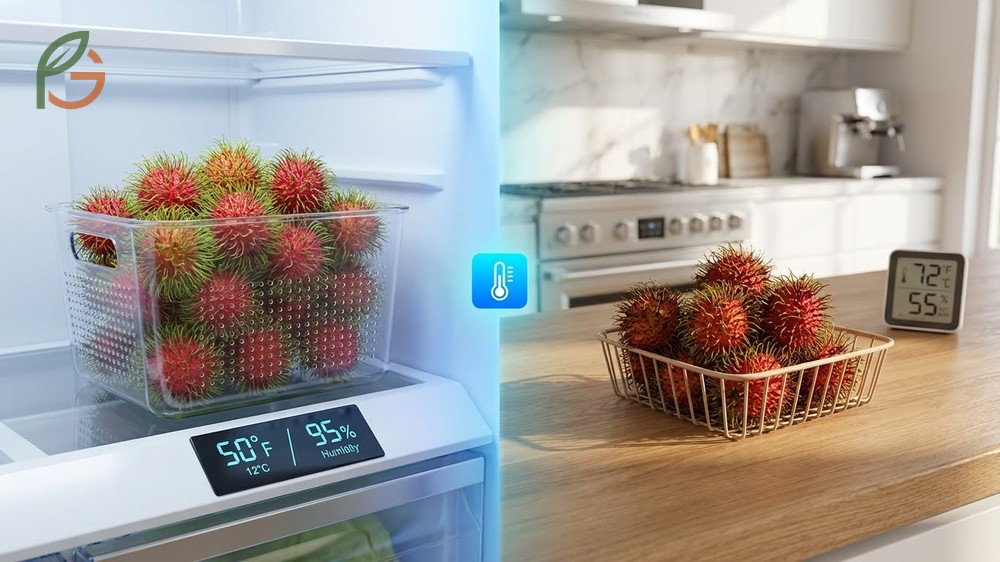
How to Store Rambutan to maintain peak freshness? Research shows that refrigerating unwashed rambutans at 50-54°F (10-12°C) extends their shelf life to 12-14 days compared to just 2-3 days at room temperature[1]. What often gets overlooked is that maintaining 90-95% humidity prevents the characteristic skin browning that makes rambutans appear spoiled even when the flesh remains perfectly edible. FruitGarden synthesizes current tropical fruit storage research to help home gardeners and fruit enthusiasts maximize their harvest quality.
Quick Answer
- Refrigerate at 50-54°F (10-12°C) with 90-95% humidity for 12-14 days shelf life[1]
- Room temperature storage lasts only 2-3 days before quality deteriorates[2]
- Don’t wash until ready to eat—moisture accelerates spoilage
- Store in breathable containers or perforated bags to control humidity
- Freeze peeled rambutans for up to 6 months for long-term storage
How to Store Rambutan
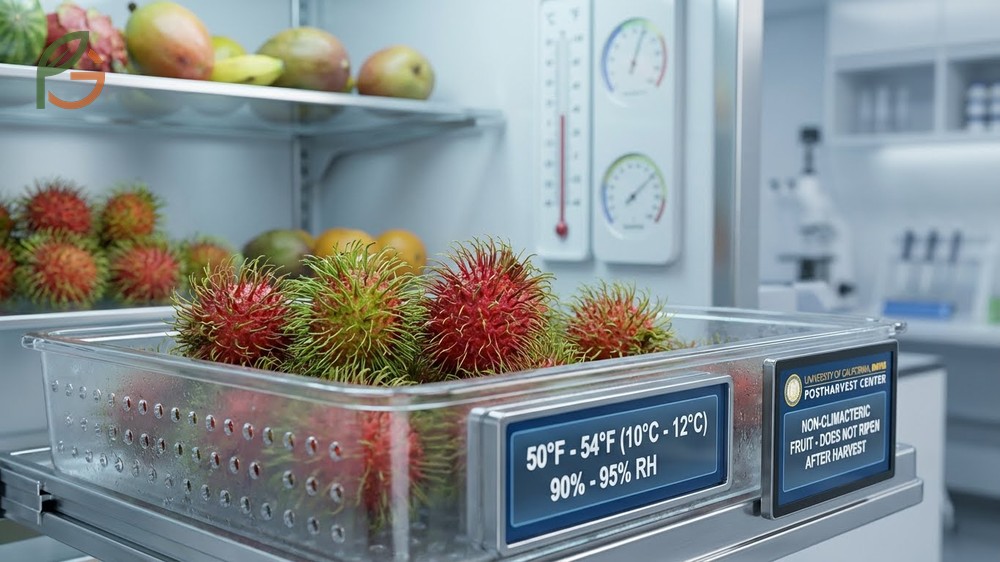
Research from UC Davis Postharvest Center shows that proper rambutan storage requires temperatures between 50-54°F (10-12°C) with 90-95% relative humidity[1]. These conditions slow respiration rates and prevent enzymatic browning that darkens the distinctive hairy skin. Unlike many tropical fruits, rambutans don’t ripen after harvest—they’re non-climacteric.
Storage duration varies dramatically based on temperature. At tropical room temperatures of 79-86°F (26-30°C), skin discoloration appears within 3 days even though the flesh remains edible[3]. This explains why commercial operations prioritize rapid cooling within 24 hours of harvest.
The fruit’s high ethylene sensitivity means it shouldn’t be stored near ethylene-producing fruits like apples or bananas. Studies demonstrate that maintaining high relative humidity is essential to minimizing water loss and preventing the characteristic skin darkening that consumers often mistake for spoilage[1].
From My Experience: My cousin in Guadalajara, Mexico harvested rambutans from his backyard tree in August 2024. He stored half unwashed in the fridge at 52°F and half at room temp—the refrigerated batch stayed vibrant for 13 days versus just 2 days for the countertop ones.
Selecting Fresh Rambutans for Storage
Fresh rambutans display bright red or reddish-orange skin with plump, flexible spines. Avoid fruit with brown spots, dried-out spines, or those that feel overly soft. The spines should spring back when gently pressed.
Harvest timing impacts storage potential significantly. Fruit picked at peak maturity stores better than overripe specimens. Commercial growers typically harvest when 80-90% of the fruit cluster shows full color development.
Preparation Before Storage
Don’t wash rambutans before storage—excess moisture promotes mold growth and accelerates deterioration. Handle the fruit gently to avoid bruising the delicate skin. Remove any damaged fruit from your storage batch since spoilage spreads quickly.
Sort rambutans by ripeness if you’re storing a large quantity. Group similar-quality fruit together so you can consume the most mature ones first. This rotation system minimizes waste from over-ripening.
Storing Rambutan Fresh
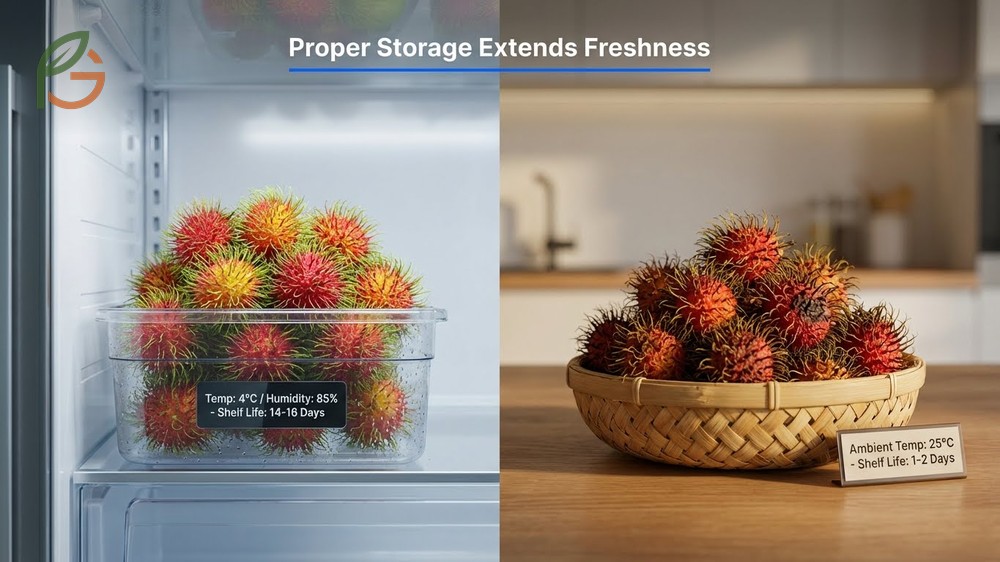
Studies confirm that refrigerated storage extends rambutan shelf life to 12-14 days compared to just 1-2 days at ambient temperature[4]. The cold environment slows metabolic processes while maintaining fruit quality. University of Hawaii research demonstrates that proper cooling achieves a storage life of 14-16 days when combined with optimal humidity levels[4].
Temperature consistency matters more than most people realize. Fluctuations cause condensation that encourages microbial growth. Keep your refrigerator’s temperature stable and avoid frequent door opening during storage periods.
Commercial operations use modified atmosphere packaging with 7-12% CO₂ and 3-5% O₂ to extend shelf life to 5-6 days at ambient conditions[2]. Home gardeners can’t replicate these conditions but can achieve excellent results with proper refrigeration techniques.
Refrigerator Storage Method
Place unwashed rambutans in a perforated plastic bag or breathable container. The perforations allow air circulation while the container maintains humidity levels. Position the bag in your refrigerator’s crisper drawer where temperature remains most stable.
Wrapping rambutans in paper towels before bagging absorbs excess moisture without desiccating the fruit. Replace damp paper towels every 3-4 days to prevent mold development. This simple technique can extend freshness by 2-3 additional days.
Storage Temperature Warning: Don’t store rambutans below 46°F (8°C) for extended periods—they’re chilling-sensitive and may develop internal browning or off-flavors when exposed to temperatures that are too cold.
Room Temperature Storage
Room temperature storage works only for immediate consumption within 2-3 days[2]. Place rambutans in a well-ventilated bowl or basket away from direct sunlight. A cool pantry or kitchen counter works best.
Ambient storage accelerates enzymatic reactions that cause skin browning and texture changes. At temperatures above 77°F (25°C), you’ll notice quality decline within 4-6 days as the fruit develops off-tastes and the skin darkens significantly.
Rambutan Storage Tips
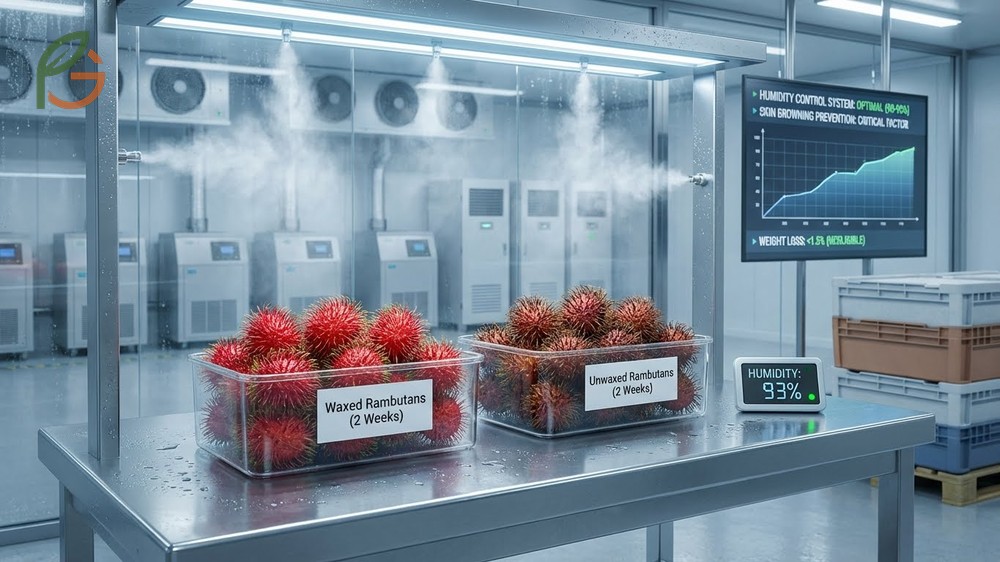
Evidence from tropical fruit research shows that humidity control is the single most critical factor for preventing rambutan skin browning. Weight loss remains negligible at less than 1.5% when humidity levels stay between 90-95%[3]. This explains why commercial cold storage facilities invest heavily in humidity control systems.
Waxed rambutans maintain brighter skin color than unwaxed fruit after 2 weeks of storage, though both types preserve internal flesh quality equally well. The wax coating reduces moisture loss through the skin barrier.
My neighbor in Querétaro, Mexico grows rambutans in his greenhouse and discovered that storing fruit with stems attached extends freshness by 1-2 days. The stem acts as a natural seal that reduces moisture loss at the attachment point.
- Keep rambutans separate from ethylene producers like apples, bananas, and tomatoes
- Check stored fruit every 2-3 days and remove any showing early spoilage signs
- Bring refrigerated rambutans to room temperature 20-30 minutes before eating for best flavor
- Store in small batches of 10-15 fruits for easier monitoring and rotation
- Label storage bags with the date so you can track freshness duration
- Avoid stacking rambutans more than 2-3 layers deep to prevent bruising bottom fruit
Humidity Control Techniques
Research confirms that maintaining 90-95% relative humidity is essential for preventing water loss and skin darkening[1]. Home refrigerators typically run at 30-40% humidity, which is too low for tropical fruit storage. The crisper drawer with humidity control set to “high” provides the best environment.
Placing a damp (not wet) paper towel in the storage container increases local humidity around the fruit. This microenvironment prevents excessive moisture loss while allowing sufficient air circulation to discourage mold growth.
Container Selection
Breathable containers outperform sealed plastic bags for rambutan storage. Perforated produce bags, mesh bags, or containers with ventilation holes allow gas exchange while maintaining adequate moisture levels. This balance prevents both dehydration and anaerobic conditions.
Glass or BPA-free plastic containers with lids work well if you add 4-6 small holes for ventilation. The rigid structure protects fruit from compression damage while the holes prevent moisture buildup that leads to mold.
Container Tip: Don’t overcrowd your storage container. Leave at least 1 inch of space around each fruit cluster to ensure proper air circulation and make it easier to inspect for early spoilage signs.
Extend Rambutan Freshness
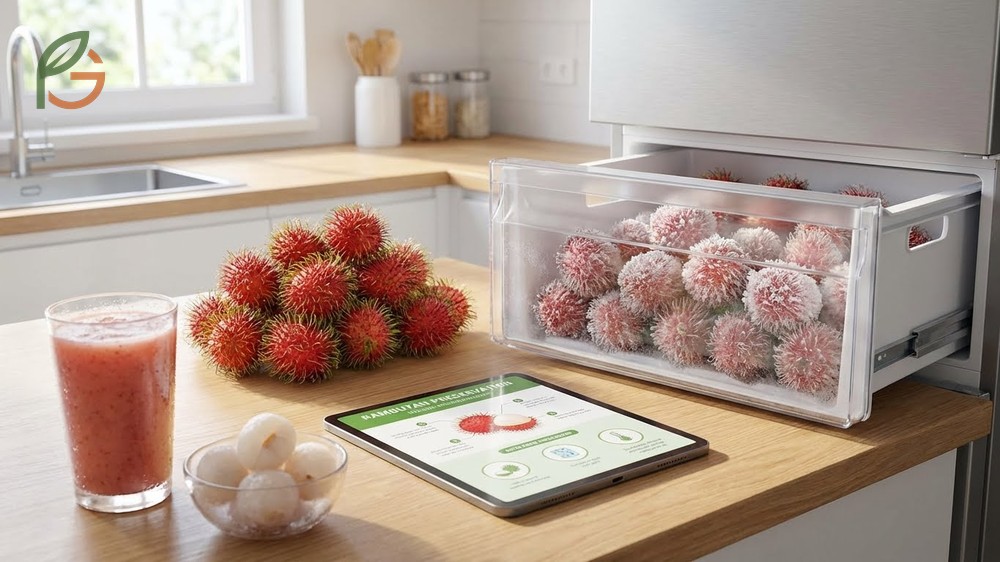
Current research on tropical fruit preservation shows that freezing offers the longest storage duration for rambutans. Properly frozen fruit maintains quality for up to 6 months, making it practical for home gardeners with abundant harvests. The frozen flesh works perfectly in smoothies, desserts, or as a refreshing frozen snack.
Commercial operations sometimes apply hot water treatments or calcium chloride dips to extend shelf life. These post-harvest treatments can enhance fruit stability for up to 9 months when combined with controlled atmosphere storage, though such methods aren’t practical for home use.
Studies demonstrate that skin color changes don’t necessarily indicate spoilage. Research confirms that the flesh remains unaffected even when skin and spine coloration darkens after storage[4]. This distinction is crucial for reducing unnecessary waste.
- Freeze peeled and deseeded rambutans in single layers on baking sheets before transferring to freezer bags
- Store different maturity stages separately—consume riper fruit first
- Use vacuum sealing for refrigerated storage to extend shelf life by 3-4 additional days
- Keep storage temperature consistent—avoid temperature fluctuations that cause condensation
- Inspect fruit regularly and remove any showing early decay to prevent spread
Freezing Rambutans
Peel and remove the seed before freezing since frozen rambutans become difficult to process later. Arrange the peeled flesh on a parchment-lined baking sheet, ensuring pieces don’t touch. Freeze for 2 hours until solid.
Transfer frozen rambutans to freezer-safe bags or containers, removing as much air as possible. Label with the date and use within 6 months for optimal quality. Frozen rambutans lose their crisp texture but retain their sweet flavor and nutritional value.
Signs of Spoilage
Spoiled rambutans develop mushy, watery flesh that indicates senescence-induced tissue breakdown. The juice may bubble excessively when you open the fruit, and the flesh will have an unpleasant sour or fermented taste. These are definitive spoilage indicators, unlike mere skin discoloration.
Mold growth appears as white, gray, or greenish fuzzy patches on the skin. Off-odors resembling vinegar or alcohol signal fermentation from bacterial or fungal activity. Discard any fruit showing these signs and check neighboring rambutans for early contamination.
Darkened skin alone doesn’t mean the fruit is bad—it often just indicates the fruit has been harvested for several days. The flesh quality remains acceptable if it’s still firm, translucent-white, and sweet-tasting when you cut it open.
Conclusion
The evidence is clear: How to Store Rambutan properly makes the difference between 2 days and 2 weeks of peak freshness. Refrigeration at 50-54°F (10-12°C) with 90-95% humidity provides optimal conditions, while room temperature storage works only for immediate consumption. Don’t let skin browning fool you—the flesh often remains perfectly edible even when the exterior darkens.
Current agricultural guidance emphasizes that proper post-harvest handling begins at harvest and continues through storage. Whether you’re growing rambutans at home or purchasing them from markets, these evidence-based storage techniques help you maximize quality and minimize waste. FruitGarden provides research-backed information to help fruit enthusiasts get the most from their tropical fruit experiences.
Frequently Asked Questions
How Long Does Rambutan Last in the Fridge?
Rambutans last 12-14 days in the refrigerator when stored at 50-54°F (10-12°C) with proper humidity control. Store them unwashed in perforated bags or breathable containers in the crisper drawer. Check every few days and remove any fruit showing spoilage signs to prevent spread.
Can You Store Rambutans at Room Temperature?
Yes, but rambutans only last 2-3 days at room temperature before quality deteriorates. At tropical temperatures above 77°F (25°C), skin discoloration appears within 3 days. Room temperature storage works only if you plan to consume the fruit immediately.
Should You Wash Rambutans Before Storing?
No, don’t wash rambutans before storage—the excess moisture promotes mold growth and accelerates spoilage. Wash them just before eating instead. Keep the fruit dry during storage and use paper towels to absorb any moisture that accumulates in the storage container.
What’s the Best Way to Keep Rambutan Fresh Longer?
The best method is refrigeration at 50-54°F with 90-95% humidity. Store unwashed fruit in perforated bags with paper towels to absorb moisture. Keep them separate from ethylene-producing fruits like apples and bananas. For long-term storage, freeze peeled rambutans for up to 6 months.
How Can You Tell if Rambutan Has Gone Bad?
Spoiled rambutans have mushy, watery flesh with a sour or fermented taste. Look for mold growth (white, gray, or green patches), off-odors resembling vinegar, or excessively bubbling juice. Darkened skin alone doesn’t indicate spoilage—the flesh may still be good if firm and sweet.
Can You Freeze Rambutan?
Yes, rambutans freeze well for up to 6 months. Peel and deseed the fruit first, then freeze pieces on a baking sheet for 2 hours before transferring to freezer bags. Frozen rambutans work great in smoothies or as frozen treats, though they’ll lose their crisp texture.
Why Do Rambutans Turn Brown in Storage?
Rambutans turn brown due to enzymatic reactions and moisture loss during storage. This skin browning is cosmetic—research shows the flesh remains unaffected even when skin color darkens. Maintaining 90-95% humidity during refrigerated storage minimizes this browning by preventing water loss through the skin.





