
What does prickly pear taste like? Research shows prickly pear fruit delivers a sweet, refreshing flavor reminiscent of watermelon and honeydew melon with subtle strawberry and bubblegum notes[1]. The cactus pads (nopales) offer a completely different experience—tangy and vegetal, similar to green beans with a lemony kick. FruitGarden brings you expert insights into both the sweet fruit and savory cactus pads, drawing from culinary research and field observations across growing regions.
Quick Answer
- Prickly pear fruit tastes like a blend of watermelon + honeydew melon with hints of strawberry and bubblegum[1]
- Nutrition per 100g: 41 calories, 3.5g fiber, 85mg magnesium[2]
- Texture is soft, juicy, and seedy—similar to kiwi but milder and more delicate
- Nopales (pads) taste like green beans + asparagus with tangy lemon notes[3]
What Does Prickly Pear Taste Like
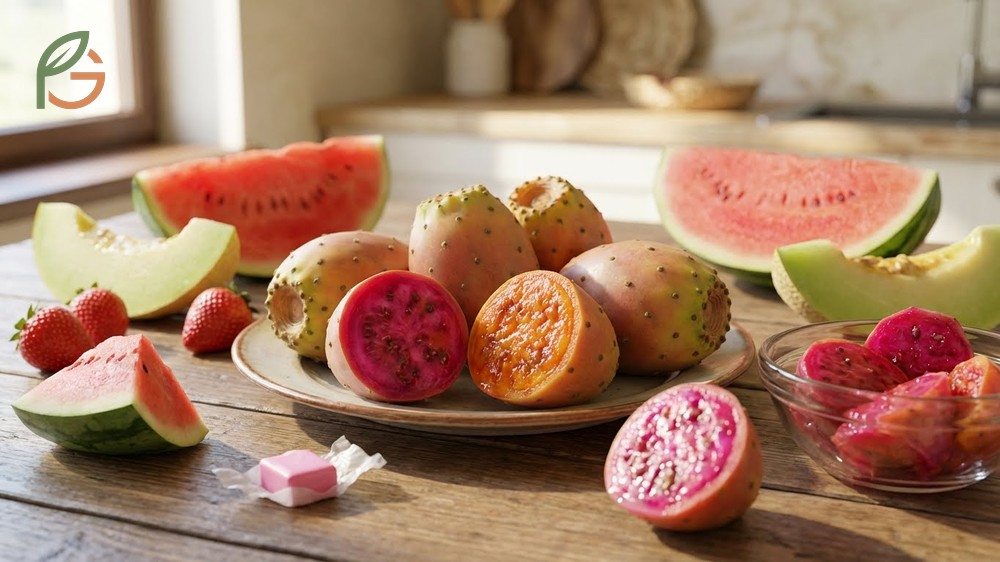
When you bite into a ripe prickly pear, you’ll experience a delicate sweetness that’s often compared to watermelon crossed with honeydew melon[1]. Unlike intensely sweet tropical fruits, prickly pear offers a subtle, refreshing quality that won’t overwhelm your palate. Most people also detect hints of strawberry and—surprisingly—bubblegum in the flavor profile.
The texture plays a huge role in the overall experience. You get a soft, gelatinous flesh studded with hundreds of tiny edible seeds that provide a gentle crunch, similar to kiwi[4]. This seed-studded quality can be surprising if you’re expecting smooth fruit like mango or papaya. The flesh itself is incredibly juicy and hydrating—perfect for hot summer days when you’re craving something light and cooling.
From My Experience: My cousin in Guadalajara, Mexico grows prickly pear cacti in her backyard. Last summer, she served me fresh-picked fruit at breakfast—the deep magenta ones were noticeably sweeter than the yellowish-orange variety, which had more tartness and a cucumber-like edge.
Fruit Flavor Profile
Research shows the flavor intensity correlates directly with the fruit’s color[4]. Deep red and purple varieties deliver richer sweetness compared to yellow or orange types, which tend toward more acidic, citrus-like notes. This color variation isn’t just aesthetic—it signals real differences in sugar content and flavor complexity.
What sets prickly pear apart from similar fruits is its earthy undertone. You’ll notice a subtle, almost mineral-like quality beneath the sweetness—a reminder of its desert origins. This earthiness isn’t unpleasant; it adds depth that prevents the fruit from tasting one-dimensional or artificially sweet.
- Primary notes: watermelon freshness with melon sweetness
- Secondary notes: strawberry, bubblegum, mild citrus tang
- Underlying flavor: subtle earthy, mineral-like quality
- Sweetness level: mild to moderate (not intensely sweet like mango)
- Acidity: slight tartness that balances the sugar
- Aftertaste: clean and light, doesn’t linger heavily
How Ripeness Changes the Taste
Ripeness dramatically transforms prickly pear’s flavor profile. Green, unripe fruit tastes sour and vegetal—almost like underripe cucumber with high acidity[4]. This stage isn’t enjoyable for fresh eating, which is why proper selection matters so much.
As the fruit matures through yellow and orange stages, sweetness develops while acidity decreases. Peak flavor occurs when prickly pears turn deep magenta or ruby red, offering the optimal sugar-to-acid balance that makes them so appealing. Overripe fruit becomes mushy with fermented, wine-like qualities—still edible but past its prime.
Important Note: Don’t judge prickly pear by an unripe specimen. The difference between green and fully ripe fruit is dramatic—it’s like comparing a hard, sour peach to a perfectly ripe one. Always select fruits with deep, vibrant color for the best flavor experience.
What Does Prickly Pear Cactus Taste Like
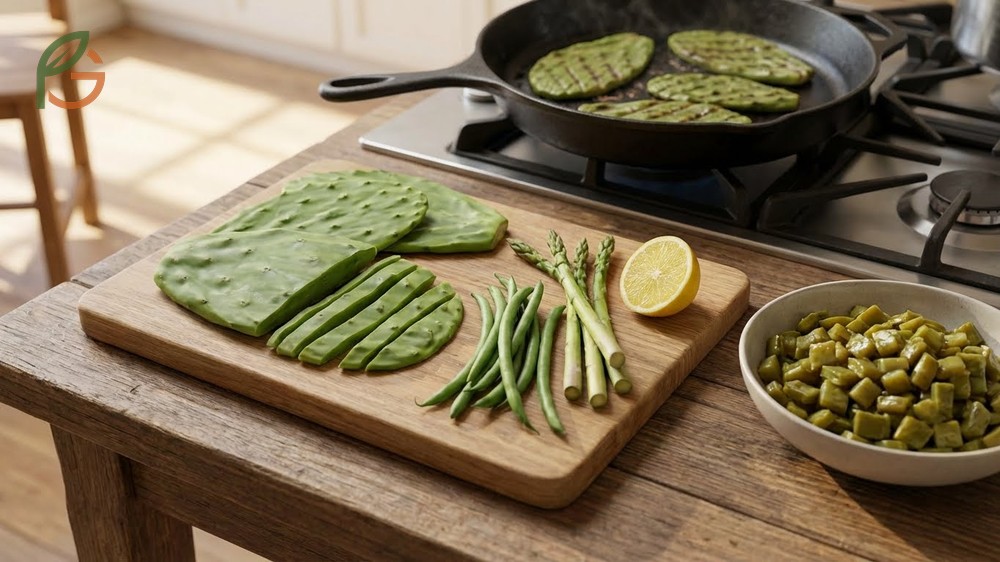
The cactus pads—called nopales or nopalitos—offer a completely different taste experience from the fruit. Raw nopales have a crisp, vegetal flavor that’s been described as green beans meeting asparagus with a whisper of tangy lemon[3]. This tartness comes from natural acids in the cactus tissue, giving it a bright, fresh quality.
When you cook nopales properly—grilled or sautéed—the sliminess mellows into a pleasant, tender bite similar to cooked eggplant or green peppers. The lemony tartness persists but becomes more integrated with the overall flavor. Cooked nopales soak up spices and seasonings beautifully, making them incredibly versatile in Mexican and Southwestern cuisine.
Nopales Texture and Preparation
Here’s what most first-timers don’t expect: nopales release a mucilaginous substance (similar to okra) when you cut them. This sliminess is natural and actually contains beneficial compounds, but it can put people off if they’re not prepared for it. The good news is that proper cooking techniques significantly reduce this quality.
The texture transforms from crisp and slightly slimy when raw to tender and absorbent when cooked[5]. Think of cooked bell peppers or zucchini—that’s the consistency you’re aiming for. When grilled over high heat, nopales develop a pleasant char that adds smokiness to their natural tang.
- Raw flavor: tart, vegetal, with lemony green bean notes
- Cooked flavor: milder tang, absorbs seasonings well
- Raw texture: crisp with natural mucilage (sliminess)
- Cooked texture: tender, similar to cooked peppers or eggplant
- Grilled character: smoky char balances the natural tartness
Best Cooking Methods
Sweating is the most effective method for reducing sliminess while maintaining flavor. You heat nopales in a covered skillet over medium heat for about 20 minutes until the mucilage evaporates[5]. This technique draws out moisture without adding water, concentrating the flavor.
Grilling delivers the best flavor if you don’t mind a bit of texture. High, direct heat caramelizes the natural sugars in nopales and adds smokiness. Boiling works but can make them waterlogged—if you choose this method, drain and rinse them under cold water immediately after cooking to stop the process and reduce sliminess.
Prickly Pear Flavor Pairing
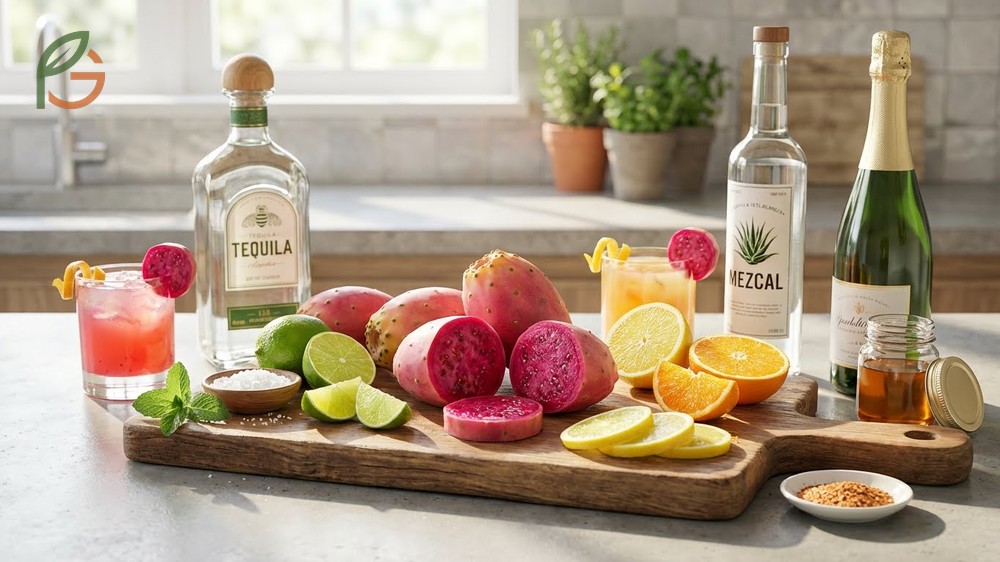
Prickly pear’s delicate flavor shines when paired with ingredients that complement rather than overpower it. Citrus works exceptionally well—lime, lemon, and orange zest enhance the fruit’s natural brightness without competing[6]. The acidity in citrus balances prickly pear’s sweetness and brings out its tropical notes.
For beverages, prickly pear pairs beautifully with tequila, mezcal, and sparkling wine. The fruit’s subtle flavor doesn’t get lost in cocktails—instead, it adds a unique magenta hue and gentle fruity undertone. In desserts, it works well with vanilla, coconut, and other tropical fruits like passion fruit and mango.
From My Experience: A friend who runs a small café in Oaxaca, Mexico makes prickly pear agua fresca by blending the fruit with lime juice and mint. She told me the key is adding just a touch of agave—too much sweetener masks the delicate melon notes that make prickly pear special.
- Citrus: lime, lemon, orange, grapefruit (enhances brightness)
- Herbs: mint, basil, cilantro (adds freshness)
- Spirits: tequila, mezcal, vodka, champagne (for cocktails)
- Tropical fruits: passion fruit, mango, pineapple (creates depth)
- Dairy: Greek yogurt, coconut milk (balances acidity)
- Spices: cinnamon, vanilla, ginger (subtle warmth)
Flavor Tip: Prickly pear’s mild flavor means it can get overwhelmed in heavily spiced dishes. Use it where its delicate melon-berry notes can shine—fresh preparations, light syrups, and simple cocktails work better than complex sauces or heavily seasoned recipes.
Prickly Pear Margarita Taste
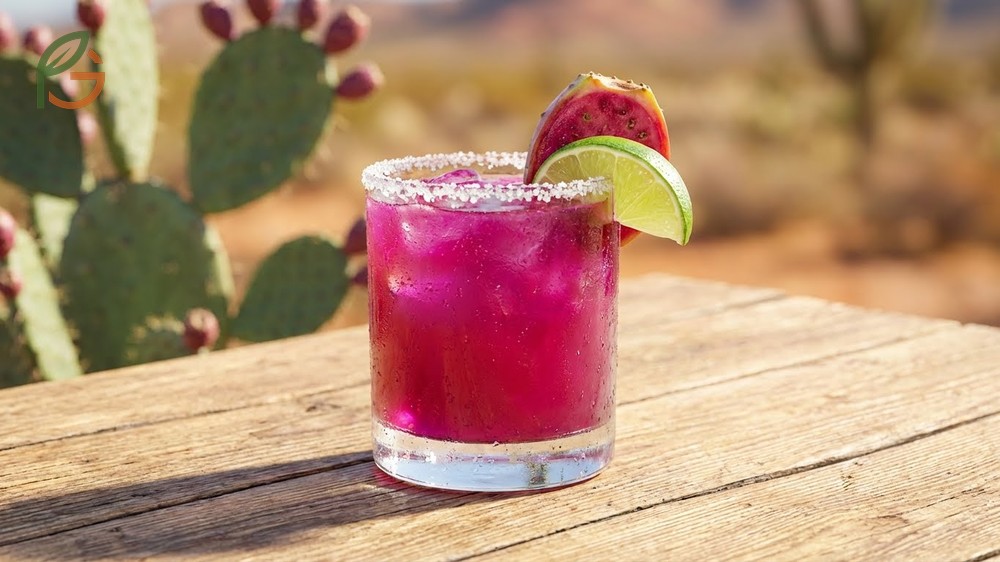
A prickly pear margarita delivers a unique twist on the classic cocktail. You get the familiar tequila bite and lime tartness balanced by prickly pear’s gentle melon sweetness and striking magenta color. The fruit’s subtle flavor doesn’t compete with the tequila—instead, it adds a fruity undertone that rounds out the drink’s sharp edges.
The texture becomes silky when you use prickly pear syrup (made by cooking the fruit with sugar), creating a smoother mouthfeel than a standard margarita. Most people describe the taste as refreshing and slightly tropical, with the prickly pear adding complexity without making the drink overly sweet or fruit-forward.
What makes prickly pear margaritas stand out is their visual appeal combined with balanced flavor. The vibrant pink-red color looks stunning in a salt-rimmed glass, while the taste remains sophisticated—fruity enough to be interesting but not candy-like. The lime juice’s acidity plays off prickly pear’s natural tartness, creating layers of flavor that keep each sip interesting.
Conclusion
The evidence is clear: what does prickly pear taste like depends entirely on whether you’re eating the fruit or the cactus pads. The fruit delivers a delicate watermelon-melon sweetness with strawberry hints, while nopales offer a tangy, vegetal flavor similar to green beans with lemon notes. Both bring unique qualities to your kitchen—the fruit for beverages and desserts, the pads for savory Mexican dishes.
Current culinary guidance emphasizes selecting deep-colored, ripe fruit for optimal sweetness and properly cooking nopales to reduce sliminess while preserving their signature tang. FruitGarden continues to track emerging uses for both prickly pear fruit and cactus pads as chefs experiment with this versatile desert plant in modern cuisine.
Frequently Asked Questions
Does prickly pear taste like watermelon?
Yes, prickly pear has a watermelon-like sweetness combined with honeydew melon and subtle strawberry notes. The similarity to watermelon is one of the most common comparisons, though prickly pear is generally less sweet and has a more delicate flavor with earthy undertones that watermelon lacks.
What does prickly pear cactus taste like when cooked?
Cooked nopales (cactus pads) taste like a cross between green beans and cooked bell peppers with a tangy, lemony quality. Grilling adds smokiness, while sweating or sautéing creates a tender, eggplant-like texture that absorbs seasonings well. The natural sliminess disappears with proper cooking techniques.
How do you know when prickly pear is ripe enough to eat?
Ripe prickly pears have deep, vibrant colors—magenta, ruby red, or deep purple. They’ll yield slightly to gentle pressure, similar to a ripe avocado. Avoid green or pale yellow fruits, which taste sour and vegetal. The fruit should feel heavy for its size, indicating juiciness.
Can you eat prickly pear seeds?
Yes, prickly pear seeds are completely edible and many people eat them along with the flesh. They provide a gentle crunch similar to kiwi seeds. However, some prefer to strain them out when making juice or syrup for a smoother texture, especially for cocktails or desserts.
What’s the texture of prickly pear fruit?
Prickly pear has a soft, gelatinous texture studded with hundreds of tiny crunchy seeds. Think of kiwi fruit but more delicate and less firm. The flesh is incredibly juicy and releases moisture when you bite it, making it refreshing and hydrating—perfect for hot weather.
How does nopales texture change when cooked?
Raw nopales are crisp with a slimy mucilage similar to okra. Cooking transforms them into tender, absorbent vegetables with a texture like cooked peppers or eggplant. The sliminess largely disappears through sweating, grilling, or boiling—then draining and rinsing under cold water.
What flavors pair best with prickly pear in cocktails?
Citrus (especially lime), tequila, mezcal, and mint pair exceptionally well with prickly pear in cocktails. The fruit’s delicate melon flavor complements rather than competes with spirits, while lime’s acidity balances its subtle sweetness. Ginger and basil also work beautifully for more complex cocktail profiles.





