
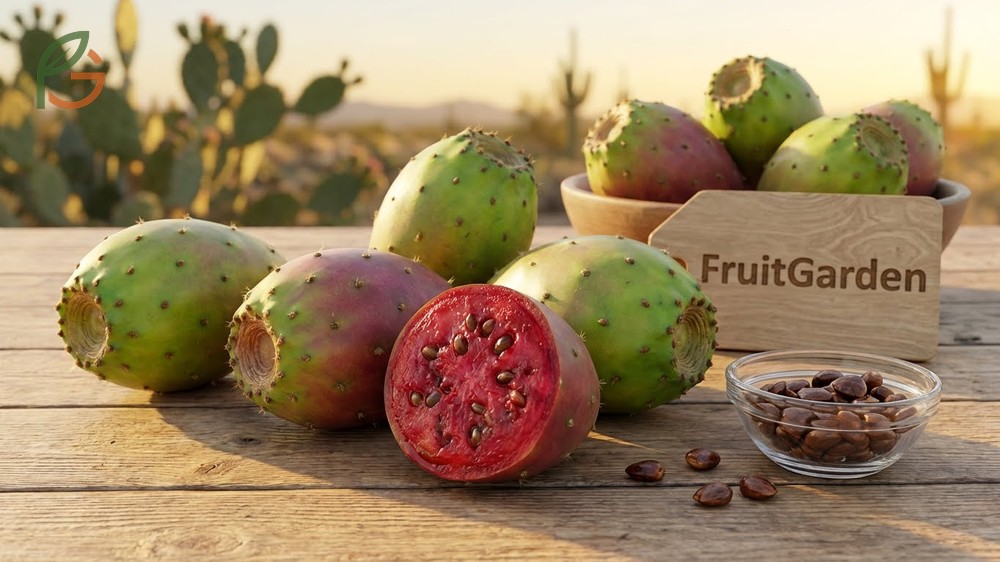
Can you eat prickly pear seeds? Yes, prickly pear seeds are technically edible and safe to swallow whole, though they can’t be chewed due to their hardness. Research shows that while these seeds pose minimal risk when consumed in moderation, excessive intake may lead to digestive complications[1]. FruitGarden synthesizes current agricultural research and nutritional data to help you safely enjoy this unique desert fruit.
Quick Answer
Can You Eat Prickly Pear Seeds
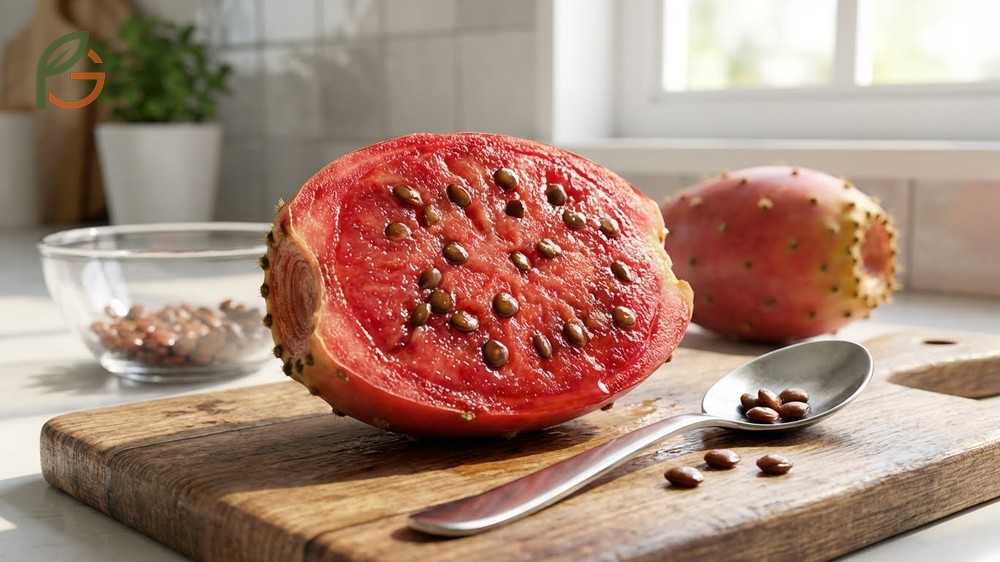
Prickly pear seeds are completely safe to eat and won’t harm you if swallowed whole. The small, hard seeds pass through your digestive system intact, similar to how your body handles corn or sesame seeds[2]. Most people who eat prickly pears swallow the seeds without any issues.
The seeds can’t be chewed because they’re extremely hard—trying to bite down on them is like crunching gravel. Studies demonstrate that these seeds remain largely undigested, exiting your body in the same form they entered[1]. This means you won’t extract much nutritional value from whole seeds, but they won’t cause problems either.
What often gets overlooked is that seed quantity matters significantly. Evidence suggests consuming 2-3 fruits daily is generally safe for most adults[1]. Beyond this amount, the fiber content from accumulated seeds may stress your digestive system.
What Prickly Pear Seeds Taste Like
The seeds themselves have virtually no flavor. When you eat prickly pear, you taste the sweet-tart flesh surrounding the seeds, not the seeds themselves. The texture resembles tiny pebbles mixed with juicy pulp, which some people find off-putting.
Most experienced prickly pear consumers either swallow the seeds quickly without focusing on texture or strain them out entirely. You can spit seeds out as you eat, similar to watermelon seeds, though this proves tedious given how numerous they are.
Nutritional Value of Seeds
Current data indicates that 100 grams of prickly pear fruit provides 40 calories and 3.5g fiber[3]. The seeds contribute significantly to this fiber content. However, because seeds pass through undigested, your body doesn’t absorb most of their potential nutrients.
The fruit flesh offers more accessible nutrition, including 14mg vitamin C (17% daily value) and 85mg magnesium (24% daily value)[3]. These vitamins are found in the pulp, not the seeds, making juice or strained preparations equally nutritious.
Important Note: If you’re eating prickly pear for its health benefits, straining out seeds doesn’t reduce nutritional value. The vitamins, minerals, and antioxidants are concentrated in the fruit flesh, not the indigestible seeds.
Prickly Pear Seeds Edible
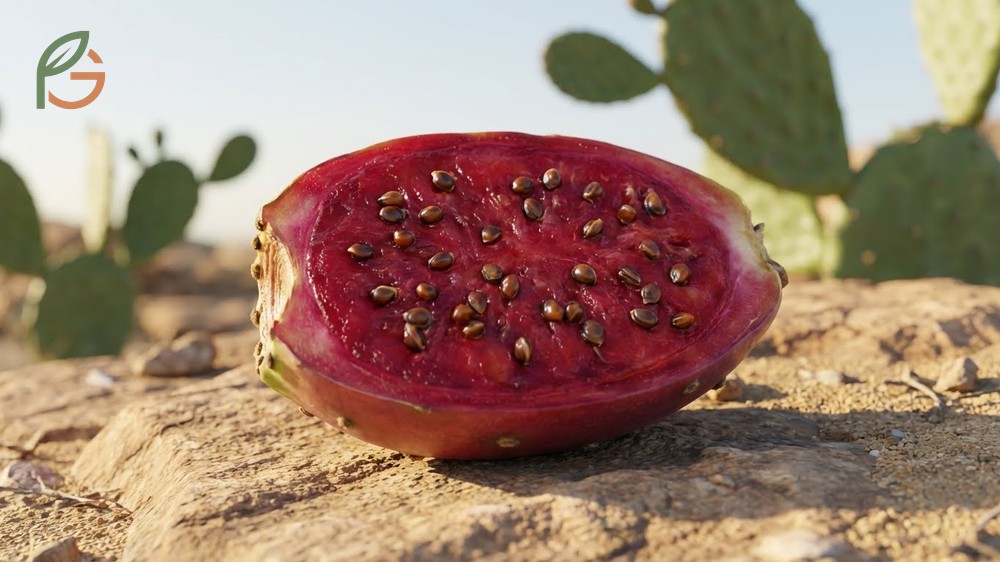
The term “edible” applies to prickly pear seeds, but it’s more accurate to say they’re “swallowable” rather than digestible. Research shows these seeds have a hard outer coating that protects them from digestive acids[2]. This evolutionary feature helps the cactus reproduce when animals consume fruits and excrete intact seeds elsewhere.
Agricultural data shows that prickly pear produces numerous small seeds per fruit—often 50 or more. Unlike soft fruit seeds you might not notice, these remain distinct and noticeable throughout eating. The seeds measure 3-5mm in diameter and feel like small stones against your teeth.
Commercial prickly pear products typically remove seeds before processing. Juices, jellies, and candies made from this fruit undergo straining to eliminate the grainy texture seeds create[5]. You’ll rarely encounter seeds in store-bought prickly pear items.
Hard Seed Structure Explained
The hardness of prickly pear seeds comes from their thick seed coat, designed to survive the harsh desert environment. This protective layer allows seeds to remain viable for months or years before germinating. The same durability that helps seeds survive also makes them resistant to human digestion.
When you swallow these seeds, they travel through your stomach and intestines unchanged. Your digestive enzymes can’t penetrate the seed coat effectively. This explains why whole seeds appear in stool after consumption—they simply pass through your system.
How Your Body Processes Seeds
Your digestive system treats prickly pear seeds as insoluble fiber. They add bulk to stool and may help promote regular bowel movements when consumed in reasonable amounts. The seeds don’t dissolve, ferment, or break down like soluble fiber does.
Transit time for these seeds typically ranges from 24-72 hours, matching the normal digestive timeline for most foods. During this period, seeds remain intact while absorbing some water. This absorption contributes to the fiber benefit mentioned earlier.
- Seeds enter stomach intact and resist acid breakdown
- Small intestine can’t absorb nutrients from hard seed coat
- Seeds absorb water in colon, adding bulk to stool
- Normal bowel movements eliminate seeds within 1-3 days
- Excessive seeds may accumulate in digestive tract
Safe Eat Seeds
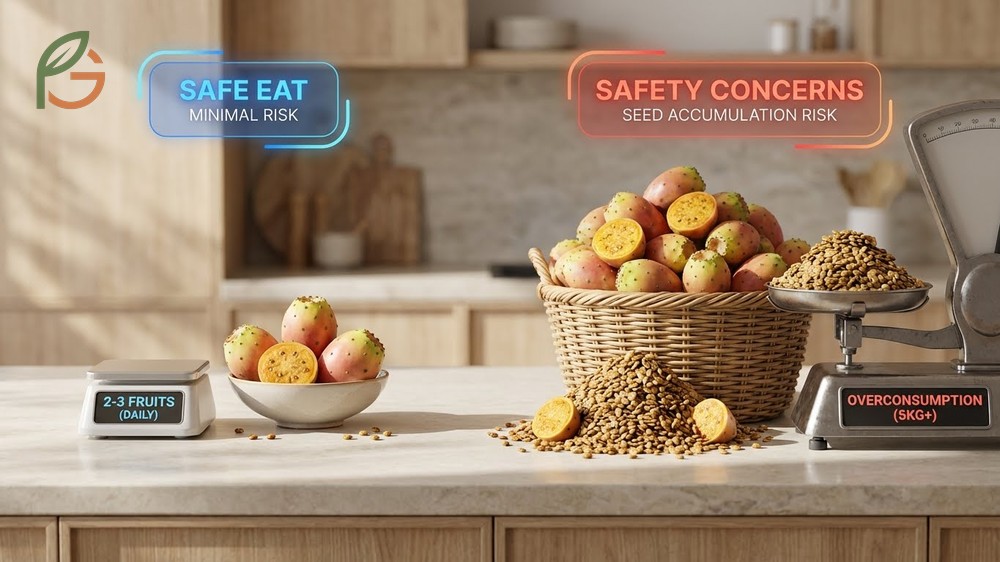
Safety concerns arise primarily from overconsumption, not from eating a few prickly pears. Medical literature documents rare cases where patients consumed excessive amounts—sometimes kilograms of fruit—leading to seed accumulation in the intestines[4]. One documented case involved a patient who ate approximately 5 kilograms of prickly pears[6].
For typical consumption, safety isn’t an issue. Studies demonstrate that eating 2-3 fruits daily poses minimal risk for healthy adults[1]. Problems emerge when people consume prickly pears in large quantities over short periods, allowing seeds to accumulate faster than the body can eliminate them.
Certain populations should exercise extra caution. Babies and toddlers face aspiration risk because they can’t effectively spit out hard seeds[5]. Elderly individuals with slower digestive transit may experience constipation more easily. Anyone with existing digestive conditions should consult healthcare providers before regularly eating prickly pear seeds.
Moderation Guidelines
Current guidance emphasizes limiting intake to 2-3 fruits per day. This amount provides health benefits without overwhelming your digestive system with excess fiber. If you’re new to prickly pear, start with one fruit and observe how your body responds over 24 hours.
Spacing out consumption helps prevent seed accumulation. Rather than eating multiple fruits in one sitting, spread them throughout the day or across several days. Your digestive system handles smaller, regular amounts more efficiently than large quantities at once.
- Limit to 2-3 whole fruits daily for optimal safety
- Drink plenty of water to help seeds transit smoothly
- Chew fruit flesh thoroughly while allowing seeds to pass unchewed
- Monitor bowel movements for any changes in frequency or consistency
- Strain seeds out if you have sensitive digestion or eat frequently
- Stop consumption immediately if you experience abdominal pain or severe constipation
Warning Signs to Watch
Several symptoms indicate you may have consumed too many seeds. Persistent constipation lasting more than 2-3 days after eating prickly pears suggests potential seed accumulation. Abdominal bloating, cramping, or pain—especially in the lower abdomen—warrants immediate attention.
Rare instances of bowel obstruction have been reported in medical literature, typically requiring manual removal of compacted seeds[4][6]. These severe cases involved extreme overconsumption far exceeding normal dietary amounts. If you experience severe symptoms, seek medical evaluation promptly.
Warning: Excessive fiber intake from prickly pear seeds can lead to diarrhea, indigestion, bloating, or nausea. If constipation persists beyond 3 days or you develop severe abdominal pain, contact a healthcare provider immediately. Don’t attempt to remedy severe constipation without professional guidance.
Eating Whole Fruit
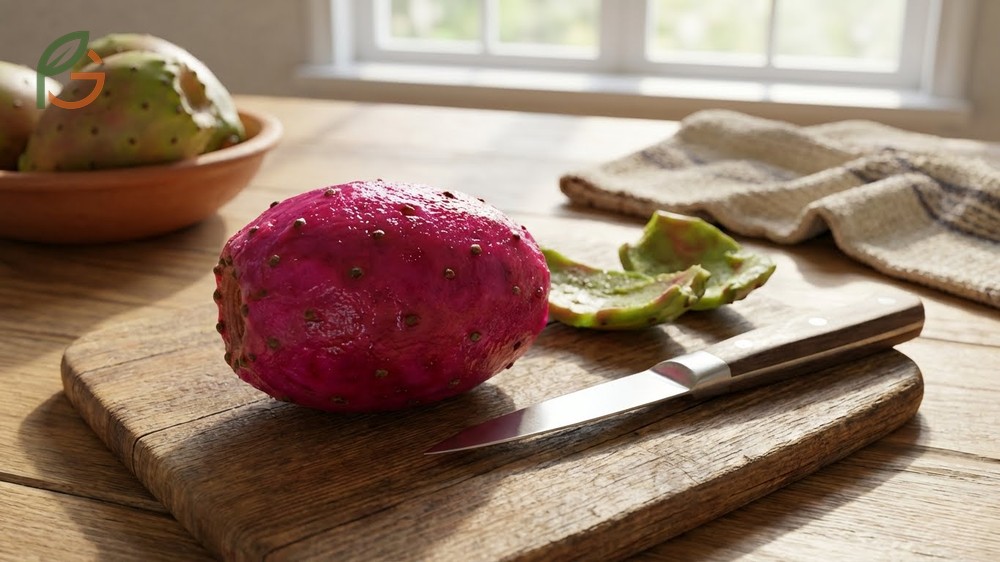
Eating whole prickly pear with seeds included offers the most natural way to enjoy this cactus fruit. Research shows this method preserves all the fiber content while providing the full sensory experience[2]. Most people in regions where prickly pear grows traditionally eat the fruit whole without removing seeds.
The process starts with proper preparation. You must carefully peel away the thick outer skin, which may contain tiny glochids (hair-like spines) even after initial cleaning. Once peeled, the inner flesh appears vibrant red, orange, or yellow depending on variety. Seeds distribute evenly throughout this juicy flesh.
When eating whole fruit, focus on the pulp flavor while letting seeds slide down your throat without chewing. Think of it like eating pomegranate arils—you can swallow small hard parts without attempting to crush them. This technique takes practice but becomes natural after a few fruits.
Alternatively, many people prefer straining methods. You can cut the fruit in half and scoop out the flesh, then press it through a fine-mesh strainer. This separates juice and soft pulp from hard seeds, giving you smooth fruit puree perfect for drinks, desserts, or sauces.
- Slice fruit lengthwise and eat flesh directly from the skin with a spoon
- Cut into chunks and pop them in your mouth, swallowing seeds whole
- Blend fruit with water, then strain out seeds for smooth juice
- Freeze strained pulp for sorbet or ice cream base
- Cook fruit into jam or jelly, which naturally separates seeds during straining
Tip: If you find swallowing whole seeds unpleasant, strain them out before consumption. There’s no nutritional penalty—the valuable vitamins, minerals, and antioxidants remain in the juice and pulp you keep.
Cactus Fruit Seeds
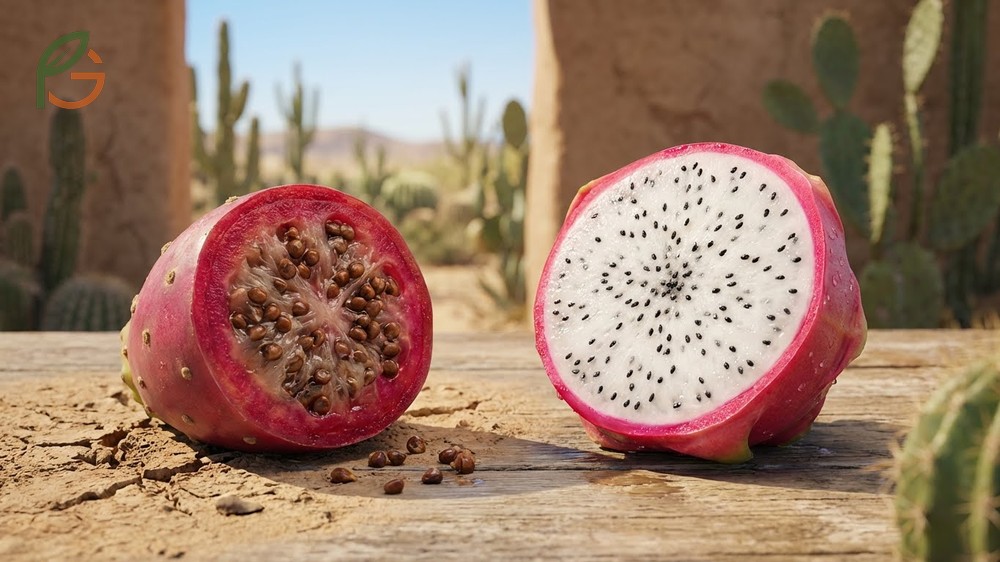
Cactus fruit seeds vary significantly across different species, but prickly pear seeds share common characteristics with other edible cacti. All cactus fruit seeds evolved to survive harsh conditions, resulting in tough, resilient seed coats. This makes most cactus seeds similarly indigestible when swallowed whole.
Dragon fruit, another popular cactus fruit, contains much softer seeds that blend into the flesh and go unnoticed during eating. The contrast with prickly pear is striking—dragon fruit seeds measure less than 1mm and have a delicate texture. Prickly pear’s larger, harder seeds present a completely different eating experience.
Some creative cooks grind dried prickly pear seeds into flour for baking. This processing breaks down the hard seed coat, making nutrients more accessible. Ground seed flour adds a nutty flavor and nutritional boost to breads and pastries. However, grinding requires specialized equipment like grain mills or high-powered blenders.
This table compares physical characteristics and edibility across four common cactus fruit types including seed size, texture, and consumption methods
| Cactus Type | Seed Size | Seed Texture | Typical Consumption |
|---|---|---|---|
| Prickly Pear | 3-5mm | Very hard, stone-like | Swallowed whole or strained |
| Dragon Fruit | <1mm | Soft, barely noticeable | Eaten without concern |
| Barrel Cactus | 2-3mm | Hard, angular | Usually removed before eating |
| Saguaro | 2-4mm | Hard, oval | Traditionally ground into flour |
The nutritional profile of cactus seeds generally includes healthy fats, particularly omega-3 fatty acids, along with protein and minerals. However, these benefits only become available through grinding or thorough chewing—neither of which works well for prickly pear seeds given their extreme hardness.
- Ground into flour for baking breads, muffins, and cookies
- Cold-pressed into seed oil rich in essential fatty acids
- Dried and used in traditional medicine preparations
- Added to animal feed as a fiber and protein source
- Composted to return nutrients to garden soil
Conclusion
The evidence is clear: prickly pear seeds are safe to eat when consumed in moderation, though they pass through your digestive system undigested. For most people, swallowing seeds from 2-3 fruits daily poses no health risk and provides beneficial fiber. Those with sensitive digestion or concerns about texture can strain seeds out without losing nutritional value.
Current guidance emphasizes listening to your body and adjusting consumption based on individual tolerance. FruitGarden recommends starting slowly if you’re new to this desert fruit, monitoring how your digestive system responds, and seeking medical advice if you experience persistent discomfort. Whether you choose to eat seeds or strain them out, prickly pear remains a nutritious addition to any fruit lover’s diet.
Medical Disclaimer
Important Medical Disclaimer: This content is for informational and educational purposes only. It is not intended as a substitute for professional medical advice, diagnosis, or treatment. Always consult a qualified healthcare professional before making any changes to your diet, especially if you have digestive conditions, are pregnant, or are feeding prickly pear to young children. Individual responses to fiber-rich foods vary, and what works safely for one person may not be appropriate for another.
Frequently Asked Questions
Do You Have to Remove Seeds From Prickly Pear?
No, you don’t have to remove seeds from prickly pear. Seeds are safe to swallow whole and most people eat the fruit without straining. However, removing seeds creates a smoother texture and eliminates any choking risk for young children or those with swallowing difficulties.
What Happens if You Eat Too Many Prickly Pear Seeds?
Eating excessive prickly pear seeds can lead to constipation, bloating, or abdominal discomfort due to high fiber content. In rare cases documented in medical literature, extreme overconsumption has caused bowel obstruction requiring medical intervention. Stick to 2-3 fruits daily to avoid these issues.
Can You Chew Prickly Pear Seeds?
No, you can’t effectively chew prickly pear seeds because they’re extremely hard with a stone-like texture. Attempting to chew them feels like biting gravel and may damage teeth. The seeds are designed to pass through digestive systems intact, so swallowing them whole is the intended method.
Are Prickly Pear Seeds Nutritious?
Prickly pear seeds contain nutrients like omega-3 fatty acids and protein, but your body can’t access these nutrients when seeds are swallowed whole. The hard seed coat prevents digestion, so seeds pass through unchanged. The fruit flesh provides the accessible nutrition including vitamin C, magnesium, and antioxidants.
How Do You Strain Prickly Pear Seeds?
To strain prickly pear seeds, cut the fruit in half and scoop out the flesh with a spoon. Press the pulp through a fine-mesh strainer or cheesecloth using the back of a spoon or spatula. The juice and soft flesh pass through while seeds remain behind. This method works well for making juice, jam, or smoothies.
Can Babies Eat Prickly Pear Seeds?
No, babies and toddlers should not eat prickly pear seeds due to aspiration risk. Young children can’t effectively spit out hard seeds, which could enter the airway and cause choking. Always strain seeds out when preparing prickly pear for children under 4 years old, serving only the mashed flesh or juice.
Do Prickly Pear Seeds Cause Constipation?
Prickly pear seeds can cause constipation if consumed in excessive amounts, as the insoluble fiber may accumulate in your digestive tract. Moderate consumption of 2-3 fruits daily typically promotes healthy digestion rather than causing problems. Drinking plenty of water helps seeds move through your system smoothly.





