
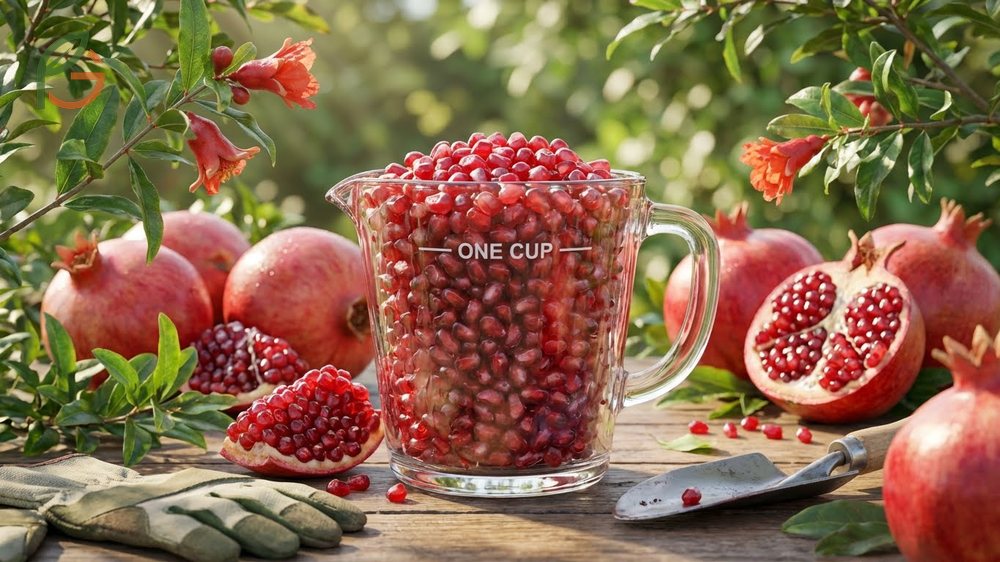
Pomegranate seeds nutrition facts show these ruby-red arils pack impressive nutritional density with moderate calories and exceptional vitamin content. Research demonstrates that one cup delivers 144 calories alongside 7g of fiber and 18mg of vitamin C[1], making them valuable for gardeners and fruit enthusiasts seeking nutrient-rich harvests. FruitGarden provides evidence-based guidance on fruit nutrition to help you maximize your garden’s health benefits.
Quick Answer
- One cup of pomegranate seeds contains 144 calories[1] with a low calorie density ideal for weight management
- Provides 7g fiber[1] (25% daily value) supporting digestive health
- Delivers 18mg vitamin C[1] (20% daily value) and 29µg vitamin K[1] (24% daily value)
- Contains powerful polyphenol antioxidants including ellagitannins that reduce inflammation and oxidative stress[2]
Pomegranate Seeds Nutrition Facts
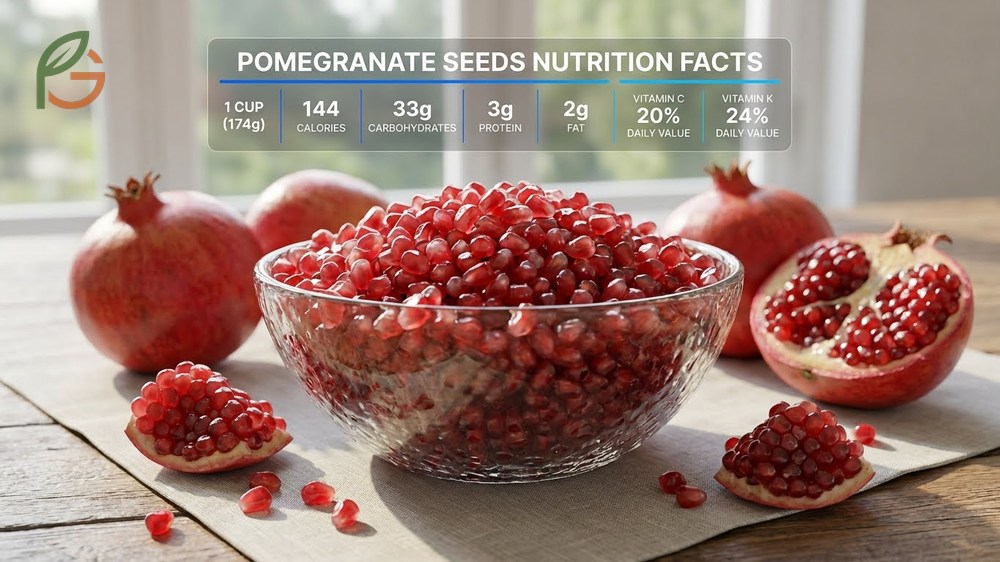
Current nutritional data shows pomegranate seeds (arils) deliver concentrated nutrition in each serving. One cup (174g) contains 144 calories with 33g carbohydrates, 3g protein, and 2g fat[1]. This macronutrient balance makes them suitable for various dietary patterns.
The seeds provide exceptional micronutrient density compared to their calorie content. Research indicates they’re particularly rich in vitamin C (20% daily value), vitamin K (24% daily value), and folate (17% daily value)[1]. This nutrient profile supports multiple bodily functions including immune health and blood clotting.
Beyond basic vitamins and minerals, pomegranate seeds contain potent polyphenol compounds. Studies demonstrate these antioxidants, particularly ellagitannins, reduce oxidative stress and inflammation throughout the body[2]. The antioxidant capacity exceeds that of red wine and green tea.
Macronutrient Breakdown
The macronutrient distribution shows carbohydrates comprise 81% of total calories, fats 11%, and protein 7%[1]. This carbohydrate-dominant profile provides quick energy while the fiber content slows sugar absorption. The 24g of natural sugars come packaged with 7g fiber, creating a balanced glycemic response.
Net carbohydrates total 26g per cup after subtracting fiber. This calculation matters for those tracking carb intake, though the high fiber content moderates blood sugar impact significantly compared to refined carbohydrates.
Vitamin Profile
Vitamin content spans multiple categories with notable concentrations. Water-soluble vitamins include vitamin C at 18mg and several B vitamins including folate (66µg), pantothenic acid (1mg), and thiamine (0.1mg)[1]. These support cellular energy production and DNA synthesis.
Fat-soluble vitamins include vitamin K at 29µg (24% daily value) and vitamin E at 1mg (7% daily value)[1]. Vitamin K plays crucial roles in blood clotting and bone metabolism, making pomegranate seeds particularly valuable for these functions.
This table compares serving sizes from 100g to one full cup with corresponding calories, carbohydrates, fiber, protein, and fat content for pomegranate seeds
| Serving Size | Calories | Carbs (g) | Fiber (g) | Protein (g) | Fat (g) |
|---|---|---|---|---|---|
| 100g | 83[3] | 18.7 | 7.0 | 1.0 | 1.2 |
| ½ Cup (87g) | 72 | 16.5 | 3.5 | 1.5 | 1.0 |
| 1 Cup (174g) | 144[1] | 33 | 7 | 3 | 2 |
| 1 Whole Pomegranate (282g) | 234 | 52 | 11 | 5 | 3.3 |
Important Note: Pomegranate nutrition values vary slightly between varieties and growing conditions. Red varieties like Wonderful typically show higher antioxidant levels than lighter varieties, though core nutritional profiles remain similar across cultivars.
Calories in Pomegranate Seeds
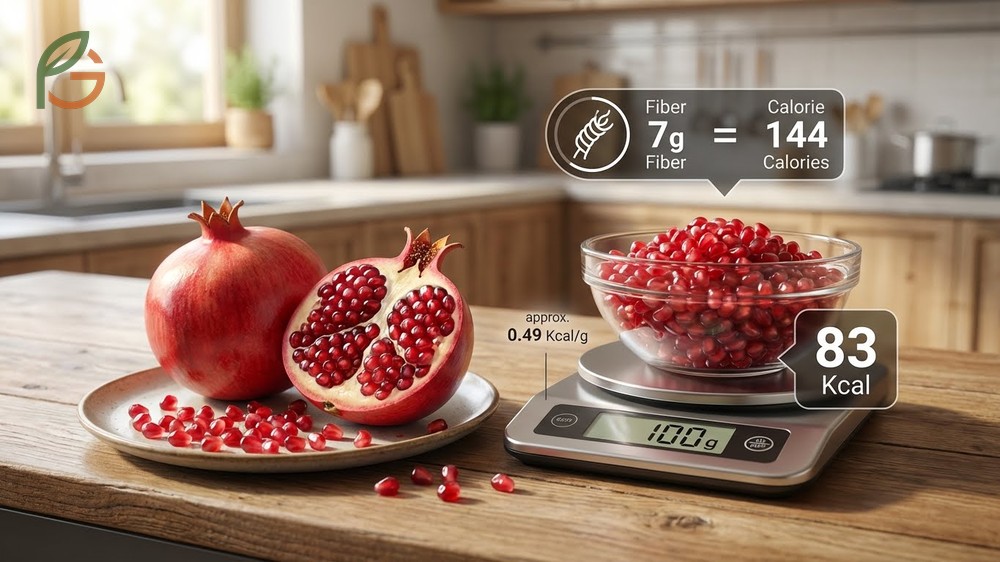
Calorie content makes pomegranate seeds a moderate-energy food that fits various eating patterns. Studies show the calorie density sits at 83 calories per 100g[3], placing them in the low-to-moderate range compared to other fruits. This density allows generous portions without excessive calorie intake.
The fiber-to-calorie ratio deserves attention for weight management goals. With 7g fiber per 144 calories, pomegranate seeds provide approximately 49 calories per gram of fiber. This ratio promotes satiety and digestive health while keeping total energy intake reasonable.
Calories per Serving
Practical serving sizes range from snack portions to full cups. A typical snack portion of ½ cup contains 72 calories, while a full cup serving reaches 144 calories[1]. These amounts work well for topping yogurt, salads, or eating fresh from the fruit.
Whole pomegranate consumption delivers approximately 234 calories per fruit (282g). Most people find eating a full pomegranate satisfying as a meal component rather than a snack, given the volume and fiber content.
Calorie Density Comparison
Compared to other popular fruits, pomegranate seeds sit in the middle range. They contain fewer calories than bananas (89 per 100g) and grapes (69 per 100g) but more than strawberries (32 per 100g) or watermelon (30 per 100g). The difference stems from natural sugar concentration and water content variations.
What often gets overlooked is that calorie density alone doesn’t determine nutritional value. Pomegranate seeds deliver substantially more antioxidants and specific vitamins per calorie than many lower-calorie fruits, making them nutritionally efficient choices.
What Vitamins Are in Pomegranate
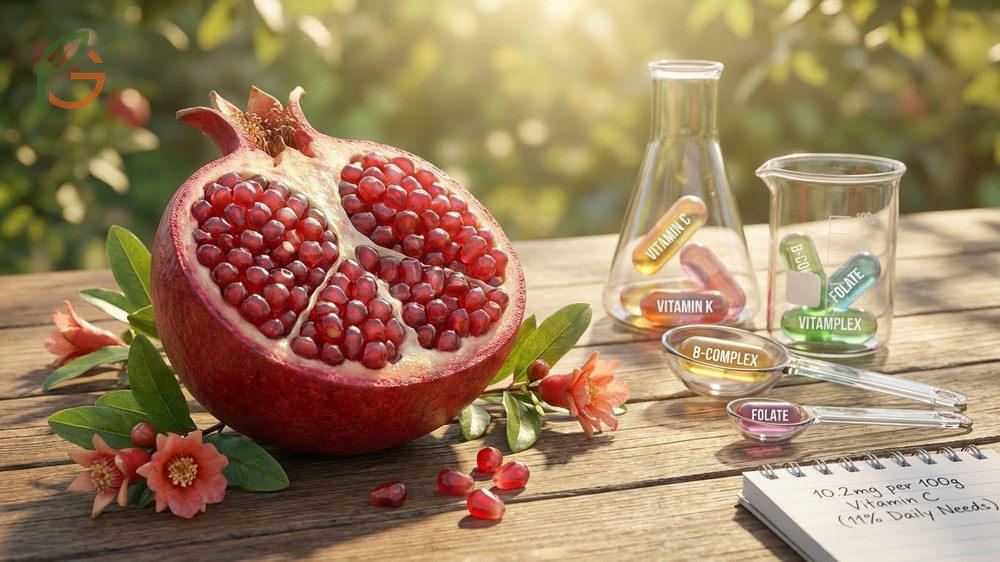
Pomegranate seeds contain a diverse vitamin spectrum supporting multiple physiological functions. Research documents significant levels of vitamins C, K, and multiple B-complex vitamins including folate, pantothenic acid, and thiamine[4]. This variety makes them particularly valuable for gardeners seeking nutrient-dense fruit crops.
Vitamin C stands out as the most abundant water-soluble vitamin at 10.2mg per 100g[3], providing 11% of daily needs. This antioxidant vitamin supports collagen synthesis, immune function, and iron absorption from plant foods.
- Vitamin C (18mg per cup): Supports immune system, collagen production, and acts as a powerful antioxidant protecting cells from free radical damage
- Vitamin K (29µg per cup): Essential for blood clotting, bone metabolism, and calcium regulation in bones and blood vessels
- Folate/B9 (66µg per cup): Critical for DNA synthesis, red blood cell formation, and particularly important during pregnancy for fetal development
- Pantothenic Acid/B5 (1mg per cup): Supports energy metabolism, hormone synthesis, and fatty acid production throughout the body
- Vitamin E (1mg per cup): Fat-soluble antioxidant protecting cell membranes from oxidative damage and supporting skin health
Vitamin K Content
Vitamin K concentration reaches 29µg per cup (24% daily value)[1], making pomegranate seeds excellent sources of this often-overlooked nutrient. This vitamin activates proteins involved in blood clotting and bone mineralization. The concentration varies slightly between fresh and stored fruit, with fresh arils showing highest levels.
One serving provides nearly a quarter of daily vitamin K needs. This matters particularly for bone health in older adults and proper blood coagulation across all age groups.
Medication Interaction: Vitamin K affects blood clotting and may interact with anticoagulant medications like warfarin. Those taking blood thinners should maintain consistent pomegranate intake and consult healthcare providers before making dietary changes.
B Vitamin Complex
The B-vitamin profile includes multiple members supporting energy metabolism. Folate leads at 66µg (17% daily value), followed by pantothenic acid at 1mg (13% daily value) and thiamine at 0.1mg (10% daily value)[1]. These work synergistically in converting food to cellular energy.
Smaller amounts of riboflavin, niacin, and vitamin B6 complete the B-complex spectrum. While individual percentages seem modest, the cumulative effect supports comprehensive metabolic function across multiple pathways.
Fiber and Minerals in Pomegranate Seeds
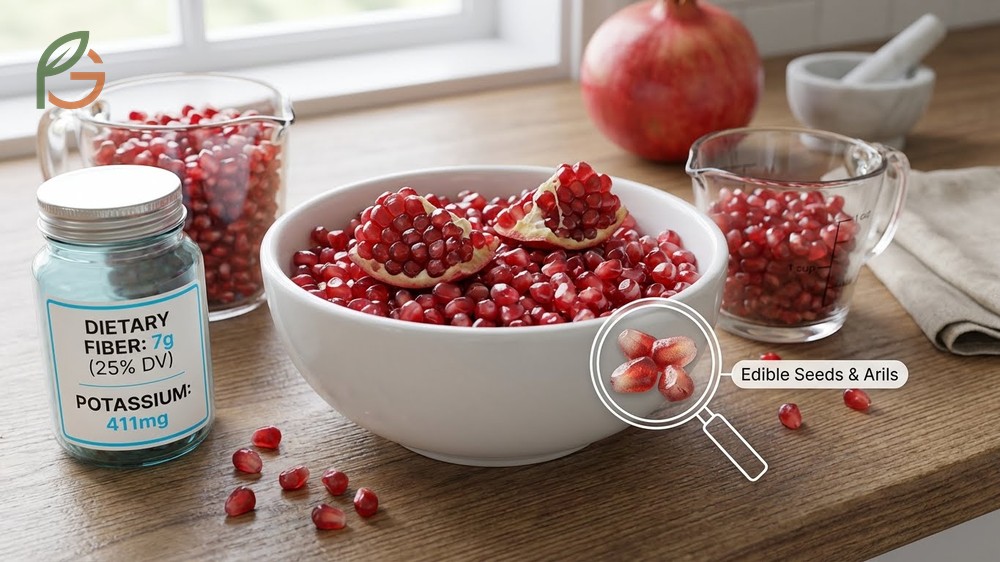
Dietary fiber content reaches 7g per cup (25% daily value)[1], positioning pomegranate seeds among high-fiber fruits. This fiber includes both soluble and insoluble types supporting digestive health, cholesterol management, and blood sugar control. The edible seeds themselves contribute significant fiber content beyond just the surrounding arils.
Mineral content spans multiple essential elements with notable concentrations. Potassium leads at 411mg per cup (9% daily value), followed by copper at 0.3mg (31% daily value) and phosphorus at 63mg (9% daily value)[1]. These minerals support nerve function, energy production, and bone health.
Trace minerals include manganese (0.2mg, 9% daily value), magnesium (21mg, 5% daily value), iron (1mg, 7% daily value), and zinc (1mg, 6% daily value). While present in smaller amounts, these contribute meaningfully when pomegranates form part of regular dietary patterns.
- Potassium (411mg per cup): Regulates blood pressure, supports heart rhythm, and maintains proper fluid balance in cells
- Copper (0.3mg per cup): Essential for iron absorption, red blood cell formation, and maintaining healthy nerves and immune system
- Phosphorus (63mg per cup): Builds strong bones and teeth, filters waste in kidneys, and stores energy in cells
- Manganese (0.2mg per cup): Supports bone development, wound healing, and metabolizes carbohydrates and amino acids
- Magnesium (21mg per cup): Regulates muscle and nerve function, blood sugar levels, and blood pressure
- Iron (1mg per cup): Transports oxygen throughout the body and supports energy production at cellular level
The copper content deserves special attention at 31% daily value per cup. Copper supports iron utilization and plays roles in energy production that many people don’t get adequate amounts of through typical diets. Pomegranate seeds provide this mineral in bioavailable forms.
Fiber Tip: The crunchy seeds provide significant fiber benefits. Don’t spit them out—chewing the seeds releases additional nutrients and maximizes digestive benefits. The texture becomes pleasant once you’re accustomed to eating whole arils.
Pomegranate Seeds Healthy Fats
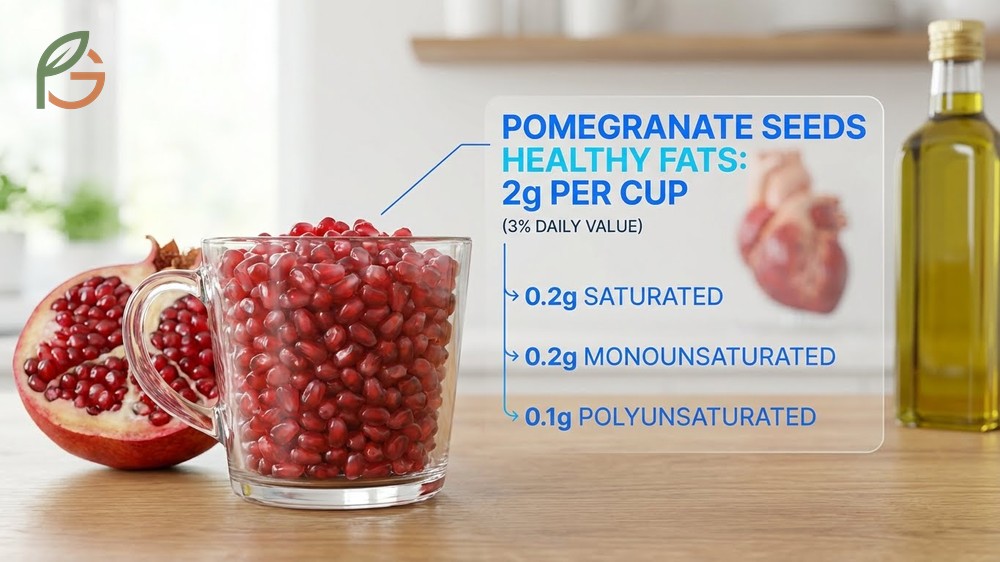
Fat content in pomegranate arils remains low at 2g per cup (3% daily value)[1], with the composition favoring unsaturated fatty acids. Current data shows 0.2g saturated fat, 0.2g monounsaturated fat, and 0.1g polyunsaturated fat per serving. This profile supports heart health without contributing significantly to total dietary fat intake.
Research indicates pomegranate seeds contain omega-6 fatty acids at approximately 79mg per 100g serving[5]. While modest compared to nuts or seeds, this contributes to essential fatty acid intake when consumed regularly. The omega-6 content supports cell membrane structure and inflammatory response regulation.
Pomegranate seed oil, extracted from the crunchy seeds, concentrates these fats and contains additional beneficial compounds. Studies demonstrate the oil provides punicic acid, a unique conjugated fatty acid with potent antioxidant properties[6]. However, whole arils contain much lower concentrations than extracted oil.
The low fat content means pomegranate seeds work well in low-fat eating patterns. Unlike nuts or avocados that provide substantial fats, pomegranates deliver primarily carbohydrates and micronutrients. This makes them complementary to fat sources rather than primary fat providers in balanced diets.
Protein in Pomegranate Seeds
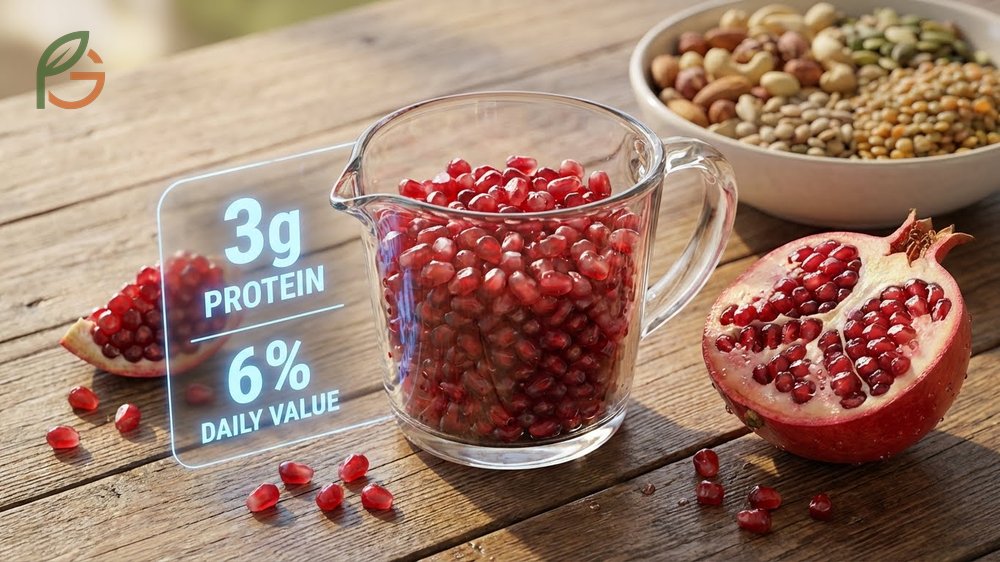
Protein content reaches 3g per cup serving[1], contributing modestly to daily protein needs. This amount represents approximately 6% of a standard 50g daily protein target. While not a significant protein source compared to animal products or legumes, it contributes meaningfully when combined with other plant foods.
The amino acid profile remains incomplete as with most fruits, meaning pomegranate seeds don’t provide all essential amino acids in optimal ratios. However, when eaten as part of varied diets including grains, legumes, or animal products, this limitation doesn’t affect overall protein quality.
Protein concentration increases slightly in the actual seeds versus just the juicy arils. Those who chew and swallow the crunchy seeds get marginally more protein than those eating only the soft pulp, though the difference remains small in practical terms.
Conclusion
The evidence is clear: pomegranate seeds nutrition facts demonstrate these jewel-like arils deliver exceptional nutritional value with 144 calories, 7g fiber, 18mg vitamin C, and powerful polyphenols per cup. Their vitamin and mineral diversity supports multiple bodily functions from immune health to bone metabolism, making them valuable additions to health-conscious gardens and diets.
Current guidance emphasizes consuming whole fruits like pomegranates for maximum nutritional benefits rather than relying on juices or supplements alone. FruitGarden encourages gardeners to consider pomegranate trees for home cultivation, providing both ornamental beauty and nutrient-dense harvests throughout fall and winter months.
Medical Disclaimer
Important Medical Disclaimer: This content is for informational and educational purposes only. It is not intended as a substitute for professional medical advice, diagnosis, or treatment. Always consult a qualified healthcare professional or registered dietitian before making significant changes to your diet, especially if you have existing medical conditions, take medications (particularly blood thinners), or have specific nutritional needs. Nutritional requirements vary by individual based on age, health status, activity level, and other factors.
Frequently Asked Questions
How many calories are in a whole pomegranate?
A whole pomegranate (approximately 282g) contains about 234 calories with 52g carbohydrates and 11g fiber. Most people consume pomegranates over multiple servings rather than eating an entire fruit at once, making portion control easy and natural.
Are pomegranate seeds high in sugar?
Pomegranate seeds contain 24g natural sugars per cup, which is moderate compared to other fruits. The 7g fiber content slows sugar absorption significantly, creating a more balanced glycemic response than refined sugars or low-fiber fruit juices.
What is the best time to eat pomegranate seeds for maximum benefits?
Research shows pomegranate seeds can be eaten anytime, though many people prefer them at breakfast or as afternoon snacks. Morning consumption allows the vitamin C and natural sugars to support energy levels throughout the day, while the fiber promotes satiety between meals.
Can you eat pomegranate seeds every day?
Yes, eating pomegranate seeds daily is generally safe and beneficial for most people. One cup per day provides excellent vitamin and antioxidant intake without excessive calories. However, those taking blood-thinning medications should consult healthcare providers due to vitamin K content affecting coagulation.
Do pomegranate seeds have more nutrients than pomegranate juice?
Whole pomegranate seeds provide significantly more fiber (7g per cup versus essentially zero in juice) and preserve all nutrients in natural proportions. Juice concentrates sugars while removing fiber, creating faster blood sugar spikes and eliminating the digestive benefits of whole fruit consumption.
How does pomegranate compare to other antioxidant-rich fruits?
Studies demonstrate pomegranate’s antioxidant capacity exceeds red wine, green tea, and most common fruits. The ellagitannin concentration and diversity of polyphenols create synergistic effects that provide exceptional cellular protection compared to single-compound antioxidants found in many other fruits.
Are the white membranes in pomegranate nutritious or should I remove them?
The white pith and membranes contain tannins that taste bitter but offer additional antioxidants and fiber. Most people remove them for palatability, though small amounts won’t harm you and actually contribute extra phytonutrients if you don’t mind the astringent flavor.





