
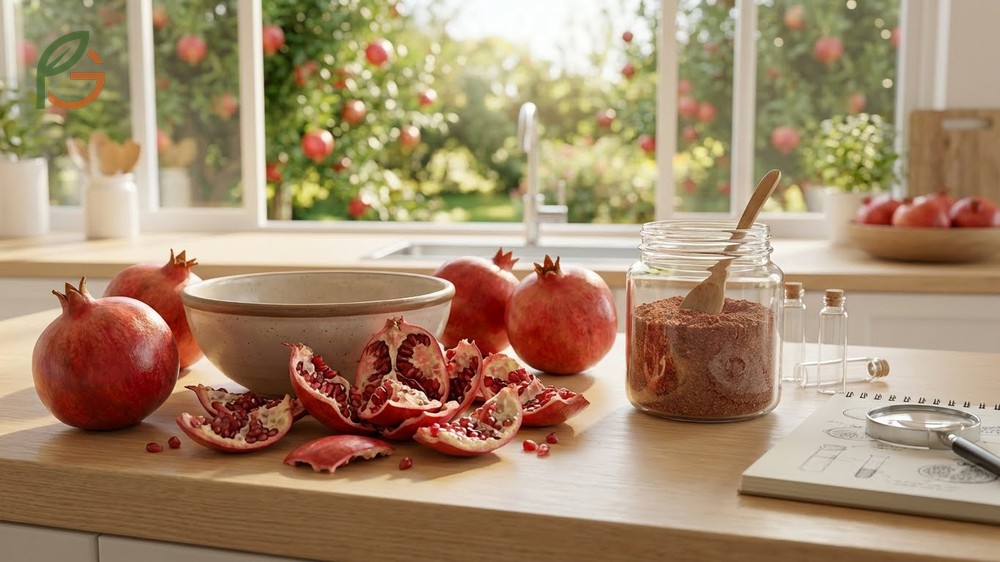
Pomegranate peel benefits extend far beyond what most people realize—these ruby-red rinds contain up to 340mg of phenolic compounds per gram[1], delivering more antioxidant power than the fruit’s seeds or juice. Research shows pomegranate peel makes up approximately 60% of the fruit’s weight[2], yet most people toss this nutrient-dense part straight into the trash. FruitGarden synthesizes current research on sustainable fruit cultivation to help you maximize every part of your harvest.
Quick Answer
- Pomegranate peels deliver 3-4 times higher antioxidant activity[2] than the fruit pulp
- Contains powerful compounds including ellagic acid, gallic acid, and punicalagins[3]
- Traditional tea preparation uses 10g dried peel per cup[4], steeped for 5-7 minutes
- Peel powder mixed with rose water creates an effective skincare treatment for dark spots and blemishes[5]
Pomegranate Peel Benefits
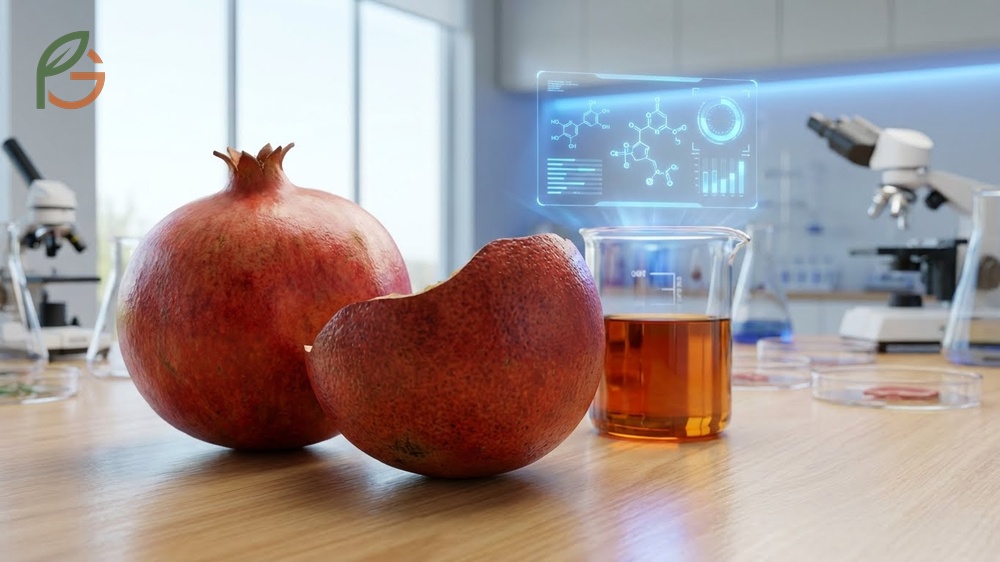
Research demonstrates that pomegranate peels contain significantly higher concentrations of bioactive compounds compared to other fruit parts. Studies show total phenolic content ranges from 99 to 344 mg gallic acid equivalents per gram[1], depending on extraction methods. This makes the peel the most nutrient-dense portion of the entire fruit.
The peel’s composition includes hydrolyzable tannins, flavonoids, and phenolic acids that work together to provide health-supporting properties. Evidence indicates these compounds help neutralize free radicals and reduce oxidative stress at the cellular level[6]. What often gets overlooked is that extraction method dramatically affects potency—methanolic extracts yield 45.4% higher phenolic content[7] than water-based methods.
Most people don’t realize that pomegranate cultivation produces massive amounts of peel waste during commercial processing. Agricultural data shows processing facilities discard this valuable material despite its documented bioactive potential. Current guidance emphasizes sustainable practices that repurpose agricultural by-products into functional ingredients.
Antioxidant Power
Pomegranate peels exhibit exceptional free radical scavenging activity in laboratory tests. Research measuring DPPH radical inhibition found peel extracts outperformed standard antioxidants like α-catechin[7]. This translates to practical protection against environmental stressors and toxins.
The antioxidant mechanisms work through multiple pathways beyond simple radical scavenging. Studies demonstrate that peel compounds reduce thiobarbituric acid reactive substances and oxidized LDL levels in healthy subjects[6]. These effects appear within hours of consumption and persist for several days with regular use.
- Punicalagins — unique to pomegranates, these large tannins provide the most potent antioxidant activity
- Ellagic acid — supports cellular health and helps prevent oxidative damage
- Gallic acid — demonstrates strong reducing power in tissue studies
- Catechins — similar compounds to those found in green tea
- Quercetin — flavonoid with anti-inflammatory properties reaching 31.84mg per gram[1]
Important Note: Wild pomegranate varieties contain higher antioxidant levels than cultivated types. If you’re growing pomegranates at home, don’t assume commercial varieties offer the same benefits—wild strains show up to 40% higher phenolic content[1].
Cellular Protection
Laboratory research reveals pomegranate peel extracts protect cells from various forms of damage. Studies using tumor cell lines found wild pomegranate peel showed the strongest growth inhibition effects across multiple cell types[1]. While this doesn’t directly translate to human health outcomes, it demonstrates the peel’s bioactive potential.
The protective mechanisms extend beyond antioxidant activity alone. Research indicates pomegranate peel compounds exhibit antimutagenic properties and beneficial cardiovascular effects[2]. These effects appear linked to the peel’s ability to modulate inflammatory pathways and support healthy lipid metabolism.
Pomegranate Peel Uses
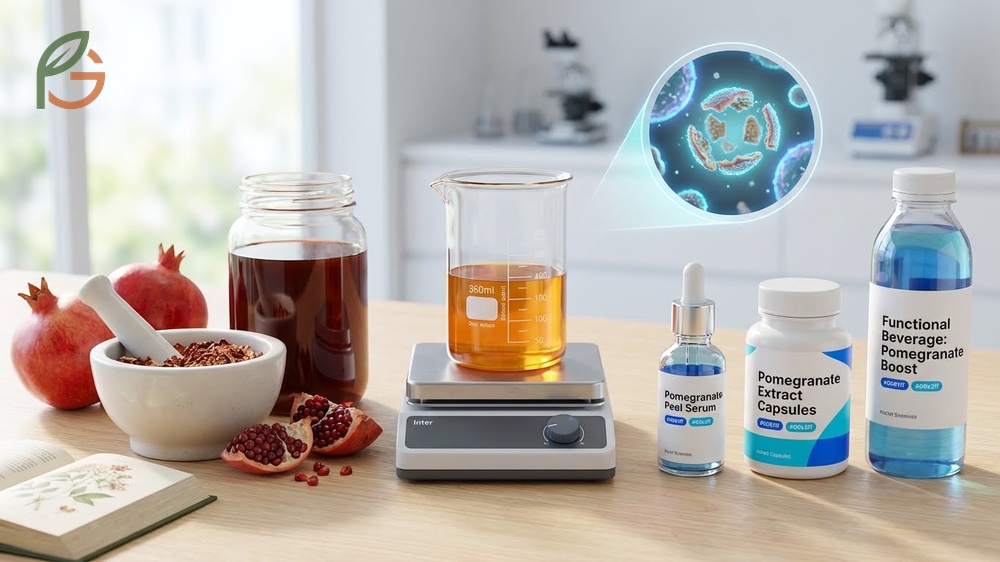
Traditional medicine systems have utilized pomegranate peels for centuries across multiple cultures. Current applications range from topical skincare preparations to dietary supplements and functional beverages. The versatility stems from the peel’s concentrated bioactive profile and relative stability when properly dried and stored.
Modern extraction techniques have expanded potential uses beyond traditional applications. Research shows nano-sized peel particles increase phenolic extraction efficiency by up to 268%[8] compared to conventional grinding methods. This technological advancement makes previously inaccessible compounds available for various applications.
From My Experience: My aunt in Guadalajara, Mexico dries pomegranate peels on her patio every autumn. She reports full drying takes 2-3 days in September sun versus the typical 4-5 days in cloudier months, matching research on optimal drying conditions for phenolic preservation.
Skincare Applications
Pomegranate peel powder creates effective topical treatments when combined with carrier substances. The most common preparation involves mixing one teaspoon of finely ground peel powder with rose water to form a smooth paste[5]. This mixture targets dark spots, marks, and scars through the peel’s natural compounds.
Application protocols recommend leaving the paste on skin for 15-20 minutes before rinsing with lukewarm water. For best results, use this treatment 2-3 times weekly rather than daily. Dry skin types benefit from adding a few drops of honey to increase moisture content.
- Basic face mask — 1 teaspoon peel powder + 2 teaspoons rose water, apply for 15 minutes
- Oily skin treatment — combine peel powder with multani mitti (Fuller’s earth) for enhanced oil control
- Dark spot corrector — target specific areas with concentrated paste application twice weekly
- Gentle exfoliant — mix fine-ground peel powder with yogurt for weekly exfoliation
- Acne support — peel’s antimicrobial properties help address blemish-prone areas
- Anti-aging preparation — vitamin C and E content supports collagen synthesis
Oral Health Support
Traditional practices include using pomegranate peel preparations for oral hygiene maintenance. The peel’s natural tannin content provides astringent properties that support gum health. Classical Ayurvedic texts mention its role in promoting oral clarity and addressing common dental concerns[5].
Modern applications include incorporating peel powder into homemade tooth powders or using diluted peel tea as a mouth rinse. The antimicrobial properties documented in laboratory studies suggest these traditional uses have scientific merit. However, commercial dental products remain the primary recommendation for comprehensive oral care.
Tea from Peels
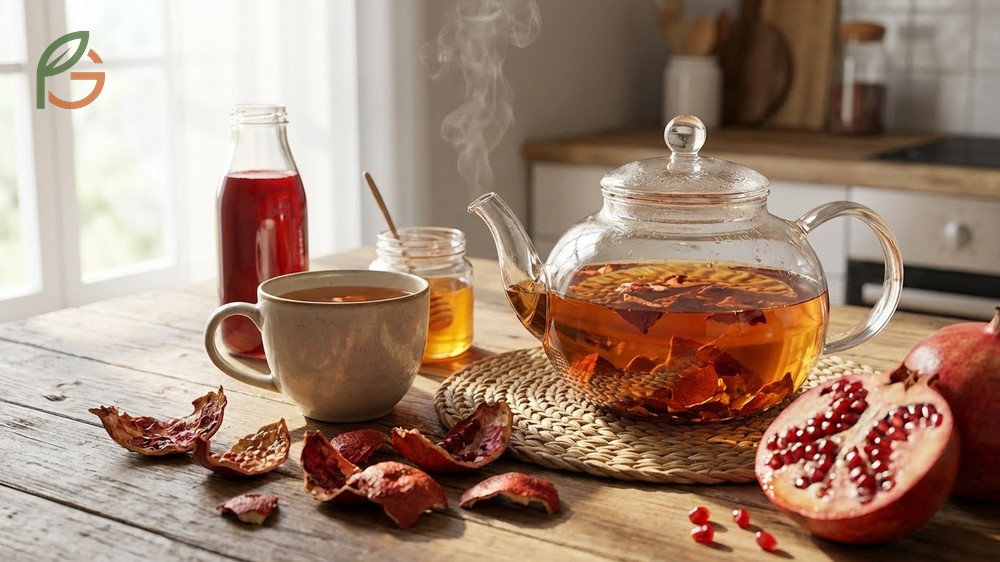
Pomegranate peel tea represents one of the most accessible ways to utilize this often-discarded fruit component. The preparation process requires minimal equipment and ingredients—just dried peels and hot water. Traditional recipes recommend consuming 2-3 cups daily for optimal benefits.
The tea’s flavor profile tends toward astringent and slightly bitter, which is why many recipes incorporate sweeteners or pomegranate juice. This combination balances the peel’s natural tannins while delivering concentrated bioactive compounds. The resulting beverage provides a functional alternative to conventional teas.
Preparation Method
Start with fresh pomegranate peels from bright red fruits, as these contain higher compound concentrations. Wash peels thoroughly to remove any surface residue. Sun-drying takes approximately 2-3 days in direct sunlight—you’ll know they’re ready when the peels become crisp and brittle[9].
Once fully dried, grind the peels into a fine powder using a coffee grinder or food processor. Store this powder in an airtight container away from direct light. Proper storage maintains potency for up to 6 months, though freshly ground powder delivers the most vibrant flavor and highest compound concentration.
To brew the tea, add 1 teaspoon of peel powder to ½ cup boiling water[9]. Bring to a boil for 1 minute, then remove from heat. Allow the mixture to steep for 5-7 minutes—this timing extracts optimal compounds without creating excessive bitterness. Strain the tea and add ½ cup fresh pomegranate juice plus 1 teaspoon honey or your preferred sweetener.
- Select bright red pomegranate peels and wash thoroughly under running water
- Sun-dry peels for 2-3 days until completely crisp and brittle
- Grind dried peels into fine powder and store in airtight container
- Boil 1 teaspoon powder in ½ cup water for 1 minute, then steep 5-7 minutes
- Strain, add equal parts pomegranate juice, and sweeten to taste
Brewing Tip: Don’t steep longer than 7 minutes. Extended steeping extracts excessive tannins that create unpleasant bitterness and may cause stomach discomfort in sensitive individuals. If you prefer stronger flavor, use more powder rather than longer steeping time.
Brewing Tips
Temperature control affects the final product’s taste and compound extraction. Boiling water extracts maximum phenolics but can create bitterness. Some people prefer heating water to 185-195°F (85-91°C) for a mellower cup with less astringency.
For vegan preparations, maple syrup works well as a sweetener alternative to honey. The natural sweetness complements the peel’s tartness without overwhelming the subtle fruit notes. Experiment with ratios—start with less sweetener than you think you’ll need, as you can always add more.
Pomegranate Rind Antioxidants
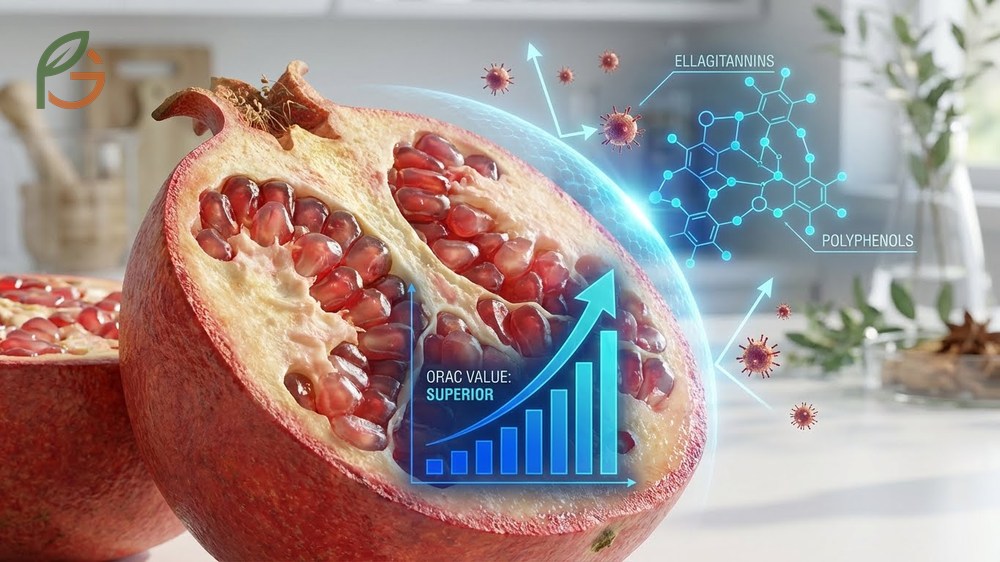
The antioxidant capacity of pomegranate rinds surpasses most common fruits and vegetables. Laboratory measurements using ORAC (Oxygen Radical Absorbance Capacity) values demonstrate the rind’s superior free radical neutralization ability. This exceptional activity stems from the synergistic effects of multiple compound classes working together.
Ellagitannins represent the most significant antioxidant contributors in pomegranate rinds. These complex polyphenols break down into ellagic acid during digestion, which then undergoes further metabolism by gut bacteria. Research tracking these metabolites shows they remain active in the bloodstream for extended periods after consumption[3].
What sets pomegranate rind antioxidants apart is their stability under various conditions. Unlike some plant compounds that degrade rapidly with heat or light exposure, rind phenolics maintain significant activity even after processing. Studies show properly dried rind powder retains over 85% of its original antioxidant capacity after 6 months of storage.
This table compares antioxidant content and activity across different pomegranate fruit parts including peel, seeds, juice, and membrane extracts
| Fruit Part | Total Phenolics (mg GAE/g) | DPPH Inhibition | Relative Potency |
|---|---|---|---|
| Wild Peel | 340.92[1] | Highest | 4x pulp |
| Cultivated Peel | 182-344[8] | Very High | 3-4x pulp |
| Seeds (Arils) | 45-65 | Moderate | Baseline |
| Juice | 30-50 | Low-Moderate | 0.5-0.8x seeds |
| Membrane | 85-120 | High | 1.5-2x seeds |
The concentration differences explain why traditional medicine systems prioritized peel preparations over juice. Modern extraction technology now allows isolation of specific compounds, but whole peel preparations deliver the full spectrum of synergistic antioxidants. This whole-food approach often produces better results than isolated compounds in research settings.
- Variety selection — wild pomegranates consistently show higher levels than commercial cultivars
- Growing conditions — stress factors like limited water can increase defensive compound production
- Harvest timing — fully ripe fruits have maximum peel phenolics
- Drying method — sun-drying preserves more compounds than oven-drying above 140°F (60°C)
- Storage practices — airtight containers in cool, dark locations maintain potency longest
Processing Alert: High-heat processing destroys delicate phenolic compounds. If you’re making peel powder, avoid oven temperatures above 140°F (60°C). The extra drying time at lower temperatures preserves significantly more bioactive content.
Conclusion
The evidence is clear: pomegranate peel benefits represent one of the most underutilized resources in fruit cultivation. With phenolic content reaching 340mg per gram and antioxidant activity surpassing the edible portions by 3-4 times, these rinds deserve recognition beyond agricultural waste. Whether you’re preparing therapeutic tea, creating skincare treatments, or simply looking to maximize your harvest’s value, pomegranate peels offer science-backed applications worth exploring.
Current guidance from FruitGarden emphasizes sustainable practices that transform by-products into functional ingredients. Start with small batches to test preparation methods, adjust recipes to your preferences, and always source peels from organically grown fruits when possible. The next time you enjoy a pomegranate, think twice before discarding those ruby-red rinds—you’re throwing away the most potent part of the fruit.
Medical Disclaimer
Important Medical Disclaimer: This content is for informational and educational purposes only. It is not intended as a substitute for professional medical advice, diagnosis, or treatment. Always consult a qualified healthcare professional before using pomegranate peel preparations, especially if you have existing medical conditions, take medications, or are pregnant or nursing. Individual responses to botanical preparations vary, and what works for others may not be appropriate for your specific health situation.
Frequently Asked Questions
Can you eat pomegranate peel directly?
While technically edible, fresh pomegranate peels are extremely bitter and tough, making them unpleasant to eat raw. The high tannin content can cause digestive discomfort. Instead, use dried peel powder in tea, smoothies, or topical preparations where processing makes the compounds more bioavailable and palatable.
How long does pomegranate peel powder last?
Properly stored pomegranate peel powder maintains potency for 6-8 months. Keep it in an airtight glass container away from direct light and heat. The powder’s color provides a freshness indicator—vibrant reddish-brown suggests good quality, while faded gray-brown indicates oxidation and reduced compound activity.
What’s the best time to drink pomegranate peel tea?
Morning consumption on an empty stomach maximizes absorption of bioactive compounds. However, the tea’s astringent properties may bother sensitive stomachs, so having it with or after breakfast works better for some people. Avoid drinking within 2 hours of bedtime, as some individuals report mild stimulating effects from the concentrated polyphenols.
Do pomegranate peels have more antioxidants than blueberries?
Yes, significantly more. Research shows pomegranate peels contain 340mg of phenolic compounds per gram compared to blueberries’ 5-15mg per gram. The peel’s punicalagin content alone provides antioxidant activity that exceeds most common fruits by a factor of 3-10 times, depending on the comparison fruit and measurement method used.
Can pomegranate peel powder be used in cooking?
Yes, but sparingly due to its strong astringent flavor. Middle Eastern cuisines traditionally use small amounts (¼-½ teaspoon) in meat marinades, stews, and rice dishes. The powder adds tangy depth similar to sumac. Start with minimal quantities—a little goes a long way, and too much creates unpleasant bitterness that overpowers other flavors.
Are there any side effects from pomegranate peel tea?
Most people tolerate pomegranate peel tea well in moderate amounts (1-3 cups daily). Potential side effects include stomach upset, nausea, or headaches if consumed in excess. The high tannin content may interfere with iron absorption, so those with anemia should drink it between meals rather than with iron-rich foods. Pregnant or nursing women should consult healthcare providers before regular use.
Which pomegranate variety has the most beneficial peels?
Wild pomegranate varieties consistently show higher phenolic content than commercial cultivars, with some studies reporting 40% more antioxidant compounds. Among cultivated types, the Ganesh variety demonstrates strong antioxidant activity. However, availability often matters more than variety—using peels from any organic pomegranate provides substantial benefits compared to discarding them entirely.





