
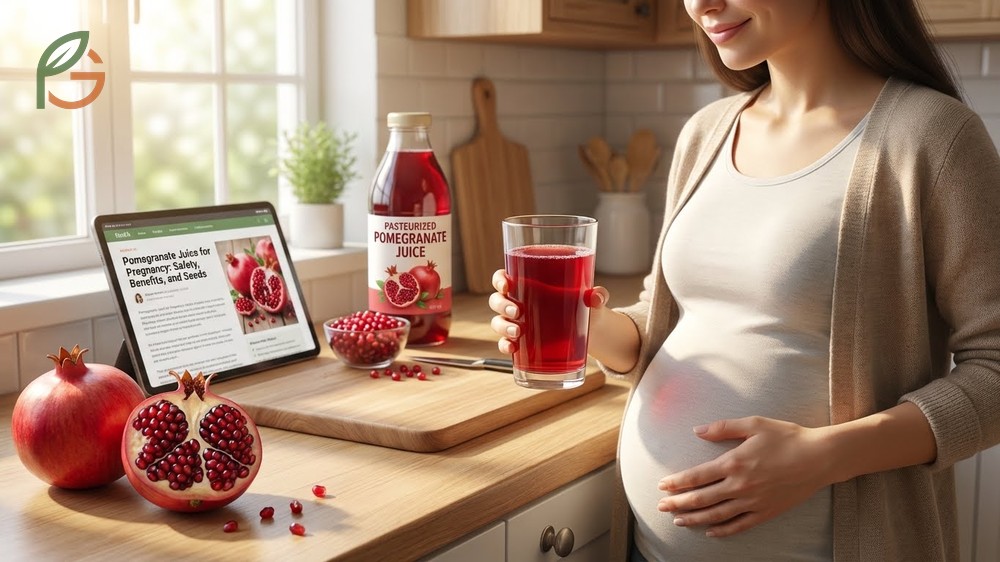
Pomegranate juice for pregnancy is safe when you choose pasteurized varieties. Research shows that 8 oz daily provides essential nutrients like folate and vitamin K while supporting fetal brain development[1]. Studies from Washington University found that pomegranate juice may help prevent preeclampsia and support placental health during pregnancy[2]. FruitGarden synthesizes current nutritional research to help expecting mothers make informed fruit choices throughout their pregnancy journey.
Quick Answer
- Pasteurized pomegranate juice is safe during all trimesters—8 oz daily provides 60mcg folate (15% DV)[3]
- Fresh pomegranate seeds are safe to eat—one medium fruit (200-250g) contains fiber and antioxidants[4]
- Studies show pomegranate juice may reduce preeclampsia risk and support fetal brain health[2]
- Always avoid unpasteurized juices during pregnancy to prevent listeria infection[5]
Pomegranate Juice for Pregnancy
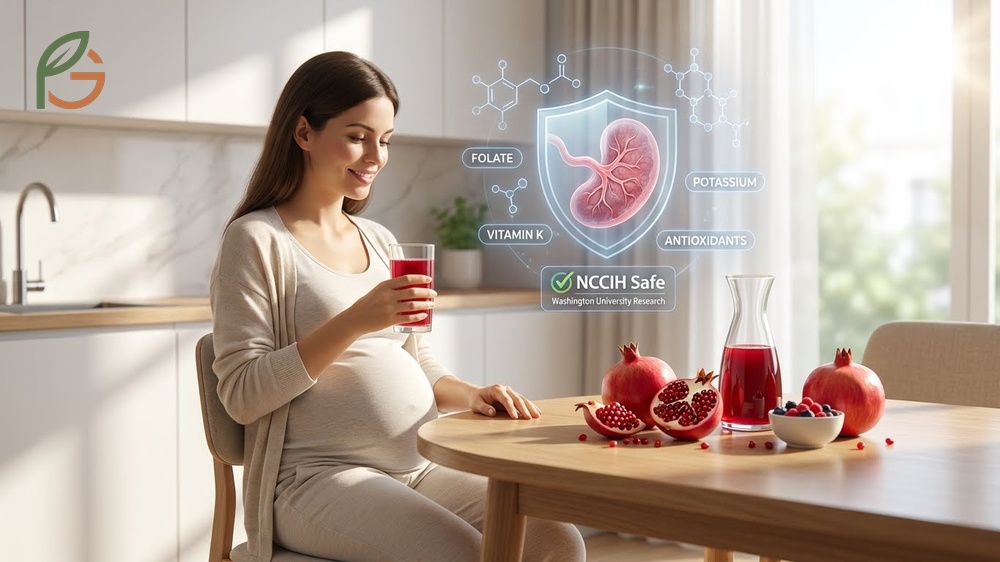
Pomegranate juice provides essential nutrients for pregnant women when consumed safely. The National Center for Complementary and Integrative Health confirms that drinking pomegranate juice during pregnancy is safe[1]. An 8-oz serving delivers 150 calories along with folate, potassium, and vitamin K[3].
Research from Washington University School of Medicine demonstrates that pomegranate juice contains polyphenolic antioxidants that protect placental cells from oxidative stress. Their study found that pregnant women who consumed 8 oz daily showed reduced placental damage markers compared to control groups[2]. These findings suggest potential benefits for preventing complications like preeclampsia and fetal growth restriction.
The juice’s high vitamin C content supports iron absorption, which becomes increasingly important as blood volume expands during pregnancy. Studies show that vitamin C enhances iron bioavailability by up to 3-fold when consumed together[6].
Pasteurized vs Unpasteurized Juice
Pregnant women must choose pasteurized pomegranate juice exclusively to avoid listeria contamination. The American College of Obstetricians and Gynecologists states that pregnant people are 10 times more likely to contract listeriosis from unpasteurized products[5]. Pasteurization kills harmful bacteria without reducing nutritional value.
Check product labels carefully before purchasing. Most commercially bottled pomegranate juices undergo pasteurization, but fresh-pressed juices at farmers markets or juice bars typically don’t. If you’re unsure about a product’s pasteurization status, it’s safer to skip it during pregnancy[7].
Important Safety Note: Always verify that pomegranate juice labels state “pasteurized” before consumption during pregnancy. Raw, unpasteurized juices can harbor listeria bacteria that poses serious risks to both mother and developing baby.
Recommended Daily Amount
Current guidance recommends 8 oz (237 ml) of pomegranate juice daily for pregnant women. This amount provides nutritional benefits without excessive sugar intake. Each 8-oz serving contains approximately 32g of natural sugars[7].
Timing matters for optimal benefits. Consuming pomegranate juice with breakfast helps kickstart metabolism and pairs well with iron-rich foods to enhance absorption. If you experience heartburn—common during pregnancy—drink it earlier in the day rather than close to bedtime[4].
Benefits of Pomegranate During Pregnancy
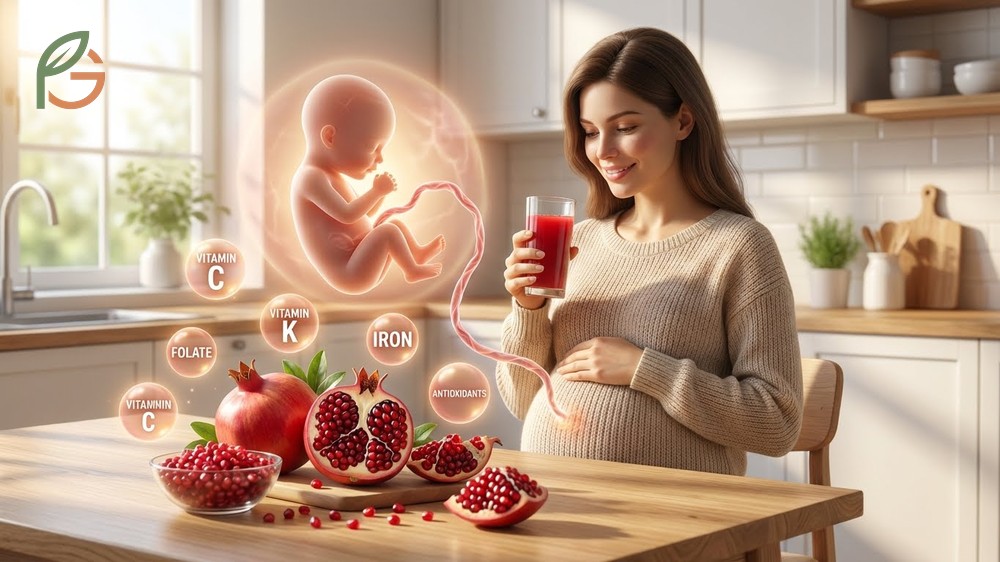
Pomegranate delivers multiple health advantages for pregnant women and their developing babies. The fruit’s nutrient profile includes vitamins C, K, and folate alongside minerals like potassium and iron. These nutrients work synergistically to support maternal health and fetal development throughout all three trimesters[6].
Evidence from clinical studies demonstrates that pomegranate’s antioxidant content may reduce inflammation and oxidative stress. Washington University researchers found that placental tissue samples from women who consumed pomegranate juice showed less cellular damage when exposed to low-oxygen conditions—a model for pregnancy complications[2].
- Supports immune function through vitamin C content (10mg per serving)
- Maintains healthy blood pressure via potassium (533mg per 8 oz)
- Promotes bone health with vitamin K (26mcg per serving, 22% DV)
- Aids digestion and prevents constipation through natural fiber content
- Helps maintain hydration with high water content (approximately 85%)
- Provides natural energy from complex carbohydrates without caffeine
Folic Acid for Fetal Development
Folate stands out as one of pomegranate’s most critical nutrients for pregnancy. One cup of pomegranate seeds provides 66mcg of folate, representing 17% of the daily requirement[8]. Folate plays an essential role in neural tube development during the first trimester, reducing the risk of spina bifida and other congenital disabilities.
Research indicates that adequate folate intake during early pregnancy supports proper brain and spinal cord formation. The nutrient helps synthesize DNA and RNA, which are crucial for rapid cell division during fetal growth. When combined with prenatal vitamins, dietary folate from pomegranates contributes to reaching the recommended 600-800mcg daily target[6].
Antioxidants and Placental Health
Pomegranate juice contains powerful antioxidants called punicalagins that protect placental tissue from damage. Studies show these compounds reduce oxidative stress markers by up to 32% in placental cells exposed to inflammatory conditions[2]. This protection may help prevent complications that affect 5-10% of pregnancies worldwide.
Current data from maternal-fetal medicine specialists indicates that pomegranate’s antioxidants support better oxygen delivery to the developing baby. Dr. Michael Nelson’s research team at Washington University found improved cell survival rates in placental tissue when pomegranate juice was administered during high-risk pregnancies[2].
Research Insight: While pomegranate shows promise for preventing pregnancy complications, it works best as part of comprehensive prenatal care rather than as a standalone treatment. Always discuss dietary changes with your healthcare provider.
Can You Eat Pomegranate Seeds While Pregnant
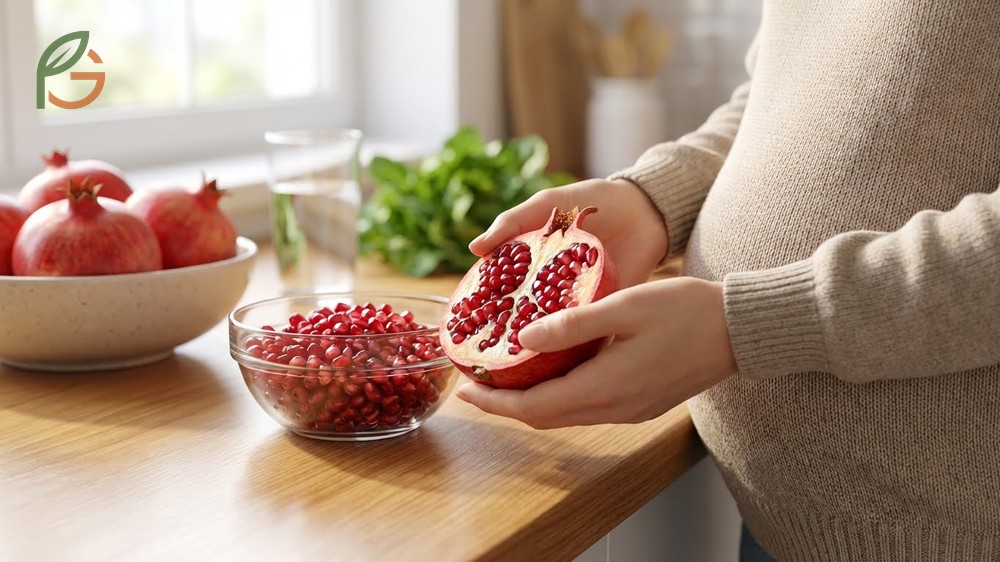
Yes, pomegranate seeds are completely safe to eat during pregnancy when properly washed. The ruby-red arils (seed casings) contain edible seeds that provide fiber and nutrients without safety concerns[4]. One cup of fresh pomegranate seeds delivers 7g of fiber, which helps prevent constipation—a common pregnancy complaint.
The seeds contain the same beneficial nutrients as the juice, plus additional dietary fiber that supports digestive health. Research shows that one medium pomegranate (200-250g of seeds) provides vitamin K, folate, and antioxidants in their whole-food form[9]. The fiber content also helps regulate blood sugar levels, which becomes increasingly important as pregnancy progresses.
To safely prepare pomegranate seeds, wash the whole fruit thoroughly under running water before cutting. This removes any surface contaminants that could transfer to the seeds during opening. Store opened pomegranates in the refrigerator and consume within 3-5 days for optimal freshness and safety[4].
- Sprinkle fresh seeds over Greek yogurt for a protein-rich breakfast
- Add to spinach salads with feta cheese and walnuts for lunch
- Mix into oatmeal or whole grain cereals for extra fiber
- Blend into smoothies with banana and almond milk
- Use as a topping for grilled chicken or fish dishes
- Combine with orange segments and mint for a refreshing fruit salad
Pomegranate First Trimester
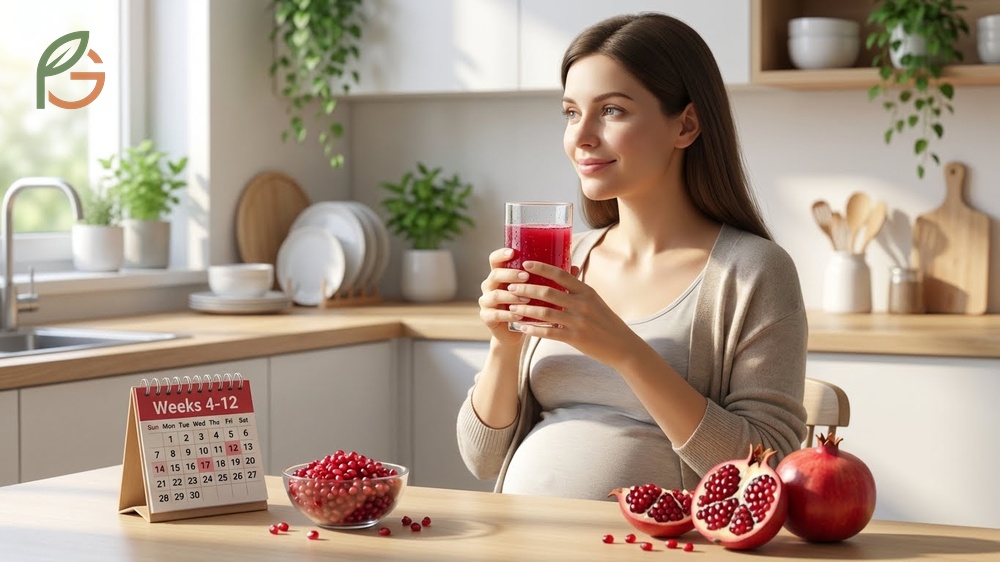
Pomegranate offers specific benefits during the first trimester when fetal development occurs most rapidly. The folate content becomes especially critical during weeks 4-12 when the neural tube forms and closes[6]. Starting pomegranate consumption early supports this crucial developmental window.
Many women find pomegranate juice helpful for managing first-trimester nausea. The refreshing, tart flavor can ease morning sickness without overwhelming sensitive stomachs. Studies indicate that 70% of pregnant women experience nausea during early pregnancy, making easy-to-tolerate nutrient sources valuable[10].
During this trimester, pomegranate’s vitamin C aids in iron absorption from prenatal vitamins and dietary sources. Iron needs increase early in pregnancy to support expanding blood volume. Pairing pomegranate juice with iron-rich foods like lean meat, beans, or fortified cereals maximizes nutrient uptake[6].
First Trimester Tip: If morning sickness makes juice difficult to tolerate, try frozen pomegranate seeds as a refreshing alternative. The cold temperature can help soothe nausea while still providing essential nutrients.
How Much Pomegranate Per Day for Pregnant
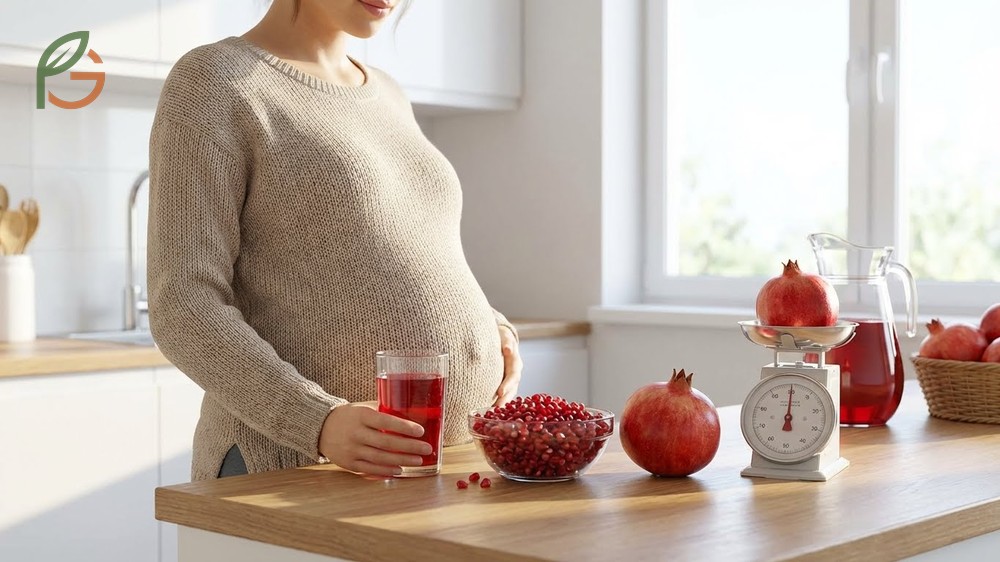
Pregnant women can safely consume one medium pomegranate (200-250g of seeds) or 8 oz of pasteurized juice daily. This amount provides nutritional benefits without excessive calorie or sugar intake[4]. One whole pomegranate yields approximately 234 calories and 52g of carbohydrates, fitting well within a balanced pregnancy diet.
Most healthcare providers recommend starting pomegranate consumption during the second trimester for optimal benefits. Research studies showing pregnancy complication prevention used daily 8-oz servings from the second trimester through delivery[2]. This timing allows for sustained nutritional support during critical growth periods.
Women with gestational diabetes should monitor portion sizes more carefully due to natural sugar content. One medium pomegranate contains 24g of natural sugars, which can impact blood glucose levels. Spreading pomegranate consumption throughout the day rather than consuming large amounts at once helps maintain stable blood sugar[4].
This table compares nutritional content between pomegranate juice and fresh seeds including calories, folate, fiber, and vitamin K per standard serving size
| Form | Serving Size | Calories | Folate | Fiber | Vitamin K |
|---|---|---|---|---|---|
| Juice (bottled) | 8 oz (237ml) | 150[3] | 60mcg (15% DV)[3] | 0.2g | 26mcg (22% DV)[3] |
| Fresh Seeds | 1 cup (174g) | 234[9] | 66mcg (17% DV)[8] | 7g (25% DV)[9] | 29mcg (24% DV)[9] |
- Morning (6-9 AM): Pair juice with iron-rich breakfast to enhance absorption
- Mid-morning snack (10-11 AM): Fresh seeds with Greek yogurt for sustained energy
- Lunch (12-2 PM): Add seeds to salads for fiber and nutrients
- Afternoon (3-4 PM): Small serving of juice to combat fatigue
- Avoid evening consumption if you experience heartburn or acid reflux
Conclusion
The evidence is clear: pomegranate juice for pregnancy offers substantial nutritional benefits when consumed safely. Pasteurized juice provides essential folate, vitamin K, and antioxidants that support both maternal health and fetal development throughout all trimesters[1]. Research demonstrates potential protective effects against preeclampsia and placental complications when consumed as part of comprehensive prenatal care[2].
Current guidance from maternal-fetal medicine specialists emphasizes choosing pasteurized products and limiting intake to 8 oz daily to balance nutritional benefits with sugar content. Fresh pomegranate seeds offer an excellent alternative with added fiber benefits. FruitGarden continues to monitor emerging research on fruit nutrition during pregnancy to provide evidence-based recommendations for expectant mothers.
Medical Disclaimer
Important Medical Disclaimer: This content is for informational and educational purposes only. It’s not intended as a substitute for professional medical advice, diagnosis, or treatment. Always consult a qualified healthcare professional before making any changes to your diet, medication, or health routine, especially if you’re pregnant or have existing medical conditions. Individual nutritional needs vary during pregnancy, and what’s appropriate for one person may not be suitable for another.
Frequently Asked Questions
Is Pomegranate Juice Good for Pregnancy?
Yes, pomegranate juice is good for pregnancy when it’s pasteurized. Research shows 8 oz daily provides 15% of folate needs and contains antioxidants that may protect placental health. Studies from Washington University found it may help prevent preeclampsia and support fetal brain development when consumed as part of balanced prenatal nutrition.
Can I Eat Pomegranate Seeds While Pregnant?
Yes, you can safely eat pomegranate seeds while pregnant. Fresh seeds provide fiber, folate, and vitamin K without safety concerns when properly washed. One cup of seeds delivers 7g of fiber, helping prevent constipation common during pregnancy. Wash whole fruit thoroughly before opening to remove surface contaminants.
Is Pomegranate Good for Pregnant Lady in First Trimester?
Yes, pomegranate is beneficial during the first trimester. Its 66mcg folate per cup supports neural tube development during weeks 4-12 when this critical process occurs. Many women find the refreshing taste helps ease morning sickness. The vitamin C content also enhances iron absorption from prenatal vitamins during this crucial developmental period.
How Much Pomegranate Juice Should I Drink During Pregnancy?
Healthcare providers recommend 8 oz (237ml) of pasteurized pomegranate juice daily during pregnancy. This amount provides nutritional benefits without excessive sugar intake—approximately 32g natural sugars per serving. Start consumption during the second trimester for optimal benefits, and always choose pasteurized varieties to avoid listeria risk.
What Foods Should I Avoid While Drinking Pomegranate Juice During Pregnancy?
Avoid unpasteurized dairy products, deli meats, raw seafood, and unwashed produce while pregnant—these pose listeria risks regardless of pomegranate consumption. Don’t combine pomegranate juice with high-sugar foods that could spike blood glucose levels. If you have gestational diabetes, monitor total carbohydrate intake and consult your healthcare provider about appropriate portions.
Can Pomegranate Juice Cause Side Effects During Pregnancy?
Most pregnant women tolerate pomegranate juice well, but some may experience digestive discomfort or heartburn if consumed in large amounts. Allergic reactions, though rare, can occur and include itching or swelling. Women with low blood pressure should monitor their levels, as pomegranate may lower blood pressure further. Stop consumption and consult your doctor if you experience any adverse reactions.
Does Pomegranate Juice Help Prevent Pregnancy Complications?
Research suggests pomegranate juice may help prevent certain pregnancy complications. Washington University studies found it reduced oxidative stress markers in placental tissue by up to 32%, potentially lowering preeclampsia and growth restriction risks. However, it works best as part of comprehensive prenatal care rather than as standalone prevention. Always discuss high-risk pregnancy management with your healthcare provider.





