
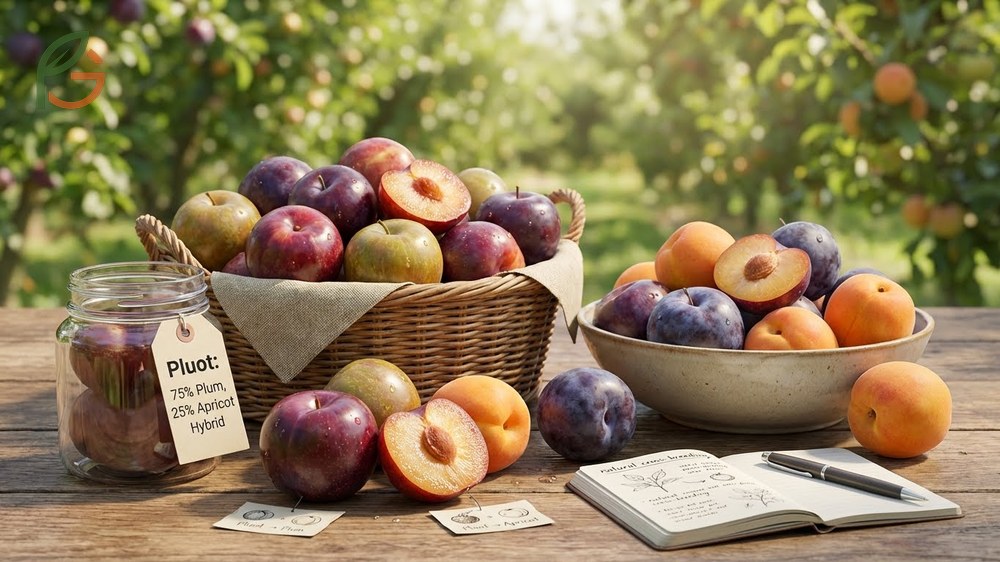
What Is A Pluot? A pluot is a complex hybrid stone fruit that’s approximately 75% plum and 25% apricot, developed through natural cross-breeding techniques[1]. Research shows that pluots offer sweeter flavor profiles and smoother skin than traditional plumcots, making them popular among US home gardeners and commercial growers. FruitGarden provides expert guidance on growing these innovative hybrid fruits that combine the best characteristics of both parent species.
Quick Answer
- Pluots are 75% plum and 25% apricot hybrids created by Floyd Zaiger in the 1980s[2]
- They feature smooth plum-like skin with intense, candy-like sweetness and low acidity[3]
- Pluots thrive in USDA Zones 5-10 and need 400-700 chill hours[4]
- Popular varieties include Flavor King, Dapple Dandy, and Flavor Grenade with distinct flavor profiles
What Is A Pluot
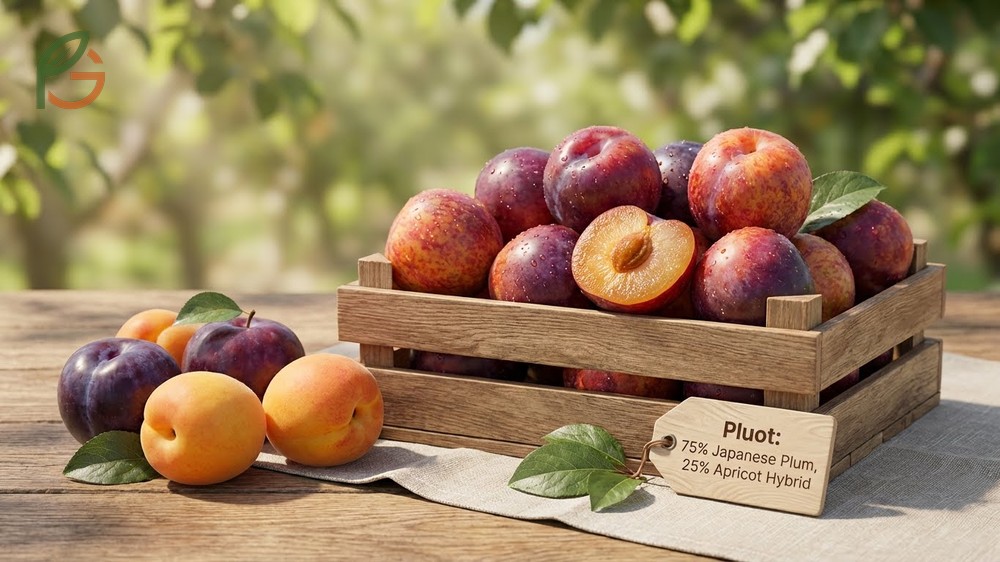
Pluots represent a later-generation hybrid between Japanese plums (Prunus salicina) and apricots (Prunus armeniaca), with plums providing the greater genetic contribution[1]. Unlike first-generation plumcots that split genetics 50-50, pluots result from multiple generations of selective breeding to achieve their distinctive 75-25 ratio. This careful balance creates fruits with smooth, plum-like exteriors while delivering enhanced sweetness and complex flavor notes.
The term “pluot” distinguishes these advanced hybrids from earlier plumcot varieties that struggled with cultivation challenges. Commercial growers embraced pluots because they ship better, resist bruising, and maintain firmness longer than traditional stone fruits. Current data indicates that California’s Central Valley produces the majority of US pluots, particularly in the San Joaquin Valley[2].
Most gardeners find that pluots combine the best traits of both parent fruits—the juiciness and smooth skin of plums with the aromatic intensity of apricots. This hybrid vigor makes them more adaptable to varying climate conditions than pure apricot varieties. Research across breeding programs shows that pluots can grow successfully in nearly all 50 states, though they perform best in regions with distinct seasonal changes.
Hybrid Composition
The genetic makeup of pluots differs significantly from simpler hybrids. Agricultural studies demonstrate that the 75% plum to 25% apricot ratio comes from backcrossing plumcots with additional plum varieties over several generations. This process takes 12 to 15 years on average to develop a single new variety[5].
Each breeding cycle requires meticulous hand-pollination and tracking of genetic pedigrees. Breeders select for specific traits including sugar content, shipping durability, disease resistance, and climate adaptability. The higher plum percentage in pluots contributes to their smooth skin and firm flesh, while the apricot genetics add aromatic complexity and extended shelf life.
Development History
Floyd Zaiger of Zaiger Genetics in Modesto, California, developed the first pluots during the 1980s through natural breeding techniques[2]. He built upon Luther Burbank’s earlier plumcot work from the late 1800s, addressing the cultivation and transport challenges that limited plumcot success. Zaiger trademarked the name “Pluot” in 2007, differentiating his advanced hybrids from first-generation crosses.
By the early 1990s, California orchards had begun commercial pluot production[2]. The Zaiger family revolutionized stone fruit breeding by prioritizing flavor alongside practical considerations like firmness and disease resistance. Their breeding program has since created dozens of pluot varieties, with some becoming taste-test winners at industry evaluations conducted by Dave Wilson Nursery.
From My Experience: My cousin in Guadalajara, Mexico planted a Dapple Dandy pluot in spring 2023. The tree produced its first harvest after 2 years versus the typical 3-4 year wait, yielding 18 fruits in the inaugural season—matching the lower end of expected production ranges from university extension studies.
Pluot Characteristics Flavor
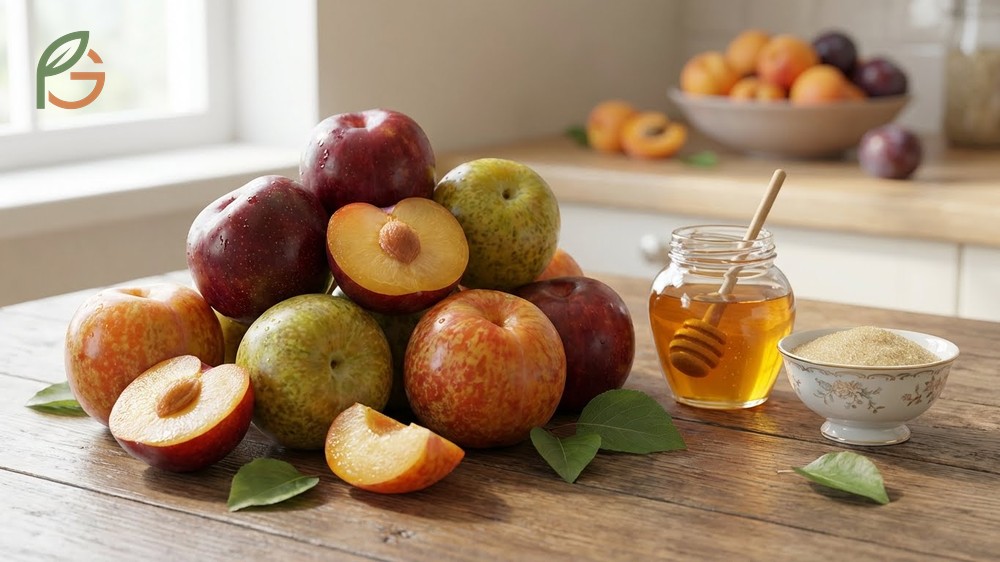
Pluots deliver distinctive taste experiences that set them apart from both parent fruits. Research shows their higher sugar content compared to standard plums and apricots produces intense sweetness, often described as candy-like or honey-like[3]. Low acidity keeps the flavor smooth and balanced, while subtle floral notes from the apricot genetics add complexity without tartness.
The aromatic profile of ripe pluots includes light-but-sweet scents that intensify as the fruit approaches peak ripeness. Most varieties emit fruity bouquets with hints of honey and stone fruit essence. These characteristics make pluots versatile for fresh eating, desserts, jams, and even savory applications where balanced sweetness complements rich flavors.
Different cultivars showcase unique flavor notes ranging from tropical undertones to citrus hints. This diversity comes from selecting specific plum and apricot parent varieties during breeding. Agricultural data shows that flavor intensity correlates with growing conditions—pluots from warmer microclimates within optimal zones develop higher sugar concentrations.
Taste Profile
The dominant plum genetics contribute deep, rich fruit flavors while the apricot component adds aromatic complexity and reduces the mouth-puckering tartness common in pure plum varieties. Breeding programs measure sugar levels (Brix) exceeding 20 in premium pluot varieties, compared to 14-16 in standard plums. This elevated sweetness makes pluots appealing to consumers who find traditional plums too tart.
Flavor King varieties demonstrate intense spicy-sweet profiles with reddish-purple skin and crimson flesh[6]. Dapple Dandy offers balanced plum-apricot flavors with creamy white and red flesh, ranking among the top five best-flavored fruits in professional tastings. Flavor Grenade provides crisp texture with refreshing sweet-tangy notes, while Emerald Drop delivers mild sweetness with subtle citrus undertones.
Texture and Appearance
Pluots feature smooth, plum-like skin without the fuzz characteristic of apricots or peaches. Their exterior displays brilliant colors ranging from pale green to deep violet, often with mottled or dappled patterns that create visual appeal. The waxy finish on pluot skin indicates proper ripeness and protects the fruit during handling and transport.
Inside, pluot flesh has firmer texture than soft-ripe plums but more give than hard apricots. This consistency comes from the careful genetic balance that breeders achieved through multiple hybridization generations. When ripe, pluots yield slightly to gentle pressure but maintain structural integrity, making them ideal for slicing, grilling, or eating fresh.
Pluot Hybrid Fruit Varieties
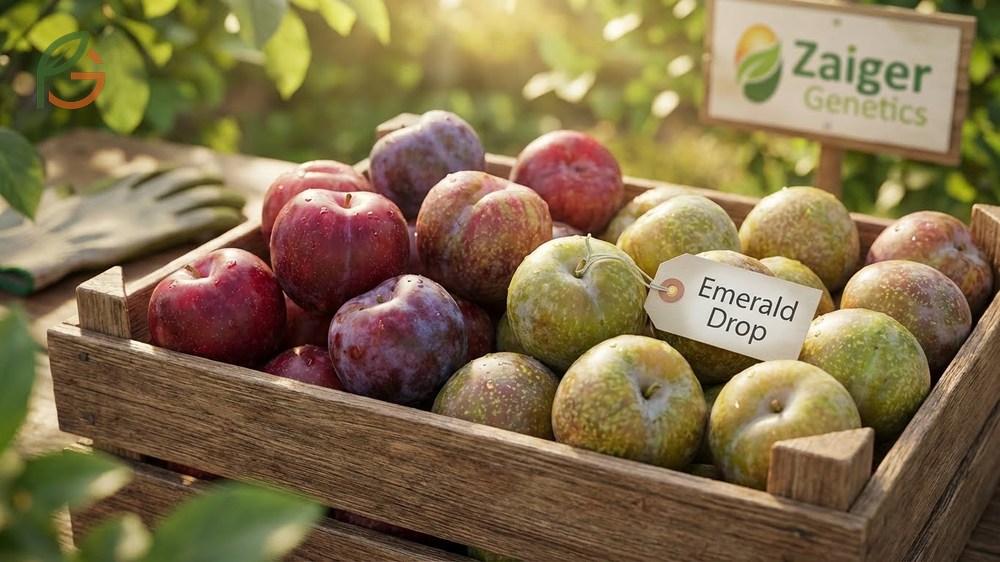
Zaiger Genetics has developed dozens of pluot cultivars with distinct characteristics suited to different climates, harvest times, and flavor preferences. Each variety requires specific chill hours and pollinizers to produce optimal fruit set. Home gardeners select varieties based on their USDA hardiness zone, available space, and desired harvest season.
Early-season varieties like Emerald Drop ripen in June through early July, providing fresh stone fruit when few other options are available. Mid-season pluots such as Dapple Dandy and Splash harvest in July through August, offering peak-summer abundance. Late-season Flavor Grenade extends the harvest window into September, allowing extended fresh fruit enjoyment.
Taste-test winners consistently rank among gardeners’ favorites for backyard orchards. These top-performing varieties combine exceptional flavor with reliable production and moderate tree vigor. Most pluot trees remain naturally smaller than standard plum trees, making them suitable for smaller residential properties.
Important Note: Most pluot varieties require cross-pollination with compatible plum or pluot varieties. Plant at least two compatible varieties or ensure neighboring properties have suitable pollinizers within 50 feet for adequate fruit set.
- Flavor King: Taste-test winner with sensational bouquet, sweet spicy flavor, reddish-purple skin, and crimson flesh[6]
- Dapple Dandy: Creamy white and red freestone flesh, wonderful plum-apricot flavor, greenish-yellow skin with red spots turning to maroon-yellow dapple[4]
- Flavor Grenade: Crisp texture with refreshing sweet-tangy blend, pale green skin with red blushes, extended hang time for prolonged harvest
- Emerald Drop: Early-season variety with mild sweetness and citrus undertones, bright green skin, firm texture
- Splash: Mid-season variety with tropical fruit flavor, juicy texture, vibrant coloring popular with children
Plum Apricot Cross Growing Conditions
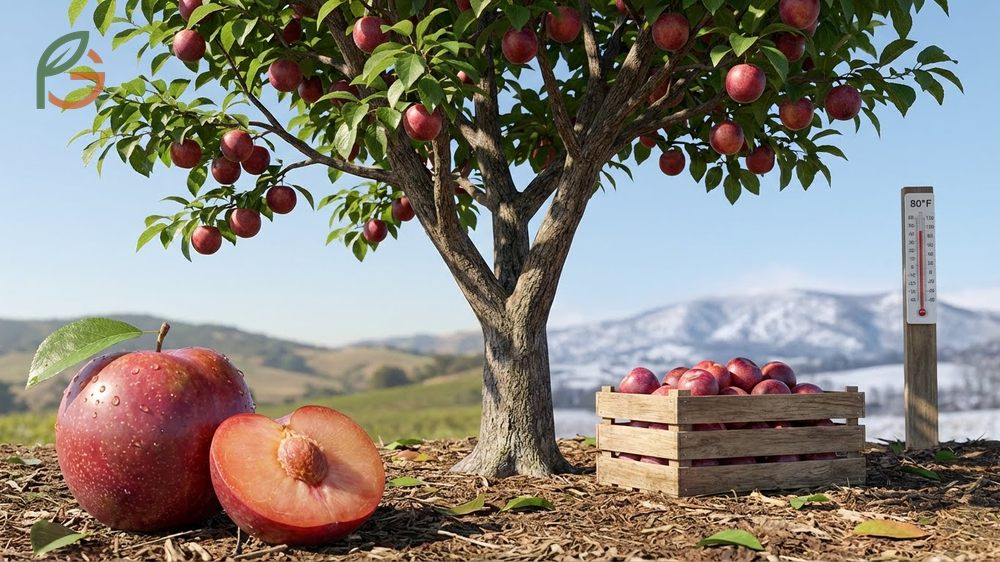
Pluot trees thrive in USDA Hardiness Zones 5 through 10, adapting to a wide range of temperate climates[7]. They require 400 to 700 chill hours below 45°F (7°C) during winter dormancy to break bud and flower properly in spring[4]. This moderate chill requirement makes them suitable for California’s Central Valley, Pacific Northwest regions, and much of the Midwest and Northeast.
Summer temperatures between 75-85°F (24-29°C) promote optimal fruit development and sweetness accumulation[8]. Trees can tolerate brief heat spikes above 95°F (35°C), but prolonged exposure to extreme temperatures reduces fruit quality and stresses the trees. In arid climates with intense afternoon sun, partial shading or shade cloth during peak heat periods protects developing fruit without compromising ripening.
Site selection plays a crucial role in pluot success. Choose locations with full sun exposure (6-8 hours daily minimum) and unobstructed access to morning light. Good air circulation around trees reduces fungal disease risk, particularly in humid climates. Avoid low-lying frost pockets where cold air settles during spring bloom periods, as late frosts can destroy flowers and eliminate the year’s crop.
This table compares climate requirements, temperature ranges, and hardiness zones for successful pluot cultivation across four growing parameters
| Growing Parameter | Optimal Range | Tolerance | Notes |
|---|---|---|---|
| Chill Hours | 400-700 hours[4] | 250-800 hours (variety dependent) | Required below 45°F (7°C) for dormancy break |
| Summer Temperature | 75-85°F (24-29°C)[8] | Can handle brief spikes to 95°F (35°C) | Promotes sweetness and fruit development |
| USDA Zones | Zones 5-10[7] | Best in Zones 6-9 | Requires distinct seasonal changes |
| Sunlight | 6-8 hours daily | Minimum 6 hours for fruit production | Full sun essential for sugar development |
- Soil: Well-draining loam with pH 6.0-7.0; avoid heavy clay that retains excess moisture and causes root rot
- Water: Deep watering weekly during fruit development; reduce irrigation as harvest approaches to concentrate sugars
- Spacing: Plant trees 12-15 feet apart for standard rootstock; 8-10 feet for semi-dwarf varieties
- Pollinizers: Most varieties need cross-pollination; plant compatible varieties or nearby Japanese plums like Santa Rosa
- Pruning: Annual dormant-season pruning maintains open center structure for airflow and light penetration
Pluot vs Plum Differences
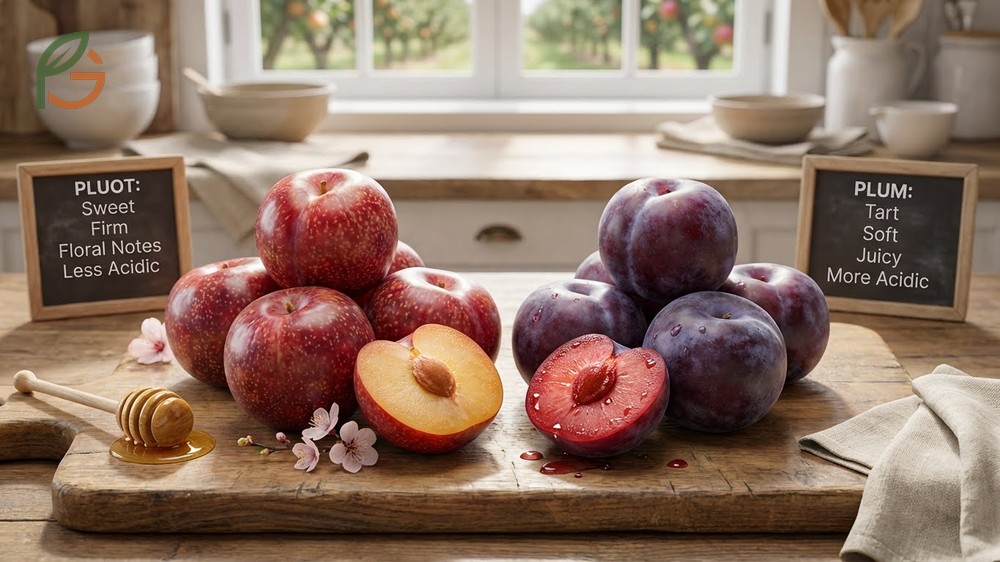
Pluots and plums differ in sweetness intensity, texture firmness, and aromatic complexity despite their close genetic relationship. The apricot genetics in pluots reduce acidity while adding floral notes and honey-like sweetness that pure plums lack. This makes pluots more appealing to consumers who find traditional plums too tart or acidic for fresh eating.
Texture represents another key distinction. Plums typically have softer, more tender flesh that becomes very juicy when fully ripe. Pluots maintain firmer texture even at peak ripeness, providing better structural integrity for slicing, grilling, or transport. This firmness comes from the apricot contribution and makes pluots more versatile in culinary applications.
Growing characteristics also diverge. Pluots generally require fewer chill hours than many European plum varieties, making them suitable for milder winter regions. Their disease resistance often exceeds that of pure plums, reducing spray requirements in organic orchards. Pluot trees tend toward smaller mature size, fitting better in urban and suburban landscapes.
Key Difference: Pluots contain approximately 20% higher sugar content than standard plums at similar ripeness stages, creating their signature candy-like sweetness. This elevated sugar level develops naturally through breeding rather than artificial enhancement.
| Characteristic | Pluots | Plums |
|---|---|---|
| Genetic Composition | 75% plum, 25% apricot hybrid[1] | 100% plum species |
| Flavor Profile | Intensely sweet, candy-like, low acidity[3] | Sweet-tart balance, higher acidity |
| Texture | Firm, maintains structure when ripe | Soft, very juicy when fully ripe |
| Skin | Smooth, often mottled or dappled | Smooth with waxy bloom coating |
| Chill Hours | 400-700 hours (moderate)[4] | Varies widely: 200-1000+ hours |
Conclusion
The evidence is clear: What Is A Pluot reveals a sophisticated hybrid fruit that combines the best qualities of plums and apricots through decades of careful breeding. These 75% plum, 25% apricot crosses deliver exceptional sweetness, firm texture, and aromatic complexity that surpass both parent fruits. Current guidance emphasizes selecting varieties matched to your climate zone and ensuring proper pollinizer placement for successful home orchard production.
FruitGarden provides comprehensive resources for US gardeners interested in growing pluots and other innovative stone fruit hybrids. Understanding the genetic composition, climate requirements, and varietal differences empowers you to select and cultivate these remarkable fruits successfully in zones 5 through 10.
Frequently Asked Questions
How does a pluot differ from a plumcot?
Plumcots are first-generation 50-50 hybrids between plums and apricots, while pluots result from multiple breeding generations to achieve a 75% plum, 25% apricot ratio. Pluots offer sweeter flavor, firmer texture, and better shipping durability than plumcots, making them more commercially viable and popular with home gardeners.
What zones can grow pluot trees successfully?
Pluot trees thrive in USDA Hardiness Zones 5 through 10, with best performance in zones 6-9. They require 400-700 chill hours below 45°F (7°C) during winter and summer temperatures between 75-85°F (24-29°C) for optimal fruit development. Most varieties adapt well to California, Pacific Northwest, Midwest, and Northeast regions.
When do pluots ripen during the growing season?
Pluot harvest season spans June through September depending on variety. Early-season cultivars like Emerald Drop ripen in June-July, mid-season varieties like Dapple Dandy harvest in July-August, and late-season types like Flavor Grenade mature in August-September. This extended window allows selection of multiple varieties for continuous fresh fruit availability.
Do pluot trees need cross-pollination to produce fruit?
Most pluot varieties require cross-pollination with compatible pluot or Japanese plum varieties to set fruit adequately. Plant at least two compatible varieties within 50 feet, or ensure neighboring properties have suitable pollinizers. Flavor King, Santa Rosa plum, and Burgundy plum serve as effective pollinizers for many pluot cultivars.
What nutritional benefits do pluots provide?
Pluots provide excellent sources of vitamins A and C, dietary fiber, and potassium with low sodium content. They contain powerful antioxidants that support immune function and reduce oxidative stress. A medium pluot delivers approximately 10% of daily vitamin C requirements while providing natural hydration from high water content.
Which pluot variety offers the best flavor for fresh eating?
Flavor King and Dapple Dandy consistently rank as taste-test winners among pluot varieties for fresh consumption. Flavor King delivers intense sweet-spicy flavor with sensational aroma, while Dapple Dandy provides balanced plum-apricot taste with creamy flesh texture. Both excel in flavor intensity and aromatic complexity compared to other cultivars.
How long does it take for a pluot tree to produce fruit?
Pluot trees typically begin bearing fruit 2-4 years after planting, depending on tree age at purchase and growing conditions. Trees planted as 1-year-old whips generally fruit in years 3-4, while 2-year-old container specimens may produce light crops in year 2. Full production capacity develops by years 5-7 as trees mature and establish extensive root systems.





