
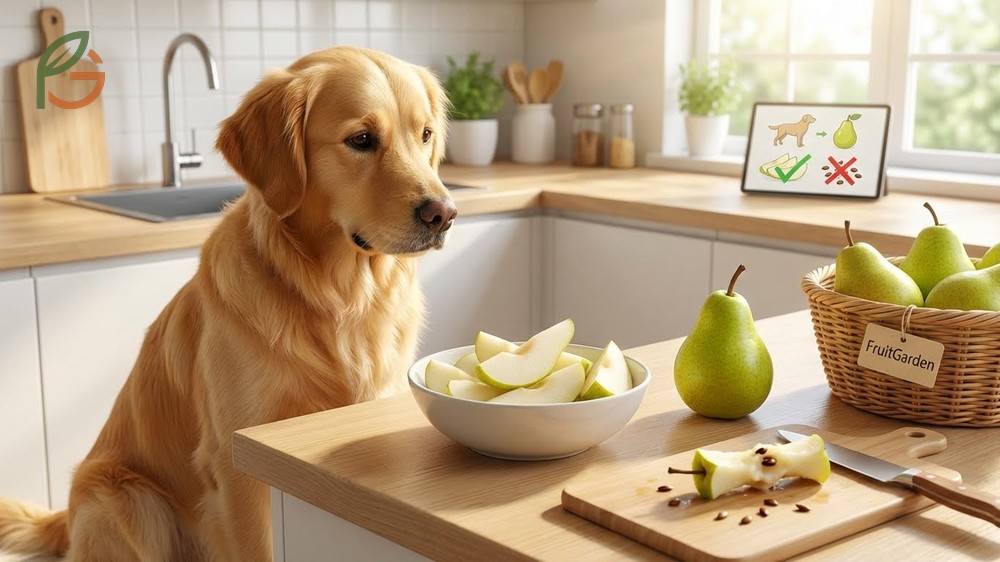
Can dogs eat pears? Yes, pears are safe for dogs when prepared correctly. Research shows that fresh pear flesh provides valuable nutrients like vitamin C, fiber, and potassium, but you must remove seeds and cores that contain cyanide[1]. At FruitGarden, we synthesize current veterinary guidance to help pet owners make informed choices about fruit-based treats for their companions.
Quick Answer
- Fresh pears are safe when seeds, stems, and cores are removed before serving
- A 100-gram serving contains 4.3mg vitamin C[2] and 3.1g fiber that supports digestion
- Pear seeds contain cyanide compounds that become toxic in large quantities[1]
- Serve 1-2 slices per week[3] following the 10% treat rule for balanced nutrition
Can Dogs Eat Pears
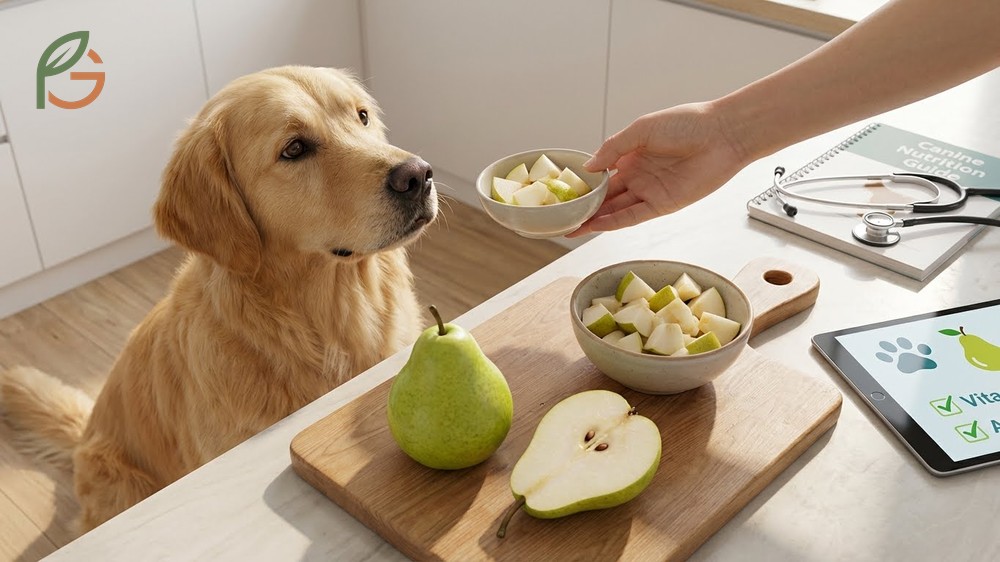
Pears are non-toxic fruits that dogs can safely consume when properly prepared. Veterinary experts confirm that fresh pear flesh offers nutritional benefits without harmful compounds[1]. The key is removing dangerous parts before serving.
Studies show that pears provide vitamin C, vitamin A, and dietary fiber that support canine health. However, moderation matters because excessive consumption leads to digestive upset. Most veterinarians recommend limiting pears to occasional treats rather than daily snacks.
Nutritional Profile of Pears
A 100-gram pear serving delivers essential nutrients that benefit dogs in small amounts. According to USDA data, this portion contains 84g water, 15.2g carbohydrates, and 3.1g fiber. The high water content helps with hydration during warm weather.
Pears also provide 4.3mg vitamin C and 116mg potassium per 100 grams[2]. These micronutrients support immune function and cardiovascular health. Copper content aids in red blood cell production and nerve cell maintenance.
This table compares key nutrients found in 100 grams of pear including water, fiber, vitamins, and minerals with their health benefits for dogs
| Nutrient | Amount | Benefit for Dogs |
|---|---|---|
| Water | 84g[2] | Supports hydration |
| Fiber | 3.1g[2] | Aids digestion and regularity |
| Vitamin C | 4.3mg[2] | Boosts immune system |
| Potassium | 116mg[2] | Maintains heart and muscle function |
| Sugar | 9.75g (medium pear)[2] | Should be limited in diabetic dogs |
Types of Pears Safe for Dogs
Most common pear varieties are safe for canine consumption when prepared correctly. Bartlett, Bosc, and Anjou pears all offer similar nutritional profiles. The preparation method matters more than the specific variety you choose.
Asian and Korean pears provide the same benefits as Western varieties with slightly different texture. These types tend to be crisper and less sweet, which some dogs prefer[3]. Always remove seeds and cores regardless of pear type.
Are Pears Good for Dogs
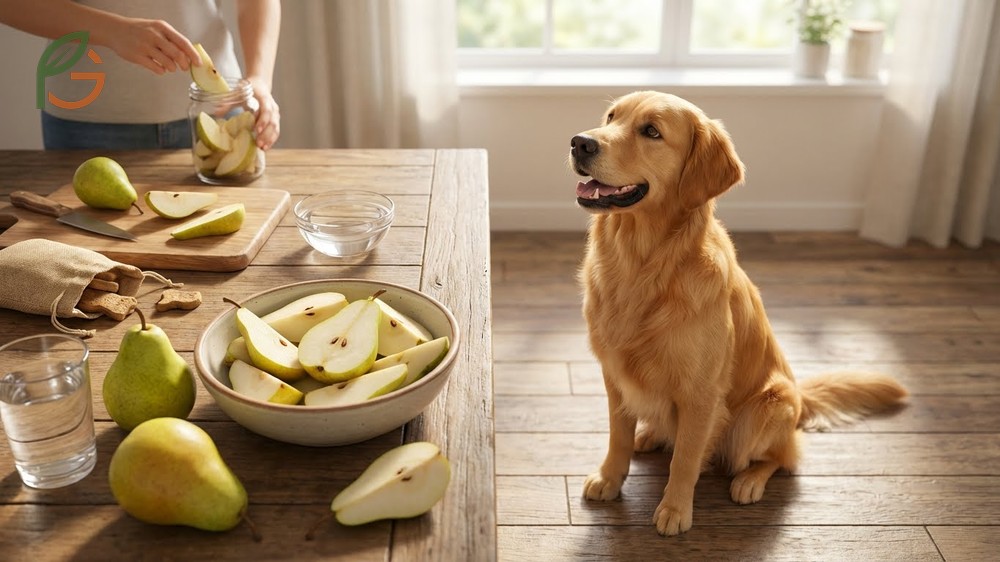
Research demonstrates that pears offer multiple health advantages when incorporated as occasional treats. The antioxidants and vitamins in pears strengthen immune response and cellular protection. Evidence suggests these nutrients help dogs combat oxidative stress from aging and environmental factors.
Pears work particularly well for weight management because they’re low in calories but high in water and fiber. This combination creates satiety without adding excessive calories to your dog’s diet. Dogs needing to maintain or lose weight benefit from this nutrient density.
Digestive Benefits for Dogs
The fiber content in pears promotes healthy digestive function through multiple mechanisms. Dietary fiber aids in regulating bowel movements and preventing constipation. Current veterinary guidance emphasizes fiber’s role in maintaining gut microbiome balance.
Soluble and insoluble fiber work together to support digestive tract health. Soluble fiber slows digestion and helps with nutrient absorption. Insoluble fiber adds bulk to stool and promotes regular elimination patterns.
Important Digestive Note: Introduce pears gradually to avoid stomach upset. Start with small pieces and monitor for signs of diarrhea or gas, especially in dogs with sensitive digestion.
Immune System Support
Vitamin C functions as a powerful antioxidant that protects cells from damage caused by disease and stress. While dogs synthesize their own vitamin C, dietary sources still provide supplemental benefits[2]. The antioxidants help combat free radicals and support overall immune function.
Copper and potassium contribute to cardiovascular health and proper nerve signaling. These minerals work synergistically with vitamins to maintain physiological processes. Research shows that balanced micronutrient intake supports long-term health outcomes in companion animals.
Pear Seeds Cyanide Risks
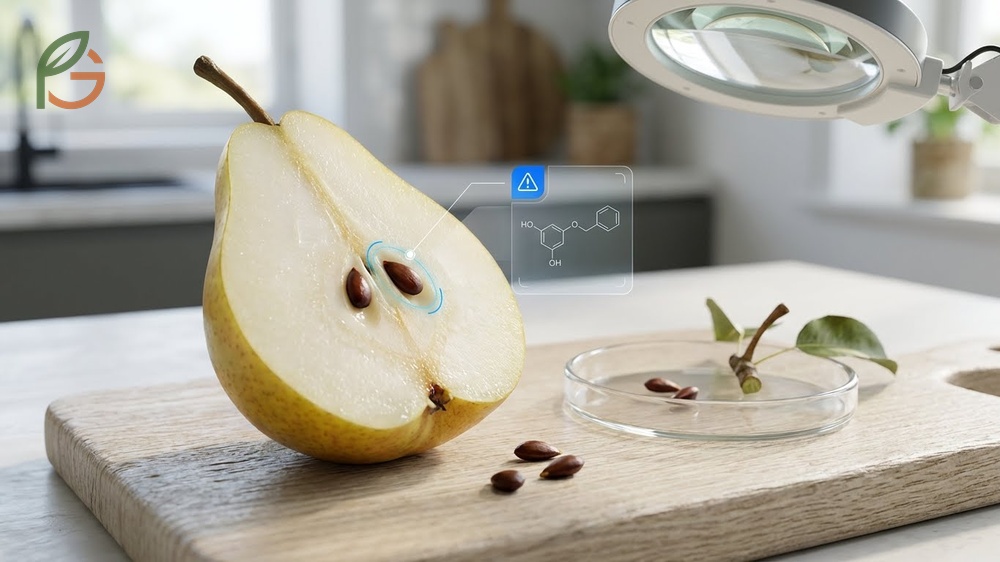
Pear seeds contain amygdalin, a compound that releases cyanide when digested by stomach enzymes. This naturally occurring toxin poses serious health risks when consumed in large quantities[1]. Small amounts typically don’t cause harm, but accumulated exposure can lead to poisoning.
The seeds, stems, and leaves of pear plants all contain this toxic compound. Studies indicate that while trace amounts exist, concentrated consumption creates dangerous scenarios. Preventing access to these parts completely eliminates the risk.
How Cyanide Affects Dogs
Cyanide interferes with cellular oxygen utilization, leading to tissue hypoxia. Symptoms of cyanide poisoning include difficulty breathing, dilated pupils, and bright red gums. Severe cases can progress to seizures, collapse, and potentially death without immediate veterinary intervention.
The toxic dose depends on your dog’s size and the amount consumed. Smaller dogs face higher risks from the same quantity compared to larger breeds. What often gets overlooked is that symptoms can develop within 15-20 minutes of ingestion in acute cases.
Emergency Warning: If your dog consumes multiple pear cores or seeds, contact your veterinarian immediately. Time-sensitive treatment significantly improves outcomes in poisoning cases.
Safe Preparation Methods
Remove the entire core section using a sharp knife or apple corer before offering pears. Cut away at least 1 inch around the seed cavity to ensure complete removal. Wash the pear thoroughly under running water to eliminate pesticide residues.
Slice the remaining flesh into bite-sized pieces appropriate for your dog’s size. For small dogs, quarter-inch cubes work best, while larger dogs can handle half-inch chunks. Always supervise the first feeding to assess chewing ability and swallowing patterns.
- Wash the pear under clean running water to remove dirt and chemicals
- Cut the pear in half lengthwise using a clean knife
- Remove the entire core, seeds, and stem with a corer or spoon
- Slice the flesh into appropriate-sized pieces for your dog’s breed
- Offer 1-2 pieces initially to test tolerance and preference
- Store unused portions in the refrigerator for up to 3 days
Choking Hazard Dogs
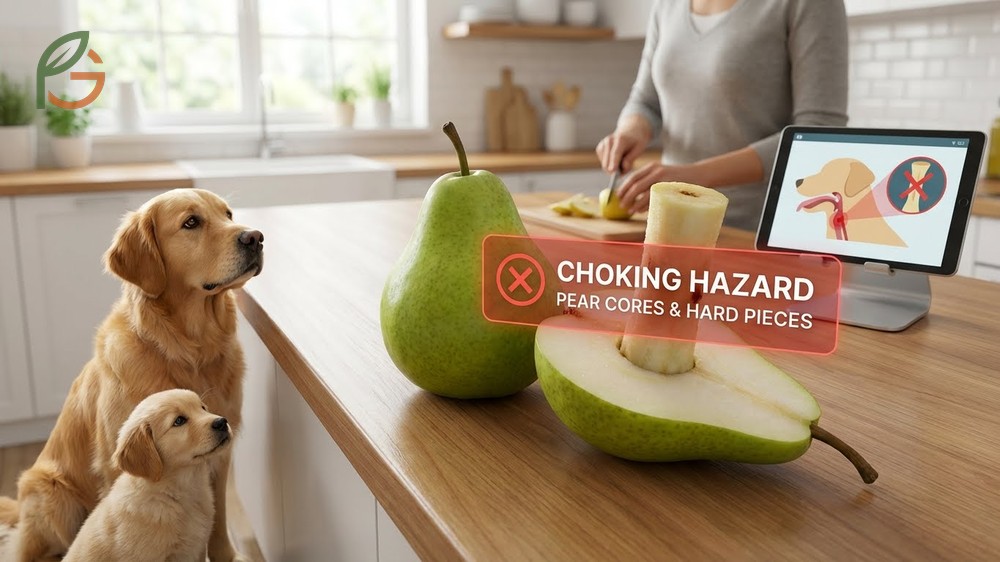
Hard, unripe pears create significant choking risks for dogs of all sizes. The firm texture makes them difficult to chew and easy to swallow whole[2]. Puppies and senior dogs with dental issues face even higher dangers from large pieces.
Pear cores pose the greatest choking hazard because of their cylindrical shape and density. These can lodge in the throat or esophagus, blocking airways. Current data indicates that round or cylindrical food items account for a significant percentage of canine choking incidents.
Ensure pears reach proper ripeness before serving—they should yield slightly to gentle pressure. Cut all pieces smaller than your dog’s throat diameter. For toy breeds, this means pea-sized portions, while giant breeds can handle grape-sized chunks safely.
- Toy breeds (under 10 lbs): Pea-sized pieces, always supervise eating
- Small breeds (10-25 lbs): Dime-sized pieces, monitor for gulping behavior
- Medium breeds (25-60 lbs): Quarter-sized pieces, ensure thorough chewing
- Large breeds (60-100 lbs): Half-dollar-sized pieces, watch for rapid consumption
- Giant breeds (over 100 lbs): Grape-sized pieces, still remove all cores and seeds
Safe Serving Size Pears
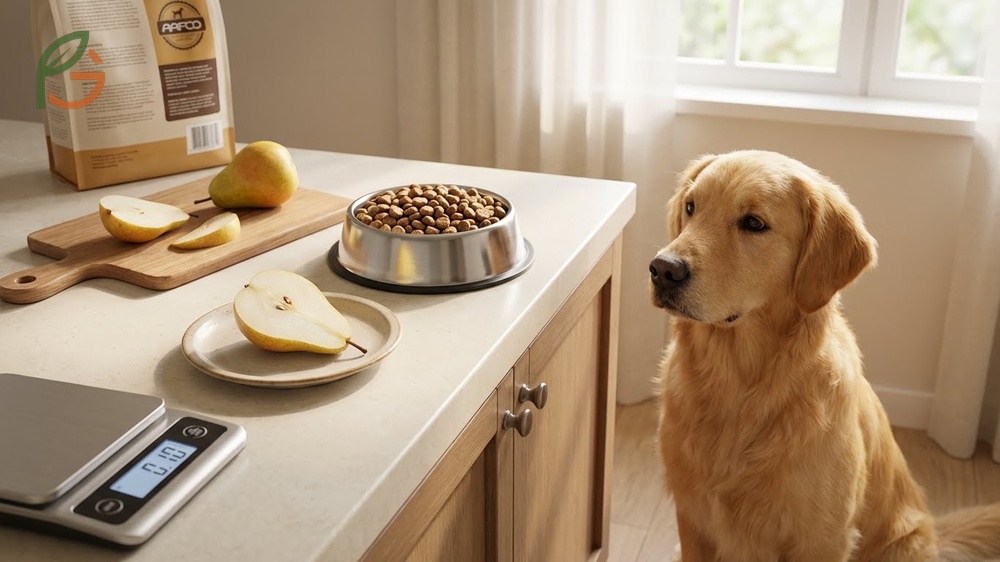
Veterinary nutritionists recommend following the 10% rule for all treats, including pears. This means treats shouldn’t exceed 10% of your dog’s daily caloric intake[3]. The remaining 90% should come from complete and balanced dog food meeting AAFCO standards.
A single slice of pear once or twice weekly provides nutritional benefits without risking digestive upset[3]. This frequency allows dogs to enjoy variety while maintaining dietary balance. Adjust portions based on your dog’s size, activity level, and overall health status.
| Dog Weight | Serving Size | Frequency |
|---|---|---|
| Under 10 lbs | 1-2 teaspoons | Once weekly |
| 10-25 lbs | 1-2 tablespoons | 1-2 times weekly |
| 25-60 lbs | 2-3 tablespoons | 1-2 times weekly |
| Over 60 lbs | 3-4 tablespoons | 1-2 times weekly |
Dogs with diabetes or weight management needs require even more careful portioning. The natural sugars in pears can affect blood glucose levels. Consult your veterinarian before introducing pears if your dog has metabolic conditions or food sensitivities.
Are Pears Safe for Dogs: Special Considerations
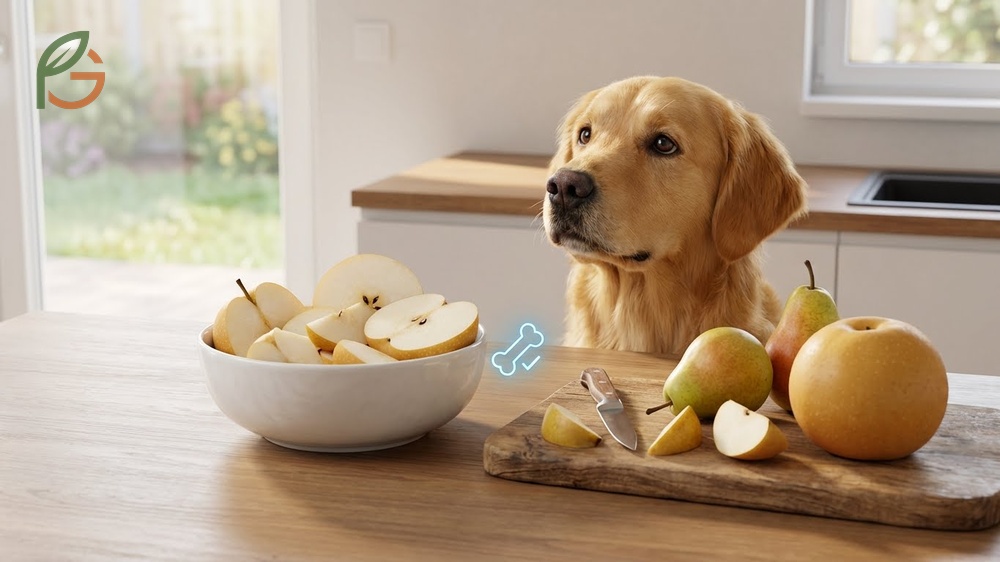
While pears are generally safe, certain forms and conditions warrant extra caution. Processing, storage, and variety all influence safety profiles. Understanding these factors helps you make better choices for your dog’s health.
Can Dogs Eat Asian Pears
Asian pears and Korean pears are safe for dogs when prepared using the same guidelines as Western varieties. These pears contain identical nutritional profiles with similar vitamin and mineral content[3]. The primary difference lies in texture—Asian pears are crunchier and less juicy.
The crisper texture can actually reduce choking risks for some dogs who chew more thoroughly. However, the same seed removal rules apply regardless of variety. Never feed the core or seeds of Asian pears to your dog.
Can Dogs Eat Canned Pears
Canned pears are not recommended for dogs due to added sugars and preservatives. Most canned varieties pack fruit in heavy syrup containing excessive sugar that promotes obesity and diabetes[2]. Even “juice-packed” options contain more sugar than fresh pears.
Preservatives and artificial sweeteners in canned products can cause adverse reactions. Xylitol, sometimes used in sugar-free canned fruits, is extremely toxic to dogs. Stick with fresh, ripe pears to avoid these unnecessary risks.
Fermented Fruit Alcohol Dogs
Overripe or fermented pears produce ethanol through natural fermentation processes. This alcohol is toxic to dogs and causes symptoms including unsteadiness, lethargy, and hypothermia[4]. Severe cases can progress to coma and require emergency treatment.
Dogs lack the enzymes to metabolize alcohol efficiently, making them highly sensitive to ethanol. What appears as mild fermentation to humans can cause serious intoxication in canines. Always discard fallen or rotting pears that your dog might access in your garden.
- Vomiting and excessive drooling within 30-60 minutes of consumption
- Disorientation, stumbling, or loss of coordination
- Lethargy progressing to unresponsiveness
- Difficulty breathing or rapid, shallow respirations
- Low body temperature (hypothermia) and cold extremities
- Seizures or muscle tremors in severe cases
Conclusion
The evidence is clear: can dogs eat pears safely when you remove seeds, stems, and cores before serving. Fresh pear flesh provides beneficial nutrients like vitamin C and fiber without posing toxicity risks. Current veterinary guidance emphasizes proper preparation and moderate serving sizes to maximize benefits while minimizing digestive upset.
Agricultural and veterinary research consistently shows that fresh fruits can enhance canine diets as occasional treats. FruitGarden helps pet owners understand both the benefits and limitations of fruit-based nutrition for their companions.
Medical Disclaimer
Important Veterinary Disclaimer: This content is for informational and educational purposes only. It is not intended as a substitute for professional veterinary advice, diagnosis, or treatment. Always consult a qualified veterinarian before making any changes to your dog’s diet, especially if your pet has diabetes, allergies, or other medical conditions. If you suspect your dog has consumed toxic parts of pears or shows signs of poisoning, seek emergency veterinary care immediately.
Frequently Asked Questions
Can Dogs Eat Pears with Skin?
Yes, dogs can eat pear skin as long as it’s thoroughly washed to remove pesticides and dirt. The skin contains additional fiber that supports digestion. However, some dogs with sensitive stomachs may experience upset from the skin, so you can peel it if needed.
Are Pears Toxic to Dogs?
No, pear flesh is not toxic to dogs. However, pear seeds, stems, and cores contain amygdalin, which releases cyanide when digested. Large quantities of these parts can cause cyanide poisoning, so always remove them completely before feeding pears to your dog.
How Many Pears Can a Dog Eat?
Dogs should eat pears in moderation following the 10% treat rule. One to two slices once or twice weekly is appropriate for most dogs. Adjust portions based on your dog’s size, with small dogs receiving teaspoon-sized amounts and large dogs getting up to 4 tablespoons per serving.
Are Pears Bad for Dogs with Diabetes?
Pears contain natural sugars that can affect blood glucose levels in diabetic dogs. A medium pear has approximately 9.75 grams of sugar. Consult your veterinarian before offering pears to diabetic dogs, as they may need to avoid fruit treats or receive carefully controlled portions.
Can Puppies Eat Pears?
Yes, puppies can eat pears in small amounts once they’re eating solid food. Cut pears into very small, pea-sized pieces to prevent choking. Introduce pears gradually after 8 weeks of age and watch for digestive upset or allergic reactions during the first few servings.
What Should I Do If My Dog Ate Pear Seeds?
If your dog consumed a few pear seeds, monitor them closely for symptoms like difficulty breathing, vomiting, or lethargy. Contact your veterinarian if you notice any concerning signs or if your dog ate multiple cores. Large quantities of seeds require immediate emergency veterinary care.
Can I Give My Dog Frozen Pears?
Yes, frozen pear pieces make excellent treats, especially during hot weather. Freeze small cubes of seedless, coreless pear flesh for a refreshing snack. The cold temperature provides additional hydration benefits and many dogs enjoy the crunchy texture of frozen fruit.





