

Can dogs eat mangosteen? Yes, dogs can safely eat the white flesh of mangosteen in small amounts, but you must remove the skin and seeds first[1]. This tropical fruit native to Southeast Asia offers vitamins and fiber when prepared correctly, though it should only be an occasional treat. FruitGarden provides evidence-based guidance on safe fruit consumption for pets, drawing from veterinary research and nutritional studies.
Quick Answer
- The white flesh is safe in small portions (1–2 segments) as an occasional treat[2]
- Always remove the tough rind and seeds—these cause choking hazards and digestive blockages[3]
- Mangosteen contains 3.5g fiber per cup and vitamin C, supporting digestion and immunity[4]
- Don’t feed to dogs with diabetes or obesity—35g carbs per cup can spike blood sugar[3]
Can Dogs Eat Mangosteen
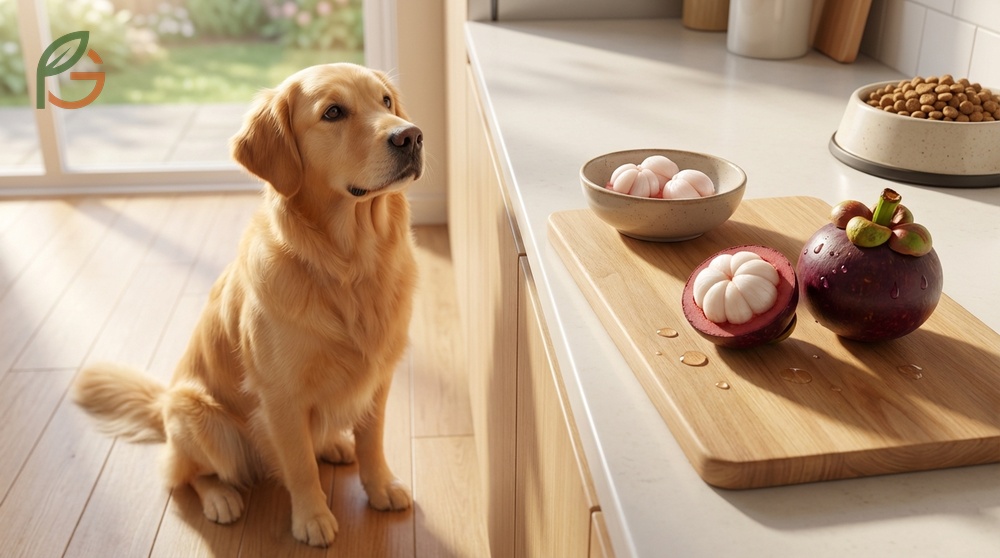
Research shows that dogs can safely consume mangosteen when the fruit is properly prepared[1]. The white inner flesh contains vitamins, fiber, and antioxidants that can benefit your dog’s health. However, this tropical fruit requires careful preparation to avoid serious health risks.
Current veterinary guidance emphasizes introducing any new food gradually and in small quantities to monitor for allergic reactions[3]. Start with just one segment to see how your dog responds. Most dogs tolerate mangosteen well, but individual sensitivities vary.
The key limitation is portion control—mangosteen’s high sugar content means it should make up no more than 10% of your dog’s daily caloric intake[2]. Treats beyond this threshold can lead to weight gain and nutritional imbalances. For a 30-pound dog, this translates to roughly 2-3 small segments maximum.
What Parts Are Safe
Only the white, segmented flesh inside the mangosteen is safe for dogs to eat. You must completely remove the thick purple rind and all seeds before offering any fruit to your pet. The flesh has a sweet-tart flavor that many dogs find appealing.
Each mangosteen contains multiple white segments that resemble garlic cloves in appearance. These segments typically contain one seed each, which you’ll need to extract. Evidence suggests that even small seeds pose choking hazards, especially for smaller dog breeds[5].
Important Preparation Note: Wash the outside of the mangosteen thoroughly before opening it to prevent transferring pesticides or contaminants to the edible flesh. Cut away any yellowed areas on the rind, as these indicate bitter sap that can cause stomach upset.
Nutritional Benefits
Mangosteen provides several nutrients that support canine health when fed in moderation. One cup of the fruit contains 3.5g fiber, which aids digestive regularity[4]. The fiber content helps some dogs maintain healthy bowel movements and can support gut bacteria balance.
The fruit also contains vitamin C, folate, and manganese—micronutrients that support immune function and cellular health. Studies show that mangosteen’s antioxidant compounds, called xanthones, may have anti-inflammatory properties[6]. Research on alpha-mangostin has shown potential benefits in canine health applications.
Despite these benefits, mangosteen isn’t nutritionally necessary for dogs. Complete commercial dog foods already provide all required nutrients. Think of mangosteen as an occasional treat rather than a dietary staple.
Can Dogs Eat Mangosteen Skin
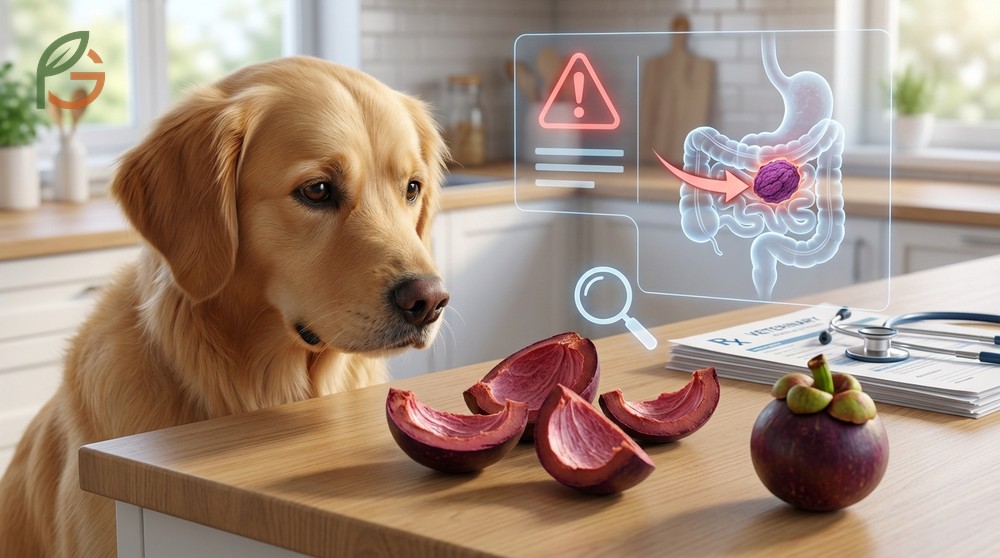
Dogs should never eat mangosteen skin, also called the rind or peel. The thick, tough exterior is completely indigestible and creates multiple health hazards. Veterinary reports consistently identify the rind as the primary danger associated with this fruit[3].
The rind’s fibrous structure can’t break down in your dog’s digestive system. This creates risks ranging from mild discomfort to life-threatening intestinal blockages. Even small pieces of rind can cause problems, particularly in smaller dogs with narrower digestive tracts.
What makes the skin particularly risky is its bitter sap, which contains tannins and other compounds that irritate the digestive lining. Dogs who consume the rind often show symptoms within a few hours, though blockages may take longer to manifest.
Why the Rind Is Dangerous
The mangosteen rind poses three primary threats to canine health. First, its density makes it a choking hazard—dogs can’t chew it effectively, and large pieces can lodge in the throat. Second, the tough plant fibers resist digestion and can accumulate in the stomach or intestines.
Research indicates that fibrous fruit peels cause digestive blockages more frequently than other food items[5]. The rind doesn’t soften or break apart as it moves through the digestive tract. Instead, it can create obstructions that require surgical intervention.
Third, pesticide residues concentrate on fruit skins. Unless you’re using organic mangosteens, the rind likely contains chemical treatments used during cultivation and shipping. These substances can trigger toxic reactions in dogs.
- Vomiting or retching within 2-6 hours of consumption
- Loss of appetite and refusal to eat regular meals
- Abdominal pain indicated by hunched posture or whining
- Constipation or inability to pass stool normally
- Lethargy and reduced interest in play or activities
- Excessive drooling or signs of nausea
What If Your Dog Ate the Skin
If your dog consumes mangosteen skin, contact your veterinarian immediately for guidance. The urgency depends on how much rind was eaten and your dog’s size. A large dog who ate a small piece faces lower risk than a small dog who consumed multiple pieces.
Don’t wait for symptoms to appear if your dog ate a substantial amount of rind. Current veterinary protocols recommend proactive assessment rather than watchful waiting in cases of potential obstruction. Your vet may induce vomiting if the consumption occurred within the past two hours.
Emergency Warning: Seek immediate veterinary care if your dog shows severe symptoms like continuous vomiting, complete loss of appetite for more than 12 hours, or visible distress. Intestinal blockages can become life-threatening within 24-48 hours without treatment.
How to Open Mangosteen
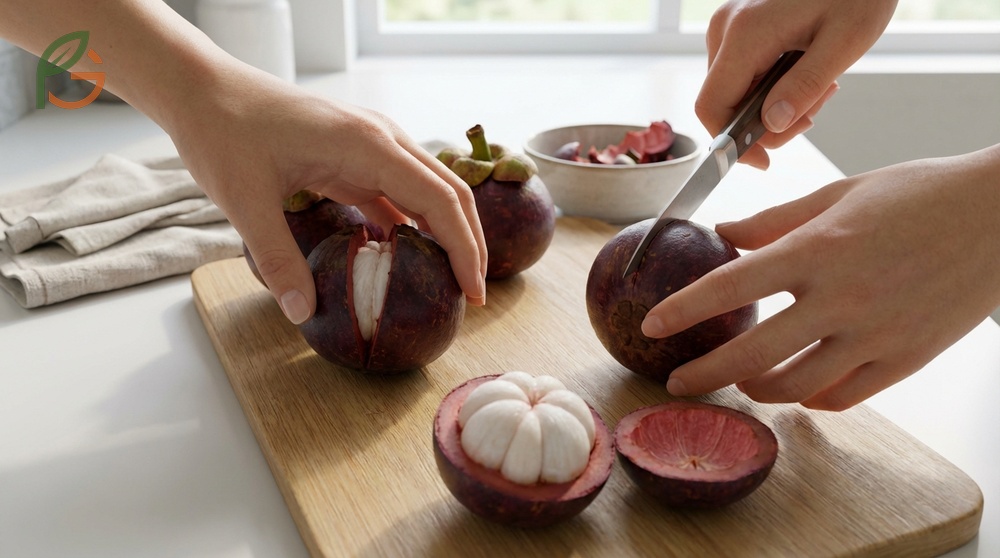
Properly opening a mangosteen ensures you can safely extract the edible flesh while avoiding the problematic rind. Two main methods work well—one using just your hands and another requiring a knife. Both techniques aim to separate the rind from the flesh without crushing the delicate segments inside.
The fruit’s structure makes it relatively easy to open once you understand the technique. The rind, while tough, cracks cleanly when pressure is applied correctly. Choose your method based on the fruit’s ripeness—firmer fruits work better with the compression method, while very ripe fruits benefit from the knife approach.
Hand Method
Hold the mangosteen with both hands, placing your thumbs on opposite sides of the fruit’s equator. Apply steady, even pressure with your thumbs while supporting the fruit with your fingers. You’ll feel the rind crack open when enough pressure is applied[7].
Once the rind cracks, gently pull the two halves apart to expose the white segments. The flesh should remain intact if you haven’t applied too much force. Remove each segment carefully, checking for seeds before offering any pieces to your dog.
This method works best with moderately ripe mangosteens. Very ripe fruits may squish instead of cracking cleanly. The rind can stain your fingers purple, so consider wearing gloves if this concerns you.
Knife Method
Score the rind around the fruit’s circumference using a sharp knife, cutting shallow enough to avoid touching the flesh. Make the cut at the fruit’s widest point. The goal is to penetrate only the rind layer, which is typically 6-8mm thick.
After scoring, twist the two halves in opposite directions to separate them. The fruit should pull apart cleanly along your cut line. You can then scoop out the white segments with a spoon or your fingers, being careful to remove all seeds.
Agricultural experts recommend this method for very ripe fruits where the hand-compression technique might crush the segments[7]. The knife provides more control and prevents accidental contact between the bitter rind sap and the sweet flesh.
Exotic Fruits Dogs Can Eat
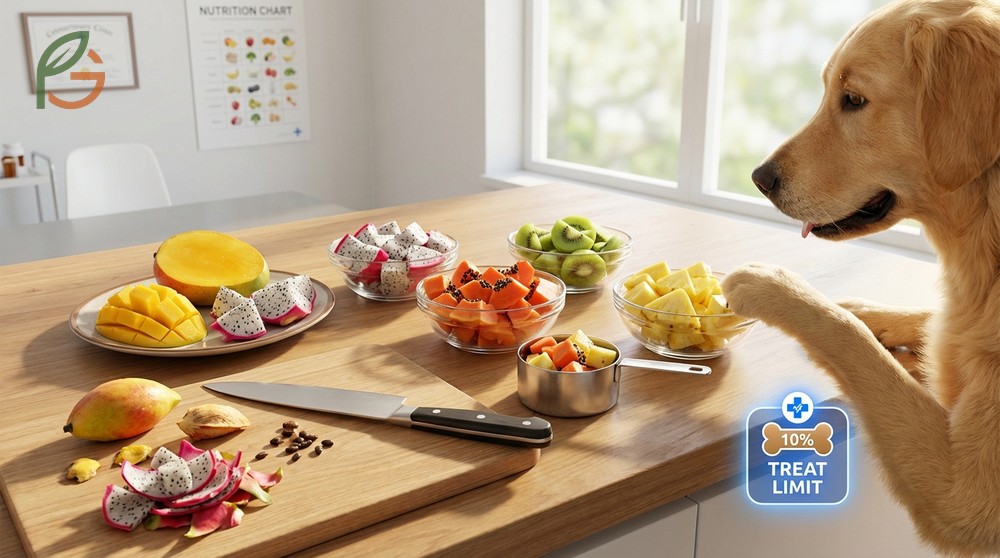
Beyond mangosteen, several exotic fruits are safe for dogs when prepared correctly. These alternatives provide variety if you want to offer your dog different flavors and textures. Each fruit requires specific preparation to remove hazardous components like pits, seeds, or tough skins.
Veterinary nutrition research supports offering diverse fruits as occasional treats, with the same 10% caloric limit applying to all options[8]. Rotating different fruits can prevent boredom and provide a range of nutrients. However, introduce only one new fruit at a time to identify any sensitivities.
- Dragon fruit—remove spiky skin, seeds are safe to eat, high in fiber and omega-3[8]
- Papaya—rich in vitamins A and C, remove skin and seeds before serving
- Guava—packed with vitamin C and antioxidants, serve in small portions without seeds
- Lychee—only ripe lychees are safe, remove shell and seed, limit quantity due to sugar
- Durian—safe in tiny amounts despite strong smell, remove spiky rind and seeds completely
- Kiwi—high in vitamin C, can eat with or without fuzzy skin, cut into small pieces
Each of these fruits shares mangosteen’s requirement for careful preparation. The common pattern is removing any hard, indigestible parts and limiting portions to prevent digestive upset from excessive sugar or fiber.
Comparison Tip: If your dog enjoys mangosteen but you can’t find it regularly, papaya offers similar texture and nutritional benefits. Both fruits provide fiber and vitamin C in comparable amounts, making papaya an excellent substitute.
Is Mangosteen Toxic to Dogs
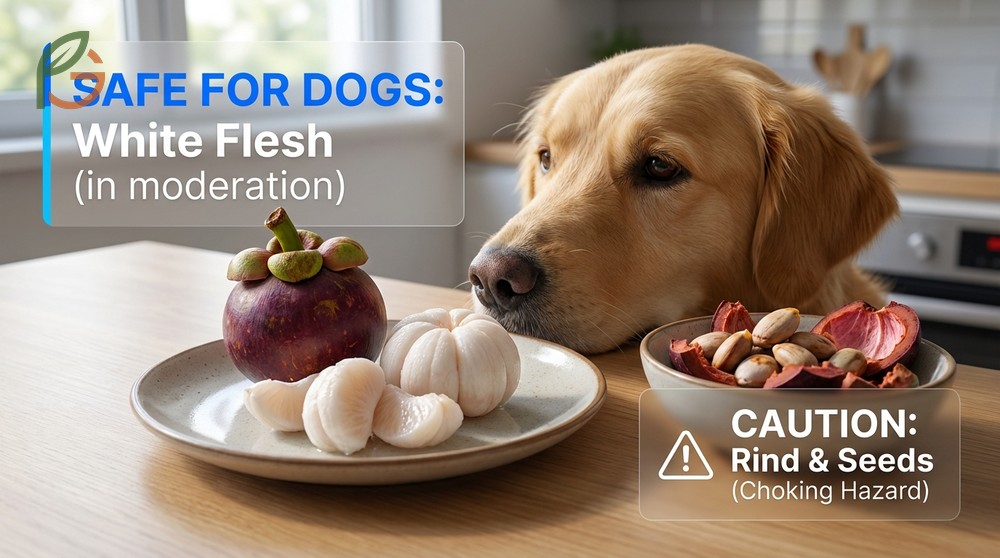
The white flesh of mangosteen is not toxic to dogs when consumed in appropriate amounts[1]. Unlike grapes, onions, or chocolate—which contain compounds harmful to canine metabolism—mangosteen flesh doesn’t have inherent toxicity. The dangers come from mechanical hazards (choking, blockages) rather than chemical poisoning.
However, the seeds and rind present different concerns. While not technically toxic in the poisonous sense, they’re dangerous enough to warrant complete avoidance. The seeds can cause physical obstructions, and the rind’s tough fibers create similar mechanical problems in the digestive tract[3].
Current data doesn’t show evidence of allergic reactions being common with mangosteen, but individual dogs may still react negatively. Studies indicate that fruit allergies in dogs are relatively rare compared to protein or grain allergies. Most adverse reactions to mangosteen stem from overconsumption rather than sensitivity.
Dogs with pre-existing conditions face specific risks. Those with diabetes can’t tolerate mangosteen’s 35g carbohydrates per cup, which can cause dangerous blood sugar spikes[4]. Overweight dogs should also avoid this fruit, as the sugar content contributes to weight gain without providing essential nutrients they can’t get elsewhere.
Watch for these signs that indicate your dog shouldn’t have mangosteen: diarrhea after consumption, vomiting within 6 hours of eating, excessive gas or bloating, or behavioral changes like lethargy. These symptoms suggest either overconsumption or individual intolerance.
Conclusion
The evidence is clear: dogs can eat mangosteen safely when you follow three critical rules—remove all rind and seeds, limit portions to 1-2 segments, and introduce the fruit gradually. Research supports mangosteen as a nutritious occasional treat that provides fiber, vitamin C, and antioxidants without toxicity concerns.
Current veterinary guidance emphasizes preparation over prohibition. The fruit itself isn’t the problem; improper serving creates the risks. By taking time to properly open the fruit and extract only the white flesh, you can offer your dog this exotic treat without worry. Remember that FruitGarden recommends consulting your veterinarian before adding any new foods to your pet’s diet, especially if your dog has diabetes, obesity, or digestive sensitivities.
Medical Disclaimer
Important Veterinary Disclaimer: This content is for informational and educational purposes only. It is not intended as a substitute for professional veterinary advice, diagnosis, or treatment. Always consult a qualified veterinarian before making any changes to your pet’s diet or feeding routine, especially if your dog has pre-existing health conditions, allergies, or dietary restrictions. Individual dogs may react differently to new foods, and what is safe for most dogs may not be appropriate for your specific pet.
Frequently Asked Questions
Can puppies eat mangosteen?
Puppies can eat small amounts of mangosteen flesh once they’re eating solid foods, typically after 8 weeks of age. However, their smaller size means even tinier portions—just half a segment is sufficient. Puppies have more sensitive digestive systems, so introduce mangosteen only after they’ve successfully tolerated common fruits like apple or banana.
How much mangosteen can I give my dog?
Research recommends limiting treats to 10% of your dog’s daily caloric intake. For mangosteen, this translates to 1-2 small segments for small dogs, 2-3 segments for medium dogs, and 3-4 segments maximum for large dogs. Serve mangosteen no more than once or twice per week to avoid digestive upset from the natural sugars.
What should I do if my dog ate mangosteen seeds?
Contact your veterinarian immediately if your dog consumed mangosteen seeds. Monitor for choking, vomiting, loss of appetite, or difficulty defecating. Small dogs face higher risk of obstruction than large dogs. Your vet may recommend observation at home for one seed, but multiple seeds often require examination or X-rays to rule out blockages.
Can dogs eat frozen mangosteen?
Yes, frozen mangosteen segments make excellent hot-weather treats for dogs. Freeze the prepared flesh (seeds removed) in small portions. The cold temperature slows consumption and provides hydration. Frozen fruit can help soothe teething puppies, but supervise to prevent choking on large frozen pieces.
Is mangosteen better than other fruits for dogs?
Mangosteen offers similar nutritional benefits to other safe fruits like blueberries, papaya, or apple—it’s not superior. Studies show that variety matters more than choosing one “best” fruit. Rotate different fruits to provide diverse nutrients and prevent boredom. Mangosteen’s main advantage is its antioxidant content, but many common fruits offer comparable benefits.
Can dogs with sensitive stomachs eat mangosteen?
Dogs with sensitive stomachs should approach mangosteen cautiously. The fruit’s fiber and natural sugars can trigger diarrhea in dogs prone to digestive upset. Start with just a quarter segment and wait 24 hours to assess tolerance. If your dog has inflammatory bowel disease or chronic digestive issues, consult your vet before offering any new fruits.
Does mangosteen help with dog health issues?
While research shows mangosteen contains antioxidant compounds with potential anti-inflammatory properties, it shouldn’t be considered a treatment for health conditions. The amounts dogs can safely consume are too small to provide therapeutic effects. Any health benefits are supplementary to a complete, balanced diet—not a replacement for veterinary care or prescribed treatments.





