
Lime water for weight loss isn’t a magic fat burner, but research shows it supports weight management through hydration and metabolism. Studies demonstrate that citrus intake reduced body weight by 1.28kg over 4-8 weeks, while adequate vitamin C levels help burn 30% more fat during exercise[1][2]. FruitGarden synthesizes current nutritional research to help you understand how lime water fits into evidence-based weight management strategies.
Quick Answer
- Lime water doesn’t directly burn fat but supports weight loss by replacing 136-calorie sodas with 20-calorie lime-infused water[3]
- One lime provides 19.5mg vitamin C (22% daily value), supporting fat metabolism and exercise performance[4]
- Drinking water before meals resulted in 2kg additional weight loss over 12 weeks compared to no pre-meal water[5]
- Research shows people with adequate vitamin C burn 30% more fat during moderate exercise than those with low levels[2]
Lime Water for Weight Loss
Research shows lime water supports weight loss indirectly rather than burning fat directly. A meta-analysis of 13 randomized controlled trials involving 921 participants found that citrus and its extracts reduced body weight by 1.28kg over 4-8 weeks[1]. The mechanism works through increased hydration, reduced caloric intake, and vitamin C’s role in metabolism.
Most people don’t realize that lime water’s effectiveness depends on what it replaces in your diet. Swapping one 12-ounce soda (136 calories) for lime water (20 calories per lime plus water) eliminates 116 calories per serving[3]. Over one week, this simple substitution cuts 812 calories without changing anything else.
What often gets overlooked is the role of consistent hydration in appetite regulation. Water consumption studies show that drinking 500mL before meals reduced energy intake and led to 2kg additional weight loss over 12 weeks compared to control groups[5]. Lime adds flavor that makes this habit easier to maintain.
How Lime Water Affects Metabolism
Current data indicates that lime water influences metabolic processes through its vitamin C content and hydration effects. One lime (67g) provides approximately 19.5mg of vitamin C, which represents 22% of the recommended daily intake[4]. Vitamin C plays a critical role in synthesizing L-carnitine, a compound that transports fatty acids into mitochondria for energy production.
Studies demonstrate that adequate vitamin C status correlates with better metabolic function. Research involving 20 participants showed that those with healthy vitamin C levels oxidized 25% more fat per kilogram of body weight during 60-minute treadmill sessions compared to those with marginal vitamin C status[2]. This doesn’t mean lime water burns fat by itself, but it supports your body’s natural fat-burning processes during physical activity.
Important Note: Lime water works best when combined with a balanced diet and regular exercise. No single food or beverage causes significant weight loss on its own without lifestyle modifications.
Vitamin C Role in Fat Burning
Evidence suggests vitamin C directly affects fat oxidation during exercise. A controlled study found that vitamin C repletion raised fat energy expenditure during exercise four-fold compared to people with depleted levels[6]. Participants with the lowest vitamin C concentrations had the highest body fat mass and showed an 11% reduction in fat oxidation ability as their vitamin C levels dropped over the study period.
The mechanism centers on carnitine biosynthesis. Vitamin C serves as a cofactor in producing L-carnitine, which shuttles long-chain fatty acids into cells for oxidation. Without adequate vitamin C, your body can’t produce enough carnitine to efficiently burn fat during exercise, regardless of your workout intensity or duration.
Agricultural data shows that lime juice contains about 47mg of vitamin C per 100mL, while lemon juice has around 33mg per 100mL[7]. This makes lime a more concentrated source of vitamin C per volume compared to lemon.
Lime Water Weight Loss
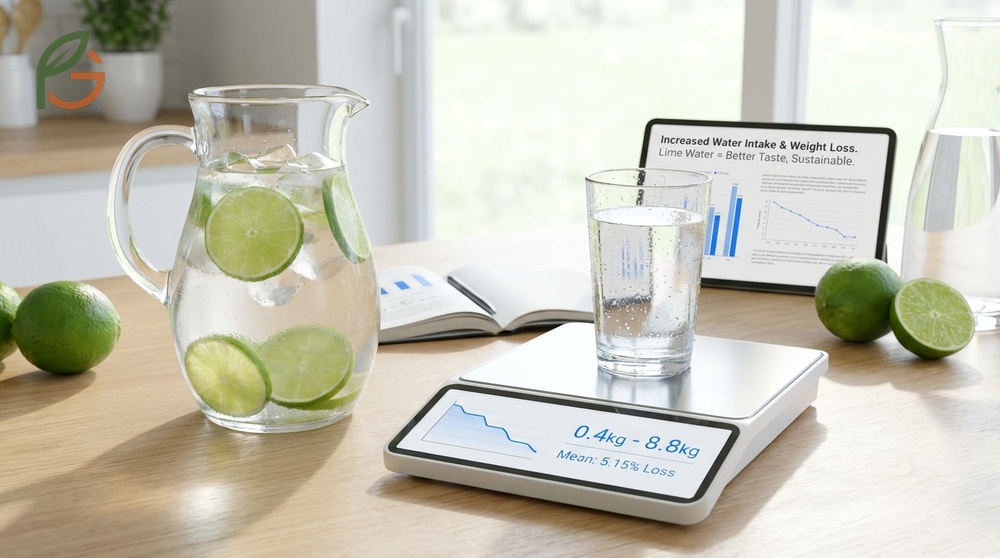
Research across multiple studies shows that increased water intake contributes to weight loss through several mechanisms. A systematic review of six randomized controlled trials found that various water consumption strategies resulted in weight loss ranging from 0.4kg to 8.8kg, with a mean weight loss of 5.15%[8]. Lime water makes these strategies more sustainable by improving taste without adding significant calories.
What makes lime water particularly effective isn’t the lime itself, but how it changes drinking behavior. Most people struggle to drink plain water consistently throughout the day. Adding lime creates a refreshing flavor that encourages higher fluid intake, which in turn supports metabolism, reduces false hunger signals, and helps maintain a caloric deficit.
The hydration factor matters more than most people think. Studies show that even mild dehydration (1-2% body weight) can slow metabolic rate and increase fatigue, making exercise feel harder and reducing daily calorie expenditure. Consistently drinking lime water throughout the day prevents these metabolic slowdowns.
Replacing Sugary Beverages
The most significant weight loss benefit of lime water comes from beverage substitution. Current guidance emphasizes that replacing caloric beverages with water or flavored water can dramatically reduce daily caloric intake without triggering compensatory eating. One can of regular soda contains approximately 140 calories and 39g of sugar, while lime water contains essentially zero calories if unsweetened[3].
Research demonstrates that people who switched from sugary beverages to water experienced significant calorie reduction from drinks alone. This substitution doesn’t require willpower or dietary restriction—it’s a simple swap that creates a caloric deficit automatically. Over one month, eliminating one daily soda saves approximately 4,200 calories, equivalent to 0.5kg of body fat.
- Regular sodas and colas (140 calories per 12oz can)
- Sweetened iced teas (120-180 calories per 16oz serving)
- Fruit juices (160-220 calories per 12oz serving with minimal fiber)
- Energy drinks (110-160 calories per 8oz can plus excessive caffeine)
- Sweetened coffee drinks (250-500 calories for specialty beverages)
- Sports drinks (80-140 calories per 20oz bottle when not exercising intensely)
Hydration and Appetite Control
Studies demonstrate that pre-meal water consumption reduces energy intake and enhances weight loss. Virginia Tech researchers found that participants who drank approximately 500mL of water 30 minutes before meals consumed fewer calories during the meal and lost 2kg more than those who didn’t pre-load with water over 12 weeks[5]. The mechanism involves gastric distension triggering satiety signals before caloric intake begins.
Lime water enhances this strategy by making pre-meal hydration more appealing. The tart flavor provides sensory satisfaction that plain water lacks, improving compliance with pre-meal drinking protocols. Additionally, the slight acidity of lime juice may stimulate digestive enzyme production, preparing the digestive system for food intake.
Timing Tip: For best results, drink 16oz of lime water 30 minutes before your two largest meals. This timing allows water to leave the stomach while still providing appetite-suppressing effects when you start eating.
Metabolism Boost Lime
Evidence indicates that lime’s metabolic effects come primarily from its vitamin C content and bioactive compounds rather than any “fat-burning” properties. Across global reporting, citrus fruits contain flavonoids and polyphenols that may influence lipid metabolism in animal studies, though human evidence remains limited[9]. The practical metabolic boost comes from supporting your body’s existing fat oxidation processes.
Research shows that vitamin C supplementation improved fat oxidation rates during exercise by 30% in individuals with adequate vitamin C status compared to those with low levels[2]. While lime water alone won’t provide therapeutic doses of vitamin C (you’d need about three limes to reach 60mg), it contributes to overall vitamin C intake alongside other dietary sources.
The metabolic impact of staying well-hydrated shouldn’t be underestimated. Studies demonstrate that drinking cold water temporarily increases metabolic rate by 24-30% for up to 90 minutes as the body expends energy to heat the water to body temperature. This thermogenic effect burns an additional 8-10 calories per 8oz glass—modest individually but meaningful when drinking 8-10 glasses daily.
- L-carnitine synthesis for fatty acid transport into mitochondria (vitamin C dependent)
- Collagen production supporting skin elasticity during weight loss (prevents sagging)
- Antioxidant protection reducing exercise-induced oxidative stress and inflammation
- Iron absorption enhancement from plant-based foods when consumed together
- Thermogenic water effect raising metabolic rate temporarily after consumption
Current data emphasizes that these metabolic benefits work synergistically with caloric restriction and exercise. Lime water doesn’t override poor dietary choices or sedentary behavior. Instead, it optimizes the metabolic conditions for weight loss when combined with a comprehensive lifestyle approach.
Drinking Lime Water
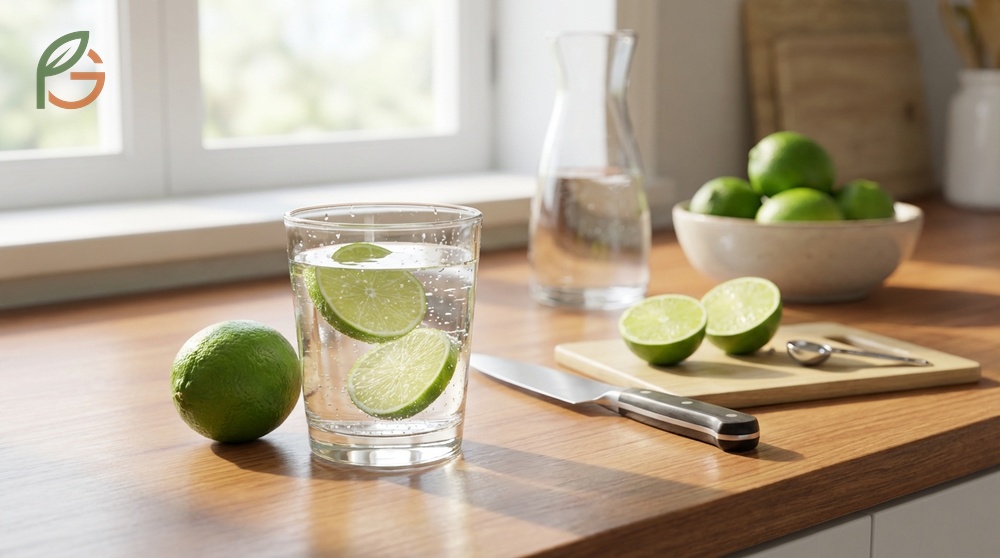
Preparing lime water correctly maximizes benefits while minimizing potential drawbacks. The standard preparation involves squeezing half to one whole lime (juice from one lime equals approximately 2 tablespoons or 30mL) into 8-16oz of water. For weight loss purposes, consume it unsweetened to avoid adding calories that negate the beverage substitution benefit.
The optimal daily intake varies based on individual needs, but most weight loss protocols suggest consuming 16oz of lime water before two main meals (32oz total) plus additional lime water throughout the day to reach the recommended 64-100oz daily fluid intake. This approach combines pre-meal appetite suppression with sustained hydration.
Temperature matters for both palatability and metabolic effects. Cold lime water (40-50°F or 4-10°C) provides the thermogenic benefit of raising metabolic rate, while room temperature lime water (68-72°F or 20-22°C) may be gentler on digestion, especially when consumed first thing in the morning on an empty stomach.
This table compares three lime water preparation methods showing lime quantity, water volume, vitamin C content, and calories per serving
| Method | Lime Quantity | Water Volume | Vitamin C | Calories |
|---|---|---|---|---|
| Light infusion | 1/4 lime (juice) | 16oz (500mL) | 5mg[4] | 5 cal |
| Standard preparation | 1/2 lime (juice) | 16oz (500mL) | 10mg[4] | 10 cal |
| Strong concentration | 1 whole lime (juice) | 12oz (350mL) | 19.5mg[4] | 20 cal |
| Diluted beverage replacement | 1/2 lime (juice) | 32oz (1L) | 10mg[4] | 10 cal |
- Drink 16oz of lime water 30 minutes before breakfast and dinner to reduce meal calorie intake
- Use fresh limes rather than bottled juice to maximize vitamin C content and avoid preservatives
- Rinse your mouth with plain water after drinking lime water to protect tooth enamel from citric acid
- Avoid adding sugar, honey, or artificial sweeteners that add calories or trigger cravings
- Prepare lime water fresh daily since vitamin C degrades when exposed to light and air for extended periods
- Consider alternating between cold and room temperature depending on digestive comfort and time of day
Dental Health Warning: Citric acid in lime can erode tooth enamel with excessive consumption. Don’t sip lime water constantly throughout the day. Instead, drink it at specific times and rinse with plain water afterward.
Lime Water Diet
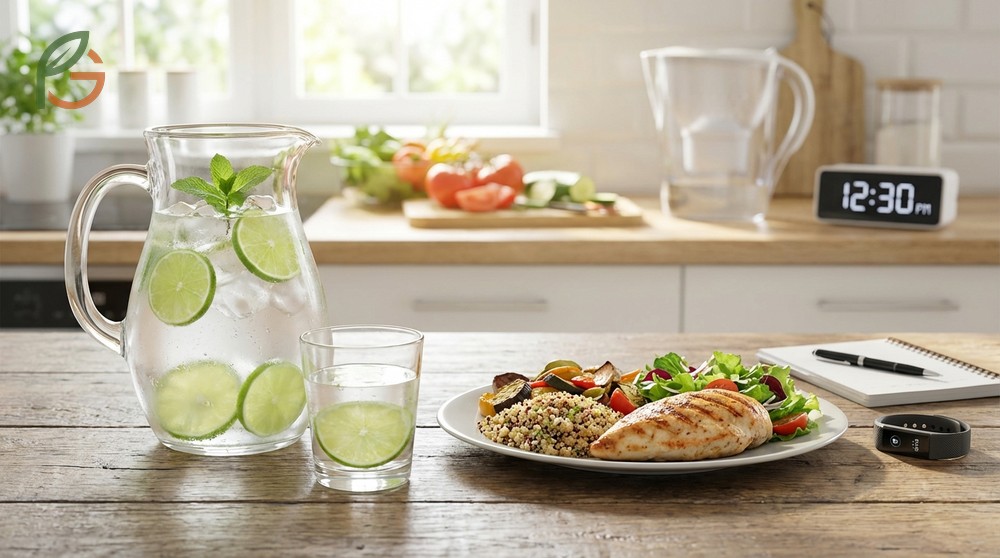
The term “lime water diet” often refers to incorporating lime water as part of a comprehensive weight loss plan rather than following a restrictive diet based solely on lime water. Current evidence doesn’t support extreme “detox” diets that rely exclusively on lime water for days or weeks. Instead, research validates using lime water as a daily beverage replacement within a balanced, calorie-controlled eating plan.
Effective implementation involves strategic timing around meals and exercise. For breakfast (6-9 AM), drinking 16oz of lime water upon waking jumpstarts hydration after overnight fasting and may support morning metabolic function. Research suggests that fasted morning hydration helps activate digestive processes and may reduce breakfast calorie intake by 10-15% when consumed 30 minutes before eating.
For exercise sessions, timing matters differently. Consuming 8-12oz of lime water 1-2 hours before moderate-intensity cardio provides hydration and vitamin C to support fat oxidation during the workout. Post-exercise lime water (within 30 minutes of finishing) helps replenish fluids lost through sweat and provides vitamin C for recovery processes.
For evening meals (5-8 PM), the pre-meal lime water strategy proves particularly valuable. Most people consume their highest-calorie meal at dinner. Drinking 16oz of lime water 30 minutes before dinner consistently reduces portion sizes and total evening calorie intake without conscious restriction.
- Morning routine: 16oz lime water upon waking (adds hydration, supports digestion without calories)
- Pre-breakfast: Plain water 10 minutes after lime water (dilutes acidity, protects stomach lining)
- Mid-morning: 8oz lime water to replace coffee break snacking (addresses false hunger from dehydration)
- Pre-lunch: 16oz lime water 30 minutes before meal (reduces lunch calories by 75-100 on average)
- Afternoon: 12oz lime water during typical energy slump (prevents mistaking thirst for hunger cravings)
- Pre-dinner: 16oz lime water 30 minutes before evening meal (most effective timing for calorie reduction)
- Evening: Optional 8oz if desired, but avoid within 2 hours of bedtime (prevents sleep disruption from bathroom trips)
What often gets overlooked is that lime water works best when it’s part of sustainable lifestyle changes. Studies show that people who successfully maintain weight loss focus on habit formation rather than temporary dietary restrictions. Lime water becomes a permanent habit that supports long-term weight management rather than a short-term “diet” with an end date.
Realistic Expectations: Lime water alone won’t create significant weight loss. Combined with a 500-calorie daily deficit from diet and exercise, lime water can contribute an additional 0.5-1kg weight loss per month through improved hydration and beverage substitution.
Conclusion
The evidence is clear: lime water for weight loss works not through magical fat-burning properties, but through practical mechanisms—replacing high-calorie beverages, supporting hydration, and providing vitamin C that enhances fat oxidation during exercise. Research demonstrates that these combined effects can contribute to meaningful weight loss when integrated into a comprehensive lifestyle approach that includes balanced nutrition and regular physical activity.
Current guidance emphasizes sustainable beverage habits over extreme detox protocols. FruitGarden encourages readers to view lime water as one component of evidence-based weight management, not a standalone solution. By understanding the science behind hydration, vitamin C metabolism, and caloric substitution, you can use lime water strategically to support your weight loss goals while enjoying a refreshing, naturally flavored beverage that makes healthy habits easier to maintain.
Medical Disclaimer
Important Medical Disclaimer: This content is for informational and educational purposes only. It’s not intended as a substitute for professional medical advice, diagnosis, or treatment. Always consult a qualified healthcare professional or registered dietitian before making any changes to your diet, exercise routine, or weight loss plan, especially if you have diabetes, kidney disease, acid reflux, dental problems, or other medical conditions. Individual results may vary, and weight loss approaches should be personalized based on your specific health status and needs.
Frequently Asked Questions
Does Lime Water Help You Lose Weight?
Yes, lime water helps with weight loss indirectly by replacing high-calorie beverages, supporting hydration, and providing vitamin C that enhances fat metabolism during exercise. Research shows citrus intake reduced body weight by 1.28kg over 4-8 weeks, while pre-meal water consumption led to 2kg additional weight loss over 12 weeks. The key isn’t the lime itself burning fat, but how lime water changes your overall beverage habits and caloric intake.
How Much Lime Water Should I Drink Daily for Weight Loss?
For weight loss, aim to drink 16oz of lime water 30 minutes before your two largest meals (32oz total), plus additional lime water throughout the day to reach 64-100oz total daily fluid intake. This approach combines appetite suppression with sustained hydration. Use one-half to one whole lime per 16oz of water, and avoid adding sweeteners that add calories. Spread consumption throughout the day rather than drinking large amounts at once for optimal absorption and metabolic benefits.
When Is the Best Time to Drink Lime Water for Weight Loss?
The best times are 30 minutes before breakfast and dinner, when lime water most effectively reduces meal calorie intake. Morning consumption (upon waking) jumpstarts hydration after overnight fasting, while pre-dinner lime water proves most valuable since dinner is typically the highest-calorie meal. For exercise benefits, drink 8-12oz one to two hours before moderate cardio to support fat oxidation. Avoid drinking within two hours of bedtime to prevent sleep disruption from bathroom trips.
Can You Drink Too Much Lime Water?
Yes, excessive lime water consumption can damage tooth enamel due to citric acid and potentially irritate the stomach lining in sensitive individuals. Limit intake to 3-4 glasses (48-64oz) of lime water daily, with total fluid intake from all sources reaching 64-100oz. Always rinse your mouth with plain water after drinking lime water to protect enamel. People with acid reflux, GERD, or kidney problems should consult a healthcare provider before significantly increasing lime water consumption.
Is Lime Water Better Than Lemon Water for Weight Loss?
Lime water contains slightly more vitamin C than lemon water (47mg per 100mL versus 33mg per 100mL), but both provide similar weight loss benefits through hydration and beverage substitution. The choice comes down to personal taste preference and availability. Both citrus fruits have comparable calorie counts (20 calories per fruit) and support weight loss equally when used to replace sugary beverages. Consistency matters more than which citrus you choose, so select whichever you’ll drink most regularly.
Does Lime Water Burn Belly Fat?
No, lime water doesn’t target belly fat specifically—spot reduction is a myth not supported by scientific evidence. However, lime water supports overall fat loss through increased hydration, reduced caloric intake, and vitamin C’s role in fat metabolism during exercise. As you lose body fat through a caloric deficit created by diet and exercise, you’ll lose it from all areas including the abdomen. Lime water is a tool that makes weight loss easier, but it can’t direct where your body burns fat from.
Should You Drink Lime Water Hot or Cold for Weight Loss?
Cold lime water (40-50°F or 4-10°C) provides a small metabolic advantage since your body burns 8-10 calories per 8oz glass heating the water to body temperature. However, room temperature lime water (68-72°F or 20-22°C) may be gentler on digestion, especially first thing in the morning. The difference in weight loss impact is minimal—consistency matters far more than temperature. Choose the temperature you’ll most consistently drink throughout the day, or alternate based on time of day and digestive comfort.





