
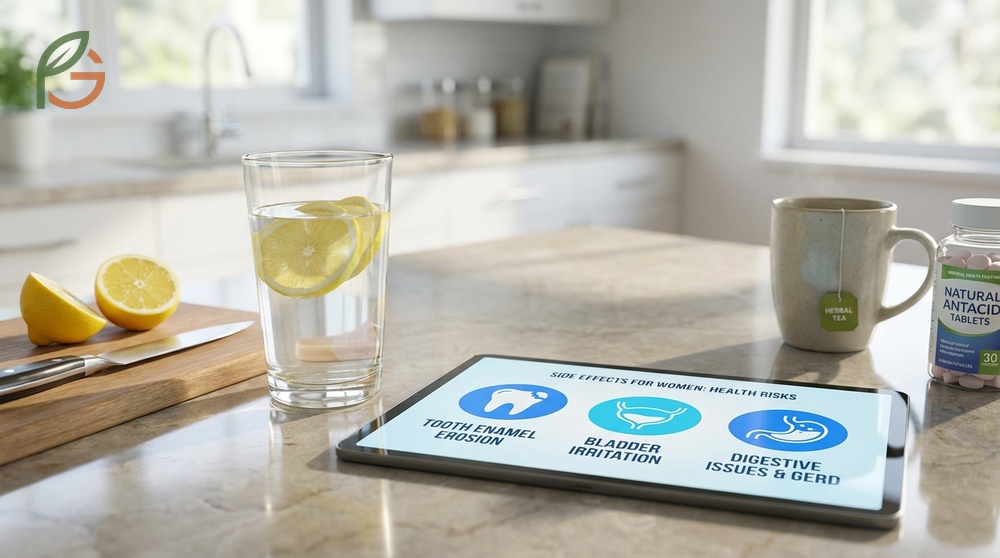
Side effects of lemon water for female include tooth enamel erosion, bladder irritation, and digestive issues that can affect women’s health differently than men’s. Research shows that daily consumption can lead to enamel loss, increased urination frequency, and worsened GERD symptoms in susceptible individuals[1]. FruitGarden synthesizes current medical research to help you understand these risks and make informed choices about lemon water consumption.
Quick Answer
- Citric acid erodes tooth enamel with significantly higher demineralization potential than other acids[1]
- Lemon water can irritate the bladder, causing increased urination frequency in women prone to bladder sensitivity[2]
- Daily consumption may worsen GERD symptoms and trigger acid reflux episodes in susceptible individuals[2]
- Vitamin C’s diuretic properties can lead to mild dehydration without adequate plain water intake[2]
Side Effects of Lemon Water for Female
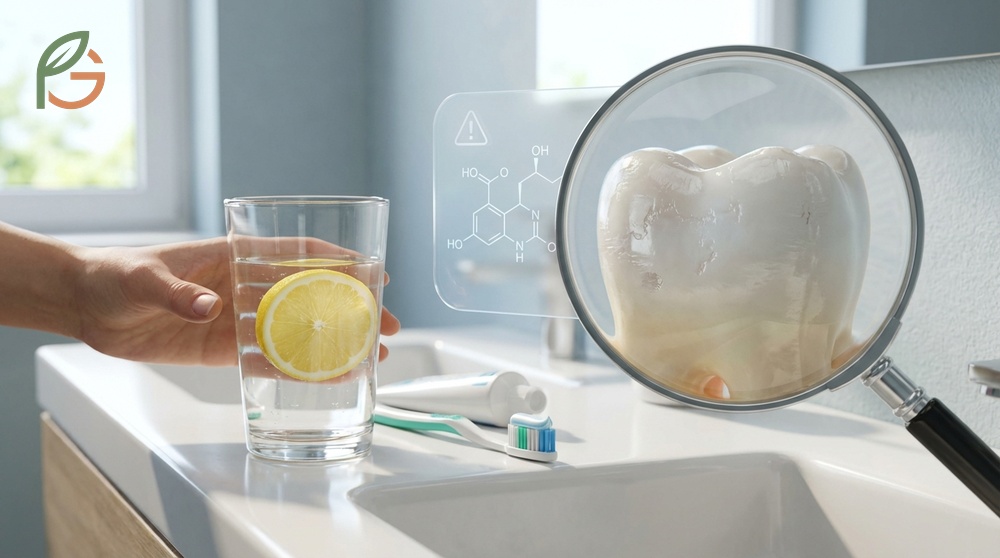
Women who drink lemon water daily face distinct health risks that stem from citric acid’s chemical properties. Studies demonstrate that citric acid possesses chelating properties that make its demineralization potential significantly higher than other common acids like lactic or phosphoric acid[1]. Most people don’t realize that prolonged and habitual consumption of citrus-based beverages can lead to severe dental erosion over time.
Evidence indicates that female-specific factors like hormonal fluctuations during menstruation can amplify digestive sensitivity to acidic foods. Women with existing bladder sensitivity or those experiencing menstrual-related bloating often report worsened symptoms after consuming lemon water[2]. The combination of natural diuretic effects and bladder irritation creates a unique challenge for women’s urinary health.
Current data shows that women between ages 25-45 experience higher rates of GERD symptoms compared to men, making them more vulnerable to acid reflux triggered by lemon water. What often gets overlooked is that drinking lemon water on an empty stomach—a popular wellness trend—can irritate the stomach lining and exacerbate existing digestive conditions. The timing and concentration of lemon juice matter significantly more than most health enthusiasts realize.
Tooth Enamel Erosion: Primary Concern
Dental professionals identify enamel erosion as the most common and irreversible side effect of daily lemon water consumption. Research published in peer-reviewed dental journals confirms that citric acid exposure causes significantly higher hardness loss in tooth enamel compared to control samples[3]. Unlike cavities caused by bacterial activity, acid erosion leads to permanent damage since enamel doesn’t regenerate.
The erosion process exposes the underlying dentin layer, which has a yellower color than enamel. Women who sip lemon water throughout the day experience continuous acid exposure, accelerating tooth sensitivity and discoloration. Dentists report seeing patients with advanced enamel wear who didn’t realize their healthy habit was causing dental harm.
Important Note: Even mineral supplements added to citric acid can’t completely prevent enamel dissolution, though they do provide some protective benefit. If you’re experiencing tooth sensitivity or noticing yellowing, consult your dentist immediately before continuing lemon water consumption.
Digestive System Impact
Lemon water’s effect on the digestive system varies dramatically based on individual stomach acid levels. For some women, it helps digestion by increasing gastric acid production, but for others, it triggers painful acid reflux and heartburn. The acidity can disrupt the stomach’s natural pH balance, leading to cramping, nausea, or mild diarrhea in sensitive individuals.
Women with gastroesophageal reflux disease (GERD) or irritable bowel syndrome (IBS) are especially at risk. The sharp acidity irritates the stomach lining when consumed before eating, causing bloating and heaviness. Research shows that individuals prone to acid reflux experience worsened symptoms because the acid stimulates additional stomach acid production, intensifying the burning sensation in the chest and throat.
Is Lemon Water Bad for Your Teeth
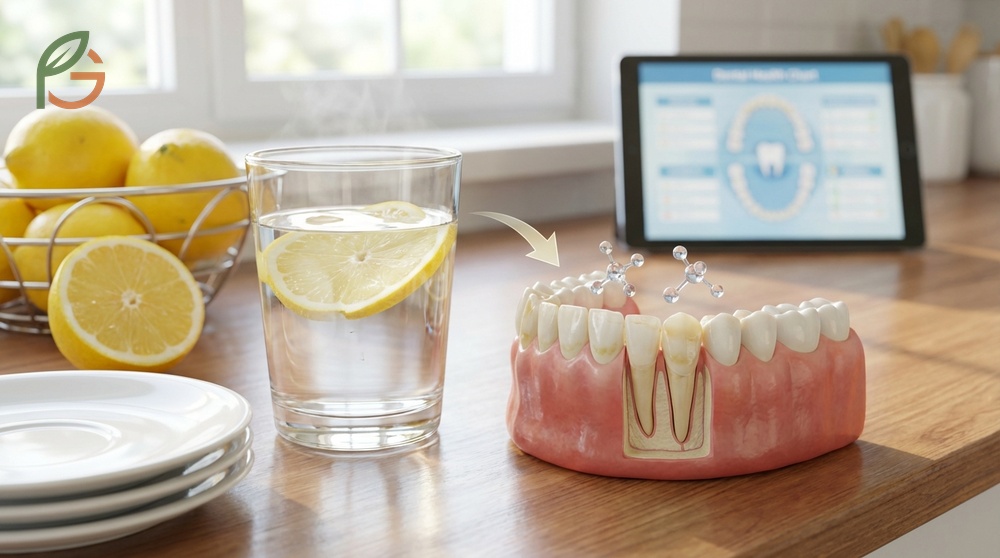
The short answer is yes—lemon water damages teeth through acid erosion, not bacterial decay. Citric acid has a low pH value that wears down the hard, protective enamel layer with each exposure[2]. This makes teeth more susceptible to decay, sensitivity, and permanent discoloration.
What distinguishes lemon water from other acidic beverages is the frequency and duration of exposure. Women who follow wellness advice to drink warm lemon water first thing in the morning and sip it throughout the day bathe their teeth in acid for extended periods. This continuous exposure causes more damage than drinking acidic beverages quickly during meals.
The risk increases significantly when lemon water replaces plain water as the primary beverage. Studies comparing different consumption patterns found that people who sip lemon water all day long have dramatically higher rates of enamel erosion than those who drink it quickly at one sitting. The pattern of consumption matters as much as the total amount consumed.
Lemon Water and Tooth Enamel Protection
Current dental research explores mineral supplements that can reduce citric acid’s erosive effects. Studies testing calcium, phosphate, and fluoride additives showed significantly lower enamel hardness loss compared to plain citric acid solutions[3]. However, even with low concentration supplements, enamel dissolution couldn’t be completely prevented.
Evidence suggests that dilution plays a critical role in minimizing damage. Women who use half a lemon in 8 ounces of water experience more erosion than those who use just a few drops or a thin slice. The concentration of citric acid directly correlates with the severity of enamel loss.
- Dilute lemon juice heavily—use only 1-2 tablespoons per 8 ounces of water instead of squeezing half a lemon
- Limit consumption to once daily rather than sipping throughout the day
- Rinse your mouth with plain water immediately after drinking lemon water to neutralize acid
- Wait at least 30 minutes before brushing teeth, as brushing immediately after acid exposure can worsen enamel damage
- Consider calcium-enriched water or adding a calcium supplement to reduce erosive potential
- Monitor for early signs of erosion: increased sensitivity to hot or cold, visible yellowing, or rough tooth surfaces
Drinking with a Straw Benefits
Dentists consistently recommend using a straw to minimize direct contact between citric acid and tooth enamel. This simple strategy reduces acid exposure to the front teeth by directing the liquid toward the back of the mouth. Research shows that straw use can significantly decrease enamel damage when consuming acidic beverages.
The effectiveness depends on proper technique—positioning the straw toward the back of the mouth rather than resting it against the front teeth. Women who adopted this practice along with immediate water rinsing reported less tooth sensitivity over six-month periods. However, straw use alone doesn’t eliminate risk; it merely reduces exposure to vulnerable tooth surfaces.
Bladder Irritation Foods
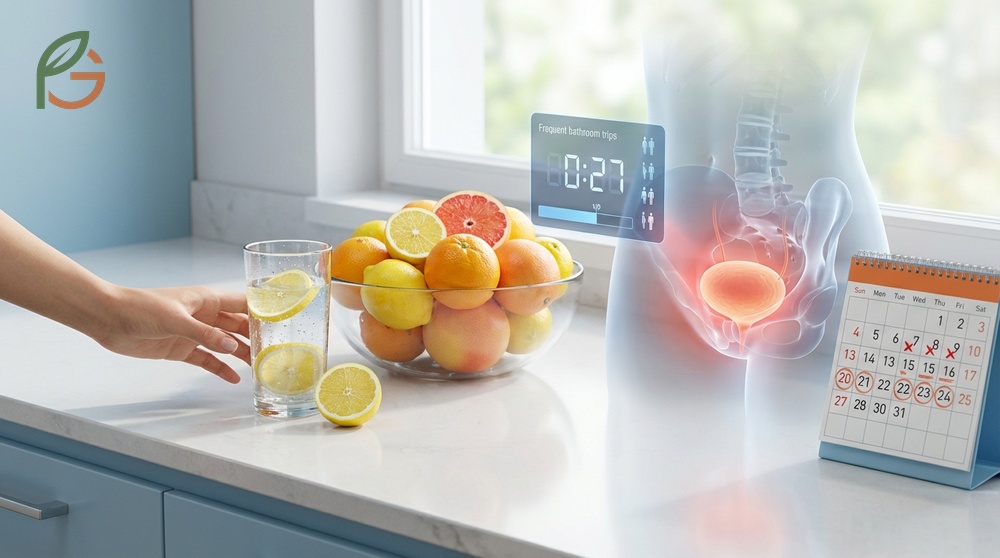
Citrus fruits rank among the top bladder irritants that urologists identify in clinical practice. Lemon water can trigger the sensation that you need to urinate more often than usual, particularly in women prone to irritative bladder symptoms[2]. The citric acid content irritates the bladder lining, causing urgency and frequency issues that disrupt daily activities and sleep patterns.
Women with interstitial cystitis or overactive bladder syndrome experience amplified symptoms when consuming acidic beverages. The irritation compounds existing conditions, making bladder control more challenging. For these individuals, even diluted lemon water can trigger painful episodes that last several hours.
Current guidance emphasizes identifying and eliminating bladder irritants from the diet for at least two weeks to assess symptom improvement. If you’re experiencing urgency, frequency without pain, or nighttime urination (nocturia), reducing lemon water consumption should be your first step. Many women report dramatic improvement within days of stopping citrus intake.
This table compares common bladder irritants including citrus fruits, caffeine, and carbonated beverages, showing their irritation severity and recommended alternatives for women with bladder sensitivity
| Irritant Type | Severity Level | Primary Trigger | Recommended Alternative |
|---|---|---|---|
| Lemon Water | High | Citric acid | Cucumber water or plain water |
| Orange Juice | High | Citric acid + natural sugars | Diluted pear juice |
| Coffee | Very High | Caffeine | Herbal teas (avoid ginseng) |
| Carbonated Beverages | Moderate | Carbonation + acids | Flat water with fruit slices |
| Tomato Products | Moderate to High | Acidity | Low-acid vegetables |
Frequent Urination Causes
Lemon water contributes to frequent urination through two distinct mechanisms. First, vitamin C (ascorbic acid) acts as a natural diuretic, increasing urine production in the kidneys to help eliminate excess fluid and sodium more quickly. Second, the bladder irritation from citric acid creates urgency sensations even when the bladder isn’t full.
Women who drink lemon water at night often experience disrupted sleep due to increased nighttime urination. This diuretic effect compounds the problem for those already struggling with nocturia. Research shows that avoiding diuretic beverages for two hours before bedtime significantly reduces nighttime bathroom trips.
Normal voiding frequency is once every 2-3 hours during waking hours. If you can’t make it that long and experience sudden urgency, lemon water may be the culprit. Gradually extending the time between bathroom visits by 10-15 minutes while practicing deep breathing can help retrain your bladder.
Hydration Warning: If you’re experiencing frequent urination from lemon water’s diuretic effects, you risk dehydration unless you compensate with adequate plain water intake. Monitor for dehydration signs like dark urine, dry mouth, or dizziness, especially during exercise or hot weather.
GERD Triggers

Gastroesophageal reflux disease (GERD) is a chronic condition where stomach acid flows back into the esophagus, causing persistent irritation. Lemon water ranks among the most problematic triggers for women with GERD because its acidity can worsen symptoms and increase the frequency of reflux episodes. The acid stimulates additional stomach acid production, intensifying the burning sensation and throat discomfort that characterize this condition.
Research shows mixed results for lemon water’s effect on acid reflux. Some studies suggest that small amounts of lemon juice might have an alkalizing effect in individuals with low stomach acid (hypochlorhydria), potentially improving digestion. However, for most GERD sufferers, the opposite occurs—lemon water exacerbates symptoms by adding more acid to an already irritated esophageal lining.
Women who experience heartburn more than twice weekly should avoid lemon water entirely. The chronic irritation can lead to esophageal damage over time, including inflammation and changes to the esophageal lining. If you’re taking medications for acid reflux, consult your healthcare provider before adding lemon water to your routine, as it may interfere with treatment effectiveness.
- Never drink lemon water on an empty stomach—always consume it with or after meals to buffer the acid
- Use minimal amounts (1 teaspoon of lemon juice per 8 ounces of water) to test your tolerance
- Avoid drinking lemon water within 3 hours of bedtime to prevent nighttime reflux episodes
- Stay upright for at least 30 minutes after consuming any acidic beverage
- Keep a symptom diary to track whether lemon water correlates with increased heartburn or reflux
- Consider alkaline alternatives like cucumber water or herbal teas that don’t trigger acid production
Lemon Water Menstruation
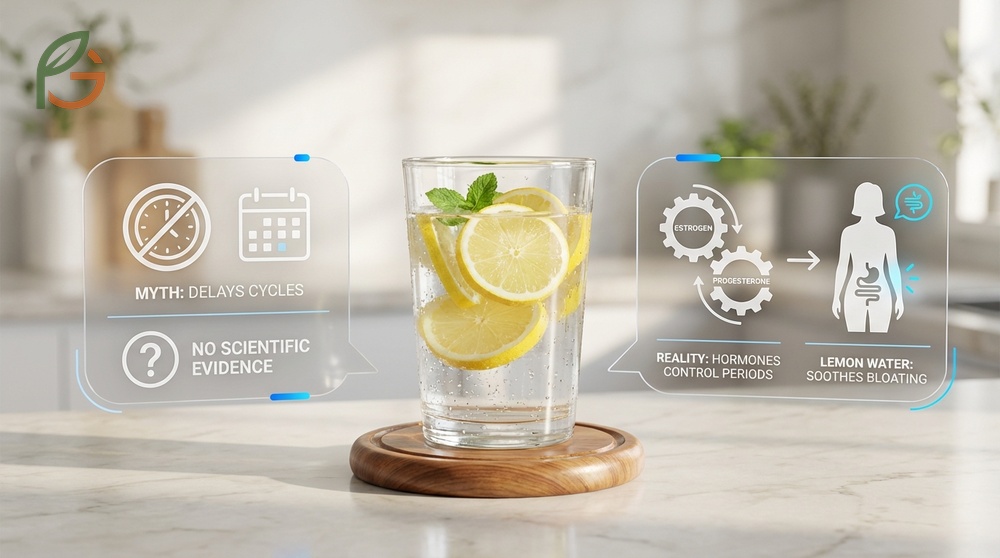
Claims about lemon water affecting menstrual cycles lack scientific support. Despite popular myths suggesting that lemon juice can delay periods or reduce menstrual flow, there’s no research evidence that lemon water changes your menstrual cycle. Your period is controlled by hormones like estrogen and progesterone, not by what you drink.
However, lemon water can provide some comfort during menstruation by addressing bloating and digestive issues. Many women experience gas, diarrhea, and water retention during their periods, and the mild diuretic effect of lemon water may help reduce bloating. The vitamin C content might also offer some relief from cramps, though this benefit is anecdotal rather than scientifically proven.
What’s more concerning is that lemon water can worsen digestive sensitivity during menstruation when hormonal fluctuations already make the stomach more reactive to acidic foods. Women who don’t normally experience acid reflux may find that lemon water triggers heartburn during their periods. If you notice increased digestive discomfort during menstruation, switch to plain water or herbal teas until your cycle ends.
Is Lemon Good for Diabetes
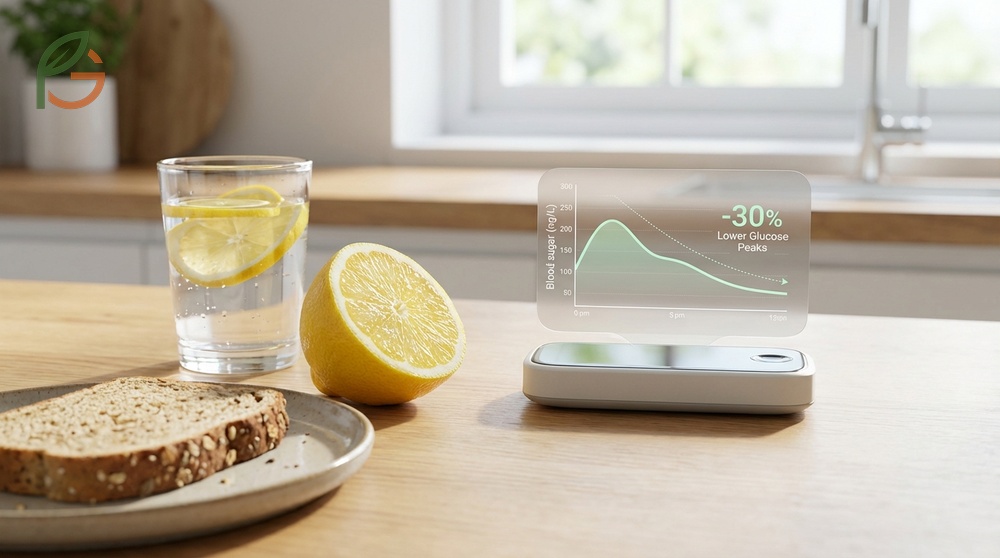
Lemon water offers genuine benefits for blood sugar management in diabetic individuals. Research published in the European Journal of Nutrition demonstrates that lemon juice can lower mean blood glucose concentration peaks by 30% when consumed with high-glycemic foods like bread[4]. The mechanism involves slowing the conversion of starch to sugar, thereby reducing post-meal blood sugar spikes.
Lemons have a glycemic index of only 20, classifying them as a low-GI food that doesn’t significantly impact blood glucose levels[5]. For diabetic women, unsweetened lemon water provides hydration without the sugar content of fruit juices or sodas. This makes it a safer beverage choice that supports stable glucose levels throughout the day.
Current guidance recommends consuming lemon juice approximately 20 minutes before eating high-carbohydrate meals to maximize its blood sugar-moderating effects. Women with diabetes should monitor their individual responses, as factors like medication timing and overall diet composition can influence results. The key is using fresh lemon juice without added sweeteners, as sugar additions would negate the glycemic benefits.
| Benefit | Mechanism | Recommended Usage |
|---|---|---|
| Blood Sugar Reduction | 30% lower glucose peaks[4] | Drink 20 minutes before meals |
| Low Glycemic Impact | GI of 20[5] | Use unsweetened throughout day |
| Hydration Without Sugar | Zero added sugars | Replace sugary beverages |
- Test blood glucose levels before and after introducing lemon water to monitor individual responses
- Use only fresh lemon juice—avoid bottled versions with preservatives or added sugars
- Pair lemon water consumption with balanced meals containing protein and fiber
- Don’t rely on lemon water alone for blood sugar management—it complements, not replaces, diabetes medications
- Watch for signs that acidic beverages are affecting your stomach or teeth, as diabetes can increase susceptibility to these issues
Conclusion
The evidence is clear: while side effects of lemon water for female health include real risks like enamel erosion, bladder irritation, and GERD symptoms, these can be managed through mindful consumption practices. Research demonstrates that dilution, straw use, timing, and frequency all significantly impact whether lemon water helps or harms your health. Women with existing dental sensitivity, bladder conditions, or digestive issues should consult healthcare professionals before making lemon water a daily habit.
Current medical guidance emphasizes balance over extremes—you don’t need to eliminate lemon water entirely, but you do need to understand your individual risk factors. FruitGarden synthesizes evidence-based research to empower women with the knowledge needed to make informed decisions about their health and wellness routines.
Medical Disclaimer
Important Medical Disclaimer: This content is for informational and educational purposes only. It is not intended as a substitute for professional medical advice, diagnosis, or treatment. Always consult a qualified healthcare professional before making any changes to your diet, medication, or health routine, especially if you have diabetes, GERD, bladder conditions, or other medical issues. Individual responses to lemon water vary significantly based on underlying health conditions and medications.
Frequently Asked Questions
Can Lemon Water Cause Diarrhea?
Yes, lemon water can cause diarrhea in some women, particularly when consumed on an empty stomach or in large quantities. The sharp acidity disrupts the stomach’s natural pH balance, leading to cramping and mild diarrhea in sensitive individuals. If you experience digestive upset, reduce the concentration of lemon juice or switch to drinking it with meals rather than on an empty stomach.
Does Lemon Water Decay Teeth?
Yes, lemon water causes tooth enamel erosion through acid wear rather than bacterial decay. Studies confirm that citric acid has significantly higher demineralization potential than other acids, making prolonged exposure particularly damaging. To protect your teeth, use a straw, rinse with plain water immediately after drinking, and limit consumption to once daily instead of sipping throughout the day.
Can Lemon Water Give You Diarrhea Immediately?
For some women with sensitive digestive systems, lemon water can trigger diarrhea within 30-60 minutes of consumption. This happens because the acidity irritates the stomach lining and speeds up intestinal motility. Women with IBS or those prone to digestive issues should start with highly diluted lemon water and monitor their body’s response before increasing concentration.
Does Lemon Water Affect Blood Sugar Test?
Lemon water itself has minimal impact on blood sugar levels due to its low carbohydrate content. However, if you’re preparing for a fasting blood glucose test, avoid lemon water beforehand as it breaks your fast and could affect results. For regular daily monitoring, unsweetened lemon water won’t significantly alter blood sugar readings, but always follow your healthcare provider’s testing protocols.
Is Lemon Water Good for Diabetics?
Yes, research shows lemon water can benefit diabetics by lowering blood glucose concentration peaks by 30% when consumed before high-carbohydrate meals. The low glycemic index of 20 means it won’t spike blood sugar levels. Diabetic women should use fresh, unsweetened lemon juice and monitor their individual responses, as it complements but doesn’t replace diabetes medications.
Is Lemon Good for High Blood Pressure?
Lemons contain potassium and vitamin C, which may support cardiovascular health, but evidence for direct blood pressure reduction is limited. While staying hydrated with lemon water is beneficial, don’t rely on it as a primary treatment for hypertension. Women with high blood pressure should continue prescribed medications and consult their healthcare provider about dietary changes.
Does Lemon Juice Lower Blood Pressure?
Current research doesn’t provide strong evidence that lemon juice directly lowers blood pressure. While the vitamin C and flavonoids in lemons may offer some cardiovascular benefits, these effects are modest and not a substitute for blood pressure medications. Focus on proven strategies like reducing sodium intake, exercising regularly, and following your doctor’s treatment plan.





