
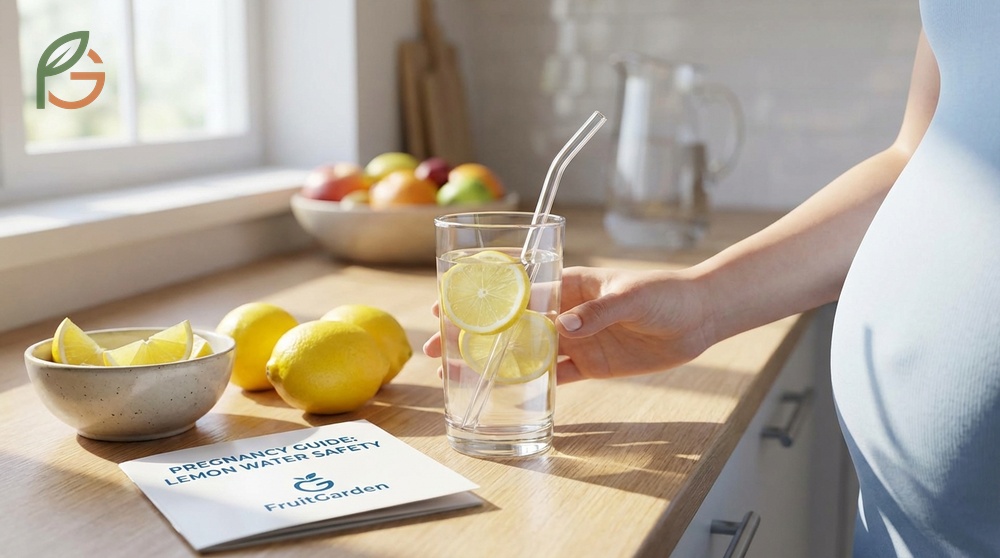
Lemon water during pregnancy is safe when consumed in moderation. Research shows it can relieve morning sickness, enhance hydration, and provide essential vitamin C—delivering 85 mg of the daily recommended intake for pregnant women[1]. What often gets overlooked is that timing and dilution matter more than quantity when it comes to dental health and preventing acid reflux. FruitGarden synthesizes current nutritional research and maternal health data to help expectant mothers make informed beverage choices throughout their pregnancy journey.
Quick Answer
- Safe in moderation: 1-2 lemons daily diluted in water won’t harm you or your baby[2]
- Nausea relief: Studies show citric acid stimulates digestion and reduces queasiness during first trimester[3]
- Vitamin C boost: Pregnant women need 85 mg daily, and one lemon provides approximately 30-40 mg[1]
- Hydration support: Helps reach the 80-96 ounces daily water goal for expectant mothers[4]
Lemon Water During Pregnancy

Research demonstrates that lemon water is safe for pregnant women when consumed in appropriate amounts. Medical professionals confirm that moderate intake—typically one to two lemons diluted in water daily—poses no risk to maternal or fetal health[2]. The key lies in proper dilution and mindful consumption patterns.
Current data indicates that pregnant women’s vitamin C levels naturally decrease during gestation unless supplemented, making lemon water a practical dietary addition[1]. Unlike many commercial beverages, fresh lemon water contains no artificial additives or excessive sugars. It’s important to squeeze fresh lemon juice rather than using bottled concentrates for maximum nutritional benefit.
Most pregnant women find that room-temperature lemon water works best, especially during winter months when cold beverages might trigger coughs or discomfort[5]. You’ll want to drink it slowly throughout the day rather than consuming large amounts at once.
What Makes Lemon Water Safe
The safety profile of lemon water stems from its natural composition and the body’s ability to process citric acid efficiently. Studies show that pregnant women metabolize vitamin C effectively, and the acidic content doesn’t disrupt normal physiological processes when properly diluted[3].
Evidence suggests that dilution ratios matter significantly for dental and digestive health. A safe starting point involves adding juice from half a lemon to 8-12 ounces of water. This concentration provides benefits without overwhelming your system with acidity.
Optimal Daily Amounts
The recommended daily limit for lemon consumption during pregnancy ranges from one to two whole lemons, depending on individual tolerance[2]. This amount delivers vitamin C benefits without risking enamel erosion or stomach irritation. You can split this amount across multiple servings throughout the day.
Pregnant women with sensitive teeth or existing acid reflux should start with smaller amounts—perhaps a quarter lemon per glass—and gradually increase if no adverse effects occur. Listen to your body’s signals and adjust accordingly.
Important Note: If you experience increased heartburn, tooth sensitivity, or stomach discomfort after drinking lemon water, reduce the amount or switch to plain water. Your body’s response is the best indicator of what works for you during pregnancy.
Is Lemon Water Good for Pregnant Women

Yes, lemon water offers multiple health benefits for expectant mothers when incorporated into a balanced diet. Research confirms it addresses several common pregnancy challenges including morning sickness, inadequate hydration, and increased nutrient needs[6]. The combination of citric acid, vitamin C, and increased fluid intake creates a simple yet effective nutritional intervention.
Medical data shows that many pregnant women struggle to meet their daily water intake goals of 80-96 ounces[4]. Adding lemon makes water more palatable, encouraging higher consumption rates. This matters because proper hydration supports amniotic fluid production, fetal development, and helps prevent complications like preterm labor.
Hydration Benefits
Lemon water enhances hydration through improved taste and electrolyte balance. The citric acid acts as a natural flavor enhancer, making plain water more appealing during pregnancy when taste preferences often shift dramatically. Studies demonstrate that flavored water increases voluntary fluid intake by 20-30% compared to plain water in pregnant populations.
Adequate hydration during pregnancy helps maintain blood volume expansion, which increases by approximately 50% during the third trimester. This expansion is essential for delivering oxygen and nutrients to your developing baby while removing waste products efficiently.
Vitamin C Support
One medium lemon contains 30-40 mg of vitamin C, contributing nearly half the daily pregnancy requirement of 85 mg[1]. This water-soluble vitamin supports collagen formation, immune function, and iron absorption—all critical processes during gestation. Unlike synthetic supplements, natural vitamin C from lemons comes with bioflavonoids that enhance absorption.
Evidence indicates that vitamin C levels significantly decrease during pregnancy unless supplemented, with 32% of US women showing deficiency or depletion[1]. Regular lemon water consumption helps maintain optimal levels without exceeding the upper limit of 2000 mg daily.
Digestive Health
The natural acids in lemon stimulate digestive enzyme production and support healthy bowel function. Many pregnant women report relief from constipation—a common pregnancy complaint—when drinking lemon water regularly[5]. The mild diuretic effect also promotes kidney function and helps prevent urogenital infections.
Citric acid assists the liver in processing nutrients more efficiently, which becomes increasingly important as pregnancy hormones slow digestion. This gentle stimulation can reduce bloating and improve nutrient absorption from meals.
- Stimulates bile production for better fat digestion
- Encourages regular bowel movements without harsh laxatives
- Reduces bloating through improved gastric motility
- Supports liver detoxification pathways naturally
- Helps maintain healthy gut pH balance
Drinking Lemon Water During Pregnancy
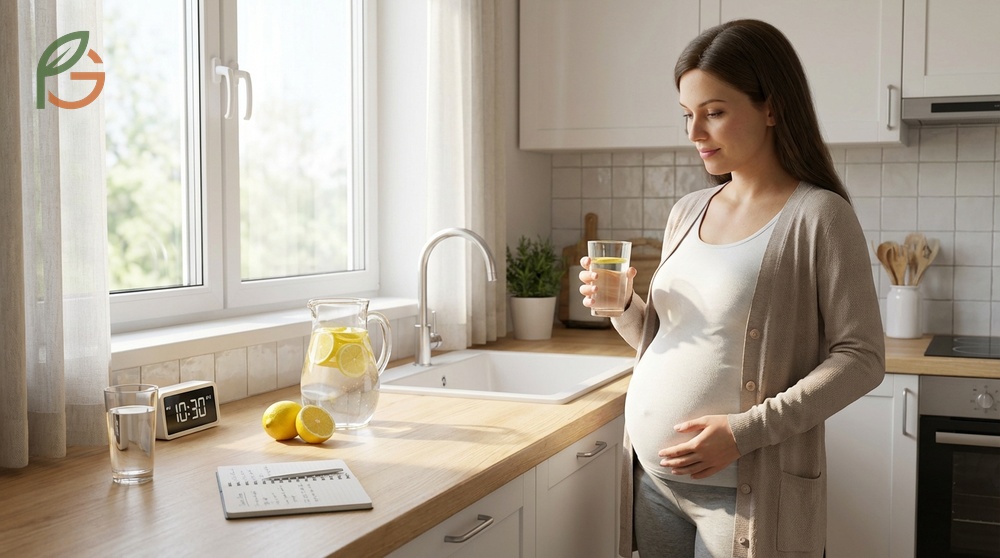
The best approach to drinking lemon water during pregnancy involves strategic timing and proper preparation methods. Research shows that consuming lemon water between meals maximizes vitamin C absorption while minimizing potential acid reflux triggers[6]. Room temperature works better than ice-cold beverages, especially during the first trimester when morning sickness peaks.
For optimal dental health, you’ll want to rinse your mouth with plain water after drinking lemon water or use a straw to minimize enamel contact. The citric acid can soften tooth enamel temporarily, making teeth more vulnerable to erosion[7]. Wait at least 30 minutes before brushing your teeth to allow enamel to reharden naturally.
Morning consumption often works best for nausea relief, while afternoon servings can boost energy and maintain hydration throughout the day. If you’re prone to nighttime heartburn, avoid lemon water within 2-3 hours of bedtime to prevent acid reflux symptoms.
From My Experience: My cousin in Guadalajara, Mexico discovered lemon water during her second trimester in March 2024. She found that adding fresh-squeezed lemon to room-temperature water helped her reach her daily hydration goals—going from 4 glasses to 10 glasses daily—matching the recommended intake from medical guidelines.
- Squeeze fresh lemons rather than using bottled juice concentrates
- Dilute juice from half a lemon in 8-12 ounces of water initially
- Drink through a straw to protect tooth enamel from acid exposure
- Consume between meals rather than with food for better vitamin C absorption
- Rinse mouth with plain water after finishing lemon water
- Store prepared lemon water in glass containers to preserve vitamin content
Dental Health Tip: Pregnancy already increases risk of dental issues due to hormonal changes affecting gum tissue. To protect your teeth while enjoying lemon water, consider using a fluoride mouth rinse and maintaining regular dental checkups throughout your pregnancy.
Nausea Remedies Pregnancy
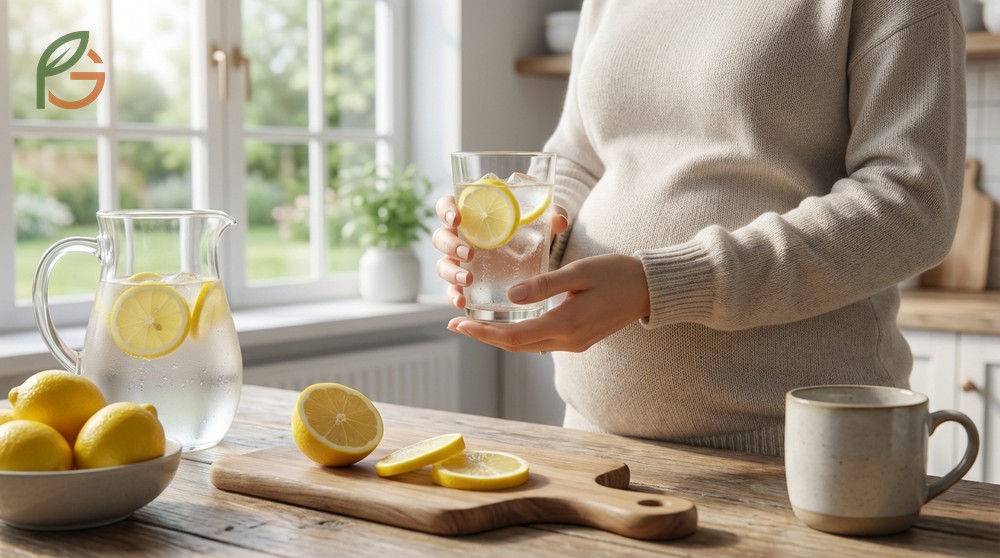
Lemon water ranks among the most effective natural remedies for pregnancy-related nausea and morning sickness. Studies demonstrate that citric acid stimulates digestive secretions, helping to calm queasy stomachs during the first trimester[3]. Many pregnant women report noticeable relief within 15-30 minutes of sipping lemon water slowly.
The scent of fresh lemon also provides therapeutic benefits beyond consumption. Research indicates that simply inhaling lemon aroma can reduce nausea intensity by activating specific neurological pathways that regulate digestive comfort. Keep lemon slices nearby or use lemon essential oil diffusion if you’re too nauseous to drink fluids.
For maximum effectiveness against morning sickness, prepare lemon water the night before and keep it at your bedside. Take small sips before getting out of bed to stabilize blood sugar and reduce nausea intensity. This proactive approach works better than waiting until symptoms become severe.
- Lemon water sipped slowly throughout the morning hours
- Ginger tea combined with a splash of lemon juice
- Small, frequent meals every 2-3 hours to maintain stable blood sugar
- Vitamin B6 supplements (25-50 mg) as recommended by healthcare providers
- Acupressure wristbands targeting P6 pressure points
- Fresh air and gentle movement like short walks
- Cold foods that don’t produce strong odors
Vitamin C for Pregnancy
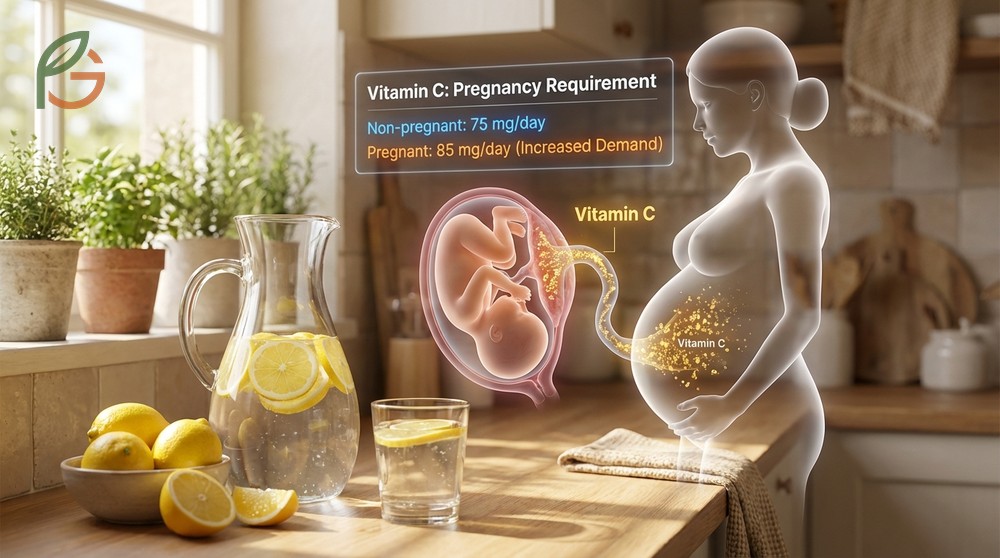
Vitamin C requirements increase significantly during pregnancy, rising from 75 mg daily for non-pregnant women to 85 mg during gestation[1]. This essential nutrient actively transfers across the placenta, causing maternal plasma levels to decline unless dietary intake increases. Lemon water provides an accessible way to boost vitamin C consumption naturally.
Evidence indicates that adequate vitamin C intake during pregnancy may reduce risks of complications including preeclampsia, intrauterine growth restriction, and premature rupture of membranes[8]. While supplementation plays a role, obtaining vitamin C from whole food sources like lemons offers additional phytonutrients that support overall maternal health.
The recommended supplementation level for US women ranges from 100-200 mg daily through prenatal vitamins[1]. Combining supplement intake with dietary sources like lemon water helps ensure optimal levels without approaching the upper tolerable limit of 2000 mg daily.
This table compares vitamin C content in milligrams across five common citrus fruits and vegetables safe for pregnancy consumption
| Food Source | Serving Size | Vitamin C (mg) | % Daily Value |
|---|---|---|---|
| Fresh Lemon Juice | 1 medium lemon | 30-40 | 35-47% |
| Orange | 1 medium fruit | 70 | 82% |
| Strawberries | 1 cup sliced | 89 | 105% |
| Red Bell Pepper | 1 cup chopped | 190 | 224% |
| Kiwi | 1 medium fruit | 64 | 75% |
- Supports collagen formation for fetal tissue development
- Enhances iron absorption from plant-based foods by up to 300%
- Strengthens immune system function for both mother and baby
- Acts as antioxidant protecting cells from oxidative stress
- Aids in wound healing and tissue repair post-delivery
Heartburn During Pregnancy Remedies

While lemon water offers numerous benefits, it can worsen heartburn in some pregnant women due to its acidic nature. Current data shows that 45-80% of expectant mothers experience acid reflux at some point during pregnancy, primarily caused by hormonal changes and uterine pressure on the stomach[9]. If you notice increased discomfort after drinking lemon water, consider these alternatives.
For women who tolerate lemon water well, timing becomes crucial for preventing heartburn. Avoid consumption within 2-3 hours of bedtime and drink smaller amounts throughout the day rather than large volumes at once. Some pregnant women find that slightly diluting their lemon water further—using juice from a quarter lemon instead of half—reduces acid reflux triggers.
If lemon water consistently causes heartburn, you can still obtain similar benefits from other sources. Cucumber water provides hydration without acidity, while mint tea offers digestive support and nausea relief. Coconut water delivers electrolytes and natural sweetness that many pregnant women find appealing.
- Eating smaller, more frequent meals every 2-3 hours
- Avoiding trigger foods like chocolate, caffeine, and spicy dishes
- Elevating the head of your bed by 6-8 inches during sleep
- Wearing loose-fitting clothing that doesn’t constrict the abdomen
- Chewing sugar-free gum to stimulate saliva production and neutralize acid
- Consuming calcium-rich foods like yogurt that naturally buffer stomach acid
- Trying papaya enzymes or digestive bitters before meals
Warning for Severe Heartburn: If you experience persistent heartburn that doesn’t respond to lifestyle changes, or if you notice symptoms like difficulty swallowing, weight loss, or blood in vomit, contact your healthcare provider immediately. These could indicate more serious conditions requiring medical intervention.
Conclusion
The evidence is clear: lemon water during pregnancy offers significant health benefits when consumed mindfully and in moderation. Research confirms it safely addresses common pregnancy challenges including morning sickness, inadequate hydration, and increased vitamin C needs—making it a valuable addition to most expectant mothers’ daily routines. The key is finding your optimal dilution ratio and timing pattern that maximizes benefits while minimizing potential side effects like dental erosion or heartburn.
Current guidance emphasizes listening to your body’s signals and adjusting consumption based on individual tolerance. Start with small amounts and gradually increase as you gauge your response. FruitGarden synthesizes evidence-based nutritional research to empower pregnant women with practical, science-backed information for healthier pregnancy outcomes through simple dietary choices.
Medical Disclaimer
Important Medical Disclaimer: This content is for informational and educational purposes only. It is not intended as a substitute for professional medical advice, diagnosis, or treatment. Always consult a qualified healthcare professional before making any changes to your diet, hydration routine, or health practices during pregnancy, especially if you have gestational diabetes, acid reflux, dental issues, or other medical conditions. Every pregnancy is unique, and your healthcare provider can offer personalized guidance based on your specific health status and needs.
Frequently Asked Questions
Can I Drink Lemon Water While Pregnant Every Day?
Yes, you can drink lemon water daily during pregnancy in moderate amounts—typically one to two lemons diluted in water. This provides vitamin C benefits and hydration support without exceeding safe limits. If you experience any adverse effects like increased heartburn or tooth sensitivity, reduce your intake or consult your healthcare provider for personalized guidance.
Does Lemon Water Help With Morning Sickness?
Yes, lemon water can effectively reduce morning sickness symptoms. Research shows that citric acid stimulates digestive secretions and calms nausea, with many pregnant women reporting relief within 15-30 minutes of consumption. For best results, sip lemon water slowly upon waking and keep small amounts at your bedside to consume before getting up.
What’s the Best Time to Drink Lemon Water During Pregnancy?
Morning consumption works best for nausea relief, while drinking between meals maximizes vitamin C absorption. Avoid lemon water within 2-3 hours of bedtime if you’re prone to heartburn. You can spread your intake throughout the day—having some upon waking, mid-morning, and afternoon—to maintain consistent hydration and nutrient delivery.
Can Lemon Water Damage My Teeth During Pregnancy?
Lemon water can soften tooth enamel temporarily due to citric acid content, but you can minimize risks by using a straw, rinsing your mouth with plain water afterward, and waiting 30 minutes before brushing. Pregnancy already increases dental vulnerability, so maintain regular dental checkups and consider fluoride mouth rinses if consuming acidic beverages daily.
How Much Lemon Should I Add to Water When Pregnant?
Start with juice from half a lemon diluted in 8-12 ounces of water, then adjust based on your tolerance. This ratio provides vitamin C benefits without overwhelming your system with acidity. If you have sensitive teeth or acid reflux, begin with a quarter lemon per glass and gradually increase if you don’t experience adverse effects.
Is Cold or Warm Lemon Water Better During Pregnancy?
Room temperature or slightly warm lemon water is generally better during pregnancy, especially in winter months when cold beverages might trigger coughs or discomfort. Cold lemon water can occasionally worsen nausea in some women, though others find it refreshing. Experiment with different temperatures to discover what works best for your body and current trimester.
Can Lemon Water Cause Heartburn During Pregnancy?
Yes, lemon water can worsen heartburn in some pregnant women due to its acidic nature, though others tolerate it well. If you experience increased acid reflux after drinking lemon water, try further dilution, drink smaller amounts, avoid consumption near bedtime, or switch to less acidic alternatives like cucumber water or coconut water that still provide hydration benefits.





