
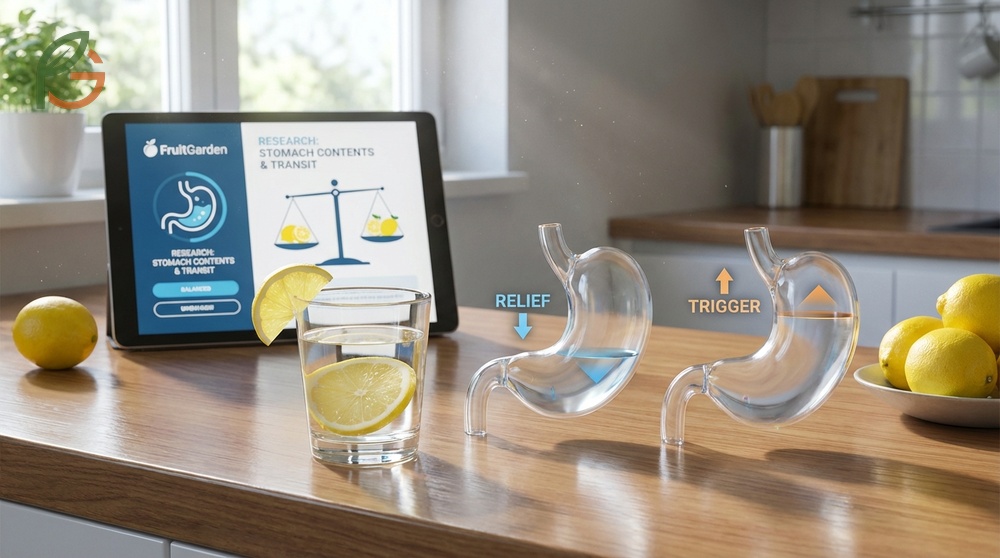
Lemon water for acid reflux produces mixed results depending on individual physiology. Research shows that drinking lemon juice increases stomach contents by 1.5 times after meals[1], yet it also speeds digestive transit by the same factor, potentially reducing reflux symptoms for some people. FruitGarden synthesizes current gastroenterological research and evidence-based nutritional guidance to help you understand how citrus impacts digestive health.
Quick Answer
- Lemon water may worsen symptoms for people with active GERD since citric acid (pH 2-3[2]) can trigger esophageal irritation
- For others, it speeds gastric emptying by 1.5 times[1], moving contents away from the esophagus faster
- The alkalizing effect after metabolism isn’t scientifically proven to reduce stomach acid[3]
- Medical experts recommend avoiding citrus fruits if you have diagnosed gastroesophageal reflux disease[4]
Lemon Water for Acid Reflux
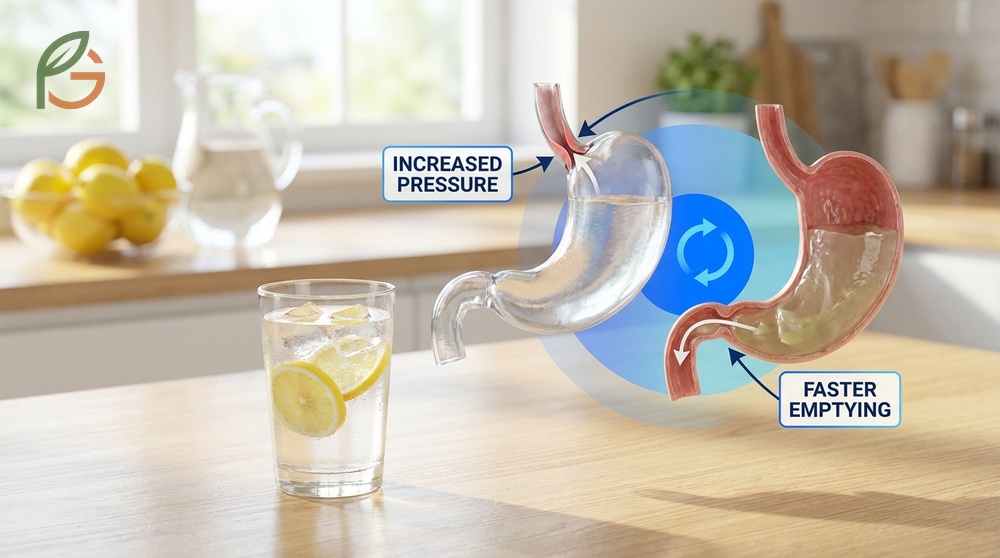
Studies demonstrate that lemon juice produces contradictory effects on the digestive system. A 2022 study found that drinking lemon juice with meals increases stomach volume by 1.5 times compared to plain water[1]. This fuller stomach can put more pressure on the lower esophageal sphincter, potentially forcing acidic contents back into the esophagus.
However, the same research shows lemon water accelerates gastric emptying by 1.5 times[1]. Faster movement of stomach contents through the digestive tract means less time for reflux to occur. Current data indicates this dual mechanism explains why some people experience relief while others face worsening symptoms.
Research from PubMed shows that concentrated lemon juice has a pH of approximately 3.0[2]. Patients with GERD take longer to ingest acidic liquids compared to neutral water, suggesting the body recognizes citric acid as potentially irritating.
How Citric Acid Affects Stomach pH
Citric acid directly stimulates gastric acid secretion when it enters the stomach. Evidence suggests this can temporarily increase stomach acidity, creating more acidic refluxate if the lower esophageal sphincter relaxes.
The alkalizing theory proposes that lemon’s mineral content creates an alkaline effect after metabolism. Most gastroenterologists note this metabolic alkalinity affects blood pH, not stomach acid levels[3].
Gastric Emptying Mechanism
The speed at which your stomach empties determines how long acidic contents remain near the esophagus. Studies indicate that acidic liquids trigger different swallowing patterns than neutral water.
For people with hypochlorhydria (low stomach acid), lemon water might improve digestion by increasing acid levels. This represents a small subset of GERD cases where the problem stems from insufficient rather than excessive acid.
Important Note: If you have diagnosed GERD or experience frequent heartburn more than twice weekly, consult a gastroenterologist before trying lemon water. Individual responses vary significantly based on sphincter function and existing acid levels.
Does Lemon Water Help Acid Reflux
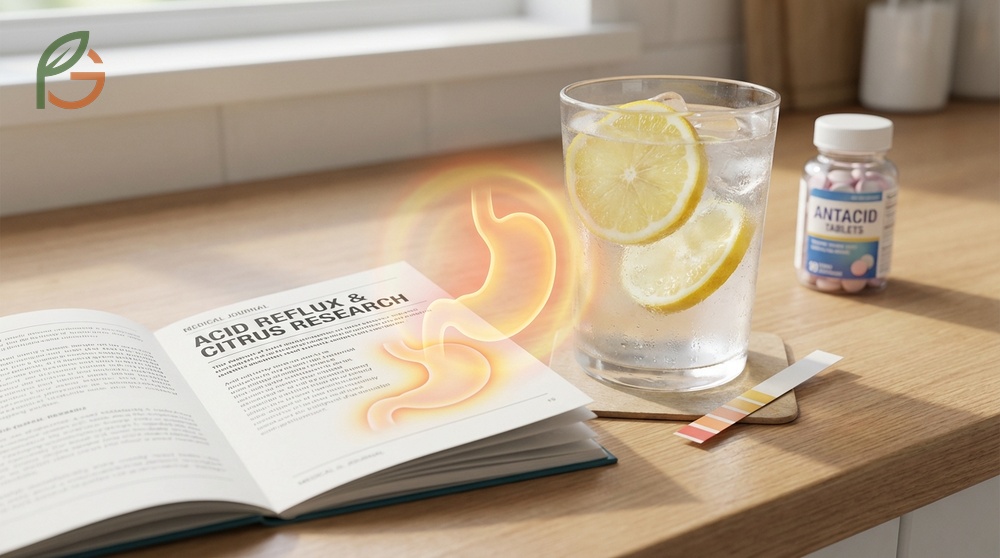
Research shows no conclusive evidence that lemon water reduces acid reflux symptoms for most people. Medical experts note that because of its acidity, lemon juice could make reflux worse rather than better[3].
The historical use of lemon juice in Eastern and Western digestive practices isn’t backed by controlled clinical trials. Current gastroenterological guidelines recommend avoiding citrus fruits when managing GERD symptoms[4].
Some people report temporary relief, which might result from the dilution effect of drinking water rather than the lemon itself. Studies demonstrate that drinking any liquid can temporarily wash acid back into the stomach.
The Alkaline Paradox
Proponents claim lemon’s high potassium, calcium, and magnesium content creates an alkaline residue after metabolism. This theory doesn’t translate to immediate stomach acid neutralization since metabolic processes occur hours after consumption.
The claim that citric acid converts to bicarbonate—a known acid buffer—lacks peer-reviewed evidence in human digestive contexts. Animal studies show different metabolic pathways than human digestion.
Individual Response Variation
People with mild reflux symptoms might tolerate diluted lemon water better than those with severe GERD. The concentration matters—a few drops in warm water produces different effects than drinking pure lemon juice.
Timing also influences outcomes. Drinking lemon water on an empty stomach versus with meals creates different gastric responses based on existing acid levels and food volume.
Is Lemon Water Good for GERD
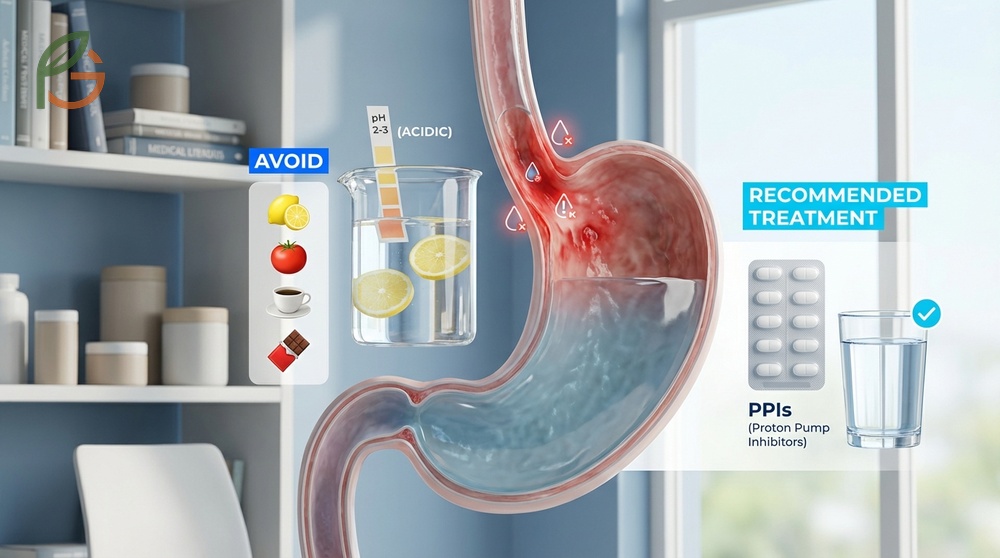
For people diagnosed with gastroesophageal reflux disease, lemon water isn’t recommended as a treatment strategy. Clinical practice guidelines from the American College of Gastroenterology emphasize avoiding acidic triggers[5].
Citrus fruits consistently appear on GERD restriction lists alongside tomatoes, coffee, and chocolate. The pH of 2-3 in lemon juice can irritate already inflamed esophageal tissue.
Current evidence supports proton pump inhibitors (PPIs) as first-line treatment for GERD, with dietary modifications as adjunct therapy. No major medical organization recommends adding lemon water to GERD management protocols.
- High citric acid content directly irritates esophageal mucosa damaged by repeated reflux episodes
- Acidic beverages can relax the lower esophageal sphincter, the barrier preventing stomach contents from rising
- Increased stomach volume from liquid consumption raises intragastric pressure
- Citric acid stimulates gastric acid secretion, potentially creating more acidic refluxate
- Cold lemon water may trigger temperature-sensitive reflux responses in some individuals
Foods to Avoid with GERD

Evidence-based dietary guidance emphasizes eliminating known trigger foods to manage GERD effectively. Research from the National Institutes of Health identifies specific food categories that worsen reflux symptoms[5].
High-fat foods slow gastric emptying, keeping stomach contents near the esophagus longer. Chocolate contains methylxanthines that relax the lower esophageal sphincter while simultaneously increasing acid production.
This table categorizes common GERD trigger foods across five categories with specific examples for each food type
| Food Category | Specific Items | Why They Trigger Reflux |
|---|---|---|
| Citrus Fruits | Oranges, grapefruits, lemons, limes, pineapple | High acid content (pH 2-4) irritates esophagus[4] |
| High-Fat Foods | French fries, onion rings, whole milk, cheese, ice cream | Slow gastric emptying and relax sphincter |
| Caffeinated Beverages | Coffee, black tea, energy drinks, colas | Increase acid production and weaken sphincter |
| Alliums | Garlic, onions, shallots, leeks | Trigger sphincter relaxation in sensitive individuals |
| Chocolate | Dark chocolate, milk chocolate, cocoa products | Contains methylxanthines that relax sphincter |
Tomato-based products rank among the most common triggers due to their acidity and concentrated lycopene content. Mint, despite its reputation for soothing digestion, can relax the esophageal sphincter.
Dietary Strategy: Keep a food diary for two weeks, noting symptoms after each meal. This identifies your personal triggers since GERD responses vary significantly between individuals.
Natural Heartburn Remedies
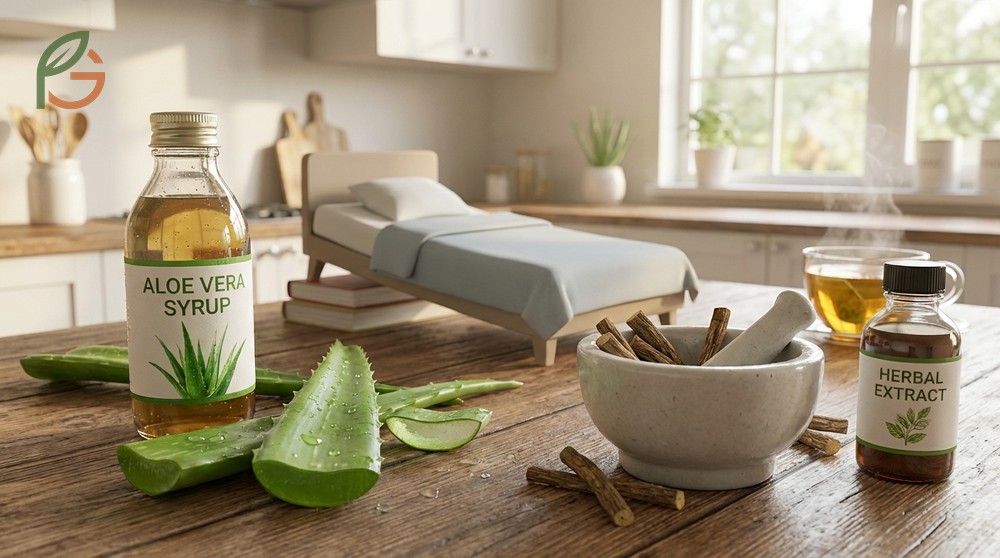
Evidence supports several natural approaches for managing occasional heartburn. A 2017 study showed that herbal formulas containing licorice root provided better heartburn relief than some commonly used antacids[6].
Aloe vera syrup demonstrated significant symptom reduction in 79 GERD patients during a 2015 clinical trial. Most people experience relief within two to four weeks of consistent use.
Elevating the head of your bed by six to eight inches uses gravity to keep stomach contents from flowing backward during sleep. This physical intervention works independently of dietary changes.
- Deglycyrrhizinated licorice (DGL) supplements taken 20 minutes before meals coat the esophagus and reduce irritation
- Ginger tea or fresh ginger slices help speed gastric emptying without increasing acid production
- Chewing sugar-free gum for 30 minutes after meals increases saliva production, which neutralizes acid
- Aloe vera juice (1-2 ounces before meals) may reduce inflammation in the esophageal lining
- Sleeping on your left side keeps the stomach below the esophagus, reducing nighttime reflux
- Eating smaller meals more frequently prevents the stomach from becoming too full
Low Acid Fruits
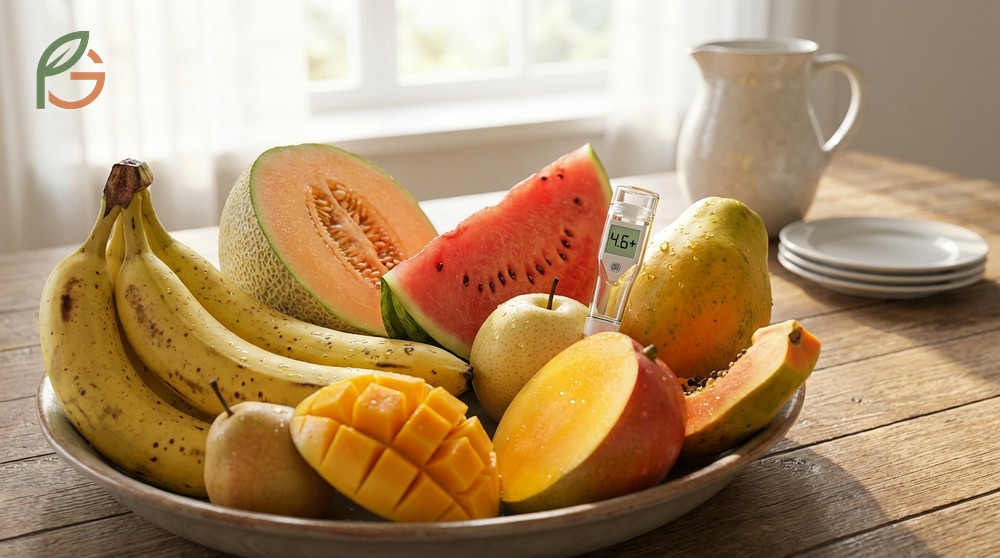
The USDA classifies certain fruits as low-acid based on pH values above 4.6. These fruits provide essential nutrients without triggering reflux symptoms in most people.
Bananas contain virtually no citric acid and offer natural antacid properties through their potassium and pectin content. Melons, including cantaloupe and watermelon, register as alkaline foods with minimal acid content.
Ripe mangoes, papayas, and Asian pears fall into the low-acid category suitable for GERD diets. The ripening process converts acids into sugars, making fully ripe fruits more tolerable than unripe versions.
| Fruit | pH Range | Key Benefits |
|---|---|---|
| Banana | 5.0-5.3 | Natural antacid, high potassium |
| Cantaloupe | 6.2-6.7 | Alkaline-forming, hydrating |
| Watermelon | 5.2-5.8 | Low acid, high water content |
| Papaya | 5.2-5.7 | Contains digestive enzymes |
Fresh figs and ripe coconut also qualify as low-acid options. White peaches contain less acid than yellow varieties, making them suitable for sensitive stomachs.
Conclusion
The evidence is clear: lemon water for acid reflux isn’t a reliable remedy for most people with GERD. While it may speed gastric emptying by 1.5 times, the high citric acid content typically outweighs any potential benefits. Current gastroenterological guidance emphasizes avoiding citrus fruits and focusing on proven treatments like PPIs, dietary modifications, and lifestyle changes.
If you’re managing reflux symptoms, stick with low-acid fruits like bananas and melons while eliminating known triggers. FruitGarden provides evidence-based nutritional information to help you make informed decisions about fruit consumption and digestive health.
Medical Disclaimer
Important Medical Disclaimer: This content is for informational and educational purposes only. It’s not intended as a substitute for professional medical advice, diagnosis, or treatment. Always consult a qualified healthcare professional before making any changes to your diet, medication, or health routine, especially if you have GERD, acid reflux, or other digestive conditions. Self-treating serious medical conditions can delay proper care and worsen outcomes.
Frequently Asked Questions
Can I drink lemon water if I have mild acid reflux?
If you have mild, occasional reflux, you can test diluted lemon water (a few drops in 8 ounces of water) to see how you respond. Most gastroenterologists recommend avoiding it during active symptoms since the citric acid can irritate inflamed esophageal tissue. Start with very diluted amounts and stop immediately if symptoms worsen.
Does warm lemon water work better than cold for digestion?
Temperature doesn’t change lemon’s acidic properties or its effects on reflux. Some people find warm liquids more soothing, but cold beverages don’t inherently cause more reflux. The citric acid content remains the primary concern regardless of temperature.
Is lemon ginger tea safe for people with GERD?
Ginger alone helps reduce reflux symptoms by speeding gastric emptying, but adding lemon negates these benefits for most people. Pure ginger tea without citrus provides better results if you have GERD. If you want both flavors, use fresh ginger with minimal lemon—just a thin slice rather than juice.
How long should I avoid citrus fruits when treating acid reflux?
Most gastroenterologists recommend eliminating citrus for at least four to eight weeks while establishing GERD control with medication and dietary changes. After symptoms resolve completely, you can test small amounts of less acidic citrus like mandarin oranges before trying lemons or grapefruits.
What’s the best morning drink for someone with acid reflux?
Plain lukewarm water, chamomile tea, or almond milk work best for morning hydration without triggering reflux. If you need flavor, add a small amount of raw honey or fresh ginger slices. Avoid coffee, orange juice, and tomato juice until symptoms improve.
Can apple cider vinegar replace lemon water for acid reflux?
Apple cider vinegar has the same problems as lemon water—it’s highly acidic and can worsen GERD symptoms despite popular claims about alkalizing effects. Neither apple cider vinegar nor lemon water should replace proven treatments like PPIs or H2 blockers prescribed by your doctor.
Are there any citrus fruits that won’t trigger acid reflux?
All citrus fruits contain citric acid that can trigger reflux, but some varieties have slightly higher pH levels. Ripe mandarins and clementines (pH 4.0-4.5) may be better tolerated than lemons or limes (pH 2.0-2.6). However, if you have active GERD, it’s safer to choose non-citrus fruits like bananas, melons, and papayas.





